Stroke Rehabilitation After Hospital Discharge: Recovery Goals and Follow-Up Care
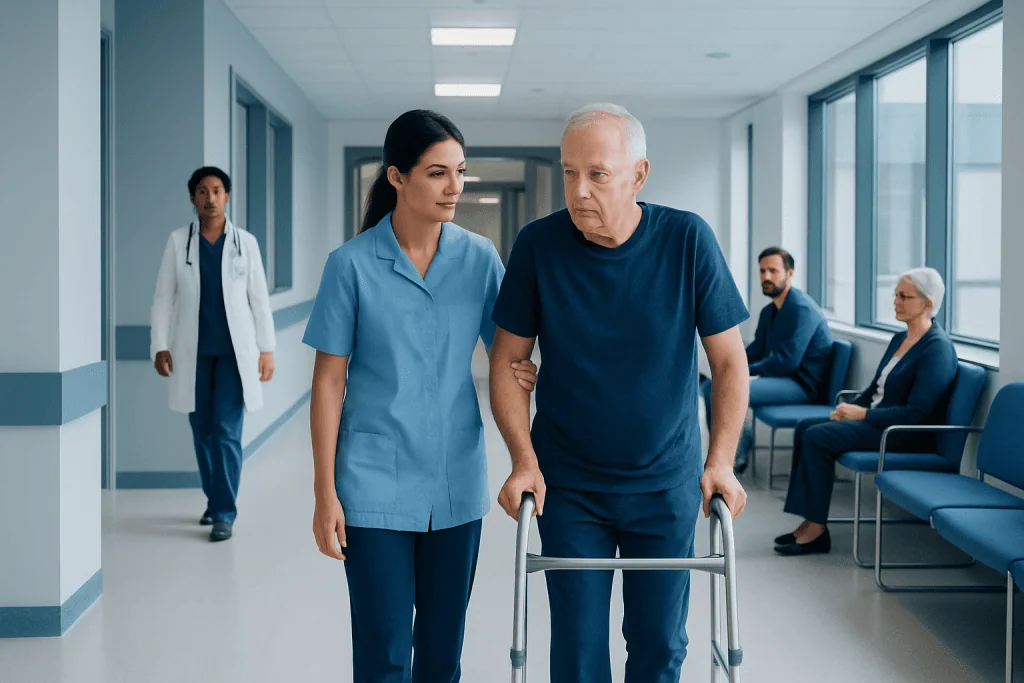
Recovery after stroke continues well beyond the hospital stay and often involves a personalized rehabilitation plan. Goals commonly include improving movement, communication, swallowing, thinking, mood, and daily independence.
Key Takeaways
- Recovery after stroke continues well beyond the hospital stay and often involves a personalized rehabilitation plan.
- Goals commonly include improving movement, communication, swallowing, thinking, mood, and daily independence.
- Regular follow-up helps adjust treatment, prevent complications, and reduce the risk of another stroke.
- Rehabilitation may include physical, occupational, speech, and cognitive therapies, along with medical management.
- Patients and caregivers should seek urgent medical help right away if new stroke symptoms appear.
Stroke rehabilitation after hospital discharge focuses on rebuilding skills, supporting independence, and reducing the risk of future problems. Recovery is often gradual, but structured therapy, regular follow-up, and family support can make a meaningful difference.
Overview of Stroke Rehabilitation After Discharge
Stroke rehabilitation after hospital discharge is the phase of recovery that begins once a patient is medically stable enough to leave acute hospital care. Although emergency treatment is crucial, healing and adaptation often continue for weeks, months, or longer. Rehabilitation is designed to help the person regain as much function as possible, learn new ways to manage lasting changes, and return to daily life safely.
The effects of a stroke vary widely from person to person. Some people mainly experience weakness in an arm or leg, while others may have problems with speech, swallowing, memory, attention, vision, balance, or emotional control. Because of this, discharge planning usually includes an individualized rehabilitation program based on the part of the brain affected, the severity of the event, the person’s age and general health, and their home support.
Rehabilitation may take place in different settings. Depending on need, this can include inpatient rehabilitation, outpatient clinics, home-based therapy, or community programs. Many patients need more than one type of service over time. The main goal is not simply exercise, but practical recovery: improving mobility, communication, self-care, safety, and confidence.
For people recovering from stroke, follow-up care also includes prevention. Stroke survivors often need ongoing monitoring of blood pressure, heart rhythm, cholesterol, diabetes, and other risk factors. A good rehabilitation plan combines therapy with medical follow-up so that recovery and prevention happen together.
Common Recovery Goals After a Stroke
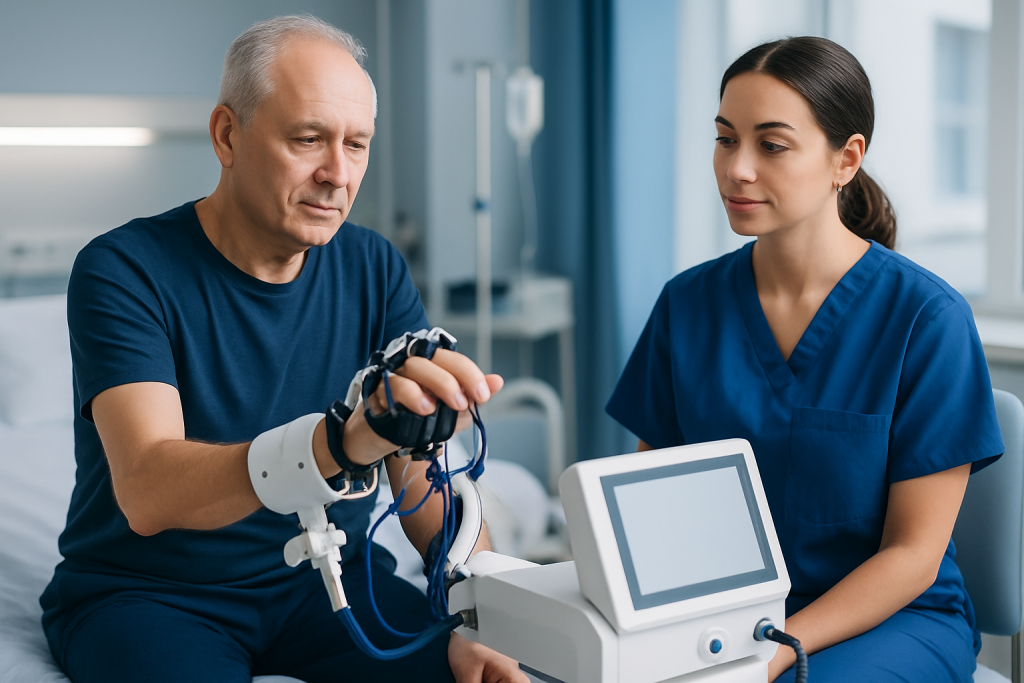
Recovery goals are most helpful when they are realistic, specific, and meaningful to the patient’s daily life. In the early weeks after discharge, goals may focus on basic function such as sitting safely, transferring from bed to chair, walking short distances, eating safely, using the bathroom, or communicating basic needs. As recovery continues, goals often expand to include work, social activities, hobbies, driving, or household tasks.
Many rehabilitation teams use short-term and long-term goals. A short-term goal might be improving hand grip enough to hold utensils, while a long-term goal might be preparing a simple meal independently. Goals are usually reviewed regularly because progress may be faster in some areas than others. A changing plan is normal and often reflects recovery rather than a setback.
Common areas addressed in stroke rehabilitation include:
- Strength, balance, coordination, and walking
- Daily activities such as dressing, bathing, and cooking
- Speech, language, reading, and writing
- Swallowing and nutrition
- Memory, attention, planning, and problem-solving
- Mood, sleep, fatigue, and emotional adjustment
- Home safety and fall prevention
Families and caregivers are often included in goal-setting because support at home is an important part of success. When patients understand what they are working toward and why, rehabilitation can feel more manageable. Even when full recovery is not possible, therapy can still improve independence, comfort, and quality of life.
Symptoms and Challenges During Recovery
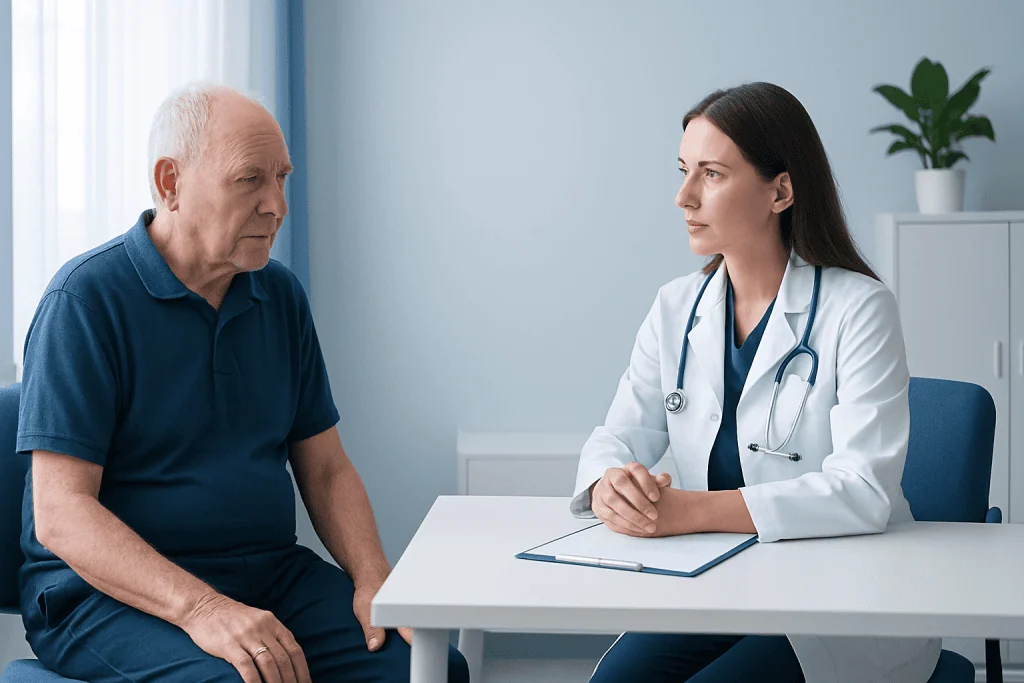
After discharge, many stroke survivors notice a mix of visible and less visible symptoms. Weakness or paralysis on one side of the body is common, but ongoing challenges may also include stiffness, poor balance, fatigue, numbness, visual changes, slowed thinking, or trouble finding words. Emotional effects such as frustration, anxiety, irritability, or low mood are also common and should be taken seriously.
Some symptoms improve steadily, while others fluctuate from day to day. Fatigue is one of the most frequent concerns and can persist even when physical healing seems to be progressing. Concentration may worsen later in the day, and simple tasks may take much more effort than before. This does not necessarily mean recovery has stopped; it often means the brain and body are still healing and adapting.
Speech and swallowing difficulties can have a major impact on confidence and safety. A person may understand language but struggle to speak clearly, or may have trouble understanding words even though hearing is normal. Swallowing problems may increase the risk of choking, dehydration, or poor nutrition, so they usually require professional assessment and a tailored eating plan.
Cognitive and emotional changes can be especially challenging because they are less obvious to others. Problems with memory, judgment, planning, or impulse control may affect work, finances, medications, and relationships. In some cases, structured support from specialists such as neuropsychology services or neuropsychiatry care can help assess thinking skills, behavior, and mood during recovery.
Follow-Up Care and Medical Monitoring
Follow-up care after stroke is essential because the period after discharge is when treatment plans are refined and risks are reassessed. Patients commonly have appointments with a neurologist, rehabilitation physician, primary care doctor, and therapists. These visits review recovery progress, medication tolerance, blood pressure control, nutrition, swallowing, mood, and any new symptoms.
Doctors may also investigate why the stroke happened if the cause is not fully clear. This can involve blood tests, heart monitoring, ultrasound of the neck vessels, or brain and blood vessel imaging. In some people, underlying problems such as atrial fibrillation, uncontrolled diabetes, or carotid artery stenosis become a central part of long-term prevention planning.
Medication review is another key part of follow-up. Many patients leave the hospital with medicines to reduce clotting risk, lower blood pressure, control cholesterol, or manage diabetes and heart disease. These treatments need regular review to balance benefit, safety, and adherence. Patients should never stop stroke-related medication without medical advice, even if they feel well.
If headaches, dizziness, vision changes, or unexplained neurological symptoms continue, clinicians may recommend specialist assessment or imaging through services such as neuroradiology when appropriate. In some cases, a doctor may also consider whether a prior event was related to a transient ischemic attack or another neurological condition that needs separate management.
Treatment Options in Post-Stroke Rehabilitation
Stroke rehabilitation is usually multidisciplinary, meaning several professionals work together toward shared goals. Physical therapy often focuses on walking, balance, strength, posture, and safe transfers. Occupational therapy helps with dressing, bathing, hand use, home tasks, and adaptive equipment. Speech and language therapy supports communication, cognition, and swallowing. Rehabilitation nursing, dietitians, psychologists, and social workers may also be involved.
The intensity and type of therapy depend on the person’s needs and stamina. Some patients benefit from intensive inpatient rehabilitation soon after discharge, while others do well with outpatient appointments or home visits. Repetition, task-specific practice, and gradual progression are important principles. Recovery is rarely perfectly linear, so plans are adjusted over time rather than judged by any single day.
Assistive devices can also play an important role. These may include canes, walkers, wheelchairs, ankle-foot orthoses, shower chairs, grab bars, communication tools, or modified utensils. Using adaptive equipment is not a sign of failure; it is often a practical way to increase safety and independence while recovery continues.
Some people need more specialized neurological input, especially if there are complex movement problems, muscle stiffness, tremor, or persistent deficits from a severe stroke. Depending on the situation, care may involve movement disorders support or review by geriatric neurology specialists for older adults with multiple medical needs. Near the end of rehabilitation planning, some international patients may also explore coordinated care at Acibadem International, where multidisciplinary specialists in JCI-accredited hospitals diagnose and treat stroke-related neurological needs.
Prevention, Self-Care, and Support at Home
Self-care after stroke is not only about exercise. It also includes protecting brain and vascular health, building a sustainable routine, and reducing complications. Patients are usually advised to take medications exactly as prescribed, attend follow-up appointments, monitor blood pressure if recommended, and work with their care team on diet, physical activity, sleep, and smoking cessation.
Home safety is another major priority. Simple changes can lower the risk of falls and make daily life easier. These may include removing loose rugs, improving lighting, installing handrails, keeping commonly used items within reach, and arranging furniture to create clear walking paths. If swallowing is affected, meal texture and fluid recommendations should be followed carefully.
Caregivers often need support too. Helping with appointments, exercises, medications, or communication can be demanding, especially if recovery is slow. It is helpful for families to ask the rehabilitation team for practical training, written instructions, and guidance about what level of assistance is safe at home. Respite, support groups, and counseling may reduce caregiver strain.
Long-term prevention focuses on reducing the chance of another stroke. This commonly includes managing high blood pressure, diabetes, high cholesterol, obesity, sleep problems, and heart conditions. Limiting alcohol, avoiding tobacco, staying as active as possible, and eating a heart-healthy diet all contribute to safer recovery.
When to See a Doctor Urgently
It is important to know which changes are expected in recovery and which may signal a new medical problem. Gradual improvement with occasional tired days is common, but sudden neurological symptoms are not. Any possible sign of a new stroke should be treated as an emergency, even if the symptoms seem brief or improve quickly.
Urgent medical attention is needed if a person develops sudden facial drooping, arm weakness, leg weakness, numbness, trouble speaking, confusion, severe dizziness, loss of coordination, or sudden vision loss. A sudden severe headache, fainting, seizures, chest pain, or severe shortness of breath also require immediate evaluation.
Patients should also contact their doctor promptly for symptoms that are less dramatic but still important. These include increasing difficulty swallowing, repeated falls, worsening depression, new confusion, uncontrolled pain, pressure sores, medication side effects, or signs of infection such as fever or cough. Early treatment can prevent small problems from becoming larger setbacks.
Patients recovering at home should keep emergency numbers accessible and make sure family members know the warning signs. If there is any concern about a new stroke or TIA, it is safest to seek emergency help right away rather than wait for the next clinic appointment.
Frequently asked questions
How long does stroke rehabilitation last after hospital discharge?
Stroke rehabilitation can last from weeks to many months, and some people continue exercises and follow-up for longer. The timeline depends on the type of stroke, the severity of symptoms, overall health, and how the person responds to therapy.
What therapies are commonly needed after a stroke?
Many patients need a combination of physical therapy, occupational therapy, and speech and language therapy. Some also benefit from swallowing therapy, cognitive rehabilitation, psychological support, and regular neurological follow-up.
Can a person continue improving months after a stroke?
Yes. Recovery is often most rapid in the first weeks and months, but improvement can continue beyond that period. Consistent therapy, practice, and treatment of medical risk factors can all support further gains.
What should caregivers focus on at home after a stroke?
Caregivers can help by supporting medications, appointments, home exercises, and a safe environment. They should also watch for swallowing problems, falls, mood changes, and any sudden new neurological symptoms.
Is fatigue normal during stroke recovery?
Yes, fatigue is very common after a stroke and may affect both physical and mental activity. It can improve over time, but persistent or worsening fatigue should be discussed with a doctor because sleep, mood, medication effects, and other health issues may contribute.
When should someone call emergency services after a stroke survivor comes home?
Emergency help is needed right away for sudden weakness, facial drooping, difficulty speaking, new confusion, severe dizziness, vision loss, or a sudden severe headache. Even brief symptoms may be a warning of another stroke and should not be ignored.
References
- World Stroke Organization
- American Stroke Association
- National Institute of Neurological Disorders and Stroke
- Centers for Disease Control and Prevention
- World Health Organization
This article is for general information only and is not a substitute for professional medical advice. Please consult a qualified doctor about your individual situation.
Explore treatments in Turkey — costs, top hospitals & a free quote
JCI-accredited · board-certified surgeons · reply within 24h
Add us as a Preferred Source to see more of our trusted health content across Google Search, AI Overviews and Discover.
Check your numbers in seconds
BMI, calories, due date, blood pressure and 30+ more clinical calculators — free, instant, doctor-reviewed ranges.

Neurology
Diagnosis and treatment of disorders of the brain, spinal cord, nerves and muscles.
51 specialists in this unit