Ulcerative Colitis: Biologic Therapy Benefits, Risks, and Monitoring

Biologic therapy targets parts of the immune system that drive inflammation in ulcerative colitis. It is often used for moderate to severe disease or when other treatments have not worked well enough.
Key Takeaways
- Biologic therapy targets parts of the immune system that drive inflammation in ulcerative colitis.
- It is often used for moderate to severe disease or when other treatments have not worked well enough.
- Benefits may include fewer flares, healing of the colon lining, and reduced need for steroids.
- Risks include infections, infusion or injection reactions, and loss of response over time.
- Monitoring before and during treatment helps improve safety and treatment success.
Biologic therapy is an important treatment option for many people with moderate to severe ulcerative colitis, especially when standard medicines are not enough. These targeted medicines can improve symptoms and help protect the bowel, but they also require careful screening, follow-up, and shared decision-making with a specialist.
Overview of biologic therapy in ulcerative colitis
Ulcerative colitis is a long-term inflammatory bowel disease that affects the lining of the large intestine. Symptoms often come and go, with periods of active inflammation called flares and quieter periods known as remission. In some people, standard treatment such as aminosalicylates, corticosteroids, or immunomodulators may not be enough to control the disease well.
Biologic therapy is a more targeted type of treatment. These medicines are made to act on specific parts of the immune system involved in inflammation rather than suppressing the whole immune response in a broad way. For people with moderate to severe ulcerative colitis, biologics can play a central role in controlling symptoms and preventing ongoing damage to the bowel.
Biologics are commonly considered when symptoms are persistent, when steroid dependence develops, or when there is evidence of significant inflammation on tests or colonoscopy. The main goals are to reduce inflammation, achieve remission, heal the bowel lining, improve quality of life, and lower the risk of hospitalization or surgery.
How biologics work and who may benefit
Different biologic medicines work in different ways. Some block tumor necrosis factor, or TNF, which is a key inflammatory signal. Others block specific molecules involved in white blood cell movement into the gut, or they target inflammatory pathways involving interleukins. Because they are more selective, they may help people whose disease remains active despite other medications.
Biologics are generally used for moderate to severe ulcerative colitis, but the treatment plan is individualized. A gastroenterologist considers symptom burden, colonoscopy findings, blood and stool markers, prior medication response, other health conditions, and patient preferences. Some people may start a biologic earlier if their disease features suggest a higher risk of complications.
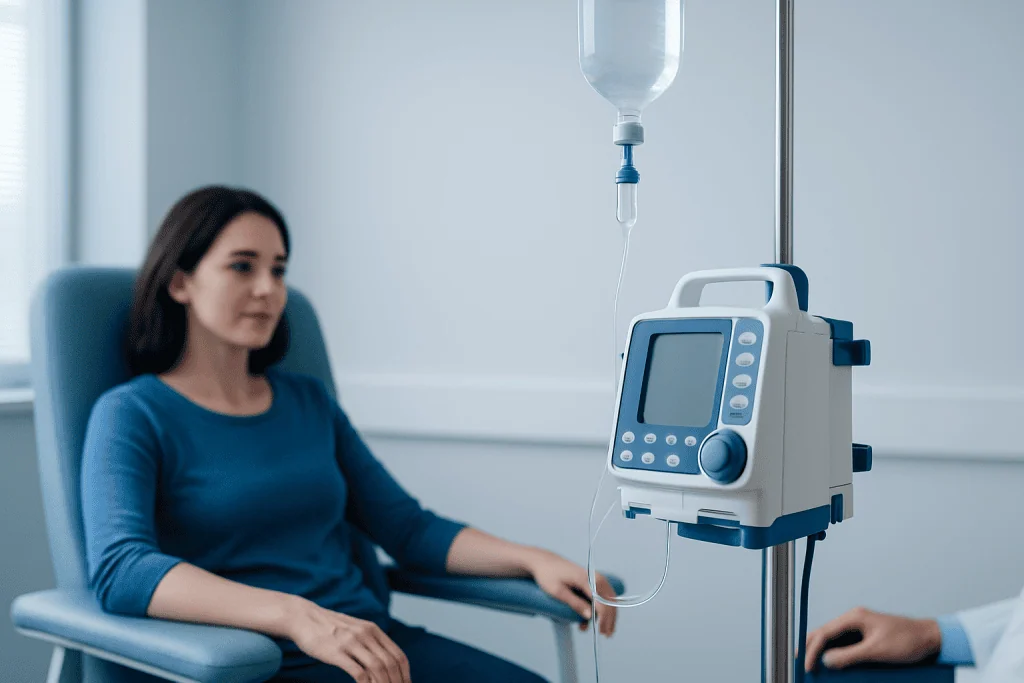
These medicines may be given by intravenous infusion at a clinic or by subcutaneous injection at home, depending on the drug. Some work relatively quickly, while others take longer to show their full effect. In many cases, biologics are part of a broader care plan that may also include nutrition support, vaccination review, and specialist follow-up through services such as inflammatory bowel care.
Benefits of biologic therapy

The main benefit of biologic therapy is better control of inflammation. When inflammation decreases, people often notice fewer bowel movements, less urgency, less rectal bleeding, and less abdominal discomfort. Improved disease control can also support better energy levels, appetite, sleep, and day-to-day functioning.
Another major benefit is steroid reduction. Corticosteroids can be very useful in short-term flare treatment, but they are not ideal for long-term use because of their side effects. A successful biologic plan may help patients taper off steroids and maintain remission with a safer long-term strategy.
Biologics may also help the colon lining heal, a goal often called mucosal healing. This matters because healing seen on endoscopy is linked to better long-term outcomes. For some people, effective biologic treatment can reduce the risk of hospitalization, severe flare-related complications, and the need for colorectal surgery.
Not every biologic works the same way for every patient. If one medicine is not effective or stops working over time, another biologic or advanced therapy may still be helpful. This is one reason careful diagnosis and ongoing reassessment are important, especially when ulcerative colitis needs to be distinguished from conditions such as Crohn’s disease.
Risks and possible side effects
Like all medicines that affect the immune system, biologics have risks as well as benefits. The most important concern is infection. Because the immune response is altered, common infections may occur more easily, and some hidden infections can become active again. For this reason, doctors usually screen for tuberculosis and viral infections such as hepatitis before treatment begins.
Some people experience infusion reactions or injection-site reactions. These may include redness, itching, swelling, headache, flushing, or feeling unwell during or after treatment. Many reactions are mild and manageable, but medical teams watch carefully for more significant allergic responses.
Another issue is loss of response over time. A biologic that works well at first may become less effective, sometimes because the body forms antibodies against the medicine. When this happens, the doctor may adjust the dose schedule, combine treatment in selected cases, check drug levels, or switch to another therapy.
Less common but important risks can include liver test abnormalities, certain skin reactions, or effects on blood counts. Very rarely, serious complications may occur. This is why biologics should be prescribed and monitored by an experienced gastroenterology team, often together with supportive services such as neurogastroenterology when symptoms are complex or overlapping.
Screening and monitoring before and during treatment
Before starting biologic therapy, the medical team usually performs a careful review to improve safety. This often includes blood tests, screening for tuberculosis, hepatitis screening, and a vaccination review. Depending on the situation, stool tests, chest imaging, or additional infection screening may also be recommended.
Vaccination planning is important because some vaccines are best given before treatment begins. Patients should tell their doctor about recent infections, travel history, pregnancy plans, prior cancer, liver disease, or any other immune-related condition. A full medication review is also needed to check for interactions and overlapping risks.
Once treatment starts, follow-up appointments help track both safety and effectiveness. Doctors may monitor symptoms, blood markers of inflammation, stool tests such as fecal calprotectin, and sometimes drug levels or antibodies. Colonoscopy or sigmoidoscopy may be repeated to assess healing, especially if symptoms and lab results do not match.
Monitoring is not only about side effects. It also helps confirm whether the treatment is truly controlling the disease early enough to avoid ongoing inflammation. If urgent warning signs develop, such as significant bleeding, dehydration, or symptoms suggesting gastrointestinal bleeding, immediate medical assessment is important.
Treatment decisions, alternatives, and combination care
Choosing a biologic involves shared decision-making. The doctor and patient discuss how active the disease is, how quickly control is needed, whether treatment is given by infusion or injection, past medication history, safety considerations, and personal preferences. Cost and access may also influence the plan, although the most suitable medical choice remains the priority.
Biologics are one part of modern ulcerative colitis care. Other options may include aminosalicylates, short-term steroids, immunomodulators, or newer advanced therapies such as small-molecule medicines. In severe cases or when medications do not work well enough, surgery may still be the best long-term solution.
Some patients need a combination approach that includes nutritional advice, anemia management, bone health review, mental health support, and careful flare planning. If there is diagnostic uncertainty, specialist evaluation through services such as inflammatory bowel treatment can help clarify whether symptoms come from active inflammation, infection, functional bowel symptoms, or another digestive condition such as irritable bowel syndrome.
Self-care, infection prevention, and living well on biologics
Biologic therapy works best when it is combined with steady self-care. Taking treatment on schedule, attending monitoring visits, and reporting new symptoms early all matter. Patients should not stop biologics suddenly without discussing it with their doctor, even if they start feeling better, because uncontrolled inflammation may return.
Simple infection-prevention steps can be helpful. These include good hand hygiene, avoiding close contact with people who have contagious illnesses when possible, keeping vaccinations up to date as advised, and seeking medical advice promptly for fever, persistent cough, unexplained fatigue, or wounds that do not heal well.
Healthy lifestyle habits can support overall well-being, although they do not replace medical treatment. Many people benefit from a balanced diet tailored to tolerance, good hydration, stress management, regular sleep, and gentle physical activity. Keeping a symptom diary may also help identify patterns and make clinic visits more productive.
Near the end of the care journey, some patients seek treatment across borders for specialist input. Acibadem International’s multidisciplinary specialists and JCI-accredited hospitals diagnose and treat ulcerative colitis for international patients, including assessment of advanced therapies when appropriate.
When to see a doctor urgently
People taking biologics for ulcerative colitis should contact their doctor if symptoms are worsening rather than improving. Warning signs include more frequent diarrhea, increasing rectal bleeding, stronger abdominal pain, weight loss, fatigue, or signs that a planned dose is no longer controlling symptoms. These changes do not always mean the treatment has failed, but they should be reviewed promptly.
Urgent medical care is needed for high fever, severe dehydration, fainting, chest tightness during an infusion, shortness of breath, sudden severe abdominal pain, or heavy bleeding. These symptoms need prompt assessment because they may point to infection, a reaction, or a serious flare-related complication.
It is also wise to seek advice before surgery, dental procedures, pregnancy, or international travel. Timing of doses, infection precautions, and vaccine planning may need adjustment. Regular communication with a qualified gastroenterologist helps patients use biologic therapy as safely and effectively as possible.
Frequently asked questions
What is biologic therapy for ulcerative colitis?
Biologic therapy is a group of targeted medicines that reduce inflammation by acting on specific parts of the immune system. It is commonly used for moderate to severe ulcerative colitis or when other treatments have not worked well enough.
How long does it take for biologics to work?
The timeline depends on the specific medicine and the severity of the disease. Some people notice improvement within a few weeks, while others may need longer before the full benefit is clear. Doctors usually assess response over time using symptoms, tests, and sometimes endoscopy.
Are biologics safer than steroids for long-term use?
Biologics have important risks and require monitoring, but they are often preferred over long-term steroid use when ongoing control is needed. Steroids can cause many side effects if used for extended periods, so one goal of biologic treatment is often to reduce or avoid steroid dependence.
Can biologic therapy cure ulcerative colitis?
Biologic therapy does not cure ulcerative colitis, but it can help many people achieve remission and keep inflammation under better control. The aim is long-term disease management, symptom relief, and protection of the bowel.
What tests are needed before starting a biologic?
Doctors commonly check blood tests, tuberculosis screening, and hepatitis screening before treatment starts. They may also review vaccinations, stool tests, imaging, or other assessments depending on the person's medical history and risk factors.
What should a patient do if they get sick while taking a biologic?
If fever, cough, flu-like symptoms, unusual fatigue, or other signs of infection develop, the patient should contact their doctor promptly. They should not make medication changes on their own unless a healthcare professional advises it.
References
- National Institute of Diabetes and Digestive and Kidney Diseases
- American Gastroenterological Association
- European Crohn’s and Colitis Organisation
- Crohn's & Colitis Foundation
- National Health Service
This article is for general information only and is not a substitute for professional medical advice. Please consult a qualified doctor about your individual situation.
Ulcerative Colitis in Turkey — costs, top hospitals & a free quote
JCI-accredited · board-certified surgeons · reply within 24h
Add us as a Preferred Source to see more of our trusted health content across Google Search, AI Overviews and Discover.

Gastroenterology
Diagnosis and treatment of the digestive system and liver, with advanced endoscopy.
43 specialists in this unit