What Does Neurological Mean? Understanding the Term in Medicine

Neurological refers to the brain, spinal cord, and peripheral nerves. Neurological symptoms can affect movement, sensation, thinking, speech, vision, or balance.
Key Takeaways
- Neurological refers to the brain, spinal cord, and peripheral nerves.
- Neurological symptoms can affect movement, sensation, thinking, speech, vision, or balance.
- Not every headache or tingling sensation means a serious neurological disorder, but persistent or sudden symptoms should be assessed.
- Neurologists use a medical history, neurological exam, and tests such as imaging or nerve studies to find the cause.
- Treatment depends on the underlying condition and may include medicines, rehabilitation, or specialized procedures.
In medicine, neurological means related to the nervous system, including the brain, spinal cord, and nerves throughout the body. Understanding the term can help patients recognize symptoms, know when to seek care, and better follow medical advice.
Overview: What does neurological mean?
The word neurological is used in medicine to describe anything related to the nervous system. This includes the brain, the spinal cord, and the network of nerves that carry messages between the brain and the rest of the body. These messages control movement, sensation, speech, memory, balance, and many automatic body functions such as breathing and heart rate.
When a doctor says a symptom is neurological, they mean it may come from a problem affecting one or more parts of this system. For example, numbness in a hand, weakness in a leg, dizziness, seizures, tremor, or changes in memory can all be described as neurological symptoms. The term itself does not name a specific disease; it simply points to the body system involved.
Neurology is the medical specialty focused on diagnosing and treating neurological conditions. Some neurological problems are temporary and mild, while others need urgent care or long-term management. Understanding the term can make medical conversations clearer and help patients know why certain tests or referrals are recommended.
What the nervous system does
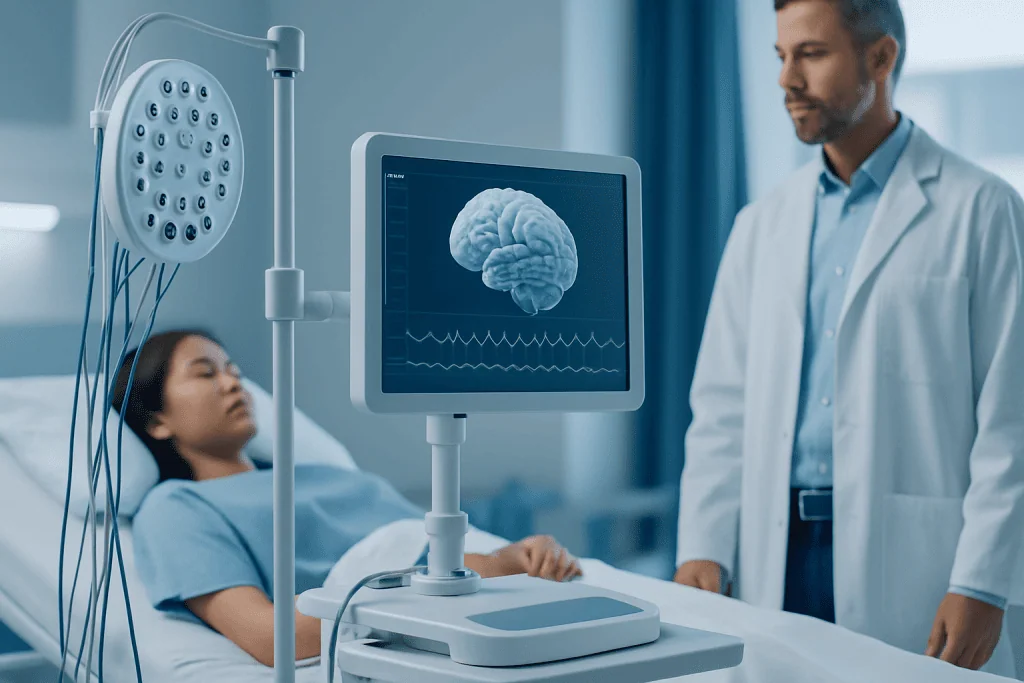
The nervous system works like the body’s communication network. The brain acts as the control center, the spinal cord carries signals to and from the brain, and peripheral nerves branch out to muscles, skin, and organs. Together, they help a person think, move, feel, speak, and respond to the environment.
The nervous system is often described in parts. The central nervous system includes the brain and spinal cord. The peripheral nervous system includes the nerves outside them. There is also the autonomic nervous system, which helps regulate unconscious functions such as blood pressure, digestion, sweating, and bladder control.
Because the nervous system affects so many body functions, neurological symptoms can look very different from one person to another. A nerve problem in the hand may cause tingling or weakness, while a brain problem may affect speech, memory, or coordination. This is why careful evaluation is important when symptoms are new, persistent, or unexplained.
Common neurological symptoms

Neurological symptoms vary widely depending on the part of the nervous system involved. Some symptoms are short-lived and harmless, while others can signal a condition that needs prompt medical attention. A symptom being neurological does not automatically mean a severe illness, but it does mean the nervous system should be considered.
Common examples include headaches, dizziness, fainting, seizures, weakness, numbness, tingling, tremor, balance problems, changes in vision, difficulty speaking, memory problems, and unusual movements. Some people also notice facial drooping, confusion, muscle cramps, or nerve pain. Conditions such as Bell palsy, trigeminal neuralgia, or tension-type headache are examples of disorders described as neurological because they involve nerves or nervous system function.
A doctor may ask when symptoms started, whether they came on suddenly or gradually, and what makes them better or worse. This pattern can offer important clues. For example, sudden weakness on one side of the body may need emergency evaluation, while slowly progressive tremor may suggest a different type of neurological condition.
- Movement-related: weakness, tremor, stiffness, poor coordination
- Sensory: numbness, tingling, burning, altered vision or hearing
- Cognitive: memory loss, confusion, trouble concentrating
- Speech and language: slurred speech, difficulty finding words
- Autonomic: dizziness on standing, sweating changes, bladder or bowel symptoms
What can cause neurological problems?
Neurological problems can have many causes. Some come from reduced blood flow to the brain, such as in a stroke or transient ischemic event. Others are linked to infections, inflammation, autoimmune activity, injury, tumors, genetic conditions, or wear-and-tear changes that affect nerves or the spine. Metabolic problems such as low vitamin levels, thyroid disease, diabetes, or electrolyte imbalance can also affect nerve function.
There are also degenerative conditions in which nerve cells gradually lose function over time. Examples include Parkinson disease and some memory disorders. In other cases, the issue is primarily in the peripheral nerves or muscles, which may lead to weakness, pain, or altered sensation. Sleep disorders, headaches, and some vision symptoms can also have a neurological basis.
Risk factors depend on the condition, but may include age, family history, smoking, high blood pressure, diabetes, high cholesterol, infections, head injury, and certain autoimmune diseases. Some neurological symptoms may be triggered by stress, lack of sleep, dehydration, or medication side effects. Because there are so many possible causes, a general symptom such as dizziness or headache often needs a broader medical review rather than assumptions.
How neurological conditions are diagnosed
Diagnosis usually begins with a detailed medical history and a neurological examination. During the exam, a clinician may check strength, reflexes, coordination, walking, eye movements, sensation, speech, and mental status. These simple bedside checks can help localize where in the nervous system a problem may be occurring.
If further assessment is needed, doctors may use imaging tests such as CT or MRI scans to look at the brain or spine. Specialized services such as neuroradiology can help evaluate structural causes, while neurophysiology tests such as EEG, nerve conduction studies, or electromyography may assess electrical activity in the brain, nerves, and muscles. Blood tests, lumbar puncture, sleep studies, or cognitive testing may also be used depending on the symptoms.
The right test depends on the person’s age, symptoms, exam findings, and medical history. In children, neurological assessment may involve developmental review and age-appropriate testing, sometimes with support from neuropediatrics. A clear diagnosis can take time, especially when symptoms are intermittent or have several possible explanations.
Treatment options and ongoing care
Treatment for neurological problems depends on the underlying cause rather than the term neurological itself. For some people, treatment may be as simple as hydration, rest, managing migraine triggers, or adjusting a medication. Others may need medicines to control seizures, reduce inflammation, prevent stroke, treat infection, or ease nerve pain and muscle stiffness.
Rehabilitation is also an important part of care. Physical therapy, occupational therapy, speech therapy, and neuropsychological support can help improve daily function after illness or injury. For conditions affecting movement, memory, or behavior, care may involve multiple specialists working together over time. Some patients benefit from highly focused services such as stroke medicine or movement disorder care.
In selected cases, procedures may be considered. These can include interventions for blood vessel problems, surgery for some structural conditions, or device-based therapies for certain movement or pain disorders. Near the end of the care pathway, some international patients may choose centers such as Acibadem International, where multidisciplinary specialists in JCI-accredited hospitals diagnose and treat neurological conditions using coordinated evaluation and treatment planning.
Prevention, self-care, and when to seek medical help
Not all neurological conditions can be prevented, but many healthy habits support brain and nerve health. Controlling blood pressure, blood sugar, and cholesterol can reduce the risk of vascular neurological disease. Regular exercise, good sleep, a balanced diet, smoking cessation, moderate alcohol use, stress management, and head injury prevention are also helpful.
Self-care should never replace medical evaluation for concerning symptoms, but it can support overall wellbeing. Keeping a symptom diary may help identify patterns in headaches, tremor, dizziness, or episodes of numbness. Patients should note when symptoms happen, how long they last, and whether they are linked to sleep, meals, stress, menstrual cycles, or medications.
Urgent medical care is needed for sudden weakness, facial drooping, trouble speaking, severe sudden headache, new seizures, loss of consciousness, or sudden vision loss. A person should also seek medical advice for persistent numbness, recurring dizziness, progressive memory changes, worsening balance, or symptoms that interfere with daily life. Early assessment often makes diagnosis and treatment easier and can be especially important if a serious neurological condition is developing.
Frequently asked questions
Does neurological always mean a brain disease?
No. Neurological can refer to the brain, spinal cord, or nerves anywhere in the body. A neurological symptom may come from a minor, temporary issue or from a more complex condition, so the term alone does not indicate severity.
What is the difference between neurological and neuromuscular?
Neurological is a broad term that covers the entire nervous system. Neuromuscular usually refers more specifically to problems involving nerves and muscles and how they work together to produce movement.
When should neurological symptoms be treated as an emergency?
Emergency care is important for sudden symptoms such as one-sided weakness, facial drooping, trouble speaking, a seizure, fainting, sudden vision loss, or the worst headache of a person’s life. These symptoms can signal conditions that need immediate evaluation, including stroke or bleeding.
Can stress cause neurological symptoms?
Stress can contribute to symptoms such as headaches, dizziness, poor concentration, tingling, and sleep problems. However, new or persistent symptoms should not automatically be blamed on stress, because medical causes may also need to be ruled out.
Who treats neurological conditions?
Neurologists are doctors trained to diagnose and manage disorders of the brain, spinal cord, and nerves. Depending on the condition, care may also involve neurosurgeons, rehabilitation specialists, psychologists, sleep specialists, or pediatric neurologists.
What tests are commonly used for neurological problems?
Common tests include a neurological examination, blood tests, MRI or CT imaging, and electrical studies such as EEG or nerve conduction tests. The exact tests depend on the symptom pattern, age, and suspected cause.
References
- World Health Organization
- National Institute of Neurological Disorders and Stroke
- MedlinePlus
- National Health Service
- Mayo Clinic
This article is for general information only and is not a substitute for professional medical advice. Please consult a qualified doctor about your individual situation.
Joint and spine care in Turkey — expert assessment & treatment
JCI-accredited · board-certified surgeons · reply within 24h
Add us as a Preferred Source to see more of our trusted health content across Google Search, AI Overviews and Discover.
Check your numbers in seconds
BMI, calories, due date, blood pressure and 30+ more clinical calculators — free, instant, doctor-reviewed ranges.

Neurology
Diagnosis and treatment of disorders of the brain, spinal cord, nerves and muscles.
51 specialists in this unit