

What Is Cosmetic Surgery and Which Procedures Are Most Common?

Cosmetic surgery is elective surgery designed to enhance appearance rather than treat illness. Common procedures include breast surgery, liposuction, tummy and body contouring procedures, eyelid surgery, nose reshaping, and facial lifting techniques.
Key Takeaways
- Cosmetic surgery is elective surgery designed to enhance appearance rather than treat illness.
- Common procedures include breast surgery, liposuction, tummy and body contouring procedures, eyelid surgery, nose reshaping, and facial lifting techniques.
- A safe surgical plan depends on realistic expectations, good general health, and evaluation by a qualified plastic surgeon.
- Recovery time varies by procedure, and following aftercare instructions is essential for healing and results.
- Not every concern requires surgery; some people benefit from non-surgical options or no treatment at all.
Cosmetic surgery is a branch of plastic surgery focused on improving appearance, proportion, or symmetry of the face and body. The most common procedures include breast surgery, body contouring, facial surgery, and skin-related corrective treatments, chosen after careful discussion of goals, health, and recovery.
Overview of Cosmetic Surgery
Cosmetic surgery is a medical specialty that aims to improve a person’s appearance through planned surgical procedures. It may address facial features, body shape, skin changes, or areas affected by weight fluctuations, aging, pregnancy, or inherited characteristics. Unlike reconstructive surgery, which is usually performed to restore function or repair damage after disease, injury, or congenital conditions, cosmetic surgery is generally elective and chosen by the patient.
In practice, the line between cosmetic and reconstructive care can sometimes overlap. For example, a person may seek treatment after major weight loss, after pregnancy-related body changes, or for visible concerns such as prominent scarring. Others may need reconstructive care for conditions like microtia, facial trauma, or keloid scars, while also discussing appearance-related goals with their surgeon.
The main aim of cosmetic surgery is not perfection. A responsible approach focuses on balance, proportion, and natural-looking improvement that fits the individual’s anatomy and expectations. A qualified surgeon will also consider emotional readiness, overall health, skin quality, and whether the desired outcome is realistic and safe.
Which Cosmetic Surgery Procedures Are Most Common?

The most common cosmetic surgery procedures usually fall into three broad groups: breast surgery, body contouring, and facial surgery. The right procedure depends on the person’s goals, anatomy, age, skin elasticity, medical history, and recovery preferences. Many people choose one procedure, while others may combine selected operations when medically appropriate.
Breast procedures are among the most frequently requested. These may include augmentation, reshaping, lifting, reduction, correction of asymmetry, or surgery related to implant revision or removal. In some centers, patients may discuss options such as aesthetic breast surgery or breast reduction when breast size, proportion, or discomfort affects confidence or daily comfort.
Body contouring procedures are also very common. These may target excess fat, loose skin, or body proportions in the abdomen, arms, thighs, hips, or buttocks. Examples include liposuction, skin tightening procedures, or broader body contouring after weight changes. Facial procedures commonly include eyelid surgery, brow lifting, nose reshaping, chin contouring, neck contouring, and facial volume adjustments.
- Breast surgery: augmentation, reduction, lift, revision
- Body procedures: liposuction, contouring, arm lift, buttock shaping
- Facial procedures: eyelid surgery, brow lift, neck contouring, chin and cheek enhancement
- Skin and scar-related procedures: scar revision and selected corrective surgeries
Why People Choose Cosmetic Surgery

People consider cosmetic surgery for many personal reasons. Some want to address long-standing concerns they have had since adolescence or early adulthood. Others notice changes linked to aging, pregnancy, sun exposure, or major weight gain and weight loss. In some cases, the concern is not only aesthetic but also practical, such as heavy breasts causing discomfort or excess skin making clothing and movement difficult.
For many patients, cosmetic surgery is about feeling more comfortable in their body rather than changing who they are. They may hope for improved facial balance, smoother body contours, or better symmetry. Healthy motivation usually comes from the individual’s own wishes, not pressure from others or unrealistic social ideals.
A careful consultation is important because surgery cannot solve every concern. It does not guarantee improved self-esteem or fix relationship, work, or emotional difficulties. Surgeons often encourage patients to reflect on their goals, understand likely scars and recovery, and consider whether a non-surgical option, lifestyle change, or simply more time to think may be the better choice.
Who Is a Good Candidate?
A good candidate for cosmetic surgery is usually an adult in generally good physical and mental health who has realistic expectations and understands the limits of surgery. The person should be able to tolerate anesthesia and recovery, follow medical instructions, and avoid smoking or nicotine products when advised, since these can impair wound healing.
Age alone does not determine candidacy. What matters more is overall health, skin quality, body weight stability, and whether the procedure matches the person’s anatomy. Some operations are best considered after weight has been stable for a period of time, after pregnancy and breastfeeding have finished, or after underlying medical conditions are well controlled.
Certain factors may increase surgical risk, including uncontrolled diabetes, heart or lung disease, bleeding disorders, active infection, poor nutrition, or unrealistic expectations. A surgeon may advise delaying or avoiding surgery if the risks outweigh the possible benefit. Honest discussion during the consultation helps identify the safest plan for each individual.
How Cosmetic Surgery Is Planned and Diagnosed
Although cosmetic surgery is elective, it still requires careful medical assessment. The consultation usually begins with a detailed discussion of goals, concerns, past surgeries, current medicines, allergies, and medical history. The surgeon examines the area of concern, evaluates skin tone and tissue quality, and explains what can realistically be achieved.
Preoperative planning may include photographs, body measurements, and standard laboratory tests. In some cases, imaging or specialist clearance is needed, especially if the person has medical conditions or prior surgery in the same area. The surgeon also reviews anesthesia options, expected scars, recovery time, potential complications, and whether more than one procedure should be avoided or staged separately for safety.
An important part of planning is making sure that the chosen procedure fits the person’s priorities. For example, one patient may want a subtle contour improvement with a shorter recovery, while another may accept a longer healing period for a more noticeable structural change. This shared decision-making process helps align expectations and supports safer, more satisfying outcomes.
Treatment Options and What Recovery Is Like
Treatment options vary widely. Surgical choices may involve removing excess skin, reshaping tissue, adding or reducing volume, tightening deeper support layers, or improving contour through fat removal. For facial rejuvenation, some patients discuss procedures such as brow lift or neck contouring, while others benefit from eyelid or chin-focused operations. The best approach depends on anatomy, skin laxity, and desired degree of change.
Recovery differs from one procedure to another. Mild swelling, bruising, tightness, temporary numbness, and fatigue are common in the early healing period. Most patients are advised to rest, walk gently, protect incisions, wear compression garments if recommended, and avoid strenuous activity until the surgeon confirms it is safe. Final results usually appear gradually as swelling settles and scars mature.
Every operation carries some risk. Possible complications may include bleeding, infection, delayed healing, visible scarring, asymmetry, fluid collection, changes in sensation, anesthesia-related problems, or the need for revision surgery. These risks are not the same for everyone, which is why choosing an appropriately trained surgical team and an accredited facility is so important.
Near the end of the process, many patients benefit from ongoing follow-up to monitor healing and discuss scar care, activity, and long-term maintenance. Acibadem International’s multidisciplinary specialists and JCI-accredited hospitals diagnose and treat cosmetic concerns for international patients, with treatment plans tailored to medical suitability and personal goals.
Prevention, Self-care, and Non-Surgical Alternatives
Cosmetic surgery cannot stop natural aging, but healthy habits can help maintain results and support skin and body health. Patients are generally encouraged to keep a stable weight, eat a balanced diet, stay physically active, protect the skin from sun damage, and avoid smoking. Good sleep and stress management can also influence recovery and overall appearance.
Some concerns may improve without surgery or may be better suited to non-surgical care. Depending on the issue, options can include medical skin treatments, scar management, weight management, supportive bras or garments, or observation over time. For example, body contour concerns may sometimes improve with lifestyle changes, while scar-related concerns may need specialist evaluation before surgery is considered.
It is also helpful for patients to prepare emotionally and practically before surgery. Arranging help at home, planning time away from heavy work or exercise, and understanding the normal stages of healing can make recovery smoother. Long-term satisfaction often depends as much on realistic expectations and self-care as on the procedure itself.
When to See a Doctor
A person should consider seeing a qualified plastic surgeon if a physical feature or body change is causing persistent dissatisfaction, discomfort, or difficulty with clothing, movement, or self-image. A consultation is especially worthwhile when the concern has been stable over time and the person wants clear medical information about options, risks, scars, and expected recovery.
Medical review is also important if there are symptoms that suggest a health issue rather than a purely cosmetic concern. These may include a new lump, pain, skin breakdown, breathing problems, rapidly changing asymmetry, or swelling after prior surgery. Cosmetic evaluation should never replace appropriate medical investigation when a new symptom appears.
Urgent medical attention is needed after surgery if there is severe pain not relieved by prescribed advice, sudden swelling, fever, heavy bleeding, shortness of breath, chest pain, or signs of infection around the wound. Prompt follow-up helps protect healing and allows the surgical team to manage problems early.
Frequently asked questions
What is the difference between cosmetic surgery and plastic surgery?
Plastic surgery is a broad field that includes both reconstructive and cosmetic procedures. Cosmetic surgery is the part of plastic surgery focused mainly on improving appearance, symmetry, and proportion.
What are the most common cosmetic surgery procedures?
Common procedures include breast surgery, liposuction, body contouring, eyelid surgery, brow lifting, neck contouring, and other facial reshaping procedures. The most suitable option depends on a person’s anatomy, goals, and health.
Is cosmetic surgery safe?
Cosmetic surgery can be safe when it is performed by a qualified surgeon in an appropriate medical setting after proper evaluation. However, all surgery carries risks, so careful planning, honest discussion, and good aftercare are essential.
How long does recovery take after cosmetic surgery?
Recovery time varies widely depending on the procedure and the person’s general health. Some people return to light daily activities within days, while others need several weeks before resuming full exercise or work duties.
Will cosmetic surgery leave scars?
Most cosmetic surgery procedures involve some scarring because they require incisions. Surgeons usually place incisions as carefully as possible, and scars often fade over time, but they do not disappear completely.
Can cosmetic surgery results last permanently?
Many results are long-lasting, but no cosmetic procedure can completely prevent natural aging or future body changes. Weight changes, pregnancy, sun exposure, and lifestyle habits can affect how long results are maintained.
How should someone prepare for a cosmetic surgery consultation?
It helps to think clearly about goals, medical history, previous procedures, and any medicines or supplements being taken. Patients should also be ready to discuss expectations openly and ask about risks, scars, recovery, and alternatives.
References
- American Society of Plastic Surgeons
- International Society of Aesthetic Plastic Surgery
- NHS
- Mayo Clinic
- U.S. Food and Drug Administration
This article is for general information only and is not a substitute for professional medical advice. Please consult a qualified doctor about your individual situation.
Explore treatments in Turkey — costs, top hospitals & a free quote
JCI-accredited · board-certified surgeons · reply within 24h
Add us as a Preferred Source to see more of our trusted health content across Google Search, AI Overviews and Discover.

Related Treatments
Related Conditions
More from the Health Library



Related Specialists
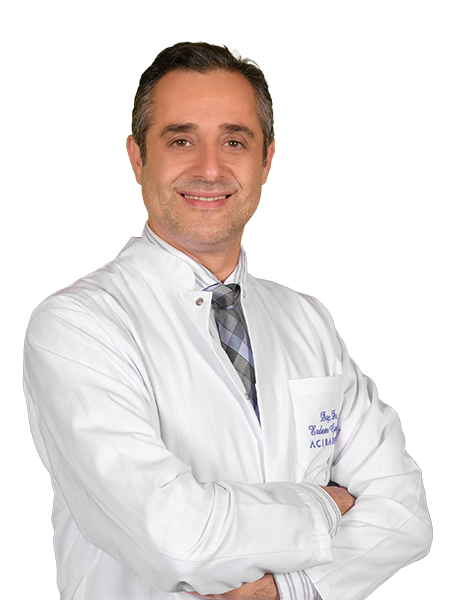
Assoc. Prof. Dr. Erdem Güven (m)
Aesthetic Plastic & Reconstructive Surgery
Prof. Dr. Şükrü Yazar
Aesthetic Plastic & Reconstructive Surgery
Prof. Dr. Hakan Ağır
Aesthetic Plastic & Reconstructive Surgery
Prof. Dr. Bülent Saçak
Aesthetic Plastic & Reconstructive Surgery