What Is Neurology and When Do You Need a Neurology Specialist?

Neurology focuses on conditions affecting the brain, spinal cord, nerves, and muscles. A neurology specialist may evaluate headaches, seizures, stroke symptoms, tremor, weakness, numbness, balance problems, and memory changes.
Key Takeaways
- Neurology focuses on conditions affecting the brain, spinal cord, nerves, and muscles.
- A neurology specialist may evaluate headaches, seizures, stroke symptoms, tremor, weakness, numbness, balance problems, and memory changes.
- Diagnosis often includes a medical history, neurological exam, and tests such as MRI, CT, EEG, EMG, or blood tests.
- Treatment depends on the cause and may include lifestyle changes, medicines, rehabilitation, procedures, or coordinated specialist care.
- Sudden weakness, trouble speaking, severe sudden headache, or a seizure needs urgent medical attention.
Neurology is the branch of medicine that focuses on the brain, spinal cord, nerves, and muscles. A neurology specialist evaluates symptoms such as headaches, dizziness, seizures, weakness, numbness, memory changes, and movement problems to find the cause and guide treatment.
Overview: What Is Neurology?
Neurology is the area of medicine devoted to the nervous system. This includes the brain, spinal cord, peripheral nerves, and the connection between nerves and muscles. Because the nervous system controls movement, sensation, balance, speech, memory, sleep, and many automatic body functions, neurological conditions can cause a wide range of symptoms.
A doctor trained in this field is called a neurologist or neurology specialist. Neurologists diagnose and manage disorders such as migraines, epilepsy, stroke, neuropathy, multiple sclerosis, Parkinsonian symptoms, dementia, sleep-related neurological problems, and certain muscle diseases. They often work closely with neuroradiologists, neurosurgeons, rehabilitation specialists, psychiatrists, and primary care doctors.
Not every headache or episode of dizziness means a serious neurological disease. However, persistent, recurring, or unexplained symptoms may need expert assessment. The main goal of neurology care is to identify the cause accurately, rule out urgent conditions, and create a treatment plan that supports safety, function, and quality of life.
What Does a Neurology Specialist Treat?
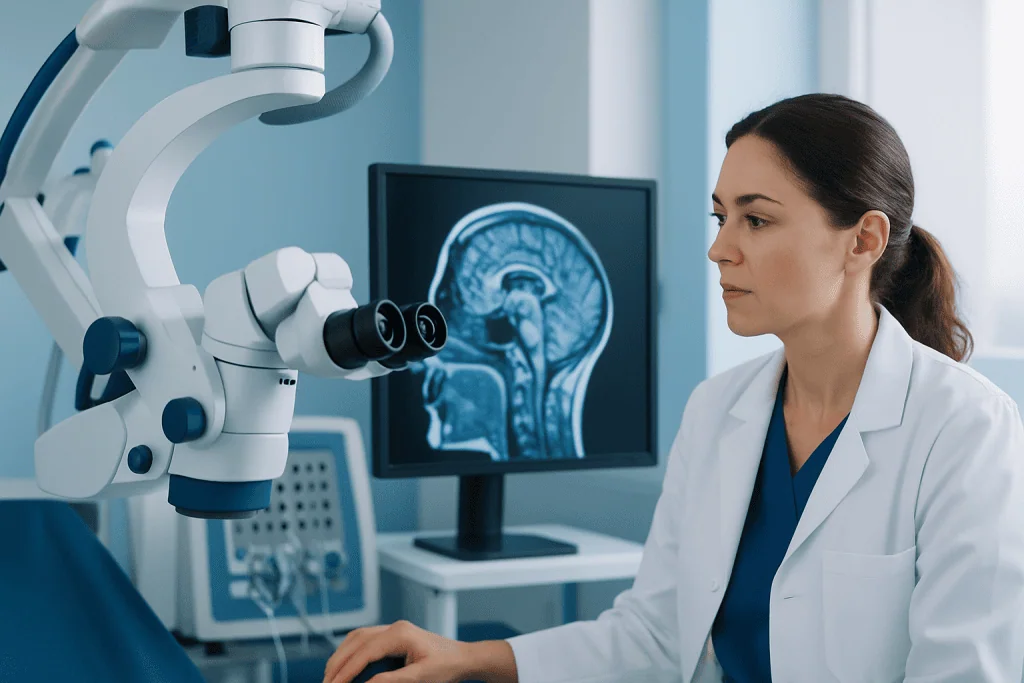
A neurology specialist evaluates many conditions that affect the nervous system. Some involve the brain itself, such as seizures, memory disorders, tremor, or stroke. Others affect the spinal cord, peripheral nerves, or muscles, leading to symptoms like numbness, burning pain, weakness, balance difficulty, or muscle twitching.
Common reasons for referral include recurring headaches, including migraine and tension-type headache, episodes of fainting or loss of awareness, dizziness, persistent nerve pain, back or neck symptoms with nerve involvement, and changes in walking or coordination. Neurologists also assess movement disorders such as tremor or dystonia, as well as changes in memory, attention, or behavior.
Neurology is a broad field, and many specialists focus on particular areas. These may include headache medicine, movement disorders, neuroimmunology, sleep neurology, or pediatric neurology. This subspecialty approach can be especially helpful when symptoms are complex or long-lasting.
Symptoms That May Mean You Need a Neurology Specialist

People may be referred to a neurology specialist when symptoms suggest a problem involving the brain, spinal cord, nerves, or muscles. These symptoms can appear suddenly or develop gradually over time. Some are temporary and harmless, while others deserve prompt medical evaluation.
Examples of symptoms that may need neurological assessment include:
- Frequent or severe headaches, especially if the pattern has changed
- Numbness, tingling, burning, or loss of sensation
- Weakness in the face, arm, or leg
- Tremor, stiffness, slowed movement, or muscle spasms
- Dizziness, vertigo, poor balance, or repeated falls
- Seizures, blackouts, fainting, or episodes of confusion
- Memory loss, trouble concentrating, or personality changes
- Vision changes, double vision, or drooping of the face
- Sleep attacks, unusual sleep behaviors, or excessive daytime sleepiness
These symptoms do not automatically mean a serious condition is present. Even so, medical assessment is important when symptoms are new, recurrent, progressive, or affecting daily life. A neurologist helps determine whether the cause is neurological, whether testing is needed, and what treatment or follow-up is appropriate.
Common Causes and Risk Factors
Neurological symptoms can arise from many different causes. Some conditions result from interrupted blood flow to the brain, inflammation, infection, autoimmune disease, nerve compression, injury, genetic factors, or age-related degeneration. Others are linked to metabolic problems such as vitamin deficiencies, thyroid disease, diabetes, kidney disease, or medication side effects.
Risk factors depend on the specific disorder. For example, stroke risk may be higher in people with high blood pressure, diabetes, smoking, high cholesterol, or heart rhythm problems. Nerve damage can be related to diabetes, alcohol misuse, nutritional deficiencies, or repetitive pressure on nerves. Some movement and memory disorders become more common with age, while seizure disorders and migraine can occur across the lifespan.
Family history can also matter. Certain neurological conditions have inherited patterns, while others occur more often in people with autoimmune or vascular risk factors. A complete evaluation looks not only at the symptom itself, but also at overall health, medications, lifestyle, past illnesses, and family background.
How Neurological Conditions Are Diagnosed
Diagnosis usually begins with a detailed discussion of symptoms. The neurologist may ask when symptoms started, how often they occur, what triggers them, whether they are getting worse, and whether there are associated problems such as pain, fever, sleep changes, or confusion. A careful history often provides important clues.
The neurological examination checks mental status, speech, vision, eye movements, coordination, balance, sensation, strength, reflexes, and walking pattern. Depending on the findings, further tests may be recommended. These tests do not apply to everyone; they are chosen based on the most likely causes.
Common tests may include brain or spine imaging such as MRI or CT, often supported by advanced neuroradiology review. Electrical tests such as EEG can help evaluate seizures, while nerve conduction studies and EMG help assess peripheral nerve or muscle disorders, sometimes within a neurophysiology service. Blood tests, lumbar puncture, cognitive testing, sleep studies, or ultrasound studies may also be used when appropriate.
The purpose of testing is not only to confirm a diagnosis, but also to rule out urgent or treatable causes. In many cases, diagnosis develops step by step, especially when symptoms are mild or overlap with other conditions. This process helps avoid unnecessary treatment and supports a more personalized care plan.
Treatment Options in Neurology
Treatment depends on the underlying cause. Some neurological problems are managed mainly with lifestyle measures and observation, while others require medication, rehabilitation, procedures, or coordinated long-term care. A neurology specialist aims to reduce symptoms, protect function, prevent complications, and improve day-to-day quality of life.
Medicines may be used to prevent migraines, control seizures, reduce inflammation, ease nerve pain, improve movement symptoms, or lower the risk of another stroke. Rehabilitation can also be a key part of treatment. Physical therapy, occupational therapy, speech and language therapy, and cognitive support may help recovery and independence after neurological illness or injury.
Some conditions need highly specialized care. For example, sleep-related symptoms may benefit from neurological sleep medicine, while complex cases may involve neuropsychology, neuroimmunology, or interventional neurology teams. In older adults with memory, balance, or mobility concerns, a geriatric-focused approach can be especially valuable. Near the end of the care pathway, patients may also seek evaluation at centers such as Acibadem International, where multidisciplinary specialists in JCI-accredited hospitals diagnose and treat neurological conditions for international patients.
Prevention and Self-Care for Nervous System Health
Not all neurological conditions can be prevented, but many risk factors can be reduced. Controlling blood pressure, cholesterol, and blood sugar supports brain and blood vessel health. Regular physical activity, a balanced diet, not smoking, limiting alcohol, and getting enough sleep may lower the risk of some neurological and vascular disorders.
Self-care also includes paying attention to recurring symptoms. Keeping a diary of headaches, dizzy spells, seizures, sleep issues, or episodes of numbness can help identify patterns and make specialist visits more useful. People should take prescribed medicines as directed and discuss any side effects rather than stopping treatment on their own.
Safety matters as well. Anyone with seizures, fainting, poor balance, or sudden weakness should ask a doctor about driving, work tasks, fall prevention, and home safety. For persistent symptoms such as tremor, neuropathy, or memory concerns, early evaluation may lead to treatment sooner and help prevent avoidable complications.
When to See a Doctor Urgently
Some neurological symptoms need immediate medical attention. Emergency evaluation is important for sudden weakness or numbness on one side of the body, trouble speaking, sudden confusion, loss of vision, a severe sudden headache unlike usual headaches, a first seizure, fainting with injury, or sudden loss of balance. These can be signs of stroke, bleeding, or another urgent condition.
Urgent medical care is also needed for fever with severe headache and neck stiffness, new seizures during pregnancy, rapidly worsening weakness, or head injury followed by confusion, vomiting, or increasing drowsiness. Symptoms that wake a person from sleep, progress quickly, or follow a significant infection or trauma should not be ignored.
For non-emergency concerns, a neurology appointment may be helpful if symptoms are recurring, persistent, unexplained, or interfering with work, school, sleep, or daily activities. A primary care doctor can often guide the referral, but ongoing or unusual nervous system symptoms deserve professional assessment rather than self-diagnosis.
Frequently asked questions
What is the difference between neurology and neurosurgery?
Neurology focuses on diagnosing and treating nervous system disorders mainly with medical, diagnostic, and non-surgical approaches. Neurosurgery is the surgical specialty that treats certain brain, spine, and nerve conditions when an operation or procedure is needed. These specialists often work together.
Do you need a referral to see a neurology specialist?
This depends on the healthcare system, insurance rules, and the clinic. In many cases, a primary care doctor refers the patient to neurology after an initial assessment. Even without a referral requirement, it is often helpful to bring previous test results and a list of symptoms.
What happens during a first neurology appointment?
The neurologist usually reviews the medical history, current symptoms, medications, family history, and any past scans or test results. A neurological examination follows to check strength, sensation, reflexes, balance, coordination, speech, and thinking. Further tests are ordered only if needed.
Can headaches be a reason to see a neurologist?
Yes. Frequent, severe, changing, or difficult-to-treat headaches are a common reason for neurological evaluation. A neurologist helps determine whether the cause is migraine, tension-type headache, cluster headache, medication overuse, or another condition that needs specific treatment.
Are numbness and tingling always neurological problems?
Not always. Numbness and tingling can be related to nerve disorders, but they may also be caused by poor circulation, vitamin deficiencies, anxiety, medication effects, or musculoskeletal problems. If these symptoms are persistent, one-sided, worsening, or associated with weakness, medical evaluation is important.
When is dizziness a neurological concern?
Dizziness can come from the inner ear, blood pressure changes, medication side effects, dehydration, or neurological causes. It may need urgent assessment if it starts suddenly with double vision, severe imbalance, weakness, trouble speaking, or severe headache. Recurrent or unexplained dizziness also deserves medical review.
References
- World Health Organization
- National Institute of Neurological Disorders and Stroke
- American Academy of Neurology
- National Health Service
- Mayo Clinic
This article is for general information only and is not a substitute for professional medical advice. Please consult a qualified doctor about your individual situation.
Joint and spine care in Turkey — expert assessment & treatment
JCI-accredited · board-certified surgeons · reply within 24h
Add us as a Preferred Source to see more of our trusted health content across Google Search, AI Overviews and Discover.
Check your numbers in seconds
BMI, calories, due date, blood pressure and 30+ more clinical calculators — free, instant, doctor-reviewed ranges.

Neurology
Diagnosis and treatment of disorders of the brain, spinal cord, nerves and muscles.
51 specialists in this unit