

What Is Plastic Surgery and How Does It Work?

Plastic surgery includes reconstructive surgery and cosmetic surgery. Procedures are planned around a person’s anatomy, goals, health, and safety.
Key Takeaways
- Plastic surgery includes reconstructive surgery and cosmetic surgery.
- Procedures are planned around a person’s anatomy, goals, health, and safety.
- A consultation, examination, and sometimes imaging or lab tests help guide treatment.
- Recovery time varies widely depending on the procedure and overall health.
- Choosing a qualified specialist and following aftercare instructions are essential.
Plastic surgery is a medical specialty that restores, reconstructs, or reshapes parts of the body. It includes both reconstructive procedures that improve function and appearance, and cosmetic procedures that refine appearance by personal choice.
Overview: What plastic surgery is
Plastic surgery is a branch of medicine focused on repairing, reconstructing, or reshaping parts of the body. Despite the name, the word “plastic” refers to molding or forming, not to the material plastic. The specialty aims to improve form, function, or both, depending on the patient’s needs.
Plastic surgery is usually divided into two broad areas: reconstructive surgery and cosmetic surgery. Reconstructive surgery treats changes caused by birth differences, injury, burns, cancer treatment, infection, or disease. Cosmetic surgery is performed to enhance appearance when a person wants a change in features or body contour.
Many plastic surgery procedures involve skin, soft tissue, fat, muscle, cartilage, and sometimes bone. The exact approach depends on the body area and the goal of treatment. Some procedures are relatively minor and done as day surgery, while others are more complex and may require a hospital stay.
Plastic surgery is highly individualized. A safe and effective plan takes into account medical history, skin quality, body proportions, emotional readiness, and realistic expectations about what surgery can and cannot achieve.
Types of plastic surgery
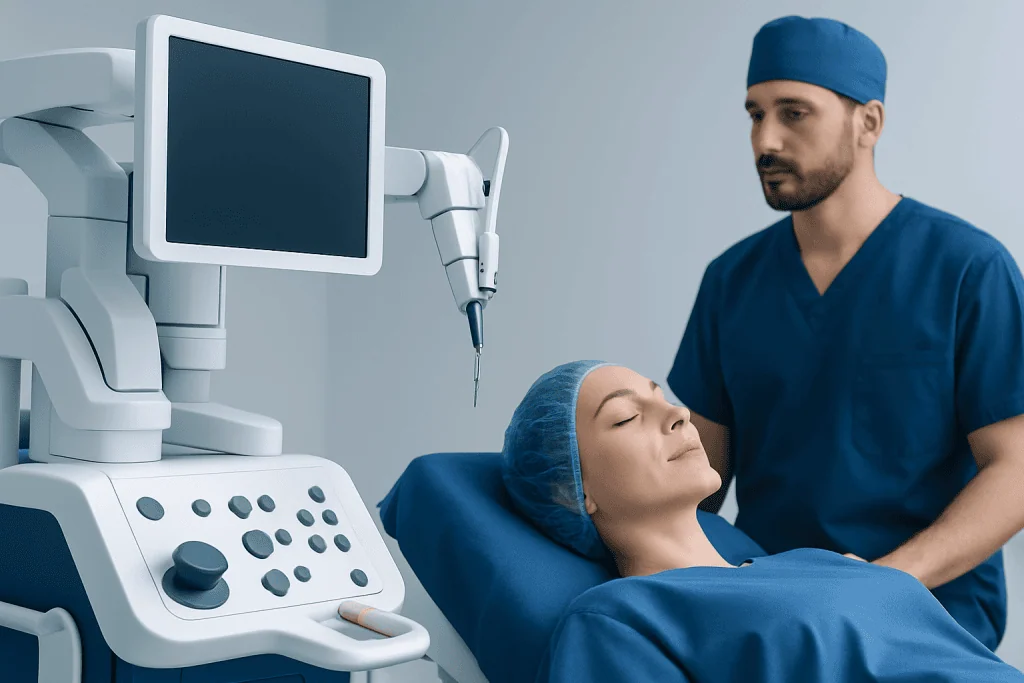
Reconstructive plastic surgery is performed to restore function or a more typical appearance after illness, trauma, or congenital conditions. Examples include breast reconstruction after mastectomy, repair after burns, treatment for facial trauma, and surgery for ear differences such as microtia. Reconstructive care may also help close wounds, revise scars, or rebuild tissue after tumor removal.
Cosmetic plastic surgery focuses mainly on appearance. Common examples include facial procedures such as brow lift or chin reshaping, breast procedures, and body contouring techniques. Depending on the person’s goals, treatment may include aesthetic breast surgery, liposuction, skin and scar treatments, or other contouring approaches.
Some procedures overlap both categories. For example, breast reduction can relieve back or shoulder discomfort while also changing body shape, and scar revision can improve movement as well as appearance. This is why plastic surgery is best understood as a specialty that combines anatomy, function, tissue healing, and aesthetics.
Plastic surgeons may also work closely with specialists in oncology, orthopedics, dermatology, ophthalmology, ENT, hand surgery, or maxillofacial care. In many cases, treatment is part of a broader multidisciplinary plan.
How plastic surgery works

Plastic surgery begins with a detailed consultation. The surgeon asks about symptoms, medical conditions, medications, allergies, smoking, previous operations, and personal goals. This conversation helps determine whether surgery is appropriate and which method is likely to be safest and most helpful.
Next comes a physical examination. The surgeon assesses the area being treated, skin quality, tissue volume, symmetry, healing capacity, and any functional issues. Medical photographs may be taken for planning. Some patients also need blood tests, heart evaluation, or imaging, especially before major surgery.
The procedure itself depends on the body area and the aim of surgery. Techniques may include removing extra skin, repositioning tissue, transferring fat, using implants, reshaping cartilage, repairing tendons or muscles, or moving tissue with grafts or flaps. Some operations are done under local anesthesia with sedation, while others require general anesthesia.
After surgery, the body begins healing through inflammation, tissue repair, and scar formation. Dressings, drains, compression garments, splints, or stitches may be used to support recovery. Follow-up visits help the team monitor healing and guide the patient through each phase of recovery.
Who may benefit and common reasons for surgery
People consider plastic surgery for many different reasons. Some want to restore function after an accident, remove the visible effects of disease, or address changes after pregnancy or major weight loss. Others wish to improve a feature that has long affected confidence or comfort in clothing and daily life.
Functional concerns can be just as important as appearance. Surgery may be considered when a condition interferes with vision, breathing, walking, wound healing, hand use, or body balance. Examples include reconstruction after cancer surgery, repair of congenital hand differences, or contouring after large weight changes with body contouring.
Not everyone is a suitable candidate right away. Good candidates are usually in stable overall health, understand the expected benefits and limitations, and can commit to recovery instructions. In some cases, a doctor may recommend delaying surgery until weight is stable, a medical condition is better controlled, or smoking has stopped.
Emotional readiness also matters. Plastic surgery can support well-being, but it cannot solve unrelated relationship, work, or self-esteem problems. A careful consultation helps match the treatment plan to realistic and healthy expectations.
Diagnosis, planning, and preparation
Before surgery, the surgeon creates a personalized treatment plan. This plan is based on anatomy, skin elasticity, scarring tendencies, age, overall health, and the desired outcome. In reconstructive cases, planning may also include restoring movement, protecting exposed structures, or staging surgery over more than one operation.
Preparation often includes reviewing medications and supplements. Some medicines may need to be stopped or adjusted because they increase bleeding risk or affect anesthesia. Patients are usually advised to avoid smoking and nicotine, since these reduce blood flow and can slow healing or increase complications.
Clear communication is an important part of preparation. Patients should understand where incisions may be placed, what type of scar is expected, how long swelling may last, and when results are likely to settle. Looking at before-and-after examples can be helpful, but each person’s result is unique.
Practical planning also matters. Patients may need time away from work, help at home, child care support, transportation after anesthesia, and a recovery space prepared with medications and dressings. Good preparation often makes recovery smoother and less stressful.
Treatment options, risks, and recovery
Treatment options range from small office-based procedures to major reconstructive operations. A person may have one procedure or a combination, depending on goals and safety. For example, treatment can involve scar revision, skin grafting, tissue rearrangement, implant-based surgery, fat transfer, or contouring procedures such as cosmetic surgery tailored to a specific area.
Like all surgery, plastic surgery carries risks. These can include bleeding, infection, delayed wound healing, fluid collections, visible scarring, asymmetry, numbness, anesthesia-related problems, or the need for revision surgery. Certain risks are higher in people who smoke, have uncontrolled diabetes, poor circulation, obesity, or other chronic illnesses.
Recovery varies by procedure. It is common to have swelling, bruising, tightness, mild discomfort, and temporary changes in sensation. Some people return to light activity within days, while others need several weeks before resuming exercise, lifting, or work. Final results may take months to become fully visible as swelling settles and scars mature.
Following aftercare instructions is one of the most important parts of success. This may include wound care, compression garments, scar management, avoiding sun exposure, sleeping in a certain position, or attending follow-up visits. If concerns arise, early communication with the surgical team is always best.
Prevention, self-care, and choosing a surgeon
Plastic surgery is not always preventable or avoidable because many reconstructive needs result from congenital conditions, cancer treatment, or accidents. Still, some steps can reduce the need for future corrective procedures or support better outcomes. Sun protection, prompt wound care, controlling chronic diseases, and avoiding smoking all help protect skin and tissue health.
For cosmetic surgery, self-care begins before any procedure is planned. Maintaining a stable weight, eating a balanced diet, staying active, and addressing skin concerns early can improve both candidacy and recovery. People considering surgery should also take time to think through their goals carefully and avoid making rushed decisions.
Choosing a qualified surgeon is essential. Patients should look for appropriate specialist training, experience with the specific procedure, and care in a well-equipped medical setting. During consultation, it is reasonable to ask about expected results, risks, recovery, possible alternatives, and what happens if revision is needed.
For international patients, coordinated care can also make a difference. Near the end of the treatment journey, some people value support from centers such as Acibadem International, where multidisciplinary specialists and JCI-accredited hospitals diagnose and treat plastic surgery needs for international patients.
When to see a doctor
A person should speak with a doctor if they are considering plastic surgery for a functional problem, a visible change after injury or illness, or a long-standing cosmetic concern. A consultation can help clarify whether surgery is suitable, what alternatives exist, and what results are realistic.
Medical advice is especially important if there is a wound that is not healing, a scar that is tightening movement, tissue loss after trauma, changes after cancer treatment, or symptoms such as pain, recurrent infection, or skin breakdown. In these situations, reconstructive surgery may be part of restoring health and function.
After any plastic surgery procedure, urgent medical advice is needed for warning signs such as fever, worsening redness, sudden swelling, heavy bleeding, severe pain not improving as expected, shortness of breath, chest pain, or drainage with a bad odor. These symptoms do not always mean a serious problem, but they should be checked promptly.
Even when surgery is elective, a careful medical evaluation is the safest place to start. An experienced specialist can explain options, guide preparation, and help the patient make an informed decision that fits their health and goals.
Frequently asked questions
Is plastic surgery the same as cosmetic surgery?
Not exactly. Plastic surgery is the broader medical specialty, and cosmetic surgery is one part of it. Plastic surgery also includes reconstructive procedures that restore function or appearance after injury, illness, or congenital differences.
What is the difference between reconstructive and cosmetic plastic surgery?
Reconstructive surgery is usually done to repair damage, improve function, or restore a more typical appearance. Cosmetic surgery is chosen to enhance appearance when there is no urgent medical need. Some procedures can serve both purposes at the same time.
How long does plastic surgery recovery take?
Recovery depends on the type of procedure, the area treated, and the person’s general health. Minor procedures may require only days of downtime, while major surgeries can take weeks for early healing and months for the final result to settle. The surgeon’s aftercare instructions are an important guide.
Will plastic surgery leave scars?
Most plastic surgery procedures involve incisions, so some scarring is expected. Surgeons try to place incisions carefully and use techniques that support better healing. Over time, many scars fade, soften, and become less noticeable, although they rarely disappear completely.
Is plastic surgery safe?
Plastic surgery can be safe when it is performed for the right reasons, by a qualified specialist, in an appropriate medical setting. However, no surgery is risk-free. A thorough assessment, good preparation, and careful follow-up help reduce the chance of complications.
How does someone know if they are a good candidate for plastic surgery?
A good candidate is usually in stable physical health, understands the benefits and limits of surgery, and has realistic expectations. They should also be prepared for recovery and follow medical advice. A personal consultation is the best way to determine suitability.
References
- American Society of Plastic Surgeons
- NHS
- Mayo Clinic
- Cleveland Clinic
- U.S. National Library of Medicine
This article is for general information only and is not a substitute for professional medical advice. Please consult a qualified doctor about your individual situation.
Oncology care in Turkey — second opinion and treatment plan
JCI-accredited · board-certified surgeons · reply within 24h
Add us as a Preferred Source to see more of our trusted health content across Google Search, AI Overviews and Discover.

Related Treatments
Related Conditions
More from the Health Library



Related Specialists

Assoc. Prof. Dr. Erdem Güven (m)
Aesthetic Plastic & Reconstructive Surgery
Prof. Dr. Şükrü Yazar
Aesthetic Plastic & Reconstructive Surgery
Prof. Dr. Hakan Ağır
Aesthetic Plastic & Reconstructive Surgery
Prof. Dr. Bülent Saçak
Aesthetic Plastic & Reconstructive Surgery