

When Are You Most Fertile? Understanding the Fertile Window

The fertile window usually includes the 5 days before ovulation and the day of ovulation. Pregnancy is most likely from intercourse in the 1 to 2 days before ovulation.
Key Takeaways
- The fertile window usually includes the 5 days before ovulation and the day of ovulation.
- Pregnancy is most likely from intercourse in the 1 to 2 days before ovulation.
- Cycle tracking, cervical mucus changes, and ovulation tests can help estimate fertile days.
- Ovulation timing can vary from cycle to cycle, especially with irregular periods.
- If pregnancy does not happen after a period of trying, a fertility evaluation may be helpful.
The fertile window is the short time in the menstrual cycle when pregnancy is most likely to happen. Understanding when ovulation occurs and how to recognize fertility signs can help people plan or avoid pregnancy more confidently.
Overview: What Is the Fertile Window?
The fertile window is the part of the menstrual cycle when conception is possible. It includes the few days leading up to ovulation and the day ovulation happens. This timing matters because sperm can survive in the female reproductive tract for several days, while the egg usually remains able to be fertilized for only about 12 to 24 hours after release.
For most people, the fertile window is considered the 5 days before ovulation plus the day of ovulation. Some experts also include the day after ovulation in practical discussions, although the chance of pregnancy is usually much lower by then. In general, the highest chance of pregnancy is with intercourse in the 1 to 2 days before ovulation.
Understanding the fertile window can be useful for people trying to become pregnant and for those who want to better understand their cycles. It can also highlight when cycle patterns may need medical attention, especially if periods are very irregular or ovulation seems unpredictable.
How the Menstrual Cycle Affects Fertility
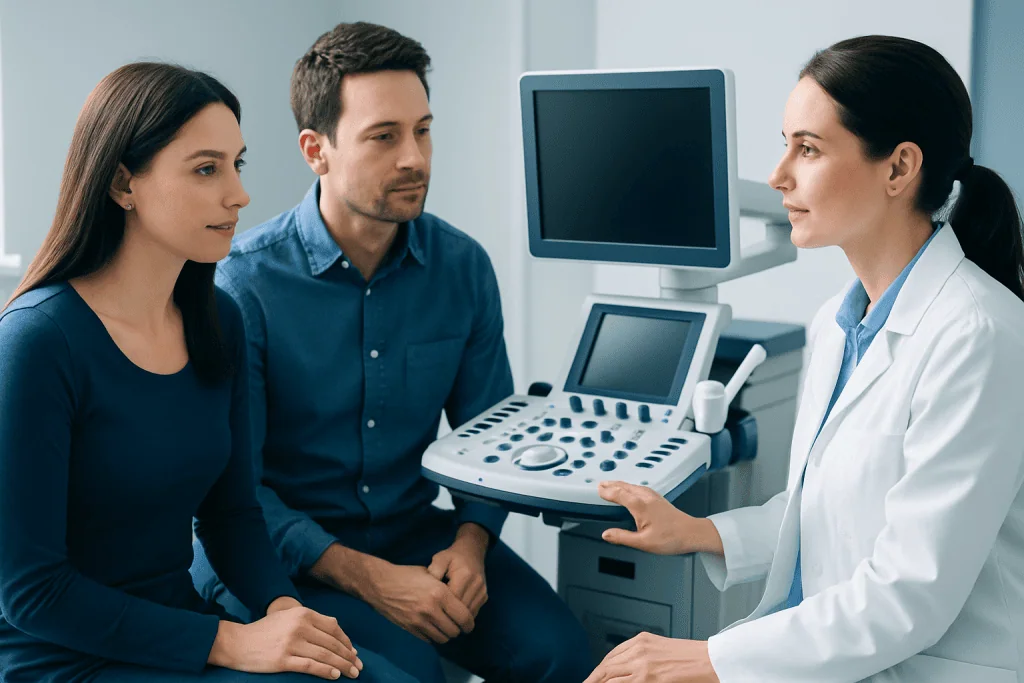
A menstrual cycle begins on the first day of a period and ends the day before the next period starts. Ovulation usually happens about 14 days before the next period, not necessarily on day 14 of the cycle. This is an important distinction because cycle length varies from person to person.
In a 28-day cycle, ovulation often occurs around day 14. In a 32-day cycle, it may be closer to day 18. In shorter cycles, ovulation may happen earlier. Because of this variation, counting from the date of the next expected period is often more accurate than assuming everyone ovulates in the middle of the month.
Hormones guide this process. Follicle-stimulating hormone helps prepare the egg, estrogen rises before ovulation, and luteinizing hormone triggers the release of the egg. After ovulation, progesterone rises to support the uterine lining in case pregnancy occurs.
Fertility depends not only on timing but also on regular ovulation, healthy sperm, and conditions affecting the reproductive organs. Problems such as amenorrhea, premature ovarian insufficiency, or pelvic inflammatory disease can affect the ability to conceive and may change how the fertile window is identified.
When Are You Most Fertile?
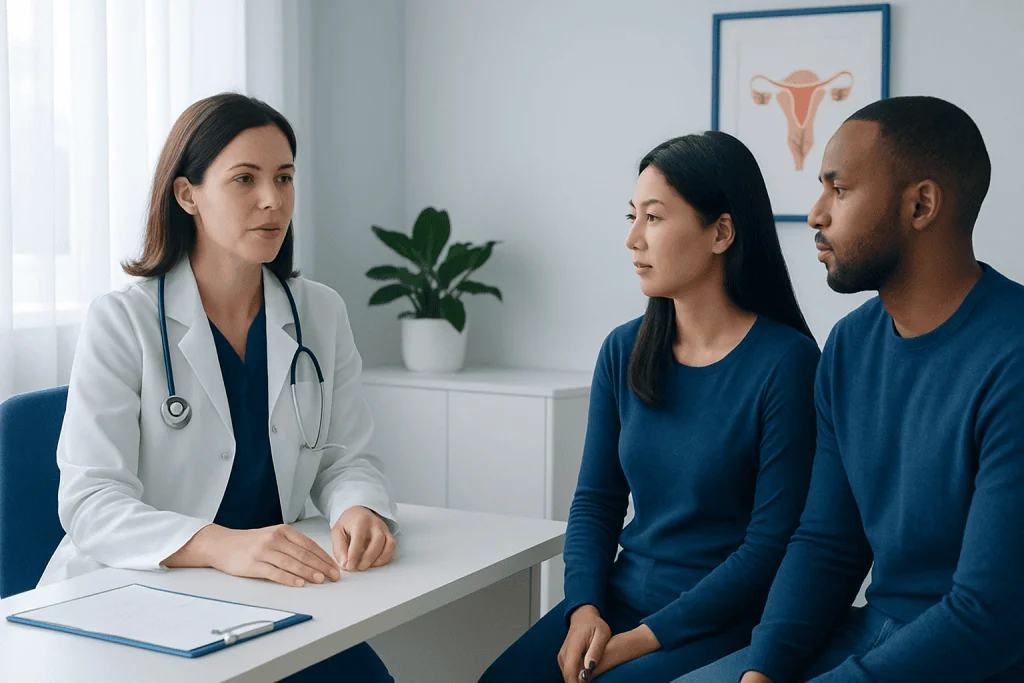
A person is most fertile in the few days just before ovulation and on the day ovulation occurs. This is because sperm need time to travel through the reproductive tract, and they can survive there for up to 5 days in favorable conditions. By contrast, the egg has a very short lifespan after ovulation.
In practical terms, the best chance of pregnancy often comes from intercourse every 1 to 2 days during the fertile window, especially in the 2 days before ovulation. Having intercourse only after ovulation may miss the best timing.
For example, if ovulation is expected on day 14, the fertile window may be around days 9 through 14. If ovulation is expected on day 20, the fertile window may be around days 15 through 20. These are estimates, and real-life timing can shift from month to month.
People with irregular cycles may still have a fertile window, but it is harder to predict. In these cases, tracking body signs or using ovulation prediction methods may be more helpful than calendar counting alone.
Signs and Methods to Track Ovulation
Several methods can help estimate the fertile window. No single method is perfect for everyone, so many people use more than one. The goal is to identify patterns over time rather than rely on a single symptom in one cycle.
Common signs and tools include:
- Calendar tracking: Recording period start dates for several months can help estimate when ovulation may happen.
- Cervical mucus changes: Around ovulation, mucus often becomes clearer, wetter, slippery, and more stretchy, similar to egg white.
- Basal body temperature: A small rise in resting temperature usually happens after ovulation, which helps confirm that ovulation likely occurred.
- Ovulation predictor kits: These urine tests detect the luteinizing hormone surge that happens before ovulation.
- Cycle apps: These can be convenient, but predictions are most accurate when combined with real body signs.
Some people also notice mild ovulation pain, increased libido, breast tenderness, or light spotting, although these symptoms are not reliable enough on their own. If periods are highly unpredictable, professional evaluation may help determine whether ovulation is occurring regularly.
When tracking is difficult or conception is taking longer than expected, doctors may recommend an assessment of ovulation and overall reproductive health. Depending on the situation, this may lead to guidance on infertility evaluation and care or treatment for specific causes such as polycystic ovary syndrome management.
What Can Affect the Fertile Window?
The fertile window can shift when ovulation does not happen on the expected day. Stress, travel, sleep disruption, significant weight changes, intense exercise, and illness can all influence hormones and cycle timing. This is why even people with usually regular periods may ovulate earlier or later in some months.
Age also affects fertility. As age increases, both egg quantity and egg quality decline, and cycles may become less predictable over time. Conditions involving the ovaries, uterus, fallopian tubes, thyroid, or pituitary gland can also play a role.
Certain gynecologic conditions may reduce the chance of pregnancy even if intercourse is well timed. Examples include blocked fallopian tubes, uterine abnormalities such as uterine septum, or ovulation disorders. Ovarian problems such as ovarian cysts may or may not affect ovulation depending on the type and cause.
Male fertility factors are also important. Healthy timing alone cannot overcome significant problems with sperm count, movement, or shape. Because fertility involves both partners, evaluation is often most helpful when approached together.
When to Consider Medical Advice or Fertility Testing
Medical advice may be helpful when pregnancy does not happen despite well-timed intercourse, or when cycles are absent, very irregular, or unusually painful. In general, many guidelines suggest seeking evaluation after 12 months of trying if under age 35, or after 6 months if age 35 or older. Earlier assessment may be appropriate if there are known reproductive health concerns.
A doctor may ask about cycle length, bleeding patterns, prior pregnancies, pelvic infections, surgery, medications, and general health. Tests may include hormone studies, ultrasound, ovulation assessment, semen analysis, and imaging of the uterus or fallopian tubes when needed.
If a cause is identified, treatment depends on the findings. Options may include lifestyle changes, medication to support ovulation, timed intercourse guidance, or fertility treatments such as insemination or IVF treatment. For some patients, care is focused on a defined diagnosis, while others may receive broader support for female infertility.
Near the end of the care journey, some people benefit from treatment in centers that combine gynecology, reproductive endocrinology, imaging, and laboratory medicine. Acibadem International’s multidisciplinary specialists and JCI-accredited hospitals diagnose and treat fertility-related conditions for international patients.
Self-care Tips to Support Fertility Awareness
Tracking cycles consistently can improve awareness of the fertile window. Recording period dates, cervical mucus changes, and ovulation test results for several months may reveal useful patterns. This can make conversations with a doctor more productive if help is needed later.
General health habits also support reproductive well-being. These include maintaining a balanced diet, getting regular physical activity, sleeping well, avoiding smoking, limiting alcohol, and managing stress where possible. While these steps do not guarantee pregnancy, they can support overall health and may improve cycle regularity for some people.
For couples trying to conceive, intercourse every 1 to 2 days during the fertile window is often recommended instead of focusing on a single “perfect” day. This approach reduces the pressure of exact timing and increases the chance that sperm are present before ovulation occurs.
It is also helpful to know that many healthy couples do not conceive immediately. A normal time to pregnancy can vary, and a few months of trying is common. Patience, accurate tracking, and timely medical advice when needed can make the process feel clearer and more manageable.
Frequently asked questions
How many days after a period is the fertile window?
It depends on cycle length and when ovulation happens. Ovulation usually occurs about 14 days before the next period, so the fertile window may start soon after menstruation in shorter cycles and later in longer cycles. Calendar counting can help, but it is only an estimate.
Can someone get pregnant outside the fertile window?
Pregnancy is much less likely outside the fertile window, but predicting ovulation is not always exact. If ovulation happens earlier or later than expected, intercourse that seemed outside the fertile window may still lead to pregnancy. This is why fertility awareness methods require careful tracking.
Is ovulation always on day 14?
No. Ovulation is often described as day 14 in a 28-day cycle, but many people have shorter, longer, or variable cycles. A more useful rule is that ovulation often occurs about 14 days before the next period.
What is the best way to track the fertile window?
Many people get the best results by combining methods, such as cycle tracking, cervical mucus observation, and ovulation predictor kits. Basal body temperature can help confirm that ovulation has already happened. If cycles are irregular, a doctor may recommend further evaluation.
When is the best time to have intercourse to get pregnant?
The highest chance of pregnancy is usually from intercourse in the 1 to 2 days before ovulation and on the day of ovulation. Having intercourse every 1 to 2 days during the fertile window is often a practical approach. This helps ensure sperm are present when the egg is released.
When should someone see a doctor about fertility timing?
Medical advice may be helpful if periods are very irregular, absent, or associated with symptoms that suggest an underlying condition. It is also reasonable to seek evaluation after 12 months of trying if under age 35, or after 6 months if age 35 or older. Earlier assessment may be needed if there is a known fertility concern.
This article is for general information only and is not a substitute for professional medical advice. Please consult a qualified doctor about your individual situation.
IVF & fertility treatment in Turkey — success rates and costs
JCI-accredited · board-certified surgeons · reply within 24h
Add us as a Preferred Source to see more of our trusted health content across Google Search, AI Overviews and Discover.
Check your numbers in seconds
BMI, calories, due date, blood pressure and 30+ more clinical calculators — free, instant, doctor-reviewed ranges.

Related Treatments
Related Conditions
More from the Health Library

High BMI and IVF: Safety, Stimulation, and Success Considerations

Unexplained Infertility: What It Means and Next Steps

Adenomyosis and IVF: Implantation Challenges and Treatment Options

Can You Be Fertile and Still Have Infertility?

Sperm Health and Fertility: What Count, Movement, and Shape Mean
Mini-IVF: Who May Benefit and What the Lower-Medication Approach Involves
Gynecology & Obstetrics Specialists at Acibadem

Prof. Dr. Deniz Ulaş
Gynecology & Obstetrics
Dr. Deniz Usal
Gynecology & Obstetrics
Prof. Dr. Derya Eroğlu
Gynecology & Obstetrics
Dr. Derya Uyan
Gynecology & Obstetrics