Who Should Consider IVF With Donor Eggs?

Donor egg IVF uses eggs from a screened donor, fertilized in the laboratory and transferred to the intended parent’s uterus or a gestational carrier. It may be an option for people with very low ovarian reserve, premature ovarian insufficiency, menopause, or repeated unsuccessful IVF cycles.
Key Takeaways
- Donor egg IVF uses eggs from a screened donor, fertilized in the laboratory and transferred to the intended parent’s uterus or a gestational carrier.
- It may be an option for people with very low ovarian reserve, premature ovarian insufficiency, menopause, or repeated unsuccessful IVF cycles.
- It can also help reduce the risk of passing on some inherited genetic conditions.
- Evaluation includes fertility testing, uterine assessment, counseling, and discussion of medical, legal, and emotional considerations.
- Success depends on several factors, including uterine health, embryo quality, and overall medical readiness for pregnancy.
Donor egg IVF is a fertility option that may help when pregnancy with a person’s own eggs is unlikely or unsafe. It can be considered for age-related egg decline, premature ovarian insufficiency, repeated IVF failure, or certain inherited conditions.
Overview: What Is Donor Egg IVF?
Donor egg IVF is a type of assisted reproduction in which eggs are provided by a donor, fertilized with sperm in a laboratory, and then transferred as an embryo to the uterus of the intended parent or, in some cases, a gestational carrier. This option may be considered when using a person’s own eggs is not possible, is very unlikely to succeed, or carries a significant genetic concern.
In standard IVF treatment, the ovaries are stimulated to produce eggs that are collected and fertilized. With donor egg IVF, the donor goes through the egg stimulation and retrieval process instead. The recipient usually takes medication to prepare the uterine lining so that an embryo can implant at the right time.
For many people, choosing donor eggs is both a medical and emotional decision. It can offer a path to pregnancy and childbirth even when ovarian function has declined or prior fertility treatments have not worked. A fertility specialist helps explain whether donor egg IVF is appropriate and how it compares with other options such as ICSI, conventional IVF, or other fertility treatments.
Who May Consider IVF With Donor Eggs?
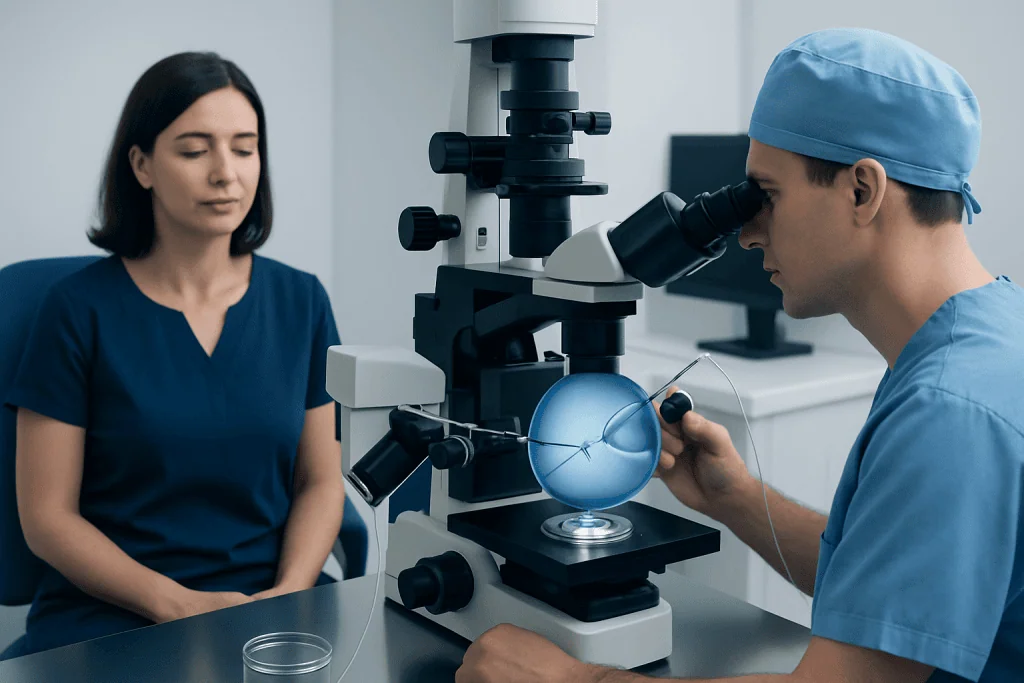
Donor egg IVF is most often considered by people whose ovaries no longer produce enough healthy eggs for pregnancy to be likely. This includes age-related decline in egg quality and quantity, which becomes more common over time. It may also be recommended when ovarian reserve tests suggest that the ovaries are unlikely to respond well to stimulation.
Another important group includes people with premature ovarian insufficiency, in which the ovaries stop functioning normally before the usual age of menopause. Some people with menopause who still wish to carry a pregnancy may also discuss donor eggs, depending on their overall health and uterine readiness.
Donor eggs may also be considered after repeated unsuccessful fertility treatment, especially when embryo development has been poor or several IVF cycles using a person’s own eggs have not led to pregnancy. In some cases, it is considered after recurrent miscarriage thought to be linked to egg quality, including situations related to recurrent pregnancy loss.
It can also be suitable for people who carry certain inherited genetic conditions and want to reduce the chance of passing them on. In addition, some same-sex male couples and single men may build a family using donor eggs together with a gestational carrier. The best choice depends on the medical history, fertility goals, and personal values of the intended parent or parents.
Common Medical Reasons for Using Donor Eggs
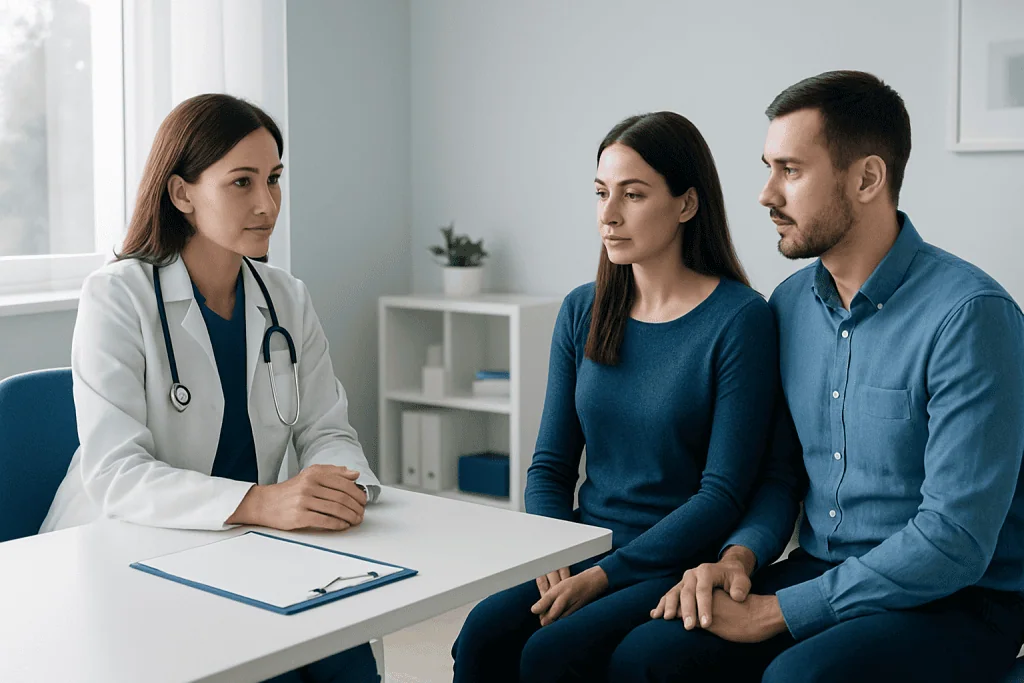
A major reason for using donor eggs is diminished ovarian reserve. This means the ovaries have fewer eggs remaining, and the eggs that are present may be less likely to result in healthy embryos. Blood tests such as anti-Müllerian hormone and ultrasound assessment of antral follicle count can help a fertility specialist estimate ovarian reserve, although they do not predict pregnancy with complete certainty.
Another reason is poor egg or embryo quality in previous treatment cycles. For example, a person may produce eggs, but fertilization rates are low, embryo development repeatedly stops early, or embryos available for transfer do not implant. In these situations, donor eggs may improve the chance of creating viable embryos because the donor is usually selected from a younger, medically screened population.
Some medical treatments can also affect fertility. Chemotherapy, radiation therapy, or surgery involving the ovaries may reduce or eliminate ovarian function. Certain chromosome or developmental conditions may also make egg production difficult or impossible. In a broader fertility evaluation for female infertility, specialists also check the uterus, hormonal health, and any underlying gynecologic conditions that may affect implantation or pregnancy.
Finally, donor eggs may be discussed when there is a high risk of transmitting a serious inherited condition. In some cases, preimplantation genetic testing may be another option, but it is not suitable for every condition or every patient. A genetics professional can help explain what donor eggs may and may not prevent, and whether additional testing is recommended.
How Doctors Decide If Donor Egg IVF Is Appropriate
There is no single test that determines whether someone should use donor eggs. The decision usually follows a careful fertility workup, review of prior treatment history, and a discussion of realistic options. Doctors consider age, ovarian reserve results, menstrual history, past pregnancies, response to fertility medication, and any known medical or genetic conditions.
The uterus also needs to be assessed because carrying a pregnancy depends on more than the source of the egg. Imaging may be used to check for fibroids, polyps, scarring, or structural differences such as a uterine septum. Specialists may also evaluate other conditions that can affect fertility or pregnancy, including ovarian cysts, thyroid disorders, diabetes, or inflammation of the reproductive organs.
Counseling is an important part of the process. People considering donor eggs often benefit from speaking with a counselor experienced in third-party reproduction. This can help address feelings about genetics, disclosure to family or future children, cultural or religious questions, and expectations around treatment.
Legal and ethical rules vary by country and clinic. Intended parents usually receive information about donor screening, anonymity or identity-release arrangements where applicable, consent forms, and any local legal requirements. Understanding these details early can make the treatment process clearer and less stressful.
What the Donor Egg IVF Process Involves
The process begins with selecting a donor and completing screening. Donors are typically evaluated for medical history, infectious diseases, and genetic concerns according to clinic protocols and local regulations. The sperm source is also assessed, and in some cases additional procedures are recommended to support fertilization.
The donor then undergoes ovarian stimulation so multiple eggs can mature. These eggs are retrieved in a minor procedure and fertilized in the laboratory using sperm from a partner or donor. Fertilization may be carried out through standard insemination or a more targeted technique such as artificial fertilisation within an assisted reproduction program, depending on the semen analysis and the clinic’s plan.
At the same time, the recipient’s uterus is prepared with medication to support the endometrial lining. One or more embryos are then transferred into the uterus. Any remaining suitable embryos may sometimes be frozen for future use, depending on the clinic’s approach and local policies.
People often ask whether the intended mother will still have a biological connection to the baby. With donor eggs, the egg’s genetic material comes from the donor, while the intended mother may experience pregnancy, childbirth, and the physical process of carrying the baby. Questions about genetics, bonding, and disclosure are common and can be discussed openly with the fertility team.
Benefits, Limitations, and Emotional Considerations
The main benefit of donor egg IVF is that it can make pregnancy possible when using a person’s own eggs is no longer a realistic option. It may also improve the likelihood of creating healthy embryos in situations where age-related egg quality decline or severe ovarian dysfunction has been a major barrier. For some people, it can shorten the time spent pursuing repeated low-probability cycles with their own eggs.
At the same time, donor egg IVF does not guarantee pregnancy. Implantation still depends on embryo quality, the health of the uterus, hormonal preparation, and the general medical health of the person carrying the pregnancy. Miscarriage, ectopic pregnancy, multiple pregnancy, and pregnancy-related complications can still occur, even when donor eggs are used.
Emotional adjustment is an important part of treatment. Some people feel relief and renewed hope, while others may grieve the loss of a genetic connection. These mixed feelings are common and valid. Support from counseling, peer groups, or trusted family members can be very helpful during decision-making and treatment.
If treatment is being considered abroad or in a specialized center, it is useful to ask about donor screening standards, embryo transfer policies, counseling services, and maternal-fetal care. Near the end of the planning process, some international patients choose centers such as Acibadem International, where multidisciplinary specialists and JCI-accredited hospitals provide fertility evaluation and treatment for patients traveling from other countries.
Preparing for Treatment and Supporting a Healthy Pregnancy
Before treatment begins, a doctor usually reviews general health, medications, and any chronic conditions that could affect pregnancy. Blood pressure, blood sugar, thyroid function, body weight, and nutritional status may all be discussed. Smoking cessation, limiting alcohol, and optimizing sleep and stress management can support overall reproductive health and pregnancy readiness.
The uterine cavity may be evaluated before embryo transfer, and the care team may recommend treatment for issues such as polyps, inflammation, or hormonal imbalance. Even when donor eggs are used, conditions affecting the uterus or the wider reproductive system still matter. Careful preparation can improve the chance of implantation and reduce avoidable setbacks.
Once pregnancy occurs, routine prenatal care remains essential. Depending on age and medical history, some pregnancies may need closer monitoring for blood pressure problems, diabetes, or placental issues. Donor egg conception does not replace the need for standard antenatal care, screening, and healthy lifestyle measures throughout pregnancy.
People should also plan practical support ahead of time. Treatment schedules, travel, emotional stress, and time away from work can all be part of the process. Clear communication with the clinic and early planning for follow-up care often make the experience more manageable.
When to Speak With a Fertility Specialist
It may be time to seek specialist advice if pregnancy has not occurred after months of trying, especially when age is a factor or menstrual cycles have changed significantly. Medical review is also important for people with a history of ovarian surgery, chemotherapy, recurrent miscarriage, or previously unsuccessful IVF cycles. Early evaluation can clarify whether treatment with a person’s own eggs is still reasonable or whether donor eggs should be discussed sooner.
A prompt fertility consultation is also sensible if there are symptoms or conditions linked with reduced fertility, such as absent periods, early menopause symptoms, or a diagnosis affecting ovarian function. Some conditions, including severe endometriosis, pelvic infection, or prior infertility treatment, may warrant earlier assessment because time can matter in reproductive planning.
During the appointment, people can ask about testing, likely success with their own eggs, alternative options, timelines, and emotional support. Bringing past records from fertility treatments or gynecologic care can be helpful. A specialist can then provide individualized recommendations based on the complete picture rather than age alone.
Frequently asked questions
What is the difference between standard IVF and donor egg IVF?
In standard IVF, the intended mother’s own eggs are collected and fertilized. In donor egg IVF, the eggs come from a donor, and the resulting embryo is transferred to the intended mother’s uterus or a gestational carrier. The rest of the treatment pathway is similar in many ways.
Who is most likely to be advised to consider donor eggs?
People with very low ovarian reserve, premature ovarian insufficiency, menopause, or repeated IVF failure may be advised to discuss donor eggs. It may also be considered when there is a significant inherited genetic condition that someone does not want to pass on. The decision is individualized after medical assessment and counseling.
Can someone still carry and give birth to a baby with donor egg IVF?
Yes. If the uterus is healthy and pregnancy is medically appropriate, the intended mother can often carry the pregnancy and give birth. Doctors usually evaluate the uterus and overall health before treatment to make sure this is a safe and suitable option.
Does donor egg IVF mean the child will not be genetically related to the intended mother?
With donor egg IVF, the egg’s genetic material comes from the donor, so the child is not genetically related to the intended mother through the egg. If partner sperm is used, the child may still be genetically related to the sperm provider. Many families find it helpful to discuss these questions with a counselor.
Is donor egg IVF only for older women?
No. Although age-related egg decline is a common reason, younger women may also need donor eggs because of premature ovarian insufficiency, past cancer treatment, surgery, or certain genetic conditions. The recommendation depends on ovarian function and overall fertility history, not age alone.
What tests are usually done before donor egg IVF?
Doctors often assess general health, the uterus, hormone levels, and any conditions that could affect pregnancy. They may also review prior fertility treatment results, do imaging of the uterus, and recommend infectious disease and genetic screening where appropriate. Counseling is commonly included as part of preparation.
Can donor egg IVF guarantee pregnancy?
No fertility treatment can guarantee pregnancy. Donor egg IVF can improve the chance of success in the right situation, but outcomes still depend on factors such as embryo quality, uterine health, and the health of the person carrying the pregnancy. A fertility specialist can explain likely outcomes based on individual circumstances.
This article is for general information only and is not a substitute for professional medical advice. Please consult a qualified doctor about your individual situation.
IVF & fertility treatment in Turkey — success rates and costs
JCI-accredited · board-certified surgeons · reply within 24h
Add us as a Preferred Source to see more of our trusted health content across Google Search, AI Overviews and Discover.

Related Treatments
Related Conditions
More from the Health Library

Recurrent Pregnancy Loss: Possible Causes and Evaluation

IVF Step by Step: From Stimulation to Embryo Transfer

Can You Be Fertile and Still Have Infertility?

IVF After Miscarriage: When to Restart and What to Check First
The Two-Week Wait After IVF: Symptoms, Testing, and What to Avoid
IVF After Tubal Ligation: Treatment Steps and Success Factors
Gynecology & Obstetrics Specialists at Acibadem

Prof. Dr. Belgin Selam
Gynecology & Obstetrics
Dr. Bilgiye Ergin
Gynecology & Obstetrics
Dr. Birgül Karakoç
Gynecology & Obstetrics
Prof. Dr. Bülent Özçelik
Gynecology & Obstetrics