Cardiothoracic Surgery
Cardiothoracic surgery treats complex conditions of the heart, lungs, chest, and major vessels using open, minimally invasive, or robotic surgical techniques when appropriate.
Quick answer
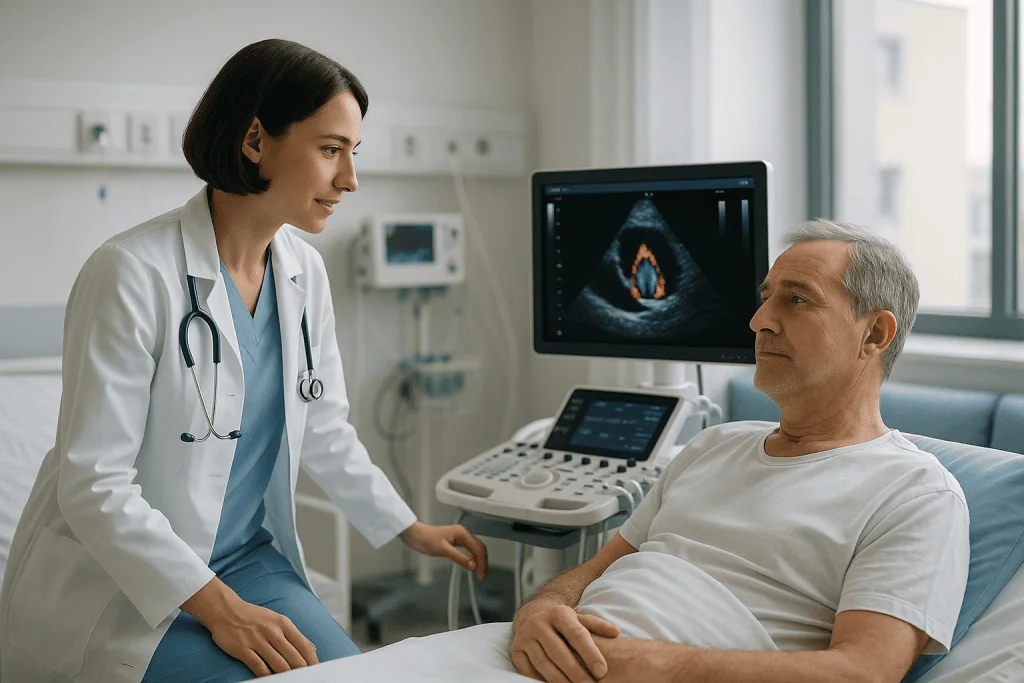
Cardiothoracic surgery is the surgical specialty that treats diseases of the heart, lungs, oesophagus, chest wall and the major blood vessels inside the chest. It includes cardiac procedures such as bypass grafting and valve repair or replacement, and thoracic procedures such as lung cancer resection. Operations may be open, minimally invasive, robotic-assisted or catheter-based, depending on the diagnosis and the patient's overall health.
What Is Cardiothoracic Surgery?
Cardiothoracic surgery is the surgical specialty that treats diseases of the heart, lungs, oesophagus, chest wall, mediastinum, diaphragm and the major blood vessels within the chest. It brings together two closely related fields: cardiac surgery, which focuses on the heart and its vessels, and thoracic surgery, which focuses on the lungs and the other structures inside the chest. It is the specialty you are referred to when a heart, lung or chest condition has reached the point where an operation may be the most effective treatment, or when only a surgeon can say for certain whether it has.
Being told you may need cardiothoracic surgery can be unsettling. For many people, the recommendation comes after weeks or months of symptoms, chest pain, breathlessness, fatigue, a persistent cough, fainting, or after a test result that raised concern. For others, it follows an urgent event: a heart attack, a rapidly enlarging aneurysm, a severe valve problem, or a newly diagnosed lung tumour. The words themselves feel serious because this branch of surgery involves the organs most closely tied to life, movement, breathing and independence. That reaction is normal. It is also worth knowing that these are among the most systematically planned and closely monitored operations in modern medicine.
You will probably have practical and emotional questions at the same time. Is surgery truly necessary? Are there less invasive options? How experienced is the surgical team? What will recovery actually feel like? If you are considering treatment abroad, you may also be weighing language, travel logistics, medical records, family support, and whether your care will be coordinated safely from diagnosis through follow-up. All of these questions are legitimate, and a good surgical team will expect you to ask them.
The specialty matters because many conditions of the heart, lungs, chest and major vessels progress over time. Left untreated, some can lead to heart failure, stroke, respiratory failure, severe infection, internal bleeding or a steady loss of quality of life. At the same time, not every patient needs the same operation, and some patients, after careful review, do not need an operation at all. The right plan depends on the exact diagnosis, the severity of the condition, your overall health, and whether open surgery, minimally invasive surgery, robotic-assisted surgery, endovascular treatment, medication or careful monitoring is the most appropriate route.
At Acibadem, cardiothoracic surgery is approached through careful evaluation, evidence-based planning and collaboration among specialists. Depending on the condition, cardiovascular surgeons, thoracic surgeons, cardiologists, pulmonologists, anaesthesiologists, intensive care physicians, radiologists, oncologists, rehabilitation teams and specialised nurses may all contribute to a single patient’s care. For international patients, this multidisciplinary structure is supported by medical interpreters and dedicated patient services, so that complex treatment in an unfamiliar healthcare system remains clear and manageable.
Is cardiothoracic surgery its own residency?
In some countries it is, and in others it is a fellowship taken after general surgery training. In the United States, there are two routes: an integrated cardiothoracic residency entered directly from medical school, and the traditional pathway of completing a general surgery residency first and then a dedicated cardiothoracic fellowship. In the United Kingdom and much of Europe, cardiothoracic surgery is its own specialty training programme, entered after foundation and core surgical years. The label differs by country, but the substance is the same: a long, supervised apprenticeship in operations on the heart, lungs and chest before a surgeon practises independently.
How long is cardiothoracic surgery residency and fellowship?
On the traditional US pathway, the full training takes seven to eight years of postgraduate surgical work: a general surgery residency of typically five years, followed by a cardiothoracic surgery fellowship of two to three years. Integrated US programmes usually run for six years. In the UK, specialty training in cardiothoracic surgery commonly takes around eight years after the foundation programme, and many surgeons then add further subspecialty fellowships in areas such as aortic surgery, minimally invasive valve surgery or thoracic oncology. Entry is competitive everywhere, because the number of training posts is small relative to the number of applicants, one of the reasons people ask how hard it is to match into cardiothoracic surgery. As a patient, the practical takeaway is simple: any qualified cardiothoracic surgeon has spent the better part of a decade or more learning this work under supervision, and it is entirely reasonable to ask about your surgeon’s specific experience with your operation.
Cardiac Surgery: Operations on the Heart and Great Vessels
Cardiac surgery is the half of the specialty that deals with the heart itself, the heart valves, and the major vessels that carry blood to and from it. Typical cardiac procedures include:
- Coronary artery bypass grafting for blocked heart arteries
- Heart valve repair or replacement
- Surgery on the thoracic aorta for aneurysms and dissections
- Surgery for congenital heart conditions, in children and in adults
- Operations for rhythm-related problems
- Removal of tumours of the heart
- Complex reoperations after previous cardiac procedures
What do heart bypass surgeons do?
Heart bypass surgeons create new routes for blood to reach the heart muscle when the coronary arteries are too narrowed or blocked for medication or stenting to manage alone. In coronary artery bypass surgery, the surgeon takes healthy blood vessels from the chest wall, the arm or the leg and grafts them beyond the blockages, so blood flows around the diseased segments rather than through them. Bypass is considered particularly when several arteries are involved, or when disease sits in critical locations where a stent would be a poor solution. In well-selected patients it can relieve angina and improve how the heart works. Some bypass operations use a heart-lung machine to take over circulation temporarily; others are performed on the beating heart in suitable patients. Which technique is right for you depends on your coronary anatomy, your heart function and your overall health, not on a standard formula.
Thoracic Surgery: Operations on the Lungs and Chest
Thoracic surgery is the half of the specialty that deals with the lungs, the pleura, the mediastinum, the chest wall, the diaphragm and the oesophagus. Thoracic surgeons diagnose and treat lung cancer and suspicious pulmonary nodules, remove selected metastatic tumours, manage pleural disease and recurrent pneumothorax, drain and treat empyema, and operate on mediastinal masses, thymic tumours, chest wall tumours and certain oesophageal conditions. They also handle selected advanced infections and inflammatory diseases of the chest when medication alone cannot resolve them.
For lung cancer, surgery is rarely an isolated event. It usually sits inside a broader plan involving medical oncology, radiation oncology, pathology, radiology and pulmonology, and the extent of the operation is tailored to the tumour: a limited wedge resection for a small peripheral lesion, a segmentectomy or lobectomy for larger or more central disease, or more extensive procedures where anatomy demands it. Tumour location, stage, your lung function and your general health all shape that choice. Not every thoracic operation is about cancer, and not every one is urgent in the immediate sense, some are performed to stop recurrent infections, to prevent a lung from collapsing again, to correct a structural abnormality or to improve the mechanics of breathing. The team in a dedicated thoracic surgery department works across this whole range, from diagnostic procedures that take under an hour to major resections.
Who May Need to See a Cardiothoracic Surgeon
Patients are usually referred to a cardiothoracic surgeon because of symptoms, abnormal imaging, results from cardiac testing, or a known diagnosis that has reached the stage where surgery should be considered. Some arrive after years of monitored disease; others need evaluation quickly because their condition has changed or become unstable. Referral does not automatically mean an operation: it means a specialist should now weigh in.
On the cardiac side, the symptoms that commonly lead to surgical evaluation include chest discomfort, shortness of breath during activity or at rest, swelling in the legs, extreme fatigue, dizziness, fainting, palpitations or a falling exercise capacity. These can occur with coronary artery disease, valve disease, heart failure, aortic disease or congenital heart abnormalities. Importantly, serious heart disease is sometimes found before symptoms become obvious, which is exactly why diagnostic testing matters when risk factors or abnormal findings are present.
On the thoracic side, evaluation is often triggered by a persistent cough, coughing up blood, recurrent lung infections, unexplained weight loss, chest pain, difficulty swallowing, hoarseness, breathlessness or a collapsed lung. Many lung nodules and chest tumours are discovered incidentally, on imaging performed for an entirely different reason. When an abnormality turns up, the first priority is to establish what it is: benign, cancerous, infectious, inflammatory or related to another condition. That answer determines everything that follows.
Diagnosis begins with a detailed history and physical examination. Cardiac work-up may include electrocardiography, echocardiography, stress testing, coronary CT angiography, cardiac catheterisation, cardiac MRI, rhythm monitoring, blood tests and assessment of heart and lung function. Thoracic work-up may include chest X-ray, CT, PET-CT, MRI, bronchoscopy, endobronchial ultrasound, pulmonary function testing, biopsy and laboratory testing. Together these tools map the anatomy, stage the disease when cancer is suspected, estimate surgical risk and shape the operative plan. Surgery enters the picture when medication, lifestyle changes, catheter-based treatment or observation is no longer sufficient, or when an operation offers the best prospect of controlling the disease. The decision is individual. Age alone does not decide whether you can have surgery: physiological fitness, organ function, frailty, nutritional status, other medical conditions and your own goals all count.
Conditions Treated with Cardiothoracic Surgery
The range of conditions is broad. In the heart, one of the most common indications is coronary artery disease that cannot be adequately treated with medication or stenting, particularly multi-vessel disease or blockages in critical locations. Bypass grafting creates new pathways for blood to reach the heart muscle, which may reduce angina and improve heart function in selected patients.
Heart valve disease is another major indication. Valves can become narrowed, leaky, infected or structurally damaged. Depending on the valve involved and the pattern of disease, the surgeon may repair your own valve or replace it with a mechanical or biological one. Repair is often preferred when it is feasible, because it preserves your natural anatomy; replacement may be the safer or more durable choice in certain situations. The honest answer is that neither option is universally better: the right one depends on your valve, your age, your other conditions and your preferences about long-term medication.
Surgery may also be needed for thoracic aortic aneurysms, aortic dissections, congenital cardiac abnormalities, tumours of the heart, selected rhythm disorders, or complications after previous cardiac procedures. Congenital conditions diagnosed in childhood are managed within pediatric cardiac surgery, and some adults need surgery for congenital problems first identified, or first becoming significant, later in life. Complex reoperations deserve particular care in planning, because scar tissue and altered anatomy raise the technical difficulty.
In the lungs and chest, thoracic operations diagnose or treat lung cancer, suspicious pulmonary nodules, metastatic tumours in selected cases, pleural disease, pneumothorax, empyema, mediastinal masses, thymic tumours, chest wall tumours and some oesophageal conditions. The extent of lung surgery is matched to the disease, wedge resection, segmentectomy, lobectomy or more, and to what your lung function can safely support.
Not every indication is cancer-related or immediately life-threatening. Some procedures relieve disabling symptoms, stop recurrent infections, correct structural abnormalities or improve breathing mechanics. Whatever the indication, it should be explained to you clearly: the expected benefit, the alternatives, the risks and the recovery pathway. If any of those four elements is missing from the conversation, ask for it.
What Does Cardiothoracic Surgery Involve?
A cardiothoracic surgical pathway involves far more than the hours in theatre: it runs from diagnostic confirmation and risk assessment, through the operation itself, to intensive care, ward recovery, discharge planning and rehabilitation. Understanding each stage makes the whole process feel less opaque.
What are the most common cardiothoracic surgeries?
The most frequently performed cardiothoracic operations are coronary artery bypass grafting, heart valve repair or replacement, and lung resections, chiefly lobectomy and wedge resection for cancer or suspicious nodules. Alongside these sit thoracic aortic repairs, surgery for recurrent pneumothorax, drainage and decortication for empyema, removal of mediastinal and thymic tumours, and selected oesophageal procedures. Frequency is not the same as simplicity: a “common” operation can still be technically demanding in a particular patient, which is why individual assessment matters more than the name of the procedure.
Preparing for a cardiothoracic operation
A cardiothoracic operation begins well before the day of surgery. A complete preoperative assessment confirms the diagnosis, evaluates risk, and prepares you physically and mentally. International patients are typically asked to gather medical records, imaging files, test results, medication lists, prior surgery reports and pathology reports if available, so the clinical team can judge which additional tests are needed after arrival rather than repeating everything from scratch.
Preparation may include blood tests, imaging, heart and lung function testing, anaesthesia evaluation, medication review and consultations with related specialists. Some medicines, such as blood thinners, may need adjusting before surgery: a decision that belongs strictly to your treating doctors, who will give you exact instructions. If you smoke, you will be strongly encouraged to stop, because smoking raises the risk of lung complications and slows healing. Nutrition, diabetes control, blood pressure management, dental assessment before some valve procedures, and infection screening can all form part of the preparation. A typical planned pathway looks like this:
- Review of your existing records, imaging and pathology
- Confirmatory tests and risk assessment on site
- Multidisciplinary discussion of the surgical plan and alternatives
- Anaesthesia evaluation and preoperative optimisation
- The operation itself
- Intensive care or high-dependency monitoring
- Ward recovery, mobilisation and breathing therapy
- Discharge planning, follow-up and rehabilitation
In the operating theatre
For cardiac surgery, you receive general anaesthesia and are cared for by a team that includes surgeons, anaesthesiologists, perfusion specialists when a heart-lung machine is required, theatre nurses and monitoring personnel. In bypass surgery, vessels from the chest, arm or leg are grafted around blocked coronary arteries. In valve surgery, the diseased valve is repaired or replaced. In aortic surgery, the weakened or dissected segment may be replaced with a graft. Some cardiac procedures need temporary support from a heart-lung machine; others can be performed without it in suitable patients.
For thoracic surgery, general anaesthesia is also standard, often with specialised airway techniques that let one lung be deflated temporarily so the surgeon can work safely inside the chest. Depending on the condition, the operation may be open or minimally invasive. Video-assisted thoracic surgery and robotic thoracic surgery use small incisions, a camera and long precision instruments, and may suit selected lung resections, mediastinal tumours, pleural procedures and some oesophageal operations. The goal is never simply the smallest incision: it is the safest, most effective approach for you. A minimally invasive route can mean less tissue trauma, a shorter hospital stay and a quicker return to daily life when it is technically suitable; open surgery can offer better exposure and control in complex situations. Careful preoperative assessment settles which applies.
Technology supports every stage. Advanced imaging maps the anatomy beforehand. Echocardiography can guide valve and cardiac procedures in real time. High-resolution CT, PET-CT, bronchoscopy and image-guided biopsy help stage thoracic disease and set the extent of resection. In theatre, modern anaesthesia monitoring, blood conservation strategies and minimally invasive visualisation systems give the team greater control; in cancer surgery, detailed pathology analysis of margins and lymph nodes confirms what was removed and whether additional treatment is needed. Duration varies widely: a straightforward diagnostic thoracic procedure may be relatively short, while complex cardiac, aortic or cancer surgery can take several hours, and theatre time includes anaesthesia preparation, positioning, monitoring and immediate stabilisation, not only the surgical work itself.
The first days after surgery
Most patients spend time in an intensive care or high-dependency unit, where breathing, heart rhythm, blood pressure, oxygen levels, pain control, drainage tubes, fluid balance and laboratory values are watched closely. Some patients wake with a breathing tube, which is removed as soon as it is safe. Chest tubes may stay in temporarily to drain air or fluid. Early movement, breathing exercises, coughing techniques and physiotherapy are central to recovery, particularly after thoracic surgery, where re-expanding the lung and clearing secretions directly affect how well you heal.
Hospital stay depends on the operation and on you. Some minimally invasive thoracic procedures need only a short stay; open heart or major chest surgery usually requires several days or longer. Discharge planning covers wound care, medication instructions, activity guidance, follow-up appointments, the warning signs your team wants you to know, and, for international patients, travel timing. Where appropriate, cardiac or pulmonary rehabilitation is recommended to support a safer return to strength and routine.
Why Acting Early Matters
Many cardiothoracic conditions are time-sensitive. Acting early does not always mean operating immediately: it means obtaining an accurate diagnosis and understanding the safest window for treatment. Delayed evaluation can let a manageable problem progress into a complex or urgent one, and the difference between those two situations is often measured in options lost.
In coronary artery disease, persistently reduced blood flow can damage heart muscle and raise the risk of heart attack or heart failure. In valve disease, the heart may enlarge or weaken over time as it labours against a narrowed or leaking valve. Deceptively, some patients feel reasonably well while the heart quietly adapts to abnormal pressure or volume; by the time symptoms are severe, recovery of heart function becomes less predictable.
Aortic aneurysms and dissections deserve particular attention, because risk depends on size, growth rate, location, genetic factors and symptoms. Waiting too long in a high-risk case increases the chance of rupture or life-threatening bleeding, yet careful monitoring can be entirely appropriate for a smaller, stable aneurysm. The point is not urgency for its own sake; it is specialised assessment and disciplined follow-up.
For lung cancer and suspicious chest tumours, timely diagnosis and staging are essential. Early-stage disease may be more amenable to surgical removal, while more advanced disease may need combined treatment with chemotherapy, immunotherapy, targeted therapy or radiation. Delay can shift the stage, narrow the options and complicate the surgery. In infections such as empyema, delayed drainage or surgery can leave scarring, a trapped lung or a prolonged illness that earlier treatment might have shortened.
There is also a quieter benefit to timely care: it reduces uncertainty. Most patients feel more in control once they understand the diagnosis, the reason surgery is being proposed, the expected pathway and the alternatives. A structured second opinion is valuable when the recommended operation is complex, when several approaches are plausible, or when you simply want two treatment plans side by side before deciding. No good surgeon is offended by that.
Benefits of Cardiothoracic Surgery
The potential benefits depend entirely on the diagnosis and the procedure, but when surgery is carefully selected it can offer meaningful medical and quality-of-life advantages.
| Benefit | What It Means for You |
|---|---|
| Treatment of serious disease at its source | Surgery can repair, remove, bypass or reconstruct the affected heart, lung, chest or vessel structure when non-surgical care is not enough. |
| Relief of symptoms | Many patients experience improvement in symptoms such as chest pain, breathlessness, fatigue, recurrent infections or pressure-related discomfort after successful treatment. |
| Prevention of progression or complications | Appropriate surgery may reduce the risk of worsening heart failure, tumour spread, recurrent lung collapse, severe infection or rupture of a high-risk aneurysm. |
| More precise diagnosis | Thoracic procedures can provide tissue samples or remove suspicious lesions, allowing pathology teams to define the disease and guide further treatment. |
| Potential for a gentler recovery in selected cases | When minimally invasive or robotic-assisted techniques are suitable, patients may have smaller incisions, reduced postoperative discomfort and a faster return to daily activity. |
| Coordinated long-term management | Surgery often becomes one part of a larger plan, including rehabilitation, medication optimisation, cancer therapy, imaging follow-up and lifestyle support. |
Recovery After Cardiothoracic Surgery
Recovery varies by procedure, incision type, age, overall health and whether surgery was planned or urgent, but most patients move through recognisable stages.
| Time Period | What Patients Can Expect |
|---|---|
| Day 1 | Close monitoring in intensive care or a specialised recovery unit. Breathing, circulation, pain, drainage tubes and heart rhythm are assessed frequently. Some patients begin sitting up or taking assisted steps when medically ready. |
| First week | Breathing exercises, walking, nutrition, wound care and medication adjustment become the priorities. Chest tubes and lines are removed when appropriate. Many patients move from intensive care to a regular room before discharge. |
| First month | Energy gradually improves, though fatigue is common. Walking and light activity increase while heavy lifting and strain are avoided. Follow-up visits review wounds, medications, pathology results where relevant, and the next stage of care. |
| Longer term | Recovery continues over weeks to months. Cardiac or pulmonary rehabilitation may help rebuild strength. Return to work, travel, exercise and normal routines follows your procedure, your progress and your physician’s guidance. |
How long does it take to recover from open-heart surgery?
Most people need roughly six to twelve weeks before the breastbone has healed enough for unrestricted activity, though the pace differs from patient to patient. In the early weeks you will be walking daily but avoiding lifting, pushing and pulling while the sternum knits. Driving, returning to work and resuming exercise each have their own timelines, set by your surgical team rather than by the calendar alone. Feeling noticeably better usually comes in stages rather than all at once, and cardiac rehabilitation, supervised, structured exercise and education, is one of the most useful tools for rebuilding confidence as well as fitness.
What don’t they tell you about open-heart surgery?
The parts patients say surprised them are rarely the surgical ones. Fatigue can be deeper and last longer than expected, and it does not improve in a straight line, good days and flat days alternate. Sleep is often disrupted for a while, partly because lying comfortably takes experimentation while the sternum heals. Appetite can dip. Concentration and mood may feel off in the early weeks; low moments and irritability are common and usually settle as recovery progresses. Sternal precautions, the rules about not lifting or bracing through your arms, shape everyday life in ways people underestimate, from opening heavy doors to picking up grandchildren. Knowing all of this in advance does not make recovery shorter, but it makes it far less alarming, because you can recognise ordinary healing for what it is.
Travelling home after surgery
If you are an international patient, the timing of your flight home is a medical decision, not just a booking. Your team will confirm when air travel is appropriate for your specific operation, and practical guidance on cabin pressure, mobility on board and thrombosis prevention is worth reading before you plan: our guide to flying after open-heart surgery covers the questions patients ask most. Discharge documents, imaging and a medication summary should travel with you so your local physicians can continue care without gaps.
Factors That Influence Outcomes
Outcomes in cardiothoracic surgery are shaped by the condition being treated, the timing of care, the complexity of the operation and your overall health. A good result begins with an accurate diagnosis: detailed imaging, functional testing, laboratory evaluation and specialist review define the problem precisely and protect you from both undertreatment and overtreatment.
The stage and severity of disease are major factors. Early-stage lung cancer is approached differently from cancer involving lymph nodes or distant sites. Mild valve disease may only need monitoring, while severe valve disease with symptoms or structural heart changes may require intervention. A stable aneurysm may be followed carefully, while a rapidly enlarging one may need repair. Matching the treatment to the disease’s biology and anatomy, rather than applying one operation to everyone, is the essence of good surgical planning.
Patient-related factors matter just as much. Heart function, lung capacity, kidney function, diabetes, obesity, smoking history, prior stroke, previous chest surgery, frailty and nutritional status all influence surgical risk and recovery. Usefully, several of these can be improved before surgery. Prehabilitation, smoking cessation, medication optimisation by your treating doctors, better glucose control, respiratory exercises, and treatment of anaemia or infection may reduce complications in selected patients. Time spent preparing is rarely time wasted.
The experience and coordination of the care team weigh heavily in complex cases. Cardiothoracic problems seldom belong to one specialist. A lung cancer patient may need input from thoracic surgery, pulmonology, medical oncology, radiation oncology, radiology, nuclear medicine and pathology. A patient with both valve disease and coronary disease may need cardiology, cardiac surgery, anaesthesiology, imaging specialists and rehabilitation planning. Multidisciplinary boards exist precisely so that treatment decisions are examined from several angles and aligned with current international protocols before anyone operates.
Postoperative care is the final determinant of quality. Vigilant intensive care monitoring, early recognition of complications, effective pain control, respiratory therapy, mobilisation, wound management and patient education all shape recovery. For international patients, discharge planning should also account for flight timing, thrombosis prevention, medication availability at home, follow-up imaging, and communication with your local physicians.
Finally, your own engagement makes a measurable difference. Patients who understand their medications, activity limits, rehabilitation plan and follow-up schedule are better placed to recover safely. Asking questions is not an imposition on the team: it is part of shared decision-making, and the better teams actively invite it.
Cardiothoracic Surgery at Acibadem
Acibadem’s cardiovascular and thoracic surgeons manage the full spectrum of conditions described on this page, from coronary artery disease and valve disorders to thoracic tumours, lung disease and aortic pathology, within the group’s cardiovascular surgery and thoracic surgery departments. Treatment planning is personalised rather than formulaic: some patients need an open procedure for maximum access and control; others are candidates for minimally invasive, video-assisted, robotic-assisted, catheter-based or combined approaches. The recommendation follows from the diagnostic findings, the anatomy, the surgical risk and the patient’s own priorities.
Safe surgery depends on far more than the operation itself. Preoperative assessment, operating room systems, anaesthesia, intensive care, infection prevention, blood management, imaging, laboratory support, nursing protocols and rehabilitation services all have to work together, and Acibadem’s hospitals are organised around exactly that chain. Multidisciplinary evaluation carries particular weight for patients with cancer, complex heart disease or several medical conditions at once: specialist boards bring surgeons, cardiologists, pulmonologists, oncologists, radiologists, pathologists, anaesthesiologists and intensive care teams together to decide whether surgery should come first, be combined with other therapies, wait until optimisation is complete, or give way to a non-surgical approach where that is safer.
For international patients, Acibadem International coordinates the practical side of care before, during and after the hospital visit, review of existing medical records and imaging, appointment scheduling, second-opinion pathways, airport and accommodation coordination, interpreter support, and communication with the clinical teams. Reviewing records before travel helps clarify whether an in-person consultation is likely to be worthwhile, which additional tests may be needed on arrival, and which treatment options are realistically on the table, so families can plan without guesswork. Final decisions still require direct medical evaluation.
Continuity is the last piece. A cardiothoracic operation does not end at discharge: many patients need medication adjustments, wound checks, rehabilitation, imaging, pathology-guided cancer treatment or long-term surveillance. Acibadem teams organise follow-up recommendations and, where appropriate, prepare documentation that can be shared with physicians in the patient’s home country, particularly relevant for those continuing cancer therapy, cardiac rehabilitation, anticoagulation management or imaging surveillance after returning home.
Making an Informed Decision
If you have been advised to consider cardiothoracic surgery, or you are uncertain about a diagnosis involving the heart, lungs, chest or major vessels, the most important questions are not only whether an operation can be performed, but whether it is the right treatment, at the right time, by the most appropriate approach for your condition. A structured specialist review, and, where the stakes are high, a second opinion, is the standard way to answer them.
Wherever you are treated, these questions belong in the conversation with your surgeon:
- What exactly is my diagnosis, and how certain is it?
- What happens if I wait, monitor, or choose a non-surgical option?
- Which approach do you recommend for me, open, minimally invasive, robotic or catheter-based, and why?
- What are the main risks in my specific case, given my health and history?
- What will the first days, the first month and the longer term of recovery look like?
- What follow-up, rehabilitation or further treatment will I need afterwards?
Clear answers to these questions are what turn a frightening recommendation into a plan you can evaluate. Patients who go into cardiothoracic surgery understanding the reasoning behind it consistently report that the process, however demanding, felt navigable, because at every stage they knew what was happening and why.
Preparation
- Before surgery, patients usually undergo blood tests, ECG, echocardiography, chest imaging, and anesthesia evaluation. Blood-thinning medicines may need adjustment, and smoking cessation is strongly advised. Fasting is required before the operation, and the surgical team explains risks, recovery, and expected hospital stay.
Aftercare
- After surgery, patients are monitored in intensive care before moving to a regular room. Pain control, breathing exercises, wound care, and gradual mobilization are important parts of recovery. Follow-up visits and rehabilitation may be recommended depending on the operation and underlying condition.
Frequently Asked Questions
What affects the cost of cardiothoracic surgery the most?
The main factors are the diagnosis, the type of operation, the surgical approach, the need for implants or grafts, operating room time, intensive care requirements, hospital stay, diagnostics, and specialist follow-up. A personalised quote can only be prepared after medical records and imaging are reviewed.
How can I get a personalised quote from Acibadem?
You can request a free consultation and share your medical reports, imaging results, current medications, and previous treatment history. The international patient team can then coordinate review by the relevant specialist and provide a treatment plan with an estimated package scope.
Does a cardiothoracic surgery package usually include intensive care?
Many packages include standard hospital services and planned postoperative care, and intensive care may be included when it is part of the expected pathway. If the clinical course requires additional care, extra diagnostics, or a longer stay, the final cost may change.
Is minimally invasive or robotic surgery always less expensive than open surgery?
Not necessarily. Minimally invasive or robotic techniques may use specialised equipment and longer planning resources, while open surgery may require different recovery and intensive care needs. The most appropriate option is selected for safety and clinical effectiveness, not cost alone.
Will travel and accommodation be included in the surgical quote?
Medical packages typically focus on hospital and clinical services. Travel, accommodation, companion needs, visa support, interpreter services, and post-discharge stay may be arranged or guided separately depending on the hospital programme and patient preference.
Is this information a medical or financial recommendation?
No. This is general educational information. Cardiothoracic surgery decisions and cost estimates should be based on a specialist evaluation, current medical records, and a personalised consultation.
Medically reviewed by the Acıbadem International Medical Board August 31, 2026
See our medical review board →
Update history
- PublishedJune 8, 2026
- Medical review approvedAugust 31, 2026
- Last content updateAugust 31, 2026
Trusted care for international patients
From the Acibadem Blog

Preparing for Cardiothoracic Surgery: Chest Imaging, Stopping Smoking and the Pre-Op Talk
Preparing for cardiothoracic surgery usually means completing chest imaging and heart tests such as a chest X-ray, ECG and echocardiogram, stopping smoking as early…

Cardiothoracic Surgery Recovery: Intensive Care, Gradual Mobilization and the Weeks Beyond
After cardiothoracic surgery, most people spend about one to two days in intensive care, roughly a week in the hospital, and then recover at…