Cholera
Cholera care focuses on rapid fluid and electrolyte replacement, with antibiotics used in selected moderate or severe cases. Prompt treatment can prevent dangerous dehydration and complications.

Quick answer
Cholera is an acute intestinal infection caused by the bacterium Vibrio cholerae, usually acquired through contaminated water or food. It produces sudden, profuse watery diarrhoea that can dehydrate the body within hours. Treatment centres on rapid rehydration — oral rehydration solution for milder cases, intravenous fluids for severe dehydration — with antibiotics reserved for selected moderate or severe cases. Treated promptly, cholera responds well.
What Is Cholera?
Cholera is an acute intestinal infection caused by the bacterium Vibrio cholerae, almost always acquired by swallowing water or food contaminated with the bacteria. Its defining feature is sudden, profuse, watery diarrhoea that can drain the body of fluid and salts within hours rather than days. That speed is what makes cholera dangerous — and it is also why the illness responds so well to one deceptively simple intervention: replacing the fluid and electrolytes as fast as the body loses them.
If you have been reading about cholera — what is actually happening inside the body, and why the illness moves so quickly — the answer lies in a toxin rather than in tissue damage. Cholera disease is not an invasive infection in the usual sense. The bacteria stay in the small intestine, where toxin-producing strains release cholera toxin. This toxin switches the cells lining the intestine into a secretory state, forcing them to pump water, sodium, chloride, potassium and bicarbonate into the gut faster than the body can reabsorb them. The intestine itself is not destroyed; it is, in effect, hijacked. That distinction matters, because it explains why the gut can recover quickly once the infection passes, and why the immediate priority is hydration rather than any procedure or surgery.
What Causes Cholera?
Cholera is caused by toxin-producing strains of Vibrio cholerae, most notably the serogroups known as O1 and O139. Not every strain of the bacterium causes epidemic illness — only those able to produce cholera toxin trigger the profuse fluid loss the disease is known for. A relatively large number of bacteria usually needs to be swallowed to cause illness, because stomach acid kills much of the dose before it reaches the intestine. This is why people with reduced stomach acid — whether from medical conditions, previous stomach surgery or acid-lowering treatment prescribed for other reasons — can be more susceptible to infection. People with blood group O also tend to develop more severe illness when infected, for reasons that are still being studied. None of these factors changes the treatment, but they help explain why the same exposure can leave one person well and make another seriously ill.
How Is Cholera Transmitted?
Cholera is transmitted mainly through water or food contaminated with the stool of an infected person. Untreated drinking water is the classic route, particularly where sewage and drinking supplies mix after flooding, in crowded settlements, or where sanitation infrastructure has broken down. Food can carry the bacteria as well: raw or undercooked shellfish harvested from contaminated coastal or brackish waters, produce washed or irrigated with unsafe water, and cooked food handled with unwashed hands or left at ambient temperature can all serve as vehicles. The incubation period is short — typically between about twelve hours and five days after exposure — which is why outbreaks can escalate rapidly. An important and often overlooked point is that many people who ingest the bacterium develop no symptoms or only mild diarrhoea, yet still pass bacteria in their stool for a period of time. These asymptomatic and mild infections help sustain transmission in affected communities.
How Is Cholera Spread Within Households and Communities?
Cholera is spread within households mainly through shared contaminated water and food, and through hands that have touched contaminated stool, surfaces or laundry. Direct person-to-person spread through casual contact — conversation, shared rooms, ordinary touch — is not the typical route. The bacteria must reach the mouth, usually via water, food or unwashed hands. This is genuinely reassuring for families caring for a sick relative: sensible hygiene, safe water and careful handling of stool and soiled items interrupt the chain of transmission effectively. It also explains why cholera clusters in places and moments where water safety fails — after natural disasters, in refugee settings, during conflicts — rather than spreading the way respiratory infections do.
Cholera Symptoms and Warning Signs
Cholera symptoms range from none at all to life-threatening fluid loss, and the same outbreak strain can produce both extremes in different people. When significant illness develops, it usually begins abruptly with painless, watery diarrhoea — a clinical description, not a comfort rating — that quickly becomes very frequent and very high in volume. In severe cholera, the stool loses its normal colour and takes on a pale, cloudy appearance often described as “rice-water stools”, sometimes with a faintly fishy odour. Fever is frequently absent, and abdominal pain may be mild or missing altogether, which can make the illness feel deceptively simple in its first hours. The danger is not the diarrhoea itself but the arithmetic behind it: a severely affected adult can lose litres of fluid in a day, far more than ordinary drinking can replace without a structured rehydration plan.
What Are 6 Symptoms of Cholera?
Six symptoms that characterise cholera in its recognisable form are:
- Profuse watery diarrhoea — sudden in onset, frequent, high in volume and often pale or “rice-water” in appearance.
- Vomiting — often early in the illness, which compounds fluid loss and can make drinking difficult.
- Intense thirst — the body’s earliest signal that fluid balance is slipping.
- Muscle cramps — especially in the legs, driven by rapid loss of salts such as sodium and potassium.
- Weakness and fatigue — sometimes progressing to lethargy, restlessness or confusion as dehydration deepens.
- Reduced urination — a practical marker that the kidneys are conserving fluid because too little is circulating.
Not every patient has all six, and mild cases may look like any other traveller’s diarrhoea. What sets cholera apart is the pace and volume of fluid loss when the illness is severe.
How Does Dehydration Show Itself?
Dehydration shows itself in stages, and clinicians grade it carefully because the grade determines the treatment. Early signs include thirst, a dry mouth, dark or scanty urine and mild fatigue. As losses mount, the signs doctors weigh most heavily appear: sunken eyes, a rapid heart rate, low blood pressure, cool or clammy skin, skin that stays tented when gently pinched, dizziness on standing, marked drowsiness or confusion, and little or no urine output. In infants and young children the picture is different and easy to misread — lethargy or unusual irritability, no tears when crying, poor feeding, fewer wet nappies and a sunken soft spot on the head are the signals paediatric teams look for. Older adults may show confusion before any other obvious sign. Because children carry proportionally less fluid reserve than adults, the interval between “unwell” and “critically dehydrated” can be strikingly short in the very young.
When Cholera Becomes an Urgent Medical Concern
Cholera becomes urgent when fluid leaves the body faster than a person can drink it back. For many patients and families, the frightening part is not the infection itself but the speed of the change: someone who seemed well a few hours earlier may become weak, dizzy, unable to keep fluids down, or confused. In children, older adults, pregnant patients and people living with chronic illness, the margin is narrower still, because their bodies tolerate fluid shifts less well and their reserves run out sooner.
The counterweight to that fear is a plain clinical fact: cholera is highly treatable when care begins promptly. The cornerstone of treatment is rapid replacement of the fluid and electrolytes lost through diarrhoea and vomiting. In selected moderate or severe cases, antibiotics may be added to shorten the illness and reduce ongoing fluid loss. With careful monitoring, patients typically improve markedly once hydration is restored and complications are prevented — often within hours of treatment beginning.
Travellers encounter cholera in particular circumstances: after visiting an affected region, during an outbreak, or when severe diarrhoea develops far from familiar healthcare. Structured evaluation is also needed to distinguish cholera from other causes of severe infectious diarrhoea, foodborne illness, inflammatory bowel conditions or medication-related diarrhoea. In hospital practice, suspected cholera is handled as an urgent medical condition requiring accurate assessment, infection control, careful fluid management and organised follow-up — not as a routine stomach upset.
What Cholera Treatment Is
Cholera treatment is medical care designed to reverse dehydration, correct electrolyte imbalance and limit the effects of the infection itself. Large-volume diarrhoea strips the body of water and of salts such as sodium, potassium and bicarbonate. Without replacement, this cascade can lead to low blood pressure, kidney injury, metabolic disturbances, shock and — in severe untreated cases — death. Treatment interrupts that cascade at its first step.
What Is the Treatment for Cholera?
The treatment for cholera is rehydration, delivered by mouth when the patient can drink and intravenously when dehydration is severe, supplemented by antibiotics in selected moderate or severe cases. Nothing else in the treatment plan matters if fluid replacement lags behind fluid loss. Antibiotics, antiemetic medication, zinc supplementation in children and nutritional support all play a role, but each is an adjunct to hydration, never a substitute for it. This ordering of priorities is one of the most consistent principles in all of infectious disease medicine, and it explains why cholera outcomes depend so heavily on how quickly structured care begins.
Cholera Rehydration: The Foundation of Care
Cholera rehydration means replacing water and electrolytes in the right proportions, at the right speed, by the right route. For mild to moderate dehydration, oral rehydration solution is usually sufficient — a precisely balanced mixture of water, salts and glucose that exploits an intact intestinal transport mechanism to pull fluid back into the body even while the toxin drives secretion in the other direction. It is one of the most effective treatments in modern medicine precisely because it works with the physiology of the gut rather than against it. For patients who are severely dehydrated, unable to drink, vomiting repeatedly, lethargic or showing signs of circulatory instability, intravenous fluids replace the circulating volume directly. The type and quantity of fluid are adjusted to the patient’s condition, weight, ongoing losses, laboratory results and response to treatment — rehydration is a continuously recalibrated process, not a single prescription.
Antibiotics are not given to every patient with cholera, but in the right patient they can shorten the duration of diarrhoea and reduce the total volume of fluid that needs replacing. The choice depends on local resistance patterns, patient age, pregnancy status, allergies, severity of illness and clinical judgement. Cholera treatment is also broader than fluids and medication: it includes grading the degree of dehydration, confirming the likely diagnosis, preventing transmission to others, monitoring for complications and deciding when hospital admission is necessary. In a well-organised hospital, emergency physicians, infectious disease specialists, paediatricians, internists, intensive care teams and laboratory services may all contribute to a single patient’s care.
Who May Need Cholera Care
Cholera enters the diagnostic picture when a patient develops sudden, watery diarrhoea after travel to or residence in an area with known cholera transmission, after exposure to unsafe water, or after eating food prepared in poor sanitation conditions. The diarrhoea is characteristically very watery and frequent; some patients also have vomiting, leg cramps, intense thirst, weakness or reduced urination. The frequent absence of fever means the illness can be underestimated in its first hours, which is exactly when treatment is easiest.
Clinicians treat certain features as decisive: severe or persistent diarrhoea, dizziness or fainting, an inability to keep fluids down, and the dehydration signs described earlier — dry mouth, sunken eyes, rapid heart rate, low blood pressure, cool skin, reduced skin elasticity, decreased urination, extreme fatigue or confusion. The patients most likely to need urgent or inpatient care are young children, older adults, pregnant patients, people with kidney disease, heart disease or diabetes, immunocompromised patients, and anyone with substantial fluid loss regardless of their baseline health. Travellers occupy their own category: they may be uncertain of the diagnosis, have limited access to safe rehydration supplies, or face the real physiological stress of a long flight while already fluid-depleted.
How Is Cholera Diagnosed?
Cholera is diagnosed first clinically and then, where useful, confirmed in the laboratory — and treatment never waits for confirmation when dehydration is present. The physician evaluates the symptoms, travel and exposure history, hydration status, vital signs and medical risk factors, and begins fluid replacement on that basis. Stool testing identifies Vibrio cholerae, supports public health reporting and guides antibiotic decisions; depending on the setting, this can involve stool culture, rapid stool tests, molecular tests and evaluation for other infectious causes of diarrhoea. Blood tests become important in moderate or severe dehydration, assessing kidney function, electrolyte levels, acid–base balance, blood counts and markers of infection or inflammation. Urine output serves as a running, real-time indicator of whether hydration is catching up with losses. Imaging is usually unnecessary, but if the presentation is atypical — significant abdominal pain, blood in the stool, localised tenderness — additional evaluation looks for an alternative diagnosis rather than assuming cholera by default.
Conditions and Situations Cholera Treatment Addresses
Cholera care addresses both the infection and its consequences, and the consequences are usually the more urgent of the two. The most immediate threat is dehydration, which can range from mild fluid deficit to severe hypovolaemia — a state in which the body simply does not have enough circulating fluid to maintain blood pressure and organ perfusion. Early treatment prevents the progression from weakness and thirst to shock and kidney injury; late treatment must reverse it, which is harder and riskier.
Electrolyte imbalance is the second major target. Large-volume diarrhoea drains potassium, disturbs sodium and depletes bicarbonate, producing metabolic acidosis. These disturbances contribute to muscle cramps, abnormal heart rhythms, fatigue, confusion and impaired organ function, and correcting them safely requires the right fluid choices, laboratory monitoring and repeated reassessment rather than a fixed formula.
Treatment also addresses persistent vomiting, which undermines oral rehydration; antiemetic medication may be considered in selected patients so that fluids can be tolerated by mouth. Nutrition is treated as part of the medicine, not an afterthought: once the patient is stable and able to eat, feeding usually continues or resumes promptly, because the intestinal lining needs energy and nutrients to recover its normal absorptive function. In infants, breastfeeding should generally continue throughout the illness, with medical guidance.
In hospital, cholera care includes infection prevention. Although cholera does not typically spread through casual contact, contaminated stool and inadequate sanitation can transmit the bacteria. Hand hygiene, safe disposal of stool and vomit, environmental cleaning and careful food and water practices protect family members, caregivers and other patients, and hospitals apply isolation or contact precautions according to their infection control protocols when necessary.
Finally, structured evaluation protects patients whose symptoms turn out not to be cholera at all. Severe diarrhoea has many causes — other bacteria, viruses, parasites, toxins, medication reactions, or chronic gastrointestinal conditions such as Crohn disease or celiac disease presenting or flaring at an inconvenient moment. A systematic medical assessment ensures the right diagnosis is not missed and the treatment matches the actual cause rather than the most dramatic possibility.
How Cholera Treatment Is Performed
Initial Assessment and Triage
Cholera care begins with rapid triage. The medical team checks vital signs, hydration status, mental alertness, ability to drink, urine output and the frequency of diarrhoea and vomiting. The patient or family is asked about travel, possible exposure to contaminated food or water, recent antibiotic use, underlying medical conditions, pregnancy status, allergies and current medications. This first assessment determines everything that follows: the route of rehydration, the pace, and the level of monitoring required.
Patients with signs of severe dehydration are treated immediately, without waiting for test results. This may mean placement in an observation area, an emergency department bed or an inpatient unit where fluid therapy can be started and watched closely. If the patient is in shock or shows significant organ dysfunction, intensive care support becomes involved. The clinical goals in this phase are concrete: restore circulation, protect kidney function and correct electrolyte abnormalities as quickly as safety allows.
Oral Rehydration Therapy
For patients who can drink and are not severely dehydrated, oral rehydration solution is the first-line treatment — and it is worth being precise about what it is not. It is not plain water, not a sports drink and not fruit juice. Oral rehydration solution contains a specific balance of salts and glucose designed to activate the intestine’s coupled sodium–glucose absorption pathway, which continues to work even while cholera toxin drives secretion. This is how the body can absorb fluid effectively despite ongoing diarrhoea.
In practice, oral rehydration follows a simple sequence:
- The care team estimates the fluid deficit from the patient’s age, weight and degree of dehydration.
- The calculated volume is replaced over the first hours, alongside ongoing losses from each further stool.
- Small, frequent sips are used if nausea is present; children are supervised closely to make sure enough is actually taken.
- If vomiting occurs, oral fluids are paused briefly and restarted in small amounts rather than abandoned.
- Response is tracked continuously — improving thirst, a settling heart rate, returning urine output and rising energy all confirm the plan is working.
Intravenous Fluids for Moderate to Severe Dehydration
When dehydration is severe, oral fluids alone cannot restore circulation fast enough at the outset, and intravenous fluids take over the first phase of treatment. The medical team selects an appropriate fluid based on the clinical picture and laboratory results, and adjusts the infusion rate as the patient improves and as ongoing losses are measured or estimated. In severe cholera the initial replacement is deliberately rapid, then slows as the deficit closes and oral rehydration takes over the remainder.
Throughout intravenous rehydration, nurses and physicians monitor blood pressure, pulse, breathing, mental status, urine output and signs of fluid overload. This vigilance matters most in older adults and in people with heart or kidney disease, because in these patients both under-treatment and over-treatment carry real risk. Electrolytes are rechecked to guide ongoing replacement, particularly potassium, which falls steadily with continued stool losses.
Laboratory Testing and Diagnostic Support
Testing runs alongside treatment rather than ahead of it. Stool samples are collected for cholera testing and, where clinically indicated, for evaluation of other pathogens. Blood tests track kidney function, sodium, potassium, bicarbonate and other markers that shape fluid and electrolyte decisions. In severe cases, serial testing confirms that the body is responding to therapy rather than assuming it from appearances.
Modern diagnostic pathways are built to inform decisions without delaying urgent care. Rapid tests provide preliminary answers within the treatment window; cultures and molecular tests follow with definitive identification and information relevant to public health reporting and antibiotic selection. Thorough laboratory documentation has a second use: it supports continuity when care later resumes with the patient’s regular physicians.
Use of Antibiotics in Selected Patients
Antibiotics are used for moderate or severe cholera, particularly when fluid losses are substantial or when shortening the illness is clinically important. They are never a substitute for rehydration — even when antibiotics are prescribed, fluids remain the main treatment, and a patient given antibiotics without adequate rehydration remains in danger.
The choice of agent is individualised: age, pregnancy, allergies, local resistance patterns and severity of illness all enter the decision. Antibiotic resistance among Vibrio cholerae strains varies by region and changes over time, which is one reason self-treatment with whatever antibiotic is available locally can fail. Inappropriate use also contributes to resistance and offers little to patients with mild disease, so restraint is part of good practice. If stool testing later reveals a different pathogen or a resistance concern, the plan is adjusted accordingly.
Supportive Care, Nutrition and Monitoring
Supportive care fills in around the core treatment: medication for vomiting where appropriate, careful skin care when diarrhoea is frequent, zinc supplementation for children when indicated, and practical nutrition guidance. Patients are encouraged to resume eating as soon as food is tolerated — simple, digestible foods first, while alcohol and anything that worsens nausea or diarrhoea waits until recovery is established. Continued feeding actively supports intestinal repair; prolonged fasting does not.
Monitoring continues until the patient is stable, drinking adequately, producing urine and — where tests were abnormal — showing improving laboratory results. The duration of acute treatment varies widely. A patient with mild illness may improve within hours of starting oral rehydration; a patient with severe dehydration may need several hours of intensive fluid replacement and a period of hospital observation afterwards. Recovery then continues at home over several days as appetite, strength and normal bowel habits return.
Infection Control and Safe Discharge Planning
Because cholera spreads through contaminated stool, hygiene is a formal part of the treatment plan rather than general advice. Patients and caregivers receive specific guidance on handwashing, bathroom cleaning, laundry handling, safe drinking water and food precautions. When the patient is staying in a hotel or travelling with family, these instructions are adapted to that reality — which surfaces to clean, how to handle soiled clothing, what water to use and avoid.
Before discharge, the care team walks the patient and family through the signs that would mean the plan needs urgent review — recurrent severe diarrhoea, inability to drink, reduced urination, fainting, confusion, persistent vomiting, fever, blood in the stool or worsening abdominal pain — so that everyone leaves knowing what “getting better” and “getting worse” actually look like. Patients continuing a journey also receive documentation for travel, any needed prescriptions, and an individual assessment of when flying is reasonable.
Why Acting Early Matters
Cholera becomes dangerous because the body can lose fluid faster than a person can replace it by drinking, and the deterioration is self-accelerating: a patient who becomes weak or confused from dehydration drinks less, which deepens the dehydration, which worsens the weakness. Delay therefore raises the risk of severe dehydration, low blood pressure, kidney injury, electrolyte disturbance and shock — each one harder to reverse than to prevent.
Early care keeps treatment simple. A patient who starts oral rehydration promptly may never become severely dehydrated and may avoid hospital admission altogether. When intravenous fluids are needed, starting them early reduces the strain on the kidneys and other organs. Early evaluation also identifies the patients who need more than fluids — antibiotics, additional testing, or closer monitoring because of age, pregnancy, chronic disease or immune status.
Timing matters for others, too. When cholera is suspected, infection control and safe sanitation practices begin at once, protecting families travelling together, caregivers, hotel staff, other patients and the wider community. Prompt diagnosis and reporting, where required, feed the public health measures that limit spread.
For travellers, early attention has one more practical dimension: long flights, heat, limited bathroom access and difficulty obtaining safe fluids all make dehydration worse, and a patient who boards an aircraft already fluid-depleted has chosen the worst possible environment in which to deteriorate. Assessing hydration before travel, rather than mid-journey, keeps the decision in the patient’s hands.
Benefits of Prompt Cholera Treatment
The benefits of cholera treatment flow from three things: rapid rehydration, careful monitoring and timely management of complications.
| Benefit | What It Means for You |
|---|---|
| Rapid correction of dehydration | Replacing lost fluids helps restore blood pressure, improve energy, reduce dizziness and protect vital organs. |
| Electrolyte balance | Monitoring and correcting salts such as sodium and potassium can reduce cramps, weakness, confusion and heart rhythm concerns. |
| Reduced risk of complications | Early treatment lowers the chance of kidney injury, shock and the need for more intensive medical support. |
| Appropriate use of antibiotics | In selected moderate or severe cases, antibiotics may shorten diarrhoea and reduce ongoing fluid loss when used correctly. |
| Safer recovery and travel planning | Medical guidance helps determine when you are stable, how to continue hydration and when travel may be reasonable. |
| Protection for family and close contacts | Infection control advice reduces the risk of spreading illness through contaminated hands, surfaces, food or water. |
Recovery Timeline After Cholera
Recovery depends on the severity of dehydration, the patient’s age and health, and — above all — how quickly treatment began. The broad pattern looks like this:
| Time Period | What Patients Can Expect |
|---|---|
| Day 1 | Assessment focuses on hydration, vital signs and stool losses. Oral rehydration or intravenous fluids begin promptly. Many patients feel less dizzy and more alert within hours as fluid is replaced. |
| First week | Diarrhoea usually settles with adequate hydration and, when indicated, antibiotics. Appetite and strength gradually return. Safe fluids, simple foods and hygiene precautions continue at home. |
| First month | Patients without complications are generally back to normal activities. Those who had severe dehydration, kidney strain or underlying illness may need follow-up blood tests or physician review. |
| Longer term | Lasting problems are uncommon after timely treatment. Safe water and food practices remain important, especially when travelling to regions where cholera or severe diarrhoeal illness occurs. |
Factors That Influence Outcomes
The single most important factor in cholera outcome is speed: how quickly fluid and electrolyte losses are replaced. Patients treated early usually do well; untreated severe dehydration can progress with alarming pace. The volume of diarrhoea, the presence of vomiting and the patient’s ability to drink together determine whether oral rehydration is sufficient or intravenous fluids are required at the start.
Age and baseline health shape the margin for error. Infants, young children, older adults and pregnant patients need especially careful monitoring. People with kidney disease, heart failure, diabetes, immune suppression, significant frailty or chronic liver disease tolerate dehydration and electrolyte shifts less well, and in these patients fluid therapy must be simultaneously prompt and precisely balanced — a genuine clinical skill rather than a protocol reading.
Accurate grading of dehydration sits at the centre of a good result. Underestimating fluid loss leaves organs under sustained stress; over-aggressive fluid administration in vulnerable patients causes its own complications, including fluid overload. Experienced teams manage this by reassessing frequently — vital signs, physical examination, urine output and laboratory results together, not any single measure alone.
Antibiotic selection influences the course in the patients who need it. Resistance patterns vary by region and over time, and not every agent suits every patient — pregnancy and young age both narrow the options. A careful approach avoids unnecessary medication while ensuring that moderate and severe cases receive treatment likely to work against the local strain.
What happens after discharge matters as much as what happened in hospital. Safe drinking water, sanitation and hand hygiene protect the recovering patient from reinfection and protect others from exposure; consuming contaminated water or food again simply restarts the risk. Travellers need clear, written instructions on bottled or treated water, food choices, hand hygiene and the symptoms that would call for reassessment.
Finally, communication is a safety factor in its own right. Patients do better when their medical history, medications, allergies, travel plans and previous test results are shared clearly with the treating team, and when documentation flows back to their regular physicians afterwards — particularly after severe illness or hospitalisation, when follow-up blood tests may still be pending.
How Can Cholera Be Prevented?
Cholera is prevented primarily through safe water, safe food and hand hygiene — the same measures that interrupt transmission during an outbreak. In regions where cholera occurs, this means drinking bottled, boiled or properly treated water; avoiding ice of uncertain origin; eating food that is thoroughly cooked and served hot; being cautious with raw or undercooked shellfish and with raw produce washed in local water; and washing hands with soap before eating and after using the toilet. These habits sound simple, and they are — cholera persists where infrastructure fails, not where individual precautions are impossible.
Oral cholera vaccines exist and are used in outbreak response and for certain travellers to high-risk areas. They provide meaningful but incomplete and time-limited protection, which is why they complement rather than replace water and food precautions. Whether vaccination makes sense for a particular journey depends on the destination, the length and nature of the stay, current outbreak activity and the traveller’s own health — an individual assessment made in a travel medicine or infectious disease consultation, not a universal recommendation.
For households caring for someone recovering from cholera, prevention is practical: safe disposal of stool, cleaning of bathrooms and contaminated surfaces, careful laundry handling and rigorous handwashing. Because casual contact does not typically transmit the bacteria, families who follow these measures can care for a sick relative without undue fear.
Cholera Care at Acibadem
For a patient with sudden severe diarrhoea, the priority is timely, organised, clinically sound care. Acibadem hospitals provide emergency and inpatient services supported by diagnostic laboratories, infection control protocols and clinical teams accustomed to treating acute medical conditions. The Infectious Diseases Department anchors this pathway, advising on diagnosis, antibiotic selection and infection control alongside the other specialties a given patient may need.
Cholera care can involve several of those specialties depending on severity. Emergency physicians usually begin assessment and rehydration. Paediatricians manage children; internists care for adults with chronic disease; intensive care physicians step in if shock, severe electrolyte disturbance or organ dysfunction develops. This multidisciplinary structure means treatment decisions reflect the patient’s full medical context — their heart, kidneys, pregnancy or immune status — rather than a single dramatic symptom.
Evidence-based protocols matter in cholera precisely because the fundamentals are clear but the details must be individualised. The same diagnosis may call for rapid intravenous fluids in one patient, straightforward oral rehydration in another, pregnancy-specific antibiotic choices in a third and cardiac monitoring in a fourth. Technology supports these judgements rather than replacing them: laboratory systems measure electrolytes and kidney function quickly, stool testing identifies the pathogen, bedside monitoring tracks the response to treatment, infusion systems deliver fluids at controlled rates, and electronic medical records keep every department working from the same information.
Care planning is personalised to the situation — hospital observation or outpatient follow-up, dietary advice, prescriptions, laboratory review, instructions for preventing transmission, and discharge documentation prepared so that the patient’s own physicians can pick up the thread of care without gaps.
Recovering With Confidence
Cholera is a condition that can become serious quickly, yet it remains one of the most treatable causes of severe infectious diarrhoea when care begins without delay. The essential logic of treatment is straightforward and worth holding onto: recognise dehydration early, replace fluids and electrolytes at the pace they are being lost, reserve antibiotics for the patients who genuinely benefit, monitor for complications, and prevent spread to others through safe water and hygiene. Patients who receive this care promptly generally regain their strength over days rather than weeks, and lasting problems are uncommon. Understanding how the illness works — a toxin driving fluid loss, not an invasion destroying tissue — is the clearest explanation of why hydration wins, and why time is the variable that matters most.
Preparation
- Patients are assessed urgently for dehydration, blood pressure, electrolyte imbalance, and recent travel or food-water exposure. Stool testing may be requested to confirm cholera and guide public health precautions. Oral intake is usually continued if tolerated, while intravenous fluids are prepared for moderate or severe dehydration.
Aftercare
- Continue oral rehydration solution, prescribed antibiotics if given, and a safe diet as advised by the physician. Watch for recurrent diarrhea, vomiting, dizziness, low urine output, or worsening weakness. Strict hand hygiene and safe water practices are important to prevent spread to others.
Turkey vs UK, Germany & USA
Cholera care is usually urgent and the main cost differences relate to the level of dehydration, need for monitoring, laboratory testing and hospital stay. International patients should seek immediate local care if symptoms are severe, and can request a personalised estimate once clinical details are reviewed.
For cholera, cost and patient experience depend less on the destination and more on how quickly fluid replacement, monitoring and infection control can be delivered.
| Factor | Turkey | UK | Germany | USA |
|---|---|---|---|---|
| Care setting | Private hospitals commonly offer emergency assessment, infectious disease input and international patient coordination. | Emergency care is available through public and private pathways; access route affects billing and coordination. | Hospital care is well structured, with public and private providers; insurance status influences the process. | Emergency and hospital care is widely available; billing can vary significantly by provider and insurance coverage. |
| Price drivers | Costs are influenced by dehydration severity, oral or intravenous rehydration, laboratory tests, admission and specialist review. | Costs depend on public eligibility, private care use, diagnostics, admission and any specialist consultation. | Costs depend on insurance status, hospital classification, diagnostics, intravenous therapy and length of stay. | Costs depend strongly on emergency department use, hospital admission, diagnostics, medication and insurance arrangements. |
| Quality and accreditation | Some private hospitals, including JCI accredited facilities, follow international patient safety and infection control standards. | Hospitals operate under national regulation and quality inspection frameworks; private facilities may have additional accreditations. | Hospitals follow national and regional quality standards, with structured infection control procedures. | Many hospitals follow national accreditation and quality frameworks, with protocols for dehydration and infectious disease care. |
| Waiting and urgency | Acute dehydration is handled as urgent care; international coordination can support admission and discharge planning. | Emergency cases are prioritised; non urgent private consultations may depend on availability. | Emergency assessment is prioritised; outpatient infectious disease appointments may vary by region and provider. | Emergency cases are prioritised; access and billing pathways may differ depending on facility and insurance. |
| Travel and language logistics | Interpreter support and international patient teams may help with communication, transfers and documentation when travel is appropriate. | English language care is standard; overseas visitors may need support with eligibility and payment processes. | Interpreter support may be needed for non German speakers; documentation and insurance approval can affect logistics. | English language care is standard; international patients may need help understanding billing, insurance and follow up plans. |
| Typical package elements | May include consultation, hydration therapy, laboratory monitoring, medications when indicated, observation or admission and discharge guidance. | May include emergency assessment, fluids, testing, medication and follow up depending on public or private route. | May include physician evaluation, fluids, electrolyte monitoring, microbiology testing and inpatient care if needed. | May include emergency evaluation, laboratory work, intravenous fluids, medications and hospital monitoring when required. |
What affects your final cost
- Severity of dehydration and electrolyte imbalance.
- Whether oral rehydration is enough or intravenous fluids are required.
- Need for stool testing, blood tests, kidney function monitoring or other investigations.
- Use of antibiotics in selected moderate or severe cases.
- Need for emergency care, observation, isolation measures or hospital admission.
- Insurance status, international patient services, interpreter support and travel related arrangements.
Compare your options
Cholera treatment is tailored to dehydration severity, age, medical history and test results. Suitability for each option is decided by a specialist.
| Option | What it is | Typical use | Key considerations |
|---|---|---|---|
| Oral rehydration solution | A balanced fluid containing salts and glucose to replace losses from diarrhoea. | Commonly used when the patient can drink and dehydration is mild or improving. | Requires frequent intake and monitoring; severe vomiting or worsening dehydration may require escalation. |
| Intravenous fluids and electrolytes | Fluid and electrolyte replacement given through a vein. | Used for significant dehydration, shock risk, inability to drink or ongoing heavy fluid loss. | Needs clinical monitoring, laboratory checks and adjustment to avoid under replacement or fluid overload. |
| Antibiotics in selected cases | Medication aimed at reducing the duration and volume of diarrhoea when clinically appropriate. | Considered for moderate or severe cholera, high risk patients or outbreaks according to local guidance. | Choice depends on local resistance patterns, pregnancy status, allergies and clinician assessment. |
| Diagnostic testing and monitoring | Stool testing, blood tests and clinical observation to assess infection, hydration and organ function. | Used when diagnosis is uncertain, symptoms are severe, public health reporting is needed or admission is required. | Testing supports treatment decisions but should not delay urgent rehydration when dehydration is present. |
| Nutrition and supportive care | Continued feeding as tolerated, safe fluids, anti nausea support when appropriate and careful hygiene measures. | Used throughout recovery, especially in children, older adults and patients with other medical conditions. | Anti diarrhoeal medicines may not be suitable; infection control and safe water guidance are important. |
General information only — not medical or financial advice. Final costs depend on the factors above and your individual case; request a free, personalised quote.
Frequently Asked Questions
What affects the cost of cholera treatment?
The main factors are dehydration severity, need for intravenous fluids, laboratory monitoring, medications, observation or hospital admission, and any international patient support such as interpreter services. A personalised quote can be prepared after medical details are reviewed.
How can I get a quote for cholera care in Turkey?
You can request a free consultation and share symptoms, recent travel history, current medications, existing medical conditions and any test results. The hospital team can then advise on the likely care pathway and provide an estimate where appropriate.
Is cholera treatment usually an outpatient or inpatient service?
Some patients can be treated with oral rehydration and monitoring, while others need intravenous fluids, electrolyte correction or hospital admission. The decision depends on clinical assessment and should be made by a qualified specialist.
Are antibiotics always included in cholera treatment?
No. Rehydration is the priority, and antibiotics are used only in selected moderate or severe cases or when the clinician considers them appropriate. The choice of antibiotic depends on patient factors and local resistance patterns.
Should an international patient travel for cholera treatment?
Severe diarrhoea, dehydration, confusion, fainting or inability to drink requires urgent local medical care rather than travel. Travel may be considered only when the patient is stable and after medical advice.
What is typically included in a hospital estimate?
An estimate may include physician assessment, hydration therapy, laboratory tests, medications if indicated, monitoring, admission if needed and discharge planning. It is general information, not medical or financial advice, and a free consultation is recommended for an individual quote.
Medically reviewed by the Acıbadem International Medical Board — August 31, 2026
See our medical review board →
Update history
- PublishedJune 8, 2026
- Medical review approvedAugust 31, 2026
- Last content updateAugust 31, 2026
Trusted care for international patients
Doctors Performing This Treatment

Prof. Dr. Ethem Tankurt
Gastroenterology
Prof. Dr. Bahattin Çiçek
Gastroenterology
Prof. Dr. Nesliar Eser Kutsal
Gastroenterology
Prof. Dr. Arzu Tiftikçi
Gastroenterology
Prof. Dr. Erkin Öztaş
Gastroenterology
Prof. Dr. Züleyha Akkan Çetinkaya
Gastroenterology
Prof. Dr. Fatih Oğuz Önder
Gastroenterology
Prof. Dr. Yaşar Çolak
Gastroenterology
Prof. Dr. Yusuf Serdar Sakin
Gastroenterology
Prof. Dr. Gürhan Şişman
Gastroenterology
Prof. Dr. Hakan Yıldız
Gastroenterology
Prof. Dr. Ferdane Pirinççi Sapmaz
Gastroenterology
Prof. Dr. Nadir Kaya
Gastroenterology
Prof. Dr. Sabahattin Kaymakoğlu
Gastroenterology
Prof. Dr. Güngör Boztaş
Gastroenterology
Prof. Dr. Murat Saruç
Gastroenterology
Prof. Dr. Şafak Kızıltaş
Gastroenterology
Prof. Dr. Hülya Hamzaoğlu
Gastroenterology
Prof. Dr. Filiz Akyüz (m)
Gastroenterology
Prof. Dr. Çetin Karaca
Gastroenterology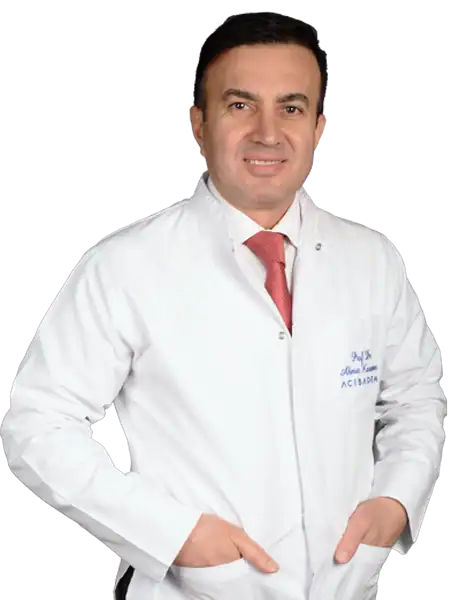
Prof. Dr. Ahmet Karaman
Gastroenterology
Prof. Dr. Cem Aygün
Gastroenterology
Prof. Dr. Hakan Ümit Ünal
Gastroenterology
Prof. Dr. Can Gönen
GastroenterologyMedical Units
Available at These Hospitals