

Dental Traumatology
Dental traumatology manages injuries to teeth, gums and supporting jaw structures after accidents or sports trauma. Care focuses on saving teeth, relieving pain and restoring function and appearance.
Quick answer
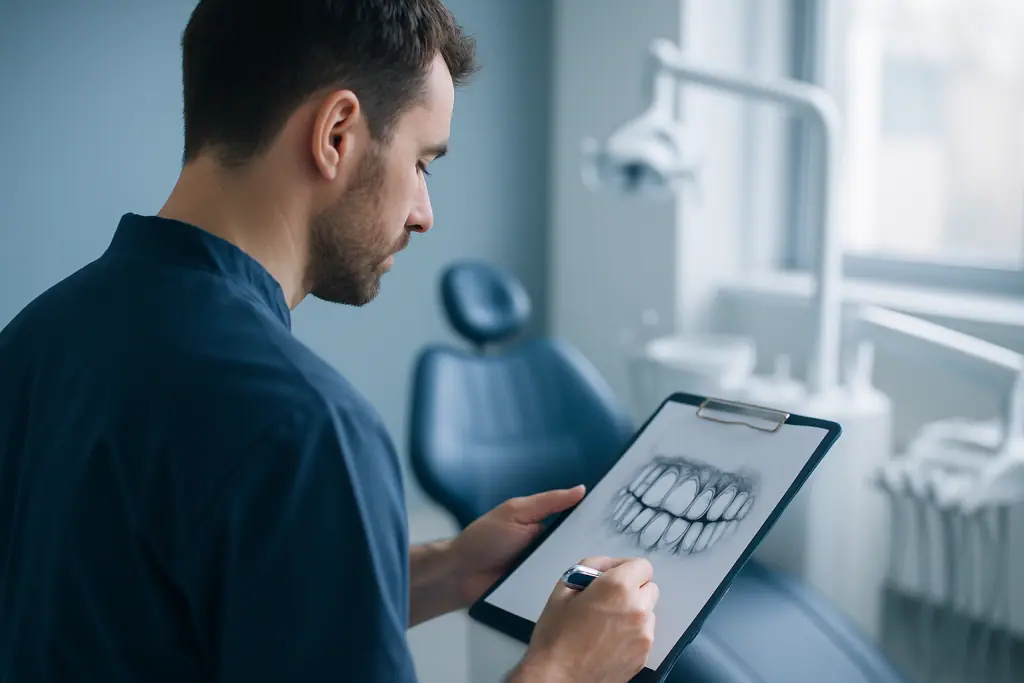
Dental traumatology treats injuries to the teeth, gums, and supporting jaw structures caused by accidents or sports trauma, with the aim of preserving teeth, relieving pain, and restoring function and appearance. At Acibadem in Turkey, evaluation typically includes clinical examination and dental imaging, followed by treatment such as repositioning and splinting injured teeth, root canal care when needed, and repair…
When a Dental Injury Happens, Timely Expert Care Can Make the Difference
A dental injury can be frightening, painful and unexpectedly disruptive. It may happen during a fall, a traffic accident, a sports collision, a workplace injury or even a simple bite on something hard. In a moment, a tooth may crack, loosen, move out of position or be knocked out completely. The lips, gums, jawbone and soft tissues of the mouth may also be injured. For many patients, the immediate concerns are practical and emotional at the same time: Can the tooth be saved? Will the pain stop? Will my smile look normal again? Do I need urgent treatment?
Dental traumatology is the field of dentistry focused on diagnosing and treating injuries to the teeth and the supporting structures around them. It is urgent by nature because some dental trauma outcomes depend strongly on how quickly and accurately treatment begins. A tooth that has been displaced or avulsed, meaning knocked out, may have a better chance of survival when it is handled properly and treated promptly. A fractured tooth may need careful assessment to determine whether the nerve is exposed. A jaw injury may require imaging to identify damage that is not visible from the outside.
International patients seeking dental trauma care are often dealing with additional uncertainty. The injury may have occurred while traveling, during sports participation abroad, or in the context of a broader facial trauma. There may be questions about language, medical records, treatment planning, timelines and the ability to return home safely. At Acibadem, dental trauma care is approached with the same priorities that guide complex medical treatment: accurate diagnosis, prompt pain relief, preservation of natural teeth whenever medically possible, restoration of function and appearance, and coordination with other specialists when the injury extends beyond the teeth.
Although some dental injuries appear minor at first, trauma can affect the inner pulp of the tooth, the periodontal ligament, the root, the surrounding bone and the developing teeth in children. Delayed symptoms are common. A tooth that looks intact may later become painful, discolored or infected. For this reason, dental traumatology is not only emergency treatment; it also includes follow-up, monitoring and staged restoration. The goal is to manage the immediate injury while protecting the long-term health of the mouth.
What Is Dental Traumatology?
Dental traumatology is the prevention, diagnosis, emergency management, treatment and follow-up of injuries involving teeth, gums, oral soft tissues and the supporting structures of the jaw. It may involve adult permanent teeth, children’s permanent teeth or baby teeth. The treatment plan varies depending on the type of injury, the patient’s age, the stage of root development, the condition of the tooth nerve, the presence of bone injury and how much time has passed since the trauma.
Dental trauma can range from a small enamel chip to a complex injury involving multiple teeth, gum lacerations, root fractures, alveolar bone fractures and facial soft tissue wounds. Some injuries are obvious immediately, such as a broken front tooth or a tooth that has been pushed sideways. Others are more subtle. A tooth may feel tender when biting, may be slightly mobile, or may have microscopic cracks that become symptomatic later. Imaging and clinical testing help determine the full extent of damage.
Treatment may include smoothing or bonding a chipped tooth, repositioning and stabilizing a displaced tooth with a splint, performing root canal treatment when the pulp is damaged, treating gum wounds, reimplanting an avulsed permanent tooth, restoring fractured teeth with tooth-colored materials or crowns, and coordinating oral surgery or maxillofacial care if bone or jaw structures are affected. In children, care must also consider growth, future tooth eruption and the risk of damage to developing permanent teeth.
A central principle of dental traumatology is tooth preservation. Natural teeth are usually preferable to replacement options when they can be saved safely and predictably. However, saving a tooth must be balanced against infection risk, fracture severity, bone support, root condition and the patient’s overall health. If a tooth cannot be preserved, the dental team can plan staged reconstruction using options such as temporary esthetic restorations, bridges, implants when appropriate, or orthodontic and prosthetic solutions.
Who May Need Dental Traumatology Care?
Anyone who has suffered a blow to the mouth, face or jaw may need evaluation by a dental trauma specialist, even if the injury seems small. Teeth and supporting tissues can absorb significant force, and early clinical signs do not always reveal the full injury. Dental trauma is especially common among children and adolescents, athletes, cyclists, people involved in traffic accidents, workers in higher-risk environments and adults who fall because of dizziness, medical conditions or accidents at home.
Symptoms that should prompt urgent dental assessment include a tooth that is broken, cracked, loose, displaced, painful or missing after trauma. Bleeding from the gums, swelling, cuts inside the mouth, pain while biting, changes in the way the teeth meet, numbness, jaw stiffness or difficulty opening the mouth may also indicate deeper injury. In some cases, patients notice that a tooth has become darker, sensitive to temperature, or tender days or weeks after the event. These delayed symptoms may suggest pulp injury or inflammation around the root.
Diagnosis begins with a careful history. The dentist or oral specialist will ask how the injury happened, when it occurred, whether a tooth was found outside the mouth, whether the tooth was stored in milk or another medium, whether there was loss of consciousness, and whether the patient has other injuries. For children, information about age, tooth development and whether the injured tooth is primary or permanent is essential.
The clinical examination evaluates tooth position, mobility, fractures, bite relationship, gum attachment, bleeding points, soft tissue wounds and signs of jaw involvement. Sensibility tests may be performed to assess the response of the tooth pulp, though immediately after trauma these tests can be unreliable and may need to be repeated over time. Dental X-rays or three-dimensional imaging may be used to identify root fractures, bone fractures, tooth displacement, foreign bodies in soft tissues or damage to adjacent teeth. Photographs may also be taken for documentation and treatment planning, particularly when the front teeth are involved.
Patients may be referred for dental traumatology care after emergency department treatment, from a sports medicine physician, from a pediatric dentist, from an orthodontist, from a maxillofacial surgeon or directly after contacting the hospital. When trauma involves the face, jaw or head, dental treatment may be coordinated with emergency medicine, plastic and reconstructive surgery, oral and maxillofacial surgery, neurology or otolaryngology, depending on the pattern of injury.
Conditions and Injuries Treated in Dental Traumatology
Dental traumatology addresses a broad spectrum of injuries. A common injury is an enamel or enamel-dentin fracture, often seen as a chipped front tooth. If the pulp is not exposed, the tooth may be restored with bonding or a more durable restoration. When the pulp is exposed, urgent treatment is important to protect vitality, especially in young permanent teeth where root development may still be continuing.
Luxation injuries occur when a tooth is moved within its socket. A tooth may be loosened but remain in place, pushed inward, pushed outward, shifted sideways or driven upward into the bone. These injuries affect the periodontal ligament and the blood supply to the tooth. Treatment may include repositioning, splinting, monitoring and sometimes root canal treatment, depending on the tooth’s maturity and response.
Avulsion is one of the most time-sensitive injuries. It occurs when a permanent tooth is knocked completely out of the socket. If the tooth is found, it should be handled by the crown, not the root, and kept moist. Reimplantation may be possible, especially when care is obtained quickly and the root surface has not dried. Primary teeth are generally not reimplanted because of the risk of damaging the developing permanent tooth underneath.
Root fractures are injuries within the root of the tooth and may not be visible without imaging. The prognosis depends on the location and direction of the fracture, the mobility of the coronal segment, and the ability to stabilize the tooth. Crown-root fractures extend below the gumline and require careful planning because restoration must respect the tooth’s biological and structural limits.
Soft tissue injuries include cuts, bruising and tearing of the lips, cheeks, tongue and gums. These may require cleaning, removal of tooth fragments or debris, suturing and infection prevention. Alveolar bone fractures affect the bone that holds the teeth and may cause a group of teeth to move together. Jaw fractures or facial fractures require broader maxillofacial assessment and may be treated as part of a multidisciplinary trauma plan.
Dental traumatology also includes management of long-term consequences such as pulp necrosis, root resorption, ankylosis, discoloration, gum recession, tooth loss, bite changes and esthetic defects. These complications may develop weeks, months or even years after the initial injury, which is why structured follow-up is an important part of care.
How Dental Trauma Treatment Is Performed
The first step is triage: determining whether the dental injury is isolated or part of a more serious facial or head trauma. If there are signs of concussion, significant facial swelling, uncontrolled bleeding, difficulty breathing, suspected jaw fracture or other systemic concerns, the patient may need emergency medical assessment before or alongside dental treatment. Once the patient is stable, the dental trauma team focuses on pain control, diagnosis and preservation of injured tissues.
Preparation begins with a detailed examination and appropriate imaging. Standard dental radiographs may show fractures, tooth position and root development. In more complex cases, three-dimensional dental imaging can help identify root fractures, alveolar bone injuries or the exact position of displaced teeth. Intraoral photographs and digital records support communication among specialists and help track healing over time. The dentist may use magnification, vitality testing and bite assessment to understand how the injury has affected the tooth and surrounding structures.
Pain relief is addressed early. Local anesthesia is commonly used for repositioning, cleaning wounds, repairing soft tissues or treating exposed pulp. If the patient is very anxious, has extensive injuries or is a child who cannot tolerate treatment comfortably, sedation or hospital-based dental care may be considered. The approach is selected according to the patient’s medical status, the urgency of treatment and the complexity of the injury.
For a chipped tooth without pulp exposure, treatment may involve smoothing sharp edges, sealing exposed dentin and restoring the tooth with tooth-colored composite resin. If the broken fragment is available and suitable, it may sometimes be reattached. For larger fractures, a temporary restoration may be placed initially, followed by a definitive restoration once the tooth’s vitality and surrounding tissues have stabilized.
If the pulp is exposed, the treatment depends on the patient’s age and the condition of the pulp. In young permanent teeth, procedures that preserve pulp vitality may be preferred when appropriate, because continued root development improves long-term strength. In mature teeth or teeth with irreversible pulp injury, root canal treatment may be required. Root canal therapy removes infected or damaged pulp tissue, disinfects the canal space and seals it to reduce the risk of infection.
For luxated teeth, the tooth may need to be gently repositioned into its normal place and stabilized with a flexible splint. A splint is usually attached to neighboring teeth for a limited period, allowing the periodontal ligament and surrounding tissues to heal while still permitting slight physiological movement. The dentist will check the bite so that the injured tooth is not overloaded during healing. Follow-up visits are scheduled to monitor pulp vitality, root health and stability.
For an avulsed permanent tooth, timing and storage conditions are critical. If the tooth has already been reimplanted at the accident site, the dental team confirms the position, cleans the area, splints the tooth and begins appropriate medication and follow-up. If the tooth is brought to the hospital, the team assesses whether reimplantation is appropriate, prepares the socket, repositions the tooth and stabilizes it. Antibiotics, tetanus assessment and root canal treatment may be part of management depending on the circumstances. The patient receives clear instructions on oral hygiene, diet and warning signs.
Soft tissue wounds are carefully cleaned to reduce contamination. Dental fragments or foreign material may become embedded in the lips or cheeks and can be detected through examination and imaging. Suturing is performed when needed to support healing and restore tissue alignment. If the gum attachment around a tooth is damaged, periodontal care may be needed to reduce the risk of pocket formation and later gum recession.
When trauma involves several teeth, the bite, the jawbone or facial structures, treatment is staged and coordinated. Oral and maxillofacial surgeons may stabilize bone injuries. Endodontists may manage pulp and root complications. Periodontists may address gum and supporting tissue concerns. Prosthodontists or restorative dentists may plan final esthetic and functional rehabilitation. Pediatric dentists may guide care in children. Orthodontists may become involved if tooth position or bite relationships are affected.
The duration of dental trauma treatment varies widely. A small chip may be treated in one visit. Repositioning and splinting a displaced tooth may take longer and requires planned follow-up. Complex trauma involving root canal treatment, soft tissue repair, bone injury or esthetic reconstruction may require several appointments over weeks or months. International patients are advised to share travel plans early so the clinical team can prioritize urgent stabilization, determine what can be completed safely during the visit, and arrange follow-up either at Acibadem or with a trusted dentist in the patient’s home country.
Recovery begins immediately after treatment but continues biologically over time. Patients may need a soft diet, careful brushing, antiseptic mouth rinses, avoidance of contact sports, and medication as prescribed. Splints are removed according to the type of injury and healing response. Follow-up imaging and sensibility testing help detect complications such as pulp necrosis or root resorption before symptoms become severe. For children and adolescents, monitoring may continue longer because growth and root development can influence the final outcome.
Why Early Treatment Matters
Dental trauma is highly time-sensitive. The tissues that keep a tooth alive and stable can be damaged quickly after injury. In avulsion, the cells on the root surface are especially vulnerable to drying. Proper storage and rapid reimplantation can influence the likelihood that the tooth will heal without severe complications. In displaced teeth, prompt repositioning helps reduce pressure on the periodontal ligament and may improve healing conditions. In fractures with pulp exposure, early sealing or pulp therapy reduces bacterial contamination.
Delay can lead to avoidable pain, infection, swelling, abscess formation, loss of tooth vitality and more complex treatment later. A tooth that might initially require bonding or vital pulp therapy may later need root canal treatment or extraction if bacterial contamination progresses. A displaced tooth that remains out of position can interfere with the bite, damage neighboring teeth and heal incorrectly. Soft tissue wounds that are not cleaned properly may trap debris or tooth fragments and develop infection or scarring.
Early care is also important for diagnosis. After accidents, patients may focus on the most visible injury and overlook cracks, root fractures or bone trauma. Imaging and specialist evaluation help detect injuries that are not obvious but may have long-term consequences. For international travelers, early assessment can clarify whether it is safe to fly, whether treatment should be completed before returning home, and what follow-up will be needed.
Benefits of Dental Trauma Treatment
Appropriate dental trauma care is designed to relieve immediate symptoms while protecting long-term oral health, function and appearance.
| Benefit | What It Means for You |
|---|---|
| Tooth preservation when possible | Prompt assessment and treatment may allow an injured natural tooth to be stabilized, restored and monitored rather than removed prematurely. |
| Pain relief and infection prevention | Cleaning, sealing, pulp treatment, medication when needed and careful follow-up help reduce pain and lower the risk of abscess or spreading infection. |
| Restoration of appearance | Modern tooth-colored materials and staged esthetic planning can repair fractured front teeth and help the smile look natural again. |
| Recovery of chewing and speech function | Repositioning, splinting and restorative care help re-establish a comfortable bite and support normal eating and speaking. |
| Detection of hidden injury | Clinical testing and imaging can identify root, bone or soft tissue injuries that may not be visible immediately after the accident. |
| Coordinated care for complex trauma | When injuries involve the jaw, face or multiple teeth, a multidisciplinary plan can reduce fragmentation of care and support safer decision-making. |
Recovery Timeline After Dental Trauma Treatment
Recovery depends on the injury type and treatment performed, but many patients follow a general pattern of early stabilization, symptom improvement and longer-term monitoring.
| Time Period | What Patients Can Expect |
|---|---|
| Day 1 | Pain control, diagnosis and urgent treatment are prioritized. The tooth may be restored, repositioned, splinted or treated to protect the pulp. Soft foods and careful oral hygiene are usually advised. |
| First Week | Swelling and tenderness typically begin to improve. The patient may return for wound checks, bite adjustment, splint evaluation or additional imaging if needed. |
| First Month | Splints may be removed for many injuries, depending on healing. The dental team monitors tooth vitality, gum health, root condition and comfort when biting. |
| Three to Six Months | Follow-up testing helps detect pulp changes, root resorption or bone healing concerns. Definitive restorations may be planned once the tooth is stable. |
| Longer Term | Some trauma-related complications appear later, so periodic review may be recommended. Children and adolescents may need monitoring through growth and tooth development. |
Factors That Influence Outcomes
The outcome of dental trauma treatment depends on several clinical factors. One of the most important is the type and severity of injury. A small enamel fracture has a very different prognosis from a root fracture, an intrusive luxation or an avulsed tooth that has been dry for an extended period. Injuries involving multiple tissues generally require more complex care and longer follow-up.
Time to treatment is another key factor. Rapid care is especially important for avulsed and displaced permanent teeth, exposed pulp, contaminated wounds and injuries affecting the bite. The way a knocked-out tooth is handled before arrival also matters. Touching the root surface, scrubbing it, letting it dry, or storing it in unsuitable conditions can reduce the healing potential. If a permanent tooth is knocked out and immediate reimplantation is not possible, keeping it moist in an appropriate medium, such as milk, is generally preferable to wrapping it dry.
Age and tooth development influence treatment choices and healing. In children and adolescents, the roots of permanent teeth may still be developing. Preserving pulp vitality can be particularly valuable because it may allow continued root maturation. At the same time, injuries to baby teeth require caution because aggressive treatment can affect the permanent tooth developing underneath. In adults, mature teeth may respond differently to pulp injury and may more often require endodontic treatment after certain trauma patterns.
The health of the surrounding tissues is also important. Gum attachment, bone support, periodontal health and the condition of neighboring teeth all affect stability and restoration options. A patient with excellent oral hygiene and regular follow-up is generally better positioned for favorable healing than a patient with untreated gum disease or difficulty maintaining the injured area.
The quality of diagnosis and treatment planning plays a major role. Dental trauma can be deceptively complex, and decisions made in the first hours or days may influence long-term results. Accurate imaging, careful pulp assessment, appropriate splinting, correct timing of root canal treatment when needed and conservative restorative techniques help protect tooth structure and reduce complications. Equally important is follow-up. Some injured teeth appear to heal well initially but later develop signs of pulp necrosis, inflammatory root resorption, ankylosis or discoloration. Monitoring allows the team to act before problems become advanced.
Patient behavior after treatment matters as well. Following a soft diet, avoiding biting directly on the injured tooth, maintaining oral hygiene, using prescribed rinses or medication correctly, and avoiding contact sports until cleared all support healing. Athletes may be advised to use a custom mouthguard after recovery to reduce the risk of repeat injury.
Why International Patients Choose Acibadem for Dental Trauma Care
Dental trauma often requires more than a single dental procedure. It calls for timely access, accurate diagnostics, careful coordination and a treatment plan that considers both immediate stabilization and long-term restoration. International patients who come to Acibadem benefit from care delivered within JCI-accredited hospitals, where dental specialists can collaborate with broader medical teams when the injury involves the face, jaw or other parts of the body.
At Acibadem, treatment planning is individualized. A patient with a small tooth fracture may need a focused restorative approach, while a patient with multiple displaced teeth, soft tissue wounds and suspected jaw injury may require evaluation by oral and maxillofacial surgery, endodontics, periodontology, restorative dentistry, pediatric dentistry or other specialties. When cases are complex, specialist discussions and multidisciplinary boards support evidence-based decision-making. This is particularly valuable when a tooth’s prognosis is uncertain and the team must compare preservation, staged restoration and replacement options.
Modern diagnostic pathways help clinicians understand the full extent of trauma. Digital dental radiography, three-dimensional imaging when appropriate, magnified examination, vitality testing, photographic documentation and bite analysis can all contribute to a clearer diagnosis. These tools are not used for technology’s sake; they help answer practical questions that matter to the patient: Is the root fractured? Has the tooth moved into the bone? Is the nerve exposed? Are there fragments in the lip? Is the bite stable? Can the tooth be monitored, or does it need immediate treatment?
For international patients, the logistics of care are as important as the clinical plan. Acibadem International provides support for patients traveling from abroad, including coordination before arrival, appointment planning, interpretation services in more than 20 languages, assistance with medical documentation and guidance during the hospital visit. For urgent dental trauma, this coordination can help patients understand what information to send in advance, what records are useful, and how to plan the required length of stay.
Communication is central to trauma care. Patients need to understand the difference between immediate treatment and long-term prognosis. A tooth may be successfully repositioned today but still require monitoring for months. A restoration may look good immediately, yet the pulp may need reassessment later. A knocked-out tooth may be reimplanted, but its future depends on biological healing that cannot be fully predicted at the first visit. Clear explanations help patients make informed choices, especially when they must coordinate follow-up across countries.
Acibadem’s approach also recognizes the emotional impact of dental trauma. Injuries to the front teeth can affect confidence, speech, eating and social comfort. Children may be frightened and parents may feel uncertain about urgent decisions. Adults may be concerned about work, travel or public appearance. The clinical team aims to relieve pain, stabilize the injury and restore appearance as early as medically appropriate, while planning definitive treatment carefully rather than rushing decisions that may affect long-term function.
For patients who are already receiving care elsewhere, Acibadem can provide second opinions. This may be useful when a tooth has an uncertain prognosis, when multiple treatment options have been proposed, when a child’s developing teeth are involved, or when the patient is deciding between tooth preservation and replacement. A second opinion may include review of X-rays, photographs, clinical notes and proposed treatment plans, followed by recommendations based on current dental trauma principles.
Moving Forward After a Dental Injury
Dental trauma can feel overwhelming, but a structured approach helps restore control. The first priorities are to manage pain, identify the full injury, protect tissues and stabilize teeth that can be saved. The next priorities are healing, monitoring and carefully planned restoration. With timely care and appropriate follow-up, many patients are able to return to normal eating, speaking and smiling, although the exact course depends on the nature of the injury.
If you or your child has experienced a dental injury, do not wait for symptoms to become severe. Even if the tooth appears only slightly chipped or tender, an evaluation can identify hidden damage and reduce the risk of complications. If a permanent tooth has been knocked out, seek urgent dental care immediately and keep the tooth moist while traveling to the clinic or hospital.
Acibadem’s dental and related medical teams can assess the injury, explain the realistic treatment options and help you decide on the next steps. International patients may request a consultation or second opinion and share available photographs, X-rays or medical reports in advance so that the care team can guide timing, travel planning and expected follow-up needs.
This information is general and is not a substitute for professional medical advice. Diagnosis and treatment recommendations should always be made by a qualified dentist or physician after an individual clinical evaluation.
Preparation
- Seek care as soon as possible, especially for knocked-out, loosened or fractured teeth. If a tooth is avulsed, keep it moist in milk or saline and avoid touching the root. Bring any tooth fragments, dental records and information about medications, allergies or tetanus status.
Aftercare
- Follow the dentist’s instructions on soft diet, oral hygiene and prescribed medication. Avoid biting with the injured tooth and protect the area from further trauma. Follow-up visits and imaging may be needed to monitor healing, root health and tooth stability.
Turkey vs UK, Germany & USA
Dental traumatology costs vary because injuries can range from minor enamel fractures to complex trauma involving the tooth root, gums, bone and bite. Comparing destinations can help patients understand how hospital pathways, specialist availability, package inclusions and travel logistics may affect the overall experience.
For international patients, the final cost and treatment pathway depend on the urgency and complexity of the dental injury, as well as the destination’s healthcare model and support services.
| Factor | Turkey | UK | Germany | USA |
|---|---|---|---|---|
| Price structure | Often offered with bundled private-care arrangements for international patients, depending on diagnosis and procedures. | Private treatment costs vary by clinic and emergency availability; public pathways may have eligibility and access rules. | Private and insurance-based pathways are common; costs depend on specialist involvement and materials used. | Private pricing can vary widely by provider, emergency setting, imaging and restorative needs. |
| Hospital and specialist factors | Costs may reflect care by oral surgeons, endodontists, prosthodontists or multidisciplinary dental teams in hospital settings. | Costs may rise when specialist dental trauma, oral surgery or restorative dentistry is required. | Specialist-led care, advanced diagnostics and laboratory work can influence the treatment plan and cost. | Emergency dental care, specialist consultations and facility fees may be key cost drivers. |
| Accreditation and quality | International patients may choose JCI-accredited hospital groups such as Acibadem, with coordinated clinical governance and patient support. | Quality standards depend on the provider type, regulatory framework and whether care is delivered in a hospital or private dental clinic. | Care is typically delivered within regulated medical and dental systems, with quality influenced by provider experience and facilities. | Quality and accreditation depend on the hospital, dental center or specialist practice selected. |
| Waiting times | Private international patient pathways may support prompt assessment, especially for trauma cases that need urgent review. | Waiting times can differ between public access, private appointments and emergency dental services. | Access depends on clinic capacity, referral needs and whether the case is urgent or planned. | Urgent appointments may be available, but access can depend on insurance, provider availability and location. |
| Package inclusions | Packages may include consultation, imaging, treatment planning, selected procedures, medication guidance, translation support and care coordination. | Items are often billed separately in private care; inclusions should be confirmed before treatment. | Consultations, imaging, laboratory restorations and follow-up may be itemized depending on the provider. | Emergency visit fees, imaging, specialist care, restorations and follow-up may be billed separately. |
| Travel and language logistics | International patient departments may assist with appointments, translation, airport or hotel coordination and treatment scheduling. | Travel planning is usually patient-led unless using a private facilitator or clinic support service. | Language support may be available in larger centers, but should be confirmed in advance. | International patients may need to arrange travel, accommodation, insurance communication and follow-up logistics independently. |
| Follow-up planning | Follow-up can be coordinated with the treating team and, when appropriate, with the patient’s local dentist after returning home. | Follow-up may depend on provider availability and whether the initial care was public, emergency or private. | Specialist follow-up is often planned as part of the treatment pathway, depending on the injury. | Follow-up costs and access may vary by provider network and insurance arrangements. |
What affects your final cost
- Type of injury, such as fracture, displacement, avulsion, gum injury or jaw involvement.
- Need for imaging, emergency pain control, splinting, root canal treatment, surgery or restorative work.
- Whether a tooth can be saved or requires replacement planning.
- Materials used for bonding, crowns, veneers, bridges or implant-based restoration.
- Specialist involvement, hospital setting, anesthesia needs and laboratory work.
- Travel, accommodation, translation support and follow-up arrangements.
Compare your options
Dental trauma treatment is selected according to the injury type, timing, tooth development, gum and bone condition, and the patient’s overall oral health. Suitability is decided by a dental trauma specialist or relevant multidisciplinary team after examination and imaging.
| Option | What it is | Typical use | Key considerations |
|---|---|---|---|
| Emergency assessment and stabilization | Clinical examination, dental imaging, pain relief, infection prevention when needed and initial protection of the injured area. | Used for most dental trauma cases before deciding on definitive treatment. | Early assessment helps identify root, bone or soft tissue injuries that may not be visible externally. |
| Repositioning and splinting | The displaced tooth is gently repositioned and stabilized with a dental splint. | Used when a tooth has moved from its normal position but may still be preserved. | Follow-up is important to monitor healing, nerve vitality, gum health and bite stability. |
| Replantation of an avulsed tooth | A knocked-out tooth is placed back into its socket when clinically appropriate. | Considered for certain permanent teeth after complete tooth displacement. | Outcome depends on tooth handling, time outside the mouth, root condition and supporting tissues. |
| Root canal treatment | Removal of damaged or infected dental pulp followed by sealing of the root canal system. | Used when trauma affects the tooth nerve or causes pulp infection risk. | May be combined with splinting, restoration or monitoring depending on tooth maturity and injury severity. |
| Bonding, veneers or crowns | Restorative treatments that rebuild broken tooth structure and improve appearance and function. | Used for chipped, fractured or weakened teeth after trauma. | Choice depends on the amount of remaining tooth, bite forces, aesthetics and long-term protection needs. |
| Soft tissue and bone injury repair | Treatment of cuts, gum damage, socket injury or associated jaw support problems. | Used when trauma involves gums, lips, oral tissues or supporting bone. | May require oral surgery input and careful coordination with tooth-saving treatment. |
| Tooth replacement planning | Replacement with options such as a bridge, removable prosthesis or implant-based solution when saving the tooth is not possible. | Used when a tooth is severely damaged or has poor prognosis. | Timing depends on bone healing, age-related factors, gum health and overall treatment plan. |
Trusted care for international patients
General information only — not medical or financial advice. Final costs depend on the factors above and your individual case; request a free, personalised quote.
Doctors Performing This Treatment

Assoc. Prof. Dr. Ferit Bayram
Oral & Dental HealthDr. Ali Riza Özdurmuş
Oral & Dental Health
Dr. Arzu Morçiçek
Oral & Dental Health
Dr. Bedii Ender Topçu
Oral & Dental HealthDr. Begüm Öykü Kesim
Oral & Dental Health
Dr. Ceyda Sabancı
Oral & Dental HealthDr. Deniz Turgut
Oral & Dental Health
Dr. Destina Suay Sarı
Oral & Dental Health
Dr. Emre Çengelli
Oral Dental & Maxillofacial Surgery
Dr. Eylül Türsen
Oral & Dental HealthDr. Ezgi Gülüm
Oral Dental & Maxillofacial Surgery
Dr. Halime Bayram
Oral & Dental Health
Dr. Havva Gölalan
Oral & Dental Health
Dr. Helin Kuşsever Topçu
Oral & Dental Health
Dr. Melike Zeynep Çapoğlu
Oral & Dental Health
Dr. Merve Ağartıoğlu
Oral & Dental Health
Dr. Metin Kınacı
Oral & Dental Health
Dr. Mücahit Güner
Oral & Dental Health
Dr. Pelin Açık
Oral & Dental Health
Dr. Sebiha Nihal Yılmaz
Oral Dental & Maxillofacial SurgeryDr. Seda Saygılı Özaydın
Oral & Dental Health
Dr. Uğur Önder
Oral & Dental Health
Dr. Zeynep Ekin Kılınç
Oral & Dental Health
Dr. Çağla Su Doğangün Ayduk
Oral & Dental HealthMedical Units
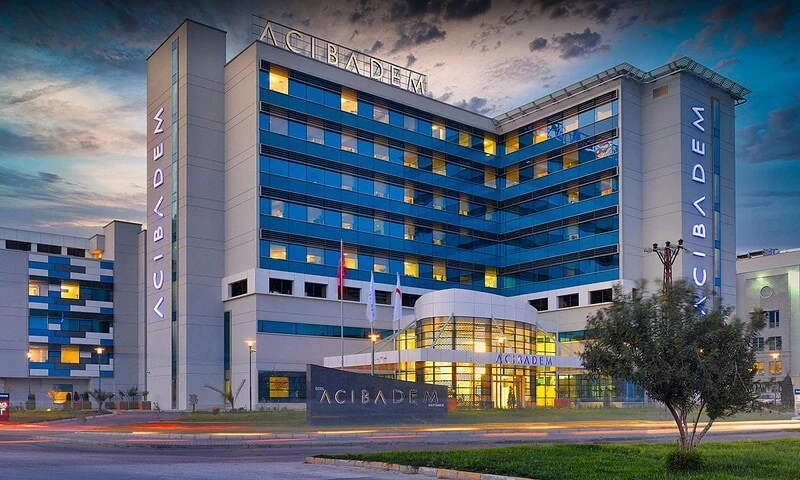
Available at These Hospitals











Guides for This Treatment
Frequently Asked Questions
What affects the cost of dental traumatology treatment?
The main factors are the type and severity of injury, the number of teeth involved, imaging needs, emergency stabilization, specialist procedures, restorative materials, anesthesia requirements and follow-up care. A personalized quote requires examination and treatment planning.
How can I get a personalized quote from Acibadem?
You can request a free consultation and share photos, dental records and any imaging if available. The clinical team can review the case, advise on the likely pathway and prepare a personalized estimate based on your needs.
Is dental trauma treatment usually completed in a short visit?
Some minor injuries can be managed quickly, while complex trauma may need staged care, monitoring or later restorative work. Your specialist will explain the expected treatment sequence and follow-up plan after assessment.
What is typically included in an international patient package?
Inclusions vary by case, but may cover consultation, imaging, treatment planning, selected dental procedures, medication guidance, translation support and care coordination. Always confirm what is included and what may be billed separately.
Can Acibadem coordinate care after I return home?
When appropriate, the treating team can provide reports and follow-up recommendations for your local dentist. Ongoing monitoring may be important after dental trauma, especially when tooth vitality, root healing or restorations need review.