Dermabrasion
Dermabrasion is a skin resurfacing procedure that gently removes damaged outer skin layers to improve scars, uneven texture, fine lines, and selected pigmentation concerns.
Quick answer
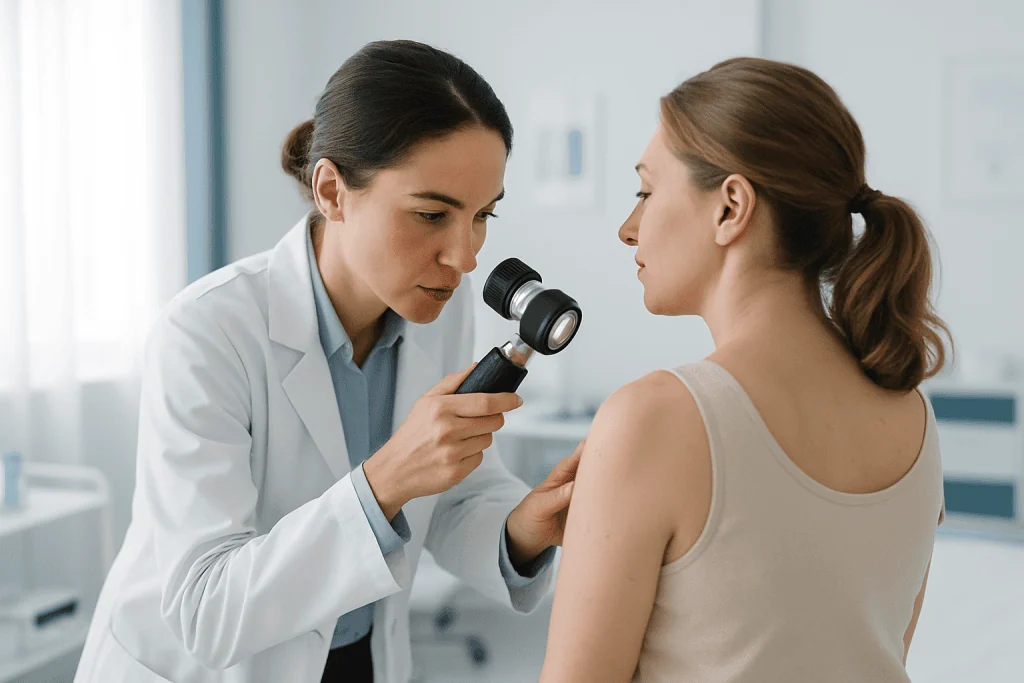
Dermabrasion is a medical skin resurfacing procedure in which a physician removes the outer layers of skin with a rotating instrument, so smoother skin forms during healing. It is used for acne scars, surgical and traumatic scars, and fine lines around the mouth. Dermaplaning is a far lighter cosmetic treatment that shaves away dead surface cells and fine facial hair, with minimal downtime and no effect on scars.
Dermabrasion and Dermaplaning: Two Very Different Ways to Resurface Skin
Dermabrasion is a medical skin resurfacing procedure. A physician uses a specialised rotating instrument to remove the outer layers of skin to a planned, controlled depth, so that new, smoother skin forms as the treated area heals. It is used mainly for acne scars, traumatic and surgical scars, uneven texture and fine lines around the mouth. Dermaplaning, despite the similar name, is a far lighter treatment: a fine sterile blade sweeps away dead surface cells and fine facial hair without wounding the living skin. One is a wound-healing procedure with genuine downtime. The other is a superficial exfoliation with almost none.
The distinction matters, because the two are constantly confused. If you are researching dermaplaning in the hope of improving acne scars, this page will save you disappointment: dermaplaning does not reach the skin layers where scars live. If you are researching dermabrasion and worried it sounds aggressive, the details below explain how depth is controlled and what recovery actually involves. Both treatments are covered here honestly, what each can do, what neither can do, and how to tell which conversation you should be having with a physician.
Scars, uneven skin texture, fine lines and visible surface irregularities can affect more than appearance. For many people they are a daily reminder of acne, injury, surgery, sun damage or changes that have developed gradually with age. When creams, peels, lasers or home treatments have not delivered the improvement you hoped for, it is natural to consider a more controlled resurfacing procedure. Dermabrasion is not a cosmetic polish. It is a medical procedure that requires careful patient selection, precise technique and an informed recovery plan.
Patients weighing up dermabrasion tend to ask the same practical questions. Will it help my acne scars? How much downtime should I expect? Will the skin look natural? Is it safe for my skin tone? Could pigmentation become worse? These questions deserve specific answers, and this page sets out to give them plainly.
At Acibadem, dermabrasion is approached as a personalised medical procedure rather than a one-size-fits-all aesthetic service. Your skin type, scar pattern, health history, medications, previous treatments and expectations are reviewed before any plan is recommended. In selected patients, dermabrasion can meaningfully improve surface texture and soften scars. In others, a different procedure, or a combination plan, is safer or more appropriate. The right decision starts with an accurate diagnosis and an honest account of what resurfacing can and cannot achieve.
What Is Dermabrasion?
Dermabrasion is a controlled skin resurfacing procedure that mechanically removes the outer layers of the skin. A trained physician uses a rotating instrument or medical resurfacing device to abrade the skin to a planned depth. As the treated area heals, new skin forms with a smoother surface and a more even appearance. The improvement comes not from the abrasion itself but from the organised healing that follows it.
The word “abrasion” can sound harsh, but modern dermabrasion is a precise technique. Treatment depth is adjusted according to the condition being treated, the thickness of the skin, the location on the face or body, and your individual healing profile. The aim is never to thin the skin unnecessarily. The aim is to reduce surface irregularities and stimulate renewal in the upper skin layers, working within limits the skin can heal from predictably.
Dermabrasion is most commonly used for acne scars, traumatic scars, surgical scars, fine lines around the mouth, uneven texture and selected pigmentation concerns. It can be performed on a focused area, scars on the cheeks, lines around the lips, or on a broader facial region when appropriate. It may be combined with other treatments, such as scar revision, subcision, injectable treatments, chemical peeling or laser-based resurfacing, depending on what your skin actually needs. For patients with broader concerns about ageing skin, dermabrasion sometimes forms one part of a wider facial rejuvenation plan rather than a standalone answer.
It is also different from laser resurfacing, although both aim to improve texture and stimulate renewal. Laser resurfacing uses light energy to remove or heat targeted skin layers; dermabrasion uses mechanical resurfacing. The choice between dermabrasion, laser treatment, chemical peeling, microneedling or surgery depends on scar type, skin tone, treatment area, downtime tolerance and safety considerations. There is no single best method: there is a best method for a specific skin and a specific problem.
What Is a Dermabrasion Facial?
A “dermabrasion facial” is usually not dermabrasion at all. When spas and clinics advertise a dermabrasion facial, they almost always mean microdermabrasion: a light, superficial exfoliation with minimal downtime. True dermabrasion is a medical procedure performed with anaesthesia, and it creates a controlled wound that takes days to re-epithelialise and weeks to settle. Nobody performs true dermabrasion as a walk-in facial. If you have been offered a “dermabrasion facial” as a quick treatment, it is worth asking exactly which technique is being used, at what depth, and by whom, because the two procedures differ enormously in effect, risk and recovery.
What Is Dermaplaning?
Dermaplaning is a superficial cosmetic exfoliation in which a practitioner glides a fine sterile blade across the skin at an angle, removing the outermost layer of dead cells along with vellus hair: the soft “peach fuzz” on the face. It does not cut into living skin, it does not reach the dermis, and it does not treat scars, deep lines or pigmentation in any structural way. What it offers is immediate and temporary: skin that feels smoother, reflects light a little more evenly, and holds makeup more cleanly until the surface layer naturally rebuilds itself.
Dermaplaning appears on this page because so many people searching for it are actually weighing up scar treatment. The honest position is this: if your concern is texture caused by dead surface cells and fine hair, dermaplaning is a reasonable, low-commitment option. If your concern is acne scarring, surgical scars, traumatic scars or etched lines, dermaplaning will not change them, because those problems sit deeper than any blade-based exfoliation can safely reach. That is the territory of medical resurfacing, of which dermabrasion is one option.
Is Dermaplaning Actually Good for Your Skin?
For most healthy skin, dermaplaning is well tolerated and does no harm when performed properly with a sterile blade. Its benefits, however, are cosmetic and short-lived: the skin continuously sheds and replaces its outer layer regardless, so dermaplaning accelerates something the skin already does. It can make topical products spread more evenly and makeup sit more smoothly. It does not stimulate collagen, remodel scars or change the skin’s structure. Calling it “good for your skin” overstates it; “neutral to mildly pleasant, with a temporary cosmetic effect” is closer to the truth.
What Is the Downside of Dermaplaning?
The main downsides of dermaplaning are irritation, small nicks, and breakouts in acne-prone skin. Skin with active acne, inflamed lesions, cold sores or a compromised barrier should not be dermaplaned, because dragging a blade across inflamed skin can spread bacteria and worsen the flare. Sensitive skin may redden temporarily. The results also fade within weeks as the surface layer renews, so maintaining the effect means repeating the treatment indefinitely. And the most important limitation bears repeating: it changes nothing beneath the surface, so it cannot substitute for medical treatment of scars or lines.
Does the Hair Grow Back Thicker After Dermaplaning?
No. Cutting vellus hair at the surface does not change the follicle beneath it, so the hair grows back at the same thickness, colour and rate as before. What creates the myth is texture: a hair cut bluntly across feels coarser as it emerges than a naturally tapered hair does. The hair itself has not changed, only its cut edge. This is the same reason shaving any part of the body does not thicken hair, a point dermatology has confirmed repeatedly over decades.
Can You Stop Dermaplaning Once You Start?
Yes, you can stop dermaplaning at any point without consequence. The skin simply returns to its baseline state as the surface layer and vellus hair grow back over the following weeks. Nothing physiological forces continuation; there is no rebound, no dependency and no worsening beyond the loss of the temporary cosmetic effect. The only “cost” of stopping is that the smoothness you liked goes back to how it was before you started.
Dermabrasion, Dermaplaning and Microdermabrasion Compared
Microdermabrasion is the third technique that regularly gets tangled into this conversation, and it sits between the other two in name only, in practice it is far closer to dermaplaning than to dermabrasion. It exfoliates the most superficial skin layer using fine crystals or an abrasive tip with suction, usually with no meaningful downtime. Dermabrasion, by contrast, is deeper and medically supervised: it can produce more noticeable change in selected concerns, but it demands a real recovery period and disciplined aftercare.
What Is a Microdermabrasion Facial?
A microdermabrasion facial is an office-based exfoliating treatment in which a device polishes away dead surface cells, typically across the whole face, leaving skin feeling fresher for a few weeks. It suits people who want gentle maintenance rather than correction. It will not remove scars or deep lines, and it is not a lighter version of the same result: it is a different result altogether. You can read more on our dedicated microdermabrasion page.
The table below sets out how the three methods actually differ. If your goal is correction of scars or etched lines, only the first column is relevant. If your goal is maintenance and glow, the second and third are the realistic options.
| Dermabrasion | Dermaplaning | Microdermabrasion | |
|---|---|---|---|
| What it is | Medical resurfacing that removes outer skin layers to a controlled depth | Blade exfoliation of dead surface cells and vellus hair | Device-based exfoliation of the most superficial layer |
| Depth | Into the upper living skin layers, adjusted by the physician | Surface only, no living tissue removed | Surface only, outermost dead cells |
| Who performs it | A trained physician, with anaesthesia | An aesthetician or trained practitioner | An aesthetician or clinic practitioner |
| Downtime | Days of wound care; redness that fades over weeks to months | Minimal, possible brief redness | Minimal, possible brief redness |
| Best suited for | Selected acne, surgical and traumatic scars; fine perioral lines; uneven texture | Surface smoothness, makeup application, removing peach fuzz | Gentle maintenance, mild dullness, superficial texture |
Who May Be a Candidate for Dermabrasion?
Dermabrasion may be considered when visible surface irregularities are likely to improve once the upper layers of skin are resurfaced. Many patients have lived with acne scars for years and want to soften the texture of rolling scars, shallow boxcar scars or uneven cheek texture. Others seek improvement in scars caused by accidents, burns, previous surgery or skin trauma. Some consider dermabrasion for fine lines, especially around the mouth, where skin movement and sun exposure etch lines into the surface over time.
Typical concerns that lead to a dermabrasion consultation include rough or uneven texture, shallow scarring, depressed scars, irregular scar edges, fine facial lines, thickened or sun-damaged surface skin, and selected uneven pigmentation. The common thread is that the problem must be primarily textural. If discolouration is the main issue, other treatments are usually more suitable.
Assessment begins with a detailed skin examination. The physician evaluates the skin under good lighting, maps scar depth and pattern, reviews your skin type and tendency toward pigmentation change, and asks about prior treatments. Medical history matters just as much. Conditions that affect wound healing, a history of keloid or hypertrophic scarring, active acne, active infection, immune suppression, certain medications and recent isotretinoin use can all influence whether dermabrasion is appropriate and, if so, when it can safely be performed.
Skin tone is an essential part of the evaluation, not a footnote. Patients with darker skin types are more prone to post-inflammatory hyperpigmentation or hypopigmentation after deeper resurfacing. This does not automatically exclude treatment, but it demands cautious planning: pre-treatment skin preparation, strict sun avoidance, test areas, alternative modalities or staged treatment may all be recommended. A physician who does not ask about your skin’s pigmentation history is not planning carefully enough.
Good candidates usually share three things: a specific concern that matches what dermabrasion can improve, realistic expectations, and the willingness to follow aftercare closely. That means protecting the treated skin from the sun, not picking or rubbing during healing, attending follow-up appointments, and accepting that improvement develops gradually as the skin remodels rather than appearing on day one.
Dermabrasion may not be suitable for patients with active skin infections, uncontrolled acne in the treatment area, certain inflammatory skin diseases, a strong tendency to form raised scars, poor wound healing or expectations that no procedure could meet. It is also not typically used as a primary treatment for deep wrinkles, significant skin laxity, widespread melasma or scars that require surgical correction. In these situations, a different plan, sometimes involving facial correction procedures or medical dermatology, offers a safer, more predictable path.
Conditions and Indications Dermabrasion Can Address
Dermabrasion is most often discussed in the context of acne scarring, and here precision matters, because acne scars are not all the same. Some are shallow and broad, some sharply edged, others narrow and deep. Dermabrasion can blend certain surface irregularities, soften scar edges and make the overall texture read as smoother. Very deep ice-pick scars usually need other procedures first, punch excision, subcision or focal chemical reconstruction, before resurfacing is even considered. Treating the wrong scar type with the wrong tool wastes recovery time and can make things worse.
Traumatic scars may improve with dermabrasion when the main issue is uneven surface contour or a raised, irregular edge. A scar from an accident can become less noticeable when the scar surface and the surrounding skin are blended more evenly. Timing is individualised: some scars should mature before resurfacing, while others benefit from earlier intervention depending on the wound and the physician’s assessment.
Surgical scars can sometimes be refined with dermabrasion, particularly when they are flat but texturally uneven, or when the edges need blending into surrounding skin. Be clear about the limit: dermabrasion does not erase a scar. It can make selected scars less visible by reducing the contrast between scar and surrounding skin. In some cases, surgical scar revision followed by resurfacing gives a better result than either alone.
Fine lines, especially around the lips, may improve when they are superficial and driven by surface skin changes. Dermabrasion smooths the outer layer and stimulates renewal, but deeper expression lines and sagging skin need different treatment. Patients with more advanced facial ageing usually do better with a combined plan, resurfacing where texture is the problem, other techniques where volume or laxity is, than with dermabrasion alone.
Selected pigmentation concerns can be treated when the discolouration is bound up with superficial damaged skin. But pigment biology is complex. Melasma, post-inflammatory hyperpigmentation and pigment changes in darker skin tones require careful management, and dermabrasion is frequently not the preferred choice, used inappropriately, it can worsen the very discolouration it was meant to improve. This is one of the clearest examples of why diagnosis has to come before technique.
Dermabrasion may also be considered for certain benign surface irregularities, thickened skin texture or localised sun damage, depending on the clinical assessment. One rule is absolute: any suspicious lesion must be evaluated medically before resurfacing. A changing mole, a non-healing spot, a bleeding lesion or an irregular growth needs dermoscopy, biopsy or dermatology review first. Resurfacing is never used to remove or disguise a lesion that has not been properly assessed.
How Dermabrasion Is Performed
Before Treatment: Consultation, Planning and Skin Preparation
The first step is a comprehensive consultation. The physician asks what bothers you most, how long the concern has been present, which treatments you have already tried and how much downtime your life can absorb. High-quality clinical photographs are usually taken for planning and follow-up comparison. The physician assesses scar type, skin thickness, oiliness, pigmentation tendency and the relationship between the treatment area and nearby facial structures.
Preparation is medical, not cosmetic. Your doctor may adjust certain medications or supplements that increase bleeding risk: this is a decision for the treating physician, never something to change on your own. If you have a history of cold sores, antiviral medication may be prescribed before and after treatment, because resurfacing around the mouth can trigger herpes simplex outbreaks. Patients with acne may need the acne brought under control first, since active inflammation interferes with healing.
Some patients are advised to use topical preparation before treatment, prescription creams or pigment-regulating products, particularly where hyperpigmentation risk is elevated. Sun exposure should be minimised beforehand and tanning avoided entirely: resurfacing sunburnt or recently tanned skin raises the risk of uneven pigmentation and delayed healing. It also helps to plan the procedure for a period when your commitments allow proper wound care and attendance at early follow-up visits, because the first days of healing are when careful attention matters most.
During the Procedure
Dermabrasion is usually performed under local anaesthesia with sedation, or under another anaesthesia plan depending on the size and location of the treatment area, your comfort and the physician’s recommendation. Smaller areas need less; full-face or deeper resurfacing calls for a more comprehensive approach. Comfort and safety are planned in advance, not improvised.
After the skin is cleansed and numbed, the physician removes the outer skin layers in a controlled, systematic way, adjusting depth gradually. The endpoint is judged from the treatment goal, the skin’s response and the anatomy of the zone being worked on. Different areas may receive different depths in the same session, because cheek scars, lip lines and surgical scars do not behave identically. This step-by-step, zone-by-zone control is what separates medical dermabrasion from anything cruder the name might suggest.
Planning may be supported by clinical imaging, standardised photography, magnification and controlled lighting to evaluate texture before and during treatment. Technology here serves one purpose: helping the physician control depth, maintain precision and protect surrounding skin. In selected cases, dermabrasion is integrated with scar release, minor surgical scar revision or targeted resurfacing of scar edges within the same plan. Duration varies: a small localised area is treated relatively quickly, while larger facial regions take longer. Including anaesthesia preparation and post-procedure dressing, expect to spend meaningfully more time at the clinic than the resurfacing itself takes.
Immediately After Dermabrasion
Straight after the procedure, the treated skin looks red, swollen and raw, much like a controlled graze. A protective dressing or ointment supports moist wound healing and reduces crusting. You will receive detailed instructions covering cleansing, ointment application, dressing changes, pain control and what to watch for as healing progresses. Mild to moderate discomfort, tightness, swelling and oozing are expected in the first days and should improve steadily. Depending on your plan and risk factors, the team may prescribe pain relief, antiviral medication, antibiotics in selected cases, or specific topical products.
The early healing period rewards patience and careful hygiene. Avoid picking at the skin, unapproved skincare products, smoking, strenuous heat exposure, swimming and direct sun. The skin barrier is temporarily weakened, and the treated area needs protection while new skin forms. Most healing problems after dermabrasion trace back to this window, which is why the aftercare instructions are not suggestions.
Recovery and Follow-Up
New skin usually begins forming over the treated area within days, but visible redness lasts longer. Many patients are socially presentable after the initial healing phase, especially with physician-approved camouflage makeup, though this depends on treatment depth, area and individual healing. Pinkness may persist for weeks, in some cases several months, fading gradually as the skin matures.
Follow-up visits let the physician check healing, adjust wound care and time the reintroduction of skincare. Sun protection is critical: freshly resurfaced skin is more sensitive to ultraviolet light and more vulnerable to pigmentation change. Broad-spectrum sunscreen, protective clothing, hats and strict avoidance of peak-hour sun are typically recommended for an extended period, not just the first week.
Final improvement takes time. Texture continues to refine as collagen remodelling progresses over months. Some patients need a staged plan, particularly for deeper or complex scarring, and additional sessions or complementary treatments are only considered once the skin has healed adequately from the first.
Why Acting Early Matters, and the Risks of Delay
Dermabrasion is rarely urgent, but timely evaluation makes planning easier and outcomes more predictable. Scars and texture concerns become harder to treat when they are layered with years of sun damage, pigmentation change or repeated ineffective procedures. Early consultation establishes whether dermabrasion is appropriate, whether another treatment should come first, and how to reduce the risk of worsening discolouration or scarring along the way.
For acne scars, controlling active acne is the essential first step. Ongoing inflammation creates new scars, which undermines the point of resurfacing. Patients who postpone medical acne management can accumulate additional scarring that later requires more complex treatment. A coordinated approach addresses the active disease and the scars in the right order.
For traumatic or surgical scars, timing is individual. Some scars should mature before resurfacing; others benefit from treatment within a specific window. Waiting longer is not always harmful, but it can allow scar stiffness, colour mismatch or surrounding texture changes to become more established. A physician can advise whether observation, scar therapy, revision, resurfacing or a combination is the sensible sequence for your particular scar.
Delay carries a quieter risk too: it pushes people toward aggressive at-home treatments, unregulated peels or repeated procedures that irritate the skin without improving it. These approaches raise the risk of pigmentation problems and scarring, especially in sensitive or darker skin types. And where a suspicious lesion is present, evaluation should never wait, no cosmetic treatment belongs on a lesion that has not been properly assessed by a qualified physician.
Benefits of Dermabrasion
When dermabrasion is chosen for the right patient and performed with careful technique, it can offer several practical and aesthetic benefits. None of them amounts to flawless skin; all of them amount to meaningful, visible improvement in the right candidate.
| Benefit | What It Means for You |
|---|---|
| Smoother skin texture | Controlled resurfacing can reduce roughness and blend certain surface irregularities, helping the skin reflect light more evenly. |
| Softening of selected scars | Acne, surgical or traumatic scars may become less noticeable when raised edges or shallow depressions are refined. |
| Improvement in fine surface lines | Fine lines, particularly around the mouth, may appear softened when the damaged outer skin layers are renewed. |
| Focused treatment planning | Dermabrasion can be applied to a specific area rather than the entire face when the concern is localised. |
| A role in combination care | For complex scars, dermabrasion may complement procedures such as scar revision, subcision or other resurfacing methods. |
Recovery Timeline After Dermabrasion
Recovery varies with treatment depth, skin type and the area treated, but the timeline below describes what many patients can generally expect. Your own plan may differ, and the treating physician’s instructions always take precedence over any general schedule.
| Time Period | What Patients Can Expect |
|---|---|
| Day 1 | The treated area is red, swollen and sensitive. A dressing or ointment is used, and careful wound care begins according to medical instructions. |
| First Week | New skin starts to form. Oozing and crusting gradually decrease. Sun exposure, strenuous heat, picking and unapproved skincare products should all be avoided. |
| First Month | Redness or pinkness may remain, but the surface usually becomes more comfortable. Physician-approved makeup and gentle skincare may be introduced when appropriate. |
| Longer Term | Skin colour continues to settle and texture may refine gradually. Ongoing sun protection remains essential to reduce the risk of pigmentation changes. |
Does Dermabrasion Work? Safety, Risks and What Shapes the Result
Does Dermabrasion Work?
Dermabrasion works for the indications it suits: selected acne scars, scar edges that need blending, uneven texture and fine perioral lines can genuinely improve. It is a long-established technique in dermatologic and plastic surgery, and its strengths and limits are well understood. What it does not do is erase scars or produce perfect skin. The realistic goal is reduced visibility: a scar that draws the eye less, a texture that reads smoother in normal light. Some patients are satisfied after one procedure; others need staged or combined treatment. Whether it “works” for you depends almost entirely on whether your specific problem matches what the technique can reach.
Is Dermabrasion Safe?
In trained hands, with proper patient selection, dermabrasion is an established procedure with a known safety profile, but it is not without risk, and no honest page will tell you otherwise. Possible complications include prolonged redness, infection, hyperpigmentation or hypopigmentation, reactivation of cold sores, and scarring, particularly if the resurfacing goes too deep or the aftercare fails. Risk is higher in patients with darker or pigment-reactive skin, a keloid history, impaired healing or active skin disease in the treatment area. These risks can be reduced through careful assessment, correct depth control, pre-treatment preparation and disciplined sun protection, but they cannot be eliminated entirely. That is precisely why dermabrasion belongs in a medical setting rather than a beauty menu.
Is Dermabrasion Good for Your Skin?
Dermabrasion is good for skin that has a problem it can fix: it is not a wellness treatment for healthy skin. It works by creating a controlled injury, and a controlled injury is only justified when the expected improvement outweighs it. If your concern is a scar or textural irregularity within its reach, the answer can be yes. If your skin is healthy and you simply want glow or maintenance, lighter options such as dermaplaning or a microdermabrasion facial make far more sense, because they achieve their modest goals without downtime or wound-healing risk.
Beyond indication, several factors shape the outcome. The physician’s control of depth is critical: deep enough to address the target irregularity, never so deep that it creates new scarring or pigment problems. Facial zones differ, cheeks, nose, chin and the perioral area vary in thickness and healing capacity, and experienced judgement is needed throughout.
General health affects healing. Smoking, uncontrolled diabetes, immune suppression, poor nutrition and certain medications increase the risk of delayed healing or complications. A history of keloids or hypertrophic scars matters, because aggressive resurfacing may be inadvisable. Full disclosure of medical conditions, prior procedures and medications before treatment is not bureaucracy: it directly changes the plan.
Aftercare carries as much weight as technique. Even a well-performed dermabrasion can heal poorly if the skin is exposed to sun too early, picked during healing, irritated with harsh products or contaminated. Patients who follow the wound-care instructions, attend follow-up and protect the treated area give their skin the best possible conditions. Expectations complete the picture: a transparent consultation should define, in advance and in plain terms, what is realistic for your specific skin, and what is not.
How Acibadem Approaches Dermabrasion
Dermabrasion may be elective, but it involves a genuine wound-healing process, and Acibadem treats it with corresponding medical seriousness: careful pre-procedure assessment, sterile technique, anaesthesia planning where needed, clear discharge instructions and structured follow-up during early healing.
Care is individualised. A patient seeking treatment for acne scars needs a different plan from a patient with a surgical scar or fine perioral lines. Physicians evaluate the skin, review prior treatments and recommend dermabrasion only when it fits the diagnosis and safety profile. When another option is more appropriate, laser resurfacing, chemical peeling, microneedling, scar revision or medical dermatology treatment: that alternative is discussed openly as part of a broader strategy, which may sit within a wider facial aesthetics plan.
Complex cases benefit from a multidisciplinary approach. Patients with traumatic scars, post-surgical scars, burns or combined functional and aesthetic concerns may draw on input from dermatology, plastic and reconstructive surgery and, where needed, other departments, with collaborative case discussion aligning the plan with evidence-based practice and the patient’s own goals. Technology, clinical photography, skin assessment tools, magnification, controlled lighting and modern resurfacing equipment, supports diagnosis, precision and follow-up. Its value is not complexity for its own sake; it is helping the team plan more accurately and track healing responsibly.
Follow-up is planned as part of the procedure rather than added afterwards. Structured review visits during early healing allow the team to confirm that the skin is re-epithelialising as expected, adjust wound care where needed and time the reintroduction of skincare and sun protection. Practical details receive the same attention as the resurfacing itself: which wound-care supplies to have ready at home, how to cleanse and protect the area between visits, and how aftercare continues once the early review visits are complete.
Deciding Whether Dermabrasion Is Right for You
If scars, uneven texture, fine lines or selected pigmentation concerns are affecting your confidence, dermabrasion is one option worth understanding properly, alongside the lighter treatments, such as dermaplaning and microdermabrasion, that suit different goals entirely. The decisive step is matching the treatment to the actual problem: a detailed in-person assessment identifies the type of scarring or texture change you have, weighs your risk factors, and compares dermabrasion honestly against the alternatives.
Some patients do well with dermabrasion alone. Others achieve a better result with a staged or combined approach. In every case, the plan should reflect your skin’s biology, your goals and your ability to complete the recovery safely, because with resurfacing, the recovery is not an afterthought to the procedure. It is half of it.
Preparation
- A specialist evaluates skin type, medical history, medications, and expectations before dermabrasion. Patients may be advised to stop smoking, avoid certain blood-thinning medicines, and protect skin from sun exposure. Active skin infections or recent isotretinoin use should be discussed during consultation.
Aftercare
- Treated skin is usually red, swollen, and sensitive for several days, requiring gentle cleansing, prescribed ointments, and strict sun protection. Patients should avoid picking, harsh skincare, swimming pools, and direct sun until healing progresses. Follow-up visits help monitor recovery and guide scar or pigmentation care.
Frequently Asked Questions
What affects the cost of dermabrasion?
The final cost depends on the treatment area, depth of resurfacing, scar or texture complexity, anaesthesia needs, facility type, specialist experience, medication, dressings, and follow-up care. Travel and accommodation may also affect the total budget for international patients.
How can I get a personalised quote for dermabrasion in Turkey?
You can request a free consultation with Acibadem International. A specialist team can review your medical history, photos if appropriate, skin concerns, and expectations before preparing a personalised treatment plan and quote.
Is dermabrasion usually offered as a package for international patients?
Package content varies by patient and clinical need. It may include consultation coordination, procedure planning, hospital support, language assistance, and post-treatment guidance, while medications, dressings, or additional procedures may be listed separately.
Why do quotes differ between clinics and countries?
Quotes differ because providers may include different services, use different facility settings, and have different approaches to consultation, anaesthesia, aftercare, and follow-up. The expertise of the treating specialist and the complexity of the case also influence cost.
Will I need more than dermabrasion to achieve my goal?
Some patients benefit from dermabrasion alone, while others may need a combined plan such as laser resurfacing, microneedling, chemical peeling, or scar revision. A dermatologist or plastic surgeon decides suitability after assessing your skin type, scar pattern, and recovery expectations.
Medically reviewed by the Acıbadem International Medical Board September 1, 2026
See our medical review board →
Update history
- PublishedJune 8, 2026
- Medical review approvedSeptember 1, 2026
- Last content updateSeptember 1, 2026
References1
- Dermabrasion ncbi.nlm.nih.gov
Trusted care for international patients
From the Acibadem Blog
Dermabrasion Risks Explained: Pigment Changes, Scarring and Infection Signs to Report
Dermabrasion risks include temporary redness and swelling, changes in skin color that can be lasting in deeper skin tones, scarring when treatment goes deep,…
Dermabrasion Results: What Scars and Fine Lines Realistically Look Like Once Healed
Once healed, dermabrasion typically leaves skin smoother in texture, with raised or shallow scars looking flatter and less sharply edged, and fine surface lines…
Dermabrasion vs Dermaplaning: Deep Resurfacing and Surface Exfoliation Are Not the Same
Dermabrasion and dermaplaning are different procedures that happen to share a name. Dermabrasion is a surgical resurfacing treatment: under anesthesia, a clinician uses a…
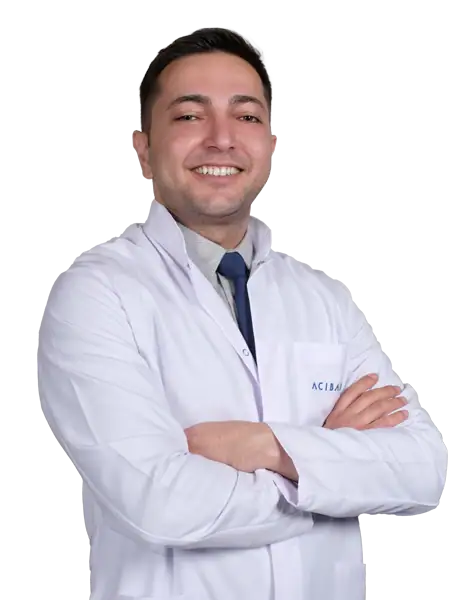
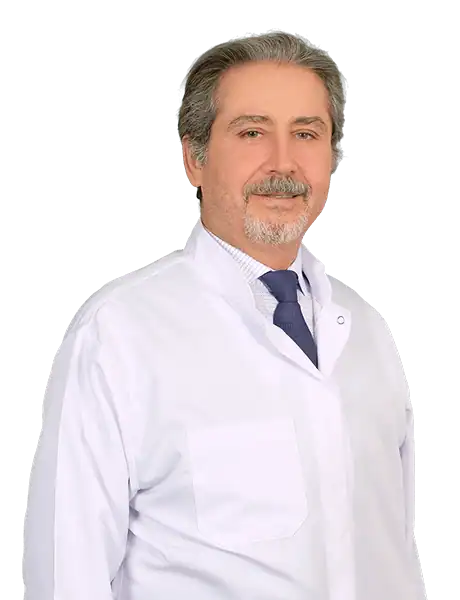
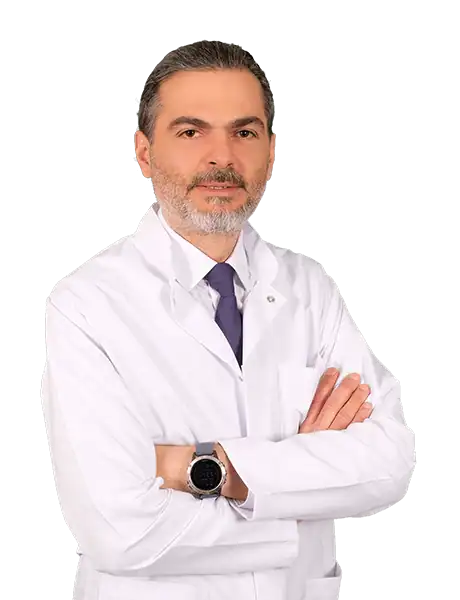
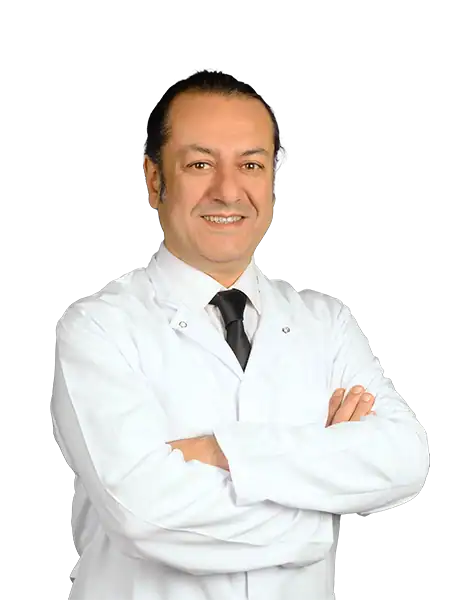
Doctors Performing This Treatment



Aesthetic Plastic & Reconstructive Surgery
Prof. Mehmet Veli Karaaltın, MD


Aesthetic Plastic & Reconstructive Surgery
Assoc. Prof. Erdem Güven, MD

Aesthetic Plastic & Reconstructive Surgery
Assoc. Prof. Ahmet Küçükçelebi, MD
Aesthetic Plastic & Reconstructive Surgery
Assoc. Prof. Mehmet Altıparmak, MD

Aesthetic Plastic & Reconstructive Surgery