Fat Transfer
Fat transfer uses a patient’s own fat, collected by liposuction and purified, to restore volume or reshape areas such as the face, breasts, hips, or buttocks.
Quick answer
Fat transfer, also called fat grafting, moves fat from one part of the body, usually the abdomen, flanks or thighs, to an area that needs volume, such as the breasts, face, hips or buttocks. Fat is harvested by liposuction, processed to isolate healthy cells, then injected in fine layers. Fat that develops a blood supply can last for years, though some absorption is expected.
What Is Fat Transfer?
Fat transfer, also called fat grafting or autologous fat transplantation, is a surgical procedure that moves fat from one part of your body to another. Fat is removed by liposuction from a donor area such as the abdomen, flanks, waist or thighs, processed to separate healthy fat cells from fluid, oil and damaged tissue, then injected in small, controlled amounts into the area that needs volume or reshaping. Because the material comes from your own body, no implant and no synthetic filler is involved.
The technique is used across aesthetic and reconstructive surgery. The most searched-for application is fat transfer breast augmentation, enhancing breast size and shape with your own tissue, but the same principle applies to the face, hips, buttocks, hands and areas affected by scarring, trauma or previous operations. Patients researching fat transfer in Turkey are usually weighing it against two alternatives, fillers and implants, so it helps to be clear about where fat sits between them.
Fillers are office-based injectables that add temporary volume, most often in the face. Implants are manufactured devices that create a defined, predictable change in size or shape. Fat transfer uses living tissue. Fat that establishes a blood supply in its new location can remain for years, but not all injected fat survives: a portion is reabsorbed by the body during healing. Surgeons plan volumes with this biology in mind, and for larger corrections they may plan more than one session from the outset rather than promise everything in a single operation.
Part of the appeal is practical: one procedure refines two areas. The donor site is slimmed by liposuction while the recipient area gains volume, so the waist, abdomen or thighs are contoured at the same time as the breasts, face or hips. The limits matter just as much. Fat transfer is not a weight-loss procedure, and it is not a substitute for a lift when significant skin laxity is present. It is a contouring and volume-restoration technique that works best for the right indication in the right patient.
It is normal to arrive with concerns as well as goals. Patients commonly ask whether the result will look natural, how much of the fat will survive, how long recovery takes, whether scars will be visible, and, for breast procedures, whether grafted fat affects future screening. These questions have honest answers, and this page sets them out before you speak to a surgeon.
Fat Transfer Breast Augmentation
Fat transfer breast augmentation enlarges and reshapes the breasts by injecting your own processed fat instead of placing an implant. It suits patients who want a modest, natural-feeling increase, who wish to correct asymmetry or contour irregularities, or who prefer to avoid a manufactured device altogether. It can also refine the result of previous surgery, softening implant edges, improving tissue quality or smoothing depressions. Acibadem covers the procedure in detail on its dedicated breast fat transfer page; what follows is the essential picture.
How does fat transfer to breast work?
Fat transfer to breast tissue follows the same three stages as any fat graft: harvesting, processing and placement. Fat is collected by liposuction from areas you and your surgeon agree on, commonly the abdomen, flanks or thighs, then purified and loaded into syringes. The surgeon injects it through small entry points, distributing fine parcels of fat across several tissue planes rather than depositing it as one mass. This layered placement matters because each parcel of fat must sit close to living tissue to receive oxygen and develop its own blood supply during the first weeks of healing.
Not all of the fat moved to breast tissue survives. Some absorption is a normal part of the biology, which is why surgeons may place slightly more than the final intended volume, and why patients seeking a larger change are often advised to plan the enhancement in stages. A second session, once the first graft has stabilised, can build on volume that has already integrated. Your surgeon should explain before the operation whether your goal is realistic in one stage or two.
What size increase is realistic?
A modest, natural-looking increase is realistic; a dramatic jump in size in a single session is not. The ceiling is set by two things: how much donor fat your body offers, and how much fat your breast tissue can safely support with a good blood supply. Overfilling beyond what the tissue can nourish does not produce a bigger lasting result: it produces more absorption and more risk of firm areas. Patients who want a substantially larger cup size are usually better served by implants or by a combined approach, and a straightforward consultation will say so plainly.
Breast fat transfer or implants, which suits you?
Breast fat transfer suits patients who want subtle enhancement, soft natural movement and no implant to maintain; breast augmentation with implants suits patients who want a larger or more defined change with a predictable volume. The two are not rivals so much as tools for different goals, and in selected patients they are combined: an implant provides the core volume while fat grafting refines the edges and improves coverage in thin tissue. Anatomy decides more than preference does, skin quality, existing breast tissue, chest shape and donor-fat availability all feed into the recommendation.
If nipple position has dropped or skin laxity is the dominant issue, adding volume alone will not correct it. In that situation a breast lift (mastopexy)with or without fat refinement, may be the more honest recommendation.
Fat grafting breast reconstruction and refinement
Fat grafting breast tissue after cancer surgery is an established part of reconstructive care. Following mastectomy, lumpectomy or implant-based breast reconstruction, fat transfer can fill contour defects, soften scarred or radiated tissue and improve the transition between the reconstruction and the chest wall. Reconstructive grafting is often staged, because tissue that has been operated on or irradiated accepts fat differently from healthy tissue and improves gradually. These cases are typically reviewed with the wider oncology and radiology team so that surgical timing fits your broader medical plan.
Does fat transfer to the breast affect screening?
Grafted fat can occasionally form small firm areas, fat necrosis or oil cysts, that may show on later breast imaging. Radiologists who know you have had fat grafting can usually distinguish these changes from other findings, so it is sensible to mention previous breast surgery whenever you attend screening. Depending on your age and history, your surgeon may request breast imaging before the operation as a baseline.
Who Is a Good Candidate for Fat Transfer?
Good candidates are generally in stable health, have enough donor fat for the planned correction, hold a stable body weight, and understand that some fat absorption is expected. The assessment is clinical rather than test-based: your surgeon examines the donor areas, the recipient area, skin thickness and elasticity, asymmetry, scars and overall proportion, then reviews your medical history, previous surgery, smoking or nicotine use, clotting history, pregnancy plans, weight trend and any chronic conditions.
Very lean patients may simply not have enough fat for a larger-volume transfer, and it is better to hear that at consultation than to discover it in theatre. Patients with significant skin laxity usually need lifting or tightening rather than volume alone. Patients who smoke or use nicotine in any form may be asked to stop well before surgery, because nicotine restricts blood flow and grafted fat depends entirely on early blood supply to survive.
Timing around life events matters too. If you are planning pregnancy or major weight loss, elective fat transfer is usually better postponed until your body is more stable, because grafted fat responds to weight change like fat anywhere else. Patients with uncontrolled medical conditions may need preparation or an alternative plan before surgery is appropriate.
Finally, candidacy includes expectations. Fat transfer produces refinement and restoration, not transformation in a single step. If your goal exceeds what your tissue can support, a good surgeon will explain the limit and outline alternatives, staged grafting, implants, a lift or a combined operation, rather than stretch the technique past what it can honestly deliver.
Conditions and Areas Fat Transfer Can Address
Fat transfer is versatile because it works in small, delicate zones and in larger body regions alike. The indication determines the technique, the volume, the anaesthesia plan, the recovery time and the follow-up schedule.
- Facial volume loss: hollow cheeks, temples, under-eye areas, nasolabial folds and age-related thinning can be softened with carefully placed fat, restoring fullness without heaviness.
- Breast enhancement: a modest increase in breast volume for patients who prefer their own tissue to an implant.
- Breast asymmetry: differences in size, shape or contour between the breasts can be improved with targeted placement.
- Breast reconstruction refinement: after mastectomy, lumpectomy or implant-based reconstruction, fat can correct contour irregularities and soften tissue.
- Hip and buttock contouring: fat can fill hip dips, enhance projection and create a smoother line between waist, hips and thighs.
- Post-liposuction irregularities: selected contour depressions from earlier liposuction can be improved, sometimes combined with further contouring.
- Scars and soft-tissue defects: volume loss around scars, burns or trauma sites can be built up gradually.
- Hand rejuvenation: in some patients, fat restores volume to the backs of the hands, reducing the prominence of tendons and veins.
- Congenital or developmental differences: localised soft-tissue deficiency or asymmetry present from birth can be corrected in selected cases.
Not every concern is best treated with fat. Significant sagging, major skin excess or the wish for a dramatic size change usually point to other procedures: a lift when nipple position and laxity dominate, a facelift or neck lift when facial support structures have descended, or implants when volume goals exceed donor supply. The purpose of consultation is to match treatment to anatomy, not to fit every patient to one technique.
How Fat Transfer Surgery Is Performed
Preparation before surgery
Preparation begins with a detailed consultation and physical examination. Your surgeon asks what you want to change, what would feel natural to you, and what has been done before. Photographs are usually taken for planning and documentation. Donor and recipient areas are assessed together, because a good outcome depends on both: enough fat must be available, and the receiving tissue must be able to support it.
Depending on your age and history, you may have blood tests, an anaesthesia evaluation and, for breast procedures, recent breast imaging. You will usually be asked to stop smoking and all nicotine products well before and after surgery. Bring a complete list of your medicines and supplements to the assessment; decisions about pausing or continuing anything belong to your treating doctor and anaesthetist, and they will review the list item by item before clearing you for surgery.
Anaesthesia and surgical planning
Fat transfer may be performed under local anaesthesia with sedation or under general anaesthesia, depending on the size and location of treatment. A small facial graft needs less than a combined liposuction and breast, hip or buttock transfer. The anaesthesia team weighs your medical conditions, previous anaesthesia experience and travel plans. Before you go to theatre, the surgeon marks donor and recipient areas while you stand, because natural contours only show under gravity. In body work the markings map the relationship between waist, abdomen, flanks, hips, thighs and buttocks; in facial work they define small zones of restoration designed to avoid overfilling and preserve expression.
Step 1: fat harvesting with liposuction
Harvesting comes first. Small incisions are made in discreet locations and a thin cannula removes fat from the donor sites, commonly the abdomen, flanks, inner or outer thighs, waist or back. Fluid infiltration reduces bleeding and eases removal, and the cannula size, suction pressure and technique are chosen to protect fat-cell quality. The donor site is shaped as carefully as the recipient is filled: over-aggressive removal creates its own irregularities, so precision here is part of the result you see later.
Step 2: fat processing and purification
The harvested fat is then processed, by filtration, washing, decanting or centrifugation, depending on the surgeon’s technique and the clinical situation, to separate usable fat from fluid, oil, blood and damaged cells. The prepared fat is drawn into syringes for controlled injection. This stage exists because grafted fat must survive in a new home: healthy cells need close contact with living tissue to receive oxygen and grow a blood supply, so quality of the graft matters more than raw quantity.
Step 3: fat placement in the target area
The surgeon injects the processed fat through small entry points using fine cannulas. In the face this means tiny threads of fat at different depths; in the breast, distribution through selected tissue planes to build shape and softness; in the hips and buttocks, placement that follows safety-focused anatomical principles as well as your proportions. Modern gluteal technique in particular emphasises correct injection planes and disciplined surgical judgement to reduce risk. Some areas may be slightly overcorrected because a portion of the graft will be absorbed, but overfilling is avoided wherever it would strain the tissue, look unnatural or compromise safety. Where appropriate, refined cannula systems, specialised processing methods and careful monitoring support planning and precision, tools serve the anatomy, not the other way round.
How long does the operation take?
Duration varies widely with the plan. A small facial graft can be relatively brief; breast, hip or buttock transfer combined with multi-area liposuction takes considerably longer. Many fat transfers are done as day surgery, while larger or combined operations may need an overnight stay. Afterwards you are monitored while the anaesthetic wears off, compression garments are fitted on donor areas, and you receive positioning instructions specific to your recipient site, after buttock transfer, for example, you will be asked to keep direct pressure off the area for a period; after facial grafting, expect visible swelling at first that settles over time.
Recovery After Fat Transfer
Recovery involves two healing sites: where fat was removed and where it was placed. Bruising, swelling, soreness and tightness are common in the first days. Donor areas feel much like recovery after liposuction, tender and firm before they soften. Recipient areas often look fuller than the final result at first, because of swelling and planned overcorrection. The table below is a general guide; your own plan depends on the areas treated and how your body heals.
| Time period | What patients can expect |
|---|---|
| Day 1 | Soreness, swelling and tiredness after anaesthesia. Compression garments on donor areas. You are discharged with written instructions on wound care, positioning and follow-up. |
| First week | Bruising and swelling at their most noticeable. Light walking is encouraged; strenuous activity is off the table. Some patients return to remote or light work if the procedure was limited. |
| First month | Swelling decreases, donor areas soften, early contour becomes visible. Exercise and travel follow your surgeon’s guidance, especially after larger body procedures. |
| Three to six months | Much of the fat that will remain has typically stabilised, though subtle change continues. The treated area looks more settled and natural as tissue relaxes. |
| Longer term | Surviving fat can remain for years, but results continue to reflect ageing, weight change, pregnancy, lifestyle and skin quality. Some patients choose staged or touch-up sessions. |
Most patients return to light daily activities within several days, depending on the extent of surgery and their comfort. Exercise, heavy lifting and long journeys should resume only on your surgeon’s timetable. Swelling can take weeks to months to settle fully, and the final contour becomes clear as the surviving fat stabilises, judge nothing in the first fortnight.
One point worth fixing in mind: grafted fat behaves like fat anywhere else in your body. It enlarges with weight gain and shrinks with weight loss. A stable weight is the single most useful thing you control after surgery.
Benefits of Fat Transfer
The advantages depend on the area treated, but they cluster around natural tissue, contour refinement and individualised shaping.
| Benefit | What it means for you |
|---|---|
| Uses your own tissue | The transferred material comes from your body: an alternative to synthetic fillers or implants for selected goals. |
| Natural look and feel | Fat that survives and is placed well feels soft and moves with the surrounding tissue. |
| Two areas refined in one procedure | The donor site is contoured by liposuction while the recipient area gains volume. |
| Flexible aesthetic and reconstructive use | The technique adapts to the face, breasts, hips, buttocks, hands, scars and selected reconstructive needs. |
| Small access points | Incisions for harvesting and injection are typically small, though scar quality varies by patient and body area. |
| Longer-lasting potential than temporary fillers | Fat that establishes a blood supply may remain long term, though some absorption is expected and results change with weight and ageing. |
What Influences the Final Result
Does fat transfer actually last?
Fat that survives the first months of healing and establishes its own blood supply behaves as living tissue and can last for years, in that sense, yes, fat transfer lasts. The honest caveats: some of the injected volume is always reabsorbed during healing, the surviving fraction varies between patients and body areas, and the long-term result moves with your weight, hormones and ageing. This is why surgeons talk about the settled result at several months rather than the appearance in the first weeks, and why larger goals are sometimes staged across two sessions.
Patient selection comes first. You need enough donor fat for the planned correction and recipient tissue capable of supporting the graft. Where skin laxity dominates, volume alone will disappoint, lifting or tightening belongs in the plan.
Weight stability follows. Significant weight loss after surgery shrinks the transferred volume; significant gain enlarges it. Being near a stable, sustainable weight before an elective transfer protects the result you paid for in recovery time.
Nicotine works directly against the graft. Because transferred fat depends on early oxygenation and vascular ingrowth, smoking, vaping and nicotine replacement products can reduce fat survival and raise complication risk. Be candid about all nicotine use so the team can plan safely.
Surgical technique is central: gentle harvesting, careful processing, small-volume placement in multiple layers and respect for anatomy all improve the graft’s chances. In buttock transfer, disciplined, safety-focused placement is not optional refinement: it is the core of the operation.
Recipient-area biology sets limits. Radiated, scarred or previously operated tissue accepts fat differently from healthy tissue, which is why reconstructive grafting often proceeds in stages toward gradual improvement.
Expectations shape satisfaction. Fat transfer delivers meaningful refinement within biological limits; it does not deliver unlimited volume on demand. A consultation that names those limits is worth more than one that doesn’t.
Aftercare closes the loop: wearing compression garments as directed, keeping pressure off protected recipient areas, attending follow-up, eating well and returning to activity gradually all support a smoother recovery. International patients should build enough time into the trip for early postoperative review before flying home.
Why Timing Matters
Fat transfer is elective, so it is rarely urgent. Timing still matters. A small contour depression addressed early may need less fat and fewer stages than the same problem corrected after scar tissue matures. In reconstructive cases the stakes are higher: after breast cancer treatment, trauma or burns, fat grafting often works best as part of a staged plan, and long delay can let tissue stiffness and skin-quality changes narrow what is achievable, not impossible, but harder.
For cosmetic patients, delay lets ageing, laxity and weight fluctuation redraw the map. Someone who is a straightforward fat-transfer candidate today may need a lift or a combined procedure in a few years. Equally, some delays are wise: pregnancy plans and intended major weight loss are both good reasons to postpone until your body is stable.
The other risk of waiting is deciding under pressure. Booking surgery immediately before an important event leaves no room for the normal course of swelling and bruising, and final results are never immediate. A decision made with time in hand, while the calendar still allows proper healing, tends to be a calmer and better-informed one.
How Much Does Fat Transfer Breast Augmentation Cost?
There is no single meaningful figure, because fat transfer breast augmentation is priced as a personalised surgical plan rather than a fixed product. Any quote you receive should reflect an actual assessment of your anatomy and goals. The main drivers are consistent everywhere:
- Extent of liposuction: how many donor areas are treated, and how much contouring they need.
- Volume and complexity of grafting: a subtle single-area refinement differs from multi-zone work or reconstructive grafting into scarred tissue.
- Anaesthesia type and theatre time: local anaesthesia with sedation for a brief graft versus general anaesthesia for a long combined operation.
- Hospital stay: day surgery versus an overnight admission.
- Number of sessions: staged plans spread both the result and the expense across more than one operation.
- Combined procedures: adding a lift, an implant or further body contouring changes the scope entirely.
What is the average cost of a fat transfer?
An “average” hides more than it reveals, because the same label covers a brief facial graft and a full body-contouring operation with large-volume transfer. The same logic applies to fat transfer from the stomach to the buttocks: the price follows the amount of liposuction, the volume grafted, the anaesthesia and the length of stay, not the name of the procedure. The useful comparison is never headline price against headline price: it is a written, itemised treatment plan based on your own examination, so you can see exactly what each proposal includes.
Having Fat Transfer in Turkey: Planning for International Patients
If you are considering fat transfer in Turkey, the medicine comes with logistics, and both deserve planning. A typical care pathway for an international patient runs: remote review of your history and photographs, an in-person consultation and examination after arrival, preoperative tests and anaesthesia assessment, the operation itself, early postoperative checks, and a final review before you are cleared to travel. Compression garments, dressings and written aftercare instructions are part of the pathway, as is a named point of contact for the clinical team during your stay.
Build your trip around recovery, not around the flight home. The right length of stay depends on the areas treated: a limited facial graft needs less time in the country than combined liposuction with breast or buttock transfer, and your surgeon, not the airline schedule, should set the date you fly. Long-haul flying soon after body surgery raises practical issues around swelling, immobility and sitting position, particularly after buttock transfer, so ask for specific guidance before booking a return ticket.
Plan follow-up before you leave home, not after. Ask how postoperative reviews will be handled once you return, photographs, video consultations, and what the team wants your local doctor to know. Patients weighing breast procedures specifically will find the practical sequence, documents, timing, aftercare, set out in our breast augmentation in Turkey treatment guide.
Which country is best for fat grafting?
No country is inherently best at fat grafting; individual surgeons and hospitals are good or not, wherever they are. What actually predicts a good experience is the same everywhere: a surgeon experienced in the specific procedure you want, a full hospital environment behind the operating theatre, honest preoperative assessment, clear communication in a language you understand, and a follow-up plan that survives your flight home. Judge any destination, Turkey included, against that list rather than against marketing.
Fat Transfer at Acibadem
At Acibadem, fat transfer is treated as a personalised surgical plan, not a standard technique applied to every patient. Plastic surgeons evaluate facial or body proportions, donor-fat availability, skin quality, previous surgery and medical history before recommending an approach, fat transfer alone, or a combined plan such as liposuction with grafting, a lift with fat refinement, or facial surgery with volume restoration. When your goals point to a different procedure, that is what will be recommended.
Reconstructive cases can draw on multidisciplinary review. Patients who have had breast cancer treatment, trauma, burns or complex previous operations may need coordinated input from plastic surgery, oncology, radiology, anaesthesia and rehabilitation, so surgical timing fits the wider medical picture. Surgery takes place in a hospital setting equipped for anaesthesia, monitoring, sterile technique and unexpected medical needs, relevant even for elective procedures, and particularly for patients combining operations or travelling long distances, some of whom are also under the care of the Breast Health Department.
Acibadem International supports patients from abroad with services in more than 20 languages, including help with medical record review, appointment coordination, hospital admission and interpreting. The practical questions international patients ask, how long to stay, whether a companion can come, when garments come off, when flying is sensible, how follow-up works from home, are answered as part of care planning, before travel rather than after arrival.
Weighing Up Fat Transfer
Fat transfer is a refined option for restoring volume, improving contour or correcting soft-tissue deficiency with your own tissue, subtle or comprehensive, aesthetic or reconstructive, alone or within a broader surgical plan. Its strengths are natural feel, dual-area contouring and longevity where the graft takes; its limits are donor supply, expected absorption and the occasional need for staging.
The best results come from matching the technique to your anatomy, goals and health rather than from the technique itself. Understand what fat can and cannot do for your particular frame, compare it honestly against fillers, implants and lifting procedures, and give recovery the time it genuinely needs. A decision made with that information tends to age as well as the result.
Preparation
- Before fat transfer, the surgeon evaluates your goals, donor fat areas, medical history, and skin quality. You may need blood tests and anesthesia assessment. Stop smoking and avoid blood-thinning medicines or supplements as instructed by your doctor.
Aftercare
- Expect swelling, bruising, and mild discomfort in both donor and treated areas. Wear compression garments if prescribed and avoid pressure on grafted areas during early healing. Follow-up visits help monitor fat retention, symmetry, and recovery progress.
Frequently Asked Questions
What affects the cost of fat transfer?
The main factors are the treatment area, the amount of fat that must be harvested, the complexity of shaping, anaesthesia, hospital setting, surgeon expertise, required tests, garments, aftercare, and whether any additional procedures are combined.
How can I get a personalised quote?
A personalised quote usually requires photos, medical history, treatment goals, and a specialist review. Acibadem International can arrange a free consultation to assess suitability and provide a tailored plan.
Are fat transfer packages all-inclusive?
Package content varies by provider. A package may include consultation, surgery, anaesthesia, selected tests, hospital services, garments, and follow-up, but travel, accommodation, medication, or revision policies should be confirmed in writing.
Why can quotes differ between hospitals or countries?
Quotes differ because hospital accreditation, surgeon experience, anaesthesia arrangements, facility standards, included services, local billing practices, and international patient support all influence the final cost.
Is the cheapest option always the best choice?
No. Patients should consider safety standards, surgeon qualifications, hospital accreditation, anaesthesia care, aftercare access, communication support, and realistic planning, not cost alone.
Will I know the final cost before travelling?
A preliminary plan can often be prepared before travel, but the final recommendation may depend on in-person examination, medical clearance, and confirmation of treatment areas. Patients should request a written breakdown before confirming surgery.
Medically reviewed by the Acıbadem International Medical Board September 1, 2026
See our medical review board →
Update history
- PublishedJune 8, 2026
- Medical review approvedSeptember 1, 2026
- Last content updateSeptember 1, 2026
Trusted care for international patients
From the Acibadem Blog

What Are the Risks of Fat Transfer? Cysts, Fat Necrosis and Uneven Volume Explained
Fat transfer risks fall into two groups. At the liposuction donor site: bruising, numbness, fluid collections, contour dents and infection. At the recipient site:…

Fat Transfer vs Implants for Breast Augmentation: Volume, Feel and Long-Term Follow-Up
Fat transfer uses your own liposuctioned fat to add a modest, natural-feeling amount of breast volume, but part of the graft is reabsorbed and…

Can Fat Be Transferred to the Breast? How Fat Grafting Works, Results and Limits
Yes. Fat can be transferred to the breast through a procedure called autologous fat grafting. A surgeon removes fat from areas such as the…
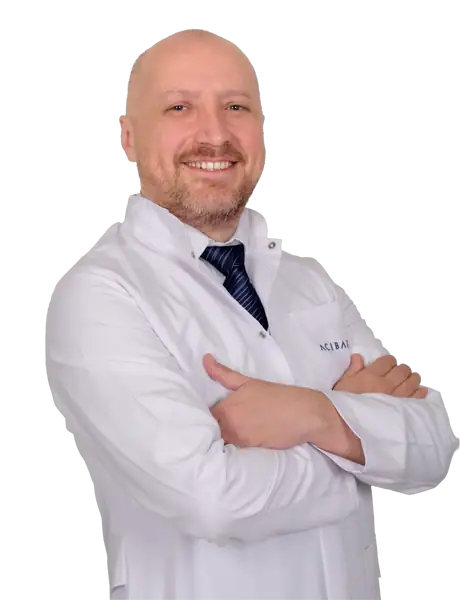
Doctors Performing This Treatment


Aesthetic Plastic & Reconstructive Surgery
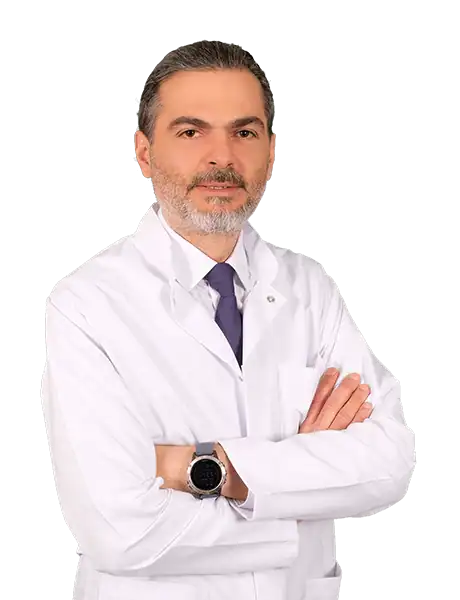
Prof. Mehmet Veli Karaaltın, MD

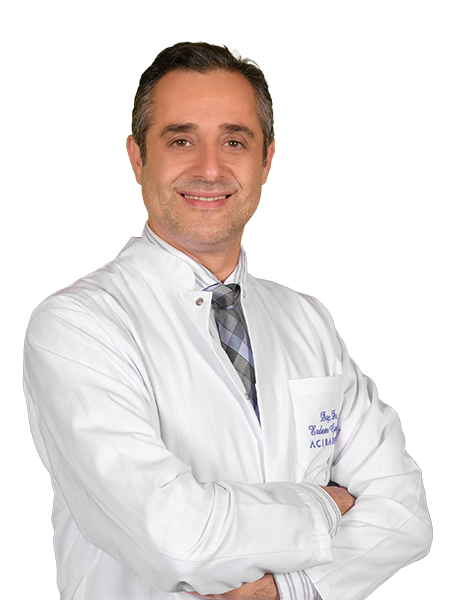
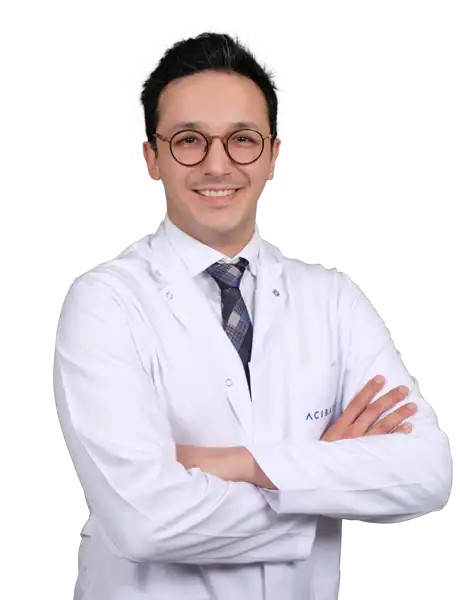
Aesthetic Plastic & Reconstructive Surgery
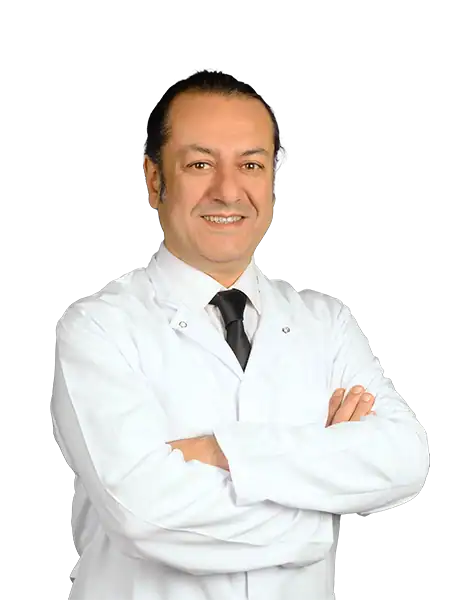
Assoc. Prof. Erdem Güven, MD

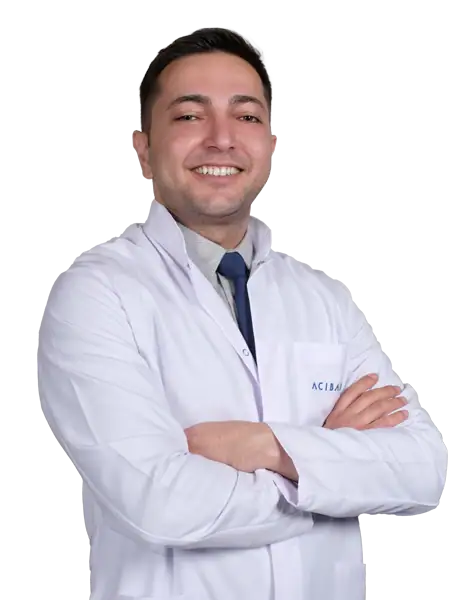
Aesthetic Plastic & Reconstructive Surgery
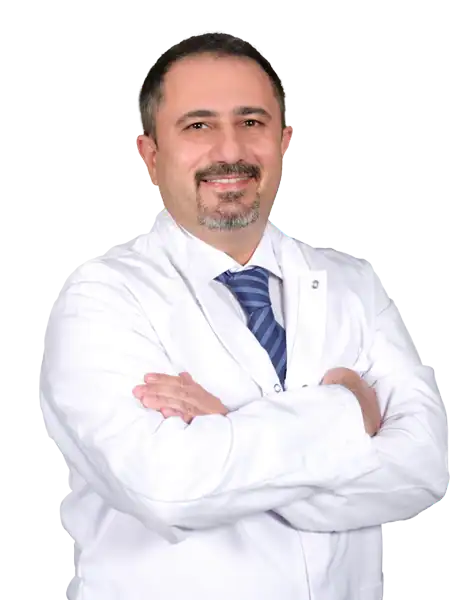
Assoc. Prof. Ahmet Küçükçelebi, MD
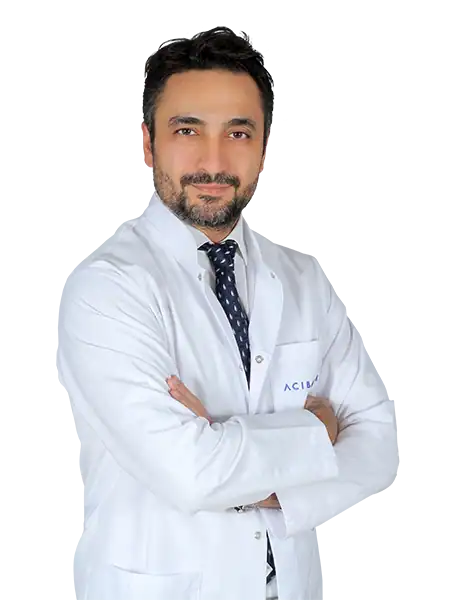
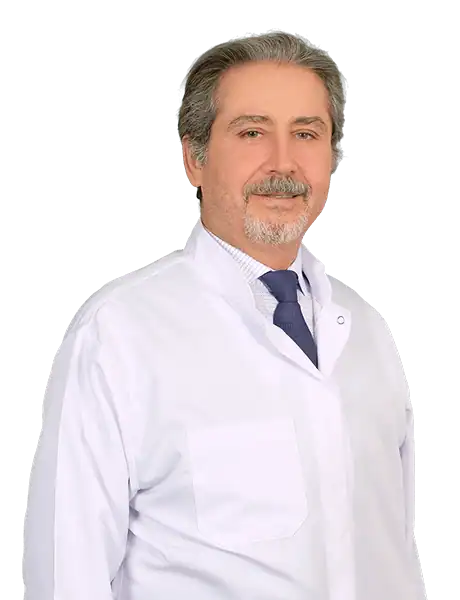
Aesthetic Plastic & Reconstructive Surgery
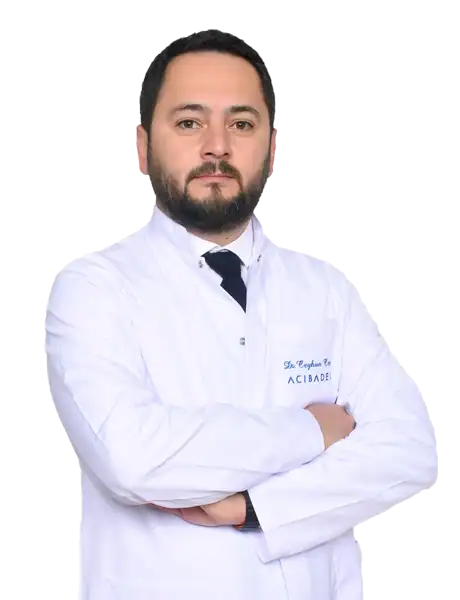
Assoc. Prof. Mehmet Altıparmak, MD

Aesthetic Plastic & Reconstructive Surgery