Insomnia Treatment
Insomnia is persistent difficulty falling asleep, staying asleep, or waking too early. Care focuses on identifying medical, psychological, and lifestyle causes and improving sleep quality safely.
Quick answer
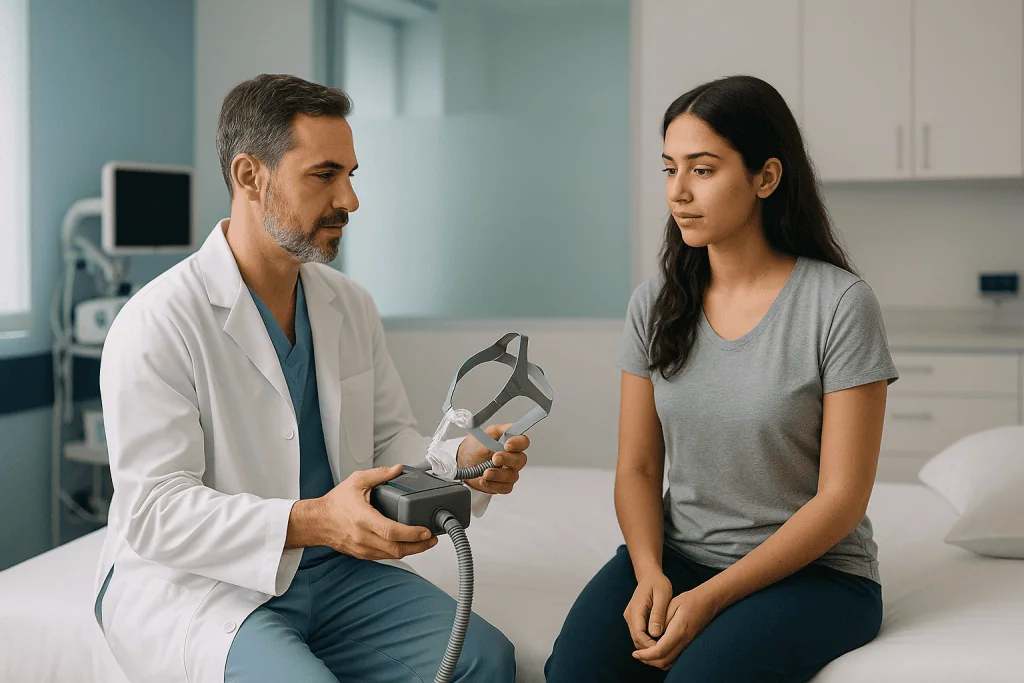
Insomnia is persistent difficulty falling asleep, staying asleep or waking too early, with daytime effects such as fatigue and poor concentration. Treatment starts with a detailed sleep history to identify the cause, then uses cognitive behavioural therapy for insomnia (CBT-I) as the first-line approach, alongside treatment of underlying conditions and, in selected cases, carefully chosen short-term medication.
When Sleep Becomes a Medical Concern
Insomnia is persistent difficulty falling asleep, staying asleep, waking too early, or feeling unrefreshed despite having an adequate opportunity to sleep. Insomnia treatment is the structured medical process of working out why sleep has broken down and putting it right, through behavioural therapy, management of underlying conditions and, when appropriate, carefully selected medication used for a defined purpose. It is for anyone whose sleep difficulty has become frequent, persistent and disruptive, rather than the occasional bad night that everyone has.
If you have already worked through lists of insomnia tips, cutting caffeine, changing the mattress, downloading sleep apps, avoiding screens, and your nights have not improved, that is useful information in itself. It usually means the problem is being maintained by something standard advice does not reach. This page explains what insomnia is, what causes it, which tips genuinely help, and how structured medical care works when tips alone are not enough.
For many people, insomnia begins quietly: a stressful period, a change in work schedule, travel across time zones, pain, anxiety, hormonal changes, or a medical illness. The trigger passes, but the sleep problem stays. Over time, the bedroom can become associated with frustration rather than rest, and the body learns a pattern of alertness at the very moment it should be winding down. You may notice that you feel sleepy on the sofa but wide awake the instant you get into bed. That paradox is not a personal failing; it is a recognised, well-described feature of conditioned insomnia, and it responds to treatment.
Patients often seek help only after weeks or months of trying to manage alone. By then, the questions have usually multiplied. Is insomnia a sign of a serious health condition? Will medication be needed, and can it be avoided? Can sleep return to normal without becoming dependent on pills? Has long-term poor sleep already harmed concentration, mood, immunity or heart health? These concerns are understandable, and a proper evaluation exists precisely to answer them for your individual situation rather than in the abstract.
Sleep affects almost every system in the body: the brain, metabolism, cardiovascular system, immune response, pain regulation, emotional resilience and daily performance. When insomnia becomes persistent, it can affect work, relationships, driving safety, appetite, exercise habits and mental health. The goal of treatment is not simply to “sleep more”. It is to identify why sleep has become disrupted and to restore a safer, more sustainable sleep pattern that holds up under the ordinary pressures of life.
At Acibadem, insomnia care begins with careful listening. Many patients arrive with a complicated story: long flights, demanding schedules, medical diagnoses, multiple medications, anxiety about health, or years of fragmented sleep. A thoughtful evaluation distinguishes insomnia itself from conditions that can mimic or worsen it, such as sleep apnoea, restless legs syndrome, depression, chronic pain, thyroid disease, medication effects or circadian rhythm disorders. This distinction matters because effective care depends on treating the right cause, in the right order, with the safest approach for the individual patient.
What is insomnia?
Insomnia is a sleep disorder defined by difficulty initiating or maintaining sleep, or waking earlier than intended, despite adequate time and opportunity to sleep, together with daytime consequences such as fatigue, poor concentration, irritability or reduced performance. The last part of that definition matters. A person who sleeps six hours and feels well is a short sleeper, not an insomniac. A person who lies awake for hours, wakes repeatedly, and pays for it the next day has insomnia. Clinicians also distinguish short-term insomnia, which follows an identifiable stressor and often settles, from chronic insomnia, which occurs several nights a week and persists for months. The two are managed differently, which is one reason a precise history is worth more than any single test.
What causes insomnia?
Insomnia is usually caused by a combination of factors rather than a single culprit: a vulnerability in how your sleep system responds to stress, an event that triggers the first bad nights, and habits or worries that keep the problem going after the trigger has passed. Sleep specialists often describe this as predisposing, precipitating and perpetuating factors. The trigger, a bereavement, an illness, a deadline, frequently gets all the attention, but it is the perpetuating factors, such as spending longer in bed, napping, clock-watching and dreading the night, that turn a rough patch into a disorder.
The most common insomnia causes fall into a few recognisable groups:
- Psychological: stress, anxiety, depression, grief, trauma and persistent worry, all of which raise the physiological arousal that sleep requires to be low.
- Medical: chronic pain, reflux, thyroid disorders, menopause-related symptoms, urinary frequency, heart or lung disease, and neurological conditions.
- Other sleep disorders: sleep apnoea, restless legs syndrome and periodic limb movements, which fragment sleep and are often mistaken for insomnia.
- Medications and substances: caffeine, alcohol, nicotine, stimulants, corticosteroids, decongestants and some antidepressants, or sedatives that have stopped working and now disturb sleep architecture.
- Circadian factors: shift work, jet lag, irregular schedules and mistimed light exposure, which push the body clock out of alignment with the intended bedtime.
- Learned arousal: a conditioned association between the bed and wakefulness, built up over weeks of frustrating nights.
Because these causes overlap and reinforce one another, self-diagnosis is genuinely difficult. A patient who blames stress may in fact have untreated sleep apnoea; a patient who blames their mattress may be drinking their last coffee too late in the day and going to bed two hours before their body clock is ready. A structured assessment sorts these possibilities out methodically.
What Insomnia Treatment Involves
Insomnia treatment is a structured medical approach to improving sleep quality, sleep timing and daytime function. It focuses on identifying the physical, psychological, behavioural, environmental and lifestyle factors that keep the brain and body from sleeping well, then addressing them in a deliberate order. Depending on the findings, treatment may include behavioural therapy, sleep education, changes to routines and light exposure, management of underlying medical or psychiatric conditions and, when appropriate, carefully selected medication.
The most widely recommended first-line treatment for chronic insomnia is cognitive behavioural therapy for insomnia, usually called CBT-I. This is not general talk therapy. It is a targeted, evidence-based sleep treatment that retrains the brain’s relationship with sleep. CBT-I typically combines stimulus control (rebuilding the association between bed and sleep), sleep restriction or sleep compression (temporarily matching time in bed to actual sleep to strengthen sleep drive), cognitive restructuring (challenging the catastrophic thoughts that fuel nighttime arousal), relaxation methods and practical sleep scheduling. Its aim is to dismantle the learned cycle of lying awake, worrying about sleep, checking the clock and becoming increasingly alert.
Medication can help some patients, particularly for short-term insomnia, severe distress, travel-related disruption or specific clinical situations. It is rarely the whole plan, however. Different sleep medicines work in different ways, and they can carry risks such as next-day drowsiness, falls, memory problems, interactions with other medicines, tolerance, or worsening of breathing-related sleep disorders. For this reason, medication decisions are individualised and reviewed regularly, with particular caution in older adults, people with respiratory disease, people taking multiple medications and those with a history of substance use disorder. Any change to what you take, starting, stopping or retiming, belongs with your treating doctor, not with a website or a pharmacy shelf.
In some cases, insomnia treatment includes diagnostic sleep testing. A sleep study may be recommended if symptoms suggest another sleep disorder: loud snoring, pauses in breathing, choking or gasping during sleep, severe daytime sleepiness, restless legs, unusual movements, or complex behaviours during sleep. The point of testing is to avoid treating “insomnia” while missing the condition that is actually driving it.
Insomnia care can also account for travel and schedule factors. Jet lag, overnight flights, shift rotations, unfamiliar surroundings and irregular routines all disturb sleep. A personalised sleep plan may cover timing of light exposure, meal timing, medication review and strategies to protect sleep around travel and schedule changes.
How do you treat insomnia?
Chronic insomnia is treated in a logical sequence: find the cause, fix the behaviour, treat what lies underneath, and use medication only where it earns its place. In practice, that usually looks like this:
- Assessment: a detailed sleep history, sleep diary and screening for other sleep disorders, medical conditions and mood problems.
- CBT-I: the first-line therapy for chronic insomnia, delivered over several structured sessions with a consistent wake time as its anchor.
- Treatment of contributing conditions: pain, reflux, sleep apnoea, anxiety, depression, hormonal symptoms or medication effects, managed in parallel rather than ignored.
- Medication, when appropriate: chosen for the specific insomnia pattern, prescribed with a clear purpose and a plan for review, not as an open-ended habit.
- Follow-up: diary review, schedule adjustment and relapse planning, so that a bad week does not undo the progress of months.
Can insomnia be cured, even in 12 minutes?
No technique cures insomnia in 12 minutes, and any page promising that is selling something. Brief relaxation methods, slow diaphragmatic breathing, progressive muscle relaxation, a body-scan exercise, genuinely can lower arousal in the moment and make sleep onset more likely tonight, which is probably where the “12 minutes” idea comes from. But a conditioned sleep problem built over months does not reverse in one evening. The honest answer to “how to cure insomnia” is that chronic insomnia responds well to structured treatment, and many people return to reliable, satisfying sleep; clinicians simply prefer the words “resolution” and “remission” to “cure”, because occasional poor nights remain part of normal human sleep. The realistic goal is a sleep system robust enough that a bad night stays a bad night instead of becoming a bad month.
Who May Need an Insomnia Evaluation
You may benefit from a medical evaluation if sleep problems occur several nights per week, persist for weeks or longer, interfere with daytime function, or cause distress. The pattern varies. Some people fall asleep easily but wake repeatedly. Others wake at 3 or 4 a.m. and cannot return to sleep. Some spend hours trying to fall asleep, becoming more alert as the night continues. The common feature is that the difficulty has become persistent and is costing you something during the day.
Typical symptoms include difficulty initiating sleep, frequent nighttime awakenings, early morning awakening, non-restorative sleep, fatigue, reduced concentration, irritability, low motivation, headaches, digestive discomfort, increased sensitivity to pain and worry about bedtime. Some patients develop a strong fear of not sleeping, which makes insomnia self-reinforcing: the harder they try, the more awake they become.
Diagnosis begins with a detailed clinical assessment rather than a scan or a blood test. Your physician will ask when insomnia started, how often it occurs, what time you go to bed and wake up, how long it takes to fall asleep, how many times you wake and how you feel during the day. A sleep diary kept for one to two weeks is often more useful than memory, because it reveals patterns people cannot estimate accurately, long stretches awake in bed, drifting wake times, late naps. Your medical history, mental health history, work schedule, exercise routine, caffeine and alcohol intake, screen use, travel habits and bedroom environment may all be relevant.
Medication review is an important part of the assessment. Some drugs can interfere with sleep, including certain antidepressants, stimulants, corticosteroids, decongestants, thyroid medication when over-replaced, some blood pressure medicines, or medicines simply taken at an unhelpful time of day. Conversely, sedating medicines can worsen daytime fatigue or disrupt natural sleep architecture. A careful review distinguishes the cause of insomnia from the side effects of attempts to treat it. Patients managing complex regimens, for example after an operation, may find it useful to read about organising several medicines into a workable daily schedule, since chaotic dosing times are a surprisingly common contributor to broken nights.
Physical examination and laboratory tests may be recommended when symptoms suggest an underlying medical condition: thyroid disorders, anaemia, vitamin deficiencies, menopause-related symptoms, chronic pain disorders, neurological conditions, heart or lung disease, gastrointestinal reflux, or urinary problems causing repeated awakenings. Psychological contributors, anxiety, depression, grief, trauma, chronic stress, are equally legitimate medical findings and are addressed with the same seriousness, without stigma.
A sleep study is considered when symptoms point toward sleep apnoea or another sleep disorder. Features that may prompt testing include loud snoring, witnessed breathing pauses, waking with choking or gasping, morning headaches, high blood pressure, obesity, irregular heart rhythms, severe daytime sleepiness or unexplained awakenings. Treating sleep apnoea, restless legs syndrome or periodic limb movements can be essential before insomnia improves fully.
What are the symptoms of severe insomnia?
Severe insomnia typically means the sleep difficulty occurs most nights, has persisted for months, and produces marked daytime impairment: exhaustion that does not lift, difficulty concentrating or remembering, irritability or low mood, mistakes at work, near-misses while driving, and a growing dread of bedtime itself. People with severe insomnia often describe their nights as unpredictable and their days as running on fumes. Physical accompaniments can include tension headaches, digestive upset and heightened pain sensitivity. Severity is judged by frequency, duration and daytime cost together, not by a single number of hours slept, and severe symptoms are exactly the situation in which structured evaluation is most worthwhile, because they are the least likely to resolve through willpower and generic advice.
Conditions and Situations Insomnia Treatment Addresses
Insomnia care is appropriate for a wide range of situations, and part of the assessment is deciding which of them applies to you. Acute insomnia often follows stress, illness, travel, bereavement or a major life event. It may improve with short-term guidance, protection of sleep routines and management of the trigger. Early care matters here because it reduces the risk of a short episode hardening into a long-term pattern.
Chronic insomnia refers to sleep difficulty that occurs repeatedly and persists over time, usually with daytime consequences. Crucially, chronic insomnia often continues even after the original trigger has resolved, because the sleep system has become conditioned to wakefulness. This is precisely where CBT-I and structured behavioural sleep medicine are most valuable: they target the perpetuating machinery rather than the long-gone trigger.
Comorbid insomnia means insomnia occurring alongside another condition. Anxiety and insomnia are the classic pairing, each amplifying the other, but the same applies to depression, chronic pain, cancer-related symptoms, heart disease, neurological disorders, reflux, menopause, pregnancy-related discomfort or recovery from surgery. In these cases, sleep care is coordinated with the management of the underlying issue rather than treated in isolation. Patients recovering from an operation, for instance, face the extra challenge of restricted positions in bed; our guide to sleep positions after surgery covers that specific situation.
Circadian rhythm disruption occurs when the internal body clock is out of alignment with the desired sleep schedule. It affects shift workers, frequent travellers, students, people with delayed sleep phase patterns, and anyone whose light exposure and daily routines have become irregular. The tell-tale sign is that sleep is fine when it is allowed to happen at the body’s preferred time, and poor when forced elsewhere. Treatment may include timed light exposure, melatonin when a doctor judges it appropriate, behavioural scheduling and gradual shifts of sleep-wake timing.
Medication-related sleep problems include insomnia caused by stimulating medicines, or by sedating medicines that no longer help and now fragment sleep. The aim is never to stop anything abruptly, but to review the regimen safely with the prescribing doctor and determine whether timing, dosing, alternatives or a supervised tapering plan should be considered.
For some patients, insomnia is one strand of a broader health evaluation. Poor sleep may be intertwined with weight changes, hypertension, diabetes risk, headaches, mood symptoms, fatigue or reduced exercise tolerance. A coordinated medical approach clarifies whether insomnia is a primary condition, a symptom of another disorder, or, very commonly, both at once.
Insomnia Tips That Genuinely Help
Insomnia tips are worth taking seriously, provided you understand what they can and cannot do. Good sleep habits create the conditions in which sleep can happen; they do not, by themselves, dismantle a conditioned insomnia that has been running for months. Think of the tips below as the foundation of treatment rather than the whole building. They are the same principles used inside CBT-I, stated plainly and without gimmicks.
What can I do to help with insomnia?
The most effective self-help steps strengthen your body clock and your sleep drive while lowering nighttime arousal, three levers, all within your control:
- Fix your wake time. Get up at the same time seven days a week, regardless of how the night went. A stable wake time is the single strongest anchor of the body clock; a stable bedtime follows from it, not the other way round.
- Reserve the bed for sleep. No working, scrolling, eating or worrying in bed. The brain learns by association, and you want the bed to signal one thing only.
- Manage light deliberately. Seek bright light soon after waking, ideally outdoors, and dim your environment in the last hour before bed. Light is the body clock’s timekeeper.
- Stop caffeine by early afternoon. It lingers in the body far longer than most people assume, and sensitivity rises with age and with sleep debt.
- Treat alcohol as a sleep disruptor, not a sleep aid. It may shorten sleep onset, but it fragments the second half of the night and worsens snoring and reflux.
- Keep naps short and early, or skip them. While retraining sleep, daytime napping drains the very sleep pressure you need at night.
- Cool, dark, quiet bedroom. The body must drop its core temperature to sleep; an overheated room works directly against that.
- Build a wind-down routine. Roughly an hour of low-stimulation activity in the same order each evening teaches the brain that sleep is approaching.
- Schedule your worrying. Write down concerns and next steps earlier in the evening, so they have somewhere to live other than 3 a.m.
- Do not compensate for a bad night. Going to bed earlier, lying in, or napping after a poor night keeps sleep pressure low and prolongs the problem. Absorb the bad night and keep the schedule.
If several weeks of consistently applying these insomnia tips leave your nights unchanged, that is not a reason for despair: it is the standard signal that a structured programme such as CBT-I, or an evaluation for an underlying disorder, is the appropriate next step.
What is the 15-minute rule for insomnia?
The 15-minute rule says that if you have been lying awake for what feels like about a quarter of an hour, you should get out of bed, go to another room, do something calm in dim light, reading something undemanding, quiet music, and return to bed only when you feel sleepy. It comes from stimulus control therapy, one of the core components of CBT-I. The logic is that every long stretch spent awake and frustrated in bed strengthens the association between bed and wakefulness; leaving the bed breaks that pairing. Two details matter: estimate the time rather than checking a clock, because clock-watching itself raises arousal, and repeat the process as many times as needed during the night. It feels counterproductive at first. Applied consistently, it is one of the best-supported behavioural techniques in sleep medicine.
What is the 3-3-3 rule for insomnia?
The 3-3-3 rule is a grounding exercise borrowed from anxiety management: name three things you can see, identify three sounds you can hear, and move three parts of your body. Its purpose is to interrupt spiralling thoughts by pulling attention back to the present moment. It is not a formal medical treatment for insomnia and has no role in correcting a body clock or rebuilding sleep drive, but it can be a useful in-the-moment tool for the racing mind that keeps many people awake. If anxiety at night is your dominant symptom, techniques like this sit sensibly alongside, never instead of, the structural changes described above.
Why sleep hygiene alone is often not enough
Sleep hygiene, reducing late caffeine, limiting alcohol, keeping the bedroom comfortable, cutting nighttime screen stimulation, supports sleep, and no treatment plan skips it. But chronic insomnia is usually maintained by conditioned arousal and mistimed sleep pressure, and those mechanisms do not respond to a cooler bedroom or a herbal tea. This is why people who have “tried everything” have often tried everything except the treatments that target the actual maintaining mechanism: stimulus control, sleep restriction and cognitive work. Recognising the limits of hygiene advice is not pessimism; it is the reason structured treatment succeeds where tip lists stall.
How Insomnia Treatment Is Performed
Initial Assessment and Sleep History
The first step is a comprehensive consultation, usually longer than a standard appointment because the history carries most of the diagnostic weight. Your physician or sleep specialist explores your sleep pattern in detail and asks about your health, medications, lifestyle, stress level and daily schedule. You may also be asked about travel, time-zone changes, shift patterns and whether sleep differs at home compared with hotels or other settings, differences that often reveal whether the problem is conditioned to a particular environment.
You may be asked to complete validated questionnaires assessing insomnia severity, daytime sleepiness, mood symptoms, sleep quality and risk of sleep apnoea. A sleep diary is commonly recommended for one to two weeks, recording bedtime, estimated sleep onset, awakenings, wake time, naps, caffeine, alcohol, exercise and medication use. The diary frequently exposes the mechanisms maintaining the insomnia: too much time in bed relative to actual sleep, inconsistent wake times, late naps, or long awakenings handled in ways that entrench the problem.
Medical Review and Diagnostic Testing
If your symptoms suggest an underlying medical cause, your physician may recommend blood tests, specialty consultation, medication review with the prescribing doctor, or imaging, depending on the clinical picture. Symptoms of thyroid imbalance, anaemia, menopause, pain disorders, mood disorders or cardiopulmonary disease each call for their own targeted evaluation, and treating them is often a precondition for the sleep work to succeed.
When sleep apnoea or another sleep disorder is suspected, a sleep study is arranged. Depending on the indication, this may involve overnight monitoring in a sleep laboratory or a home-based sleep test. Sleep studies measure breathing, oxygen levels, heart rhythm, sleep stages, body movements and other signals. The purpose is to determine whether awakenings are caused by breathing disturbances, movement disorders or other physiological events during sleep, causes that no amount of behavioural therapy will fix on its own.
Modern sleep medicine uses digital monitoring systems, validated questionnaires and structured clinical pathways to interpret sleep patterns accurately. Wearable and home sleep data can add useful context, though consumer devices are not a substitute for medical diagnosis: their sleep-stage estimates in particular should be read as rough sketches, not measurements. At Acibadem, technology supports clinical judgment rather than replacing it.
Personalised Treatment Planning
Once the contributing factors are identified, your care team builds a personalised plan. For most patients with chronic insomnia, this is organised around CBT-I principles: a consistent wake time, a temporary reduction of time in bed to match actual sleep, a strengthened association between bed and sleep, and direct work on the thoughts that spike arousal at night. You learn what to do when you cannot sleep, how to stop clock-watching, how to use relaxation strategies and how to expand sleep opportunity gradually as sleep consolidates.
Sleep hygiene is discussed with its limits stated openly, for the reasons covered above. It supports the plan; it is not the plan. Patients are also prepared for the honest arithmetic of sleep restriction: the early weeks can feel effortful, because time in bed is deliberately tightened to rebuild sleep drive. This phase is monitored and adjusted; it is a controlled, temporary measure with a clear purpose, not a test of endurance.
If medication is appropriate, the choice depends on the type of insomnia, age, medical history, other medications, risk factors and treatment goals. Some medicines help with sleep onset; others help with staying asleep. Some are used briefly during a crisis; others may be considered for specific longer-term situations. Your physician discusses benefits, side effects, interactions and a follow-up plan before anything is prescribed. Caution is greatest in people with untreated sleep apnoea, fall risk, cognitive impairment, pregnancy, liver or kidney disease, or complex medication regimens, groups for whom the wrong sedative can cost more than the insomnia itself.
The Treatment Process and Typical Duration
Insomnia treatment is almost always outpatient; hospitalisation is rarely needed. The first assessment takes longer than a routine visit because the history is detailed. If testing is required, timing depends on the type of test and your schedule. When several specialists are involved, appointments can be coordinated across departments, which shortens the path for patients managing more than one health question at once.
CBT-I is commonly delivered over several sessions, though the exact number varies with the individual. Some patients notice improvement within a few weeks; others need longer, especially when insomnia has lasted for years or is entangled with chronic pain, anxiety, depression or shift work. The process requires active participation: this is a treatment you do, not one you receive. Sleep may feel more restricted during parts of the programme, but the restriction is monitored and eased as sleep consolidates.
If a sleep study identifies sleep apnoea, therapy may include positive airway pressure, oral appliance evaluation, weight management, positional therapy or other options depending on severity and anatomy. Treating the apnoea can substantially reduce awakenings and improve daytime function, though insomnia-specific strategies are often still needed afterwards: the two conditions frequently coexist and each deserves its own treatment.
Recovery and Follow-Up
Recovery from insomnia is not like recovery from an operation. There is no incision, anaesthesia or wound healing. Recovery means rising sleep efficiency, fewer and shorter awakenings, less anxiety around bedtime and better daytime functioning. Progress is rarely a straight line. A stressful week, an illness, travel or a schedule disruption can temporarily unsettle sleep. This does not mean the treatment has failed; it means the plan needs a small adjustment, which is exactly what follow-up is for.
Follow-up matters because insomnia care is iterative. Your clinician reviews the sleep diary, adjusts the schedule, evaluates any medication effects and troubleshoots obstacles. Over time, most patients learn to respond to an occasional poor night without sliding back into the habits that perpetuate insomnia, sleeping late, napping heavily, spending long periods awake in bed, or reaching for sedatives without medical guidance. That learned resilience is arguably the most durable outcome of treatment.
Why Acting Early Matters
Many people wait, hoping insomnia will resolve on its own. Sometimes it does, particularly when it is tied to a short-term stressor. But when insomnia persists, the brain builds a learned pattern of nighttime alertness, and the longer that pattern runs, the more structured the treatment needed to reverse it. Early, well-aimed care is simply easier care.
Persistent insomnia can increase daytime sleepiness, impair attention, slow reaction time, sour mood, reduce work performance and raise accident risk. It can worsen anxiety and depression, amplify pain perception and make healthy routines harder to keep. Poor sleep may also affect blood pressure, blood sugar regulation, appetite and recovery from illness. These relationships are complex and insomnia is never the only factor, but sleep is a genuine pillar of health, not a lifestyle accessory.
Delay also means an underlying disorder can remain undiagnosed. A patient may believe they have insomnia because they wake many times a night, when the true driver is obstructive sleep apnoea. Another may have restless legs syndrome, medication-related insomnia or untreated mood symptoms. Without evaluation, such patients often cycle through sleep aids for years without ever touching the cause.
Early attention is especially sensible for people who drive long distances, operate machinery, work in safety-sensitive roles, care for children or older adults, or live with medical conditions that poor sleep worsens. Seeking help does not mean something is “wrong” with you. It means sleep has become a health matter deserving the same careful attention as blood pressure, pain or mood.
Benefits of Insomnia Treatment
Effective insomnia care can improve both nighttime sleep and daytime functioning, especially when treatment is matched to the actual cause of the sleep problem rather than to its loudest symptom.
| Benefit | What It Means for You |
|---|---|
| Better sleep consistency | A structured plan reduces long periods awake in bed and supports a more predictable sleep-wake rhythm you can actually rely on. |
| Less anxiety about bedtime | Behavioural strategies break the cycle of worrying about sleep, clock-watching and becoming more alert as the night goes on. |
| Improved daytime function | Many patients experience steadier concentration, mood, energy and work performance as sleep quality improves. |
| Identification of underlying causes | Medical evaluation can reveal conditions such as sleep apnoea, pain, mood disorders, hormonal changes or medication effects that need their own targeted care. |
| Safer use of sleep medication | When medication is needed, careful selection and follow-up reduce avoidable risks and define an appropriate duration of use from the outset. |
| Long-term self-management skills | You learn practical strategies for travel, stress, schedule changes and occasional poor nights, without falling back into the habits that maintained the insomnia. |
What to Expect After Starting Treatment
The pace of improvement varies from person to person, but the following timeline describes what many patients can expect after beginning a structured insomnia care plan.
| Time Period | What Patients Can Expect |
|---|---|
| Day 1 | Your care team reviews your symptoms, medical history, sleep schedule, medications and risk factors. You may begin a sleep diary and receive initial guidance on wake time, caffeine, naps and bedtime behaviours. |
| First week | You start making structured changes to your routine. Some patients feel improvement quickly; others find that changing long-standing sleep habits takes real effort and consistency before the nights respond. |
| First month | Sleep patterns become clearer through the diary. CBT-I strategies, medication adjustments made by your doctor, or treatment of an underlying condition may begin to reduce awakenings and improve daytime function. |
| Two to three months | Many patients have a more stable schedule and less fear around bedtime. Treatment is refined based on diary data, lifestyle needs and response to therapy. |
| Longer term | The focus shifts to maintaining gains, handling setbacks and applying learned strategies during stress, illness or time-zone changes. Some patients continue periodic follow-up when insomnia is linked with chronic medical conditions. |
Factors That Influence Outcomes
Outcomes depend on how long insomnia has been present, whether underlying medical or psychological conditions exist, how consistently the plan is followed, and whether another sleep disorder is identified along the way. Patients with recent-onset insomnia often improve quickly once the trigger is addressed. Patients with long-standing insomnia usually need more time, because the sleep system has adapted to wakefulness and irregular routines and must be retrained rather than merely reassured.
Consistency is the single most influential factor within your control. A stable wake time, limited naps, appropriate time in bed and a clear response plan for nighttime awakenings retrain sleep; irregular schedules, frequent late nights, heavy weekend lie-ins and long daytime naps slow progress. Life does not need to become rigid, but the body clock and sleep drive need reliable signals while treatment is underway, and insomnia tips only deliver their value when they are applied consistently rather than sampled.
Mental health plays a major role. Anxiety, depression, trauma, grief and chronic stress raise physiological arousal and make sleep harder to reach. In these cases, insomnia treatment works best coordinated with psychological or psychiatric care, and the traffic runs both ways, because improving sleep frequently supports emotional recovery, creating a beneficial cycle between the two.
Medical conditions should be managed in parallel. Pain, reflux, urinary frequency, hot flushes, breathing problems, neurological symptoms and medication side effects can all fragment sleep, and if they remain untreated, behavioural therapy is fighting uphill. A multidisciplinary approach is most valuable exactly when the sleep problem crosses several areas of medicine at once.
Expectations matter too. Treatment aims to improve sleep quality, function and resilience, not to manufacture perfect sleep every night, which even the healthiest sleepers do not have. A good result usually means falling asleep with less struggle, returning to sleep more easily after waking, functioning better by day, and no longer feeling controlled by the fear of insomnia.
Travel and schedule changes can also influence sleep in the short term. Jet lag, unfamiliar surroundings and a demanding calendar may temporarily unsettle nights, so planning ahead helps: your clinician can advise on adjusting light exposure, sleep timing, meals and exercise around trips and schedule shifts, so that a few disrupted nights do not undo months of progress.
Insomnia Care at Acibadem
Patients often come to Acibadem for insomnia when they want a thorough medical evaluation rather than a quick prescription. Sleep problems are frequently entangled with chronic disease, anxiety, pain, respiratory symptoms, neurological concerns or medication use, and Acibadem’s hospital network brings together physicians from the relevant specialties so that insomnia can be assessed in context rather than in isolation.
Depending on your symptoms, care may involve sleep medicine, neurology, psychiatry, pulmonology, cardiology, endocrinology, internal medicine or pain medicine. In complex cases, specialist discussion helps determine whether insomnia is primary, secondary to another condition, or part of a broader sleep disorder. This multidisciplinary perspective matters most for patients who have already tried several treatments without durable improvement: the group for whom another generic sleeping tablet is least likely to be the answer.
Diagnostic pathways may include detailed sleep assessments, laboratory evaluation, imaging when clinically indicated, and sleep studies for suspected breathing- or movement-related disorders. The intention is not to over-test but to obtain the specific information needed to choose the safest and most effective plan.
Care is also personalised to the realities of the person in front of the clinician. A business traveller with jet lag and work stress needs a different plan from a patient with chronic pain, a retiree with symptoms suggesting sleep apnoea, or a cancer survivor whose sleep changed after treatment. Physicians weigh medical history, lifestyle, cultural expectations, medication availability and follow-up needs. And because insomnia can feel deeply personal, patients often feel embarrassed that they “cannot do something natural”, or frustrated that others minimise the problem: the consultation treats insomnia as what it is: a real, common and treatable health condition.
Rebuilding Confidence in Sleep
Better sleep is rarely achieved by one universal solution. It is usually the result of careful diagnosis, a plan matched to the actual cause, consistent follow-through and adjustment along the way. Understanding your specific pattern, when sleep became difficult, what keeps it going, and whether another condition is contributing, is what separates effective treatment from another round of trial and error.
With that understanding in place, most elements of care are surprisingly concrete: a fixed wake time, a retrained association between bed and sleep, honest handling of caffeine, alcohol and naps, treatment of whatever medical or psychological conditions sit underneath, and medication used only where it genuinely earns its place. Many patients who follow this path find that insomnia gradually loses its hold on their nights, and, just as importantly, that they stop fearing the occasional bad night when it comes.
Preparation
- Before treatment, patients may be asked to keep a sleep diary and share medication, caffeine, alcohol, and lifestyle details. A sleep medicine specialist reviews medical history, stress factors, and possible underlying conditions. Additional tests may be recommended if another sleep disorder is suspected.
Aftercare
- Aftercare usually includes following a personalized sleep plan, maintaining regular sleep and wake times, and limiting stimulants or screen exposure before bedtime. Patients may continue cognitive behavioral therapy for insomnia, medication review, or follow-up visits as needed. Progress is monitored with symptom tracking or a sleep diary.
Frequently Asked Questions
What affects the cost of insomnia treatment?
Cost depends on the complexity of the assessment, whether sleep testing is needed, the type of therapy recommended, medication review, specialist involvement, and follow-up requirements. Travel, interpreter support, and care coordination can also affect the final plan.
How can I get a personalised quote?
You can request a free consultation and share your sleep history, current medications, previous test results, and any diagnosed medical or psychological conditions. The clinical team can then advise which services may be needed and provide a personalised estimate.
Is a sleep study always required for insomnia?
No. Many patients are assessed through history, sleep diaries, questionnaires, and specialist consultation. A sleep study may be recommended if symptoms suggest sleep apnea, abnormal movements, or another sleep disorder.
Does treatment usually include medication?
Not always. Insomnia care often focuses on identifying causes, improving sleep behaviours, and using cognitive behavioural therapy for insomnia when appropriate. Medication may be considered only after a clinician reviews risks, benefits, and alternatives.
Can international patients continue follow-up after returning home?
Follow-up may be arranged through online consultations when clinically appropriate, together with written recommendations for ongoing care. The exact follow-up plan depends on the diagnosis, treatment option, and local medical support available to the patient.
Medically reviewed by the Acıbadem International Medical Board September 1, 2026
See our medical review board →
Update history
- PublishedJune 8, 2026
- Medical review approvedSeptember 1, 2026
- Last content updateSeptember 8, 2026
Trusted care for international patients
From the Acibadem Blog

Insomnia Myths a Sleep Specialist Would Correct: Weekend Catch-Up Sleep, Naps and Screens
Common insomnia myths include the ideas that weekend catch-up sleep fully repays lost sleep, that naps are always harmful, that everyone needs exactly eight…

How to Tell If You Have Insomnia, and Whether It Can Harm You
You likely have insomnia if you regularly struggle to fall asleep, stay asleep, or wake too early despite having enough time and a suitable…
How Long Is Too Long? When Persistent Insomnia Calls for a Sleep Medicine Consultation
Most guidelines call insomnia chronic when trouble falling or staying asleep happens at least three nights a week for three months or more and…