Lasek PRK
LASEK PRK is a surface laser eye procedure that reshapes the cornea to reduce dependence on glasses or contact lenses for myopia, hyperopia and astigmatism.
Quick answer
LASEK PRK refers to two closely related surface laser eye procedures, photorefractive keratectomy and laser-assisted subepithelial keratectomy, that correct myopia, hyperopia and astigmatism by reshaping the cornea's surface with an excimer laser. Neither creates a corneal flap, which makes them options for people with thinner corneas. Healing is gradual: vision typically becomes functional within the first week and continues to sharpen over weeks to months.
LASEK PRK: Understanding Surface Laser Vision Correction
LASEK PRK refers to two closely related forms of surface laser vision correction: photorefractive keratectomy (PRK) and laser-assisted subepithelial keratectomy (LASEK). Both use an excimer laser to reshape the surface of the cornea so that light focuses more accurately on the retina, and both can treat nearsightedness, farsightedness and astigmatism. They are considered by adults with a stable prescription who want to depend less on glasses or contact lenses, often people who have been told that LASIK may not be the right choice for their eyes because of corneal thickness, dry eye tendencies, lifestyle or occupational requirements.
Choosing laser vision correction is both a medical decision and a personal one. You may have lived with glasses or contact lenses for years and simply want a more practical way to see clearly. You may be exploring surface laser treatment because a previous examination raised questions about your corneas. Caution is reasonable here. Your eyes are delicate, and clear vision touches nearly every part of daily life: work, travel, sport, reading, driving, time with family.
The questions patients ask most are the right ones. Does it hurt? How long does recovery take? Are the results stable? Is LASEK the same as PRK? How does a surgeon decide which laser procedure is safest for a particular pair of eyes? This page answers those questions plainly, including the limits, what LASEK PRK can do, what it cannot do, and why some people should not have it at all.
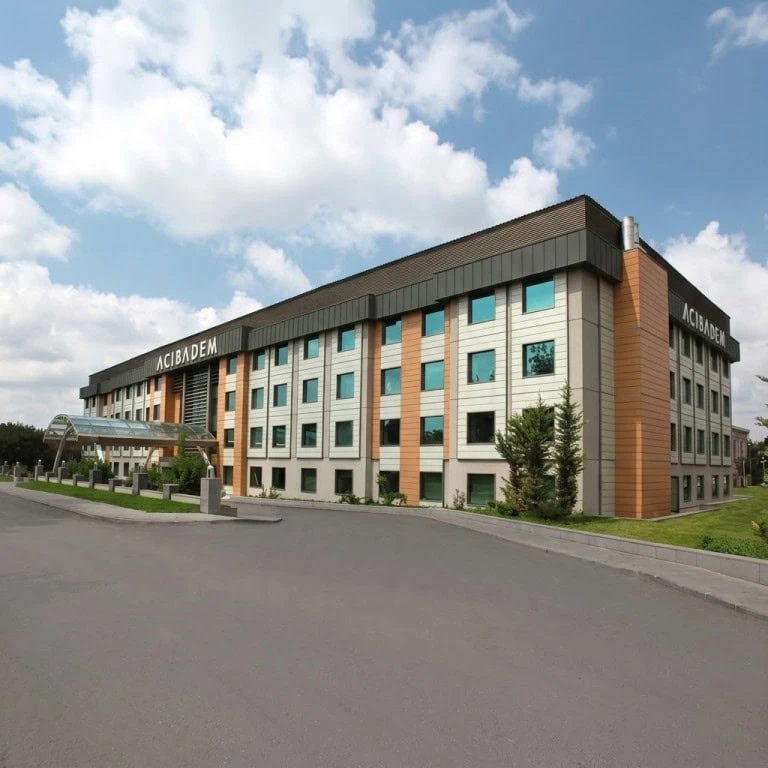
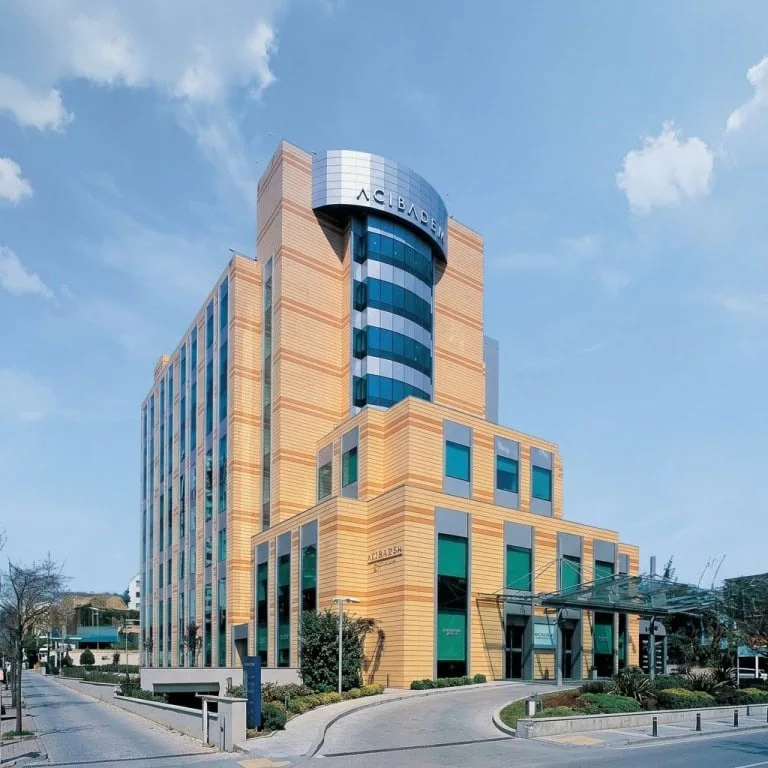
At Acibadem, evaluation for laser vision correction is treated as a medical pathway, not a quick screening. Detailed diagnostic testing, physician assessment and individualised planning determine whether LASEK PRK is appropriate for you, whether another technique would serve you better, or whether laser treatment should be avoided altogether. The aim is not to perform a procedure. It is to identify the safest, most suitable option for your eyes, your prescription and your long-term visual needs.
What Is LASEK PRK?
LASEK and PRK are surface laser eye procedures used to correct refractive errors. A refractive error occurs when the shape of the eye stops light from focusing precisely on the retina, the light-sensitive layer at the back of the eye. The result is blurred vision at distance, at near, or both. Rather than compensating with a lens held in front of the eye, surface laser treatment changes the curvature of the cornea itself, so that incoming light lands where it should.
PRK, or photorefractive keratectomy, was one of the first forms of excimer laser vision correction and remains in wide use today. During PRK, the thin outer skin of the cornea, the epithelium, is gently removed from the treatment zone. The excimer laser then reshapes the underlying corneal surface with microscopic precision. A soft bandage contact lens is placed on the eye at the end of the procedure, and the epithelium grows back naturally underneath it over the following days.
LASEK, or laser-assisted subepithelial keratectomy, is a related surface procedure. In LASEK, the epithelial layer is loosened and moved aside rather than removed, then repositioned when appropriate after the laser has done its work. In modern practice the two names are usually discussed together, because both are surface ablation techniques with similar planning principles, similar healing patterns and similar recovery expectations.
Is LASEK the same as PRK?
No: LASEK and PRK are closely related, but they are not identical. Both are surface ablation procedures, and the laser reshaping step is essentially the same in each. The difference lies in how the epithelium is handled. In PRK, the epithelium is removed and allowed to regrow. In LASEK, it is loosened, set aside during treatment and then repositioned. Because candidacy criteria, planning and recovery are so similar, many clinics group the two under a single heading, which is why you will often see the combined phrase LASEK PRK. Your surgeon chooses between the techniques based on the condition of your epithelium, the size of the planned correction and their own clinical judgement on the day. From your side as a patient, the experience and the healing course are broadly the same.
How is LASEK PRK different from LASIK?
The key difference is that LASEK PRK does not require the creation of a corneal flap. In LASIK, a thin hinged flap is made in the cornea, lifted, and replaced after the laser reshapes the tissue underneath; this typically allows faster early visual recovery, but it introduces flap-related considerations. LASEK PRK works entirely on the corneal surface. That can matter for people with thinner corneas, certain corneal shapes, active or contact-heavy lifestyles, or professions where avoiding flap-related concerns is preferred. The trade-off is honest and worth stating plainly: because the surface layer must regenerate, healing after LASEK PRK takes longer than after LASIK, and vision improves gradually over days to weeks rather than seeming clear almost overnight.
LASEK PRK can treat the common refractive errors, myopia, hyperopia and astigmatism. In some patients, wavefront-guided or topography-guided planning is used to address more subtle optical irregularities, depending on diagnostic findings and suitability. The treatment plan is built from your prescription, corneal measurements, eye health, pupil size, tear film quality and visual goals, never from the prescription alone.
Who May Be a Candidate for LASEK PRK?
LASEK PRK may be considered for adults who want to reduce their dependence on glasses or contact lenses and whose eyes meet medical safety criteria. Most candidates share three features: a stable glasses or contact lens prescription, healthy corneas of adequate thickness and regular shape, and no eye disease that would interfere with healing or visual quality. Stability matters because treating a prescription that is still changing corrects today’s error, not next year’s.
The reasons people seek LASEK PRK are usually practical. Difficulty tolerating contact lenses. Inconvenience during sport or travel. Professional requirements that make glasses or lenses awkward. Recurrent lens-related irritation. Or simply a wish for more visual freedom in daily life. Some patients arrive at LASEK PRK specifically after learning that LASIK may not be the preferred option for their corneal structure, surface treatment can be the alternative that keeps laser correction on the table.
The symptoms that lead people to evaluation are usually caused by refractive error rather than eye disease: blurred distance vision from myopia, difficulty seeing clearly up close or at intermediate distances in some forms of hyperopia, distorted or shadowed images from astigmatism, eye fatigue from an uncorrected prescription, or day-to-day dependence on corrective lenses for driving, computer work and reading signs.
Diagnosis begins with a comprehensive refractive and eye health examination. This typically includes measurement of your glasses prescription, assessment of uncorrected and corrected visual acuity, corneal curvature mapping, corneal thickness measurement, evaluation of the tear film, pupil assessment and examination of the front and back of the eye. In many patients, advanced corneal imaging is used to screen for subtle corneal weakness or early keratoconus: a condition in which the cornea becomes progressively thin and irregular, and one that must be excluded before any laser reshaping is considered.
Not everyone who wants laser vision correction should have it, and a responsible clinic says so. LASEK PRK may not be appropriate for people with unstable prescriptions, active eye infection, uncontrolled dry eye, significant corneal scarring, abnormal corneal shape, certain autoimmune conditions, poorly controlled diabetes, pregnancy-related prescription fluctuation or unrealistic expectations about the outcome. Some of these patients are better served by a different refractive option, LASIK, SMILE, phakic intraocular lens implantation or refractive lens exchange, depending on age, prescription and eye anatomy. Others are best advised to have no surgery at all.
Careful consultation also matters for planning your own calendar, because surface laser procedures need more early recovery time than flap-based laser surgery. Before committing to a date, it helps to understand when you are likely to be able to work, when vision typically becomes functional and how the postoperative drop schedule runs over the following weeks, so that surgery falls in a period when your eyes can be given the rest they need.
Conditions and Vision Problems LASEK PRK Can Address
LASEK PRK is designed to correct refractive errors by reshaping the cornea. It does not treat cataracts, glaucoma, retinal disease or presbyopia, the age-related loss of near focusing ability, although some patients may have customised planning discussed if presbyopia is also a concern. Knowing what the procedure does not address is as important as knowing what it does.
Myopia (Nearsightedness)
Myopia, or nearsightedness, means distant objects appear blurred while near objects stay clearer. The eye may be too long or the cornea too steep, so light focuses in front of the retina instead of on it. LASEK PRK flattens the central cornea to move the focal point back onto the retina. Myopia is the most common reason people seek surface laser correction, and the planning principles for it are long established.
Hyperopia (Farsightedness)
Hyperopia, or farsightedness, can cause near vision difficulty, eye strain, headaches or blurred vision at multiple distances, often becoming more noticeable as the eye’s natural focusing ability declines with age. Laser correction for hyperopia reshapes the cornea in a different pattern from myopia treatment, steepening rather than flattening, to increase focusing power. Suitability depends on the degree of hyperopia, corneal shape and your age-related visual needs, which is why hyperopic candidates need a particularly careful assessment.
Astigmatism
Astigmatism occurs when the cornea or lens has different curves in different meridians, causing light to focus unevenly. The result can be blurred, stretched or ghosted images at both distance and near. LASEK PRK can reshape the cornea to reduce this irregular focusing pattern, usually in combination with correction of coexisting myopia or hyperopia. The corneal maps taken before surgery show exactly how the astigmatism sits and whether it is regular enough for laser treatment.
Thin Corneas and Flap-Avoidance Situations
Thin corneas are among the most common reasons LASEK PRK is discussed instead of LASIK. Because the procedure treats the corneal surface rather than creating a flap, it may preserve more structural tissue in selected patients compared with some flap-based approaches. This is not a blanket rule, corneal strength, shape and the depth of the planned treatment must still be assessed carefully, and a cornea that is too thin or irregular for LASIK may also be unsuitable for surface treatment. The measurements decide, not the preference.
Contact Lens Intolerance
Contact lens intolerance also brings people to evaluation. Dryness, irritation, recurrent inflammation or difficulty wearing lenses for long hours can make daily lens wear a burden, and a surgical alternative becomes attractive. One caveat: the ocular surface must be healthy enough to heal properly before surface laser treatment is planned, so lens-related surface problems are usually treated and settled first.
How LASEK PRK Is Performed
Preoperative Evaluation and Planning
The most important part of LASEK PRK happens before the laser is ever switched on. A detailed preoperative evaluation lets the ophthalmologist confirm candidacy, identify risk factors and design the treatment profile for your eyes specifically. If you wear soft contact lenses, you will usually be asked to stop wearing them for a period before testing; rigid or specialty lenses need a longer break. This allows the cornea to return to its natural shape, so that the measurements the treatment is built on are accurate.
Testing may include corneal topography and tomography to map the front and back surfaces of the cornea, pachymetry to measure corneal thickness, wavefront or optical quality analysis in selected cases, tear film assessment and a dilated examination of the retina. These tools detect things a routine glasses exam can miss: irregular astigmatism, early signs of corneal ectasia risk, dry eye and retinal findings that could affect safety or expectations.
The physician also reviews your lifestyle, work requirements, sports, medical history and visual priorities. For some patients, the best plan is full distance correction in both eyes. For others, particularly patients in their 40s or older, a frank discussion about near vision and reading glasses matters, because surface laser treatment can reduce dependence on distance glasses but does not stop the natural ageing of the eye’s focusing lens. Hearing this before surgery, not after, is part of good care.
Before the Procedure
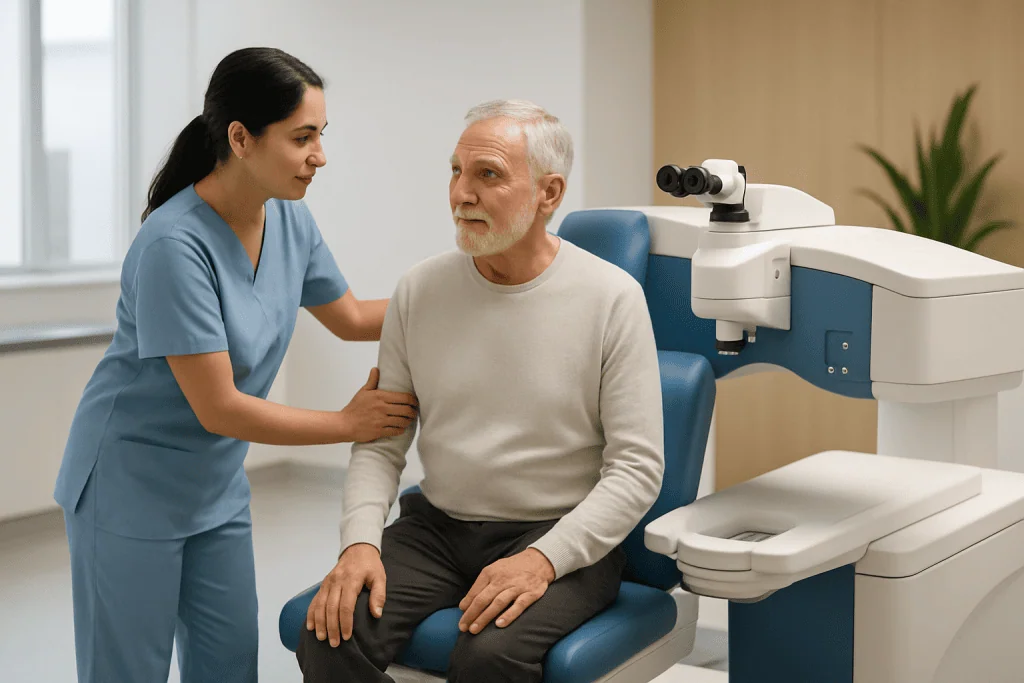
On the day of LASEK PRK, the care team confirms the treatment plan, reviews consent and prepares your eyes. The procedure is performed with topical anaesthetic drops, so the eye is numb. You remain awake throughout, and most people describe pressure, touch or the sensation of fluid rather than sharp pain. A small instrument gently holds the eyelids open so that blinking cannot interrupt the laser treatment.
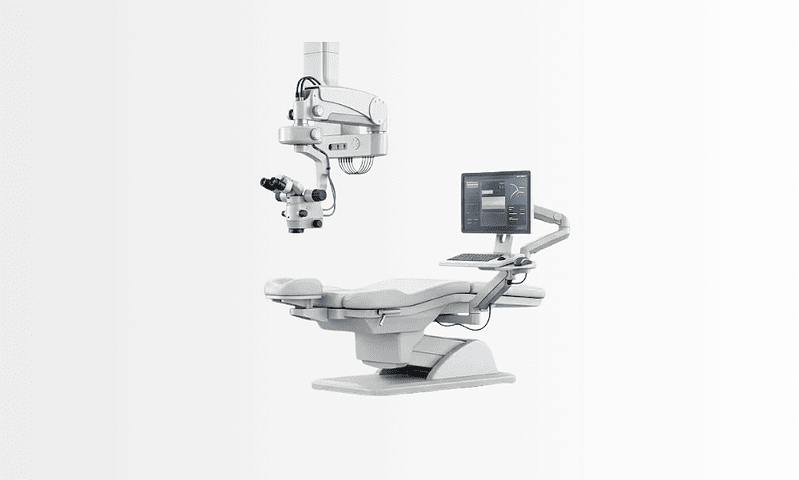
The skin around the eye is cleaned and sterile technique is used. You are positioned under the laser microscope and asked to look at a fixation light. Modern laser systems use eye-tracking technology that follows small eye movements, maintaining accurate alignment even if your gaze drifts slightly: a common worry that the technology is specifically designed to handle.
The Laser Treatment, Step by Step
The treatment itself follows a consistent sequence:
- Epithelium management. In PRK, the epithelium is gently removed from the treatment zone. In LASEK, the epithelial layer is loosened and may be moved aside and later repositioned, depending on the surgeon’s technique and the condition of the tissue.
- Laser reshaping. The excimer laser removes microscopic amounts of corneal tissue according to a customised pattern based on your refractive error and corneal measurements. The laser itself usually takes only seconds to minutes per eye.
- Surface medication where indicated. In selected cases, particularly larger corrections, a medication may be applied briefly to the corneal surface during the procedure to support healing and reduce the risk of haze.
- Bandage contact lens. A soft bandage contact lens is placed on the eye. It acts like a protective dressing while the epithelium heals over the following days, and the care team removes it once the surface has closed.
Although the laser step is brief, the full time in the procedure room is longer because of preparation, positioning and checks. Both eyes are often treated during the same visit when medically appropriate, though this depends on the surgeon’s recommendation and your circumstances.
Technology Used in LASEK PRK
The technology behind LASEK PRK serves both safety and precision. Diagnostic imaging maps the cornea in detail, helping the surgeon judge whether it is regular and strong enough for laser treatment. Corneal thickness measurements confirm that enough tissue will remain after reshaping. Tear film evaluation identifies dryness that should be treated before, not after, surgery.
During the procedure itself, excimer laser energy reshapes the cornea without heat-related cutting, and eye-tracking systems maintain alignment throughout. Depending on your measurements, the treatment may be standard, wavefront-optimised, wavefront-guided or topography-guided. These planning methods exist to improve focus, preserve visual quality and address particular optical features when the diagnostics show they are appropriate: they are tools the surgeon selects for a reason, not upgrades to be chosen from a menu.
How Long Does the Procedure Take?
LASEK PRK is usually performed as an outpatient procedure, and you typically leave the clinic the same day once postoperative instructions have been reviewed. The laser portion lasts seconds to minutes per eye; the overall visit is measured in hours rather than days because of preparation and post-procedure checks. There is no hospital stay for a routine case.
Why Timely Evaluation Matters
LASEK PRK is elective, so it is rarely urgent. Thorough, timely evaluation still matters. Some people continue wearing uncomfortable contact lenses for years, developing worsening dryness, recurrent irritation or inflammation along the way. Others postpone assessment while their prescription drifts, without realising that unstable vision can be a signal for further investigation rather than immediate correction.
Early evaluation lets the physician identify conditions that must be treated before surgery, dry eye, blepharitis, allergic eye disease or corneal surface inflammation. Settling these first improves the accuracy of the measurements and the comfort of the recovery. It also avoids the mistake of planning surgery on an unhealthy ocular surface.
Screening matters for a second reason: some people carry early corneal irregularities that a routine glasses exam does not reveal. Conditions such as keratoconus or forme fruste keratoconus can make laser vision correction unsafe. Detecting these findings early protects you from an unsuitable procedure and allows monitoring or other treatments where indicated. A clinic that occasionally says no is doing its job.
Acting early also protects your own schedule. Surface laser recovery needs enough time for initial healing, a postoperative examination and bandage lens removal before you return to demanding routines. A planned calendar is safer and considerably more comfortable than trying to compress evaluation, surgery and the first healing days into a window that is too short for all three.
Benefits of LASEK PRK
The potential benefits of LASEK PRK depend on careful patient selection, accurate planning and realistic expectations about healing. For well-selected candidates, they include:
| Benefit | What It Means for You |
|---|---|
| Reduced dependence on glasses or contact lenses | Many suitable patients can perform daily activities with less need for corrective lenses, especially for distance vision. |
| No corneal flap | The procedure treats the corneal surface, which may be preferable for selected patients with certain corneal measurements, lifestyles or occupational needs. |
| Option for myopia, hyperopia and astigmatism | LASEK PRK can be planned for several common refractive errors when the prescription and corneal structure are appropriate. |
| Detailed customisation | Modern diagnostic mapping and laser planning can tailor the treatment to your eye’s measurements and visual requirements. |
| Long clinical experience | Surface laser vision correction has been studied and refined over many years, with well-understood healing patterns and follow-up needs. |
Recovery After LASEK PRK
Recovery after LASEK PRK is gradual, and it is worth planning for several days of healing before returning to demanding visual tasks. This is the honest cost of avoiding a flap: the corneal surface must regenerate, and while it does, comfort and clarity fluctuate. Knowing what each stage feels like makes the process far easier to live through.
| Time Period | What to Expect |
|---|---|
| Day 1 | Blurred vision, tearing, light sensitivity and a gritty sensation are common. You use prescribed drops and rest, with the bandage contact lens in place. |
| First week | The corneal surface heals. Discomfort usually eases after the first few days, and the bandage lens is removed by the care team once the eye is ready. Vision may still fluctuate. |
| First month | Vision continues to sharpen, though dryness, glare or variable clarity can occur. Follow-up visits and the drop schedule remain important. |
| Longer term | Visual stability generally improves over weeks to months. Some people need more time, depending on the strength of the correction and individual healing. |
Vision often becomes functional within the first week, but clarity can vary from day to day at the start. Most people notice gradual improvement over several weeks, with continued refinement over the following months. The pace depends on the prescription treated, your healing response, tear film quality, adherence to the drop schedule and whether one or both eyes were treated.
Temporary side effects are part of normal surface healing rather than signs that something has gone wrong. Light sensitivity, glare, halos around lights at night and dryness are common in the early weeks and usually settle as the surface matures. Two longer-term possibilities deserve honest mention: corneal haze, a subtle clouding of the healing surface, which is one reason steroid drops are prescribed and monitored so carefully after surface procedures; and regression, a partial drift back toward the original prescription, which is more likely after larger corrections. Both are reasons the follow-up visits exist: they let your ophthalmologist read the healing pattern early and respond to it.
When Can I Play Sports Such as Badminton After PRK or LASEK?
Non-contact racquet sports such as badminton are usually possible again a few weeks after PRK or LASEK, once the corneal surface has healed and your surgeon has confirmed it at a follow-up visit: the timing is individual, so it should always be agreed with your own doctor rather than taken from a general schedule. The early sequence typically runs like this: rest in the first days; light activity such as walking once discomfort settles; gym work and jogging after the bandage lens is out and the surface has closed, taking care to keep sweat out of the eyes; racquet sports somewhat later, because a shuttlecock, ball or stray finger is exactly what a freshly healed surface does not need. Swimming and water sports wait longer still because of infection risk, and contact sports longest of all. One structural point works in your favour long term: because LASEK PRK creates no flap, the concern about flap displacement from a knock to the eye does not apply, which is one reason people with impact-heavy sports or professions sometimes prefer surface treatment in the first place.
When Can I Return to Work After LASEK PRK?
Return to work depends mainly on how visually demanding your job is. Many people resume ordinary tasks within the first week or two, once the surface has healed and vision is functional, while screen-heavy work can feel tiring and dry at first and may need shorter sessions and frequent lubrication. Roles that demand fine visual precision, or environments that are dusty, smoky or windy, may call for a longer pause. Your surgeon’s advice at the follow-up visits is the reliable guide, because it is based on how your eyes are actually healing rather than on averages.
When Is Flying Possible After LASEK PRK?
Flying is usually possible once initial healing has been checked and the bandage contact lens removed, at the timing your surgeon confirms. Cabin air is notably dry, so frequent lubricating drops during the flight make the journey more comfortable. If a flight is on your calendar, plan it around the postoperative examinations rather than the other way round, because the early-healing checks are the part of recovery that cannot safely be skipped.
What Influences a Good Result?
A good LASEK PRK result depends on far more than the laser itself. The foundation is appropriate candidacy. Patients with stable prescriptions, healthy corneal shape, adequate corneal thickness and a well-controlled ocular surface are generally better placed than those with unstable vision or untreated eye surface disease. Everything else builds on this selection step.
Prescription level matters. Lower and moderate corrections often heal more predictably than very high corrections, although suitability is always individual. Higher corrections can mean longer recovery, more dryness or a greater risk of regression or haze, all of which the surgeon weighs before recommending treatment, and all of which you should hear about before consenting to it.
Corneal shape and biomechanics are central to safety. The cornea must remain structurally sound after laser reshaping, which is precisely why topography, tomography and thickness measurements are essential. If the cornea shows signs of weakness or irregularity, laser vision correction may not be recommended even though your vision corrects perfectly well with glasses. That is not an obstacle to be argued around; it is the safety system working.
Tear film quality affects both the accuracy of preoperative measurements and postoperative comfort. If you already have dry eyes, treatment before surgery and closer follow-up afterwards may be needed. Good lubrication, eyelid hygiene and management of surface inflammation all support a smoother recovery.
Healing response varies from person to person. Some people heal quickly; others experience prolonged fluctuation, dryness or light sensitivity. Following the prescribed medication schedule matters, steroid drops, when used, help control inflammation and reduce the risk of corneal haze, and the schedule for starting, tapering or stopping them belongs to your treating ophthalmologist, who adjusts it based on what the eye shows at each visit.
Expectations are part of the result too. LASEK PRK is intended to reduce dependence on glasses or contact lenses, not to abolish them for every task in every decade of life. Some patients still need glasses for certain activities, night driving or fine print, and everyone over 40 should understand that presbyopia may continue to affect near vision even after excellent distance correction.
Finally, follow-up care is not optional. Early visits let the physician confirm epithelial healing, remove the bandage contact lens, monitor inflammation and adjust medications. If you live far from the clinic, coordination with an ophthalmologist closer to home may be recommended for later visits, particularly where longer-term monitoring is needed.
How Acibadem Approaches LASEK PRK
At Acibadem, LASEK PRK sits within an ophthalmology setting supported by detailed diagnostics and experienced physicians. The approach to refractive surgery is personalised: you are not treated as a prescription alone. The ophthalmologist considers corneal anatomy, thickness, optical quality, tear film, pupil behaviour, age, lifestyle and professional needs before recommending anything. If LASEK PRK is not the safest or most appropriate option for your eyes, the physician discusses alternatives, or recommends no surgery. That selectivity is a feature of responsible refractive care, not a shortcoming.
Decision-making rests on modern diagnostic pathways. Corneal mapping, thickness measurement, ocular surface evaluation and retinal examination identify details that affect eligibility and outcomes. Where laser treatment is appropriate, the plan is adjusted to your eye’s measurements and your visual goals rather than applied as a standard package.
For patients with more complex medical histories, multidisciplinary collaboration is available within the broader hospital system. LASEK PRK is usually an outpatient ophthalmic procedure, but systemic conditions such as autoimmune disease or diabetes, or certain medications, can require additional medical input before elective surgery. Access to specialist consultation within one system helps clarify safety and timing.
Coordinated scheduling supports the practical side of care: the first postoperative days, healing checks, bandage lens removal, drop adjustments, are planned into the treatment calendar from the start rather than squeezed around it. For LASEK PRK this carries real weight, because the demanding part of recovery is front-loaded into the first week, and each early visit has a specific clinical purpose.
Clear explanation is part of the care. Before surgery, the team reviews what the procedure can and cannot do, how recovery actually feels day by day, when vision is likely to become functional and how the drops are used. Technology is treated as a tool for careful medicine, not a substitute for judgement: laser platforms, imaging systems and planning software measure and treat the eye precisely, but the final recommendation rests on the surgeon’s reading of the complete clinical picture.
What a LASEK PRK Evaluation Involves
A comprehensive refractive evaluation is what determines whether your prescription is suitable, whether your corneas are healthy enough for surface laser treatment and whether another option would match your eyes and expectations better. It typically draws on your recent eye examination history, contact lens wearing history, current prescription and any previous eye diagnoses, alongside the full set of fresh measurements described above. Contact lens wearers are usually asked to take a break from their lenses before testing so the corneal shape settles and the maps are true.
The evaluation also covers timing: enough days for surgery, initial healing, the first postoperative examination and bandage lens removal before you return to full activity, and a clear plan for how drops and follow-up visits are handled over the following weeks. Surface procedures reward this kind of planning more than most, because their recovery is front-loaded: the demanding part comes in the first days, not weeks later.
LASEK PRK can be a well-suited option for selected patients who want to reduce dependence on glasses or contact lenses while avoiding a corneal flap. It asks for patience during recovery, disciplined use of postoperative drops and realistic expectations about gradual visual improvement. With detailed assessment and individualised planning, and honest advice where surgery is not the right answer, the decision becomes what it should be: informed, unhurried and made around your eyes rather than around a procedure. If you are weighing the surface techniques against each other, the dedicated LASEK page explains that variant in more depth.
Preparation
- A detailed eye examination is required to assess corneal thickness, refraction and overall eye health. Contact lenses may need to be stopped for several days or weeks before testing, depending on lens type. Patients should avoid eye makeup, perfumes and lotions on the day of the procedure and arrange transportation home.
Aftercare
- Mild discomfort, tearing and light sensitivity are common in the first few days, and a protective contact lens may be used while the surface heals. Prescribed antibiotic, anti-inflammatory and lubricating eye drops should be used exactly as directed. Avoid rubbing the eyes, swimming and dusty environments until your ophthalmologist confirms healing.
Frequently Asked Questions
What affects the cost of LASEK PRK?
Cost is influenced by the eye examination, prescription level, whether one or both eyes are treated, corneal findings, laser technology, surgeon experience, hospital or clinic setting, medications, follow-up care and any travel support included in the package.
How can I get a personalised quote for LASEK PRK in Turkey?
You can request a free consultation and share recent eye test results if available. A personalised quote usually requires specialist review and may be confirmed after detailed in-person tests such as refraction, corneal mapping and tear film assessment.
Is LASEK PRK usually included in a medical travel package?
For international patients, packages may include consultation, diagnostic tests, the procedure, standard postoperative medicines, early follow-up, interpreter support and help with transfers or accommodation. The exact inclusions should be checked before travel.
Why might quotes differ between clinics for the same procedure?
Quotes may differ because of the laser platform, diagnostic technology, surgeon profile, clinic accreditation, follow-up policy, enhancement policy, medications and the level of international patient coordination included.
Will the cheapest option be the best choice for LASEK PRK?
Price should not be the only factor. Patients should consider clinical suitability, surgeon assessment, diagnostic quality, safety protocols, aftercare access and clear communication about what is included. This information is general and is not medical or financial advice.
Medically reviewed by the Acıbadem International Medical Board September 8, 2026
See our medical review board →
Update history
- PublishedJune 8, 2026
- Medical review approvedSeptember 8, 2026
- Last content updateSeptember 8, 2026
Trusted care for international patients
Laser eye surgery costsledger-based guide ranges, or browse the full Turkey Medical Price Index.
From the Acibadem Blog
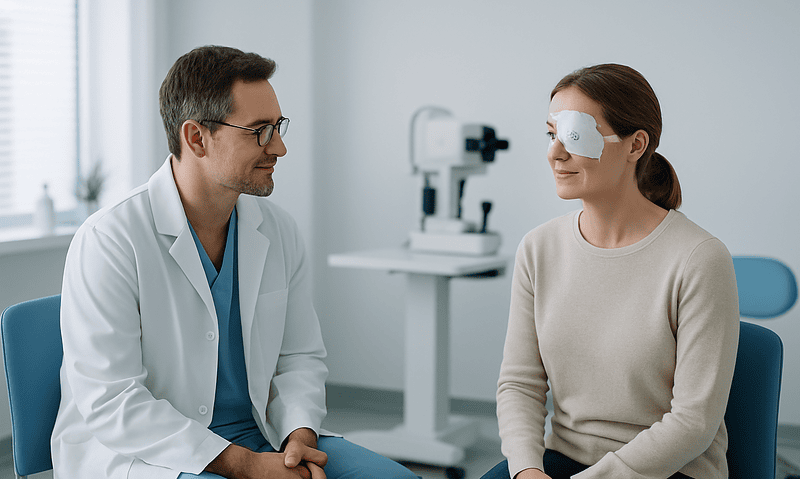
LASEK PRK Recovery: The Bandage Contact Lens, the Hazy Days and When Sight Sharpens
After LASEK or PRK, a soft bandage contact lens protects the cornea while its surface layer regrows, and it is usually removed by the…