Mesotherapy
Mesotherapy is a minimally invasive cosmetic treatment in which very small amounts of a liquid mixture are injected into the middle layer of the skin. It is most often used for skin…
Quick answer
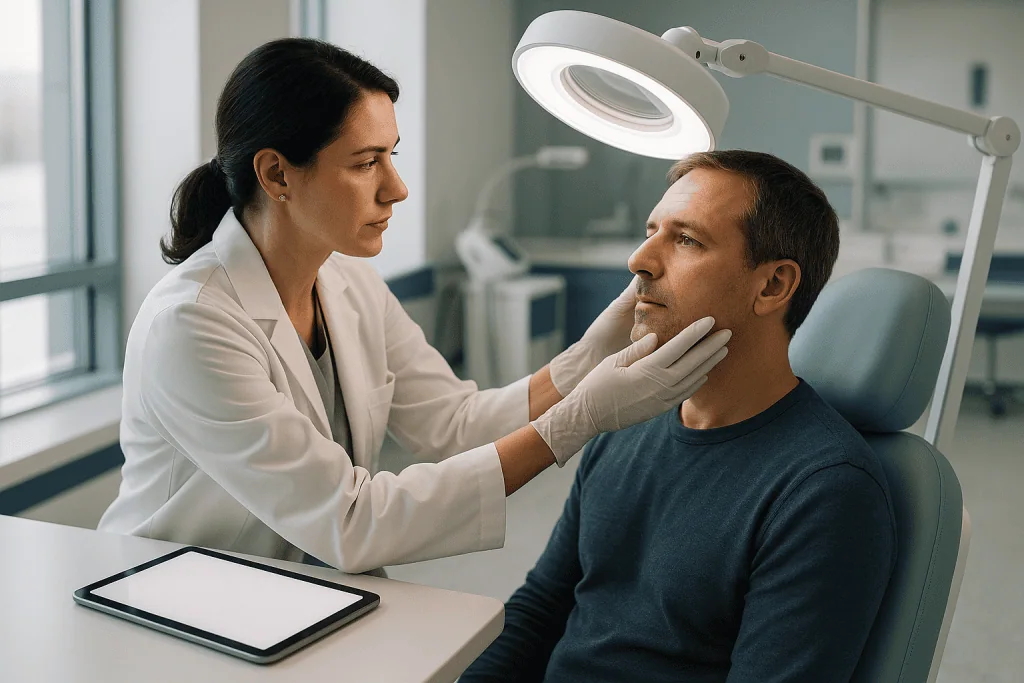
Mesotherapy is a non-surgical treatment in which small amounts of vitamins, hyaluronic acid, plant extracts, or medicines are injected just under the skin. It is used mainly for skin rejuvenation, hair thinning, and localized fat or cellulite. Sessions are short with minimal downtime, but evidence for its benefits is limited and results vary.
What is mesotherapy?
Mesotherapy is a non-surgical treatment in which very small amounts of a liquid mixture are injected just beneath the surface of the skin. The name comes from the mesoderm, the middle layer of tissue that sits under the outer skin. The injections are shallow, usually a few millimeters deep, and are delivered with a fine needle or a device that places many tiny injections at once.
The mixture used in mesotherapy varies widely. Depending on the goal, it may contain vitamins, minerals, amino acids (the building blocks of protein), hyaluronic acid (a naturally occurring substance that holds water in the skin), plant extracts, enzymes, or prescription medicines. Because there is no single standard formula, two clinics offering mesotherapy may inject quite different substances.
Mesotherapy is most commonly used for:
- Skin rejuvenation, meaning treatment aimed at improving hydration, texture, and fine lines on the face, neck, or hands
- Hair thinning, including some forms of alopecia (the medical term for hair loss)
- Localized areas of fat or cellulite (dimpled skin, most often on the thighs and buttocks)
- In some countries, certain types of musculoskeletal pain, although this use is less common and less well studied
It is important to understand that mesotherapy is considered a cosmetic or supportive treatment. It is not a substitute for medical treatment of underlying disease, and the evidence supporting it is more limited than for many established procedures.
Who is a candidate
When people ask who needs mesotherapy, the honest answer is that no one medically needs it. It is an elective procedure, meaning it is chosen rather than required. That said, some people may be reasonable candidates after a specialist assessment.
Mesotherapy may be considered for adults who:
- Have mild to moderate skin dullness, dryness, or early fine lines and prefer a minimally invasive option
- Have early or moderate hair thinning and want to explore treatments alongside, or in addition to, standard medical therapy
- Have small, well-defined pockets of stubborn fat or cellulite and realistic expectations about modest change
- Are in generally good health and are not pregnant or breastfeeding
Mesotherapy is generally not suitable for people who:
- Are pregnant, planning pregnancy, or breastfeeding, because the safety of injected substances has not been established in these situations
- Have an active skin infection, rash, eczema, or open wound in the treatment area
- Have a known allergy to any ingredient in the planned mixture
- Have a bleeding disorder or take blood-thinning medicines that cannot be safely paused, as bruising and bleeding risk is higher
- Have uncontrolled diabetes, active cancer, a weakened immune system, or certain heart, kidney, or liver conditions
- Have a history of keloids, which are raised, thickened scars, since injections may trigger them
- Expect dramatic weight loss or a surgical-level result
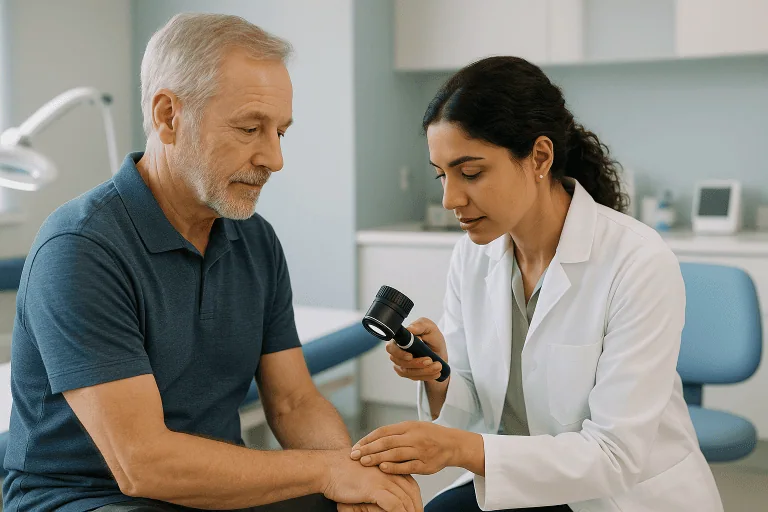
A dermatologist, a doctor who specializes in skin, hair, and nails, is usually the appropriate specialist to assess whether mesotherapy is a sensible option. At Acibadem, this type of treatment is typically managed within the dermatology department. The assessment should include a review of your medical history, current medicines, allergies, and what you hope to achieve.
How the procedure works
The mesotherapy procedure is relatively simple and is performed in an outpatient clinic rather than an operating room. The steps below describe a typical session, although details vary between clinics and treatment goals.
Before the session
- The clinician confirms the treatment area and the planned mixture, and checks for any changes in your health or medicines.
- The skin is cleaned with an antiseptic (a solution that reduces bacteria on the skin).
- A numbing cream, known as a topical anesthetic, may be applied and left in place for a period of time. Some people do not need it because the needles are very fine.
- Photographs are often taken so that changes can be compared later.
During the session
- The clinician injects small amounts of the mixture at many points across the treatment area, usually a short distance apart.
- Injections may be done by hand with a syringe or with a mechanical device or roller that delivers multiple shallow injections at once.
- Most people describe a stinging or pinching sensation. Discomfort is usually mild and brief.
- A session often lasts between 20 and 45 minutes, depending on the size of the area.
After the session
- The area may be gently cleaned again, and a soothing or cooling product may be applied.
- You are usually able to leave the clinic straight away and return to light daily activities.
- The clinician explains aftercare and schedules the next session if a course of treatment is planned.
Mesotherapy is almost always given as a series of sessions rather than a single treatment. Sessions are commonly spaced one to several weeks apart, followed in some cases by less frequent maintenance sessions. Your doctor may suggest a plan based on the area treated and how your skin responds.
Preparation for mesotherapy
Careful preparation helps reduce bruising and other minor problems. Your clinic will give specific instructions, but the following points are common.
- Tell your doctor about all medicines and supplements. This includes aspirin, ibuprofen, and other anti-inflammatory drugs, as well as vitamin E, fish oil, and herbal products, which can increase bruising. Never stop a prescribed medicine, especially a blood thinner, without the advice of the doctor who prescribed it.
- Report allergies. Some mesotherapy mixtures contain multiple ingredients, so a full allergy history matters.
- Avoid alcohol for a day or two beforehand, as it can also increase bruising and swelling.
- Protect the skin from the sun. Sunburned or irritated skin should not be injected, so avoid strong sun exposure and tanning in the days before treatment.
- Arrive with clean skin. Do not apply makeup, lotions, or perfume to the treatment area on the day of the session.
- Postpone if unwell. Let the clinic know if you develop a fever, cold sore, rash, or skin infection near the area, because treatment may need to be delayed.
- Eat normally. Fasting is not usually required, and having a light meal can help prevent feeling faint.
It is also worth preparing realistic expectations. Ask what ingredients will be used, why they were chosen for you, how many sessions are anticipated, and what kind of change is realistic.
Recovery and aftercare
Mesotherapy recovery time is generally short compared with surgical procedures, which is one reason people choose it. Most patients return to normal daily activities the same day or the next day. Still, the skin needs a little time to settle.
First 24 to 48 hours
- Mild redness, swelling, small raised bumps at the injection points, and tenderness are common and typically fade within one to two days.
- Small bruises can appear and often take several days to a week or more to clear, especially on the face or legs.
- Avoid touching, rubbing, or applying makeup to the area for the period your clinic advises, often at least several hours to a day.
- Avoid strenuous exercise, saunas, steam rooms, hot baths, and swimming pools for a day or two, as heat and sweat can increase swelling and infection risk.
First week
- Use a gentle cleanser and a plain moisturizer unless told otherwise.
- Protect the area from the sun with clothing or a broad-spectrum sunscreen, since treated skin can be more sensitive.
- Avoid harsh skincare products such as retinoids, acids, or scrubs until the skin has calmed down.
- For scalp treatments, many clinics recommend waiting a set period before washing the hair and avoiding hair dyes for a while.
Any change from mesotherapy tends to be gradual. Some people notice improved skin hydration or a subtle glow after a few sessions, while changes in hair density or body contour, if they occur, may take several months to become visible. A cool compress can help with swelling, and a pain reliever recommended by your doctor can ease tenderness. Follow the aftercare instructions from your own clinic if they differ from the general guidance here.
Risks and side effects
Understanding mesotherapy risks and benefits is essential before agreeing to treatment. Because the substances and techniques used are not standardized, the risk profile can differ from one clinic to another.
Common, usually temporary side effects
- Pain or stinging during the injections
- Redness, swelling, and small bumps at injection points
- Bruising
- Itching or mild sensitivity in the treated area
Less common but more serious risks
- Infection. Any injection that breaks the skin can introduce bacteria. Infections have been reported after mesotherapy, particularly when non-sterile products or poor technique were involved. Signs include increasing redness, warmth, pus, or fever.
- Allergic reactions. Ranging from local rash to, rarely, a severe whole-body reaction, especially when mixtures contain multiple ingredients.
- Skin changes. Darkening or lightening of the skin, scarring, lumps, or firm nodules under the skin that may persist.
- Tissue damage. Some substances used for fat reduction can cause inflammation, uneven contour, or dents in the skin if they spread beyond the intended area.
- Unknown long-term effects. Because ingredients vary and long-term studies are limited, the long-term safety of some mixtures is not well established.
In many countries, the products used in mesotherapy are not specifically approved by regulators for injection into the skin for cosmetic purposes. Safety depends heavily on the training of the person performing the treatment, the sterility of the products, and honest patient selection. Treatment by a qualified medical professional in a clinical setting, with clear information about what is being injected, reduces but does not eliminate these risks.
Results and outlook
The scientific evidence for mesotherapy is mixed. For skin rejuvenation, small studies suggest that some formulations, particularly those containing hyaluronic acid, may modestly improve skin hydration and texture in some people, but many studies are small, short, or lack comparison groups. For hair loss, some clinical reports describe improvement, but results vary widely and mesotherapy is generally regarded as a possible supportive option rather than a proven treatment. For fat reduction and cellulite, the evidence is weakest, and professional dermatology and plastic surgery bodies have generally been cautious about recommending it.
What this means in practice:
- Any benefit is likely to be modest and gradual, not dramatic.
- Results are not permanent. Maintenance sessions are usually needed to sustain any improvement.
- Response differs from person to person, and some people notice little or no change.
- Mesotherapy does not treat the underlying causes of skin aging, hair loss, or weight gain, so a broader plan involving sun protection, nutrition, medical treatment where appropriate, and lifestyle factors matters more for long-term outcomes.
A responsible specialist will explain these uncertainties and discuss alternatives, such as established medical therapies for hair loss, prescription skincare, or other procedures with stronger evidence, so that you can make an informed choice.
Cost considerations
Mesotherapy is an elective procedure and is not covered by health insurance in most cases. Rather than quoting figures, it is more useful to understand what drives the overall cost:
- Number of sessions. Because a course of several sessions is usual, the total cost is often several times the price of a single session, and maintenance sessions add to it over time.
- Size and number of treatment areas. Treating the full face, scalp, or larger body regions takes more product and time than a small area.
- Ingredients used. Mixtures with prescription-grade or branded components tend to cost more than basic vitamin solutions.
- Who performs it. Treatment by a physician in a clinical setting generally costs more than treatment in a non-medical setting, but it also carries greater safeguards.
- Consultation, follow-up, and photography. Some clinics include these in a package; others charge separately.
There is no hospital stay and usually no implant or device left in the body, so those cost drivers do not apply. When comparing quotes, ask exactly what is included and what is being injected. Low cost should never be the main reason for choosing a provider.
Frequently asked questions
Does the mesotherapy procedure hurt?
Most people feel a stinging or pinching sensation with each injection, but it is usually mild and brief because the needles are very fine and shallow. A numbing cream can be applied beforehand to reduce discomfort. Sensitive areas such as around the eyes or on the scalp may feel more tender. Persistent or severe pain afterward is not typical and should be reported to your clinician.
What is the typical mesotherapy recovery time?
Recovery is usually quick. Many patients return to light daily activities the same day, with redness and small bumps often settling within one to two days. Bruising can take a week or longer to fade. Your clinic may ask you to avoid makeup, heat, and vigorous exercise for a day or two. Visible results, if they occur, appear gradually over weeks and months rather than immediately after recovery.
How many mesotherapy sessions are needed?
There is no fixed number. A course of several sessions spaced one to several weeks apart is common, followed by occasional maintenance sessions to sustain any change. The plan depends on the area treated, the mixture used, and how your skin or hair responds. Your doctor may adjust the schedule over time, and it is reasonable to pause if you are not seeing meaningful benefit.
Who needs mesotherapy, and is it ever medically necessary?
Mesotherapy is not medically necessary for anyone; it is an elective cosmetic or supportive treatment. People who consider it usually have concerns about skin quality, hair thinning, or small areas of fat or cellulite and prefer a minimally invasive approach. A specialist assessment helps determine whether it is a reasonable option or whether an established medical treatment would be more appropriate for the underlying concern.
What are the main mesotherapy risks and benefits for hair loss?
The possible benefit is a modest improvement in hair density or quality in some people, although evidence is limited and inconsistent. Risks include scalp pain, bruising, small bumps, infection, and allergic reaction, and results are not guaranteed. Mesotherapy does not treat the cause of most hair loss, so it is usually discussed alongside, not instead of, standard medical therapies recommended by a dermatologist.
Can mesotherapy replace liposuction or weight loss?
No. Mesotherapy is not a weight-loss treatment and does not achieve the degree of change possible with surgical fat removal. For localized fat, the evidence is weak and results, when they occur, tend to be small. People hoping for significant contour change or overall weight reduction are generally better served by discussing diet, exercise, medical options, or surgical procedures with an appropriate specialist.
Is mesotherapy safe during pregnancy or breastfeeding?
Mesotherapy is generally not recommended during pregnancy or while breastfeeding. The mixtures contain a variety of substances whose effects on a developing baby or on breast milk have not been adequately studied. Because the treatment is elective, most clinicians advise waiting until after pregnancy and breastfeeding are complete, and then reassessing whether treatment is still wanted.
When to see a doctor
If you are considering mesotherapy, it is sensible to be assessed by a dermatologist first, particularly in the following situations:
- You have hair loss that is sudden, patchy, or accompanied by scalp itching, scaling, or pain, since these can point to conditions that need specific medical treatment
- You have skin changes such as new or changing moles, persistent rashes, or sores that do not heal, which should be evaluated before any cosmetic treatment
- You have a chronic condition, take blood thinners, or have had a previous reaction to injections or cosmetic products
- You are unsure whether your concern is cosmetic or a sign of an underlying health problem
Urgent red flags after the procedure
Seek prompt medical attention if, after a mesotherapy session, you notice any of the following:
- Spreading redness, increasing warmth, swelling, or pus at the injection sites, or a fever, which may indicate infection
- Hives, swelling of the lips, face, or tongue, difficulty breathing, dizziness, or feeling faint, which can be signs of a serious allergic reaction and require emergency care
- Severe or worsening pain that is not relieved by simple measures
- Skin that turns dusky, purple, or very pale, or areas that blister or break down, which can suggest damage to the skin or its blood supply
- Firm lumps, dents, or skin discoloration that persist beyond a few weeks
Contacting the clinician who performed the treatment is usually the first step for non-urgent concerns, since they know exactly what was injected. For breathing difficulty, facial swelling, or signs of a severe reaction, emergency services should be used without delay.
Preparation
- Tell your doctor about all medicines, supplements, and allergies, especially blood thinners and anti-inflammatory drugs, but do not stop prescribed medicines without medical advice. Avoid alcohol and strong sun exposure for a day or two before treatment. Arrive with clean skin free of makeup or lotions, and postpone the session if you have a fever, rash, or skin infection near the area.
Aftercare
- Expect mild redness, small bumps, and possible bruising that usually settle within days. Avoid touching, makeup, heat, saunas, swimming, and strenuous exercise for the period your clinic advises, often one to two days. Use gentle skincare and sun protection, and seek prompt medical attention for spreading redness, fever, severe pain, or signs of an allergic reaction.
Medically reviewed by the Acıbadem International Medical Board September 14, 2026
See our medical review board →
Update history
- PublishedSeptember 13, 2026
- Medical review approvedSeptember 14, 2026
- Last content updateSeptember 14, 2026
References2
From the Acibadem Blog
Who Should Wait Before Mesotherapy: Health Factors Your Dermatologist Will Ask About
People usually asked to wait before mesotherapy include anyone who is pregnant or breastfeeding, taking blood thinners or living with a bleeding disorder, carrying…
Mesotherapy vs Microneedling for Skin Rejuvenation: How the Two Approaches Differ
Mesotherapy and microneedling both use fine needles, but they do different jobs. Microneedling creates controlled micro-injuries so the skin builds new collagen on its…