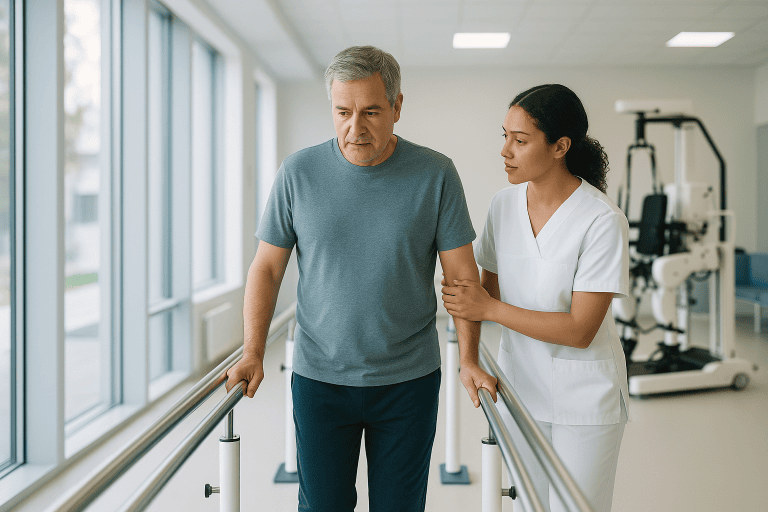
Neuromuscular Diseases Treatment
Neuromuscular diseases affect nerves, muscles or the neuromuscular junction, causing weakness, cramps, numbness or fatigue. Care focuses on diagnosis, symptom control, rehabilitation and long-term follow-up.
Quick answer
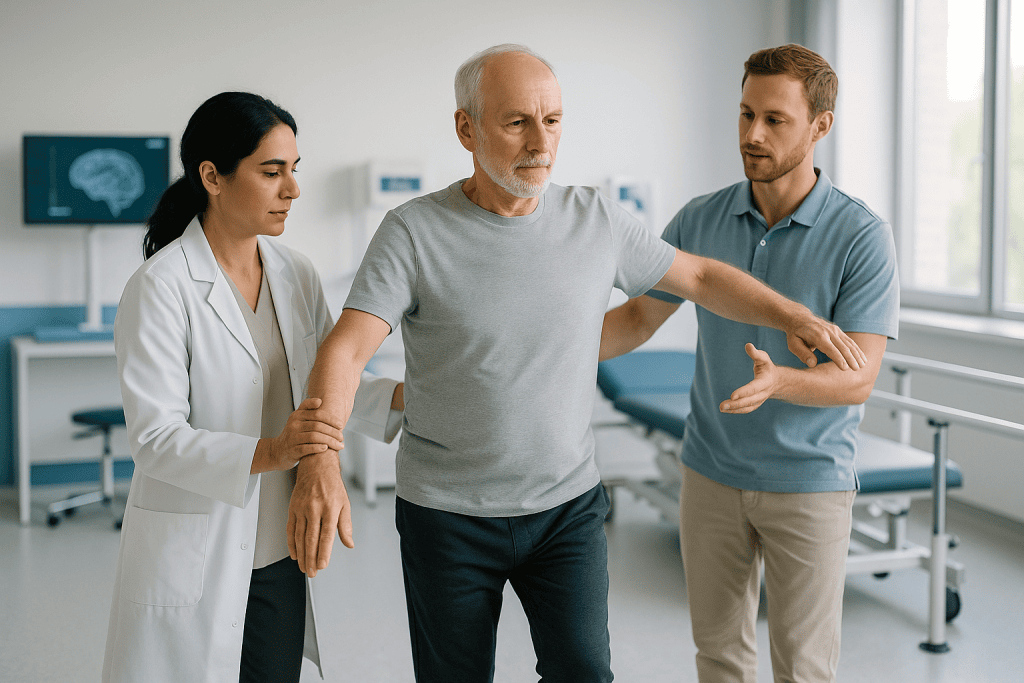
Neuromuscular diseases affect the peripheral nerves, the muscles, or the junction where nerves signal muscles. Care begins with precise diagnosis, examination, nerve conduction studies, electromyography, blood and genetic tests, followed by disease-specific medication where available, rehabilitation, breathing and swallowing support, and long-term monitoring. Some conditions, such as autoimmune disorders, respond well to treatment; others, including muscular dystrophy, are managed to preserve muscle function and independence.
Understanding Neuromuscular Diseases: Muscular Dystrophy, Muscles, Nerves and the Junction Between Them
Neuromuscular diseases are disorders of the peripheral nerves, the muscles, or the neuromuscular junction: the point where a nerve signal tells a muscle to move. Treating them is not a single procedure but a coordinated pathway: precise diagnosis first, then disease-specific therapy where one exists, rehabilitation, prevention of complications and structured long-term follow-up. This pathway is for anyone whose weakness, sensory changes, cramps or fatigue point to a problem in nerve or muscle, from muscular dystrophy, where muscles themselves gradually break down, to autoimmune neuropathies and junction disorders that often respond to immune treatment.
These conditions can change daily life in ways that are difficult to explain at first. You may notice that climbing stairs takes more effort, your hands tire when buttoning a shirt, your eyelids droop late in the day, cramps interrupt sleep, or numbness and tingling make walking feel uncertain. For some people, symptoms appear suddenly. For others, they develop slowly over months or years, which makes it hard to know when specialist review is worthwhile. Neither pattern is more or less serious in itself; each simply points the diagnostic process in a different direction.
It is natural to feel anxious when weakness, fatigue, muscle wasting, balance problems or breathing difficulty begin to interfere with normal activities. Many patients also arrive with unanswered questions after several visits elsewhere: Is this coming from the nerves or the muscles? Is it treatable? Will it progress? Could my children be affected? What can be done now to preserve strength and independence? These are the right questions, and a structured evaluation exists to answer them.
The earlier the cause is understood, the more effectively physicians can choose therapies, protect breathing and mobility, manage pain or cramps, and help you plan with greater clarity. That is why good neuromuscular care front-loads the diagnostic work: a patient with muscle inflammation needs a different plan from a patient with peripheral neuropathy, and a person with myasthenia gravis requires different monitoring from someone with muscular dystrophy or a hereditary neuropathy.
At Acibadem, care for neuromuscular diseases is built around detailed neurological evaluation, modern diagnostic testing, multidisciplinary discussion and personalised treatment planning. This structure matters, because neuromuscular conditions can be complex, rare and easily misclassified without specialist review.
What is neuromuscular disease?
A neuromuscular disease is any disorder that impairs the peripheral nervous system, the muscle fibres themselves, or the communication between the two. The term covers motor nerves that control movement, sensory nerves that carry feeling, autonomic nerves that regulate functions such as blood pressure and sweating, the neuromuscular junction where the nerve signal is handed over, and the muscle itself. It is an umbrella term, not one diagnosis. Some neuromuscular diseases are autoimmune, meaning the immune system mistakenly attacks nerve, muscle or junction. Some are inherited and caused by genetic changes. Others result from inflammation, infection, toxins, metabolic disorders, vitamin deficiencies, endocrine disease, medications, cancer-related immune responses or systemic illness such as diabetes.
What is the most common neuromuscular disease?
Taken as a whole category, peripheral neuropathy is the most common neuromuscular disease seen in adult clinics, and diabetic neuropathy is the most frequent single cause in most populations. Within the inherited muscle diseases, the picture depends on age: Duchenne muscular dystrophy is the most common form diagnosed in boys during early childhood, while myotonic dystrophy is the muscular dystrophy most often diagnosed in adults. Among disorders of the neuromuscular junction, myasthenia gravis is the most common. This variety is exactly why the diagnostic label matters more than the umbrella term: the treatment for diabetic neuropathy has almost nothing in common with the treatment for myasthenia gravis, even though both sit under the same heading.
What Neuromuscular Disease Care Involves
Neuromuscular disease care focuses on identifying the exact site and mechanism of the problem, then matching treatment to it. Even when two patients describe similar symptoms, say, difficulty rising from a chair, their causes and options may be entirely different. One may have an inflammatory muscle disease that improves with immune therapy; the other may have an inherited condition where the priority is rehabilitation, cardiac screening and family counselling.
Diagnosis usually combines several components: a detailed history, a structured neurological examination, electrodiagnostic testing such as nerve conduction studies and electromyography, laboratory tests, imaging when needed, genetic testing for selected patients, and functional assessments of walking, swallowing, breathing and daily activity. Not every patient needs every test; a thoughtful pathway avoids both under-testing and unnecessary procedures.
Once the diagnosis is clear, the care team may recommend medication, immune-based therapy, rehabilitation, respiratory support, nutritional support, pain control, assistive devices or disease-specific treatment where one exists. The goal is not only to treat the disease process but to protect function: strength, endurance, safety, independence, family risk, emotional well-being and long-term monitoring all belong in the plan.
It helps to be honest about limits from the start. Some neuromuscular diseases can be brought under excellent control. Others cannot be reversed, and treatment focuses on slowing progression, managing symptoms and preventing complications. In both situations, careful follow-up makes a measurable difference to daily life, and knowing which situation applies to you is itself one of the most valuable outcomes of a proper evaluation.
Which chronic autoimmune disease affects the neuromuscular junction?
Myasthenia gravis is the chronic autoimmune disease that affects the neuromuscular junction. In this condition, antibodies interfere with the receptors or supporting proteins that receive the nerve’s chemical signal, so the muscle responds weakly even though both nerve and muscle are structurally healthy. The result is fluctuating weakness that typically worsens with repeated use and improves with rest, drooping eyelids, double vision, slurred speech, swallowing difficulty and limb fatigue are classic features. Lambert-Eaton myasthenic syndrome is a rarer autoimmune junction disorder with a different antibody target and different associations, which is one reason specialist testing matters.
Which chronic, progressive neuromuscular disease is characterized by extreme muscle weakness?
In textbooks and examinations, the chronic progressive neuromuscular disease characterized by extreme, fatigable muscle weakness is myasthenia gravis. In everyday clinical language, however, several conditions can produce profound weakness, including motor neuron disease and advanced muscular dystrophy. The distinguishing feature of myasthenia gravis is fatigability, weakness that measurably worsens with repetition and recovers with rest, which examiners can demonstrate at the bedside and confirm with repetitive nerve stimulation.
How Muscular Dystrophy Affects Muscles
Muscular dystrophy is not one disease but a family of inherited disorders in which muscle fibres progressively break down and are replaced over time. In muscular dystrophy, muscles lose the structural proteins that normally keep their fibres intact under the mechanical stress of contraction. Without those proteins, fibres are damaged with ordinary use, and the body’s repair capacity is gradually outpaced by the rate of injury.
This mechanism explains the typical course. In most forms of muscular dystrophy, muscles closest to the trunk, hips, thighs, shoulders and upper arms, weaken first, because they do the heaviest lifting. As fibres are lost, they are replaced by fat and connective tissue, which is why a weakening calf can paradoxically look larger, a sign called pseudohypertrophy. Unlike nerve disorders, where the muscle is healthy but poorly supplied, in muscular dystrophy the muscles themselves are the primary problem, and electromyography and muscle imaging reflect that difference.
The main types differ in the gene involved, the age of onset and the pattern of weakness. Duchenne muscular dystrophy, caused by loss of the protein dystrophin, begins in early childhood and progresses relatively quickly. Becker muscular dystrophy involves a partly functional dystrophin protein and follows a milder, slower course. Myotonic dystrophy adds muscle stiffness after contraction and can involve the heart, eyes and hormonal systems. Limb-girdle muscular dystrophies affect the hip and shoulder girdles at varying ages. Facioscapulohumeral dystrophy typically involves the face and shoulder blades. Congenital muscular dystrophies present in infancy, while Emery-Dreifuss and oculopharyngeal forms have their own distinctive patterns. Precise genetic diagnosis matters because monitoring, family counselling and eligibility for disease-specific therapies all depend on the exact type.
What are usually the first signs of muscular dystrophy?
The earliest signs usually involve the large muscles near the trunk rather than the hands or feet. In children, common first signs are delayed walking, frequent falls, difficulty running or climbing stairs, walking on the toes, enlarged calves and the characteristic way a child pushes up from the floor using the hands to “climb” up the legs, known as Gowers’ sign. In adolescents and adults, first signs may include difficulty lifting the arms overhead, rising from low chairs, gripping objects in myotonic forms, or a change in facial expression and shoulder posture in facioscapulohumeral disease. Because muscular dystrophy weakens muscles gradually, families often adapt without noticing for some time; comparing what a person could do a year ago with what they can do today is often more revealing than any single moment.
What disease is mistaken for muscular dystrophy?
Several conditions can mimic muscular dystrophy, and distinguishing them is one of the main reasons a full workup exists. Spinal muscular atrophy affects motor neurons rather than muscle but produces similar proximal weakness in children. Inflammatory myopathies such as polymyositis can resemble limb-girdle dystrophy in adults, yet they are treatable with immune therapy: a critical distinction to make. Metabolic and mitochondrial myopathies cause exercise intolerance and weakness that can look dystrophic. Myasthenia gravis, with its fluctuating weakness, is occasionally confused with muscle disease, and certain medication-related muscle injuries can raise muscle enzymes and imitate early dystrophy. Chronic inflammatory nerve disorders are usually separable on electrodiagnostic testing; when demyelination is suspected, the workup overlaps with the evaluation of demyelinating diseases. Genetic confirmation is the surest way to close the question.
Can you rebuild muscle with muscular dystrophy?
To a limited and carefully managed extent, yes, but the underlying process is not reversed by exercise. In muscular dystrophy, muscles that still have healthy fibres can be conditioned, and appropriate low-to-moderate intensity activity helps maintain strength, flexibility and cardiovascular fitness. What supervised programmes avoid is high-resistance or eccentric training, because mechanically stressing fragile fibres can accelerate damage in some dystrophy types. The honest framing is this: exercise in muscular dystrophy is about preserving what exists and slowing functional decline, not rebuilding what the disease has removed. A physiotherapist experienced in neuromuscular conditions can set the right level, adjust it as the disease evolves, and combine it with stretching to delay contractures, fixed shortening of muscles and tendons that limits joint movement.
What is life expectancy for muscular dystrophy?
There is no single answer, because life expectancy depends heavily on the type. Some forms, including facioscapulohumeral dystrophy and many limb-girdle dystrophies, are often compatible with a normal or near-normal lifespan. Duchenne muscular dystrophy historically shortened life substantially, and while it remains a serious, life-limiting condition, structured respiratory support, cardiac management and coordinated multidisciplinary care have meaningfully changed the outlook compared with past generations. Becker dystrophy generally follows a longer course than Duchenne. Because heart and breathing muscle involvement are the main drivers of risk in the severe forms, proactive monitoring of both is a standard part of care, and the most useful prognosis is always the one your own specialist gives for your specific type, genetic result and current function.
Cardiac and respiratory surveillance deserve emphasis. Several dystrophies affect the heart muscle itself, producing cardiomyopathy that may progress silently before symptoms appear; this overlaps with the broader field of myocardial diseases and is why periodic cardiology review is built into follow-up. When muscular dystrophy or another inherited neuromuscular condition presents in childhood, evaluation and long-term planning are organised through pediatric neuromuscular services, where growth, schooling and family counselling are part of the same conversation.
Who May Need Evaluation for Neuromuscular Disorders
Neuromuscular disorders warrant specialist evaluation when weakness, sensory changes, muscle symptoms or unexplained fatigue suggest a problem in nerves or muscles. Some people are referred after abnormal blood tests, such as elevated muscle enzymes found incidentally. Others seek review because symptoms have progressed despite previous treatment, or because a diagnosis remains uncertain after tests elsewhere.
Typical symptoms include:
- Muscle weakness, difficulty walking, frequent falls or foot drop
- Trouble lifting the arms, loss of grip strength, muscle wasting
- Cramps, twitching, stiffness or muscle pain
- Numbness, tingling, burning sensations or imbalance
- Drooping eyelids, double vision, slurred speech or swallowing difficulty
- Shortness of breath with exertion, or fatigue that worsens with repeated activity
Symptoms may be symmetrical or affect one side more than the other, and may involve the limbs, face, throat, breathing muscles or the whole body. The pattern itself is diagnostic information, which is why the process begins with a careful history: when symptoms began, whether they fluctuate, what makes them worse, whether there is pain or sensory loss, and whether family members have similar problems. Medication history, occupational exposures, past infections, autoimmune disease, cancer history, diabetes, thyroid disease and vitamin status may all be relevant.
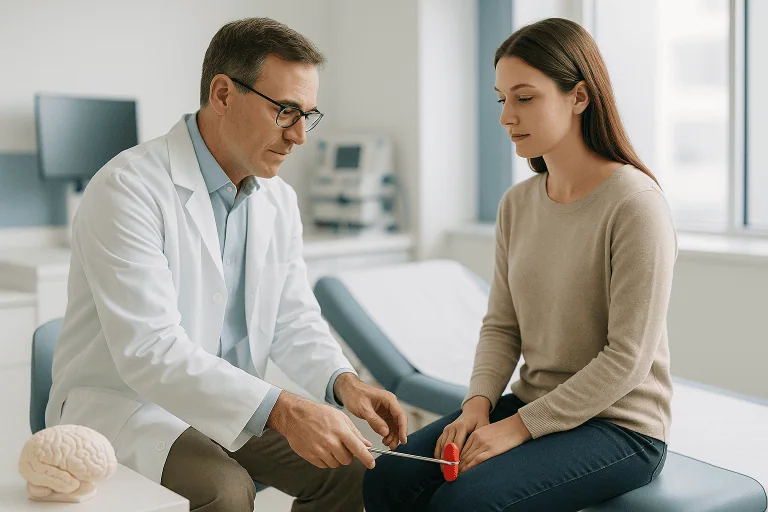
A detailed neurological examination follows. The physician evaluates strength in specific muscle groups, reflexes, sensation, coordination, walking pattern, muscle bulk and tone, eye movements, speech, swallowing signs and breathing effort. This examination localises the problem, muscle, nerve root, peripheral nerve, neuromuscular junction or motor neuron, and that localisation drives every test that comes next.
Many patients pursue a second opinion when they have been told that “nothing can be done”, when symptoms are progressing, when test results conflict, or before committing to long-term immunotherapy or family-planning decisions that depend on a genetic result. A structured neuromuscular evaluation can often clarify the diagnosis, confirm or refine an existing plan, and define realistic treatment goals, including, sometimes, the honest conclusion that the current plan is already the right one.
Conditions and Indications Addressed
Neuromuscular care covers a broad range of disorders. The treatment plan depends on the diagnosis, disease activity, severity, age, general health and personal goals. Some conditions are potentially reversible or highly treatable; others are chronic and require ongoing management to slow progression, preserve function and prevent complications.
Peripheral neuropathies include diabetic neuropathy, inflammatory neuropathies, hereditary neuropathies, toxic neuropathies and neuropathies related to vitamin deficiencies or systemic disease. Patients may experience numbness, burning pain, weakness, imbalance or loss of reflexes, and treatment depends almost entirely on the underlying cause.
Autoimmune and inflammatory disorders include myasthenia gravis, chronic inflammatory demyelinating polyneuropathy, Guillain-Barré syndrome, inflammatory myopathies and vasculitic neuropathies. These conditions may respond well to immune-based treatment when diagnosed correctly and treated promptly, which is why they are actively searched for during the workup. Where infection is suspected as a trigger or cause, evaluation may overlap with neuroinfectious diseases pathways.
Muscle diseasesthe myopathies, diseases in which the muscle fibre itself is the primary problem, include muscular dystrophies, metabolic myopathies, mitochondrial disorders, congenital myopathies, medication-related muscle injury and inflammatory muscle disease. Patients may have proximal weakness, exercise intolerance, muscle pain, elevated muscle enzymes or progressive loss of muscle mass. In each such disease, myopathy means the fault lies in the muscle itself rather than in the nerve supplying it, and both testing and rehabilitation are chosen accordingly.
Motor neuron diseases, including amyotrophic lateral sclerosis and related disorders, require precise diagnosis and close multidisciplinary care. These conditions sit at the border between neuromuscular medicine and the broader field of neurodegenerative diseases. Treatment focuses on preserving function, supporting breathing and nutrition, managing symptoms, planning assistive technology and offering disease-modifying therapy where indicated.
Neuromuscular junction disorders include myasthenia gravis and Lambert-Eaton myasthenic syndrome, with their fluctuating weakness, eye and swallowing symptoms and characteristic fatigability. Treatment may include medications that improve nerve-to-muscle communication, immune therapy and evaluation for associated conditions, including thymus-related disease in myasthenia gravis.
Patients are also evaluated for cramps and fasciculations, unexplained muscle stiffness, episodic weakness, autonomic neuropathy, small fibre neuropathy, inherited nerve and muscle diseases, and complex presentations that involve multiple body systems. The central question is always the same: what is the biological cause, and what can be done safely and effectively for this individual patient?
How Neuromuscular Disease Care Is Performed: From Diagnosis to Long-Term Follow-Up
Preparation Before the First Specialist Visit
Evaluation usually starts before the first appointment. Previous medical records, laboratory results, imaging studies, electrodiagnostic reports, medication lists, family history and any existing genetic results are reviewed so that testing builds on what is already known rather than repeating it. Short videos recorded at home, abnormal walking, eyelid drooping, tremor, cramps or episodes of weakness, are often genuinely useful, because fluctuating symptoms have a habit of disappearing during clinic visits.
Specialist Examination and Diagnostic Planning
The first clinical step is a detailed consultation with a neurologist experienced in neuromuscular disorders. From there, the pathway typically runs in a defined sequence:
- History: onset, tempo, fluctuation, triggers, pain, sensory involvement and family pattern.
- Examination: strength by muscle group, reflexes, sensation, gait, bulk, tone, eye movements, speech, swallowing and breathing effort.
- Localisation: deciding whether the evidence points to muscle, peripheral nerve, nerve root, neuromuscular junction or motor neuron.
- Targeted testing: electrodiagnostics, laboratory panels, imaging, genetics or biopsy, chosen to answer the specific question the examination raised.
- Multidisciplinary review: complex or uncertain findings are discussed across specialties before treatment begins.
- Treatment planning: a personalised plan with defined monitoring and follow-up points.
Not every patient needs every step at full depth. The purpose of the sequence is to make each test answer a question, rather than casting a wide, unfocused net.
Electrodiagnostic and Laboratory Testing
Nerve conduction studies and electromyography are commonly performed as outpatient procedures. Small electrical impulses measure how fast and how strongly signals travel through nerves; a fine needle electrode placed into selected muscles records their electrical activity at rest and during contraction. These tests can be mildly uncomfortable, and it is fair to know that in advance, but they provide information about nerve and muscle function that no scan can replace, and they are usually the decisive step in separating nerve disorders from muscle disorders. When neuromuscular junction disease is suspected, repetitive nerve stimulation or single-fibre electromyography may be added.
Laboratory testing may evaluate muscle enzymes, inflammation markers, autoimmune antibodies, vitamin levels, thyroid function, diabetes control, kidney and liver function, and infection-related causes, as well as organ function before certain medications are considered. In suspected inherited disease, genetic testing may identify a specific mutation and guide family counselling. When genetic results are complex, specialist interpretation is essential, because not every detected variant explains the symptoms: a nuance that causes real confusion when reports are read without expert context.
Imaging, Biopsy and Functional Assessment
Imaging helps evaluate muscles, nerves, the spine or associated conditions. Muscle MRI may show patterns of inflammation, fatty replacement or selective muscle involvement, patterns that can themselves point towards particular dystrophies or myopathies. Spine imaging is used when nerve root compression belongs in the differential diagnosis, and chest imaging may be considered in selected patients with myasthenia gravis or suspected cancer-related immune syndromes.
Muscle or nerve biopsy is used selectively, usually when diagnosis remains uncertain after less invasive testing. A small tissue sample is examined with specialised laboratory techniques for inflammation, structural muscle disease, nerve fibre loss, abnormal deposits or other changes. Biopsy is not routine, but in complex cases it can settle questions nothing else can.
Functional assessment translates the diagnosis into practical terms: walking safety, fall risk, hand function, swallowing, speech, breathing strength, fatigue, pain, nutrition and daily activity limitations are each measured so that treatment targets real life, not just test results.
Creating the Treatment Plan
For autoimmune or inflammatory neuromuscular diseases, treatment may include corticosteroids, steroid-sparing immunosuppressive medications, intravenous immunoglobulin, plasma exchange or targeted immune therapies where appropriate. These treatments require careful selection, monitoring and adjustment to balance benefit and risk, and the choices belong to the treating physician who knows the whole clinical picture.
For neuromuscular junction disorders, medications may improve nerve-to-muscle communication while immune-directed treatment reduces disease activity. Some patients need evaluation for thymus-related disease and surgical consultation when indicated. Rapidly worsening symptoms, particularly those affecting breathing or swallowing, are managed with hospital-based monitoring rather than outpatient scheduling.
For inherited muscle and nerve diseases, including the muscular dystrophies, care centres on accurate genetic diagnosis, rehabilitation, orthopaedic and cardiac monitoring where relevant, respiratory assessment, symptom treatment and family counselling. In selected conditions, disease-specific therapies may be considered according to current evidence and eligibility criteria, eligibility that often depends on the exact genetic finding, which is another reason precise diagnosis comes first.
For peripheral neuropathy, treatment follows the cause: improving diabetes control, correcting vitamin deficiencies, removing toxic exposures, treating autoimmune inflammation or managing the underlying systemic disease may reduce progression, while neuropathic pain is addressed with specific medications, topical therapies, lifestyle measures and rehabilitation strategies. For motor neuron diseases and other progressive disorders, care is multidisciplinary from the beginning: disease-modifying medication where appropriate, respiratory monitoring, nutrition and swallowing support, communication planning, mobility aids, spasticity control and structured follow-up, with early planning helping patients maintain function and make informed decisions.
Rehabilitation, Respiratory Care and Daily Function
Rehabilitation in neuromuscular disease is not simply exercise. The wrong level of exertion can worsen fatigue or increase injury risk in fragile muscle, while too little activity accelerates deconditioning. Physical and rehabilitation medicine specialists and physiotherapists design programmes for strengthening, stretching, endurance, balance, gait training and energy conservation, calibrated to the specific diagnosis and revised as it evolves.
Occupational therapy addresses hand function, work tasks, dressing, bathing, writing and adaptive devices. Speech and swallowing therapy becomes important when facial, throat or breathing muscles are affected, and nutritional support helps maintain weight and reduce aspiration risk when swallowing weakens. Respiratory assessment, pulmonary function testing, sleep evaluation, cough strength measurement and, where indicated, non-invasive ventilation, matters in any condition that involves the breathing muscles, because early respiratory support can reduce complications and improve daily comfort in selected patients.
Typical Duration and Follow-Up
The duration of evaluation varies. Some diagnoses can be clarified within a short outpatient assessment; complex cases may require several days of coordinated testing. Acute presentations, such as rapidly progressive weakness or breathing difficulty, are handled as inpatient emergencies. Chronic conditions require follow-up over months and years, with treatment adjusted according to response, side effects and disease activity. Recovery varies just as widely: in some immune-mediated conditions patients improve substantially with treatment, though relapses can occur and monitoring remains necessary; in inherited or degenerative disease, treatment may not reverse the condition, but it can help preserve mobility, manage symptoms, prevent complications and support independence. A good care plan is realistic, proactive and revised as needs change.
Why Acting Early Matters
Progressive neuromuscular symptoms deserve evaluation rather than watchful waiting, particularly when they are spreading, causing falls, or affecting speech, swallowing or breathing. Early evaluation matters because some neuromuscular diseases are genuinely treatable, and delay allows inflammation, nerve injury, muscle loss or respiratory complications to advance while the window for benefit narrows.
In autoimmune neuropathies and inflammatory muscle diseases, timely treatment may reduce ongoing damage and improve the chance of meaningful improvement. In myasthenia gravis, recognising worsening swallowing or breathing early allows treatment to be intensified before a crisis develops. In peripheral neuropathy, identifying diabetes, vitamin deficiency, toxin exposure or immune disease early may help slow progression and reduce pain.
Even when a condition is chronic or inherited, early diagnosis has real value. Patients can begin appropriate rehabilitation, avoid medications known to aggravate their condition, receive cardiac and respiratory screening where indicated, access genetic counselling, and plan mobility and work adjustments before complications force the issue. Acting early also reduces uncertainty, often the heaviest part of living with unexplained symptoms.
Can neuromuscular disease be cured?
Some can be treated very effectively; many cannot be cured in the strict sense. Certain causes are fully correctable: a vitamin deficiency neuropathy or a medication-related muscle injury may resolve once the cause is addressed. Autoimmune conditions such as myasthenia gravis and inflammatory myopathies often reach good, durable control with treatment, even though ongoing monitoring is needed. Inherited conditions, including the muscular dystrophies, currently cannot be reversed; for selected genetic diagnoses, disease-specific therapies exist that aim to slow the process, and research in this field is active. The honest summary: whether your condition is curable, controllable or manageable depends entirely on the diagnosis, which is why establishing it precisely is the first priority.
Can neuromuscular disease kill you?
Some neuromuscular diseases can be life-threatening, and many are not. The serious risks come from three directions: weakness of the breathing muscles, unsafe swallowing that leads to aspiration and chest infection, and involvement of the heart muscle or its rhythm in certain conditions. Motor neuron disease, severe forms of muscular dystrophy such as Duchenne, and untreated myasthenic crisis carry real mortality risk through these mechanisms. Many other neuromuscular disorders, most peripheral neuropathies, milder dystrophies and well-controlled autoimmune disease, do not shorten life. This is precisely why breathing, swallowing and cardiac surveillance are built into follow-up: the dangerous complications are, to a meaningful degree, anticipatable and manageable when they are watched for.
Benefits of Neuromuscular Disease Treatment
The benefits of care depend on the diagnosis, but a structured neuromuscular pathway helps patients move from uncertainty to a practical, medically grounded plan.
| Benefit | What It Means for You |
|---|---|
| More precise diagnosis | Understanding whether symptoms come from nerves, muscles, the neuromuscular junction or another cause allows treatment to be selected appropriately rather than by trial and error. |
| Targeted treatment options | Immune therapy, medication adjustment, genetic evaluation, rehabilitation or respiratory support can be matched to the specific condition rather than used broadly. |
| Protection of function | Therapy focuses on walking, hand use, swallowing, breathing, pain control, fatigue management and independence in daily activities. |
| Complication prevention | Monitoring can identify risks such as falls, aspiration, respiratory weakness, medication side effects or cardiac involvement before they become more serious. |
| Long-term planning | Patients and families can make informed decisions about follow-up, work, travel, exercise, assistive devices and genetic counselling when relevant. |
Recovery and Follow-Up Timeline
Because neuromuscular diseases vary widely, the timeline below describes common expectations rather than a fixed schedule for every patient.
| Time Period | What Patients Can Expect |
|---|---|
| Day 1 | Initial specialist consultation, neurological examination, review of previous records, and planning of diagnostic tests based on symptoms and urgency. |
| First Week | Electrodiagnostic testing, laboratory studies, imaging, respiratory or swallowing assessment, and early treatment decisions may be completed when clinically appropriate. |
| First Month | Diagnosis is refined, medications or immune therapy may be adjusted, rehabilitation begins or continues, and safety recommendations are introduced for daily life. |
| First 3 to 6 Months | The care team monitors response to treatment, side effects, strength, walking ability, fatigue, pain, breathing and functional goals. Some patients improve; others focus on stabilisation. |
| Longer Term | Ongoing follow-up supports disease monitoring, relapse prevention when relevant, rehabilitation updates, respiratory and cardiac screening, and adaptation of the care plan over time. |
Factors That Influence Outcomes
Outcomes in neuromuscular diseases are shaped by several factors, beginning with the exact diagnosis. Some conditions respond well to treatment, particularly certain autoimmune and inflammatory disorders. Others are chronic, inherited or progressive, and treatment focuses on slowing decline, improving comfort and preserving daily function. A clear diagnosis is the foundation of realistic expectations: it tells you which of these situations you are in.
Timing matters. Patients evaluated before severe muscle wasting, fixed contractures, repeated falls, aspiration or respiratory compromise develop often have more options and better functional potential. That said, patients with long-standing symptoms still benefit from reassessment, rehabilitation, symptom control and complication prevention; it is never too late for the plan to improve.
Disease severity at presentation is important. A mild sensory neuropathy requires a different plan from rapidly progressive weakness. A patient with normal breathing strength can usually be managed as an outpatient, while declining respiratory function calls for closer monitoring and support. Swallowing difficulty, weight loss, infections and severe fatigue also affect the course of recovery.
General health influences treatment choices. Diabetes, kidney disease, liver disease, heart disease, infections, osteoporosis, pregnancy, cancer history and immune status may all affect which medications are safe. Some immune therapies require laboratory monitoring and infection risk assessment before and during use. Treatment must be appropriate for the whole person, not only the neurological diagnosis.
Adherence to follow-up is another major factor. Neuromuscular care requires adjustment over time: medication doses are revised, rehabilitation plans change, and respiratory or swallowing assessments need repeating. Patients who report new symptoms early and attend scheduled monitoring receive timely modifications rather than late corrections. Rehabilitation quality matters in parallel, safe, individualised therapy maintains flexibility, reduces falls and supports mobility, while overexertion can harm certain muscle diseases and inactivity worsens weakness through deconditioning.
Family and social support round out the picture. Some neuromuscular conditions affect work, caregiving roles, transportation and home safety, and educating family members improves medication adherence, nutrition, mobility assistance and emotional resilience. When a disease is inherited, family counselling helps relatives understand testing options and their own risk. A good result is not always defined by cure: for many patients, success means knowing the diagnosis, reducing symptoms, avoiding complications, improving walking safety, stabilising breathing, returning to meaningful activities, or simply having a clear plan for the future. The best care aligns medical evidence with the patient’s own priorities.
How Acibadem Approaches Neuromuscular Disease Care
Patients often seek specialist neuromuscular care when they need diagnostic clarity, coordinated specialist input or a second opinion before committing to long-term treatment. Neuromuscular diseases can be difficult to diagnose, and the difference between one condition and another may rest on careful examination, high-quality electrodiagnostic testing, laboratory interpretation, imaging review and multidisciplinary judgement.
At Acibadem, neurological services are supported by related specialties, physical medicine and rehabilitation, pulmonology, cardiology, rheumatology, immunology, medical genetics, radiology, pathology, nutrition, speech and swallowing therapy, intensive care and pain management. This breadth matters because neuromuscular diseases rarely affect only one part of life: a patient may need a neurologist to guide diagnosis, a rehabilitation team to preserve function, a pulmonologist to monitor breathing and a genetics specialist to interpret inherited risk.
Complex cases may be discussed in multidisciplinary meetings, particularly when the diagnosis is uncertain, immune therapy is under consideration, respiratory or swallowing risk is present, or genetic findings require careful interpretation. This collaborative approach reduces fragmented decision-making and supports plans based on current medical evidence. Technology serves that process rather than replacing it: electrodiagnostic systems measure nerve and muscle function, advanced imaging shows muscle patterns and structural problems, modern laboratory testing evaluates autoimmune, metabolic, infectious and genetic causes, respiratory testing detects early breathing muscle weakness, and swallowing assessments identify aspiration risk, each tool used to answer a specific clinical question.
Just as importantly, experienced physicians explain what is known, what remains uncertain and which treatments are reasonable. Neuromuscular patients are sometimes offered broad medication trials without a firm diagnosis, or told to wait while symptoms progress; a structured evaluation can confirm the current plan, refine it, or identify testing that has not yet been done. The aim is a thorough evaluation, clearly explained findings, and a plan that patients and families can continue with confidence, in collaboration with their own physicians whenever appropriate.
Moving Forward With Clarity
Unexplained weakness, numbness, cramps, fatigue, swallowing difficulty, balance problems or progressive changes in movement all have causes, and most of those causes can be identified with the right sequence of tests. An accurate diagnosis frequently changes the direction of treatment, sometimes towards therapies that were never considered, sometimes away from ones that were never going to help.
Some neuromuscular conditions improve substantially with timely therapy. Others require long-term management, rehabilitation and monitoring. In every case, patients deserve a clear explanation of the diagnosis, the available options, the expected course and the warning signs their own care team wants to hear about. That clarity, more than any single test or medication, is what turns an uncertain set of symptoms into a condition that can be managed, planned around and lived with.
Preparation
- Preparation usually begins with a detailed medical history, neurological examination and review of previous tests or medications. Blood tests, EMG, nerve conduction studies, genetic testing or imaging may be requested. Patients should bring prior reports and list symptoms, triggers and family history.
Aftercare
- Aftercare may include medication follow-up, physical therapy, respiratory or swallowing support, and regular neurological monitoring. Patients should report increasing weakness, breathing difficulty, falls or swallowing problems promptly. Long-term plans are individualized to preserve mobility and daily function.
Frequently Asked Questions
What affects the cost of neuromuscular disease care?
Cost depends on the suspected diagnosis, the number and type of tests needed, whether inpatient care is required, rehabilitation needs, medication plan and follow-up schedule. International travel, accommodation and translation support may also affect the total.
How can I get a personalised quote?
You can request a free consultation by sharing your medical reports, test results, imaging, medication list and a summary of symptoms. A specialist team can then recommend a diagnostic or treatment plan and provide a personalised quote.
Are diagnostic tests included in a neuromuscular disease package?
Packages vary. Some may include the specialist consultation and selected planned tests, while advanced investigations such as genetic testing, biopsy, rehabilitation sessions or additional specialist reviews may be quoted separately.
Why do costs vary between patients with similar symptoms?
Similar symptoms can come from different nerve, muscle or neuromuscular junction conditions. The final plan may differ depending on examination findings, previous test results, disease severity, mobility needs and whether urgent monitoring is required.
Is treatment always started during the same visit?
Not always. Some patients need further diagnostic clarification before treatment is recommended. When the diagnosis is clear, the specialist may discuss medical therapy, rehabilitation and follow-up options during the care pathway.
Is this information medical or financial advice?
No. This is general educational information. A neurologist or relevant specialist should assess suitability for tests and treatments, and the hospital team can provide a personalised quote after reviewing your case.
Medically reviewed by the Acıbadem International Medical Board September 13, 2026
See our medical review board →
Update history
- PublishedJune 8, 2026
- Medical review approvedSeptember 13, 2026
- Last content updateSeptember 12, 2026
References1
- Neuromuscular Disorders medlineplus.gov
Trusted care for international patients
From the Acibadem Blog

Living With a Neuromuscular Disease: Physical Therapy, Swallowing Support and Energy Pacing
Living with a neuromuscular disease usually means building a long-term support plan rather than waiting for a single treatment. Physical therapy helps keep joints…