Neurotology
Neurotology focuses on diagnosis and treatment of inner ear, hearing, balance and facial nerve disorders using ENT expertise, audiology testing and individualized care plans.
Quick answer
Neurotology is a subspecialty of ear, nose and throat medicine that diagnoses and treats disorders of the inner ear, hearing, balance, the facial nerve and the lateral skull base. Care typically involves detailed hearing and balance testing, imaging where needed, and treatment ranging from medication and vestibular rehabilitation to hearing implants and microsurgery, depending on the diagnosis.
Neurotology: When Hearing, Balance or Facial Nerve Symptoms Affect Daily Life
Neurotology is the subspecialty of ear, nose and throat medicine that diagnoses and treats disorders of the inner ear, the hearing and balance systems, the facial nerve and the lateral skull base. It combines detailed testing, medical treatment, rehabilitation and, when needed, microsurgery in one of the most delicate regions of the body. It exists for people whose ear-related symptoms are persistent, complex or unexplained — the cases where a standard ear examination is not enough.
Problems involving hearing, balance and the inner ear can be unsettling in a way that is difficult to explain to others. A sudden change in hearing, persistent ringing, dizziness that makes walking feel unsafe, pressure in the ear, repeated infections or weakness on one side of the face can disrupt work, travel, sleep and personal confidence. Many people worry about whether the symptom is temporary, whether it could become permanent, or whether it points to a more complex neurological or ear-related condition. Neurotology addresses exactly these concerns. It sits at the intersection of otology, audiology, vestibular medicine, neurology, skull base surgery and facial nerve care.
Effective neurotology care begins with precision. Hearing loss is not a single condition. Dizziness is not one diagnosis. Tinnitus, vertigo, ear fullness and facial weakness can arise from many different structures: the inner ear, the auditory nerve, the middle ear, the balance organs, the facial nerve, the brain pathways or the surrounding skull base. The right treatment depends on identifying the source of the problem as accurately as possible — and, just as importantly, on recognising when the honest answer is observation rather than intervention.
At Acibadem, neurotology care is organised around detailed assessment, evidence-based diagnosis and individualised treatment planning. ENT physicians with experience in ear and skull base disorders work closely with audiologists, radiologists, neurologists, neurosurgeons and rehabilitation specialists, and with other disciplines when a case requires them. For international patients, this coordinated approach matters because symptoms have often already been evaluated in more than one setting, and the next step requires a careful review rather than a rushed decision.
What Is Neurotology?
Neurotology is a subspecialty of ENT medicine that diagnoses and treats disorders of the inner ear, the hearing system, the balance system and the facial nerve. It also covers selected conditions of the temporal bone and lateral skull base, where the ear structures and several important nerves lie close together. The field is sometimes written as neuro otology; both spellings describe the same discipline.
The inner ear has two major roles. The cochlea converts sound vibrations into nerve signals the brain interprets as hearing. The vestibular organs sense head movement and position, helping the brain maintain balance and keep vision stable while you move. Running nearby, the facial nerve controls facial expression and also carries fibres related to taste and tear production. Because these structures are small and closely connected, disease in one area can produce symptoms that overlap — which is why a hearing complaint, a balance complaint and a facial nerve complaint are sometimes three signs of one underlying problem.
Neurotology is not limited to surgery. Many patients need diagnostic testing, medical treatment, hearing rehabilitation, balance therapy or structured monitoring rather than an operation. Others may need microsurgical or minimally invasive procedures for chronic ear disease, cochlear implantation, tumours such as vestibular schwannoma, cerebrospinal fluid leaks, cholesteatoma, otosclerosis, complicated ear infections or facial nerve disorders.
What is otology?
The straightforward otology definition is this: otology is the branch of medicine concerned with the anatomy, diseases and surgery of the ear — the ear canal, eardrum, middle ear and mastoid, and the hearing and balance organs of the inner ear. An otologist manages conditions such as chronic ear infections, eardrum perforations, otosclerosis and hearing loss, often using otologic microsurgery to repair or reconstruct the small structures involved. When people ask what is otology and how it differs from neurotology, the practical answer is depth: neurotology extends otology further inward, adding the auditory and balance nerves, the facial nerve and the lateral skull base to the otologic territory. In everyday clinical practice the two fields overlap heavily, and many surgeons train and work in both.
What does a neurotologist do?
A neurotologist evaluates and treats complex disorders of hearing, balance, the inner ear, the facial nerve and the lateral skull base. In practice, that means interpreting advanced hearing and vestibular tests, reviewing high-resolution imaging of the temporal bone and auditory nerve, managing conditions such as Ménière’s disease, sudden hearing loss, cholesteatoma and vestibular schwannoma, and performing surgery when it is genuinely indicated — from eardrum and hearing bone reconstruction to cochlear implantation and skull base procedures. A large part of the work is non-surgical: deciding which patients need an operation, which need medication or rehabilitation, and which are safest under planned observation.
What is the difference between a neurotologist and an otolaryngologist?
An otolaryngologist (ENT physician) manages the full range of ear, nose and throat conditions; a neurotologist is an otolaryngologist who has completed additional subspecialty training focused on the inner ear, hearing and balance nerves, facial nerve and lateral skull base. The difference between otolaryngology and neurotology is therefore one of scope and depth rather than of kind. A general ENT physician typically manages routine ear infections, straightforward hearing loss and common causes of dizziness, and refers onward when a case involves complex inner ear disease, skull base lesions, revision ear surgery or hearing implant candidacy.
What is the difference between a neurologist and a neurotologist?
A neurologist is a physician who diagnoses and medically treats disorders of the brain, spinal cord and nervous system as a whole; a neurotologist is a surgically trained ENT subspecialist focused on the ear and its connections to the nervous system. Their territories meet in the dizzy patient: vertigo can arise from the inner ear (a neurotology problem), from migraine or central brain pathways (often a neurology problem), or from a combination. The two specialties frequently assess the same patients from different directions, and the best outcomes in unexplained dizziness often come from that collaboration rather than from either specialty working alone.
Why would an ENT send you to a neurologist?
An ENT physician refers a patient to a neurologist when the symptom pattern suggests the problem lies beyond the ear itself. Typical examples include dizziness with features of vestibular migraine, headache accompanying vertigo, eye movement findings that point to central pathways rather than the inner ear, unexplained facial weakness or numbness, suspected neurological disease affecting balance, or hearing and balance test results that do not match an ear-based diagnosis. Referral in the other direction is just as common: neurologists send patients to neurotology when tests indicate the inner ear or auditory nerve is the true source.
Whichever route a patient arrives by, a neurotology evaluation combines clinical examination with advanced hearing and balance tests, imaging when appropriate, and a careful review of symptom patterns. The goal is to identify both the diagnosis and its functional impact: how well the patient hears, how stable they feel, whether they can work and travel safely, and how the condition affects quality of life.
Who May Need Neurotology Care
Patients are usually referred to a neurotologist when ear-related symptoms are persistent, recurrent, severe, unusual or difficult to explain. Some come after seeing a general ENT physician. Others seek a further opinion after imaging has shown an acoustic neuroma, after sudden hearing loss, after years of chronic ear disease, or after vertigo episodes that have not responded to initial treatment.
Common symptoms that lead to a neurotology consultation include hearing loss in one or both ears, sudden hearing changes, tinnitus, vertigo, imbalance, ear pressure, repeated ear drainage, chronic ear infections, sound sensitivity, difficulty understanding speech even when sound is audible, facial weakness, facial twitching, ear pain without an obvious cause, or clear fluid leaking from the ear or nose. Some patients also describe nausea, blurred vision during head movement, falls, or difficulty walking in dark or crowded environments — a pattern that often points to the balance system rather than to weakness or fatigue.
Certain histories also make specialist review sensible: previous ear surgery with recurring symptoms, hearing loss that fluctuates rather than staying stable, dizziness triggered reliably by position changes or loud sounds, a family history of otosclerosis, long-term exposure to medication known to affect the inner ear, or head trauma involving the temporal bone. None of these histories is a diagnosis in itself; each is a reason for the more detailed evaluation that neurotology provides.
How a Neurotology Diagnosis Is Made
Diagnosis begins with a detailed medical history. The physician asks when symptoms began, whether they are constant or episodic, what triggers them, whether hearing changes fluctuate, and whether there are associated features such as headache, migraine, neurological signs, infections, trauma, previous ear surgery or medication exposure. This history is often as informative as the test results, because inner ear disorders tend to follow characteristic symptom patterns: the duration of a vertigo attack alone can separate several diagnoses from one another.
The physical examination may include inspection of the ear canal and eardrum under magnification, tuning fork tests, assessment of eye movements, balance screening, cranial nerve examination and facial nerve grading if weakness is present. In some cases, nasal or throat evaluation is also relevant, because Eustachian tube function, infection and skull base anatomy can all influence ear symptoms.
Audiology testing is central to neurotology. Pure-tone audiometry measures hearing thresholds across frequencies. Speech testing evaluates how well the brain understands words, which can differ substantially from how well it detects sound. Tympanometry assesses eardrum and middle ear function. Further tests can evaluate inner ear hair cell function, the auditory nerve’s response and the hearing pathways beyond the ear. Together, these results distinguish conductive hearing loss, sensorineural hearing loss and mixed patterns — a distinction that drives almost every treatment decision that follows.
Vestibular testing may be recommended for dizziness or imbalance. Depending on the symptoms, this can include tests that record eye movements, measure inner ear balance responses, provoke positional vertigo under controlled conditions, assess vestibular reflexes and evaluate postural control under different sensory conditions. These tests help determine whether the problem originates in one ear, both ears, the central nervous system, migraine-related mechanisms or another cause entirely.
Imaging is used selectively rather than routinely. Magnetic resonance imaging evaluates the auditory nerve, inner ear fluid spaces, brain pathways and skull base, and is the standard tool for detecting vestibular schwannoma. Computed tomography shows fine bone detail and is particularly useful in chronic ear disease, otosclerosis, cholesteatoma, congenital ear abnormalities, temporal bone trauma and preoperative planning. Imaging is always interpreted alongside clinical findings, because not every visible change on a scan explains the patient’s symptoms — and treating the scan rather than the patient is one of the errors careful neurotology exists to avoid.
Conditions and Indications Addressed by Neurotology
Neurotology covers a broad group of conditions affecting hearing, balance, the middle and inner ear, and the related nerves. Some are medically managed, some respond to rehabilitation, and some require surgery. A precise diagnosis helps avoid unnecessary treatment and supports timely intervention when it genuinely matters.
Hearing disorders
Hearing-related indications include sudden sensorineural hearing loss, progressive hearing loss, single-sided deafness, age-related hearing loss, otosclerosis, congenital hearing problems, noise-related damage and hearing loss following infection, trauma or previous surgery. Depending on cause and severity, patients may need medication, hearing aids, implantable hearing technology, cochlear implantation or simply structured monitoring. The type of hearing loss determines the path: a mechanical problem in the middle ear may be surgically correctable, while a nerve-related loss is usually rehabilitated rather than repaired.
Balance and vertigo disorders
Balance-related indications include benign paroxysmal positional vertigo, Ménière’s disease, vestibular neuritis, labyrinthitis, bilateral vestibular weakness, persistent postural-perceptual dizziness, vestibular migraine and imbalance after inner ear injury. Treatment may involve repositioning manoeuvres, medication, dietary strategies, vestibular rehabilitation or procedures in selected cases. Because these diagnoses can resemble one another closely, a structured neuro otology assessment is often what separates a treatable positional vertigo from a migraine-driven dizziness that needs an entirely different plan.
Chronic ear and middle ear disease
Chronic conditions include chronic otitis media, eardrum perforation, cholesteatoma, ossicular chain problems, mastoid disease and complications of ear infections. These conditions can damage hearing gradually and, in more serious cases, spread to nearby structures. Surgery may be considered to remove disease, reconstruct the eardrum or hearing bones, and reduce the risk of recurrence. Cholesteatoma deserves particular respect: it is not cancerous, but it erodes bone slowly and does not resolve on its own.
Skull base and facial nerve conditions
Skull base and nerve-related indications include vestibular schwannoma (acoustic neuroma), other cerebellopontine angle tumours, facial nerve tumours, facial nerve paralysis, temporal bone tumours, cerebrospinal fluid leaks and selected congenital or traumatic abnormalities. These cases usually require multidisciplinary evaluation, especially when hearing preservation, facial nerve function and neurological safety must be weighed against one another. For many small, stable tumours, planned observation with serial imaging is a legitimate and common strategy.
Tinnitus and sound sensitivity
Tinnitus and sound sensitivity are frequent reasons for consultation. Tinnitus cannot always be eliminated, and it is honest to say so plainly. What careful evaluation can do is identify the treatable causes, address any underlying hearing loss, and support patients with sound therapy, sleep and stress strategies, and counselling-based approaches that many people find make the symptom far more manageable in daily life.
How Neurotology Evaluation and Treatment Are Performed
Neurotology care is a pathway rather than a single procedure. The steps vary with the condition, but most patients move through a recognisable sequence:
- Clinical assessment and review of previous records
- Targeted hearing, balance and imaging studies
- Diagnosis and individualised treatment planning
- Intervention — medical, rehabilitative or surgical — where appropriate
- Follow-up, rehabilitation and monitoring
Preparation Before Your Visit
Before the consultation, patients are usually asked to gather previous hearing tests, vestibular test results, imaging studies, operative reports, medication lists and a timeline of symptoms. For international patients, reviewing records digitally in advance can help the clinical team determine which tests are likely to be useful during the visit itself, so that travel time is spent on assessment rather than duplication. If dizziness is the main concern, a symptom diary is genuinely valuable: attack duration, triggers, hearing changes during attacks, headache, nausea, falls and medication use all narrow the diagnosis.
Patients should tell the care team about implanted devices, prior ear surgery, allergies, anticoagulant medication, pregnancy, diabetes, immune conditions and any history of neurological disease. If imaging is planned, safety screening is performed first. If surgery is being considered, blood tests, anaesthesia evaluation and medical clearance are arranged as part of the same pathway. Decisions about any medication remain with the treating doctor, who plans them around the specific tests and procedures involved.
The Specialist Examination
The neurotology visit begins with a detailed discussion and a targeted physical examination. The physician reviews the history, examines the ear under magnification, assesses hearing-related signs and evaluates balance or facial nerve function as needed. This step guides which tests are necessary — and, just as usefully, which are unlikely to add anything.
For facial nerve concerns, the physician evaluates symmetry at rest and during movement, eye closure, mouth movement and forehead function. For vertigo, positional testing may be performed to identify displaced crystals in the semicircular canals — a common and highly treatable cause of brief spinning sensations that is frequently resolved with a repositioning manoeuvre performed in the clinic.
Hearing and Balance Testing
Audiology tests take place in controlled sound conditions and may include air and bone conduction thresholds, speech discrimination, middle ear pressure testing and reflex measurements. More specialised studies evaluate cochlear function or the auditory nerve’s responses. These results determine whether hearing can be supported with medical therapy, conventional hearing aids, implantable devices or surgery.
Vestibular tests assess how the inner ear and brain maintain balance together. Some record eye movements while the patient follows visual targets or changes head position. Others measure how each inner ear responds to warm, cool or motion-based stimulation, allowing the two ears to be compared directly. Additional tests assess balance when vision or surface cues are removed. Some vestibular tests can temporarily provoke dizziness; that is expected, brief and part of how the information is obtained — these tests reveal things that no examination alone can show.
Imaging and Diagnostic Review
When imaging is required, high-resolution scans allow physicians to evaluate the delicate anatomy of the ear and skull base. Magnetic resonance imaging is most useful for the inner ear nerves, brain structures, tumours, inflammation and fluid spaces. Computed tomography excels at bone detail: chronic ear disease, otosclerosis, trauma and surgical planning. Findings are reviewed alongside the hearing and balance results to build a complete clinical picture before any treatment decision is made.
Individualised Treatment Planning
Once the diagnosis is clear, the neurotology team discusses the options. Some patients need observation with scheduled follow-up, particularly when findings are stable and symptoms mild. Others benefit from medication, intratympanic injections, hearing rehabilitation, vestibular therapy, migraine management, infection control or surgery.
Planning is individualised because the same diagnosis affects different people differently. A professional musician, a frequent international traveller, an older adult at risk of falls and a young patient with single-sided hearing loss may share a diagnosis and still need different plans. The recommendation weighs medical safety, hearing goals, balance function, facial nerve risk, lifestyle and the patient’s own priorities.
Medical and Rehabilitation Treatments
Medical care may include anti-inflammatory therapy for sudden hearing loss, infection treatment, management of Ménière’s disease, migraine-related dizziness strategies, nausea control during acute vertigo, or medication chosen for a specific underlying condition. In some cases, medication is delivered through the eardrum into the middle ear, so it can act close to the inner ear while limiting exposure to the rest of the body.
Vestibular rehabilitation is often central to recovery from balance disorders. A therapist guides exercises that train the brain to compensate for inner ear weakness, improve gaze stability, reduce motion sensitivity and lower fall risk. The programme is progressed gradually and deliberately: overexertion can worsen symptoms, while undertraining delays the brain’s compensation. Consistency matters more than intensity.
Hearing rehabilitation may involve conventional hearing aids, bone conduction solutions, middle ear implants or cochlear implants, depending on the type and severity of the loss. The goal is not merely to detect sound but to restore communication, safety and participation in daily life — hearing a doorbell is useful; following a conversation in a restaurant is what most patients actually want back.
Surgical Treatment When Needed
When surgery is appropriate, it is planned with careful attention to anatomy, hearing, balance and nerve function. Neurotologic surgery may involve tympanoplasty to repair the eardrum, ossiculoplasty to reconstruct the hearing bones, stapedectomy or stapedotomy for selected cases of otosclerosis, mastoid surgery for chronic infection or cholesteatoma, cochlear implantation for severe hearing loss, repair of cerebrospinal fluid leaks, or skull base procedures for tumours and other complex lesions.
Modern ear and skull base surgery commonly uses operating microscopes or endoscopic visualisation, fine microsurgical instruments, facial nerve monitoring, image-based planning and, in selected cases, intraoperative hearing or nerve assessment. These technologies help the surgeon work within very small spaces and protect the structures that matter most. The specific tools depend on the diagnosis and the surgical plan, not on a standard package.
Procedure duration varies widely. Some ear procedures are completed within a relatively short operative time; skull base or revision operations can take several hours. Many procedures are performed under general anaesthesia. Some less extensive interventions can be done as day cases, while more complex operations require hospital admission and close observation afterwards.
After the Procedure and Early Recovery
Recovery depends on what was done. After ear surgery, patients may have packing in the ear, a dressing, temporary fullness, mild imbalance, taste changes or muffled hearing while tissues heal. Instructions typically cover wound care, keeping the ear dry, activity limits, medication use, when flying is sensible and what warning signs to watch for. It is worth knowing in advance that hearing often cannot be properly assessed until swelling settles and packing is removed — early muffled hearing is expected, not a verdict.
After vestibular treatment, some patients feel better quickly, while others need days to weeks of exercises and gradually increasing activity. After cochlear implantation, the device is typically activated once the incision has healed, followed by programming sessions and auditory training over subsequent visits. After skull base surgery, recovery is more individualised and may include hospital observation, follow-up imaging, facial nerve monitoring, balance therapy and hearing rehabilitation.
Why Acting Early Matters
Some ear and balance symptoms improve without major intervention, but others reward timely assessment. Sudden sensorineural hearing loss is a clear example: medical evaluation matters early because treatment is generally most useful when started promptly, and delay can reduce the chance of hearing improvement in some patients.
Chronic ear infections and cholesteatoma can gradually erode bone and damage the hearing structures. Left unaddressed, they may lead to recurrent drainage, worsening hearing loss, dizziness, facial nerve weakness or, rarely, more serious spread of infection. Early evaluation clarifies whether medical treatment is sufficient or whether surgery is needed to remove disease and protect the surrounding structures.
Persistent vertigo and imbalance carry consequences beyond discomfort. Patients restrict their movement, become deconditioned, avoid travel, lose confidence walking outside and face a higher risk of falls. Early diagnosis can identify treatable causes — positional vertigo, vestibular migraine, one-sided vestibular weakness — and shorten the path back to normal activity.
For tumours involving the hearing and balance nerve, timing is individualised. Some small tumours are monitored with serial imaging; others require treatment because of growth, hearing decline, balance symptoms or pressure on nearby structures. The value of an early, careful evaluation is that it lets the patient weigh observation, radiation-based approaches and surgery calmly and in a planned way, rather than under urgent circumstances later.
Benefits of Neurotology Care
The benefits depend on the diagnosis, but the core value is a focused pathway for conditions that need specialised ear, hearing, balance and nerve expertise rather than general management.
| Benefit | What It Means for You |
|---|---|
| More precise diagnosis | Detailed hearing, balance and imaging assessments identify the source of symptoms rather than treating dizziness or hearing loss as a general complaint. |
| Personalised treatment options | Your plan may include medication, rehabilitation, hearing technology, monitoring or surgery, based on your condition, goals and medical profile. |
| Protection of hearing and nerve function | When intervention is needed, planning focuses on preserving useful hearing, balance function and facial nerve movement wherever medically possible. |
| Improved safety and daily function | Managing vertigo, imbalance or hearing loss can reduce fall risk, improve communication and support a return to work, travel and social life. |
| Coordinated care for complex cases | Patients with tumours, chronic ear disease, facial nerve problems or previous surgery benefit from collaboration among the relevant specialists. |
Recovery Timeline
Recovery varies by diagnosis and treatment type, but it helps to understand the general stages of healing and follow-up.
| Time Period | What Patients Can Expect |
|---|---|
| Day 1 | After diagnostic testing, most patients return to normal activities unless dizziness was provoked. After surgery, monitoring focuses on comfort, balance, wound care and any early nerve or hearing concerns. |
| First Week | Ear fullness, mild discomfort, temporary dizziness or fatigue may occur depending on the treatment. Activity restrictions and keeping the ear protected from water are important after procedures. |
| First Month | Follow-up visits may include examination, removal of packing, medication adjustments, vestibular therapy, hearing rehabilitation planning or device programming where applicable. |
| Longer Term | Hearing improvement, balance compensation and adaptation to hearing devices can continue over weeks to months. Complex conditions may need imaging surveillance or periodic specialist review. |
Factors That Influence Outcomes
Outcomes in neurotology are shaped by the underlying diagnosis, the duration of symptoms, the severity of hearing or balance loss, the condition of the inner ear and nerves, and the patient’s overall health. Two patients with similar symptoms may have different causes and different recovery patterns, which is why honest, individualised expectations matter more than general reassurance.
Timing is one factor. Sudden hearing loss, acute facial weakness, active infection and rapidly worsening symptoms benefit from prompt assessment. Chronic conditions may still be very treatable, but long-standing damage to the delicate inner ear structures or hearing nerves can limit recovery. In those situations, the realistic goal shifts towards rehabilitation, preventing further decline and improving function — which is a genuine goal, not a consolation prize.
Diagnostic accuracy strongly affects the result. Positional vertigo may respond well to canalith repositioning manoeuvres, while vestibular migraine needs an entirely different plan. Conductive hearing loss from otosclerosis behaves differently from nerve-related loss. Tinnitus linked to untreated hearing loss may ease with hearing rehabilitation, while tinnitus from other causes needs symptom-management strategies instead. Getting the diagnosis right is often the single largest determinant of whether treatment helps.
Surgical outcomes depend on disease extent, individual anatomy, prior operations, infection status, hearing reserve and nerve involvement. Revision surgery is usually more complex because normal tissue planes have been altered by earlier procedures. In skull base cases, the relationship between a lesion and the facial nerve, cochlear nerve and brainstem is assessed carefully before any treatment decision — this is where the balance between removing disease and preserving function is decided.
Patient participation matters as well. Vestibular rehabilitation requires consistent practice over weeks. Hearing devices and cochlear implants require fitting, programming and a period of adaptation. After ear surgery, following the instructions about water exposure, flying, lifting, nose blowing and medication use reduces avoidable complications. For international patients, agreeing a clear follow-up plan before returning home is especially important, including which checks can be done locally and which results should be shared with the operating team.
Finally, a good result is not always the complete elimination of every symptom. In many neurotology conditions, success means stable hearing, fewer vertigo attacks, safer walking, controlled infection, better communication, preserved facial movement or simply a clear, agreed plan for monitoring. The most useful outcome measure is the one that reflects both medical safety and the patient’s actual daily life.
Neurotology Care at Acibadem for International Patients
International patients considering neurotology care abroad usually need more than a specialist appointment. They need a reliable diagnostic pathway, clear communication, access to advanced testing, coordinated decision-making and practical support before, during and after travel. Acibadem’s international patient service model is structured around these needs.
Neurotology cases often involve several disciplines at once. A patient with vestibular schwannoma may need input from ENT, neurosurgery, radiology, audiology and rehabilitation. A patient with chronic ear disease may require careful imaging review, hearing evaluation and surgical planning. A patient with unexplained dizziness may benefit from collaboration between ENT, neurology and vestibular therapy. At Acibadem, complex cases can be reviewed through specialist boards or multidisciplinary discussion when appropriate, so that the diagnosis and treatment plan are aligned before anything irreversible is done.
Technology plays a real role, but only when applied thoughtfully. Neurotology care at Acibadem may draw on high-resolution imaging, detailed audiology laboratories, vestibular assessment systems, surgical microscopes, endoscopic visualisation, facial nerve monitoring and implantable hearing technologies. These tools let physicians see very small anatomical structures, measure function objectively, plan procedures and monitor nerve safety during surgery. The benefit to the patient is not technology for its own sake, but better information and more controlled treatment decisions.
Experience matters in this field because the anatomy is delicate and the symptom patterns are subtle. Neurotologic evaluation requires the ability to read how hearing results match imaging, whether vertigo is peripheral or central, whether a tumour can safely be observed, whether surgery is likely to improve hearing, and when rehabilitation is the safer route. Acibadem’s ENT teams work within evidence-based clinical pathways and coordinate with related specialties whenever a case extends beyond the ear alone.
Communication affects both safety and comfort. Acibadem International provides assistance in more than 20 languages, supporting patients with appointments, medical records, hospital admission, interpretation, travel-related logistics and follow-up communication. This support is particularly valuable when multiple tests must fit into a limited travel window, or when family members are involved in decision-making from another country.
Because diagnostic testing, imaging, specialist consultation, anaesthesia evaluation, surgery, rehabilitation and follow-up can all be organised within one integrated hospital environment, the evaluation tends to be more efficient and less uncertain for someone travelling from abroad — a practical difference that matters most during a stressful period.
Understanding Your Options and the Value of a Second Opinion
For anyone living with hearing loss, vertigo, tinnitus, chronic ear infections, facial weakness or a suspected inner ear or skull base condition, the most useful first step is usually a structured review: previous hearing tests, imaging, operative reports and a clear timeline of symptoms, examined together rather than in isolation. From that review, a neurotology team can determine whether further testing, medical treatment, rehabilitation, monitoring or surgery deserves consideration — and, just as often, confirm that a watchful, planned approach is the right one.
Second opinions are a normal and well-established part of this field. They are most commonly sought when surgery has been proposed, when a tumour has been diagnosed, when symptoms persist despite treatment, or when a patient simply wants to understand the reasoning behind a recommendation before committing to it. In neurotology, where the same scan can support several reasonable strategies, an independent review of the evidence often does more to settle uncertainty than any single test. Even when treatment is not urgent, understanding the cause of your symptoms — and the realistic range of outcomes each option offers — makes every decision that follows more manageable.
Preparation
- Bring previous hearing tests, imaging, medication lists and details of dizziness or balance episodes. Some vestibular tests may require avoiding certain dizziness medications, alcohol or caffeine beforehand, as advised by the care team. Eat lightly and arrange assistance if testing may trigger temporary dizziness.
Aftercare
- Your specialist reviews test results and recommends treatment such as medication, vestibular rehabilitation, hearing solutions or further ENT care. Mild dizziness, nausea or fatigue after balance testing usually improves the same day. Follow-up visits may be planned to monitor hearing, balance and symptom control.
Turkey vs UK, Germany & USA
Neurotology care can involve detailed hearing and balance assessment, imaging, medical treatment, rehabilitation, and sometimes surgery. Costs and patient experience vary by diagnosis, hospital setting, specialist expertise, technology used, and the level of support needed for international travel.
The comparison below highlights non-price factors that commonly influence the total cost and patient experience for neurotology care in different destinations.
| Factor | Turkey | UK | Germany | USA |
|---|---|---|---|---|
| Price drivers | Specialist ENT and neurotology assessment, audiology and vestibular testing, imaging, hearing devices or implants, surgery type, hospital stay, and rehabilitation plan. | Costs may vary between public and private pathways; private care is influenced by consultant fees, diagnostics, hospital charges, devices, and aftercare. | Costs are shaped by specialist center fees, diagnostic depth, imaging, surgical complexity, device selection, inpatient care, and rehabilitation. | Costs are strongly influenced by hospital billing structures, surgeon and facility fees, anesthesia, imaging, devices, rehabilitation, and insurance arrangements. |
| Hospital and specialist factors | International hospital groups may coordinate ENT specialists, audiologists, radiology, anesthesia, and rehabilitation within one care pathway. | Care may be delivered through public hospitals or private clinics, with access depending on referral route and availability. | Care is commonly offered in specialist ENT departments and university or private hospitals with structured diagnostic services. | Care may be provided by academic centers, private hospitals, or specialist practices, with wide variation in service models. |
| Accreditation and quality | Some hospitals, including Acibadem facilities, hold international accreditations such as JCI and use multidisciplinary protocols for complex ear and balance conditions. | Quality oversight is based on national regulation, professional standards, and hospital governance systems. | Quality oversight is based on national regulation, professional standards, and hospital governance systems. | Quality oversight is based on accreditation bodies, hospital governance, specialist credentials, and payer requirements. |
| Typical waiting times | Private international pathways may offer coordinated scheduling for consultation, tests, imaging, and treatment planning. | Waiting times can differ between public and private care; private appointments may be faster depending on availability. | Waiting times vary by center, urgency, diagnostic complexity, and private or public access route. | Waiting times vary by insurance approval, specialist availability, imaging access, and hospital scheduling. |
| Travel and language logistics | International patient departments may assist with appointment planning, airport transfer guidance, interpretation, accommodation coordination, and medical report sharing. | Travel support is generally arranged by the patient unless using a private international service provider. | Some centers support international patients, but language and travel coordination vary by hospital. | International support may be available in large centers, while travel distance, insurance administration, and local accommodation can add complexity. |
| Typical package inclusions | Packages may include specialist consultation, selected hearing and balance tests, imaging coordination, hospital services, surgical care if needed, and international patient support. | Private packages may include consultation and selected diagnostics, while hospital, device, and rehabilitation fees may be billed separately. | Packages may be structured by consultation, diagnostics, procedure, hospital stay, device, and follow-up components. | Billing may be itemized across physician, facility, anesthesia, device, imaging, and rehabilitation providers. |
What affects your final cost
- The diagnosis, such as hearing loss, vertigo, tinnitus, chronic ear disease, facial nerve disorder, or skull base related condition.
- The tests required, including audiology, balance evaluation, endoscopy, imaging, and laboratory investigations when appropriate.
- Whether treatment is medical, rehabilitative, device based, surgical, or a combination of approaches.
- The need for hearing aids, implantable hearing devices, ear surgery materials, anesthesia, or inpatient care.
- The specialist team involved, including ENT, neurotology, audiology, radiology, neurology, physiotherapy, and rehabilitation specialists.
- Travel arrangements, interpreter support, accommodation needs, and the length of follow-up recommended by the treating team.
Compare your options
Neurotology care is individualized after specialist assessment, hearing and balance testing, and review of imaging when needed. Suitability for any option is decided by a specialist based on diagnosis, symptoms, test results, medical history, and patient goals.
| Option | What it is | Typical use | Key considerations |
|---|---|---|---|
| Diagnostic audiology and vestibular assessment | Structured hearing, middle ear, inner ear, and balance testing performed by ENT and audiology teams. | Used to investigate hearing loss, tinnitus, dizziness, vertigo, imbalance, ear pressure, and unexplained auditory symptoms. | Results guide the care plan; additional imaging or neurological evaluation may be recommended depending on findings. |
| Medical management | Medication, lifestyle guidance, observation, or condition-specific treatment under specialist supervision. | May be used for inner ear inflammation, episodic vertigo, tinnitus-related symptoms, ear infections, sudden hearing changes, or selected facial nerve conditions. | Response varies by diagnosis and timing; some conditions require urgent assessment, and follow-up testing may be needed. |
| Vestibular rehabilitation | Specialized balance therapy with exercises designed to support compensation and reduce dizziness or instability. | Commonly used for persistent dizziness, vestibular weakness, positional vertigo after repositioning care, or imbalance after inner ear disease. | Requires patient participation and regular practice; the program should be tailored to the underlying vestibular diagnosis. |
| Hearing rehabilitation | Use of hearing aids, implantable hearing devices, auditory training, or communication strategies. | Used for conductive, sensorineural, mixed, or complex hearing loss depending on ear anatomy and hearing test results. | Device selection depends on hearing profile, ear condition, communication needs, imaging findings, and patient preference. |
| Ear and temporal bone surgery | Microsurgical or endoscopic procedures for selected ear, hearing, balance, or skull base related conditions. | May be considered for chronic ear disease, cholesteatoma, otosclerosis, eardrum or ossicle problems, selected tumors, or implant surgery. | Surgical planning depends on anatomy, hearing goals, disease extent, facial nerve safety, imaging, anesthesia fitness, and post-operative follow-up needs. |
| Facial nerve evaluation and care | Assessment and management of facial weakness or paralysis linked to ear, temporal bone, viral, traumatic, or tumor-related causes. | Used when facial movement changes occur with ear symptoms, hearing loss, pain, trauma, or after previous ear surgery. | Early specialist assessment can be important; treatment may involve medication, imaging, eye protection, rehabilitation, or surgery in selected cases. |
General information only — not medical or financial advice. Final costs depend on the factors above and your individual case; request a free, personalised quote.
Frequently Asked Questions
What affects the cost of neurotology treatment?
The final cost depends on the diagnosis, the specialist consultations required, hearing and balance tests, imaging, medication, rehabilitation, device needs, surgical complexity, anesthesia, hospital stay, and follow-up plan. International travel support, interpretation, and accommodation needs can also influence the overall budget.
How can I get a personalised quote from Acibadem?
You can request a free consultation by sharing your symptoms, previous hearing tests, balance test results, imaging reports, medication history, and any prior surgery notes. The team can then review your case and prepare a personalised estimate based on the likely diagnostic and treatment pathway.
Is neurotology care usually a single visit or a staged process?
It depends on the condition. Some patients need consultation and diagnostic testing only, while others require imaging, rehabilitation, device fitting, surgery, or longer follow-up. A specialist will advise the most appropriate pathway after assessment.
Are hearing aids or implants included in the treatment cost?
They may be included in some care plans, but this depends on the recommended option and the package structure. Device choice, programming, fitting, rehabilitation, and follow-up can all affect the quote, so these items should be clarified before treatment.
Will I need to travel again for follow-up after neurotology treatment?
Follow-up needs depend on the diagnosis and treatment. Some reviews may be coordinated remotely when clinically appropriate, while surgery, implant programming, wound care, or rehabilitation may require in-person visits. Your care team will explain the expected follow-up plan before you travel.
Medically reviewed by the Acıbadem International Medical Board — August 31, 2026
See our medical review board →
Update history
- PublishedJune 8, 2026
- Medical review approvedAugust 31, 2026
- Last content updateAugust 31, 2026
Trusted care for international patients
Doctors Performing This Treatment

Prof. Dr. Haluk Özkarakaş
Otorhinolaryngology
Prof. Dr. Alp Demireller
Otorhinolaryngology
Prof. Dr. Hasan M. Tanyeri
Otorhinolaryngology
Prof. Dr. Çetin Vural
Otorhinolaryngology
Prof. Dr. Güler Berkiten
Otorhinolaryngology
Prof. Dr. Ayça Özbal Koç
Otorhinolaryngology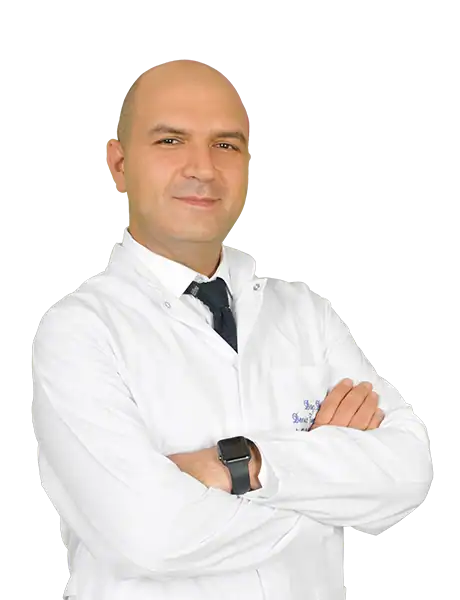
Prof. Dr. Deniz Tuna Edizer
Otorhinolaryngology
Prof. Dr. İldem Deveci
Otorhinolaryngology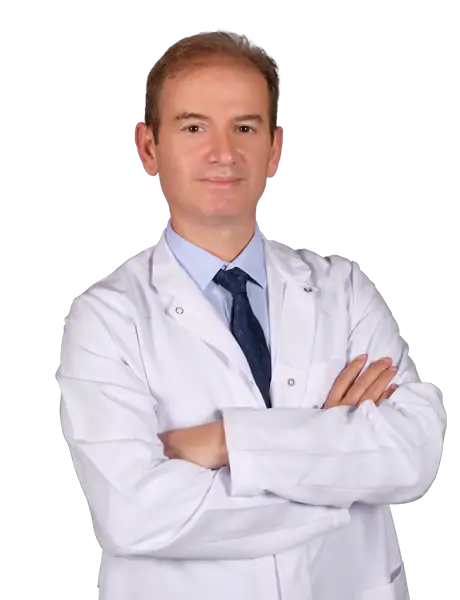
Prof. Dr. Ömer Bayır
Otorhinolaryngology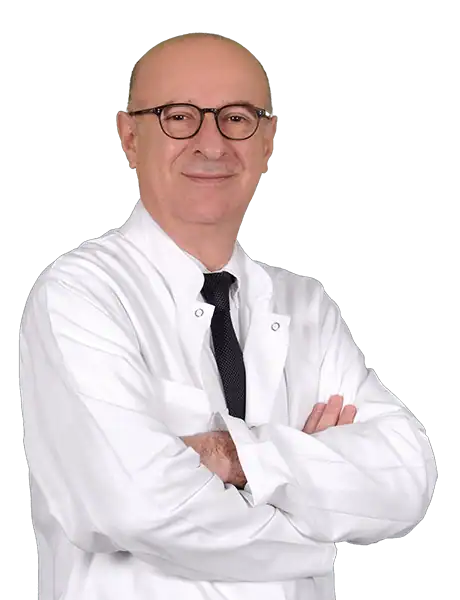
Prof. Dr. Asım Kaytaz
Otorhinolaryngology
Prof. Dr. Ferhan Öz
Otorhinolaryngology
Prof. Dr. Dilaver Özturan
Otorhinolaryngology
Prof. Dr. Ahmet Koç
Otorhinolaryngology
Prof. Dr. Ahmet Onur Odabaşı
Ear Nose & Throat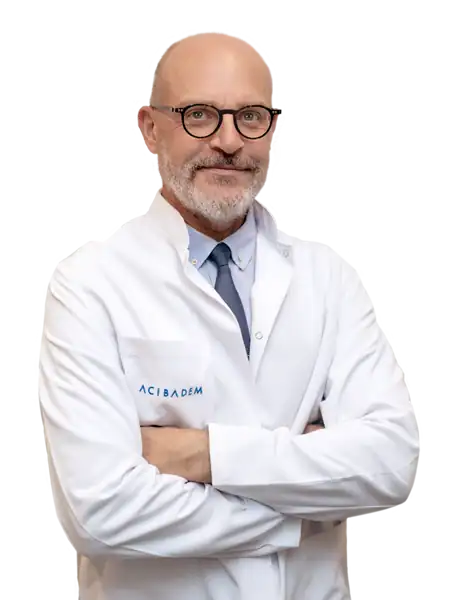
Prof. Dr. Hakan Coşkun
Otorhinolaryngology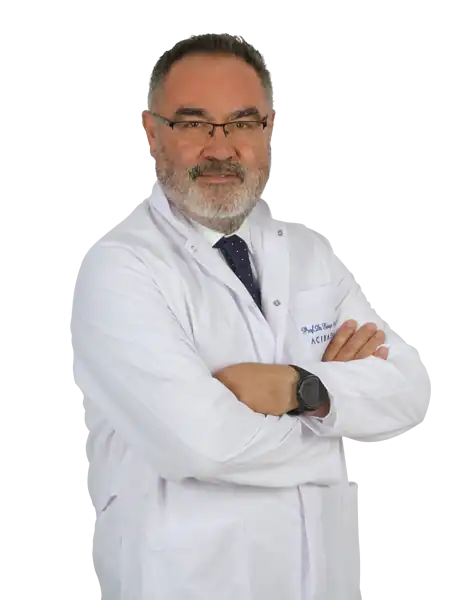
Prof. Dr. Ertap Akoğlu
Otorhinolaryngology
Prof. Dr. Arzu Tatlıpınar
Otorhinolaryngology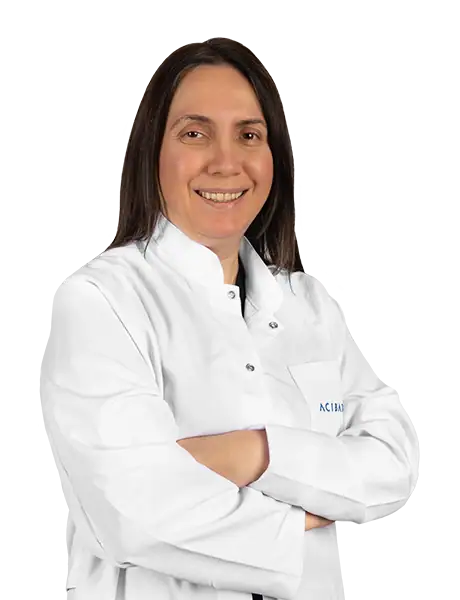
Prof. Dr. Ayşenur Meriç Hafız
Otorhinolaryngology
Prof. Dr. Arif Ulubil
Otorhinolaryngology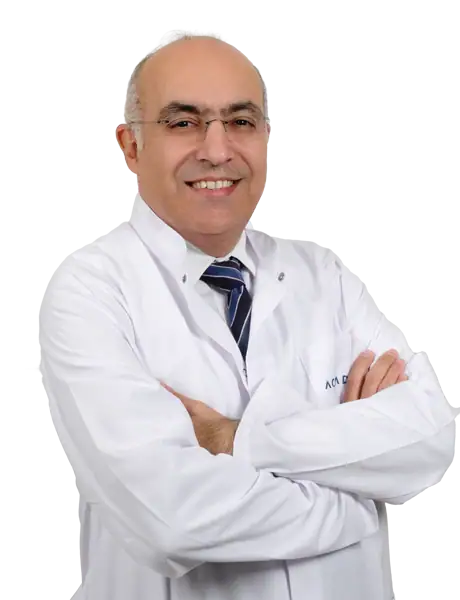
Prof. Dr. Bülent Evren Erkul
Otorhinolaryngology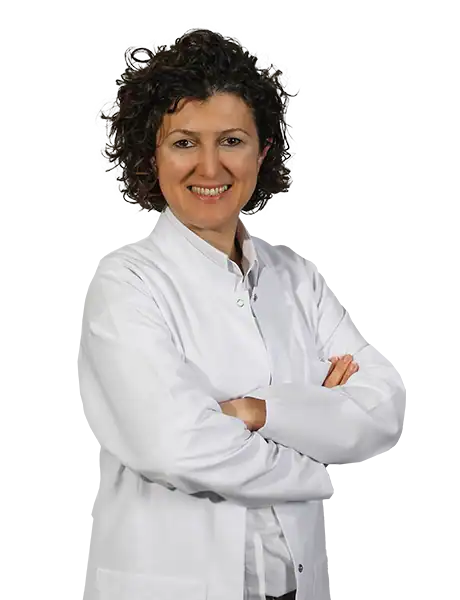
Prof. Dr. Çiğdem Kalaycık
Otorhinolaryngology
Prof. Dr. Denizhan Dizdar
Otorhinolaryngology
Prof. Dr. Hakan Cincik
Otorhinolaryngology
Assoc. Prof. Dr. Sercan Göde
OtorhinolaryngologyMedical Units
Available at These Hospitals