

Non Invasive Cardiology
Non invasive cardiology evaluates and manages heart conditions using tests such as ECG, echocardiography, Holter monitoring and stress testing without surgical intervention.

Quick answer
Non-invasive cardiology diagnoses and monitors heart conditions using tests that do not require surgery, such as electrocardiography, echocardiography, Holter monitoring, and stress testing. At Acibadem in Turkey, these evaluations are used to assess heart rhythm, structure, and function and to guide appropriate medical treatment or follow-up care.
Understanding Your Heart Without Surgery
When symptoms involve the heart, even subtle ones can feel unsettling. Chest discomfort, shortness of breath, palpitations, fatigue, dizziness, or an abnormal result on a routine checkup can raise urgent questions: Is my heart healthy? Do I need treatment? Is it safe to travel, exercise, work, or undergo another medical procedure? For many patients, the first step is not surgery or an invasive procedure. It is a careful, structured evaluation through non invasive cardiology.
Non invasive cardiology focuses on diagnosing, monitoring, and managing heart and vascular conditions without entering the body with catheters or surgical instruments. It uses tests such as electrocardiography, echocardiography, ambulatory rhythm monitoring, blood pressure monitoring, exercise or pharmacologic stress testing, and advanced imaging when appropriate. These examinations help physicians understand how the heart beats, how well it pumps, how its valves function, whether the heart muscle receives enough blood flow, and how symptoms relate to daily activity.
For international patients, a non invasive cardiac evaluation can be especially valuable. It may clarify a diagnosis before treatment decisions are made, provide a second opinion after previous testing, assess risk before surgery or cancer therapy, or support long-term management of a known heart condition. At Acibadem, non invasive cardiology is organized around evidence-based assessment, experienced cardiologists, modern diagnostic pathways, and coordination with other specialties when needed. The goal is to provide clear answers, avoid unnecessary procedures when possible, and identify situations that require timely intervention.
Heart disease is often manageable when it is recognized early and followed carefully. A precise non invasive evaluation can separate benign symptoms from conditions that need closer attention, help tailor medication and lifestyle plans, and determine whether more advanced testing or invasive cardiology is necessary. For patients who are anxious about what their symptoms may mean, this approach offers a measured and medically rigorous way to move from uncertainty toward a clear plan.
What Is Non Invasive Cardiology?
Non invasive cardiology is the branch of cardiology that evaluates and treats heart conditions using external tests and clinical assessment rather than procedures performed inside the heart or blood vessels. It includes the physician consultation, physical examination, risk assessment, interpretation of diagnostic tests, medical treatment planning, and follow-up monitoring.
The most familiar non invasive cardiac test is the electrocardiogram, often called an ECG or EKG. It records the heart’s electrical activity through small sensors placed on the skin. An ECG can detect abnormal rhythms, signs of previous heart injury, conduction problems, and patterns that suggest strain or enlargement of the heart chambers. It is quick, painless, and frequently performed as part of an initial evaluation.
Echocardiography, or cardiac ultrasound, uses sound waves to create moving images of the heart. It allows cardiologists to assess the heart muscle, pumping function, valves, chamber size, blood flow direction, and pressure estimates in certain heart and lung circulation pathways. In many patients, echocardiography is central to understanding symptoms such as breathlessness, fatigue, swelling, fainting, and heart murmurs.
Holter monitoring and other ambulatory rhythm monitors record the heart rhythm over a longer period, ranging from a day to several days or more depending on the clinical question. These tests are useful when palpitations, dizziness, fainting, or irregular heartbeats occur intermittently and may not appear during a short ECG in the clinic.
Stress testing evaluates how the heart performs under increased demand. This may involve walking on a treadmill or cycling while heart rhythm, blood pressure, symptoms, and sometimes imaging are monitored. For patients unable to exercise adequately, medication can be used to simulate the effects of exertion. Stress tests help assess blood flow to the heart muscle, exercise capacity, rhythm behavior during activity, and the likelihood of coronary artery disease.
Non invasive cardiology may also include blood pressure monitoring, laboratory risk assessment, cardiovascular risk scoring, cardiac computed tomography or magnetic resonance imaging when indicated, and long-term care for conditions such as hypertension, heart failure, valve disease, arrhythmias, and coronary risk. The essential principle is that diagnostic and treatment decisions are based on a broad clinical picture, not on a single test in isolation.
Who May Need a Non Invasive Cardiology Evaluation?
A non invasive cardiology evaluation may be recommended for people with symptoms that could be related to the heart, patients with known cardiovascular disease who need follow-up, individuals with risk factors, or those preparing for surgery, pregnancy, intensive exercise, or cancer treatment. It is also commonly used for preventive assessment when family history or lifestyle factors raise concern.
Common symptoms that lead patients to seek non invasive cardiology care include chest pain or pressure, shortness of breath with activity or at rest, palpitations, irregular heartbeat, unexplained fatigue, dizziness, fainting, swelling in the legs, reduced exercise capacity, or discomfort in the jaw, shoulder, arm, back, or upper abdomen. Some patients experience atypical symptoms, especially older adults, women, and people with diabetes. For example, coronary artery disease may present as breathlessness, unusual fatigue, indigestion-like discomfort, or reduced stamina rather than classic chest pain.
Diagnosis begins with a detailed medical history. A cardiologist asks about symptoms, timing, triggers, duration, associated signs, personal and family history, medications, previous test results, and risk factors such as high blood pressure, high cholesterol, diabetes, smoking, kidney disease, obesity, sleep apnea, and inflammatory conditions. The physical examination may include blood pressure measurement in one or both arms, pulse assessment, heart and lung examination, evaluation for swelling or circulation changes, and review of overall cardiovascular risk.
Testing is then selected according to the patient’s clinical situation. A person with brief episodes of rapid heartbeat may need an ECG and Holter monitoring. A patient with a heart murmur may need echocardiography. A person with exertional chest discomfort may need stress testing and, in selected cases, advanced imaging. A patient with high blood pressure may benefit from ambulatory blood pressure monitoring and evaluation for organ effects. The cardiologist interprets these findings in context and explains what they mean for everyday life and future care.
Non invasive cardiology is also important for patients who already have a diagnosis. Someone with valve disease may need periodic echocardiograms to determine whether the condition is stable or progressing. A patient with atrial fibrillation may need rhythm monitoring and medication adjustment. A person recovering from a heart attack or living with heart failure may require follow-up testing to assess heart function and guide treatment. In each case, non invasive tools help track the condition without exposing the patient to unnecessary procedural risk.
Conditions and Indications Addressed by Non Invasive Cardiology
Non invasive cardiology addresses a wide range of cardiovascular concerns. It can be used to evaluate suspected disease, monitor known disease, guide medication decisions, and determine whether referral for interventional cardiology, cardiac electrophysiology, cardiac surgery, vascular medicine, or another specialty is needed.
Common indications include coronary artery disease assessment, especially when patients report chest discomfort, exertional symptoms, or have multiple risk factors. Non invasive testing can help estimate whether symptoms are likely to come from reduced blood flow to the heart and whether additional evaluation is needed. It is also used after coronary treatment to monitor symptoms and functional capacity.
Heart rhythm concerns are another major area. Palpitations, skipped beats, racing heartbeat, slow pulse, unexplained fainting, and dizziness may be investigated through ECG and ambulatory monitoring. These tests can detect arrhythmias such as atrial fibrillation, supraventricular tachycardia, premature beats, heart block, or other rhythm disturbances. The findings help determine whether reassurance, medication, anticoagulation, lifestyle changes, or electrophysiology assessment is appropriate.
Valve disease is often identified through a heart murmur or symptoms such as shortness of breath, fatigue, chest discomfort, or swelling. Echocardiography can assess valve narrowing or leakage, the effect on heart chambers, and the timing of follow-up. In patients with advanced valve disease, non invasive imaging contributes to planning for possible repair or replacement and supports multidisciplinary discussion.
High blood pressure and its effects are also managed through non invasive cardiology. Hypertension can strain the heart and blood vessels over years, sometimes without symptoms. Blood pressure monitoring, echocardiography, kidney-related laboratory assessment, and risk evaluation help physicians tailor treatment and identify patients who need closer follow-up.
Heart failure, cardiomyopathies, congenital heart conditions in adults, pericardial disease, pulmonary hypertension assessment, sports cardiology concerns, preoperative cardiac risk, cardio-oncology assessment, and preventive cardiovascular screening may all involve non invasive cardiology. For some patients, the question is not whether disease is present, but how severe it is, how quickly it is changing, and what level of activity or treatment is safe.
How Non Invasive Cardiology Evaluation Is Performed
A non invasive cardiology visit is usually structured in stages: preparation and record review, physician consultation, targeted testing, interpretation, treatment planning, and follow-up. The exact pathway depends on symptoms, urgency, previous findings, age, medical history, and the patient’s goals. International patients may arrive with prior ECGs, echocardiograms, angiography reports, laboratory results, discharge summaries, or imaging files; these are reviewed to avoid unnecessary repetition and to identify gaps that require clarification.
Preparation Before Your Appointment
Before evaluation, patients are often asked to bring a list of medications, previous cardiac tests, recent blood tests, allergies, and details of any implanted devices such as pacemakers. It is helpful to describe symptoms clearly: when they began, how often they occur, what triggers them, how long they last, and what relieves them. Patients should mention whether symptoms occur during exertion, emotional stress, after meals, at night, or at rest.
For certain tests, preparation may be needed. A stress test may require comfortable clothing and shoes, avoidance of heavy meals beforehand, and specific instructions about caffeine or certain medications. Holter monitoring may require attention to bathing restrictions while the device is worn. Echocardiography typically requires little preparation, though specialized forms such as transesophageal echocardiography are more involved and may require fasting and sedation. The care team provides instructions based on the planned test.
The Initial Cardiology Assessment
The cardiologist begins by evaluating the reason for referral and the patient’s overall cardiovascular risk. This may include discussion of family history, blood pressure patterns, cholesterol levels, diabetes control, smoking history, exercise habits, sleep quality, weight changes, and prior heart events. The physician then performs a physical examination and decides which tests are most appropriate.
The aim is to answer practical questions. Is there evidence of a rhythm disorder? Is the heart pumping normally? Are the valves working properly? Is there a sign of reduced blood flow with exertion? Is blood pressure adequately controlled? Does the patient need medication, lifestyle change, further imaging, urgent care, or referral to another cardiac subspecialty?
Common Tests and What They Show
An ECG is usually performed in the clinic and takes only a few minutes. It provides a snapshot of electrical activity at that moment. It may show rhythm abnormalities, conduction delays, signs of chamber enlargement, or patterns that suggest prior or current strain. A normal ECG can be reassuring but does not exclude all heart conditions, which is why it is interpreted alongside symptoms and other tests.
Echocardiography is performed with an ultrasound probe placed on the chest. Gel is used to improve image quality, and the patient may be asked to change position or hold their breath briefly. The examination typically evaluates left and right ventricular function, valve structure and movement, chamber size, wall thickness, and blood flow patterns. Doppler techniques can estimate pressures and assess valve narrowing or leakage.
Holter monitoring involves wearing a small recording device connected to electrodes on the chest. The patient continues normal daily activities and keeps a symptom diary. The cardiologist then compares symptoms with heart rhythm recordings. Longer monitoring may be selected when symptoms are infrequent.
Stress testing may be performed with exercise or medication. During an exercise stress test, the workload increases gradually while heart rhythm, blood pressure, and symptoms are monitored. Some stress tests include echocardiographic or nuclear imaging to evaluate heart muscle function and blood flow under stress. The results can help determine whether symptoms are likely due to coronary artery disease and how well the patient tolerates exertion.
Ambulatory blood pressure monitoring records blood pressure at intervals throughout day and night. It can identify white-coat hypertension, masked hypertension, night-time blood pressure elevation, or medication effects. This information can be more representative than a single office reading.
Technology Used in Non Invasive Cardiology
Modern non invasive cardiology relies on digital ECG systems, high-resolution cardiac ultrasound, Doppler imaging, portable rhythm monitoring devices, exercise testing platforms, ambulatory blood pressure systems, and advanced cardiac imaging when clinically appropriate. These technologies help capture electrical signals, moving heart images, blood flow information, exercise response, and rhythm patterns during real life activities.
The value of technology lies not only in image quality or data volume, but in interpretation. Experienced cardiologists integrate test results with symptoms and clinical risk. For example, mild valve leakage may be a common finding that needs periodic follow-up rather than immediate treatment. A rhythm recording may show benign extra beats or a clinically significant arrhythmia requiring therapy. A stress test may suggest low risk, or it may indicate the need for coronary imaging or interventional assessment.
Typical Duration and Same-Day Planning
Many non invasive cardiac tests can be completed on the same day as the consultation, depending on scheduling and medical urgency. An ECG takes only a short time. A standard echocardiogram often takes less than an hour. A stress test may require more time for preparation, exercise or medication administration, monitoring, and recovery. Holter monitoring is started in the clinic, but the recording period continues after the patient leaves.
For international patients, the diagnostic pathway may be coordinated to reduce unnecessary waiting and support timely decision-making. If the evaluation is part of a second opinion, preoperative assessment, or treatment planning for another condition, cardiology findings may be communicated to the relevant specialty team. Complex cases may be discussed in specialist boards or multidisciplinary meetings when decisions involve several fields, such as cardiac surgery, interventional cardiology, oncology, neurology, or anesthesiology.
After the Evaluation
After testing, the cardiologist explains the results and discusses next steps. Some patients need reassurance and routine follow-up. Others may receive medication adjustments, risk factor management, lifestyle recommendations, additional imaging, rhythm monitoring, or referral for invasive evaluation. If a serious or urgent finding is identified, the team acts accordingly, which may include emergency care, hospital admission, or prompt specialty consultation.
Recovery from non invasive testing is generally quick. Most patients resume normal activities immediately after an ECG, echocardiogram, Holter placement, or blood pressure monitor setup. After a stress test, patients are monitored until heart rate and blood pressure return toward baseline, and they usually return to routine activities the same day unless symptoms or findings require further evaluation.
Why Acting Early Matters
Cardiovascular conditions can progress silently. High blood pressure may damage the heart, kidneys, brain, and blood vessels before symptoms appear. Valve disease can remain mild for years but eventually lead to heart enlargement or reduced pumping function. Arrhythmias may come and go, yet still increase the risk of stroke or fainting in certain situations. Coronary artery disease may first appear as exertional discomfort or breathlessness, and early recognition can reduce the chance of a more serious event.
Delaying evaluation can make diagnosis more difficult and treatment less effective. Symptoms that are dismissed as stress, indigestion, aging, or lack of fitness may sometimes reflect a treatable cardiac problem. Waiting until symptoms become severe may limit treatment options or increase the urgency of care. Early assessment does not mean every patient will need aggressive treatment; often, it helps confirm stability and establish a safe monitoring plan.
Acting early is also important before major surgery, cancer treatment, pregnancy planning, or long-distance travel when there are known cardiac risks. A timely cardiology review can identify issues that should be optimized beforehand, such as uncontrolled blood pressure, unstable rhythm disorders, heart failure, or significant valve disease. This is particularly relevant for international patients who want to make informed decisions before traveling for medical care.
Benefits of Non Invasive Cardiology
The benefits of non invasive cardiology are both diagnostic and practical, helping patients understand their condition and choose the right next step.
| Benefit | What It Means for You |
|---|---|
| Evaluation without surgery | Most heart concerns can begin with external tests that do not require incisions, catheters, or hospital admission. |
| Clearer diagnosis | ECG, echocardiography, rhythm monitoring, and stress testing help connect symptoms with measurable heart function. |
| Earlier detection of risk | Conditions such as hypertension, valve disease, arrhythmias, and coronary risk can be identified before complications develop. |
| Personalized treatment planning | Results guide medication choices, lifestyle recommendations, follow-up intervals, and whether advanced evaluation is needed. |
| Support for safe medical decisions | Cardiac assessment can help determine readiness for surgery, travel, cancer treatment, or increased physical activity. |
| Ongoing monitoring | Repeat non invasive tests can track whether a condition is stable, improving, or progressing over time. |
Recovery Timeline After Non Invasive Cardiology Testing
Recovery is usually brief because the tests are external, although the timeline varies by test type and by the patient’s underlying condition.
| Time Period | What Patients Can Expect |
|---|---|
| Day 1 | Most patients complete consultation and selected tests, then return to normal activities. After a stress test, short monitoring is performed before leaving. |
| First Week | Holter or ambulatory blood pressure devices may be returned and analyzed. The cardiologist reviews findings and discusses diagnosis or next steps. |
| First Month | Medication changes, lifestyle plans, additional imaging, or specialist referrals may be arranged if needed. Symptoms and blood pressure may be reassessed. |
| Longer Term | Patients with chronic conditions may have periodic follow-up to monitor heart function, rhythm, valve disease, blood pressure, or cardiovascular risk. |
What Influences Outcomes and a Good Result?
A good result in non invasive cardiology means more than a normal test. It means the patient receives an accurate interpretation, a clear explanation, and a practical plan that fits their medical risk and personal circumstances. Several factors influence this outcome.
The first factor is the quality of the clinical history. Heart symptoms can be complex, and small details matter. Chest discomfort that occurs with exertion and improves with rest has different implications than sharp pain lasting seconds. Palpitations associated with fainting are different from occasional skipped beats without other symptoms. The more precisely symptoms are described, the more appropriately testing can be selected.
The second factor is choosing the right test for the right question. Not every patient needs every test. An echocardiogram is excellent for structure and function but may not capture intermittent arrhythmias. A Holter monitor can detect rhythm problems but does not evaluate valve anatomy in detail. A stress test can assess exertional response and possible ischemia, but it must be interpreted in relation to baseline risk and exercise capacity. Thoughtful test selection helps avoid both underdiagnosis and unnecessary procedures.
Image and signal quality also matter. Body habitus, lung disease, heart rhythm irregularity, movement, electrode contact, and exercise ability can affect test accuracy. In some cases, alternative approaches or additional imaging are needed to obtain reliable information. Experienced technicians and cardiologists help ensure that studies are performed properly and repeated or expanded when results are incomplete.
Underlying health conditions influence outcomes as well. Diabetes, kidney disease, high cholesterol, smoking, obesity, sleep apnea, autoimmune disease, and family history can increase cardiovascular risk. Managing these factors is often as important as treating a single symptom. A patient with a normal stress test but uncontrolled blood pressure still needs a prevention plan. A patient with mild valve disease may not need immediate intervention but does need appropriate surveillance.
Adherence to treatment is another key factor. Many cardiovascular conditions improve or stabilize with consistent medication use, blood pressure control, cholesterol management, smoking cessation, regular activity, weight management, and follow-up. International patients should also consider continuity of care after returning home. A strong cardiology plan includes clear documentation, medication instructions, warning signs, and recommendations for local follow-up.
Finally, outcomes are influenced by timely escalation when non invasive testing identifies higher-risk findings. Some patients require coronary angiography, electrophysiology evaluation, cardiac surgery consultation, advanced heart failure care, or urgent treatment. Non invasive cardiology is often the gateway to the correct level of care, helping patients avoid unnecessary intervention while ensuring that serious conditions are not missed.
Why International Patients Choose Acibadem for Non Invasive Cardiology
International patients considering heart evaluation abroad often want more than a test appointment. They need a reliable medical opinion, coordinated scheduling, clear communication in their language, and confidence that findings will be interpreted within a comprehensive clinical framework. Acibadem’s approach to non invasive cardiology is designed around these needs.
Care is delivered in JCI-accredited hospitals with cardiology teams experienced in evaluating a broad range of cardiac concerns, from preventive risk assessment to complex heart disease. Patients may be seen by cardiologists who coordinate with interventional cardiology, cardiovascular surgery, electrophysiology, radiology, internal medicine, endocrinology, oncology, neurology, anesthesiology, and other specialties when the case requires it. This multidisciplinary structure is particularly important when symptoms are complex or when heart findings affect another treatment plan.
For example, a patient preparing for orthopedic surgery may need cardiac clearance and blood pressure optimization. A patient receiving cancer therapy may require assessment of heart function before, during, or after treatment. A patient with suspected coronary disease may need stress testing and, depending on results, discussion with an interventional cardiology team. A patient with valve disease may benefit from review by cardiology and cardiovascular surgery specialists. In these situations, coordinated medical decision-making helps reduce fragmentation of care.
Acibadem uses contemporary non invasive diagnostic pathways, including ECG, echocardiography, ambulatory rhythm monitoring, blood pressure monitoring, stress testing, and advanced imaging when indicated. These tests are selected based on clinical need, not as a routine package for every patient. The emphasis is on accurate diagnosis, appropriate risk stratification, and a treatment plan that can be understood and followed after the patient returns home.
International patient services support the practical aspects of care. Depending on the patient’s needs, coordination may include appointment planning, medical record transfer, interpretation support in more than 20 languages, assistance with hospital navigation, and communication with family members or referring physicians. For patients traveling from the United States, Europe, the Middle East, Africa, or other regions, this support can make the evaluation process more manageable while preserving clinical rigor.
Second opinions are a frequent reason patients seek care. Some arrive after receiving conflicting recommendations, unclear test results, or a proposal for an invasive procedure. A non invasive cardiology second opinion may include reviewing previous studies, repeating selected tests if necessary, and explaining whether the findings support medical therapy, further imaging, catheter-based evaluation, surgery, or observation. The goal is not to replace appropriate intervention, but to ensure that decisions are well founded.
Personalized treatment planning is central to the experience. Two patients with similar test findings may need different plans because of age, symptoms, occupation, travel schedule, other diseases, medication tolerance, and personal goals. A frequent traveler with atrial fibrillation, a young athlete with palpitations, an older adult with valve disease, and a patient with diabetes and chest discomfort require different forms of counseling and follow-up. Non invasive cardiology provides the data, but the physician’s role is to translate that data into a plan that fits the individual.
Documentation is also important for international care. Patients often need reports in a format that can be shared with physicians at home. Clear summaries of diagnosis, test results, medication recommendations, follow-up timing, and warning symptoms help support continuity. When ongoing care is required, the cardiology team can recommend what should be monitored locally and when the patient should seek urgent attention.
Moving Forward With Clarity
Heart symptoms and abnormal cardiac test results can create uncertainty, but they do not always mean an invasive procedure is needed. Non invasive cardiology offers a careful, evidence-based way to understand how your heart is functioning, identify risks early, and choose the right level of care. For many patients, it provides reassurance and a prevention plan. For others, it identifies conditions that require closer follow-up or timely treatment.
If you are experiencing symptoms, managing a known heart condition, preparing for surgery, or seeking a second opinion, a structured non invasive cardiology evaluation can help you make decisions with greater clarity. At Acibadem, international patients have access to experienced cardiologists, coordinated diagnostic testing, multidisciplinary input when needed, and patient services designed to support care across languages and borders.
To learn more, request a consultation, or arrange a second opinion, you may share your medical records and describe your symptoms so the cardiology team can recommend the most appropriate next step.
This information is general and is not a substitute for professional medical advice, diagnosis, or treatment. Always consult a qualified healthcare professional about your individual condition and care options.
Preparation
- Your cardiologist may review your medical history, medications and previous test results before the appointment. Depending on the planned test, you may be asked to avoid caffeine, smoking or heavy meals for several hours. Wear comfortable clothing and bring a list of current medications.
Aftercare
- Most patients can resume daily activities immediately after non invasive cardiac testing. Your results are reviewed by a cardiologist, who may recommend lifestyle changes, medication, further imaging or interventional treatment if needed. Seek urgent care if you develop chest pain, severe shortness of breath or fainting.
Turkey vs UK, Germany & USA
Non invasive cardiology costs vary according to the tests required, the specialist team, hospital setting and whether international patient services are included. Comparing destinations can help patients understand both medical and logistical factors before requesting a personalised quote.
The overall experience may differ by country because of referral pathways, private hospital access, diagnostic scheduling and travel support.
| Factor | Turkey | UK | Germany | USA |
|---|---|---|---|---|
| Price drivers | Private hospital packages may combine cardiologist consultation, core tests and coordination in a single care plan. | Costs vary between public referral pathways and private cardiology clinics, with separate fees often applied for diagnostics. | Costs are influenced by specialist consultation, diagnostic imaging, clinic type and whether tests are billed separately. | Costs are strongly affected by provider network, facility fees, insurance status and separate billing for tests and interpretation. |
| Hospital and cardiologist factors | International private hospitals may offer cardiology departments, imaging units and coordinated scheduling for overseas patients. | Availability depends on local provider access, private clinic capacity and cardiologist subspecialty. | University hospitals and private clinics may offer broad diagnostic services with structured specialist review. | Large cardiac centers may provide extensive testing options, with costs linked to facility setting and specialist involvement. |
| Accreditation and quality | Patients may choose JCI-accredited hospitals and internationally oriented care teams. | Quality is supported through national regulation and professional standards across public and private providers. | Quality is supported through national regulation, specialist certification and hospital quality systems. | Quality is supported through accreditation bodies, institutional protocols and specialist board certification. |
| Typical waiting times | Private pathways may allow coordinated appointment planning, especially for international patients. | Public pathways may involve waiting lists, while private appointments can offer more flexible access. | Access varies by region, provider type and test complexity. | Access depends on insurance approval, provider availability and facility scheduling. |
| Travel and language logistics | International patient teams may assist with appointment planning, translation, airport transfers and accommodation guidance. | Travel support is usually arranged independently unless using a private international clinic. | Language support may be available in larger centers, but travel coordination is often separate. | International services may be available in major centers, with travel and accommodation usually arranged separately. |
| What a package may include | Consultation, ECG, echocardiography, Holter monitoring, stress testing when indicated, reports and care coordination may be bundled. | Consultation and tests may be booked and billed separately depending on provider. | Consultation, diagnostics and written reports may be provided through structured outpatient pathways. | Consultation, facility use, test performance and physician interpretation may be billed as separate components. |
What affects your final cost
- Type and number of tests: ECG, echocardiography, Holter monitoring, stress testing and additional imaging each affect the overall quote.
- Clinical complexity: Symptoms, previous heart disease, medication use and the need for urgent review may change the diagnostic plan.
- Specialist involvement: Fees may vary when subspecialist cardiologists, imaging experts or multidisciplinary review are required.
- Hospital setting: Accreditation, technology level, private room use and outpatient service structure can influence cost.
- International patient services: Translation, medical record review, scheduling support and travel assistance may be included or optional.
- Follow-up needs: Report discussion, medication planning, further testing or referral for invasive care may affect the final estimate.
Compare your options
Non invasive cardiology includes several diagnostic and monitoring options. Suitability is decided by a specialist after reviewing symptoms, medical history, risk factors and previous test results.
| Option | What it is | Typical use | Key considerations |
|---|---|---|---|
| Resting ECG | A quick recording of the heart's electrical activity using skin electrodes. | Initial assessment of chest discomfort, palpitations, rhythm changes and signs of previous heart strain. | It is simple and widely used, but a normal result may not exclude intermittent or exertional problems. |
| Echocardiography | An ultrasound scan that shows heart chambers, valves, pumping function and blood flow patterns. | Evaluation of murmurs, heart failure symptoms, valve disease, cardiomyopathy and follow-up of known conditions. | Image quality may depend on body habitus and acoustic windows; findings are interpreted with clinical context. |
| Holter or ambulatory rhythm monitoring | A wearable device that records heart rhythm during daily activities. | Assessment of palpitations, dizziness, fainting episodes and suspected intermittent rhythm disorders. | Monitoring duration and device type depend on how often symptoms occur and what the cardiologist needs to evaluate. |
| Exercise stress testing | A supervised test that records heart response during controlled physical effort. | Evaluation of exercise tolerance, exertional symptoms, rhythm response and possible reduced blood flow to the heart. | Not suitable for every patient; mobility, baseline ECG findings and overall risk guide whether it is appropriate. |
| Stress echocardiography | An echocardiogram performed with exercise or medication-induced stress to assess heart function under demand. | Further evaluation when coronary artery disease, valve performance or exertional symptoms need more detail. | Requires specialist supervision and may be chosen when standard stress testing is not sufficient or not interpretable. |
| Ambulatory blood pressure monitoring | A wearable cuff that records blood pressure during normal daily activity and sleep. | Assessment of suspected hypertension, variable readings, treatment response and white coat effect. | Comfort, correct cuff fit and normal daily activity help improve the usefulness of the report. |
Trusted care for international patients
General information only — not medical or financial advice. Final costs depend on the factors above and your individual case; request a free, personalised quote.
Doctors Performing This Treatment

Prof. Dr. Ahmet Akyol
Cardiology
Prof. Dr. Ahmet Karabulut
Cardiology
Prof. Dr. Ahmet Kaya Bilge
Cardiology
Prof. Dr. Ahmet Oytun Baykan
Cardiology
Prof. Dr. Aleks Değirmencioğlu
Cardiology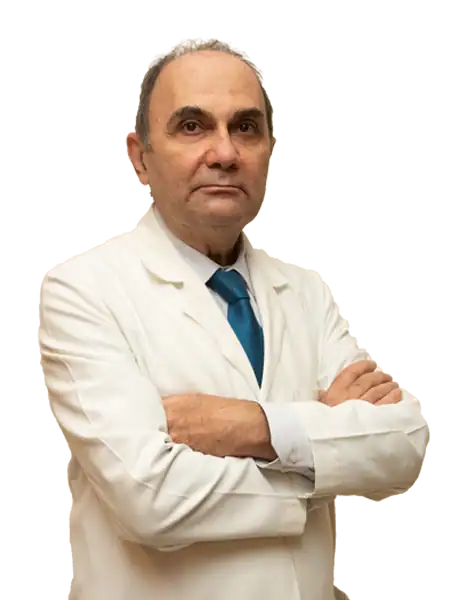
Prof. Dr. Ali Aydınlar
Cardiology
Prof. Dr. Alpay Turan Sezgin
Cardiology
Prof. Dr. Alper Özkan
Cardiology
Prof. Dr. Barış Kılıçaslan
Cardiology
Prof. Dr. Bekir Sıtkı Cebeci
Cardiology
Prof. Dr. Burak Pamukçu
Cardiology
Prof. Dr. Cahide Soydaş Çınar
Cardiology
Prof. Dr. Duhan Fatih Bayrak
Cardiology
Prof. Dr. Elif Eroğlu Büyüköner
Cardiology
Prof. Dr. Ender Semiz
Cardiology
Prof. Dr. Ercüment Yılmaz
Cardiology
Prof. Dr. Ergün Seyfeli
Cardiology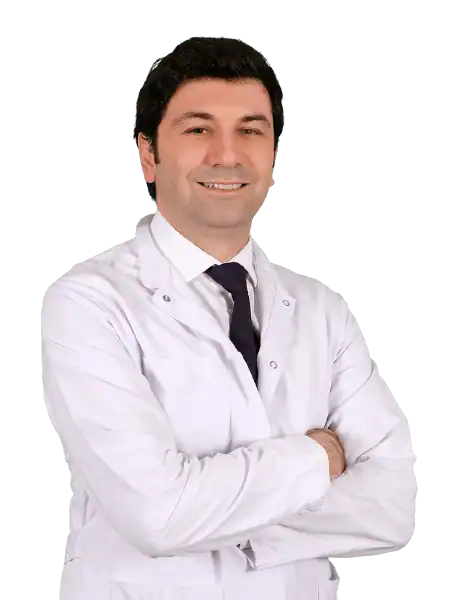
Prof. Dr. Ertuğrul Zencirci
Cardiology
Prof. Dr. Ethem Kumbay
Cardiology
Prof. Dr. Gültekin Karakuş
Cardiology
Prof. Dr. Haldun Akgöz
Cardiology
Prof. Dr. Mert İlker Hayıroğlu
Cardiology
Prof. Dr. Metin Gürsürer
Cardiology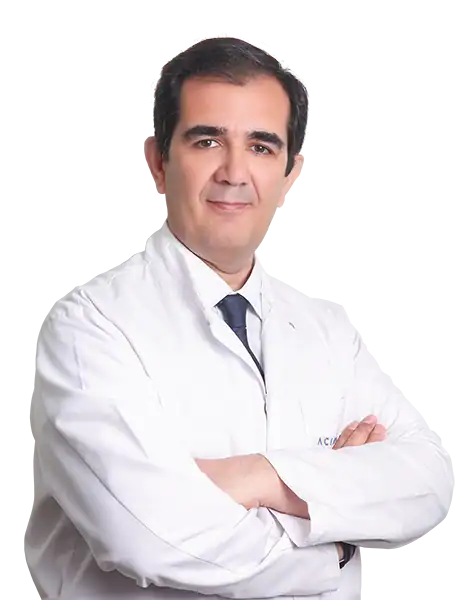
Prof. Dr. Murat Sezer
CardiologyMedical Units
Available at These Hospitals












Frequently Asked Questions
What affects the cost of non invasive cardiology evaluation?
The cost depends on the cardiologist consultation, the tests required, hospital setting, report interpretation, follow-up needs and whether international patient services are included. A personalised quote is prepared after medical records and symptoms are reviewed.
How can I get a personalised quote from Acibadem?
You can request a free consultation by sharing your symptoms, previous test results, current medications and any doctor recommendations. The international patient team can then guide you on the likely diagnostic plan and package inclusions.
Are ECG, echocardiography and Holter monitoring usually included together?
They may be combined when clinically appropriate, but not every patient needs every test. The cardiologist decides which investigations are suitable based on your history, examination and risk profile.
Will travel and translation support affect my quote?
International patient support such as translation, appointment coordination, transfer guidance and accommodation assistance may be included in a package or arranged separately. The quote should clarify what is covered.
Can insurance cover non invasive cardiology tests abroad?
Coverage depends on your insurer, policy terms, medical necessity and preauthorisation requirements. Patients should confirm coverage directly with their insurer and request documentation from the hospital when needed.
Is this information medical or financial advice?
No. This is general educational information. A cardiologist should decide which tests are appropriate, and the hospital team can provide a personalised quote after reviewing your case.