Polycystic Ovary Syndrome Treatment
Polycystic Ovary Syndrome is a common hormonal condition affecting ovulation, periods, skin, weight and fertility. Care focuses on diagnosis, symptom control and personalized reproductive health support.
Quick answer
Polycystic ovary syndrome (PCOS) is a common hormonal and metabolic condition that disrupts ovulation, raises androgen activity and often affects insulin regulation. Treatment is individualised: it can regulate menstrual cycles, manage acne and excess hair growth, support ovulation when pregnancy is wanted, and reduce long-term metabolic risks. Care usually combines lifestyle support, hormonal or ovulation-inducing medication and structured follow-up.
What Is PCOS? Polycystic Ovary Syndrome Explained
Polycystic ovary syndrome (PCOS) is a hormonal and metabolic condition that disrupts ovulation, increases androgen activity and often affects how the body handles insulin. It is one of the most common endocrine conditions in women and people with ovaries during the reproductive years. It matters because it touches several systems at once: menstrual cycles, fertility, skin and hair, weight and metabolism, and, for many patients, mood and confidence.
If you are asking what is PCOS and why nobody explained it to you sooner, you are not alone. The path to diagnosis is often slow and confusing. Symptoms tend to appear gradually, change over time, or get dismissed as “normal” variations in periods, skin or weight. Some patients first seek help because of irregular menstrual cycles. Others come because of acne, unwanted facial hair, hair thinning, weight gain, or difficulty becoming pregnant. All of these can be part of the same underlying condition.
PCOS is not simply an ovarian problem. It is a broader endocrine and metabolic disorder that can affect ovulation, reproductive health, skin, insulin regulation, cardiovascular risk factors and emotional wellbeing. That breadth is exactly why treatment cannot be a single prescription. It is a plan built around your symptoms, your age, your metabolic profile, your fertility goals and your medical history.
One clarification worth making early: PCOS has nothing to do with polycystic kidney disease. The names sound similar, but they are unrelated conditions affecting different organs, and confusing the two causes unnecessary worry.
PCOS meaning: what the name gets wrong
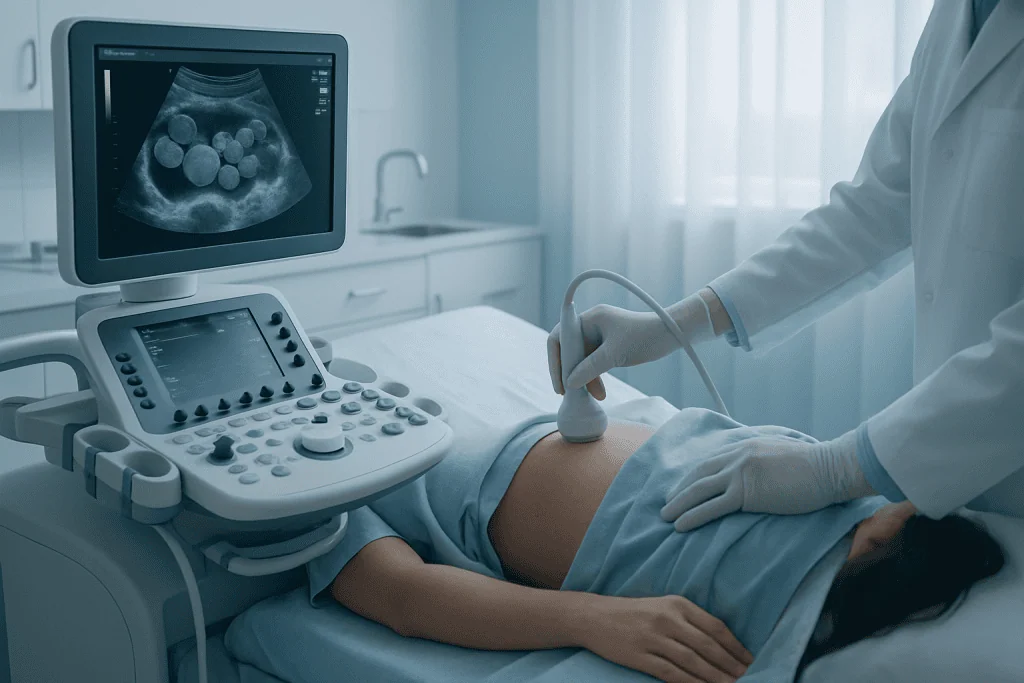
The PCOS meaning most people assume, ovaries full of dangerous cysts, is not accurate. What appears on ultrasound in many patients is a ring of multiple small follicles: immature egg sacs that accumulate when ovulation does not occur regularly. They are not cysts in the usual worrying sense, and they do not need to be removed. Adding to the confusion, some patients with PCOS do not show this ultrasound appearance at all, and some people with polycystic-appearing ovaries do not have the syndrome. The name has stuck for historical reasons, but the condition is better understood as a hormonal and metabolic disorder in which the ovarian picture is only one possible feature.
Is polycystic ovary syndrome an autoimmune disorder?
No. PCOS is not classified as an autoimmune disorder. In autoimmune disease, the immune system attacks the body’s own tissues; in PCOS, the core problem is hormonal and metabolic, disrupted ovulation, raised androgen activity and, in many patients, insulin resistance. Researchers continue to study low-grade inflammation and immune signalling in PCOS, but the condition itself sits within endocrinology and gynaecology, not immunology. This distinction matters for treatment: PCOS care targets hormones, ovulation and metabolism rather than immune suppression.
PCOS Symptoms: How the Condition Shows Itself
PCOS symptoms vary widely from one person to the next, which is part of why the condition is so often missed or mislabelled. One patient’s dominant problem is bleeding that arrives every few months without warning. Another has textbook-regular metabolic changes but almost no menstrual disturbance. A third is troubled mainly by skin and hair. All three can carry the same diagnosis.
The symptoms cluster into three broad groups. Menstrual symptoms include infrequent periods, unpredictable bleeding, very long cycles, or periods that stop for several months outside pregnancy, breastfeeding, menopause or certain medication use. Androgen-related symptoms include acne that persists beyond adolescence, increased facial or body hair growth (hirsutism), scalp hair thinning and oily skin. Metabolic features include weight gain or difficulty losing weight, particularly around the abdomen, insulin resistance, elevated fasting glucose, abnormal lipid levels and fatty liver indicators. Darker, velvety patches of skin in areas such as the neck or underarms can be a sign of insulin resistance and are worth mentioning to a doctor. Importantly, PCOS can also occur in patients with a normal body mass index; weight is a feature for many, not a requirement.
What are the 5 symptoms of PCOS?
The five symptoms most often described are irregular or infrequent periods, excess facial or body hair, persistent acne or oily skin, thinning scalp hair, and weight gain that resists effort, but there is no fixed list, and you do not need all five. Most patients present with a combination rather than a single complaint, and the visible severity of symptoms does not always match blood test results. A patient with mild laboratory changes may still have prominent acne or hair growth, while another may have clearly abnormal results with few outward signs. This mismatch is normal and does not mean either patient’s experience is less real.
How can PCOS affect your life?
PCOS can affect daily life well beyond the medical chart. Unpredictable bleeding makes planning difficult. Acne, hirsutism and hair thinning can wear down confidence and body image. Uncertainty about fertility can strain relationships and create anxiety long before anyone is actively trying to conceive. Over the longer term, untreated metabolic features may quietly raise the risk of type 2 diabetes, abnormal cholesterol, high blood pressure and sleep apnoea. A careful treatment plan treats these emotional and practical burdens as legitimate parts of the condition, not secondary complaints to be brushed aside.
What happens if a girl has PCOS?
In adolescents, PCOS requires particular diagnostic care, because irregular periods and acne are common in the first years after menstruation begins and usually settle on their own. Clinicians therefore use age-appropriate criteria and deliberately avoid overdiagnosis in teenagers. When the diagnosis is genuinely present, early recognition helps: cycles can be supported, skin symptoms managed before they scar, and metabolic screening started at a stage when habits are still forming. What a young patient does not need is a premature label based on findings that may be a normal part of puberty.
Who May Need Evaluation for PCOS
You may need evaluation for PCOS if you have irregular periods, signs of higher-than-usual androgen activity, or ultrasound findings consistent with polycystic ovarian morphology. In practice, patients rarely arrive with one neat concern; they arrive with a combination, cycles that never settled after adolescence, acne that outlasted their twenties, hair growth that keeps advancing, or months of trying to conceive without knowing whether ovulation is happening at all.
Because ovulation may not occur regularly in PCOS, some patients spend a long time trying to time conception around cycles that are not actually releasing an egg. Others discover the condition only when investigating a separate concern, such as prediabetes or abnormal cholesterol found on routine blood work. A family history of PCOS or type 2 diabetes is another reason a clinician may look more closely.
Can you develop polycystic ovarian syndrome later in life?
The underlying tendency to PCOS is usually present from the reproductive years’ beginning, but the condition is often recognised later. Symptoms can be masked for years, for example, by hormonal contraception that keeps bleeding regular, and only surface when circumstances change, such as stopping contraception, gaining weight, or starting to try for pregnancy. So while a genuinely new onset in later adulthood is not the typical pattern, a later diagnosis is common. New androgen-type symptoms appearing rapidly or late in life deserve careful assessment, because they can point to other causes that need to be ruled out rather than to PCOS itself.
Is polycystic ovary syndrome inherited?
PCOS clearly runs in families, but it is not inherited through a single gene. Having a mother or sister with PCOS, or a strong family history of type 2 diabetes, raises the likelihood of the condition. Current understanding is that multiple genes each contribute a small amount of risk, and environment, weight, activity, insulin sensitivity, influences whether and how strongly that risk expresses itself. This is one reason two sisters with the same family background can have very different versions of the syndrome.
How PCOS Is Diagnosed
Diagnosis usually rests on a detailed medical history, a menstrual history, a physical examination, blood tests and pelvic ultrasound when appropriate, no single test settles it. Blood testing may assess reproductive hormones, androgen levels, thyroid function, prolactin, glucose regulation, cholesterol profile and other markers depending on symptoms. Tests may be scheduled at a specific point in the menstrual cycle if cycles are predictable, although many results can still be interpreted when periods are irregular.
Ruling out mimics is as important as confirming the syndrome. Several conditions can produce irregular cycles or androgen-type symptoms, including thyroid disease, elevated prolactin, congenital adrenal hyperplasia, androgen-secreting tumours, Cushing syndrome, medication effects and premature ovarian insufficiency. A diagnosis of PCOS made without excluding these alternatives is incomplete, and this is a frequent reason patients who have collected differing opinions over the years benefit from one thorough, structured re-evaluation.
For adults, established diagnostic criteria are applied alongside the individual history and test results. For adolescents, as noted above, clinicians deliberately apply stricter, age-appropriate standards.
It also helps to know that PCOS does not present in a single fixed pattern. Diagnosis rests on a combination of features, irregular or absent ovulation, clinical or biochemical signs of raised androgens, and the polycystic ovarian appearance, and different patients meet the criteria through different combinations. One patient may have irregular cycles and elevated androgens with completely normal-looking ovaries; another may show the ultrasound picture and androgen symptoms alongside fairly regular bleeding. These presentation patterns can behave differently over time and tend to carry different metabolic profiles, which is one more reason a treatment plan should be built from your specific findings rather than from the diagnosis label alone.
The PCOS polycystic ovary appearance on ultrasound
The PCOS polycystic ovary picture on ultrasound, many small follicles arranged around the ovary, is often the finding that first alarms patients, and it is routinely misunderstood. These follicles are immature egg sacs that accumulate when ovulation is infrequent; they are not dangerous cysts and do not require removal. The ultrasound may be performed abdominally or transvaginally, depending on age, sexual history, cultural preference and clinical appropriateness, and it also assesses endometrial thickness and other pelvic findings. But the appearance alone neither confirms nor excludes the syndrome: some patients with PCOS have normal-looking ovaries, and some people with this ovarian pattern have no hormonal disorder at all. This is precisely why diagnosis should never rest on ultrasound alone.
What PCOS Treatment Involves
PCOS treatment is a personalised medical approach designed to regulate menstrual cycles, manage androgen-related symptoms, support healthy ovulation and fertility when pregnancy is wanted, and reduce long-term metabolic risks. Because the condition looks different from one patient to another, treatment begins with confirming the diagnosis and identifying which aspects matter most to you right now, and which may matter later.
How to treat polycystic ovary syndrome (PCOS)?
Treating polycystic ovary syndrome means matching interventions to goals, and most plans draw on some combination of the following elements:
- Confirm the diagnosis and map the priorities. Cycle regulation, skin and hair, fertility and metabolic health each pull the plan in a different direction; the order of priorities shapes everything that follows.
- Lifestyle and metabolic support. Structured nutrition, physical activity planning and weight management where relevant can improve insulin sensitivity and, for some patients, cycle regularity.
- Hormonal regulation. Combined hormonal contraceptives may be used in suitable patients to regulate bleeding, reduce androgen-related symptoms and protect the uterine lining; cyclic progesterone or other options exist for those who cannot use oestrogen or prefer another approach.
- Androgen symptom management. Anti-androgen medication may be considered for carefully selected patients, alongside dermatologic therapy for acne and cosmetic hair-reduction methods for hirsutism.
- Fertility support. When pregnancy is desired, ovulation induction medication with ultrasound monitoring is the usual starting point, escalating only if needed.
- Metabolic screening and follow-up. Patients with insulin resistance, prediabetes, abnormal cholesterol or other risk factors need assessment and ongoing review, with medication when appropriate.
Effective PCOS treatment is therefore not only about controlling symptoms in the short term. It also addresses reproductive health, endometrial protection, future fertility planning, and prevention of conditions such as type 2 diabetes, high cholesterol, high blood pressure and sleep apnoea when relevant.
Can polycystic ovarian syndrome go away?
PCOS is a long-term condition, and no treatment is known to make it disappear permanently. What can change, often substantially, is how much it affects your life. Symptoms may ease with metabolic improvement, with well-chosen medication, or naturally with age, since androgen-related and cycle symptoms often soften in the later reproductive years. Some patients find that features fade to the point of being barely noticeable; others need ongoing management. The honest framing is management rather than elimination: the underlying tendency remains, but its practical impact is highly modifiable.
Conditions and Indications Addressed by PCOS Care
PCOS care can address a wide range of reproductive, hormonal, dermatologic and metabolic concerns, and the plan may involve gynaecology, reproductive endocrinology, endocrinology, dermatology, nutrition and dietetics, and sometimes psychology, depending on your needs.
Menstrual irregularity and endometrial protection. When ovulation is infrequent, the uterine lining is exposed to oestrogen without regular progesterone balance. Over time, this can increase the risk of excessive endometrial thickening. Medical treatment helps establish safer bleeding patterns and reduces this risk, one of the strongest medical arguments against simply tolerating absent periods for years.
Hyperandrogenism. Higher androgen activity may cause acne, hirsutism or scalp hair thinning. Treatment may combine hormonal regulation, anti-androgen medication in carefully selected patients, dermatologic therapy and cosmetic hair reduction. Because some of these medications are not safe in pregnancy, contraception and reproductive plans must be discussed before treatment begins: this is a safety requirement, not an administrative detail.
Fertility. Many patients with PCOS can become pregnant, but irregular ovulation makes conception harder to time. Ovulation induction, ultrasound monitoring, timing guidance and evaluation of both partners may be recommended. Assisted reproductive technologies may be considered where additional infertility factors exist, tubal disease, low sperm count, advanced reproductive age or previous unsuccessful treatment.
Metabolic risk reduction. Insulin resistance is common in PCOS and may raise the long-term risk of type 2 diabetes and other cardiometabolic problems; the pattern overlaps considerably with metabolic syndrome. Care may include lifestyle medicine, structured nutrition support, activity planning, weight management, screening for glucose intolerance and medication when appropriate, even when pregnancy is not currently on the agenda.
Emotional wellbeing. Visible symptoms and fertility uncertainty can affect self-esteem, relationships, anxiety and mood. A serious treatment plan treats these as legitimate parts of care.
How PCOS Treatment Is Planned and Delivered
Treatment begins with a structured consultation. Your physician asks about menstrual cycles, age at first period, weight changes, acne, hair growth patterns, scalp hair changes, medications, family history, pregnancy history and your current goals. Previous laboratory results, ultrasound reports, medication lists and fertility records are genuinely useful: they let the team avoid repeating tests unnecessarily and compare changes over time.
The workup is tailored to what the history suggests. If fertility is the priority, evaluation may include ovulation assessment, ovarian reserve testing, tubal evaluation when indicated, and semen analysis for the male partner, because focusing only on PCOS misses cases where a second fertility factor is also present. If metabolic concerns dominate, the evaluation may include fasting glucose, haemoglobin A1c, insulin-related markers, lipid profile, liver enzymes, blood pressure, body composition review and screening for sleep-related symptoms.
Once the diagnosis and priorities are clear, treatment is organised around your goals rather than a standard template.
If pregnancy is not currently desired, cycle regulation is often addressed first. Combined hormonal contraceptives suit many patients; the choice depends on individual risk factors such as smoking, migraine with aura, blood clot history, high blood pressure and other medical conditions, which is why the same prescription is not right for everyone. For acne and excess hair growth, expectations need to be realistic: skin and hair follicles respond gradually, improvement typically takes months, and established coarse hair often needs combined medical and cosmetic strategies. Hair may become finer or grow more slowly rather than vanish.
If pregnancy is desired, the focus shifts to restoring or inducing ovulation safely. Many patients begin with lifestyle and metabolic optimisation where relevant, followed by ovulation induction medication. Ultrasound monitoring is used to track follicle growth, encourage a single dominant follicle, reduce the risk of multiple pregnancy, and time intercourse or intrauterine insemination when appropriate. If first-line approaches do not succeed, or additional infertility factors emerge, more advanced fertility treatment is discussed, matched to actual need, without unnecessary escalation.
Can someone with PCOS get pregnant?
Yes, most patients with PCOS can become pregnant, though some need medical help to ovulate reliably. PCOS causes irregular ovulation, not absent fertility, and it is one of the more treatable causes of difficulty conceiving. Ovulation induction with monitoring is the usual first step, and assisted reproduction remains available for the minority who need it or who have additional fertility factors. The one variable treatment cannot restore is time: egg quality and ovarian reserve change with age regardless of PCOS, so fertility planning should include an honest discussion of your reproductive timeline, not only of ovulation. It is also worth knowing that pregnancy with PCOS deserves attentive antenatal care: the condition is associated with a higher chance of gestational diabetes and blood-pressure problems during pregnancy, so preconception metabolic optimisation and appropriate screening once pregnant are part of responsible planning rather than optional extras.
Technology supports the whole pathway: high-resolution ultrasound for follicles and the uterine lining, laboratory platforms for hormone, glucose and lipid assessment, digital records that let gynaecology, endocrinology, reproductive medicine, dermatology and nutrition work from the same picture, and, where assisted reproduction becomes part of the plan, ultrasound-guided monitoring and embryology laboratory systems. Technology sharpens clinical judgement; it does not replace it.
Duration varies. The initial diagnostic pathway can be completed quickly, but PCOS itself is managed over time. Hormonal symptom control may take several months to show visible change; fertility treatment runs cycle by cycle; metabolic improvement depends on the starting point and consistency. There is usually no surgical recovery involved, most patients continue normal daily activities throughout evaluation and medical treatment, unless a separate procedure is performed for fertility or another diagnosis. When medication is prescribed, the care team explains expected effects, possible side effects, warning signs and when follow-up testing is due; any change to a medication is a decision to make with the treating doctor, not alone.
Why Acting Early Matters
PCOS is usually manageable, but delay lets both symptoms and risks compound. Irregular or absent periods should not be ignored for long stretches: without regular ovulation or appropriate medical protection, the uterine lining can become too thick, raising the risk of abnormal bleeding and, over time, endometrial changes that require closer assessment.
Early care also protects fertility options. Patients with PCOS may spend months or years trying to conceive without realising that ovulation is not happening consistently. A timely diagnosis shortens the path to appropriate ovulation induction, partner evaluation and fertility support. For patients in their mid-to-late reproductive years, a delayed evaluation can narrow the available options, because age remains a decisive factor in egg quality.
Metabolic risks are the quiet argument for acting early. Insulin resistance, prediabetes, abnormal cholesterol, fatty liver indicators and high blood pressure can all be present without obvious symptoms. Finding them early opens the door to nutrition strategies, activity planning, weight management where needed and medication when appropriate, prevention rather than repair.
Visible symptoms respond better to early, consistent management too. Treatment still helps later, but prolonged androgen exposure can make some changes harder to reverse: early dermatologic and hormonal care may prevent scarring acne and slow the progression of unwanted hair growth.
Finally, early evaluation reduces uncertainty itself. Many patients describe genuine relief at receiving a clear explanation for symptoms that once seemed disconnected. A confirmed diagnosis, or the identification of a different condition altogether, lets you make informed decisions instead of managing symptoms without direction.
Benefits of PCOS Treatment
The benefits depend on your symptoms and goals, but care is designed around three aims: better daily wellbeing, clearer reproductive options, and long-term risk management.
| Benefit | What It Means for You |
|---|---|
| More predictable menstrual cycles | Treatment can help regulate bleeding patterns, reduce uncertainty, and protect the uterine lining when ovulation is infrequent. |
| Improved management of acne and excess hair growth | Hormonal and dermatologic strategies may reduce androgen-related symptoms over time and support confidence in daily life. |
| Personalised fertility support | If pregnancy is desired, ovulation induction, monitoring, and fertility evaluation can help create a clearer and more efficient plan. |
| Metabolic risk reduction | Screening and treatment for insulin resistance, glucose changes, cholesterol abnormalities, and weight-related concerns can support long-term health. |
| Better understanding of your body | A structured diagnosis can clarify why symptoms are happening and help you make informed decisions about medications, lifestyle, and reproductive timing. |
PCOS Treatment and Follow-Up Timeline
PCOS care is an ongoing medical pathway rather than a single event. The pace depends on whether the main focus is symptom control, fertility or metabolic health, but a typical sequence looks like this:
| Time Period | What Patients Can Expect |
|---|---|
| Day 1 | Your physician reviews symptoms, menstrual history, prior records, medications, and goals. Initial examination, blood tests, and ultrasound may be arranged. |
| First Week | Test results are reviewed and a personalised plan is created. This may include cycle regulation, metabolic screening, dermatologic treatment, or fertility planning. |
| First Month | Medication may begin, lifestyle or nutrition support may be introduced, and fertility patients may start cycle monitoring if appropriate. |
| First Three to Six Months | Menstrual patterns, acne, hair growth, weight-related goals, and laboratory markers are reassessed. Treatment may be adjusted based on response and side effects. |
| Longer Term | Follow-up focuses on maintaining cycle safety, supporting fertility goals, monitoring metabolic health, and adapting care as life plans change. |
Factors That Influence Outcomes
Several medical and personal factors shape how well PCOS treatment works, and knowing them in advance helps set realistic expectations.
Your main goal. A patient seeking regular cycles needs a different plan from someone seeking pregnancy, and both differ from a patient whose primary concern is acne or metabolic risk. Plans that ignore the patient’s actual priority tend to be abandoned.
Age. PCOS-related ovulation problems can usually be addressed, but egg quality and ovarian reserve change with age regardless of treatment. Fertility planning should include a candid discussion of your reproductive timeline, not only of ovulation.
Other fertility factors. Sperm parameters, tubal status, endometriosis, uterine conditions or previous pelvic infections can all affect the plan. Evaluating both partners early prevents months spent treating the wrong problem.
Metabolic health. Insulin resistance, prediabetes, weight changes, high cholesterol, fatty liver indicators and blood pressure all influence symptom control and pregnancy outcomes. Even modest metabolic improvement can be meaningful for some patients, but care should be individualised and respectful. PCOS affects patients of many body types, and weight alone should never define the quality of care you receive.
Medication response. Some patients tolerate hormonal contraceptives well and see improvement in cycles, acne and hair growth; others need adjustments because of side effects or contraindications. Anti-androgen therapy requires careful selection and reliable pregnancy prevention. Ovulation induction may need monitoring and dose adjustment to encourage a single dominant follicle while limiting the chance of multiple pregnancy.
Consistency and follow-up. Skin and hair symptoms in particular improve gradually, and several months may pass before a fair judgement of whether a treatment is working. Regular follow-up lets the physician refine the plan, manage side effects and monitor safety; abrupt, unguided changes to treatment tend to produce irregular bleeding, symptom recurrence or missed opportunities for prevention, which is why any adjustment belongs in a conversation with the treating doctor.
Diagnostic accuracy. Not everyone with irregular periods has PCOS, and not every case of acne or unwanted hair has the same cause. Good outcomes depend on ruling out other endocrine disorders and identifying associated risks, especially relevant for patients who have received differing opinions over the years, or who were treated for individual symptoms without a complete evaluation.
Emotional health and support. Chronic symptoms are tiring, and fertility uncertainty is stressful. A care plan that acknowledges this openly, and communicates clearly, makes it easier to stay engaged and decide with confidence.
PCOS Care at Acibadem
PCOS sits at the intersection of gynaecology, endocrinology, reproductive medicine, dermatology, nutrition and long-term preventive health, which is why care at Acibadem is organised as coordinated evaluation rather than a single consultation. Findings from different specialties are integrated through shared digital records, so a diagnosis reflects the full picture rather than isolated symptoms, and complex reproductive or endocrine questions can be reviewed across the relevant specialist teams.
For patients focused on fertility, this includes access to reproductive medicine expertise and modern monitoring pathways: ovulation induction, ultrasound follow-up, partner evaluation and, where appropriate, assisted reproduction. The working principle is to match treatment intensity to actual need, avoiding both undertreatment and unnecessary escalation.
For patients whose main concerns are cycle irregularity, acne, excess hair growth or metabolic risk, the plan may bring in gynaecology, endocrinology, dermatology and nutrition support. This multidisciplinary structure matters because PCOS changes over time: a patient who first seeks acne treatment may later want fertility planning, and one who presents with irregular periods may turn out to need screening for insulin resistance or abnormal cholesterol.
Treatment planning also takes real life into account. Preferences around examination, how a medication fits into your daily routine, and realistic follow-up intervals are all part of building a plan you can actually sustain between visits, because a technically correct plan that does not fit your life will not be followed for long.
One further practical role of an experienced clinical team: helping you navigate conflicting information. PCOS is discussed everywhere online, often with oversimplified claims about diet, supplements, fertility or weight. A proper medical evaluation separates evidence-based recommendations from trends that may not suit you, grounding advice in your own laboratory results, ultrasound findings, history and priorities.
Living With PCOS Over the Long Term
Living with PCOS can feel discouraging when symptoms touch your cycle, skin, weight or fertility plans all at once. The counterweight is that PCOS is a well-recognised condition with established diagnostic criteria and multiple treatment options, not a vague label you have to manage alone. With accurate diagnosis and a plan built around your priorities, many patients achieve better cycle control, clearer reproductive guidance, steadier symptom management and a realistic understanding of their long-term health risks.
Between appointments, simple habits give follow-up something concrete to work with: tracking bleeding dates and patterns, noting changes in skin or hair over months rather than days, keeping physical activity consistent, and protecting sleep, poor sleep and untreated sleep apnoea can worsen insulin resistance and daytime fatigue. These records make each review more precise and help you and your clinician judge whether a treatment is genuinely working or needs rethinking.
The condition also evolves, and so should its management. Priorities shift with age, weight changes, pregnancy plans and new health information; a plan that fit at twenty-five may need rebuilding at thirty-five. Regular follow-up keeps endometrial protection, metabolic screening and fertility timing under review, so decisions are made deliberately rather than by default. Where earlier treatment has not delivered the expected results, or previous assessments left the metabolic and reproductive sides of the condition unexamined, a fresh, complete evaluation often changes the picture: sometimes by refining the treatment, and sometimes by revealing that the original diagnosis deserved a second look.
Preparation
- Before evaluation, patients may be asked to track menstrual cycles, symptoms, weight changes and medications. Blood tests and pelvic ultrasound may be planned to assess hormones, ovarian appearance and metabolic risks. Fasting may be required for glucose, insulin or lipid testing.
Aftercare
- After diagnosis, follow-up focuses on lifestyle planning, cycle regulation, acne or hair growth management and fertility goals when needed. Patients may need periodic hormone, glucose and cholesterol monitoring. Medication plans should be reviewed regularly, especially when planning pregnancy.
Frequently Asked Questions
What affects the cost of PCOS care?
Cost depends on the purpose of care, such as diagnosis, menstrual regulation, skin symptom control, metabolic monitoring or fertility support. It also depends on the specialists involved, laboratory tests, ultrasound, medications, follow-up visits and any international patient services needed.
How can I get a personalised quote from Acibadem?
You can request a free consultation and share your medical history, symptoms, previous test results and fertility goals. The care team can then guide you on the likely consultations and tests needed before providing a personalised estimate.
Is PCOS care usually a single appointment or an ongoing plan?
PCOS often requires an initial assessment followed by a tailored management plan. Some patients need only periodic monitoring, while others may need ongoing support for cycles, skin symptoms, metabolic health or fertility planning.
Are laboratory tests and ultrasound usually included in a package?
Some packages may include selected consultations, ultrasound and standard tests, but inclusions vary by hospital and by the patient’s needs. Additional hormone tests, metabolic tests, fertility investigations, medications or follow-up appointments may be separate.
Does fertility treatment change the overall cost?
Yes. If the goal is pregnancy, the plan may include ovulation monitoring, fertility testing, medication or assisted reproduction options. These services can change the scope of care, so a specialist assessment is needed for an accurate quote.
Is treatment suitability the same for every patient with PCOS?
No. PCOS presents differently from person to person. A gynecologist, endocrinologist or fertility specialist should decide the most suitable approach based on symptoms, medical background, test results and reproductive goals.
Medically reviewed by the Acıbadem International Medical Board August 31, 2026
See our medical review board →
Update history
- PublishedJune 8, 2026
- Medical review approvedAugust 31, 2026
- Last content updateSeptember 8, 2026
References3
- Polycystic ovary syndrome (PCOS) nhs.uk
- Polycystic Ovary Syndrome medlineplus.gov
- Polycystic Ovary Syndrome (PCOS) my.clevelandclinic.org
Trusted care for international patients
From the Acibadem Blog

Pelvic Ultrasound vs Hormone Tests in PCOS: Why Diagnosis Needs More Than One Finding
Neither a pelvic ultrasound nor a blood test can diagnose PCOS on its own. Clinicians use the Rotterdam approach, which requires at least two…

PCOS Myths: Do You Need Cysts to Have It, and Does It Always Affect Fertility?
No. Despite the name, you do not need ovarian cysts to be diagnosed with PCOS. The "cysts" are small, stalled egg follicles, and diagnosis…

Inositol for PCOS: What the Evidence Says About Dose, Benefits and Limits
There is no officially established daily amount of inositol for PCOS. Most clinical trials used a consistent daily amount of myo-inositol, usually split into…

Is PCOS Genetic, and How Common Is It? Family Risk, Prevalence and Diagnosis
PCOS has a strong inherited component, but no single gene causes it. A large twin study estimated that genetics accounts for roughly 70% of…