Stroke Medicine Treatment
Stroke medicine focuses on urgent drug treatment, monitoring, and secondary prevention after ischemic or hemorrhagic stroke to reduce brain damage and recurrence risk.
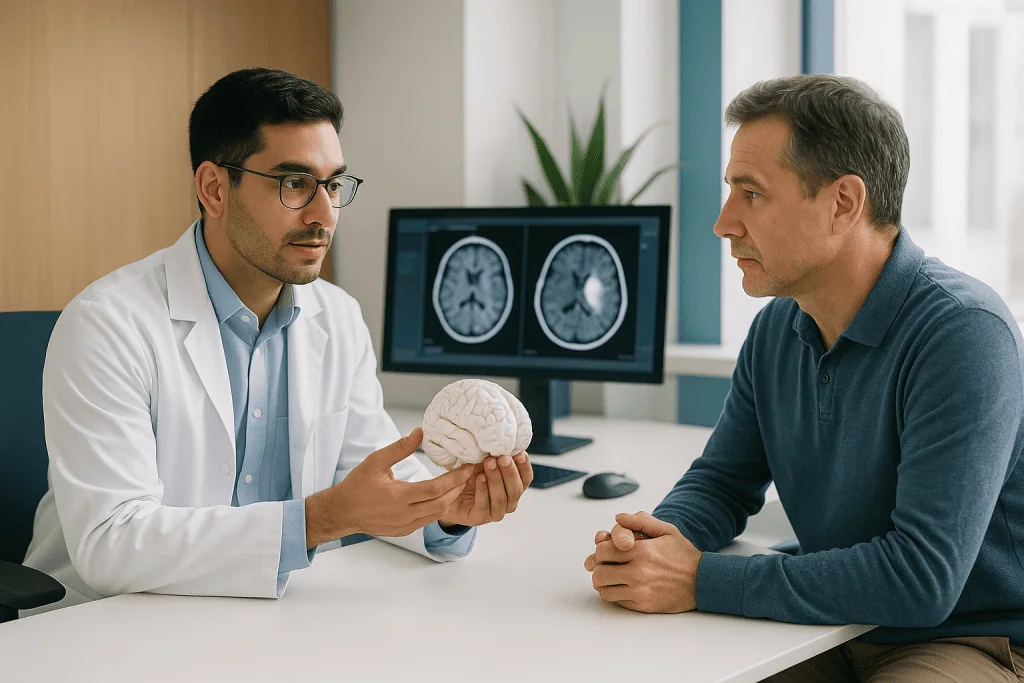
Quick answer
Stroke medicine is the non-surgical care used to diagnose a stroke, treat it in the first hours and reduce the risk of another one. It includes urgent brain imaging, clot-dissolving medication for selected ischaemic strokes, blood pressure and bleeding control for haemorrhagic strokes, stroke-unit monitoring, and long-term prevention built around the specific cause of the event.
Stroke Medicine: Urgent Treatment When Every Minute Counts
Stroke medicine is the non-surgical medical care used to diagnose a stroke, treat it in the first hours, and reduce the risk of another one. It covers emergency assessment, urgent drug treatment where appropriate, close monitoring in the first days, prevention of complications, and a long-term plan built around the cause of the event. It is for anyone who has had a stroke, a suspected stroke, or a brief warning episode that resolved on its own.
A stroke is one of the most urgent events in medicine. It usually arrives without warning: a face droops, speech becomes unclear, an arm or leg feels weak, vision changes, balance is lost, or a severe headache appears. For the person experiencing it and for the family nearby, the first questions are immediate and deeply human. Is this a stroke? Can the damage be limited? What happens next? Will it happen again? Stroke medicine exists to answer those questions quickly and accurately, because the timing and quality of the first decisions can influence how much brain tissue is preserved and how safely recovery begins.
There are two main types of stroke, and the distinction shapes everything that follows. An ischaemic stroke occurs when a blood clot blocks blood flow to part of the brain. A haemorrhagic stroke occurs when bleeding develops in or around the brain. An ischaemic stroke and stroke caused by bleeding need different medications, different blood pressure targets and different monitoring plans. A treatment that helps one type can be dangerous in the other, which is why rapid imaging and specialist interpretation sit at the centre of stroke medicine.
Beyond the emergency itself, many patients and families come to stroke medicine with broader concerns: understanding a diagnosis already made, seeking a second opinion after a stroke, or managing complex risk factors such as atrial fibrillation, carotid artery disease, high blood pressure, diabetes, or previous mini-strokes. Stroke medicine is structured around timely diagnosis, evidence-based decision-making, multidisciplinary review, and continued prevention planning after the acute phase has passed.
What is a stroke?
A stroke is a sudden interruption of the blood supply to part of the brain, which deprives brain cells of the oxygen and nutrients they need to function. The interruption happens in one of two ways: an artery becomes blocked by a clot, or an artery ruptures and bleeds. Either way, the affected region of the brain begins to suffer within minutes. The consequences depend on which part of the brain is involved, movement, speech, vision, sensation, coordination, swallowing and consciousness can all be affected, alone or in combination. Because brain tissue cannot store oxygen, stroke is treated as a medical emergency everywhere in the world, and the phrase “time is brain” summarises why hospital teams move so quickly when a stroke is suspected.
What is a cerebrovascular accident?
A cerebrovascular accident is the formal medical name for a stroke; the two terms describe exactly the same event. You may see the abbreviation CVA in hospital reports, discharge summaries, imaging results and insurance paperwork, and it can be confusing when the word “stroke” never appears alongside it. Many clinicians now prefer the plain word stroke, partly because “accident” understates how preventable and treatable the condition has become. A stroke sits within the wider family of cerebrovascular disease, which also includes narrowed brain arteries, aneurysms and vascular malformations, conditions that can sometimes be found and managed before they cause harm.
What Stroke Medicine Means
Stroke medicine refers to the coordinated medical, as opposed to surgical, care used to treat stroke and prevent recurrence. It is not a single medication and not a single appointment. It is a clinical pathway that begins with identifying the stroke type and cause, continues with urgent treatment and monitoring, and then shifts toward rehabilitation support and secondary prevention. Surgeons and interventional specialists join the pathway when a procedure is needed, but medical management runs through every stage of stroke care, from the emergency department to the follow-up clinic years later.
Can stroke be treated with medicine?
Yes, medication is central to stroke treatment, although what is given depends entirely on the type of stroke and the timing. In selected ischaemic strokes, an intravenous clot-dissolving drug can be given within a limited window after symptoms begin, with the aim of restoring blood flow before brain tissue is permanently injured. In haemorrhagic stroke, medicines are used to control blood pressure, reverse blood-thinning drugs and reduce the chance of further bleeding. After the emergency, medication becomes the backbone of prevention. It is honest to say what medicine cannot do: there is no tablet that reverses a stroke once the injury is complete, and no drug replaces urgent hospital assessment. But the right medicines, chosen at the right time for the right stroke type, can protect threatened brain tissue and change the outlook for the years ahead.
In ischaemic stroke, the first priority is to determine whether blood flow can be restored safely. Depending on the timing of symptoms, imaging results, medical history and bleeding risk, this may include intravenous clot-dissolving medication. Some patients with a large blocked artery are also evaluated for catheter-based clot removal by an interventional team. Even when such a procedure is considered, stroke medicine remains central to patient selection, stabilisation, blood pressure control and post-procedure care: the drug decisions made around the procedure matter as much as the procedure itself.
In haemorrhagic stroke, treatment focuses on controlling bleeding, reducing the chance of the haematoma expanding, managing blood pressure, reversing blood-thinning medications when necessary, controlling brain swelling, and identifying the cause of the bleed. Neurosurgical or neurointerventional procedures may be needed for selected patients, for example when an aneurysm or vascular malformation is found, but careful medical management is always part of the care plan, whether or not an operation takes place.
After the emergency phase, stroke medicine turns to the question of why the stroke occurred. The answer may involve heart rhythm disorders, narrowing of blood vessels, cholesterol plaque, blood pressure, clotting disorders, diabetes, smoking, sleep apnoea, or medication issues. Identifying the cause matters because secondary prevention works best when it is personalised rather than generic: a stroke caused by an irregular heartbeat needs a different plan from one caused by a narrowed carotid artery.
Depending on the cause, stroke medicine may include antiplatelet therapy, anticoagulation for specific heart-related causes, cholesterol-lowering medication, blood pressure treatment, diabetes optimisation, reversal of anticoagulants in bleeding stroke, seizure prevention when indicated, swallowing safety measures, prevention of deep vein thrombosis, and coordinated rehabilitation planning. The goal is always twofold: protect the brain in the short term, and reduce future risk over the long term.
What Causes a Stroke?
What causes a stroke depends on its type: most strokes are ischaemic and are caused by a blood clot blocking an artery that supplies the brain, while haemorrhagic strokes are caused by a burst blood vessel bleeding into or around the brain. Behind that simple division sits a longer list of underlying mechanisms, and finding the specific one is a core task of stroke medicine, because it dictates the prevention plan.
Ischaemic strokes arise in several ways. Clots can form in the heart, most often because of atrial fibrillation, an irregular rhythm that lets blood pool and clot in a heart chamber, but also because of valve disease or a weakened heart muscle, and then travel to the brain. Clots can form on cholesterol plaque in the large arteries of the neck and head, such as the carotid or vertebral arteries. The small arteries deep inside the brain can narrow and close off after years of high blood pressure or diabetes, producing small deep strokes. Less common causes include a tear in an artery wall (dissection), inherited or acquired clotting disorders, inflammation of blood vessels, and clotting linked to cancer or its treatment.
Haemorrhagic strokes have their own causes. Long-standing high blood pressure weakens small arteries deep in the brain until one ruptures. Blood-thinning medication can turn a minor vessel injury into a significant bleed. Aneurysms and vascular malformations can rupture, sometimes causing bleeding around the brain rather than within it. In older adults, a condition called amyloid angiopathy makes surface brain vessels fragile. Rarely, bleeding occurs into a tumour or another structural abnormality.
Whatever the mechanism, a consistent set of risk factors raises the likelihood of stroke:
- High blood pressure: the single most important treatable risk factor for both stroke types.
- Atrial fibrillation and other heart disease.
- Diabetes and prediabetes.
- High cholesterol and arterial plaque.
- Smoking and heavy alcohol use.
- Obesity and physical inactivity.
- Obstructive sleep apnoea.
- A previous stroke or transient ischaemic attack.
- Older age and a family history of stroke.
Several of these factors are silent for years. High blood pressure, atrial fibrillation and diabetes often cause no symptoms until a stroke or another complication reveals them, which is why they are frequently first detected during structured check-up and preventive medicine programmes rather than during illness.
Signs of a Stroke
The signs of a stroke appear suddenly, usually over seconds to minutes, and typically affect one side of the body. The most recognisable pattern, a drooping face, a weak arm, slurred or confused speech, is the basis of public awareness campaigns worldwide, but stroke can also announce itself through vision loss, dizziness with loss of coordination, trouble walking, sudden confusion, or an abrupt severe headache. Some people also experience nausea, altered consciousness or seizures, particularly with certain types of haemorrhagic stroke. Because the brain has no pain receptors, many strokes cause no pain at all, and the absence of pain says nothing about severity. Stroke is treated as a medical emergency precisely because the signs, whatever their form, mark brain tissue losing its blood supply in real time.
What are 5 warning signs of a stroke?
Five classic warning signs cover most strokes, and each one begins suddenly:
- Sudden weakness or numbness of the face, arm or leg, especially on one side of the body.
- Sudden confusion or trouble speakingslurred words, wrong words, or difficulty understanding what others say.
- Sudden trouble seeing in one or both eyes, including double vision or loss of half the visual field.
- Sudden dizziness, loss of balance or trouble walking, particularly with loss of coordination.
- Sudden severe headache with no known cause, sometimes described as the worst headache of a person’s life.
None of these signs is exclusive to stroke, migraine, low blood sugar, seizures and inner-ear disorders can mimic several of them, but distinguishing a mimic from a genuine stroke requires urgent hospital assessment and imaging, not observation at home.
What are the signs of a mild stroke?
The signs of a mild stroke are the same as those of a major stroke, only weaker, briefer or more limited: slight facial asymmetry, clumsiness of one hand, a few minutes of slurred speech, a patch of numbness, or a short episode of visual loss. When symptoms resolve completely within minutes to hours, the event may have been a transient ischaemic attack, or TIA, often called a mini-stroke. A TIA leaves no lasting deficit, but it is not a minor event. It means an artery to the brain was blocked long enough to cause symptoms and then reopened, and the underlying cause: a narrowed carotid artery, an irregular heart rhythm, uncontrolled blood pressure, usually remains. The days after a TIA carry a meaningful risk of a completed stroke, which is why stroke medicine treats these episodes as urgent warnings rather than reassuring near-misses.
What type of stroke causes leg weakness?
Any stroke that damages the motor pathways can cause leg weakness, but two patterns are especially associated with it. Strokes in the territory of the anterior cerebral artery, the vessel supplying the part of the brain that controls the leg, tend to weaken the leg more than the arm. Small deep strokes caused by small vessel disease, called lacunar strokes, can produce a “pure motor” pattern in which the face, arm and leg on one side all weaken together. Leg weakness that develops gradually or affects both legs equally more often points to a spine, nerve or muscle problem than to stroke, but sudden one-sided weakness is evaluated as a possible stroke until imaging proves otherwise.
Who May Need Stroke Medicine
Anyone with symptoms suggesting a stroke needs urgent medical assessment, because the treatment options narrow as time passes. Stroke symptoms may be dramatic or subtle, brief or persistent. A temporary episode that resolves within minutes can still signal high risk, which is why TIAs are investigated with the same seriousness as completed strokes.
Diagnosis begins with a focused neurological examination and urgent brain imaging. A non-contrast CT scan is often used first because it quickly detects bleeding and major changes in the brain. MRI provides more detailed information about early ischaemic injury, smaller strokes, and strokes in the back of the brain. Vascular imaging, CT angiography, MR angiography or ultrasound, assesses the arteries supplying the brain. Blood tests, electrocardiography, heart rhythm monitoring and echocardiography help identify the source of a clot or quantify bleeding risk.
Patients may need stroke medicine in several situations:
- Symptoms of a suspected acute ischaemic stroke within a time window where urgent medication may be considered.
- Symptoms of a suspected haemorrhagic stroke requiring blood pressure control, reversal treatment and close neurological monitoring.
- A TIA or “mini-stroke”, even if symptoms have fully resolved.
- A stroke discovered on imaging after unexplained neurological symptoms.
- Recurrent strokes, or strokes without a clear cause, that require advanced diagnostic evaluation.
- Stroke in the setting of atrial fibrillation, valve disease, carotid artery narrowing, blood clotting disorders, cancer, or inflammatory vascular disease.
- The need for a second opinion about medications, recurrence risk, or prevention strategy after a previous stroke.
Families sometimes enter this pathway when care began elsewhere and they want a comprehensive review of imaging, medications, rehabilitation needs and prevention planning. This is particularly valuable when the stroke cause remains uncertain, or when the patient faces competing risks: a need for blood thinners, for example, combined with a history of bleeding. In those situations a careful, cause-specific review can change the plan meaningfully.
Conditions and Indications Addressed by Stroke Medicine
Stroke medicine covers a broad range of cerebrovascular conditions. Emergency treatment is the most visible part, but many patients benefit from specialist medical care long after the first hospitalisation. The aim is not only to treat the event but to understand the vascular, cardiac, metabolic and lifestyle factors that contributed to it.
Conditions and indications commonly addressed include:
- Acute ischaemic stroke: a clot blocks blood flow to part of the brain, requiring rapid assessment for clot-dissolving treatment, vessel imaging, monitoring and prevention of early recurrence.
- Transient ischaemic attack: temporary neurological symptoms caused by reduced blood flow. A TIA can be a warning of a future stroke and needs urgent evaluation.
- Intracerebral haemorrhage: bleeding within brain tissue, often associated with high blood pressure, blood-thinning medication, vascular abnormalities, or other medical causes.
- Subarachnoid haemorrhage: bleeding around the brain, sometimes related to an aneurysm, requiring urgent imaging, neurological monitoring and coordination with neurosurgical or interventional specialists.
- Atrial fibrillation-related stroke: stroke caused by clots forming in the heart due to an irregular rhythm, often requiring anticoagulation decisions with careful timing and risk assessment.
- Large artery atherosclerosis: stroke related to narrowing or plaque in arteries such as the carotid or vertebral arteries.
- Small vessel disease: stroke associated with long-term high blood pressure, diabetes, ageing, and changes in the small arteries deep in the brain.
- Cryptogenic stroke: stroke with no obvious cause after initial tests, requiring a more detailed search for hidden heart rhythm problems, vascular disease, clotting conditions, or less common causes.
- Medication-related bleeding or clotting risk: complex situations involving anticoagulants, antiplatelet medicines, cancer therapies, or other treatments that affect blood clotting.
- Secondary stroke prevention: long-term medical planning to reduce the likelihood of recurrence through medications, risk-factor control and lifestyle measures.
Because stroke has many possible causes, the best plan is usually developed through collaboration. Neurologists, emergency physicians, neuroradiologists, cardiologists, neurosurgeons, interventional specialists, intensive care physicians, rehabilitation physicians, nurses, speech and swallowing therapists, physiotherapists, dietitians and pharmacists may all contribute at different stages, and colleagues in internal medicine often manage the diabetes, kidney and metabolic conditions that shape stroke risk.
How Stroke Medicine Is Performed: From Emergency Assessment to Recovery Planning
Stroke medicine follows a structured pathway, but every detail is individualised. The patient’s symptom timing, neurological findings, imaging results, medical history, current medications and overall condition guide each decision. In broad terms, the pathway runs through six stages:
- Rapid triage and stabilisation of breathing, circulation, glucose and blood pressure.
- Urgent brain and vessel imaging to separate ischaemic stroke from bleeding.
- Time-critical treatment decisions, clot-dissolving medication, endovascular referral, or bleeding control.
- Monitored care in a stroke unit or intensive care setting.
- Investigation of the cause, from heart rhythm to artery narrowing.
- Secondary prevention, rehabilitation planning and structured discharge.
Rapid Triage and Initial Stabilisation
The first step is urgent triage. Medical teams assess airway, breathing, circulation, blood glucose, oxygen levels, blood pressure, temperature and neurological status. Conditions that can mimic stroke, low blood sugar, seizures, migraine, infections, medication effects, are considered, but evaluation moves quickly because treatment windows are limited.
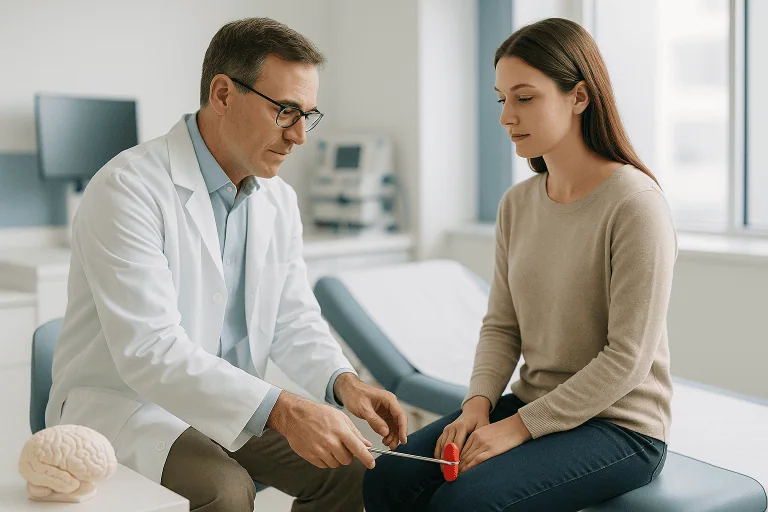
The neurological examination assesses speech, gaze, facial movement, arm and leg strength, sensation, coordination, vision and level of consciousness. A standardised stroke severity score is often recorded so that changes can be tracked over time. Families are asked when the patient was last known to be well, because that timestamp, not the moment symptoms were noticed, anchors many treatment decisions.
Imaging and Diagnostic Testing
Brain imaging is performed urgently to distinguish ischaemic stroke from bleeding. CT is used first in most emergencies because it is fast and widely available. MRI is used when more detail is needed, particularly for early ischaemia, small strokes, brainstem symptoms or an uncertain diagnosis. Vascular imaging shows whether a major artery is blocked or narrowed.
Modern pathways may also include perfusion imaging in selected cases. This technique estimates which areas of brain tissue are already injured and which are still at risk but potentially salvageable. That information can guide treatment, especially when the exact time of onset is unknown, for example when symptoms are discovered on waking.
Laboratory testing assesses bleeding risk, infection, kidney function, blood sugar, blood counts, clotting status and medication effects. Heart evaluation is essential because many strokes arise from cardiac conditions: an electrocardiogram, echocardiography and prolonged rhythm monitoring can detect atrial fibrillation, valve disease, heart muscle problems or other sources of emboli. Sometimes the rhythm disturbance is intermittent and only appears on extended monitoring, which is one reason cryptogenic strokes deserve patient, systematic investigation.
Urgent Medication for Ischaemic Stroke
For selected ischaemic stroke patients, intravenous thrombolytic medication may be considered to dissolve the clot and restore blood flow. Eligibility depends on time from symptom onset, imaging findings, stroke severity, blood pressure, recent surgery or bleeding, current anticoagulant use and other medical conditions. This treatment is not appropriate for every patient, the same drug that reopens an artery can worsen a bleed, but when used in the right setting it can improve the chance of neurological recovery.
Some patients have a large artery blockage suitable for endovascular treatment, in which a catheter is used to remove the clot mechanically. Even when a procedure is performed, medical stroke care remains essential before, during and afterwards: blood pressure, blood sugar, oxygenation, temperature and neurological changes all need active management around the intervention.
If thrombolysis is not appropriate, other medical treatments include antiplatelet therapy, cholesterol-lowering medication and risk-factor management. In certain patients, anticoagulation is started later if the stroke is related to atrial fibrillation or another cardioembolic source. The timing is chosen deliberately, balancing the risk of another clot against the risk of bleeding into freshly injured brain tissue, one of the most delicate judgements in stroke medicine.
Medical Treatment for Haemorrhagic Stroke
In haemorrhagic stroke, the priorities are different. Treatment may include controlled lowering of blood pressure, reversal of anticoagulant medication, correction of clotting abnormalities, management of brain swelling, and close monitoring for neurological deterioration. If the bleeding is related to an aneurysm, vascular malformation, tumour or another structural cause, specialists evaluate whether a neurosurgical or interventional treatment is needed.
Patients with haemorrhagic stroke often need intensive care or a specialised stroke unit. Monitoring focuses on consciousness level, pupil changes, worsening headache, vomiting, seizures, blood pressure trends and signs of rising pressure inside the skull. Repeat imaging checks whether the bleeding has expanded, because expansion in the first hours changes both prognosis and treatment.
Monitoring in the Stroke Unit or Intensive Care Setting
The first 24 to 72 hours after a stroke are usually the most medically active. Patients are observed for changes in neurological function, swallowing safety, heart rhythm, blood pressure, oxygen levels, fever, infection and complications of immobility. Nurses trained in neurological care play a central role, because subtle changes can be the first sign of evolving swelling, recurrent stroke, bleeding or seizures.
Swallowing is assessed before any food, drink or oral medication is given. Stroke can impair swallowing and raise the risk of aspiration pneumonia; if swallowing is unsafe, nutrition and medicines are given by alternative routes until reassessment. Complication prevention also covers deep vein thrombosis, pressure injuries, infections, falls, delirium and malnutrition. Early mobilisation begins when medically appropriate, and rehabilitation planning usually starts while the patient is still in hospital.
Secondary Prevention and Discharge Planning
Once the patient is medically stable, the plan shifts toward preventing another stroke. This may involve antiplatelet medication, anticoagulation, blood pressure treatment, cholesterol-lowering therapy, diabetes management, smoking cessation, weight management, sleep apnoea evaluation and dietary guidance. Because untreated sleep apnoea both raises stroke risk and hampers recovery, referral to a sleep medicine team is considered when the history suggests it. If carotid artery disease or another vascular lesion is found, the team discusses procedural options with vascular, neurosurgical or interventional specialists.
Discharge planning includes medication education, warning-sign awareness, follow-up appointments, and rehabilitation recommendations, usually coordinated with physical medicine and rehabilitation specialists. Clear documentation matters greatly at this stage: reports, imaging records, medication lists and follow-up plans should be complete enough that any physician who continues the care later can do so safely and without guesswork.
The duration of hospitalisation varies. A TIA evaluation may be completed relatively quickly in selected stable patients, while a major stroke or haemorrhage may require longer hospitalisation, intensive monitoring and inpatient rehabilitation. Recovery is highly individual and depends on stroke type, location, severity, age, coexisting conditions and how quickly treatment began.
Why Acting Early Matters
Stroke is time-sensitive because brain cells depend on continuous blood flow and oxygen. In ischaemic stroke, the longer an artery remains blocked, the greater the risk that threatened brain tissue becomes permanently injured. In haemorrhagic stroke, early treatment reduces the chance of bleeding expansion, severe blood-pressure-related complications, and secondary injury from swelling and pressure.
Delay also means missed options. Some urgent medications are only considered within defined time windows and under specific safety conditions. Advanced imaging can identify patients who may still benefit from intervention beyond traditional limits, but that assessment requires being in a hospital. Waiting at home to see whether symptoms improve carries risk even when the symptoms later become less noticeable, because a fading deficit does not mean a resolved cause.
TIAs deserve the same seriousness. Because the symptoms disappear, evaluation is sometimes postponed, yet the days after a TIA can carry a meaningful risk of a completed stroke, especially if the cause is untreated carotid narrowing, atrial fibrillation or uncontrolled blood pressure. Rapid diagnosis and prevention after a TIA can change the course of care entirely.
Acting early also limits complications. Swallowing problems, infections, blood clots in the legs, abnormal heart rhythms and medication errors are all more likely to be detected and treated in a monitored setting. Early rehabilitation assessment helps preserve mobility, communication and independence wherever possible.
Benefits of Stroke Medicine
The benefits of stroke medicine depend on the stroke type and the timing of treatment, but the central purpose is constant: reduce brain injury, support recovery, and lower the chance of another event.
| Benefit | What It Means for You |
|---|---|
| Rapid distinction between ischaemic and haemorrhagic stroke | Imaging and specialist assessment ensure that medications match the stroke type and that unsafe treatments are avoided. |
| Opportunity for urgent clot-focused treatment | Selected ischaemic stroke patients may be candidates for intravenous medication or referral for endovascular evaluation when imaging and timing support it. |
| Careful control of bleeding-related risk | In haemorrhagic stroke, medical management addresses blood pressure, clotting abnormalities, anticoagulant reversal and neurological monitoring. |
| Reduced risk of early complications | Stroke-unit care monitors swallowing, infections, blood clots, heart rhythm, mobility and neurological changes during a vulnerable period. |
| Personalised secondary prevention | The team investigates the cause of the stroke and builds a medication and risk-factor plan aimed at reducing recurrence risk over time. |
| Coordinated rehabilitation planning | Early therapy input defines needs for speech, swallowing, movement, cognition and daily function after discharge. |
Recovery Timeline After Stroke Medical Treatment
Recovery varies widely, but many patients and families find it helpful to understand the typical phases of care after stroke medicine begins. The table below describes phases, not promises, individual progress can be faster or slower at every stage.
| Time Period | What Patients Can Expect |
|---|---|
| Day 1 | Urgent imaging, neurological assessment, medication decisions, blood pressure and glucose control, swallowing screening, and close monitoring in an emergency, stroke-unit or intensive care setting. |
| First Week | Repeat assessments, adjustment of medications, evaluation of the stroke cause, prevention of complications, early rehabilitation input, and planning for nutrition, mobility, communication and safe discharge. |
| First Month | Ongoing recovery, outpatient or inpatient rehabilitation when needed, refinement of prevention medication, monitoring for side effects, and follow-up of cardiac or vascular findings. |
| Three to Six Months | Many patients continue to make functional gains. Focus often includes therapy progression, return-to-work or daily-activity planning, mood and cognition assessment, and recurrence prevention. |
| Longer Term | Long-term control of blood pressure, cholesterol, diabetes, heart rhythm, sleep apnoea, smoking, diet and physical activity remains central to reducing future stroke risk. |
Preventing Another Stroke: Medication Questions Patients Ask
After the acute phase, most of the questions patients bring to clinic are about medicines, which ones prevent stroke, which ones might cause problems, and what is safe to take alongside them. The honest answers are more nuanced than a list of drug names, because every prescription decision belongs to the treating doctor who knows the specific stroke cause and the patient’s other conditions. What follows explains the reasoning behind those decisions.
What medicine to take to prevent stroke?
There is no single stroke-prevention medicine; the right one depends on why a stroke happened or what risk factors exist. Doctors choose from several classes. Antiplatelet drugs reduce clot formation on damaged artery walls and are common after strokes caused by artery disease. Anticoagulants are used when clots form in the heart, typically because of atrial fibrillation. Cholesterol-lowering medicines stabilise arterial plaque. Blood pressure medicines address the most important treatable risk factor of all, and diabetes medicines protect blood vessels over time. Matching drug to mechanism is the whole point: an anticoagulant given for the wrong cause adds bleeding risk without adding protection, which is why prevention prescriptions follow diagnosis, never the other way round.
Can blood pressure medicine cause a stroke?
Blood pressure medicine is one of the most effective stroke-prevention tools available, and untreated high blood pressure is a major cause of both ischaemic and haemorrhagic stroke, so for the vast majority of patients, the risk lies in not treating hypertension. The nuance behind the question is real, though: in specific acute situations, blood pressure that falls too far or too fast can reduce blood flow to a brain already under stress, which is why hospital teams control pressure gradually and to individualised targets after a stroke. That is a matter of in-hospital management, not a reason to fear routine tablets. Any concern about a particular blood pressure medicine, its dose or its side effects is a question for the treating doctor, who can adjust the plan safely; changing or stopping treatment independently is where genuine risk lies.
What cold medicine can I take after a stroke?
The safe answer depends on your prescription list, and that makes it a question for your treating doctor or pharmacist rather than a shop shelf. The reason for caution is specific: many combination cold and flu remedies contain decongestants, which can raise blood pressure and heart rate, and some contain anti-inflammatory painkillers that interact with blood-thinning medication. Neither issue means every remedy is off-limits: it means the choice should be checked against the exact medicines you take for stroke prevention. Keeping an up-to-date medication list makes that conversation quick: carry it with you, and update it whenever a dose or drug changes, so any clinician or pharmacist can check an interaction in seconds rather than reconstructing the regimen from memory.
Factors That Influence Outcomes
Stroke outcomes are influenced by many factors, and no responsible medical team predicts recovery with certainty in the first hours. Several elements are known to matter: the type of stroke, the size and location of the affected brain area, the time from symptom onset to treatment, and the patient’s overall health.
In ischaemic stroke, faster restoration of blood flow, where medically appropriate, is generally associated with a better chance of preserving brain tissue. The presence of a large artery blockage, the quality of collateral blood flow, blood pressure, blood sugar, fever and early complications all influence recovery. In haemorrhagic stroke, outcome is affected by the size and location of the bleed, whether it expands, the degree of brain swelling, blood pressure control and the underlying cause.
Pre-existing conditions shape recovery too. High blood pressure, diabetes, kidney disease, atrial fibrillation, heart failure, high cholesterol, smoking, obesity and previous strokes can increase risk and complicate management. Medications taken before the stroke, especially anticoagulants or antiplatelet agents, affect bleeding risk and constrain treatment choices in the first hours.
The accuracy of diagnosis is another major factor. A stroke caused by atrial fibrillation requires a different prevention strategy from one caused by carotid narrowing or small vessel disease. A haemorrhage related to a vascular abnormality needs a different pathway from bleeding related to hypertension or anticoagulant use. This is why detailed imaging review and cause-specific investigation matter as much as the emergency treatment itself.
Rehabilitation engagement matters as well. Recovery is not limited to the hospital stay. Physical therapy, occupational therapy, speech and language therapy, swallowing therapy, cognitive rehabilitation, mood support and caregiver education help patients regain function and adapt safely. Improvement may continue for months, and in some patients longer, particularly when therapy is consistent and medical risk factors are well controlled.
A good result in stroke medicine is not defined only by survival or a scan report. It includes preventing avoidable complications, choosing the right medications at the right time, explaining risks plainly, supporting functional recovery, and building a prevention plan the patient can realistically continue at home.
Stroke Medicine at Acibadem
Stroke medicine at Acibadem hospitals is delivered where emergency pathways, intensive care, imaging, laboratory services, specialist consultations and rehabilitation support are coordinated within established quality and safety systems. Care is typically multidisciplinary: neurology teams work with emergency physicians, neuroradiologists, cardiologists, neurosurgeons, interventional specialists, intensive care physicians, rehabilitation teams, nurses and pharmacists, so that each patient’s condition is evaluated from more than one perspective.
In complex cases, specialist boards or multidisciplinary discussions review imaging, clinical status and treatment options. This is particularly valuable when a patient has a large vessel blockage, recurrent stroke, a haemorrhage with an uncertain cause, atrial fibrillation with bleeding concerns, carotid disease, or conflicting medication risks. Decisions are guided by international, evidence-based treatment protocols, adapted to the individual situation rather than applied as a formula.
Advanced diagnostics support timely decisions: CT and MRI-based imaging, vascular imaging, perfusion assessment in selected cases, cardiac evaluation, laboratory testing and continuous neurological monitoring. Technology is not a substitute for clinical judgement; it is what makes judgement precise, whether a patient may benefit from clot-focused therapy, whether bleeding is expanding, whether a major artery is narrowed, and which prevention strategy fits the cause. Experienced physicians matter throughout, because stroke decisions involve balance. Lowering blood pressure too little or too much can each be harmful in specific settings. Starting blood thinners too early after some strokes raises bleeding risk, while waiting too long raises clot risk. These judgements rest on close reading of imaging, history and clinical evolution.
Moving Forward After Stroke
A stroke can change life in a moment, but the period after a stroke is also a time for careful decisions that protect recovery and reduce future risk. The most important first step is accurate diagnosis: ischaemic or haemorrhagic, mild or severe, caused by the heart, the arteries, small vessel disease, medication factors, or something rarer. From there, treatment becomes focused rather than generic.
Stroke medicine brings together urgent treatment, close monitoring, complication prevention, cause investigation and long-term prevention. For some patients this means time-sensitive medication in the first hours. For others it means blood pressure control, reversal of blood thinners, intensive monitoring, or evaluation for a procedure. For nearly everyone it means understanding why the event occurred and leaving hospital with a prevention plan that is both medically sound and practical to follow.
For anyone weighing a second opinion after a stroke, a TIA or unexplained neurological symptoms, the review is only as good as the material behind it: complete medical records, the original imaging studies rather than written reports alone, a current medication list, and a clear timeline of symptoms allow specialists to check the diagnosis, the cause and the prevention strategy properly. Assembling those documents is the most useful preparation a patient or family can make, wherever the review takes place.
Preparation
- Stroke treatment begins with rapid assessment in an emergency setting, including neurological examination and brain imaging. Doctors review symptom onset time, medications, bleeding risk, blood pressure, and medical history to decide if clot-dissolving or preventive medicines are appropriate.
Aftercare
- After acute treatment, patients are closely monitored for neurological changes, swallowing problems, blood pressure, and complications. Long-term care may include antiplatelet or anticoagulant medication, cholesterol and blood pressure control, rehabilitation, and lifestyle planning to reduce recurrence risk.
Frequently Asked Questions
What affects the cost of stroke medicine care?
Cost is influenced by stroke type, urgency, need for admission or intensive monitoring, imaging, laboratory tests, medicines, specialist consultations, and rehabilitation planning. International patient services such as interpretation, record translation, and transfer coordination may also affect the quote.
Can I travel to Turkey for acute stroke treatment?
Acute stroke symptoms require immediate emergency care at the nearest suitable hospital. Travel is generally considered only after a doctor confirms that the patient is medically stable, or for a planned second opinion, follow-up, prevention review, or rehabilitation coordination.
How can I get a personalised quote?
A personalised quote usually requires medical reports, brain imaging, medication lists, discharge summaries, and information about current symptoms and mobility. Acibadem International can review available records through a free consultation and advise what may be needed before travel.
What is usually included in a stroke medicine package?
A package may include neurologist consultation, review of previous scans, further imaging or tests if required, medication planning, risk factor assessment, inpatient monitoring when needed, discharge documentation, and follow-up coordination. The exact scope depends on the patient’s condition.
Why can the final hospital bill differ from the initial estimate?
Stroke care may change quickly if new findings appear on imaging, monitoring shows complications, medicines need adjustment, or additional specialists are required. Estimates are therefore based on expected care, while the final cost reflects the actual services delivered.
Is stroke medicine the same for ischemic and hemorrhagic stroke?
No. Ischemic stroke is related to blocked blood flow, while hemorrhagic stroke is related to bleeding. Medicines, monitoring priorities, and prevention strategies differ, so treatment suitability must be decided by a stroke specialist after assessment.
Medically reviewed by the Acıbadem International Medical Board September 13, 2026
See our medical review board →
Update history
- PublishedJune 8, 2026
- Medical review approvedSeptember 13, 2026
- Last content updateSeptember 13, 2026
Trusted care for international patients
From the Acibadem Blog

Why Do Ischemic and Hemorrhagic Strokes Need Different Stroke Medicine?
Ischemic and hemorrhagic strokes need different medicines because they are opposite problems in the same organ. An ischemic stroke is caused by a clot…