

Tele Cardiology
Tele Cardiology provides remote cardiology consultations, follow-up, and test review for patients who need expert heart care without an in-person hospital visit.
Quick answer
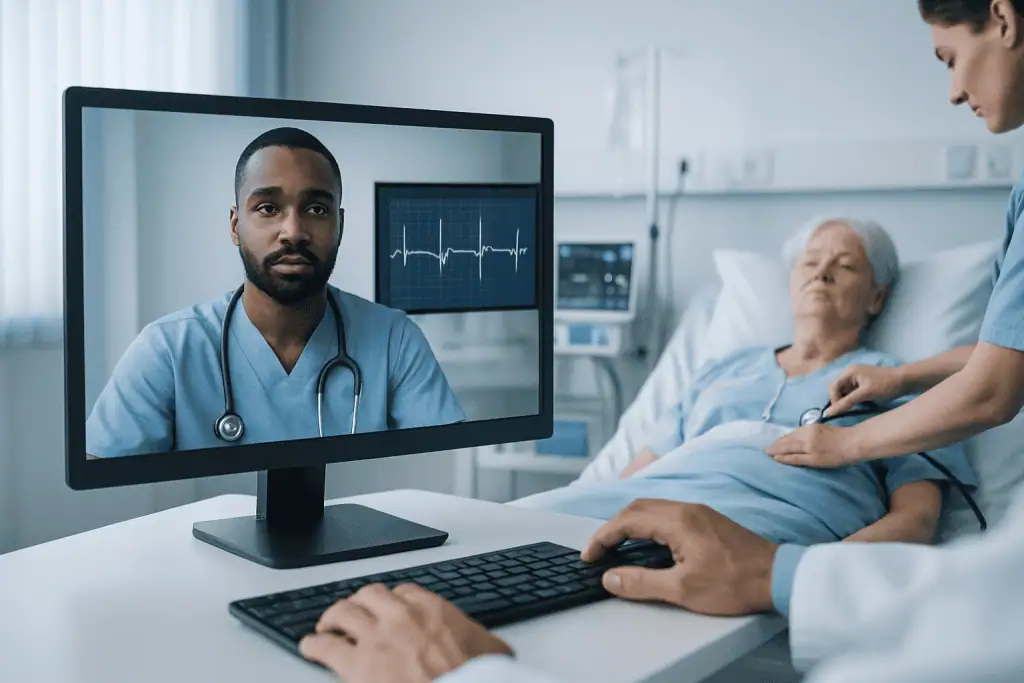
Tele Cardiology is remote heart care that lets a cardiologist evaluate symptoms, review test results, provide follow-up, and guide treatment without an in-person hospital visit. At Acibadem in Turkey, it is used to support patients before or after treatment through secure online consultations, review of shared medical records and imaging, and coordination of next steps when on-site care is needed.
Expert Heart Care When Traveling to a Hospital Is Not the First Step
Heart symptoms can create immediate uncertainty. A new episode of chest discomfort, shortness of breath during ordinary activity, palpitations that appear without warning, or an abnormal test result can raise difficult questions: Is this urgent? Do I need to travel? Is my current treatment enough? For many international patients, these concerns are even more complex. You may be seeking a second opinion from abroad, trying to understand a diagnosis in another health system, or deciding whether an in-person cardiology visit in Turkey is necessary.
Tele Cardiology is designed for situations in which expert cardiovascular assessment can begin remotely. It allows patients to speak with a cardiologist, share medical records and test results, discuss symptoms, review medications, and receive guidance on next steps without first coming to the hospital. For people living far from a specialized heart center, those with limited mobility, or patients who need timely review of reports before making travel arrangements, this can be an important and practical pathway.
Remote cardiology care does not replace emergency treatment when symptoms are severe or rapidly worsening. It also cannot perform a physical examination, imaging test, or procedure through the screen. However, when used appropriately, it can help clarify risk, organize the right diagnostic plan, reduce unnecessary travel, and support continuity of care after hospital-based treatment. At Acibadem, Tele Cardiology is integrated into a broader cardiovascular care system, allowing patients to access experienced physicians, multidisciplinary input when needed, and international patient support for documentation, language assistance, and care coordination.
What Tele Cardiology Is
Tele Cardiology is a remote medical consultation with a heart specialist. It may take place by secure video appointment, telephone consultation, or structured review of medical documents, depending on the patient’s needs and the clinical situation. During the consultation, the cardiologist evaluates your symptoms, medical history, medications, lifestyle factors, previous diagnoses, and available test results. These may include electrocardiograms, echocardiography reports, stress test results, coronary CT angiography, cardiac MRI, Holter monitor reports, blood tests, hospital discharge summaries, and prior angiography or procedure records.
The goal is to provide a professional cardiovascular opinion and a clear plan. This may include reassurance and routine follow-up, medication adjustment recommendations to be discussed with your local physician, advice to complete additional testing, referral for in-person cardiology assessment, or urgent direction to seek emergency care if the history suggests an immediate risk. In some cases, Tele Cardiology is used as a second opinion before a procedure such as coronary angiography, valve intervention, pacemaker or rhythm procedure, or heart surgery. In other cases, it supports ongoing follow-up after a diagnosis has already been made.
Tele Cardiology is most effective when the consultation is well prepared. A remote cardiologist can make a more accurate assessment when reports are complete, images or tracings are available when relevant, medication names and doses are clear, and symptoms are described in detail. For international patients, Acibadem’s care coordination teams can help gather and organize medical documents, arrange translation when needed, and guide patients on what information should be submitted before the appointment.
Because heart disease can range from stable, long-term conditions to life-threatening emergencies, a responsible Tele Cardiology service includes careful triage. If symptoms suggest a possible heart attack, severe rhythm disturbance, pulmonary embolism, stroke, acute heart failure, or another emergency, the patient should not wait for a remote consultation. In those cases, immediate local emergency medical care is the safest route.
Who May Need Tele Cardiology
Tele Cardiology may be appropriate for patients who have heart-related symptoms, known cardiovascular disease, or abnormal test results and need specialist guidance without an immediate hospital visit. It is also useful for people who are considering traveling for evaluation or treatment and want to understand whether the trip is medically appropriate, what tests may be needed, and which specialist service should review their case.
Common symptoms that may lead to a Tele Cardiology consultation include chest pain or pressure, breathlessness, palpitations, fainting or near-fainting episodes, swelling in the legs, unexplained fatigue, reduced exercise capacity, dizziness, high blood pressure that remains difficult to control, or symptoms that occur after a recent cardiac procedure. Some patients request a consultation because they have been told they have an abnormal ECG, an enlarged heart, valve disease, an abnormal cholesterol profile, coronary artery calcium, arrhythmia, or a concerning family history.
Diagnosis in cardiology often depends on combining the patient’s story with objective testing. During a remote consultation, the cardiologist may review previous investigations and decide whether the diagnosis is already sufficiently clear or whether additional tests are needed. For example, chest discomfort may require coronary risk assessment and possibly stress imaging or coronary CT angiography. Palpitations may require rhythm monitoring. Breathlessness may require echocardiography, blood tests, lung evaluation, or assessment for heart failure. High blood pressure may require home readings, kidney function tests, medication review, and evaluation for secondary causes.
Tele Cardiology is also valuable for follow-up. Patients who have already undergone coronary stenting, bypass surgery, valve surgery, ablation, pacemaker implantation, heart failure treatment, or medication changes may need periodic review. A remote follow-up can assess symptom improvement, medication tolerance, blood pressure and pulse trends, wound concerns after a procedure when visual review is possible, and whether a patient should schedule in-person testing.
Not every situation is suitable for remote care. Severe chest pain, sudden shortness of breath, weakness on one side of the body, loss of consciousness, severe palpitations with fainting, blue lips, very low blood pressure, or rapidly worsening symptoms should be treated as emergencies. Tele Cardiology can guide non-emergency decisions, but urgent symptoms require local emergency assessment without delay.
Conditions and Indications Addressed by Tele Cardiology
Tele Cardiology can support a wide range of cardiovascular concerns, particularly when the purpose is consultation, treatment planning, follow-up, or second opinion review. The most common indications include coronary artery disease, chest pain evaluation, hypertension, arrhythmias, heart valve disease, heart failure, congenital heart conditions in adults, cardiomyopathies, preventive cardiology, and cardiovascular risk assessment before surgery or international travel.
For coronary artery disease, a remote consultation may help interpret stress tests, coronary CT reports, calcium scores, angiography findings, or previous stent and bypass records. The cardiologist can explain what the results mean, whether symptoms are consistent with reduced blood flow to the heart, and whether further evaluation is needed. If a procedure is being considered, Tele Cardiology can help the patient understand why it has been recommended and what alternatives may be discussed during an in-person evaluation.
For hypertension, Tele Cardiology can be particularly useful because home blood pressure readings provide important information. The cardiologist may review patterns over time, assess medication response, identify lifestyle or medication factors that contribute to high readings, and recommend further evaluation when blood pressure remains difficult to control.
For arrhythmias, remote care often begins with reviewing ECGs, Holter monitoring, wearable device rhythm strips when medically relevant, and symptom timing. Some palpitations are benign, while others require closer assessment. A cardiologist can help determine whether additional rhythm monitoring, echocardiography, blood tests, medication review, or electrophysiology evaluation may be needed.
For heart valve disease, Tele Cardiology may involve review of echocardiography reports and symptom progression. Patients may ask whether valve narrowing or leakage is mild, moderate, or severe; whether monitoring is enough; and when a valve specialist or cardiac surgeon should be involved. In complex cases, a multidisciplinary heart team discussion may be recommended after complete diagnostic information is available.
For heart failure and cardiomyopathy, remote follow-up can help evaluate symptoms, weight changes, fluid retention, medication tolerance, kidney function reports, and echocardiography findings. Because heart failure can worsen quickly, the cardiologist may direct patients to local care if symptoms suggest fluid overload or instability.
Tele Cardiology is also helpful in preventive cardiology. Patients with diabetes, high cholesterol, smoking history, obesity, kidney disease, inflammatory conditions, or family history of premature heart disease may seek guidance on risk reduction. The consultation may include review of lipid levels, blood pressure, lifestyle factors, imaging findings, and medication options.
How Tele Cardiology Is Performed
Tele Cardiology begins before the appointment itself. The first step is collecting relevant medical information. Patients are usually asked to provide a summary of their symptoms, current diagnoses, medications with doses, allergies, previous procedures, and available test results. For international patients, reports may be submitted digitally, and translation support may be arranged when necessary. The more complete the information, the more productive the consultation can be.
Before the visit, it is helpful to prepare a clear timeline. When did symptoms begin? What triggers them? How long do they last? What relieves them? Are they associated with sweating, nausea, dizziness, fainting, shortness of breath, or pain spreading to the arm, jaw, back, or neck? For patients with high blood pressure, a list of recent home blood pressure and pulse readings is valuable. For patients with heart failure, recent weight changes and swelling symptoms matter. For patients with arrhythmia concerns, the timing of palpitations and any available rhythm recordings may help.
During the remote consultation, the cardiologist asks targeted questions and reviews the submitted medical records. If the consultation is by video, the physician may observe general appearance, breathing comfort, visible swelling, or medication packaging, but this is not the same as a full physical examination. The discussion typically includes current symptoms, prior diagnoses, family history, lifestyle factors, medications, and the meaning of test results. The physician then explains the likely clinical picture and outlines the next step.
Technology used in Tele Cardiology may include secure video platforms, encrypted document sharing systems, digital imaging transfer, electronic medical record review, remote interpretation of ECG or rhythm monitoring reports, and structured communication between physicians. When patients have wearable rhythm devices or home blood pressure monitors, the information may be considered as part of the discussion, although consumer device data must be interpreted cautiously and in context. For certain patients, the cardiologist may recommend formal ambulatory rhythm monitoring, echocardiography, stress imaging, coronary CT angiography, cardiac MRI, blood tests, or in-person examination.
A typical Tele Cardiology appointment may last long enough to review the main complaint, explain findings, and establish a plan, though the duration depends on the complexity of the case and the volume of records. A simple blood pressure or medication follow-up may be shorter than a second opinion for multivessel coronary disease, valve surgery, or recurrent arrhythmia. Complex cases may require additional document review before or after the appointment.
After the consultation, patients usually receive a summary of the medical opinion and recommendations. This may include suggested diagnostic tests, medication considerations, lifestyle advice, warning signs that require urgent care, and whether an in-person cardiology appointment is recommended. For patients planning care at Acibadem, the international patient services team may assist with scheduling, language coordination, travel-related medical planning, hospital appointments, and communication with relevant departments.
Recovery is not usually the correct term for Tele Cardiology itself, because no invasive procedure is performed. However, patients often experience a practical form of progress: clearer understanding, better organization of next steps, improved medication planning, and a decision about whether travel or in-person evaluation is needed. If Tele Cardiology is used after a hospital procedure, the “recovery process” depends on the underlying treatment, such as stenting, ablation, valve intervention, or surgery. In that setting, remote follow-up focuses on symptoms, medication adherence, wound or access-site concerns when applicable, and the timing of further tests or visits.
Why Acting Early Matters
Heart conditions are often easier to manage when they are recognized and addressed early. Symptoms such as chest pressure, breathlessness, palpitations, dizziness, or unexplained fatigue may have many causes, but some are cardiovascular and require timely evaluation. Waiting too long can allow a condition to progress, increase the risk of complications, or make treatment more complex.
In coronary artery disease, delayed assessment may mean that narrowing in the heart arteries continues to limit blood flow. Some patients experience warning symptoms before a heart attack, while others have subtle symptoms, especially people with diabetes, older adults, and women. Tele Cardiology can help decide whether symptoms are concerning enough to require urgent local evaluation or planned diagnostic testing.
In arrhythmias, intermittent palpitations may be harmless, but some rhythm disturbances increase the risk of fainting, stroke, or heart weakening if untreated. A remote cardiology consultation can help determine whether rhythm documentation is needed and how quickly it should be arranged.
In heart failure, early recognition of fluid retention, worsening breathlessness, or medication intolerance can prevent deterioration. A patient who waits until symptoms are severe may need emergency hospitalization. Tele Cardiology can be helpful for reviewing early warning signs, but it should not delay urgent care if breathing becomes difficult, swelling rapidly worsens, or oxygen levels are low.
In valve disease, cardiomyopathy, and inherited heart conditions, monitoring at the right interval is important. A patient may feel well even when imaging shows changes that require closer follow-up. Remote review of reports can help identify whether an in-person specialist evaluation should be arranged sooner rather than later.
The key is appropriate timing. Tele Cardiology provides a structured way to ask: Is this safe to monitor? Do I need additional tests? Should I travel for specialist care? Or should I go to an emergency department now? That distinction can be clinically important.
Benefits of Tele Cardiology
For many patients, Tele Cardiology offers practical and medical advantages when used for the right situation.
| Benefit | What It Means for You |
|---|---|
| Specialist access without initial travel | You can begin your cardiology evaluation from your home country, which is especially helpful when travel is difficult, costly, or medically uncertain. |
| Second opinion review | A cardiologist can review previous reports and explain whether the proposed plan is consistent with your diagnosis and current evidence-based approaches. |
| Clearer triage | The consultation can help determine whether your situation requires emergency care, planned testing, medication review, or an in-person appointment. |
| Continuity after treatment | Patients who have already received cardiac care can have follow-up discussions about symptoms, medications, test timing, and recovery concerns. |
| Better preparation for hospital care | If you do need to travel, your records can be reviewed in advance so appointments, diagnostic tests, and specialist input are organized more efficiently. |
| Support for long-term prevention | Patients with risk factors such as high blood pressure, cholesterol, diabetes, or family history can receive guidance on monitoring and risk reduction. |
Tele Cardiology Follow-Up Timeline
The timeline after Tele Cardiology depends on your symptoms, diagnosis, and whether additional testing or in-person care is recommended.
| Time Period | What Patients Can Expect |
|---|---|
| Day 1 | Your cardiologist reviews your history and available records, discusses your main concerns, identifies warning signs, and outlines the immediate next step. |
| First Week | You may be advised to complete additional tests, send missing reports, monitor blood pressure or pulse, adjust follow-up planning, or seek local evaluation if needed. |
| First Month | Patients with stable conditions may continue monitoring or schedule further remote review. Those needing advanced diagnostics may plan an in-person visit or hospital-based evaluation. |
| Longer Term | Tele Cardiology may be used for periodic follow-up, medication discussions, review of new test results, and coordination of care after procedures or hospital treatment. |
What Influences a Good Tele Cardiology Outcome
A good result in Tele Cardiology depends on the quality of information, the appropriateness of remote care for the clinical situation, and the patient’s ability to follow the recommended next steps. Unlike an in-person cardiology visit, a remote consultation cannot include a hands-on physical examination, same-day imaging, blood testing, or emergency intervention. For that reason, accurate triage and complete documentation are essential.
One important factor is record quality. A cardiologist can interpret a written ECG report, but the ECG tracing itself may provide more detail. A summary of an echocardiogram is useful, but measurements of valve function, chamber size, ejection fraction, wall motion, and pressure estimates are often important. For coronary disease, angiography images or coronary CT images may be more informative than a brief report alone. Patients seeking a second opinion should provide as much original documentation as possible.
Another factor is symptom clarity. Heart symptoms can overlap with lung, digestive, muscle, anxiety-related, endocrine, or neurological conditions. Describing the pattern carefully helps the cardiologist judge risk. For example, chest pressure that occurs predictably with walking and improves with rest suggests a different concern than sharp pain lasting seconds. Palpitations with fainting require different urgency than occasional brief fluttering. Breathlessness with leg swelling and rapid weight gain may suggest fluid retention, while breathlessness with fever may suggest another cause.
Medication accuracy also matters. Patients should provide the exact names, doses, and timing of all prescription medications, over-the-counter medicines, supplements, and recent medication changes. Some drugs affect heart rhythm, blood pressure, kidney function, potassium levels, or interactions with blood thinners. Inaccurate medication lists can lead to incomplete recommendations.
Home measurements can improve the consultation. Blood pressure, pulse, oxygen saturation when available, weight trends in heart failure patients, and glucose control in diabetic patients can all provide useful context. However, home and wearable devices are not perfect. Their readings should be interpreted together with symptoms, formal medical tests, and clinical judgment.
Patient safety depends on knowing when remote care is not enough. If the cardiologist advises emergency evaluation, the patient should seek local urgent care rather than wait for international travel or additional remote discussion. If the recommendation is an in-person cardiology visit, completing it within the suggested time frame is important. Tele Cardiology is most valuable when it becomes part of a clear medical pathway rather than a substitute for necessary testing.
Underlying health also influences outcomes. Age, diabetes, kidney disease, prior heart attack, stroke history, smoking, obesity, sleep apnea, family history, and existing heart muscle or valve disease can affect risk and treatment planning. The best remote consultation takes these factors into account and personalizes recommendations rather than giving general advice alone.
Why International Patients Choose Acibadem for Tele Cardiology
International patients often seek Tele Cardiology because they want more than a brief opinion. They need a reliable interpretation of their condition, practical guidance about next steps, and a clear route to advanced care if it becomes necessary. Acibadem’s Tele Cardiology service is connected to a broad hospital network in Turkey, where cardiology, cardiovascular surgery, radiology, intensive care, rehabilitation, and related specialties work within established clinical pathways.
Acibadem hospitals are JCI-accredited, reflecting structured standards for patient safety, quality processes, and hospital organization. For patients abroad, this matters because remote consultation may be the first entry point into a larger care plan. If additional evaluation is needed, the patient can be directed toward the appropriate cardiology clinic, imaging service, rhythm specialist, interventional cardiology team, heart failure program, or surgical consultation.
Complex heart cases often require more than one perspective. Coronary artery disease may involve discussion between clinical cardiologists, interventional cardiologists, radiologists, and cardiovascular surgeons. Valve disease may require input from imaging specialists and heart valve teams. Rhythm disorders may require electrophysiology expertise. Heart failure may require coordination with imaging, laboratory medicine, kidney specialists, diabetes care, and rehabilitation. When cases are complex, multidisciplinary review helps align the treatment plan with the patient’s diagnosis, risk profile, and preferences.
Acibadem follows international and evidence-based treatment protocols, while tailoring decisions to the individual patient. In Tele Cardiology, this means recommendations are not limited to whether a patient should “come to the hospital.” The cardiologist may advise local emergency care, local testing before travel, remote follow-up, or an organized in-person evaluation at Acibadem depending on the medical facts. This is especially important for international patients, who must balance clinical need with travel logistics, visa requirements, family support, and recovery time away from home.
Advanced diagnostic pathways support the remote-to-in-person transition when needed. If a patient travels to Acibadem after Tele Cardiology, the care plan may include laboratory testing, ECG, echocardiography, stress testing, coronary CT angiography, cardiac MRI, rhythm monitoring, catheter-based evaluation, or other tests selected according to the patient’s condition. Modern imaging and digital record systems help specialists compare previous and current findings, reduce repetition when appropriate, and focus on the tests that will influence decisions.
International patient services are an important part of the experience. Patients may need assistance with medical record submission, appointment scheduling, interpreter services, travel planning, hospital admission processes, and communication between departments. Acibadem International provides support in more than 20 languages, helping patients and families navigate care across borders. This coordination is particularly useful for cardiology patients because timing, medication continuity, and accurate interpretation of prior records can affect safety.
Experienced physicians are central to the value of Tele Cardiology. A remote consultation is only as useful as the clinical reasoning behind it. Cardiologists must recognize subtle risk signals, understand the limitations of remote assessment, interpret reports in context, and communicate recommendations clearly. For anxious patients, the ability to explain complex findings in understandable language is also part of good care. Patients should leave the consultation knowing what is likely, what remains uncertain, what should happen next, and which symptoms require immediate attention.
Personalized treatment planning is especially important in heart care. Two patients with the same diagnosis may need different approaches because of age, anatomy, symptoms, lifestyle, occupation, other medical conditions, previous procedures, or personal priorities. Tele Cardiology gives patients an opportunity to discuss these factors early, before committing to travel or an invasive pathway.
Taking the Next Step with Confidence
Tele Cardiology can be a thoughtful first step when you need expert heart guidance but are not sure whether an in-person hospital visit is necessary. It can help you understand symptoms, interpret test results, review a diagnosis, consider a second opinion, and plan appropriate follow-up. For international patients, it also provides a practical bridge between care at home and specialized cardiovascular services in Turkey if further evaluation or treatment is recommended.
If you have new or worsening severe symptoms, seek emergency medical care locally. If your situation is stable and you would like a cardiologist to review your history, reports, or treatment plan, you can request a Tele Cardiology consultation or second opinion through Acibadem. Preparing your records in advance will help the cardiologist provide the most useful assessment and guide you toward the safest next step.
This information is general and is not a substitute for professional medical advice, diagnosis, or treatment. A cardiologist can recommend the most appropriate plan after reviewing your individual medical history, symptoms, and test results.
Preparation
- Before the online consultation, share your medical history, current medications, symptoms, and previous cardiac test results such as ECG, echocardiography, Holter, or angiography reports. Ensure you have a stable internet connection and a quiet place for the appointment. If available, prepare recent blood pressure, pulse, and oxygen saturation measurements.
Aftercare
- After the consultation, follow the cardiologist’s recommendations regarding medication, lifestyle changes, monitoring, or further tests. You may be advised to visit a hospital for ECG, imaging, blood tests, or urgent evaluation if symptoms require it. Keep all digital reports and prescriptions accessible for follow-up appointments.
Turkey vs UK, Germany & USA
Tele Cardiology can be useful for patients who need a cardiologist’s input, follow-up, or test review without travelling to hospital. Costs and experience vary by country, hospital model, specialist profile, technology platform, and whether extra tests or in-person care are needed.
The comparison below highlights non-price factors that can influence the overall cost and patient experience of remote cardiology care.
| Factor | Turkey | UK | Germany | USA |
|---|---|---|---|---|
| Care model | International patient departments often coordinate cardiologist access, records, translation, and follow-up in one pathway. | Access may depend on public referral routes or private cardiology providers; digital pathways vary by provider. | Specialist access may be arranged through private clinics, hospital departments, or insurance-linked pathways. | Provider choice is broad, but insurance networks and platform rules can strongly affect access and billing. |
| Hospital and cardiologist factors | Cost may reflect senior cardiologist involvement, subspecialty expertise, and use of a hospital-based telemedicine system. | Fees may vary between consultant-led private services and public-sector pathways with referral requirements. | Pricing and availability may differ between university hospitals, private practices, and regional cardiology centres. | Costs may vary widely by clinician, health system, state regulations, and whether the provider is in-network. |
| Accreditation and quality | Some hospital groups serve international patients through JCI-accredited facilities and structured quality processes. | Quality is influenced by national regulation, hospital governance, and consultant credentials. | Quality is supported by national medical regulation, hospital standards, and specialist board training. | Quality depends on provider credentials, institutional accreditation, state licensing, and telehealth governance. |
| Waiting time and scheduling | International scheduling teams may offer coordinated appointment planning, especially for remote consultations. | Public pathways can involve referral-based waiting; private appointments may be arranged separately. | Availability varies by region, provider type, and cardiology subspecialty. | Appointment timing depends on provider availability, insurance approval, and telehealth platform access. |
| Travel and language logistics | Tele Cardiology can reduce travel needs; interpreter support and international coordination may be available. | Remote care can reduce travel, but language support and cross-border documentation depend on the provider. | Remote consultations can reduce travel; language support may need to be requested in advance. | Telehealth can reduce travel, but cross-state or international licensing and language support may affect access. |
| Typical package content | May include record review, video consultation, written recommendations, care coordination, and follow-up planning. | May include a consultant appointment and report; test access and follow-up may be billed separately. | May include specialist review and report; additional diagnostics are usually arranged through the provider or locally. | May include virtual visit and documentation; insurance, platform fees, test review, and follow-up can be separate. |
What affects your final cost
- Whether the consultation is for initial assessment, follow-up, or complex test review.
- The cardiologist’s seniority, subspecialty, and hospital affiliation.
- The volume and complexity of medical records, imaging, ECG, Holter, echocardiography, or laboratory results to review.
- Whether translation, interpreter support, written reports, or international coordination are needed.
- Whether additional tests, prescriptions, emergency evaluation, or an in-person cardiology visit are recommended.
- Insurance rules, provider networks, and cross-border telemedicine regulations.
Compare your options
Tele Cardiology can support different clinical needs, from general advice to structured follow-up. Suitability is decided by a specialist after reviewing symptoms, medical history, and available test results.
| Option | What it is | Typical use | Key considerations |
|---|---|---|---|
| Initial video cardiology consultation | A remote appointment with a cardiologist to discuss symptoms, risk factors, medications, and previous medical history. | Chest discomfort assessment, palpitations, blood pressure concerns, preventive cardiology, or guidance on next diagnostic steps. | Not suitable for emergencies or unstable symptoms; the specialist may advise urgent in-person care or diagnostic testing. |
| Follow-up consultation | A remote review after a previous cardiology visit, procedure, medication change, or diagnostic test. | Monitoring treatment response, medication tolerance, recovery guidance, and clarification of care plans. | May require recent measurements, local test results, or in-person examination if symptoms have changed. |
| Expert opinion and test review | A cardiologist reviews existing records such as ECG, Holter, echocardiography, cardiac imaging reports, laboratory results, and discharge summaries. | Confirming a diagnosis, understanding treatment options, or planning whether travel for care is necessary. | Quality and completeness of uploaded records affect the usefulness of the opinion; original images may be requested. |
| Remote rhythm and blood pressure review | Assessment of home blood pressure logs, wearable rhythm data, ECG strips, or ambulatory monitoring reports. | Palpitations, suspected rhythm disorders, hypertension follow-up, or medication adjustment discussions. | Consumer device data may be limited; formal testing may still be required for diagnosis and treatment decisions. |
| Pre-travel or pre-treatment cardiology planning | A remote assessment to help determine whether a patient may need cardiology clearance or further testing before travel or another treatment. | Patients planning surgery, complex treatment, or international travel with known heart disease or risk factors. | The cardiologist may recommend local urgent care, additional investigations, or an in-person evaluation before proceeding. |
Trusted care for international patients
General information only — not medical or financial advice. Final costs depend on the factors above and your individual case; request a free, personalised quote.
Doctors Performing This Treatment

Prof. Dr. Ahmet Akyol
Cardiology
Prof. Dr. Ahmet Karabulut
Cardiology
Prof. Dr. Ahmet Kaya Bilge
Cardiology
Prof. Dr. Ahmet Oytun Baykan
Cardiology
Prof. Dr. Aleks Değirmencioğlu
Cardiology
Prof. Dr. Ali Aydinlar
Cardiology
Prof. Dr. Alpay Turan Sezgin
Cardiology
Prof. Dr. Alper Özkan
Cardiology
Prof. Dr. Barış Kılıçaslan
Cardiology
Prof. Dr. Bekir Sıtki Cebeci
Cardiology
Prof. Dr. Burak Pamukçu
Cardiology
Prof. Dr. Cahide Soydaş Çınar
Cardiology
Prof. Dr. Duhan Fatih Bayrak
Cardiology
Prof. Dr. Elif Eroğlu Büyüköner
Cardiology
Prof. Dr. Ender Semiz
Cardiology
Prof. Dr. Ercüment Yılmaz
Cardiology
Prof. Dr. Ergün Seyfeli
Cardiology
Prof. Dr. Ertuğrul Zencirci
Cardiology
Prof. Dr. Ethem Kumbay
Cardiology
Prof. Dr. Gültekin Karakuş
Cardiology
Prof. Dr. Haldun Akgöz
Cardiology
Prof. Dr. Mert İlker Hayıroğlu
Cardiology
Prof. Dr. Metin Gürsürer
Cardiology
Prof. Dr. Murat Turfan
CardiologyMedical Units
Available at These Hospitals












Frequently Asked Questions
What affects the cost of a Tele Cardiology consultation?
The final cost depends on the purpose of the consultation, the complexity of your case, the cardiologist’s subspecialty, the amount of medical documentation to review, the need for interpreter support, and whether follow-up or additional tests are recommended.
How can I get a personalised quote?
You can request a free consultation by sharing your medical history, current symptoms, medications, and any available heart tests. The international patient team can then guide you on the most appropriate Tele Cardiology pathway and provide a personalised quote.
Are test reviews included in the consultation?
This depends on the package and the volume of records. Basic review may be part of the consultation, while detailed assessment of multiple reports, imaging files, rhythm monitoring, or previous hospital records may require additional specialist time.
Can Tele Cardiology replace an in-person cardiology visit?
Tele Cardiology can be helpful for advice, follow-up, and review of existing results, but it cannot replace emergency care, physical examination, or tests when these are clinically necessary. A cardiologist will advise whether in-person evaluation is needed.
Will I need extra tests after the remote consultation?
Possibly. Depending on your symptoms and existing results, the cardiologist may recommend ECG, echocardiography, blood tests, rhythm monitoring, stress testing, imaging, or an in-person cardiology assessment.
Is interpreter support available for international patients?
Interpreter support may be arranged depending on the language and appointment pathway. This can affect coordination needs and should be requested when booking the consultation.