Transplant Cardiology
Transplant cardiology provides expert evaluation and long-term care for patients with advanced heart failure before and after heart transplantation. It focuses on risk assessment, medication management, and coordinated follow-up.
Quick answer
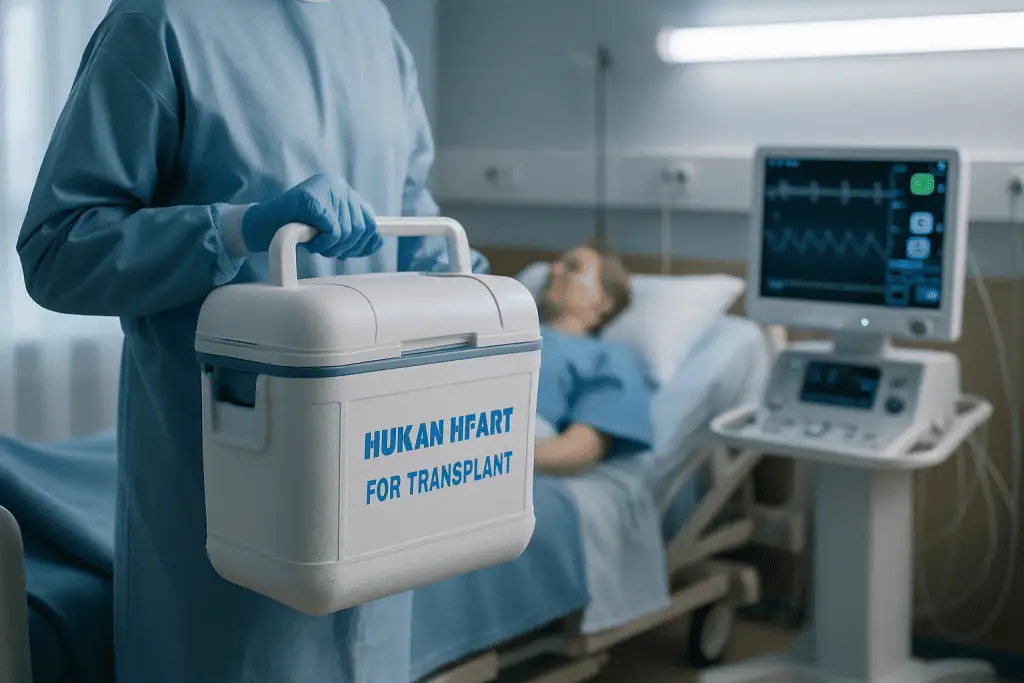
Transplant cardiology is the medical specialty that manages the pathway around a heart transplant: it evaluates whether advanced heart failure has reached the stage where transplantation or mechanical support should be considered, prepares candidates through detailed testing and multidisciplinary review, and provides lifelong follow-up after surgery, including immunosuppression management, rejection surveillance and infection prevention.
What a Heart Transplant Involves — and Where Transplant Cardiology Fits
A heart transplant replaces a heart that can no longer support the body with a healthy heart from a donor. It is considered when advanced heart failure persists despite medication, implanted devices and earlier procedures. Transplant cardiology is the medical specialty that manages the entire pathway around that operation: deciding who is a suitable candidate, preparing the patient and the plan before surgery, and providing the structured, lifelong follow-up a transplanted heart requires. This page explains how the pathway works, who it is for, what the testing involves and what living with a donor heart actually asks of you.
Living with advanced heart failure is physically exhausting and emotionally complex. Many patients reach a point where standard medications, implanted devices or previous procedures no longer control symptoms well enough. Shortness of breath may occur with minimal activity or even at rest. Fluid retention may cause swelling, repeated hospital admissions or difficulty sleeping flat. Everyday decisions begin to feel uncertain: is the heart getting worse? Is transplantation an option? What happens while waiting? What kind of life is possible after a heart transplant?
These are the questions transplant cardiology exists to answer. The specialty focuses on patients with severe heart failure who may need advanced therapies — heart transplantation, mechanical circulatory support or highly specialised medical management — and on patients who have already received a donor heart. The goal is not simply to decide whether you are a candidate. It is to understand your full medical picture, reduce avoidable risk, get the timing right and coordinate every stage of care before and after surgery.
Because a heart transplant evaluation involves many tests, several medical specialists and careful planning, the decision carries real weight for every patient and family. At Acibadem, transplant cardiology is organised around multidisciplinary evaluation, evidence-based protocols, advanced diagnostic pathways and long-term follow-up planning, delivered through the cardiology department together with surgical and intensive care teams.
What Is Transplant Cardiology?
Transplant cardiology is a subspecialty of cardiology dedicated to the evaluation, selection, optimisation and long-term care of patients with advanced heart failure who may need a heart transplant or have already undergone one. A transplant cardiologist is more than a heart failure specialist. They are trained to assess transplant candidacy, manage complex medication regimens, monitor for rejection and complications, and coordinate care with cardiac surgeons, intensivists, imaging specialists, immunologists, infectious disease physicians, nephrologists, pulmonologists, rehabilitation teams, dietitians, psychologists and transplant coordinators.
What is advanced heart failure and transplant cardiology?
Advanced heart failure is the stage at which the heart can no longer meet the body’s needs despite well-chosen treatment, and ‘advanced heart failure and transplant cardiology’ is the formal name of the subspecialty that manages it. The two halves of the name describe one continuous job: caring for people whose heart failure has outgrown standard therapy, whether or not they ever receive a transplant. Some patients are stabilised with adjusted medical therapy or device treatment. Others move towards mechanical circulatory support or transplantation. The subspecialty’s value lies in telling those situations apart accurately — and early enough for the answer to change the plan.
Before transplantation, transplant cardiology determines whether your heart disease has reached a stage where advanced therapies should be considered. That means evaluating the severity of heart failure, the function of your other organs, your overall strength, infection risks, pulmonary pressures, cancer history, blood type and tissue compatibility factors, nutritional condition and psychosocial readiness. The evaluation is deliberately detailed, because a heart transplant is a major lifelong commitment, not a single operation.
After transplantation, transplant cardiology becomes the centre of your long-term medical care. The new heart must be protected from rejection, infection, medication side effects, coronary artery changes in the transplanted heart, kidney dysfunction, hypertension, diabetes and other issues that can develop over time. Follow-up includes blood tests, heart imaging, medication adjustments, surveillance for rejection and education on which symptoms warrant timely medical review.
Transplant cardiology also weighs the alternatives honestly. Some patients do better with optimised heart failure medication, cardiac resynchronisation therapy, an implantable defibrillator, valve treatment, coronary intervention or mechanical circulatory support. Others are not suitable transplant candidates because of other medical conditions, but still benefit from expert advanced heart failure care. The role of the specialty is to guide you toward the safest and most appropriate path for your individual condition — which is not always transplantation.
A brief note on terminology: heart transplantation sometimes appears online as ‘heart plantation’. The two phrases point to the same procedure; only heart transplantation is the correct medical term.
Who May Need a Transplant Cardiology Evaluation?
You may be referred to a transplant cardiologist when heart failure becomes difficult to control despite appropriate treatment. Referral does not mean transplantation is imminent. In many cases the purpose is to assess risk early, clarify prognosis and prepare options before an emergency develops. Early evaluation helps prevent rushed decisions during a critical hospitalisation, when the body is weakest and the choices narrowest.
Typical symptoms and situations that lead to referral include:
- severe shortness of breath, fatigue or inability to perform daily activities
- swelling in the legs or abdomen, or repeated fluid build-up despite treatment
- frequent emergency visits, or more than one heart failure hospitalisation within a short period
- low blood pressure that limits which heart failure medicines can be used
- fainting episodes or abnormal heart rhythms
- worsening kidney or liver function caused by poor circulation
- the need for intravenous medications to support the heart
Diagnosis begins with a detailed medical history and physical examination. The transplant cardiology team reviews prior heart tests, hospital records, medication responses, coronary artery history — including previous heart bypass surgery — valve disease, rhythm problems, implanted devices, operations and family history. Testing may then include echocardiography to assess pumping function and valve performance, electrocardiography and rhythm monitoring, blood tests, cardiopulmonary exercise testing, cardiac MRI or CT in selected cases, coronary angiography when needed, and right heart catheterisation to measure pressures inside the heart and lungs.
Right heart catheterisation deserves particular mention because it sits at the centre of advanced heart failure assessment. It shows how well the heart is pumping blood and whether pressure in the lungs is elevated. High pulmonary pressures can increase transplant risk and sometimes need treatment before transplantation can be considered at all. Cardiopulmonary exercise testing adds a different kind of evidence: objective measurement of how your heart, lungs and muscles perform during exertion, which helps estimate prognosis and clarify timing.
Patient situations that commonly lead to transplant cardiology include worsening cardiomyopathy, severe heart failure after heart attacks, inherited or familial heart muscle disease, advanced valve-related heart failure, complex congenital heart disease in adults, inflammation-related heart muscle damage, and heart failure associated with certain cancer treatments. Some patients are referred after receiving a ventricular assist device; others are evaluated because a device or transplant may become necessary in the future.
Conditions and Indications Addressed by Transplant Cardiology
Transplant cardiology is most often associated with end-stage or advanced heart failure, but the specialty covers a broad range of conditions in which the heart can no longer meet the body’s needs. Some develop slowly over years; others progress quickly after an acute event. The unifying feature is that the patient needs a level of assessment and planning beyond routine cardiology care.
Common indications include dilated cardiomyopathy, ischaemic cardiomyopathy after coronary artery disease or heart attack, restrictive cardiomyopathy, hypertrophic cardiomyopathy with advanced symptoms, arrhythmogenic cardiomyopathy, chemotherapy-related cardiomyopathy, myocarditis that has left persistent severe dysfunction, and advanced heart failure related to valvular disease. Adults with complex congenital heart disease may also need transplant evaluation when surgical repairs or earlier procedures no longer support adequate heart function.
Transplant cardiologists also care for patients with recurrent ventricular arrhythmias in the setting of severe heart disease, patients who cannot tolerate standard heart failure medications because of low blood pressure or kidney dysfunction, and patients who require repeated intravenous diuretics or inotropic medications. In some people, advanced heart failure affects multiple organs at once, which makes careful assessment of kidney, liver, lung and nutritional status essential before any major decision.
After a heart transplant, the specialty addresses a different but equally important set of needs: prevention and treatment of rejection, management of immunosuppressive medication, infection prevention, monitoring for transplant-related coronary artery disease, blood pressure and cholesterol management, kidney protection, cancer surveillance, vaccination planning, and support for a safe return to daily life. Because transplant recipients need lifelong care, the relationship with the transplant cardiology team is long-term and highly structured.
How Do Heart Transplants Work?
Heart transplants work by removing the failing heart, sewing a matched donor heart into its place, and then suppressing the recipient’s immune system so the new organ is not rejected. Between those two sentences sits a long, structured process, and transplant cardiology is responsible for most of it. In outline, the pathway runs like this:
- Referral, records review and confirmation that heart failure is truly advanced despite appropriate treatment
- Full evaluation: imaging, laboratory tests, functional testing and hemodynamic measurement
- Multidisciplinary board review of candidacy, risks and alternatives
- Listing and the waiting period, with active medical management and, where needed, mechanical support
- Heart transplant surgery when a compatible donor heart becomes available
- Intensive care, inpatient recovery and rehabilitation
- Lifelong immunosuppression, surveillance and preventive care
Initial Review and Preparation
The first step is a comprehensive review of your medical history. Where possible, recent hospital summaries, echocardiograms, angiography reports, laboratory results, device records, medication lists, operation notes and imaging studies are reviewed before the first consultation. This allows the team to determine which tests are still needed and whether urgent evaluation is advisable, rather than repeating work that has already been done well.
Preparation also includes a careful review of current treatment. Heart failure therapy may involve diuretics, beta blockers, renin-angiotensin system medications, mineralocorticoid receptor antagonists, SGLT2 inhibitors, rhythm medications, anticoagulants and device therapies. Some patients arrive under-treated because of blood pressure, kidney function or access problems; others carry side effects from combinations that no longer suit them. The transplant cardiologist assesses whether therapy has genuinely been optimised and whether symptoms persist despite appropriate care — a distinction that changes everything that follows.
Diagnostic Testing and Risk Assessment
The evaluation usually combines imaging, laboratory testing, functional assessment and direct pressure measurement. Echocardiography shows heart size, pumping function, valve leakage or narrowing, right heart function and estimated lung pressures. Cardiac MRI can characterise scar, inflammation or infiltrative disease in selected patients. CT imaging may map anatomy, lungs, blood vessels or prior surgical considerations. Coronary angiography is added when coronary artery disease is suspected or has been treated before.
Blood tests assess kidney and liver function, anaemia, electrolytes, thyroid function, infection markers, immune status, blood type and other transplant-related factors. Pulmonary function testing may evaluate lung capacity. Dental, infectious disease, cancer screening, nutritional and psychosocial assessments are often included, because each of these can influence transplant safety and long-term results. None of this is bureaucracy; every item answers a specific question about risk.
Right heart catheterisation is used frequently during transplant evaluation. A thin catheter is guided through a vein to measure pressures in the right side of the heart and the pulmonary arteries, and to calculate cardiac output. These measurements define disease severity, guide medication adjustment and identify pulmonary hypertension that could affect transplant planning.
Multidisciplinary Board Review
Once testing is complete, your case is reviewed by a multidisciplinary transplant or advanced heart failure board. This brings together transplant cardiologists, cardiac surgeons, anaesthesiology and intensive care specialists, imaging physicians, infectious disease specialists, nephrologists, pulmonologists and other experts as needed — the same collaborative structure used across organ transplantation programmes. The purpose is to weigh candidacy from multiple angles rather than resting a life-changing decision on a single test or a single opinion.
The board may recommend listing for transplantation if you meet medical criteria and no major contraindications are present. It may recommend treatment first: optimisation of medication, treatment of pulmonary pressures, weight or nutrition improvement, infection management, device therapy, rehabilitation or mechanical circulatory support. And sometimes transplant is not appropriate, in which case the team concentrates on the best alternative advanced heart failure strategy. An honest ‘not now’ or ‘not this’ is part of good transplant cardiology.
How Are Donor Hearts Matched to Recipients?
Donor hearts are matched to recipients on a fixed set of criteria checked in order. Blood group compatibility comes first. Body size matters next, because a donor heart must physically suit the recipient’s chest and circulation. Antibody screening follows: some patients carry antibodies from previous surgery, pregnancy or blood transfusion that would react against certain donor tissues, and these are identified during evaluation so that unsuitable offers can be excluded quickly. Medical urgency also shapes allocation — patients who are hospitalised on intravenous support or dependent on mechanical devices are generally prioritised under the allocation rules that apply in each health system. Finally, timing is unforgiving: a donor heart tolerates only a limited period outside the body, so transplant teams must be ready to operate at short notice, day or night.
This is why the waiting period is an active phase of care rather than a pause. The transplant cardiology team continues to adjust medication, treat fluid overload, protect kidney function and reassess pulmonary pressures, and listed patients are re-evaluated at intervals to confirm they remain suitable candidates. Deterioration during waiting can change the plan — sometimes towards mechanical support, sometimes towards higher urgency on the list.
What Role Does Mechanical Circulatory Support Play?
Mechanical circulatory support uses implanted or external pumps to take over part of the heart’s work when medication alone is no longer enough. A left ventricular assist device can carry a patient through the waiting period — the approach known as bridge to transplant — keeping circulation stable while organ function, nutrition and physical strength recover enough to make eventual surgery safer. In some patients, a period of support can also lower pulmonary pressures that were initially too high for safe transplantation. Short-term devices, including ECMO, support circulation during acute crises while the team decides the next step, sometimes called bridge to decision. For patients who are not transplant candidates, long-term device therapy can be a treatment in its own right. Choosing among these options is a core task of transplant cardiology, made jointly with cardiac surgeons and intensive care physicians.
What Happens During Heart Transplant Surgery?
Heart transplant surgery is performed by the cardiovascular surgery team once you are listed and a suitable donor heart becomes available. The operation typically takes several hours, depending on prior surgeries, anatomy, any circulatory support devices in place and your condition on the day. The transplant cardiologist remains closely involved throughout: in preoperative assessment, in coordinating postoperative intensive care and medication planning, and in the long surveillance that follows.
After surgery you are cared for in a cardiac intensive care unit, where heart function, circulation, breathing, kidney function, bleeding risk, infection markers and early signs of rejection are monitored continuously. As you stabilise, care moves to a specialised ward and then to outpatient follow-up. Transplant cardiology is not the operation itself — it is the medical spine that runs before, through and long after it.
Technologies Used in Evaluation and Follow-Up
Modern transplant cardiology relies on advanced diagnostic and monitoring technology to make care precise. High-resolution echocardiography evaluates heart and valve function without invasive procedures. Cardiac MRI and CT provide detailed structural information when needed. Hemodynamic catheterisation measures pressures and blood flow directly. Cardiopulmonary exercise testing quantifies exercise capacity. Laboratory platforms support immune monitoring, drug level measurement, infection screening, kidney and liver surveillance, and tissue compatibility assessment.
After transplantation you can expect scheduled imaging, blood testing and, when indicated, endomyocardial biopsy or other rejection surveillance methods. The purpose of these tools is to catch problems early — often before you feel anything at all. Technology is most valuable when interpreted by an experienced team that understands your full clinical context, which is why the same team follows you over time.
How Long Do Evaluation and Recovery Take?
Evaluation length depends on urgency and complexity. Some patients are assessed during an inpatient admission because they are unstable. Others complete the workup as outpatients over several days or weeks. Grouping tests, consultations and records review into a compact, well-ordered schedule keeps the workup efficient and spares an already tired body unnecessary repetition.
Recovery after a heart transplant is gradual, not sudden. You spend time in intensive care immediately after surgery, then move through inpatient recovery and frequent outpatient visits after discharge. The early period concentrates on wound healing, medication stabilisation, infection prevention, physical rehabilitation and education. Over time visits become less frequent, but transplant care remains lifelong: consistent immunosuppressive medication, scheduled monitoring, and awareness of the symptoms your team teaches you to recognise.
Why Acting Early Matters in Advanced Heart Failure
Advanced heart failure can change quickly. A patient who has been stable for months may deteriorate after an infection, a rhythm disturbance, a kidney injury, an interruption in treatment or an episode of fluid overload. When transplant evaluation is delayed until a severe crisis, there is less time to improve nutrition, treat infections, reduce pulmonary pressures, evaluate other organs or discuss the options calmly.
Early referral to transplant cardiology does not mean immediate transplantation. It means building a plan while you are still strong enough to benefit from the full range of choices. Some patients improve with advanced medication adjustment or device therapy and do not need a transplant at that point. Others are identified as candidates before repeated hospitalisations weaken the body. In both situations, timely evaluation buys information — and information is what keeps decisions from being made in a hurry.
Delay lets complications compound. Persistent low blood flow strains kidney and liver function. Ongoing congestion worsens lung pressures and shrinks exercise capacity. Repeated hospitalisations bring muscle loss, frailty and infection risk. In some patients, pulmonary hypertension becomes harder to reverse, which can affect transplant eligibility itself. Acting early gives the medical team more room to reduce risk and preserve options.
Benefits of Transplant Cardiology Care
The value of transplant cardiology comes from careful timing, expert risk assessment, coordinated treatment and lifelong monitoring — not from any single test or procedure.
| Benefit | What It Means for You |
|---|---|
| Clear assessment of advanced heart failure | Your symptoms, test results, organ function and treatment history are reviewed together to determine whether transplant or another advanced therapy should be considered. |
| Personalised treatment planning | The team can adjust medication strategy, recommend device therapy, evaluate mechanical support or begin transplant listing when appropriate for your condition. |
| Reduced risk through multidisciplinary review | Specialists assess surgical risk, infection risk, lung pressures, kidney and liver function, nutrition and other factors before major decisions are made. |
| Structured care before and after transplant | You receive organised follow-up for medication levels, rejection surveillance, infection prevention, rehabilitation and long-term heart health. |
| Continuity across every stage | The same team follows you from evaluation through surgery and long-term surveillance, so each decision builds on complete knowledge of your history. |
Recovery and Follow-Up Timeline
Recovery differs depending on whether you are undergoing evaluation, advanced heart failure treatment, mechanical support or heart transplantation itself, but the timeline below reflects what many transplant patients can expect after surgery.
| Time Period | What Patients Can Expect |
|---|---|
| Day 1 | Care in the cardiac intensive care unit. The team monitors heart function, circulation, breathing, bleeding, kidney function, infection markers and early response to medication. |
| First Week | Gradual sitting, standing, breathing exercises and early walking as medically appropriate. Immunosuppressive medication is adjusted and education begins. |
| First Month | Frequent follow-up. Blood tests, imaging, medication level checks, wound assessment, rehabilitation and rejection surveillance according to your protocol. |
| First Three to Six Months | Activity usually increases step by step. The team continues to monitor for rejection, infection, kidney function, blood pressure, diabetes, cholesterol and medication side effects. |
| Longer Term | Follow-up becomes less frequent but remains lifelong: continued immunosuppressive therapy, heart surveillance, preventive care and healthy lifestyle practices. |
Life After a Heart Transplant
Most of the questions patients bring to a first consultation are not about the operation. They are about the life that follows it. The honest answers below reflect what transplant cardiology can and cannot promise.
How long can someone live with a heart transplant?
There is no single honest answer, and this page will not quote survival figures, because your individual outlook depends on age, the health of your other organs, how well pulmonary pressures and infections were managed before surgery, and how consistently medication and monitoring are maintained afterwards. Many recipients return to work, travel and family life. What matters most is that longevity after transplant is actively managed rather than fixed on the day of surgery: surveillance for rejection and transplant coronary disease, careful medication balancing and cardiovascular risk control all shape how the years unfold. That is precisely why transplant cardiology follow-up is lifelong.
What are the potential side effects of a heart transplant?
The most significant risks fall into three groups: rejection of the donor heart, infection related to a suppressed immune system, and the side effects of the medicines themselves. Immunosuppressive therapy can strain the kidneys and contribute to high blood pressure, diabetes, raised cholesterol and, over the long term, an increased risk of certain cancers — which is why cancer surveillance is built into follow-up. The transplanted heart can also develop its own form of coronary artery disease, called cardiac allograft vasculopathy, which is monitored through scheduled testing. Around the operation itself, bleeding, rhythm disturbance and early graft dysfunction are the risks the intensive care team watches for. None of these possibilities is ignored; each has a named surveillance plan.
What can you never do after a heart transplant?
Smoking is the clearest permanent exclusion — it damages the donor heart’s arteries and undermines everything the transplant achieved. Beyond that, the non-negotiables are structural rather than dramatic: immunosuppressive medicine is taken for life, and any change to it belongs to the transplant team alone; scheduled monitoring cannot safely be skipped, even when you feel entirely well; certain live vaccines are generally avoided, with vaccination planning handled by the team; and food-safety and hygiene habits become permanent because a suppressed immune system handles some exposures poorly. Alcohol and substance use concerns must be addressed openly, since they affect both candidacy and long-term safety. Most recipients find these rules become routine rather than restrictive.
Has anyone had a successful heart transplant?
Yes. The first human heart transplant was performed in 1967, and in the decades since, heart transplantation has become an established therapy carried out at specialised centres around the world. ‘Successful’ in this context means what patients care about: relief from the breathlessness and exhaustion of end-stage heart failure, and a return to daily activities — combined, always, with lifelong medical management. Heart transplants are not experimental medicine; they are demanding, well-understood medicine.
Factors That Influence Outcomes and a Good Result
Outcomes in transplant cardiology are shaped by factors on both sides of the operation: your condition before treatment, and the quality and consistency of care afterwards. A good result depends on careful candidate selection, appropriate timing, surgical and intensive care expertise, medication adherence, infection prevention, rehabilitation and ongoing monitoring.
Pre-transplant factors include the severity of heart failure, pulmonary artery pressures, kidney and liver function, nutritional status, frailty, previous heart surgeries, active infections, diabetes, lung disease, cancer history and the presence of antibodies that may affect donor compatibility. Patients in stronger physical condition, with better-controlled associated illnesses, are usually better positioned for recovery — one more reason early referral matters.
Medication adherence is among the most important long-term factors. Immunosuppressive medicines keep the immune system from attacking the donor heart, but they demand careful dosing and monitoring: too little raises rejection risk, too much raises the risk of infection, kidney injury and other side effects. Transplant cardiology follow-up exists to hold that balance in the safest possible position, adjusting as your body and circumstances change.
Infection prevention matters because immunosuppression reduces the body’s ability to fight certain infections. You receive guidance on hygiene, food safety, vaccinations, travel, exposure risks and when medical review is warranted. Preventive medications may be used during certain periods after transplant, depending on your risk profile.
Rehabilitation and daily habits influence recovery as well. Gradual physical activity rebuilds strength, improves breathing capacity and supports emotional recovery. Nutrition supports wound healing and immune function. Blood pressure, cholesterol, blood sugar and kidney function need ongoing attention. Smoking cessation is essential.
Emotional readiness deserves the same respect as any laboratory value. Advanced heart failure and transplantation place real stress on patients and families: anxiety, low mood, uncertainty about waiting, and the adjustment after surgery are all common. Psychosocial assessment during evaluation is not a judgment — it identifies support needs, improves adherence and helps you manage the demands of lifelong care.
Understanding Heart Transplant Cost
Heart transplant cost cannot be summarised in one honest figure, and this page deliberately quotes none. What can be explained is why the cost of transplant care varies so widely from patient to patient. A heart transplant is not a single invoice for a single operation; it is an extended episode of care whose scope differs with every case.
The main cost drivers are:
- the depth of pre-transplant evaluation — imaging, catheterisation, laboratory and compatibility testing, specialist consultations
- medical care during the waiting period, including hospital admissions or mechanical circulatory support if the heart deteriorates
- the operation itself and, above all, the length of intensive care and inpatient stay, which depends on how the early recovery unfolds
- lifelong immunosuppressive medication and the monitoring that goes with it
- rejection surveillance — blood tests, imaging and biopsies on a scheduled protocol
- management of any complications, which no honest estimate can promise away
How these elements are paid for depends entirely on your health system, insurer or funding arrangement, and on organ allocation rules that differ between countries. A realistic conversation about cost is only possible once your records have been reviewed and the likely scope of care is understood — which is one more argument for thorough evaluation before any commitment.
How Acibadem Organises Transplant Cardiology Care
Patients facing advanced heart failure need more than an appointment with a specialist. They need coordinated evaluation, reliable communication, careful medical judgment and a care environment prepared for complex cases. Acibadem’s approach combines advanced heart failure expertise with the organisational structure this level of care requires.
Care is delivered through collaboration between transplant cardiology, cardiac surgery, intensive care, cardiovascular imaging, electrophysiology, nephrology, pulmonology, infectious diseases, rehabilitation, nutrition, psychology and other specialties as needed. Multidisciplinary boards help ensure that major decisions — transplant candidacy, mechanical support planning — are considered from several expert perspectives rather than one. Physicians follow international, evidence-based treatment protocols while adapting care to each patient’s medical condition, treatment history and goals.
That adaptation matters, because no two transplant cardiology patients are identical. A young patient with inherited cardiomyopathy, an older patient with ischaemic heart disease, a patient with prior valve surgery and a patient who has already received a transplant each require a different plan. Advanced diagnostic pathways — imaging, catheter-based hemodynamic assessment, laboratory monitoring, rhythm evaluation and full intensive care capability — exist to define the severity of disease and identify the risks that can still be modified. The purpose of the technology is not complexity; it is accuracy, so that the plan you are given is medically sound and clearly explained.
Complex care of this kind requires trust, and trust is built through clarity: understanding which tests are being recommended and why, what the possible decisions are, and what follow-up will demand of you afterwards. Transplant cardiology at Acibadem is structured to provide that clarity through coordinated consultation, multidisciplinary review and communication that respects both the medical complexity and the emotional weight of the decision.
Living Well With a Transplanted Heart
A transplant cardiology evaluation ends in one of three places, and all three are useful. It may confirm that your current treatment should be optimised further before anything more is considered. It may identify an advanced therapy — a device, mechanical support or medication strategy — that has not yet been tried. Or it may establish that heart transplantation should become part of the plan, and set out the path towards listing. Each conclusion replaces uncertainty with a plan, which is the evaluation’s real product.
For those who already carry a donor heart, the work shifts but never stops. Lifelong monitoring, medication management, infection prevention and early recognition of complications are what protect the transplanted heart over the years. Feeling well is welcome, but it is not evidence that surveillance can lapse — many of the problems transplant cardiology watches for begin silently, and the entire follow-up system is designed to find them before they announce themselves.
Advanced heart failure narrows a life gradually; a well-managed transplant pathway is one of the ways medicine widens it again. The specialty that makes this possible is neither the scalpel nor the donor heart alone, but the years of careful, structured attention on either side of the operation. That is transplant cardiology.
Preparation
- Patients should bring previous cardiac tests, medication lists, operation reports, and transplant-related documents if available. Blood tests, echocardiography, imaging, and functional assessments may be requested. The care team reviews transplant eligibility, rejection risk, infections, and overall health status.
Aftercare
- Follow-up includes regular cardiac monitoring, medication adjustment, infection prevention, and assessment for rejection or complications. Patients should take immunosuppressive and cardiac medications exactly as prescribed. Lifestyle guidance, vaccination planning, and urgent reporting of fever, shortness of breath, swelling, or chest pain are important.
Turkey vs UK, Germany & USA
Transplant cardiology costs can vary widely because care may include advanced heart failure assessment, transplant eligibility review, inpatient treatment, device therapy, surgery planning, and lifelong follow-up. Comparing destinations can help international patients understand how hospital systems, coordination, and travel logistics may affect the overall experience.
The comparison below focuses on cost and patient-experience factors for advanced heart failure and heart transplant cardiology care, rather than clinical outcomes.
| Factor | Turkey | UK | Germany | USA |
|---|---|---|---|---|
| Price drivers | Specialist evaluation, imaging, catheterisation, laboratory tests, inpatient care, transplant committee review, surgery planning, medication, and follow-up may be bundled or coordinated for international patients. | Private care costs depend on consultant fees, hospital charges, diagnostics, inpatient stay, and whether transplant-related care is accessed through public or private pathways. | Costs are influenced by university or specialist centre fees, advanced diagnostics, inpatient care, device therapy, transplant listing processes, and medication follow-up. | Costs are often itemised across physician, hospital, diagnostics, pharmacy, device, surgery, and intensive care billing, which can make overall planning more complex. |
| Hospital and specialist factors | Care is usually centred around cardiology, cardiac surgery, intensive care, imaging, electrophysiology, nephrology, infectious disease, and transplant coordination teams. | Care is typically delivered through specialised heart failure and transplant centres with multidisciplinary assessment and structured referral pathways. | Transplant cardiology is commonly linked to high-volume academic or specialist hospitals with multidisciplinary heart failure teams. | Care may involve large transplant programmes with extensive subspecialty teams, but insurance rules and network status can strongly affect access and billing. |
| Accreditation and quality | International patients may choose JCI-accredited hospitals and centres with established cardiac intensive care, imaging, catheterisation, and surgical support. | Quality oversight is based on national regulation, specialist centre governance, and transplant programme standards. | Quality is supported by national healthcare regulation, specialist society standards, and transplant centre protocols. | Quality is shaped by accreditation, transplant programme review, hospital network standards, and insurer requirements. |
| Waiting times | Appointments for evaluation and diagnostics can often be coordinated in advance for international patients, while transplant timing depends on medical urgency, eligibility, and donor availability. | Public-system pathways may involve referral and waiting processes; private assessment may be faster, but donor availability and listing rules still apply. | Specialist referral pathways and transplant listing processes are structured; timing depends on urgency, centre capacity, and donor availability. | Access may be rapid in some private or insured settings, but authorisations, network rules, and donor availability can affect timing. |
| Travel and language logistics | International patient services may assist with appointments, medical records, interpreters, accommodation guidance, and airport transfer planning. | English-language care is straightforward, but international patients may need to organise records, insurance approval, accommodation, and follow-up independently. | Many centres support international patients, though interpreter arrangements and translated documentation may be needed. | English-language care is standard, but travel, insurance authorisation, billing communication, and long-stay logistics can be demanding. |
| What a package may include | Packages may include specialist consultations, selected diagnostics, care coordination, translation support, and a treatment plan; hospitalisation, advanced devices, surgery, or long-term medications may be quoted separately. | Private packages may cover consultation and selected tests, while complex inpatient, surgical, or transplant-related services are usually quoted separately. | Packages may include consultation and diagnostics, with separate estimates for hospitalisation, interventions, surgery, medication, and follow-up. | Packages are less common for complex transplant care; billing may be divided among hospital, physicians, diagnostics, pharmacy, and other providers. |
What affects your final cost
- Severity of heart failure and urgency of assessment.
- Whether care is for pre-transplant evaluation, transplant listing, bridge therapy, surgery planning, or post-transplant follow-up.
- Required tests such as echocardiography, cardiac MRI, catheterisation, blood tests, infection screening, and organ function assessment.
- Need for inpatient monitoring, intensive care, mechanical circulatory support, or device therapy.
- Medication needs, including heart failure therapy, anticoagulation, and immunosuppression after transplantation.
- Length of stay, follow-up frequency, translation needs, travel planning, and coordination with the patient’s home cardiologist.
Compare your options
Transplant cardiology includes several clinical pathways for patients with advanced heart failure. Suitability for any option is decided by a specialist after a detailed assessment.
| Option | What it is | Typical use | Key considerations |
|---|---|---|---|
| Advanced heart failure assessment | A comprehensive review of symptoms, imaging, laboratory results, medications, organ function, and overall risk. | Used when standard heart failure treatment is no longer providing adequate symptom control or quality of life. | Helps determine whether medication optimisation, device therapy, transplant evaluation, or palliative planning is most appropriate. |
| Medication optimisation | Adjustment of guideline-based heart failure medicines and management of rhythm, fluid balance, blood pressure, kidney function, and other conditions. | Often the first step before considering transplant or mechanical support. | Requires close monitoring for side effects, interactions, blood pressure, kidney function, and potassium levels. |
| Cardiac device therapy | Use of devices such as ICD or CRT when indicated for rhythm protection or improved heart synchronisation. | Used in selected patients with arrhythmia risk or electrical dyssynchrony contributing to heart failure. | Not all patients are suitable; decisions depend on rhythm findings, heart function, anatomy, and overall prognosis. |
| Mechanical circulatory support | Use of a pump such as an LVAD to help the heart circulate blood. | May be considered as a bridge to transplant, bridge to decision, or long-term therapy in selected patients. | Requires surgery, anticoagulation, infection prevention, device care training, and structured follow-up. |
| Heart transplantation | Replacement of a failing heart with a donor heart after formal eligibility assessment and listing. | Considered for selected patients with end-stage heart failure who meet medical, surgical, and psychosocial criteria. | Timing depends on urgency, donor availability, compatibility, comorbidities, and transplant centre criteria. |
| Post-transplant cardiology follow-up | Lifelong monitoring after transplantation, including medication management, rejection surveillance, infection prevention, and risk-factor control. | Used for all transplant recipients to protect graft function and manage long-term health. | Requires adherence to immunosuppression, regular tests, specialist visits, and coordination with local physicians when returning home. |
General information only — not medical or financial advice. Final costs depend on the factors above and your individual case; request a free, personalised quote.
Frequently Asked Questions
What affects the cost of transplant cardiology care?
The main factors are the patient’s heart failure severity, required diagnostics, inpatient or intensive care needs, medication plan, device or surgical requirements, and the amount of follow-up needed. Travel support, translation, and coordination with home-country physicians may also affect the overall plan.
How can I get a personalised quote from Acibadem?
You can request a free consultation by sharing your medical records, recent test results, medication list, imaging reports, and a summary of your diagnosis. The international patient team can coordinate review by the relevant specialists and provide a personalised estimate based on the recommended care pathway.
Is the initial quote always the final cost?
Not always. Transplant cardiology can change after new tests, specialist review, complications, medication adjustments, or a decision to admit the patient. A transparent estimate should explain what is included and what may be charged separately.
Does a transplant cardiology package include heart transplantation?
A package may cover consultation, selected tests, care coordination, and a treatment plan, but transplantation, intensive care, mechanical support, long-term medication, and extended follow-up are often quoted separately. The exact scope should be confirmed before travel.
Can international patients continue follow-up after returning home?
Many patients continue care with their local cardiologist while staying in contact with the transplant cardiology team. The follow-up plan should include medication instructions, warning signs, test schedules, and clear communication between hospitals.
Medically reviewed by the Acıbadem International Medical Board — August 30, 2026
See our medical review board →
Update history
- PublishedJune 8, 2026
- Medical review approvedAugust 30, 2026
- Last content updateAugust 30, 2026
References3
- Heart Transplantation — medlineplus.gov
- Heart Transplant — nhs.uk
- Heart Transplant — my.clevelandclinic.org
Trusted care for international patients
Doctors Performing This Treatment

Prof. Dr. Cahide Soydaş Çınar
Cardiology
Prof. Dr. Metin Gürsürer
Cardiology
Prof. Dr. Elif Eroğlu Büyüköner
Cardiology
Prof. Dr. Ahmet Akyol
Cardiology
Prof. Dr. Ahmet Karabulut
Cardiology
Prof. Dr. Sinan Dağdelen
Cardiology
Prof. Dr. Ahmet Kaya Bilge
Cardiology
Prof. Dr. Duhan Fatih Bayrak
Cardiology
Prof. Dr. Barış Kılıçaslan
Cardiology
Prof. Dr. Aleks Değirmencioğlu
Cardiology
Prof. Dr. Alper Özkan
Cardiology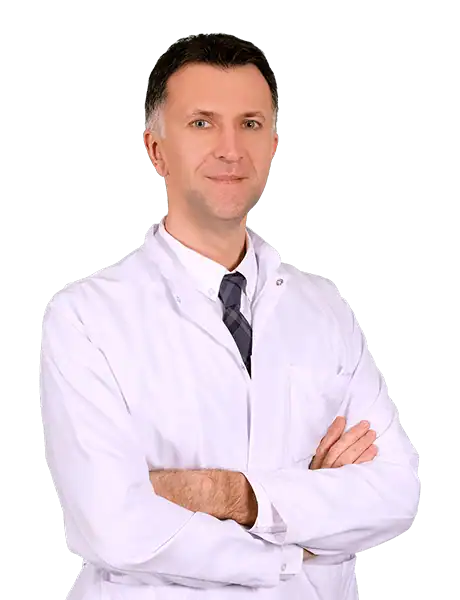
Prof. Dr. Gültekin Karakuş
Cardiology
Prof. Dr. Refik Erdim
Cardiology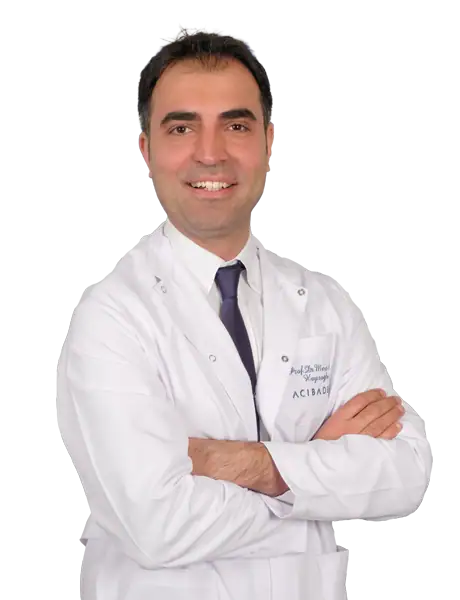
Prof. Dr. Mert İlker Hayıroğlu
Cardiology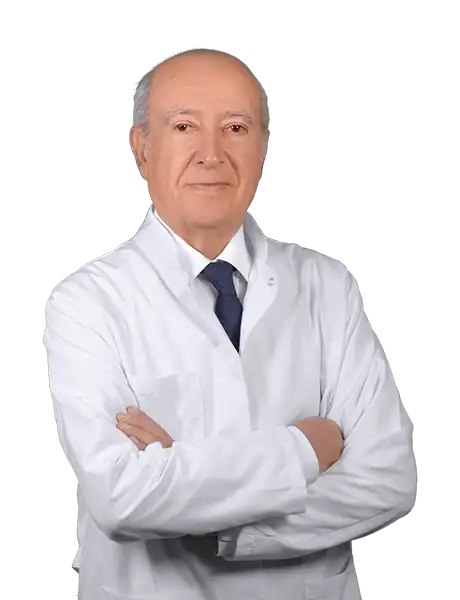
Prof. Dr. Osman Bilgin Timuralp
Cardiology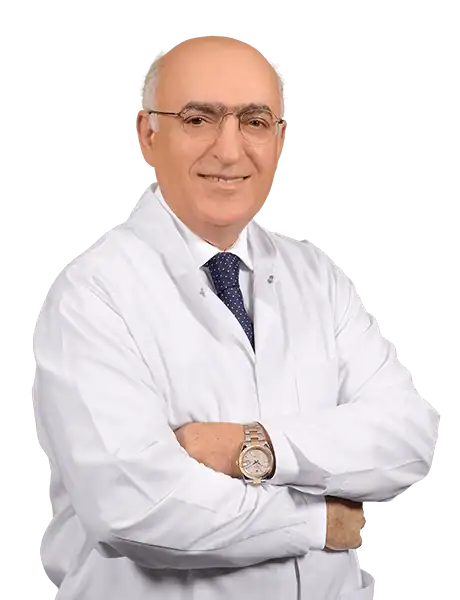
Prof. Dr. Ethem Kumbay
Cardiology
Prof. Dr. Ali Aydınlar
Cardiology
Prof. Dr. Bekir Sıtkı Cebeci
Cardiology
Prof. Dr. Haldun Akgöz
Cardiology
Prof. Dr. Ergün Seyfeli
Cardiology
Prof. Dr. Mustafa Kemal Batur
Cardiology
Prof. Dr. Burak Pamukçu
Cardiology
Prof. Dr. Murat Sezer
Cardiology
Prof. Dr. Tansel Erol
CardiologyMedical Units
Available at These Hospitals