Vagus Nerve Stimulation
Vagus nerve stimulation (VNS) is a neuromodulation treatment in which a small implanted device sends mild electrical pulses to the vagus nerve, influencing brain activity. It is most established for people with…
Quick answer
Vagus nerve stimulation (VNS) is a treatment in which a small device implanted under the skin of the chest sends regular mild electrical pulses to the vagus nerve in the neck. It is mainly used to reduce seizures in drug-resistant epilepsy and, in some cases, for treatment-resistant depression or stroke rehabilitation, alongside ongoing medication.
What is vagus nerve stimulation?
Vagus nerve stimulation (often shortened to VNS) is a treatment that uses mild, regular electrical pulses to stimulate the vagus nerve. The vagus nerve is a long nerve that runs from the brainstem down each side of the neck and into the chest and abdomen. It carries signals between the brain and many organs, including the heart, lungs and digestive system. Because it connects directly with areas of the brain involved in seizures and mood, stimulating it can influence brain activity in ways that may help certain conditions.
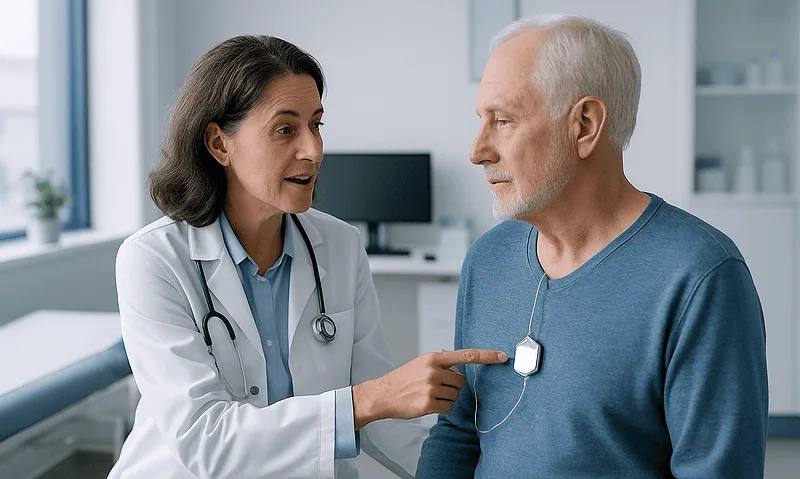
In most cases, VNS therapy involves a small device called a vagus nerve stimulator implant. The device, sometimes compared to a pacemaker, is placed under the skin of the chest and connected by a thin wire (called a lead) to the left vagus nerve in the neck. The device is programmed by a doctor to deliver pulses on a set schedule, and it works continuously in the background.
Vagus nerve stimulation is most widely used for:
- Drug-resistant epilepsy – epilepsy in which seizures are not controlled despite trying appropriate anti-seizure medications. Vagus nerve stimulation for epilepsy is the longest-established use of this treatment.
- Treatment-resistant depression – long-term depression that has not improved enough with several standard treatments.
- Rehabilitation after stroke – in some countries, VNS paired with physical therapy is approved to help recovery of arm and hand movement after certain strokes.
Non-invasive (external) vagus nerve stimulators that are held against the neck also exist and are used for some headache disorders. This page focuses mainly on the implanted device, which is the form most people mean when they search for VNS therapy.
Who is a candidate
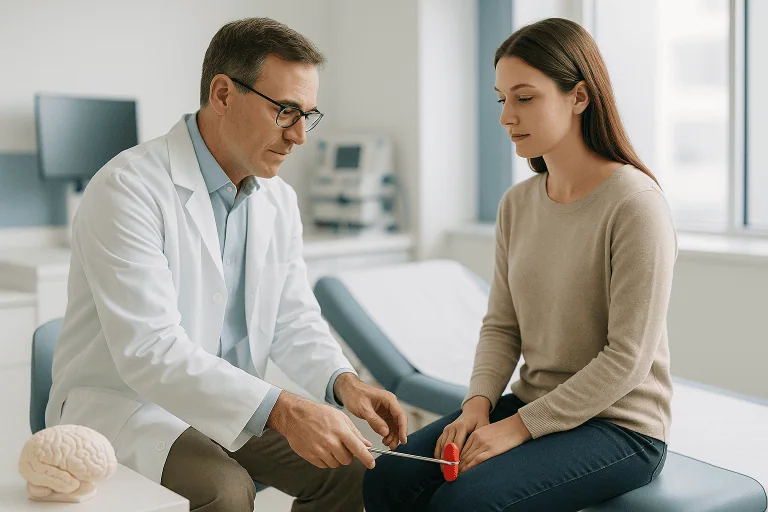
Vagus nerve stimulation is usually considered when other treatments have not worked well enough. It is not a first-line treatment. A specialist team, typically including a neurologist (a doctor who treats disorders of the brain and nerves) and a neurosurgeon, decides whether it is appropriate after a detailed assessment.
You may be considered a candidate for vagus nerve stimulation for epilepsy if:
- You have focal (partial) seizures or certain generalized seizures that continue despite trying at least two appropriate anti-seizure medications at adequate doses.
- You are not a suitable candidate for brain surgery to remove the area causing seizures, or you prefer not to have that type of surgery.
- Your seizures significantly affect daily life, safety or development.
For depression, VNS therapy may be discussed with adults who have long-standing depression that has not responded adequately to multiple antidepressant treatments, usually in combination with ongoing psychiatric care.
Vagus nerve stimulation may not be suitable if you:
- Have had certain operations or injuries affecting the left vagus nerve or the neck.
- Have some heart rhythm problems, breathing conditions such as significant sleep apnea, or swallowing difficulties that stimulation could worsen.
- Have an active infection or a medical condition that makes surgery unsafe.
- Need certain types of medical treatments that are not compatible with the device, such as some forms of heat-based treatment (diathermy).
Your doctor may also discuss whether other options, such as different medications, dietary therapy or another type of neurostimulation, could be more appropriate for your situation.
How the procedure works
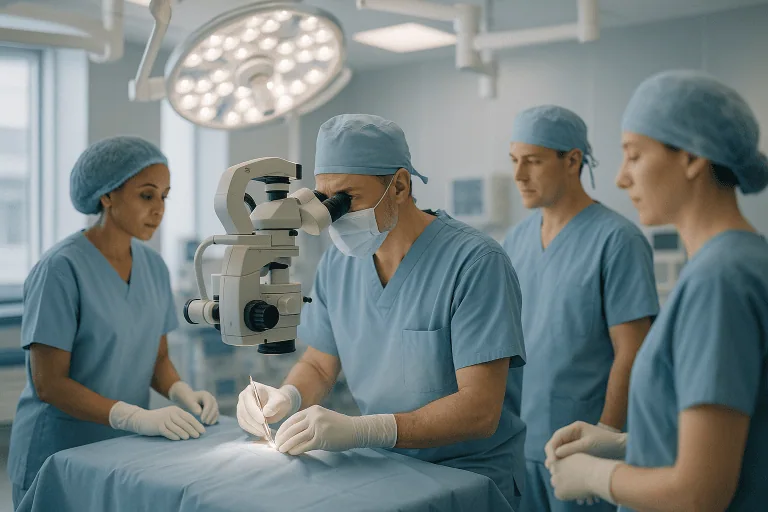
The vagus nerve stimulator implant is placed during a relatively short operation, usually performed by a neurosurgeon. At Acibadem, this treatment is managed within the Neurosurgery department together with the neurology team. In plain language, this is what typically happens:
Before the operation
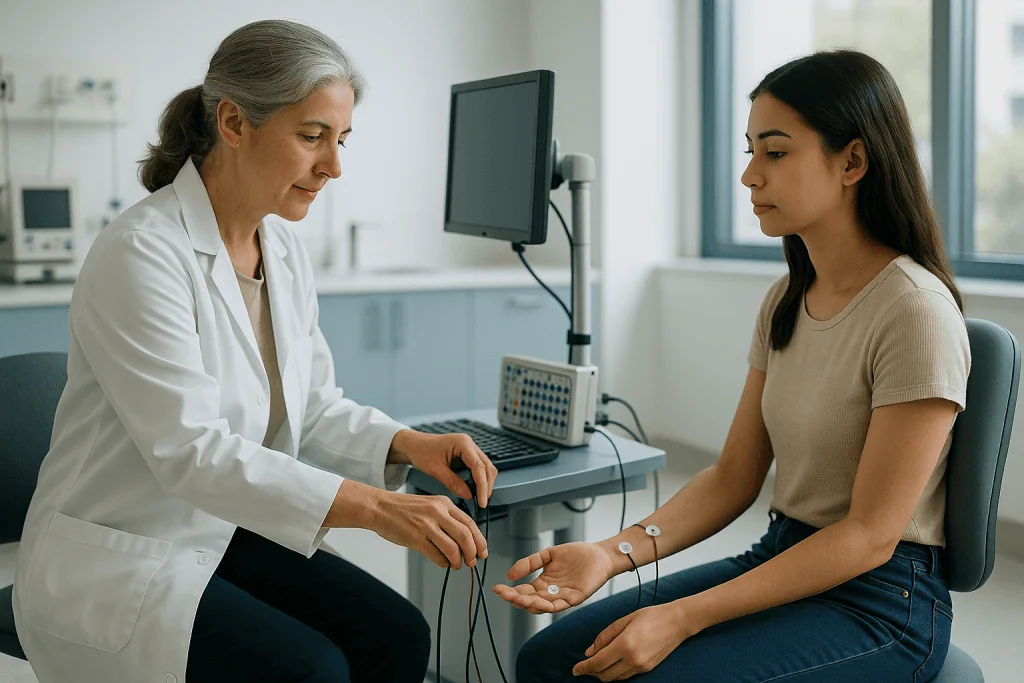
- You will have a full review of your medical history, current medications and, for epilepsy, your seizure diary and previous test results such as EEG (a recording of brain electrical activity) and brain imaging.
- The team explains what the device can and cannot do, so expectations are realistic.
- Standard pre-operative checks, such as blood tests and an assessment for anesthesia, are carried out.
During the operation
- The procedure is usually done under general anesthesia (you are asleep), although in some cases local anesthesia with sedation is used.
- The surgeon makes a small cut on the left side of the neck and carefully identifies the vagus nerve. Thin coil-shaped electrodes at the end of the lead are wrapped gently around the nerve.
- A second small cut is made in the upper left chest, below the collarbone or sometimes under the arm. A pocket is created under the skin for the pulse generator (the battery-powered unit).
- The lead is passed under the skin from the neck to the chest and connected to the generator.
- The device is tested to confirm it is working, then the incisions are closed with stitches or surgical glue.
- The operation often takes around one to two hours.
After the operation
- Many patients go home the same day or after one night in the hospital.
- The device is usually left switched off or at a very low setting at first to allow the incisions to heal.
- At a follow-up visit, typically a few weeks later, the neurologist switches the device on and programs it using a handheld wand held over the chest. Settings are then increased gradually over several visits to find a level that is effective and comfortable.
Once active, the stimulator delivers pulses in cycles, for example a short burst of stimulation followed by a longer pause, repeating around the clock. Most people are given a small magnet that can be swiped over the device to deliver an extra dose of stimulation, which some patients use when they feel a seizure beginning. Some newer models can also detect a rapid rise in heart rate, which sometimes occurs at the start of a seizure, and respond automatically.
Preparation for vagus nerve stimulation
Preparation is similar to that for other minor surgical procedures. Your team will give you specific instructions, but the following points are common:
- Medication review: Tell your doctor about all medicines and supplements you take, including blood thinners. Do not stop anti-seizure medication unless specifically told to.
- Fasting: You will usually be asked not to eat or drink for a set number of hours before general anesthesia.
- Skin and health: Report any skin infection near the neck or chest, cold, fever or chest infection, because surgery may need to be postponed.
- Practical arrangements: Arrange for someone to take you home and stay with you for the first day, as anesthesia can leave you drowsy.
- Seizure diary: For epilepsy, keep an accurate record of seizure frequency and type in the months before surgery so that later changes can be measured.
- Questions: Ask about the expected scar positions, how the device will feel under the skin and when it will be switched on.
Recovery and aftercare
Recovery from the implant operation itself is usually fairly quick, but adjusting to the stimulation takes longer.
- First few days: Some soreness, swelling or bruising around the neck and chest incisions is common. Mild pain relief is often enough. Keep the wounds clean and dry as instructed.
- First one to two weeks: Many patients return to light daily activities within a few days, and to desk-based work within about a week. Avoid heavy lifting, vigorous neck movements or stretching the arm on the operated side until your surgeon says it is safe.
- Two to four weeks: Incisions are typically well healed. The device is usually switched on around this time, and you may notice a tingling in the throat or a change in your voice during stimulation.
- First several months: The neurologist adjusts settings step by step. Any benefit often appears gradually, and it may take many months for the full effect to be judged.
Longer-term aftercare includes:
- Regular follow-up visits to check the device and adjust settings.
- Continuing your anti-seizure or antidepressant medication as prescribed. VNS therapy is added to, not a replacement for, existing treatment in most cases.
- Carrying a device identification card, because the stimulator can be affected by some medical procedures and may set off security scanners.
- Battery replacement, typically needed after several years, through a small operation on the chest pocket only.
- Telling any doctor or dentist that you have an implanted stimulator before tests such as MRI, which is possible only under specific conditions.
Risks and side effects
Vagus nerve stimulation is generally regarded as a low-risk procedure compared with brain surgery, but it does have risks, some related to the operation and some to the stimulation itself.
Risks related to the operation may include:
- Infection at the incision sites or around the device, which in some cases requires antibiotics or removal of the device.
- Bleeding or a collection of fluid under the skin.
- Pain or numbness around the scars.
- Damage to the vagus nerve or nearby structures, which can occasionally cause lasting hoarseness or vocal cord weakness.
- Problems with the lead, such as breakage or movement, which may need a further operation.
- Reactions to anesthesia.
Vagus nerve stimulation side effects from the stimulation itself typically occur only during the seconds when the device is delivering a pulse and often lessen over time or with setting adjustments. They include:
- Hoarseness or a change in voice (the most common effect).
- Coughing or tickling in the throat.
- Tingling or a prickling feeling in the neck.
- Shortness of breath, particularly during exercise.
- Difficulty swallowing.
- Neck or throat pain, headache.
- Worsening of sleep apnea in people who already have it.
Less commonly, people report changes in heart rate, nausea or discomfort at the device site. Serious complications are uncommon, and most side effects can be managed by reducing the strength of stimulation or changing the cycle pattern. In many cases the benefits are considered to outweigh these effects, but the balance is different for each person and should be discussed with your specialist.
Results and outlook
It is important to understand what vagus nerve stimulation can realistically achieve.
For epilepsy, the evidence generally shows that VNS therapy reduces seizure frequency in a meaningful proportion of people with drug-resistant seizures, and some people also report shorter or less severe seizures and faster recovery afterward. Complete seizure freedom is uncommon. A notable feature of this treatment is that benefit often increases gradually over the first one to two years as settings are optimized, rather than appearing immediately. Some people experience little or no improvement, and it is not possible to predict in advance who will respond.
For depression, studies suggest that some people with treatment-resistant depression experience improvement in mood over months to years of stimulation, usually alongside continued psychiatric care and medication. Responses vary widely and the treatment is generally reserved for people who have exhausted other options.
For stroke rehabilitation, VNS paired with intensive physical therapy has been shown in clinical trials to improve arm and hand function more than therapy alone in selected patients, though this application is newer and available in fewer centers.
Many people who benefit also report improvements in alertness, mood or quality of life, although these effects are harder to measure. If the treatment does not help, the device can be switched off and, if necessary, removed, although the electrodes around the nerve are sometimes left in place to avoid nerve injury during removal.
Cost considerations
The overall cost of vagus nerve stimulation varies considerably between countries, hospitals and individual cases. Rather than a single figure, it is more useful to understand what drives the price:
- The device itself: The pulse generator and lead are specialized medical implants and usually make up a large share of the total. Models with additional features, such as automatic heart-rate-triggered stimulation, may cost more.
- Surgical and anesthesia fees: These cover the operating room, the surgical team and the anesthesiologist.
- Hospital stay: Because the procedure is often done as a day case or with one overnight stay, this is usually a smaller component than for major surgery.
- Pre-operative assessment: Specialist consultations, EEG monitoring, imaging and blood tests carried out to confirm you are a suitable candidate.
- Follow-up programming visits: Several appointments are needed in the first year to adjust settings, and periodic checks continue for as long as the device is in place.
- Battery replacement: After a number of years the generator needs to be replaced, which involves a further, smaller procedure and a new device.
Insurance coverage and public health funding for VNS therapy differ by region and by indication. Coverage for epilepsy is more established than for depression in many systems. It is advisable to ask the hospital for a written estimate covering all stages, including follow-up, and to check what your insurer will and will not cover before proceeding.
Frequently asked questions
Is vagus nerve stimulation a cure for epilepsy?
No. Vagus nerve stimulation for epilepsy is intended to reduce the number and severity of seizures, not to cure the condition. Most people continue to take anti-seizure medication alongside VNS therapy, although doses can sometimes be adjusted over time under a neurologist’s supervision. Complete seizure freedom occurs in only a small minority.
How long does a vagus nerve stimulator implant last?
The lead and electrodes are designed to remain in place long term. The generator contains a battery that typically lasts several years, depending on the model and the settings used; higher stimulation settings drain the battery faster. When the battery runs low, the generator is replaced in a short operation that usually does not involve the neck.
What do vagus nerve stimulation side effects feel like?
The most common experience is a hoarse voice, a tickle in the throat or a mild cough that comes and goes in time with the stimulation cycle. Some people notice a tingling in the neck or slight breathlessness during exercise. These sensations are usually strongest just after settings are increased and often become less noticeable over weeks. Persistent or troubling symptoms should be reported so settings can be adjusted.
Can I have an MRI scan with a VNS device?
Often yes, but only under specific conditions. MRI (magnetic resonance imaging, a scan using strong magnets) can heat the lead or affect the device. Many current devices are considered MRI-conditional, meaning scans are possible on certain body regions using particular scanner settings, with the device temporarily switched off. Always tell the imaging team that you have a vagus nerve stimulator implant before any scan.
Will people be able to see the device?
The generator sits under the skin of the upper chest and may be visible as a small, slightly raised area, particularly in slim individuals. There will be two small scars, one on the neck and one on the chest, which usually fade over time. The device is not normally visible under clothing.
Is VNS therapy used for anxiety, migraine or other conditions?
Implanted VNS therapy is established for drug-resistant epilepsy and treatment-resistant depression, and in some countries for stroke rehabilitation. Non-invasive vagus nerve stimulators held against the neck are used for certain headache disorders such as cluster headache and migraine. Research is ongoing into other conditions, including inflammatory diseases and anxiety, but these uses are not yet standard care and should be regarded as experimental.
Can the vagus nerve stimulator be turned off or removed?
Yes. The device can be switched off by your neurologist at any time, and you can temporarily stop stimulation yourself by holding the magnet over the generator. If the treatment is not helpful or causes problems, the generator can be surgically removed. The electrodes around the nerve may be left in place, because removing them carries a small risk of nerve injury.
When to see a doctor
You should be assessed by a neurologist or epilepsy specialist if your seizures continue despite taking two or more appropriate anti-seizure medications, if seizures are affecting your safety, work, schooling or independence, or if medication side effects are limiting your quality of life. People with long-standing depression that has not improved despite several treatments may also benefit from a specialist review of all available options, which may include VNS therapy.
After a vagus nerve stimulator implant, seek prompt medical attention if you notice:
- Redness, warmth, swelling, increasing pain or discharge at either incision site, or a fever, which may indicate infection.
- Sudden, severe or worsening difficulty breathing or swallowing.
- A new, persistent hoarseness that does not follow the stimulation cycle or does not improve.
- Painful or continuous stimulation, or a feeling that the device is firing constantly.
- A noticeable increase in seizure frequency or severity, or a seizure lasting longer than usual.
- Fainting, palpitations or a very slow heartbeat.
- Any sign that the device or lead has moved or that the skin over it is breaking down.
Call emergency services if a seizure lasts more than five minutes, if one seizure follows another without recovery in between, or if a person is injured or has trouble breathing during or after a seizure. Routine questions about settings, mild side effects or scheduling follow-up should be directed to your neurology team at your next planned contact.
Preparation
- Share a complete list of your medications and continue anti-seizure drugs unless told otherwise. Follow fasting instructions before anesthesia and report any infection, fever or skin problems near the neck or chest. Keep an accurate seizure diary in the months before surgery and arrange for someone to accompany you home.
Aftercare
- Keep the neck and chest incisions clean and dry and avoid heavy lifting or vigorous neck movement until cleared by your surgeon. Attend follow-up visits so the neurologist can switch on and gradually adjust the device. Continue prescribed medication, carry your device identification card, and tell all healthcare providers about the implant before scans or procedures.
Medically reviewed by the Acıbadem International Medical Board September 8, 2026
See our medical review board →
Update history
- PublishedSeptember 8, 2026
- Medical review approvedSeptember 8, 2026
- Last content updateSeptember 8, 2026
References2
From the Acibadem Blog
How a Vagus Nerve Stimulator Works: Mild Electrical Pulses, Cycles and the Handheld Magnet
A vagus nerve stimulator works by sending mild, timed electrical pulses from a small battery-powered generator implanted under the skin of the chest, along…

Who Is a Candidate for Vagus Nerve Stimulation When Seizures Resist Medication?
Candidates for vagus nerve stimulation are usually people with drug-resistant epilepsy, meaning seizures that continue despite adequate trials of at least two well-chosen, well-tolerated…

How Long Does VNS Recovery Take? Incision Healing and the First Programming Visit
VNS recovery time is usually short compared with brain surgery. The operation typically takes one to two hours, most people go home the same…

Which Vagus Nerve Stimulation Side Effects Are Expected? Hoarseness, Cough and When to Call
The most common vagus nerve stimulation side effects are hoarseness or a changed voice, a tickling cough, throat discomfort, and mild shortness of breath,…