Vaser Liposuction
Vaser liposuction is an ultrasound-assisted body contouring procedure that breaks down stubborn fat before removal. It can sculpt areas such as the abdomen, waist, thighs, arms, and back.

Quick answer
Vaser liposuction is a surgical body contouring procedure that uses controlled ultrasound energy to loosen fat cells before they are removed through thin suction cannulas. It targets localised fat on the abdomen, waist, back, arms, thighs and under the chin in people close to a stable weight. It is not a weight-loss treatment; it involves small incisions, anaesthesia, compression garments and a staged recovery over weeks to months.
What Is Vaser Liposuction?
Vaser liposuction is a surgical body contouring procedure that uses controlled ultrasound energy to loosen fat cells before they are removed through thin suction cannulas. It targets localised fat deposits that resist diet and exercise: the abdomen, waist, back, upper arms, thighs and the area under the chin are the most common examples. It is intended for people who are close to a stable weight and want to refine specific areas, not for people seeking major weight reduction.
For many people, diet and exercise improve health, strength and overall body composition, yet certain pockets of fat remain stubbornly unchanged. These areas may be inherited, hormone-related or simply part of how your body stores fat. If you have worked on your fitness and still feel that your waist, flanks or inner thighs sit out of proportion with the rest of your body, you are describing exactly the problem this procedure was designed to address. That is also why vaser liposuction is one of the most researched body contouring procedures among international patients weighing up treatment in Turkey.
Be equally clear about what it is not. Vaser liposuction is not a treatment for obesity, a substitute for weight loss, or a solution for loose skin on its own. It is surgery: small incisions, fluid infiltration, ultrasound energy, suction, compression garments and weeks of graduated recovery. When it is matched to the right anatomy, health status and realistic goals, it can refine contours and improve the balance between body areas. When it is applied to the wrong problem, internal abdominal fat, significant skin laxity, unstable weight, it tends to disappoint. Most of the questions worth asking before this procedure are about suitability, not technology.
What is the Vaser liposuction procedure?
The Vaser liposuction procedure adds an ultrasound step to conventional fat removal. Traditional liposuction removes fat primarily through the mechanical movement of a cannula. Vaser introduces slender probes beneath the skin that deliver controlled ultrasound energy into the fatty layer first, loosening and emulsifying fat cells from the surrounding tissue. The surgeon then removes the prepared fat through thin suction cannulas. This preparation step can be particularly useful where fat is fibrous, the upper back and the male chest are typical examples, or where more detailed contouring is planned around the waistline, upper abdomen, arms or flanks.
The ultrasound does not “melt fat” in a way that makes surgery unnecessary. Everything that makes liposuction a surgical procedure still applies: anaesthesia, incisions, fluid management, tissue handling and structured aftercare. What the technology offers, in appropriately selected cases, is the possibility of working with greater precision in areas where mechanical suction alone can struggle.
Vaser, vaser lipo, vaserlipo and “vapor lipo”: one technique, several names
Vaser lipo, vaserlipo and Vaser liposuction all describe the same ultrasound-assisted technique, and you will occasionally see the term misheard or misspelt as vapor lipo. The word Vaser itself refers to the ultrasound-assisted fat emulsification system used during the operation, and clinics use these variants interchangeably in their marketing. Whatever the label on a website, the questions that determine your result are the same: who is assessing your suitability, where the surgery is performed, who is performing it, and how your follow-up is organised. The name of the device matters far less than the judgement of the person holding it.
How does Vaser differ from other liposuction techniques?
Vaser differs from other liposuction techniques mainly in how the fat is prepared before removal. Classic liposuction relies on the mechanical action of the cannula alone. Tumescent liposuction describes the fluid infiltration method that most modern techniques, including Vaser, build on. Laser liposuction uses laser energy rather than ultrasound to break down fat. Each approach has situations where it works well; none is universally superior. Vaser is often chosen for fibrous areas and for detailed sculpting, including hi def liposuction approaches that shape tissue around natural anatomical lines in carefully selected patients.
Vaser liposuction may be performed alone or as part of a broader body contouring plan. Depending on your anatomy and goals, it may be combined with a tummy tuck, breast surgery, fat transfer, arm lift or thigh lift. Combination surgery requires careful medical evaluation, because longer procedures and larger treatment areas increase the demands of recovery and can raise risk. A responsible surgeon will tell you when a combination is sensible and when it should be staged or avoided.
Who May Be Suitable for Vaser Liposuction?
The best candidates for Vaser liposuction are close to a stable weight, have localised fat deposits, and have skin with enough elasticity to contract after fat removal. People who seek this procedure are usually not looking for major weight reduction. More often, they are bothered by disproportionate areas that persist despite consistent lifestyle habits, areas that show in clothing, affect body confidence, or simply feel out of balance with the rest of the body.
Commonly treated areas include the abdomen, waist, love handles, lower back, upper back, inner and outer thighs, knees, upper arms, the chest in selected male patients, the area under the chin and jawline, and sometimes the hips or the transition zones around the buttocks. The plan is always individual, because safe fat removal depends on tissue quality, body proportions, medical status and the thickness of the fat layer in each area.
Typical concerns that bring patients to consultation include:
- Localised fat resistant to diet and exercise, especially around the waist, abdomen, thighs or arms.
- Uneven body proportions, such as a narrow upper body with wider flanks or thighs.
- Post-weight-loss contour irregularity, where fat pockets remain after weight reduction.
- Male chest fullness in selected cases, evaluated alongside glandular tissue and skin laxity.
- A desire for more defined contours, such as a clearer waistline or a smoother transition between abdomen and hips.
Diagnosis and planning rest on physical examination rather than photographs or imaging alone. The physician evaluates fat thickness, skin tone, muscle position, asymmetry, scars, hernias, stretch marks, previous procedures and overall body proportions. Medical history carries equal weight. The team reviews current medications, smoking status, previous anaesthesia, any history of blood clots, diabetes, heart or lung disease, and anything else that could affect healing. Decisions about your existing medication always sit with your treating doctors, so bring an accurate, complete list to any consultation.
For international patients, evaluation may begin remotely, using standardised photographs, health information and previous medical records to judge whether the procedure appears appropriate before travel. A final surgical plan is confirmed only after in-person examination, because tissue quality and skin elasticity cannot be fully assessed from photographs. This two-stage approach protects you from travelling for a procedure that turns out to be unsuitable.
Vaser liposuction may not be appropriate if your weight is unstable, your expectations exceed what fat removal can achieve, you have significant untreated medical conditions or active infection, the skin in the target area has poor elasticity, obesity is the primary concern, or your overall surgical risk is high. If you smoke, expect a frank conversation: nicotine impairs blood flow and healing, and stopping before surgery is a standard recommendation from the surgical team.
Conditions and Indications Vaser Liposuction Addresses
Vaser liposuction treats localised subcutaneous fat: the fat beneath the skin and above the muscles. It does not remove visceral fat, the deeper fat around the internal organs. This distinction matters more than any technology choice. A protruding abdomen caused mainly by visceral fat, weak abdominal muscles or muscle separation will not improve significantly with liposuction alone, and an honest assessment will say so before you commit.
The procedure is commonly considered for the following indications:
- Stubborn abdominal and waist fat: deposits around the lower abdomen, upper abdomen, flanks and waist can be treated when the skin has adequate capacity to retract over the new contour.
- Back and bra-line fullness: fibrous fat in the upper or lower back often responds well to ultrasound-assisted preparation before removal.
- Arm contouring: fullness in the upper arms can be reduced when skin laxity is mild to moderate. More significant looseness may need an arm lift instead of, or alongside, arm liposuction.
- Thigh contouring: inner thighs, outer thighs and knee areas can be treated to improve shape and proportion. These zones demand conservative technique to avoid irregularity.
- Male chest contouring: in selected patients with fatty chest fullness, Vaser may be part of treatment. Where firm glandular tissue is present, surgical excision may also be necessary.
- Submental fullness: fat under the chin can be treated in suitable patients to sharpen the jawline and neck contour.
- Revision body contouring: after prior liposuction, ultrasound-assisted techniques can sometimes help address fibrous, scarred areas, but revision surgery is more complex and requires more cautious expectations.
The procedure is not designed to treat cellulite, deep skin dimpling, severe stretch marks or major skin redundancy. It changes what lies beneath the skin; it does not change the quality of the skin itself to the degree that excisional, skin-removing procedures do. A careful consultation separates the concerns caused by fat from those caused by skin, muscle or posture, because each needs a different answer.
How Vaser Liposuction Is Performed
Preparation before the procedure
Preparation begins with a consultation that examines your goals, general health and body anatomy. The surgeon discusses which areas can be treated safely, what degree of change is realistic, and whether Vaser liposuction should stand alone or combine with another procedure. You can bring reference images or describe your goals in detail, but the final plan is built on safe surgical principles and your own natural proportions, not on someone else’s body.
Preoperative assessment may include blood tests, anaesthesia evaluation, medication review and, when medically indicated, additional tests such as an electrocardiogram or a specialist consultation. If you take blood-thinning medication, certain supplements or drugs that affect healing, the treating team will give you specific instructions: these decisions belong to your doctors, never to a website. Smoking and nicotine use should be disclosed honestly, because they affect circulation and recovery.
On the day of surgery, the treatment areas are marked while you stand. Body contours change when you lie down, so these standing marks guide the surgeon throughout the operation. Marking also documents asymmetries that exist before surgery, almost everyone has them, which matters for both planning and expectation-setting.
Anaesthesia and fluid infiltration
Vaser liposuction may be performed under local anaesthesia with sedation or under general anaesthesia, depending on how many areas are treated, the expected duration, your preference and your medical profile. Larger or combined procedures usually require general anaesthesia in a full operating room environment.
Once anaesthesia has taken effect, small incisions are made in carefully chosen locations, placed within natural creases or less visible zones wherever possible. A tumescent solution is then introduced into the fatty layer: a sterile fluid containing medication to reduce discomfort and bleeding. It separates tissue planes, prepares the fat for the ultrasound stage and contributes to more controlled fat removal.
Ultrasound-assisted fat breakdown
After infiltration, a slender ultrasound probe passes through the small incisions into the fatty layer. It delivers controlled ultrasound energy that loosens and emulsifies fat cells while aiming to preserve the surrounding structures as far as possible. The surgeon governs the probe’s movement, depth and energy delivery according to the area being treated.
This step demands experience and anatomical judgement. Different body areas carry different tissue thickness, fibrous density and risk. The back contains firmer, more fibrous fat; the inner thighs need conservative handling to reduce the risk of contour irregularity. The technology assists, but the quality of the result depends far more heavily on surgical planning and technique than on the device itself.
Fat removal and sculpting
Once the fat is prepared, it is removed through thin cannulas connected to suction. The surgeon works in layers and from multiple directions to build a smooth contour. Strategic fat preservation matters as much as fat removal: over-resecting creates hollows, ridges and an operated-on look that is difficult to correct later.
Where high-definition contouring is planned, the detailed sculpting sometimes marketed as HD liposculpture, the surgeon shapes tissue more precisely around natural anatomical lines such as the waist and the borders of underlying muscle. This is suitable only for selected patients with the right skin quality and body composition, and it needs careful discussion beforehand. A subtle, balanced contour is usually more durable and more natural-looking than an aggressive one.
In summary, the operation follows a consistent sequence:
- Standing markings of the treatment areas before anaesthesia.
- Local anaesthesia with sedation, or general anaesthesia, according to the plan.
- Small incisions in discreet locations.
- Infiltration of tumescent fluid into the fatty layer.
- Controlled ultrasound energy to loosen and emulsify the fat.
- Layered removal of fat through thin suction cannulas.
- Contour checks, wound care and fitting of compression garments.
Technology used during treatment
The equipment involved typically includes an ultrasound-assisted fat emulsification system, fine suction cannulas, controlled fluid infiltration equipment, continuous anaesthesia monitoring and standard surgical support systems. Where there are medical questions before surgery, a possible hernia, previous surgical changes, unclear anatomy, imaging or diagnostic tests may be used first.
The purpose of this technology is not to remove more fat. Its value lies in helping the surgeon work more precisely, manage bleeding, treat fibrous tissue and shape the contour with attention to safety. During anaesthesia, monitoring tracks your vital signs continuously; after surgery, clinical assessment and follow-up look for early signs of fluid collection, infection or unusual swelling so they can be addressed promptly.
How long does Vaser liposuction take?
Most Vaser liposuction procedures are completed within a few hours, though the exact duration depends on how many areas are treated, the volume of fat removed, the fibrousness of the tissue and whether other surgery is combined. A single small area, such as under the chin, takes far less time than circumferential contouring of the trunk. Plan for a full treatment day regardless: preoperative preparation, the operation itself, anaesthesia recovery and postoperative observation all take time, and some patients stay overnight depending on the extent of surgery and the anaesthesia used.
Immediately after the procedure
After surgery you move to a recovery area where the team monitors your comfort, blood pressure, heart rate, fluid balance and early mobility. Some drainage from the incision sites is normal in the early hours because of the tumescent fluid: it can look alarming but is expected. Compression garments are applied to support the treated areas and control swelling.
Expect soreness, tightness, bruising, numbness or a firm, woody feeling in the treated zones. These are normal after liposuction and improve gradually. Discomfort is managed with prescribed medication. Early walking is encouraged to support circulation and reduce the risk of blood clots; strenuous activity is restricted during the initial healing phase. Before discharge, the team explains wound care, garment use and which changes during healing should prompt a medical review.
Results and Longevity of Vaser Liposuction
Does Vaser liposuction really work?
Yes, for the problem it is designed to solve. Vaser liposuction reliably removes localised subcutaneous fat, and the fat cells removed do not return in the same way. For a suitable candidate with stable weight, reasonable skin elasticity and a well-executed plan, the change in contour is real and lasting. What it cannot do is compensate for poor candidate selection: it will not tighten genuinely loose skin, flatten an abdomen driven by visceral fat, or substitute for weight management. Most dissatisfaction after liposuction traces back to a mismatch between the problem and the procedure, not to the technique failing.
How much fat can be removed with Vaser liposuction?
There is no single safe figure that applies to everyone; the amount that can be removed depends on your body size, general health, the number of areas treated, fluid balance during surgery and the setting in which the operation takes place. Surgeons plan removal volumes conservatively, because taking more fat is not the same as getting a better result, larger-volume removal increases physiological stress and risk, and over-resection produces irregular contours. If a provider’s main selling point is the sheer quantity of fat they will remove, treat that as a warning sign rather than a promise.
What happens 10 years after liposuction?
Ten years on, the treated areas still carry fewer fat cells than they did before surgery, so the relative improvement in proportion tends to persist. What changes over a decade is everything else: ageing, weight fluctuation, pregnancy, hormonal shifts and gradual loss of skin elasticity all reshape the body. If your weight rises substantially, the remaining fat cells, in treated and untreated areas alike, enlarge, and new fullness can appear in places that were never operated on. The most durable results belong to patients who keep their weight broadly stable and treat the surgery as a starting point rather than a permanent exemption from lifestyle.
Recovery After Vaser Liposuction
What is the recovery time for Vaser liposuction?
Most patients walk on the day of surgery, resume light daily activities within several days, and see swelling and bruising peak in the first one to two weeks before improving steadily. Residual swelling can persist for several months, especially after larger-area treatment, and the final contour only becomes clear as the tissues soften and the skin adapts to the new underlying shape. Recovery time varies with the number of areas treated, the extent of fat removal, your general health and the physical demands of your work.
| Time Period | What Patients Can Expect |
|---|---|
| Day 1 | Monitoring after anaesthesia, compression garment placement, mild to moderate soreness, drainage from incision sites and encouragement to walk gently. |
| First Week | Bruising, swelling, tightness and fatigue are common. Many patients resume light daily activities while avoiding exercise, lifting and strenuous movement. |
| First Month | Swelling gradually decreases, treated areas may feel firm or numb, and the contour begins to emerge. Compression use usually continues as advised. |
| Two to Three Months | Most bruising has resolved, tissues soften, and patients often return to a broader range of exercise after medical clearance. |
| Longer Term | Results continue to refine as residual swelling settles and skin adapts. Maintaining a stable weight supports the durability of the contour. |
Compression garments are typically worn for several weeks according to your surgeon’s instructions: they support the tissues, limit swelling and help the skin settle evenly. Some patients are advised to have lymphatic drainage massage or other guided aftercare, though the timing and suitability vary between individuals and treatment plans. Numbness and firmness in the treated areas can take months to resolve fully; this is a normal part of tissue healing rather than a sign that something has gone wrong.
If you are travelling for treatment, build recovery into your itinerary rather than around it. Long flights soon after surgery require planning: hydration, walking during the flight when permitted, and sometimes additional precautions based on your individual clotting risk, which the medical team assesses before you fly. The recommended length of stay depends on the size of the procedure and whether other surgery was performed at the same time.
Benefits of Vaser Liposuction
For properly selected patients, Vaser liposuction can deliver meaningful contour improvement in areas where localised fat has resisted every lifestyle measure. The benefits below describe what the procedure can realistically offer, provided the candidate, plan and execution are right.
| Benefit | What It Means for You |
|---|---|
| Targeted fat removal | Specific areas such as the abdomen, waist, thighs, arms, back or under-chin region are treated according to your anatomy and goals. |
| Improved body proportion | Reducing disproportionate fat deposits can help clothing fit more comfortably and create a more balanced silhouette. |
| Ultrasound-assisted preparation | Ultrasound energy loosens fat before suction, which can help in fibrous areas and in detailed contouring when used appropriately. |
| Small incision approach | The procedure works through small access points, with incision placement planned to be as discreet as possible. |
| Potential for refined contouring | In selected patients, the technique supports more precise shaping around natural anatomical lines while preserving a natural appearance. |
| Long-lasting change with stable weight | Removed fat cells do not return in the same way, although remaining fat cells can enlarge if weight increases after surgery. |
What Determines a Good Result
The quality of a Vaser liposuction outcome rests on several factors, and technology is only one of them. Patient selection, surgical judgement and postoperative care carry at least as much weight. A good result is not the maximum amount of fat removed; it is a smoother, safer, better-balanced contour that fits your body and lasts.
Skin elasticity is the single most important variable. After fat removal, your skin must contract over the new shape. Younger patients and those with thicker, more elastic skin generally see better retraction. If you have loose skin, extensive stretch marks, pregnancy-related changes or a history of major weight loss, fat removal alone may leave the skin looking looser, in which case skin-tightening or excisional procedures belong in the conversation.
Weight stability matters just as much. Liposuction removes selected fat cells but does not prevent future weight gain. If your weight rises after surgery, the remaining fat cells enlarge, in treated and untreated areas alike. Reaching and holding a stable weight before body contouring is standard advice, and it protects your investment in the result.
Fat distribution sets the limits of what surgery can achieve. Subcutaneous fat can be removed; visceral fat cannot. If your abdomen is firm and rounded because of internal fat, medical weight management, nutrition changes and exercise will do more for your shape than any cannula, and a straightforward surgeon will tell you to pursue those first.
Muscle tone and abdominal wall structure are especially relevant for abdominal contouring. Muscle separation after pregnancy, hernia or abdominal wall weakness needs different treatment; in these cases a tummy tuck or surgical repair may be discussed where appropriate.
Existing asymmetry is universal. One hip sits higher, one thigh is fuller, the waist curves differently on each side. Liposuction can improve balance, but perfect symmetry is not a realistic goal for any technique. Careful preoperative marking and photographic documentation keep the plan honest.
Surgeon experience and technique sit at the centre of both safety and aesthetics. The surgeon must understand anatomy, safe removal limits, energy use, fluid management and the natural transitions between body areas. Conservative, layered contouring consistently produces more refined results than aggressive removal.
Postoperative care completes the picture. Wearing compression as instructed, attending follow-up visits, walking early, avoiding smoking, staying hydrated and returning to exercise gradually all support healing. Your surgical team will explain which changes during recovery should prompt a medical review, and how to reach appropriate care once you are home.
Every operation carries risk, and Vaser liposuction is no exception. Possible complications include bleeding, infection, fluid collection (seroma), contour irregularity, numbness, heat-related tissue injury or burns, skin discolouration, prolonged swelling, scarring, asymmetry, anaesthesia-related complications, blood clots and the need for revision surgery. Serious complications are uncommon but possible, which is exactly why the operating environment, patient selection and structured follow-up matter more than any brand name on the equipment.
Why Timing Matters, and the Risks of Delay
Vaser liposuction is elective surgery, so “acting early” does not mean rushing to the operating table. It means seeking a proper assessment at the right point, before weight fluctuations, declining skin elasticity or lifestyle factors make contouring less predictable. A timely consultation distinguishes whether your concern is caused by fat, skin, muscle, posture or internal abdominal fat, and each of those has a different best answer.
Delaying a proper evaluation pushes some people towards unsuitable alternatives: unproven non-medical treatments, extreme dieting or repeated short-term weight-loss cycles. These rarely shift localised fat and can reduce skin elasticity over time, narrowing your surgical options later. Conversely, if you are planning pregnancy, major weight loss or other significant body changes, it is often wiser to postpone liposuction until your weight and shape are more stable, timing works in both directions.
One caution belongs here: liposuction is never the answer to an undiagnosed lump or bulge. New fullness in the abdomen can have causes that have nothing to do with subcutaneous fat, hernia, fluid collection or scar tissue among them, and those need a diagnosis before any contouring is even discussed.
The main cost of postponing appropriate assessment is suitability. Skin loses elasticity with age, weight swings and certain medical conditions, and once skin quality declines, fat removal alone may no longer achieve the contour you want. Earlier professional guidance helps you understand your realistic options and avoid procedures unlikely to meet your goals.
Vaser Liposuction in Turkey: Planning as an International Patient
Vaser liposuction in Turkey is typically organised as a structured care pathway rather than a single appointment, and understanding that pathway before you book flights makes the whole experience calmer. A typical plan for an international patient runs in stages: remote review of your photographs, health information and medical history; a provisional treatment plan and confirmation that the procedure appears suitable; travel and an in-person consultation where the surgeon examines you, finalises the plan and takes your consent; the operation itself in a hospital setting; early recovery and at least one postoperative review before you are cleared to fly; and written aftercare instructions plus a channel for sharing your progress after you return home. The liposuction in Turkey treatment guide walks through this pathway in more detail.
Build your travel dates around the surgical plan, not the other way round. The recommended stay depends on how many areas are treated and whether other procedures are combined; larger operations need longer in-country recovery before a long flight is sensible. Bring loose, comfortable clothing that fits over compression garments, plan for a companion if you can, and expect your final flight clearance to come from the medical team rather than from your original itinerary.
Aftercare continues once you are home. Expect clear written instructions covering when dressings come off, how long to wear compression, which activities to avoid and when to resume exercise, along with a way to send updates and photographs to the treating team. It is also sensible to have a local physician you can see for routine concerns after you return, continuity of care matters most in the weeks when you are furthest from your surgeon.
Is lipo safe in Turkey?
Safety depends on the setting, the surgeon and the selection process, not on the country on the map. Turkey has a wide spectrum of providers, from full-service hospitals with operating theatres, anaesthesia teams and inpatient monitoring, to small clinics with far thinner infrastructure. The questions that protect you are the same ones you would ask anywhere: Where exactly is the surgery performed? Who administers and monitors the anaesthesia? What happens if a complication occurs overnight? Who reviews me before I fly home? A provider that answers these plainly, in writing, is telling you something important about how it works.
How much does Vaser lipo cost in Turkey?
There is no single meaningful figure, because the cost of Vaser lipo reflects the scope of your individual plan. The main drivers are the number and size of the areas treated, the type of anaesthesia, whether a hospital stay is included, whether other procedures are combined in the same operation, the garments and aftercare included in the package, and the length and content of follow-up. The only quotation worth relying on is a written one issued after a medical assessment of your case, itemising exactly what it covers, and, just as importantly, what it does not.
Is Vaser lipo worth the money?
For the right candidate, yes: someone at a stable weight, with localised fat and reasonable skin elasticity, treated by an experienced surgeon in a proper surgical setting, tends to get a lasting improvement in proportion that no amount of exercise could produce. For the wrong candidate, no price is good value, fat removal cannot fix loose skin, visceral fat or unstable weight, and paying less for an unsuitable procedure is still money spent on the wrong answer. The honest measure of value is not the invoice; it is whether the procedure matches your actual problem.
Travelling from the United States
Many patients researching local liposuction providers or comparing liposculpture options also investigate treatment abroad, usually because they want a hospital-based pathway or a broader choice of surgeons for detailed body contouring. If that is your situation, apply the same scrutiny in both directions: verify the operating environment, the surgeon’s experience with your specific body areas, the anaesthesia arrangements and the follow-up plan. Distance changes the logistics of care, not the standards you should demand from it. Detailed pre-travel communication, what medical information is needed, how long to stay, what the postoperative review covers, is what separates a well-run international pathway from a transaction.
How Acibadem Approaches Vaser Liposuction
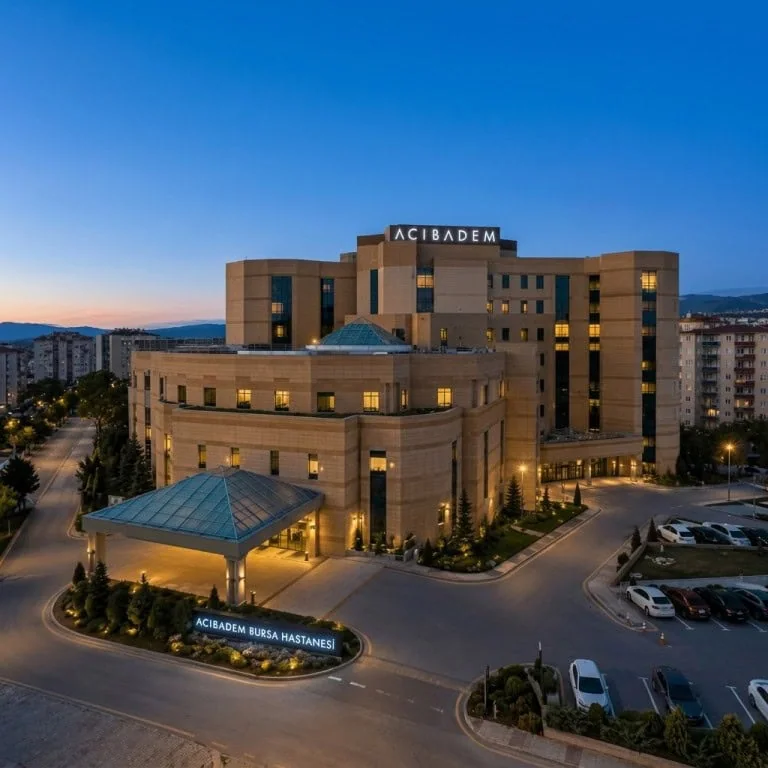
At Acibadem, Vaser liposuction is treated as a medical procedure, not simply an aesthetic service. The process includes physician assessment, review of your general health, discussion of realistic goals, surgical planning, anaesthesia evaluation where needed and structured post-procedure follow-up. If the assessment identifies a different underlying issue: a hernia, major skin laxity, a complication from previous surgery, or a medical risk factor that changes the calculation: you may be directed to further evaluation rather than towards an unsuitable operation. Saying no to the wrong procedure is part of the job.
The group’s multidisciplinary structure allows assessment beyond the immediate aesthetic concern where needed. A patient with abdominal bulging may need evaluation for abdominal wall weakness before any contouring is planned; a patient with diabetes, cardiac history or clotting risk may need input from the relevant specialists before surgery is scheduled. The point of this structure is to align the aesthetic plan with your broader health profile rather than treating the two separately.
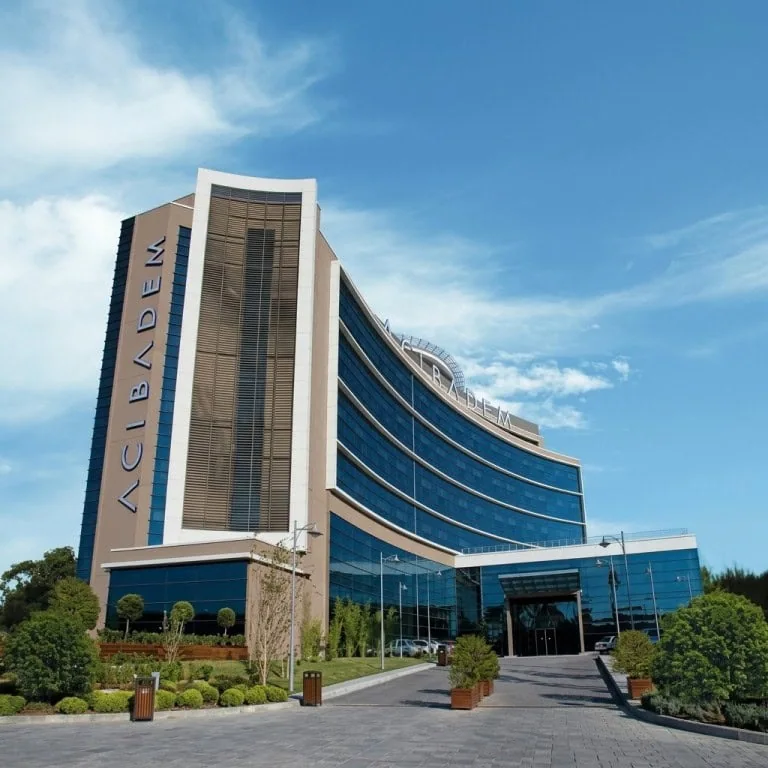
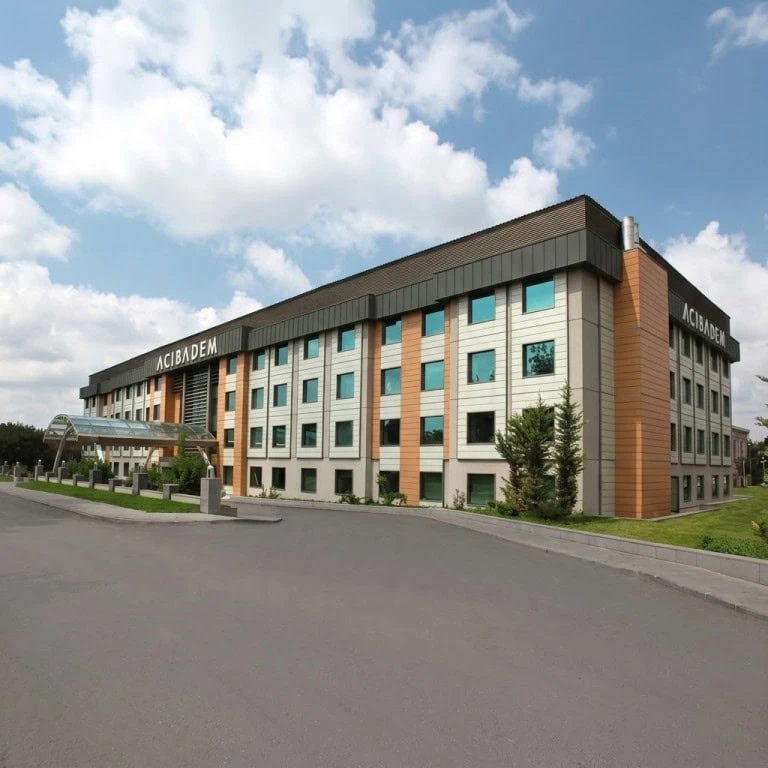
Surgery takes place in a hospital environment with operating theatres, continuous anaesthesia monitoring, laboratory testing, access to imaging when indicated and defined postoperative care pathways. The specific technique and equipment are selected according to your plan and the physician’s judgement, not according to a fixed package. Two patients may both request abdominal liposuction, yet one needs waist sculpting, another needs skin removal, and a third would be better served by reducing visceral fat before any surgery at all, personalised planning means recommending the approach that fits, even when it is not the one you arrived asking for.
International patient coordination covers the practical layer: appointment planning, medical record transfer, interpretation support, hospital admission guidance and communication with the care teams before, during and after your stay. This support does not replace medical decision-making; it makes the medical pathway navigable from abroad. After surgery, follow-up instructions are provided in a clear written format, covering dressings, compression, activity limits, the return to exercise and how to share updates with the team once you have travelled home.
Making an Informed Decision
Vaser liposuction can be an effective option if you have localised fat deposits, stable weight and skin that can adapt to a new contour, and if your expectations match what fat removal can actually deliver. The most satisfying outcomes come from careful planning, honest assessment and respect for the body’s natural proportions, not from maximum removal or aggressive marketing.
A thorough medical evaluation remains the foundation of any good decision here. It establishes whether your concern is best addressed by liposuction, by another body contouring procedure such as lipofilling, by non-surgical management, or by a staged plan, and, just as valuably, it can establish that the timing is not yet right. Understanding your own anatomy, your options and their limits is what turns a purchase into an informed choice.
Preparation
- A plastic surgery consultation assesses target areas, skin quality, medical history, and expectations. Preoperative blood tests and anesthesia evaluation may be required. Patients are usually advised to stop smoking and avoid blood-thinning medicines or supplements before surgery, and fasting is needed if general anesthesia is planned.
Aftercare
- A compression garment is typically worn to reduce swelling and support the new contour. Light walking is encouraged early, while strenuous exercise should be avoided until the surgeon approves. Swelling, bruising, and mild discomfort are common and improve gradually over several weeks.
Frequently Asked Questions
What affects the cost of Vaser liposuction?
Cost depends on the treatment areas, the complexity of sculpting, anaesthesia needs, hospital or clinic setting, surgeon experience, tests, garments, medication, and follow-up care. Travel services and accommodation can also affect the total budget for international patients.
How can I get a personalised quote?
A personalised quote usually requires photos, medical history, body contouring goals, and a specialist review. Acibadem International can arrange a free consultation to assess suitability and provide a tailored treatment plan without giving generic pricing.
Is Vaser liposuction priced differently from traditional liposuction?
It may be, because Vaser liposuction uses ultrasound-assisted technology and may involve different equipment, technique, and contouring time. The final recommendation depends on the specialist’s assessment and the patient’s goals.
What is usually included in an international patient package?
Package contents vary by provider, but may include consultation coordination, hospital services, anaesthesia, standard preoperative tests, compression garments, medication, follow-up planning, and transfer support. Always request a written breakdown of inclusions and exclusions.
Can Vaser liposuction be combined with other procedures?
In selected patients, it may be combined with procedures such as fat transfer or skin-tightening treatments. Combining procedures can change operating time, recovery planning, and cost, so suitability must be confirmed by a specialist.
Is the lowest quote the best option?
Not necessarily. Patients should consider surgeon experience, hospital standards, accreditation, anaesthesia safety, aftercare, communication support, and clarity of what is included. This information is general and is not medical or financial advice; a consultation is recommended for a personalised plan.
Medically reviewed by the Acıbadem International Medical Board September 13, 2026
See our medical review board →
Update history
- PublishedJune 8, 2026
- Medical review approvedSeptember 13, 2026
- Last content updateSeptember 13, 2026
References2
- Liposuction nhs.uk
- Liposuction medlineplus.gov
Planning tools for this treatment
Indicative figures for orientation only: your written plan and quote follow a free medical review.
Trusted care for international patients
Liposuction costsledger-based guide ranges, or browse the full Turkey Medical Price Index.
From the Acibadem Blog

Is Vaser Liposuction Right for Stubborn Fat? Skin Elasticity, Weight and Other Checks
Vaser-style ultrasound-assisted liposuction suits adults who are close to a stable, healthy weight, have firm skin that snaps back, and want to reshape specific…

Vaser Liposuction Recovery Timeline: Compression, Early Walking and the Return to Sport
After ultrasound-assisted (Vaser) liposuction, most people are walking within hours, wear a compression garment for roughly three to four weeks, return to desk work…

What VASER Liposuction Is: How It Works, Who It Suits and What Recovery Involves
VASER liposuction is a branded form of ultrasound-assisted liposuction. A thin probe delivers pulsed ultrasound energy into fat that has first been swollen with…
Doctors Performing This Treatment


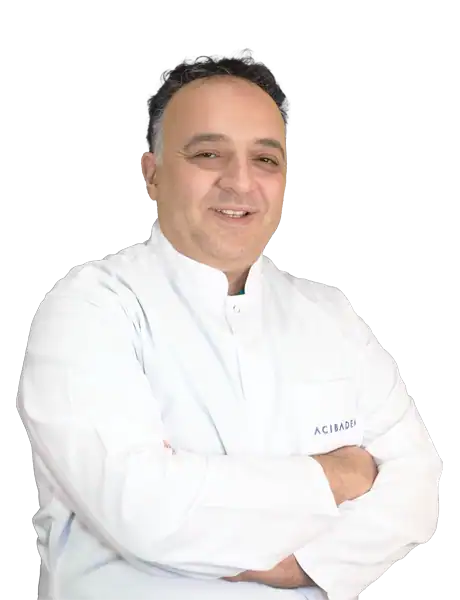
Aesthetic Plastic & Reconstructive Surgery
Prof. Mehmet Veli Karaaltın, MD

Aesthetic Plastic & Reconstructive Surgery
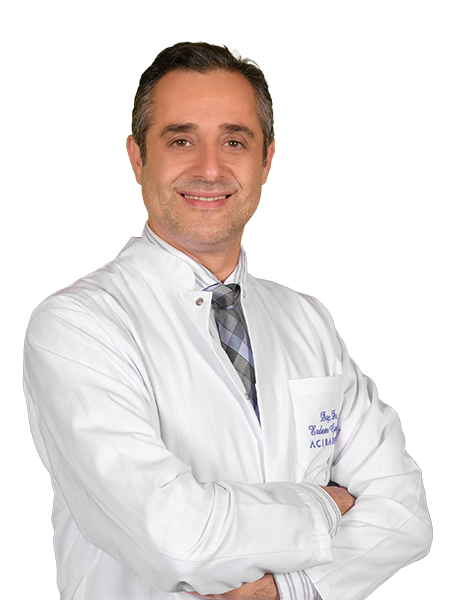
Assoc. Prof. Erdem Güven, MD

Aesthetic Plastic & Reconstructive Surgery
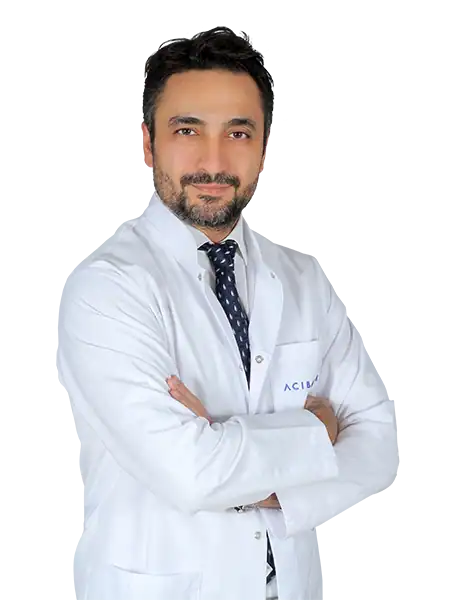
Assoc. Prof. Ahmet Küçükçelebi, MD
Aesthetic Plastic & Reconstructive Surgery
Assoc. Prof. Mehmet Altıparmak, MD

Aesthetic Plastic & Reconstructive Surgery