

Heart Valve Diseases
Heart valve diseases affect how blood flows through the heart and may require medication, catheter-based TAVI, or valve repair/replacement surgery. Acibadem provides multidisciplinary cardiac care in Turkey.
Quick answer
Heart valve diseases are conditions in which one or more heart valves become narrowed or leaky, disrupting normal blood flow through the heart. Treatment depends on the valve involved and the severity, and may include medication, catheter-based procedures such as TAVI, or surgical valve repair or replacement delivered through multidisciplinary cardiac care at Acibadem in Turkey.
When a Heart Valve Problem Changes How Your Heart Works
Being told you may have heart valve disease can be unsettling, especially if you are comparing treatment options in another country. Many patients first hear about a valve problem after an echocardiogram performed for a murmur, shortness of breath, chest discomfort, swelling in the legs, dizziness or a change in exercise tolerance. Others have lived for years with a known valve condition and are now being advised to consider a catheter-based procedure or heart surgery.
Heart valves are small structures, but they perform an essential task. They open and close with every heartbeat to keep blood moving in the right direction through the heart and onward to the lungs and body. When a valve becomes narrowed, leaky or structurally damaged, the heart may need to work harder to pump blood. Over time, this extra strain can lead to enlargement of the heart chambers, rhythm problems, heart failure, blood clots or other complications.
The decision to treat heart valve disease is rarely based on one test alone. It requires a careful understanding of the valve involved, the severity of the narrowing or leakage, the strength of the heart muscle, symptoms, age, other medical conditions, anatomy and personal goals. Some people need regular monitoring and medication. Others benefit from a catheter-based intervention such as transcatheter aortic valve implantation, often called TAVI or TAVR. Many patients require valve repair or valve replacement surgery. The right plan depends on a detailed evaluation by an experienced cardiac team.
At Acibadem in Turkey, heart valve diseases are assessed through multidisciplinary cardiac care pathways that bring together cardiology, cardiovascular surgery, cardiac imaging, anesthesia, intensive care, rehabilitation and international patient services. For patients traveling from abroad, this coordinated approach is especially important: it helps clarify the diagnosis, explain the options and organize care around both medical needs and travel realities.
What Heart Valve Disease Treatment Is
Heart valve disease treatment refers to the medical, catheter-based or surgical management of valves that do not open or close properly. The four heart valves are the aortic, mitral, tricuspid and pulmonary valves. Each can be affected by disease, although aortic and mitral valve disorders are among the most commonly treated in adults.
Valve disease is often described in two main ways. Stenosis means a valve has become narrowed or stiff, making it harder for blood to pass through. Regurgitation, also called insufficiency or leakage, means a valve does not close tightly, allowing blood to flow backward. Some patients have both narrowing and leakage in the same valve.
Treatment may include medication to reduce symptoms, manage blood pressure, control heart rhythm, remove excess fluid or lower the risk of blood clots. Medication can be very important, but it usually cannot reverse a severely narrowed or structurally damaged valve. When valve disease becomes severe, or when it starts to affect heart function, an intervention may be needed.
Interventional and surgical treatments include several approaches. Valve repair preserves the patient’s own valve whenever anatomy allows, most often in selected mitral and tricuspid valve conditions. Valve replacement removes or bypasses a diseased valve and replaces it with a mechanical or biological prosthetic valve. TAVI is a catheter-based treatment for selected patients with aortic valve disease, most commonly severe aortic stenosis. It places a new valve inside the diseased valve through blood vessels, usually without opening the chest. Other catheter-based techniques may be considered in specific valve conditions, depending on anatomy and clinical suitability.
The goal is not simply to “fix a valve.” The purpose is to improve blood flow, reduce the workload on the heart, relieve symptoms where possible, prevent progression of heart damage and help patients return to daily life with a safer cardiovascular outlook. A successful treatment plan is individualized, evidence-based and timed carefully.
Who May Need Evaluation and Treatment for Heart Valve Disease
Some people with heart valve disease have no symptoms for years. The condition may be found when a physician hears a heart murmur or when imaging is performed for another reason. In other patients, symptoms develop gradually and may be mistaken for aging, reduced fitness, lung disease or stress. This is one reason a structured cardiac evaluation matters.
Common symptoms that may suggest valve disease include shortness of breath during activity or when lying flat, fatigue, reduced exercise capacity, chest pressure, palpitations, fainting or near-fainting, swelling in the feet or ankles, unexplained weight gain from fluid retention, coughing at night, and a sensation of a racing or irregular heartbeat. Symptoms can be subtle. For example, a patient may notice they now avoid stairs, walk more slowly, or need more recovery time after routine activity.
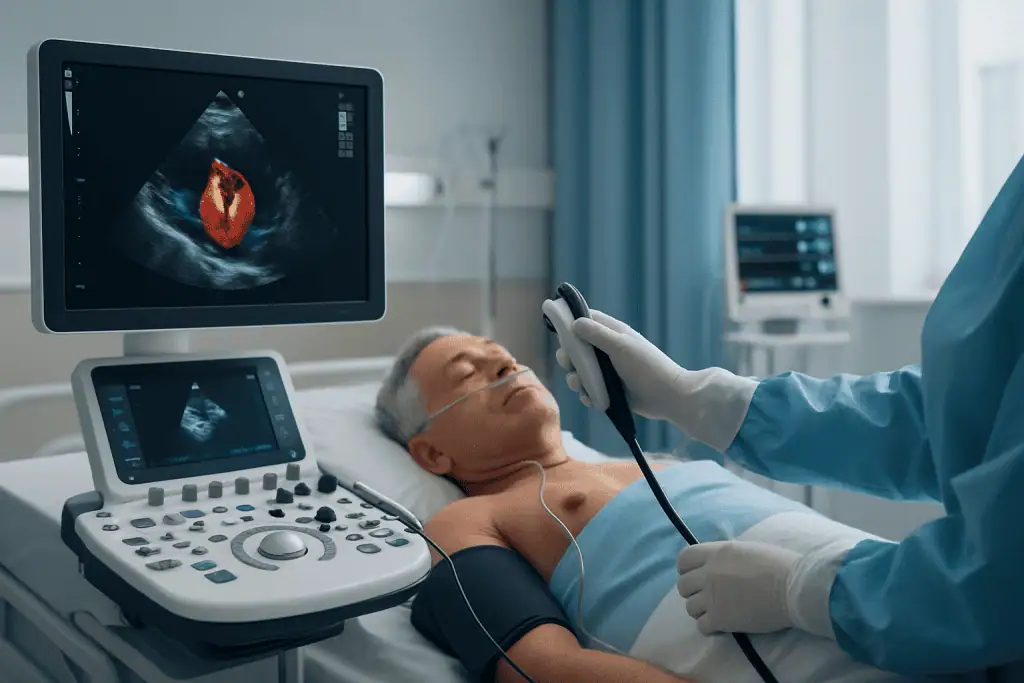
Diagnosis usually begins with a medical history, physical examination and review of previous tests. A heart murmur may provide an important clue, but imaging is needed to define the disease. Echocardiography is the central diagnostic test for most valve conditions. It uses ultrasound to show valve movement, blood flow, chamber size, heart muscle function and pressure estimates. In some cases, a transesophageal echocardiogram provides more detailed images from inside the esophagus, especially when evaluating mitral valve anatomy, infection, clots or complex leakage.
Additional testing may include electrocardiography to assess rhythm, blood tests, chest imaging, cardiac CT to examine anatomy and calcium patterns, cardiac MRI in selected cases, coronary angiography or CT coronary imaging to evaluate blocked arteries, and exercise testing when symptoms are unclear. For patients being considered for TAVI, advanced imaging is used to measure the aortic valve, aorta and access vessels with precision. This helps the team determine whether a catheter approach is appropriate and plan the procedure safely.
Patients may need treatment when valve disease is severe, symptoms are present, heart function is declining, heart chambers are enlarging, pulmonary pressures are increasing, rhythm disturbances are developing, or the valve condition is creating a risk of serious complications. In some cases, treatment is recommended before severe symptoms occur, because waiting until the heart is significantly weakened may reduce the likelihood of full recovery.
Conditions and Indications Addressed
Heart valve treatment may be considered for a range of valve disorders. The most common adult indications include aortic stenosis, where the aortic valve becomes narrowed and restricts blood flow from the heart to the body; aortic regurgitation, where blood leaks backward into the left ventricle; mitral regurgitation, where the mitral valve leaks and increases strain on the left atrium and ventricle; and mitral stenosis, often related to rheumatic disease in some regions, where the mitral valve narrows and limits blood flow from the left atrium to the left ventricle.
Tricuspid valve disease can also require treatment, especially when leakage becomes severe and causes right-sided heart strain, liver congestion, swelling or fatigue. Pulmonary valve disease is less common in adults but may be important in congenital heart disease or after previous heart procedures. Some patients have disease affecting more than one valve, which requires integrated planning rather than isolated decision-making.
Valve disease may be caused by age-related calcification, congenital valve abnormalities such as bicuspid aortic valve, rheumatic heart disease, infection of the valve known as endocarditis, degenerative changes, connective tissue disorders, previous heart attacks, cardiomyopathy, radiation exposure or previous surgery. The underlying cause affects the recommended treatment, the timing of intervention and the type of follow-up needed.
For patients with severe aortic stenosis, TAVI has become an important option, particularly for patients whose anatomy and clinical profile make catheter-based treatment appropriate. Surgical aortic valve replacement remains an established treatment for many patients, especially younger patients, those with anatomy better suited for surgery, patients who need additional cardiac procedures, or those for whom long-term valve durability considerations are central. Mitral valve repair is preferred in many suitable degenerative mitral valve cases because preserving the native valve can offer important advantages. However, replacement may be necessary when repair is not durable or anatomically feasible.
Because heart valve disease varies widely from patient to patient, the indication for treatment should be confirmed by specialists who regularly evaluate complex valve cases. This is particularly important for international patients who may arrive with different reports, imaging formats or recommendations from multiple physicians.
How Heart Valve Disease Treatment Is Performed
Treatment begins with a complete evaluation. Before recommending medication, TAVI, valve repair or valve replacement, the cardiac team reviews symptoms, medical history, previous surgeries, medications, allergies, kidney function, lung disease, diabetes, stroke history and other risk factors. Existing test results are assessed, and additional imaging may be arranged if prior studies are incomplete or if treatment planning requires more detail.
Preparation may include echocardiography, CT imaging, rhythm assessment, blood tests, dental evaluation in selected patients to reduce infection risk, and coronary artery assessment when appropriate. Patients taking blood thinners may need medication adjustments before a procedure. For international patients, the timeline is also planned around travel, pre-procedure testing, hospital stay, early recovery and safe return home.
If medication and monitoring are appropriate, the plan may include drugs to control blood pressure, reduce fluid overload, manage rhythm disorders or address associated heart failure. Regular follow-up imaging is scheduled according to the valve condition and severity. The care team also discusses warning signs that should prompt earlier reassessment.
For TAVI, the procedure is usually performed in a specialized cardiac catheterization or hybrid operating environment. The most common approach is through an artery in the groin. Through a catheter, the replacement valve is guided to the diseased aortic valve and expanded into position. Imaging and pressure measurements help the team confirm placement and valve function. Some patients receive general anesthesia, while others may be treated with deep sedation, depending on clinical factors and institutional protocols. The procedure duration varies, but many TAVI procedures are completed within a few hours, with additional time for preparation and recovery monitoring.
TAVI planning relies heavily on modern imaging. CT measurements help determine valve size, evaluate calcium distribution, assess the aorta and confirm whether the leg arteries can safely accommodate the delivery system. Echocardiography helps assess valve performance before and after treatment. Continuous rhythm and hemodynamic monitoring are used during and after the procedure because some patients may develop conduction changes requiring additional observation or, in selected cases, a pacemaker.
For surgical valve repair or replacement, the operation is performed by a cardiovascular surgery team under general anesthesia. Depending on the condition, the surgeon may repair the existing valve using techniques that restore leaflet motion and improve closure, or replace the valve with a mechanical or biological prosthesis. Some operations are performed through a traditional chest incision, while selected patients may be candidates for less invasive surgical approaches. The best incision and technique depend on anatomy, the valve involved, prior operations, body structure, associated coronary artery disease and the need for additional procedures.
When valve replacement is needed, the choice between a mechanical and biological valve is carefully discussed. Mechanical valves are durable but usually require lifelong blood-thinning medication and regular monitoring. Biological valves, made from animal tissue, generally do not require the same long-term anticoagulation for the valve itself, but they may wear out over time and may not last as long in younger patients. The decision considers age, lifestyle, pregnancy plans, ability to manage anticoagulation, bleeding risk, other medical conditions and personal preference.
After TAVI or surgery, patients are monitored in a recovery area or intensive care setting depending on the procedure and clinical status. Monitoring includes heart rhythm, blood pressure, oxygen levels, kidney function, bleeding, access sites or surgical wounds, pain control and early mobility. Echocardiography may be performed to assess the treated valve. The team also reviews medications, including antiplatelet or anticoagulant therapy when indicated.
Recovery differs by treatment type. TAVI usually involves a shorter hospital stay and faster early mobility than open surgery for appropriately selected patients. Surgical valve procedures require more time for the breastbone or incision to heal, and patients typically progress through staged activity, breathing exercises, wound care and cardiac rehabilitation. In both pathways, long-term follow-up is essential because prosthetic valves and repaired valves require periodic assessment.
Why Acting Early Matters
Heart valve disease can be deceptive. Symptoms may appear only after the heart has adapted for a long time. In severe valve disease, the heart muscle may thicken, stretch or weaken as it tries to maintain blood flow. Once advanced heart damage develops, treatment can still be beneficial, but recovery may be less complete than if intervention had occurred earlier.
Delaying care can increase the risk of heart failure, atrial fibrillation, pulmonary hypertension, fainting, hospitalization, blood clots, stroke and reduced exercise capacity. In severe aortic stenosis, the development of symptoms such as chest pain, breathlessness or fainting is particularly important and should be evaluated promptly. Severe mitral regurgitation may gradually enlarge the left ventricle or left atrium even before symptoms become obvious. Tricuspid valve disease may lead to progressive fluid retention and organ congestion if not addressed.
Early evaluation does not always mean immediate intervention. Sometimes it confirms that careful monitoring remains appropriate. However, timely assessment helps identify the point at which treatment offers the best balance of benefit and risk. For patients considering care abroad, early contact also allows adequate time to review records, plan testing and avoid rushed decisions during a period of worsening symptoms.
Potential Benefits of Heart Valve Disease Treatment
The benefits of treatment depend on the valve involved, disease severity, heart function and the selected approach, but the aims are consistent: better blood flow, symptom relief and protection of the heart over time.
| Benefit | What It Means for You |
|---|---|
| Improved forward blood flow | A repaired or replaced valve can help blood move more efficiently through the heart, reducing the strain created by narrowing or leakage. |
| Relief of symptoms | Many patients experience improvement in breathlessness, fatigue, chest pressure, swelling or activity tolerance, although recovery varies by condition and overall health. |
| Protection of heart function | Treating severe valve disease at the right time may help prevent or limit enlargement, weakening of the heart muscle and pressure buildup in the lungs. |
| Reduced risk of valve-related complications | Appropriate treatment may lower the likelihood of repeated heart failure episodes, rhythm-related deterioration and other complications linked to advanced valve disease. |
| Personalized treatment pathway | Patients may be offered monitoring, medication, TAVI, repair or replacement according to anatomy, risk profile and long-term priorities. |
Recovery Timeline After Valve Treatment
Recovery is different for every patient and varies significantly between medication management, TAVI and surgical repair or replacement, but the following timeline reflects common expectations after an interventional or surgical valve procedure.
| Time Period | What Patients Can Expect |
|---|---|
| Day 1 | Patients are closely monitored for heart rhythm, blood pressure, breathing, bleeding and valve function. Early movement may begin when medically appropriate. |
| First Week | TAVI patients often begin walking early and may leave the hospital sooner if stable. Surgical patients usually need more inpatient recovery, pain control, breathing exercises and wound monitoring. |
| First Month | Energy gradually improves. Activity is increased step by step. Medication adjustments, wound or access-site checks, and follow-up imaging may be scheduled. |
| Two to Three Months | Many surgical patients regain greater independence as the chest and soft tissues heal. Cardiac rehabilitation may help rebuild strength and confidence. |
| Longer Term | Regular cardiology follow-up is needed to monitor valve performance, heart function, rhythm, blood thinners if prescribed and overall cardiovascular health. |
Factors That Influence Outcomes and a Good Result
Outcomes in heart valve disease are influenced by more than the procedure itself. A good result begins with accurate diagnosis and careful timing. Treating too early may expose a patient to unnecessary procedural risk, while treating too late may allow irreversible heart changes. This is why serial imaging, symptom assessment and specialist review are central to valve care.
The type and severity of valve disease are important. Severe calcific aortic stenosis, degenerative mitral regurgitation, rheumatic valve disease, endocarditis-related damage and multi-valve disease each behave differently. The condition of the heart muscle, chamber size, pulmonary pressures, rhythm status and kidney or lung function also affect both procedural risk and recovery.
Anatomy plays a major role. For TAVI, the size and shape of the aortic valve area, calcium distribution, coronary artery height, aortic dimensions and blood vessel access must be suitable. For mitral or tricuspid repair, leaflet quality, chordal structures, annular size and the mechanism of leakage help determine whether repair is likely to be durable. If coronary artery disease is also present, the team may consider whether it should be treated before, during or after valve intervention.
Age and lifestyle matter, but they are not the only considerations. A healthy older adult may do well with an interventional approach, while a younger patient may require a strategy focused on long-term valve durability. For valve replacement, the choice between mechanical and biological valves should be aligned with medical facts and personal priorities. For example, lifelong anticoagulation may be acceptable for one patient and problematic for another because of occupation, travel, bleeding risk or pregnancy considerations.
Experience and team coordination also influence care quality. Valve disease often sits at the intersection of imaging, interventional cardiology, cardiovascular surgery, anesthesia and intensive care. A multidisciplinary review helps reduce fragmented decision-making and allows the team to compare options in a structured way. For complex cases, this may include discussion in specialist boards where imaging and clinical data are reviewed together.
Patient participation is another factor. Taking medications correctly, attending follow-up appointments, reporting new symptoms, maintaining dental hygiene, managing blood pressure, stopping smoking, controlling diabetes and participating in cardiac rehabilitation when advised all support recovery. Patients with prosthetic valves need to understand infection prevention, anticoagulation requirements if applicable and the importance of lifelong surveillance.
Why International Patients Choose Acibadem for Heart Valve Disease Care
For many international patients, choosing where to receive heart valve care involves both medical and practical questions. They want to know whether the diagnosis will be reviewed thoroughly, whether different treatment options will be considered, how the team manages risk, what the recovery process will involve and how care will be coordinated when they are far from home.
Acibadem provides cardiac care in JCI-accredited hospitals in Turkey, with services organized for patients who may be traveling from the United States, Europe, the Middle East, Africa and other regions. Heart valve cases may involve cardiologists, cardiovascular surgeons, interventional cardiologists, imaging specialists, anesthesiologists, intensive care physicians, rehabilitation teams and nurses experienced in caring for cardiac patients. This multidisciplinary structure is especially valuable when the decision is not straightforward, such as choosing between TAVI and surgery, determining whether a mitral valve can be repaired, or planning treatment for more than one valve.
Diagnostic pathways are based on international and evidence-informed practice. Echocardiography, advanced cardiac imaging, catheter-based assessment when needed and laboratory evaluation are used to define the problem and support treatment planning. For TAVI candidates, imaging helps determine valve sizing and vascular access. For surgical candidates, imaging helps the surgeon understand anatomy and plan repair or replacement strategy. Technology is used not as a substitute for clinical judgment, but as a way to improve precision, anticipate risk and guide treatment.
Acibadem’s cardiac teams care for a broad range of valve conditions, including aortic stenosis, mitral regurgitation, rheumatic valve disease, multi-valve disease and valve problems in patients with other heart conditions. Treatment plans are personalized according to clinical risk, anatomy, age, previous procedures, medication needs and patient preferences. When appropriate, patients may receive medication and surveillance rather than immediate intervention. When intervention is recommended, the reasoning, alternatives and expected recovery are explained in clear terms.
International patient services support communication before, during and after the hospital visit. This may include assistance with appointment scheduling, medical record transfer, translation and interpretation in more than 20 languages, hospital admission coordination and guidance for family members. For patients traveling abroad, these services can make the medical process easier to navigate while keeping the focus on clinical decision-making.
Another important aspect is continuity. Heart valve care does not end at discharge. Patients need a follow-up plan, medication instructions, wound or access-site guidance, activity recommendations and information about when to seek urgent care. For those returning to their home country, the Acibadem team can provide medical reports and follow-up recommendations that can be shared with the patient’s local physician or cardiologist.
Patients often come to Acibadem for a second opinion when they have received different recommendations elsewhere. A second opinion may confirm the original plan, suggest additional testing or identify a different treatment pathway. For heart valve disease, where timing and treatment choice are central, this additional review can be particularly useful.
Taking the Next Step With Confidence
Heart valve disease requires careful attention, but it is also an area of medicine where modern diagnosis and treatment can make a meaningful difference. Whether you have been told you need monitoring, medication, TAVI, valve repair or valve replacement, the most important step is to understand your condition clearly and choose a treatment plan that fits your anatomy, overall health and long-term needs.
If you are considering care in Turkey, Acibadem can review your medical records, imaging and current recommendations to help you understand your options. A consultation or second opinion may clarify the severity of your valve disease, whether intervention is needed now, and which approach may be most appropriate for you.
This information is general and is not a substitute for professional medical advice, diagnosis or treatment. A qualified physician should evaluate your individual condition and recommend the care that is appropriate for you.
Preparation
- Preparation starts with cardiology evaluation, echocardiography, blood tests, ECG, and imaging when needed. Your doctor reviews medications, especially blood thinners, and explains fasting instructions before the procedure. International patients may receive coordinated pre-travel assessment and scheduling support.
Aftercare
- After treatment, heart rhythm, blood pressure, wound sites, and valve function are closely monitored. Patients receive guidance on medications, activity limits, cardiac rehabilitation, and follow-up echocardiography. Seek urgent care for chest pain, severe shortness of breath, fever, fainting, or signs of infection.
Turkey vs UK, Germany & USA
Heart valve disease care may range from medication and monitoring to catheter-based or surgical procedures. Comparing destinations can help international patients understand how hospital services, clinical complexity and travel logistics may influence the overall experience and final cost.
The cost and experience of heart valve disease treatment can vary by country, care pathway and the level of support needed before and after the procedure.
| Factor | Turkey | UK | Germany | USA |
|---|---|---|---|---|
| Price drivers | Often packaged for international patients; final cost depends on valve procedure, hospital stay, imaging and intensive care needs. | Private care costs depend on consultant, hospital and device choice; public pathways may involve eligibility and waiting considerations. | Costs reflect specialist cardiac centres, diagnostics, devices and rehabilitation planning. | Costs are strongly influenced by hospital fees, physician fees, device costs, insurance status and network arrangements. |
| Hospital and surgeon factors | Choice of cardiac centre, heart team experience and access to catheter and surgical facilities affect planning. | Consultant-led private care and hospital selection influence availability and coordination. | Specialist cardiology and cardiac surgery departments may offer structured assessment pathways. | Large cardiac programmes may provide advanced options, with billing often separated across providers. |
| Accreditation and quality | International patients may choose JCI-accredited hospitals such as Acibadem for multidisciplinary cardiac care. | Quality is guided by national regulation and hospital governance; private and public pathways differ. | Care is delivered within regulated hospital systems with established cardiac standards. | Quality oversight varies by hospital accreditation, cardiac programme experience and insurer requirements. |
| Typical waiting times | Private scheduling may allow coordinated appointments after review of medical records. | Public pathways may have waiting periods; private scheduling may be faster depending on availability. | Scheduling depends on referral pathway, diagnostic requirements and hospital capacity. | Timing depends on insurance authorisation, provider availability and clinical urgency. |
| Travel and language logistics | International patient teams can support appointment coordination, translation and travel-related planning. | Less travel complexity for local patients; international patients may need separate coordination. | International patients may require translation and organised referral documentation. | Travel, accommodation and insurance administration can be significant parts of planning. |
| What packages may include | Common inclusions may be specialist consultation, tests, procedure, hospital stay and coordination support; details depend on the case. | Private quotes may separate consultation, diagnostics, procedure, hospital stay and follow-up. | Packages or estimates may include diagnostics, intervention and hospital care, with rehabilitation billed separately in some pathways. | Quotes may be itemised across facility, specialists, anaesthesia, imaging, devices and follow-up. |
What affects your final cost
- Type and severity of valve disease, such as narrowing, leakage or combined valve problems.
- Chosen treatment approach, such as medication, TAVI, valve repair or valve replacement.
- Need for advanced tests, including echocardiography, CT, angiography or cardiac catheterisation.
- Valve type, device selection and whether more than one heart condition is treated.
- Length of hospital and intensive care stay, recovery needs and follow-up plan.
- Patient age, general health, previous heart surgery and other medical conditions.
- Interpreter support, airport transfers, accommodation planning and international patient services.
Compare your options
Heart valve disease options depend on the affected valve, symptoms, heart function, anatomy and overall health. Suitability is decided by a specialist heart team after clinical evaluation and diagnostic testing.
| Option | What it is | Typical use | Key considerations |
|---|---|---|---|
| Medication and monitoring | Medicines and regular cardiac follow-up to manage symptoms, rhythm problems, blood pressure or fluid retention. | Often used for mild disease, symptom control, patients awaiting intervention or those not suitable for immediate procedure. | Medication does not usually correct a severely damaged valve; ongoing imaging and specialist review are important. |
| TAVI | A catheter-based procedure that places a new valve inside the diseased aortic valve without open-heart surgery. | Commonly considered for selected patients with aortic valve narrowing, especially when anatomy and risk profile are suitable. | Requires detailed imaging, heart team assessment and planning for vascular access, valve sizing and follow-up. |
| Surgical valve repair | Open or minimally invasive surgery to preserve and reconstruct the patient’s own valve when possible. | Often considered for selected mitral or tricuspid valve leakage and some other valve conditions. | Durability depends on valve anatomy and surgical expertise; repair may not be possible in every case. |
| Surgical valve replacement | The diseased valve is replaced with a mechanical or biological valve during cardiac surgery. | Used when repair is not suitable or when valve damage is advanced. | Mechanical and biological valves have different follow-up, medication and durability considerations; the choice is individualised. |
| Balloon valvuloplasty | A catheter-based balloon procedure used to widen a narrowed valve in selected situations. | May be used as a bridge treatment, during specific valve conditions or when definitive treatment is being planned. | Benefits may be temporary for some patients; suitability depends on valve anatomy and overall treatment goals. |
Trusted care for international patients
General information only — not medical or financial advice. Final costs depend on the factors above and your individual case; request a free, personalised quote.
Doctors Performing This Treatment

Prof. Dr. Ahmet Akyol
Cardiology
Prof. Dr. Ahmet Karabulut
Cardiology
Prof. Dr. Ahmet Kaya Bilge
Cardiology
Prof. Dr. Ahmet Oytun Baykan
Cardiology
Prof. Dr. Aleks Değirmencioğlu
Cardiology
Prof. Dr. Ali Aydinlar
Cardiology
Prof. Dr. Alpay Turan Sezgin
Cardiology
Prof. Dr. Alper Özkan
Cardiology
Prof. Dr. Barış Kılıçaslan
Cardiology
Prof. Dr. Bekir Sıtki Cebeci
Cardiology
Prof. Dr. Burak Pamukçu
Cardiology
Prof. Dr. Cahide Soydaş Çınar
Cardiology
Prof. Dr. Duhan Fatih Bayrak
Cardiology
Prof. Dr. Elif Eroğlu Büyüköner
Cardiology
Prof. Dr. Ender Semiz
Cardiology
Prof. Dr. Ercüment Yılmaz
Cardiology
Prof. Dr. Ergün Seyfeli
Cardiology
Prof. Dr. Ertuğrul Zencirci
Cardiology
Prof. Dr. Ethem Kumbay
Cardiology
Prof. Dr. Gültekin Karakuş
Cardiology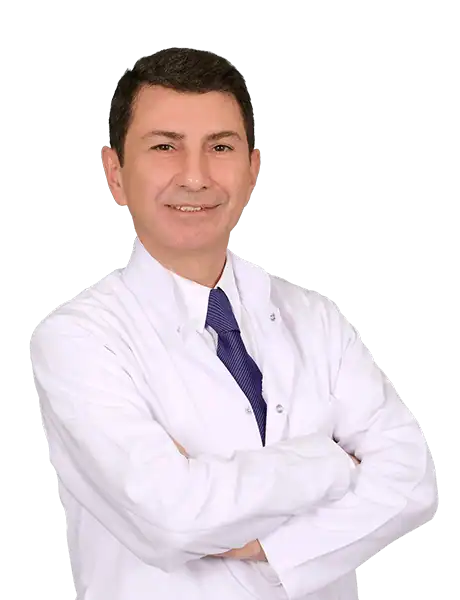
Prof. Dr. Haldun Akgöz
Cardiology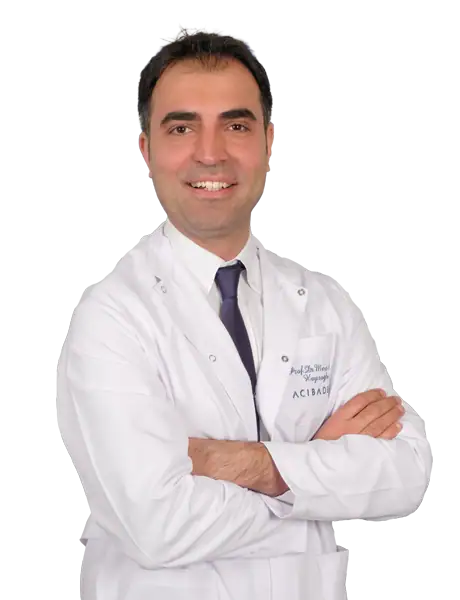
Prof. Dr. Mert İlker Hayıroğlu
Cardiology
Prof. Dr. Metin Gürsürer
Cardiology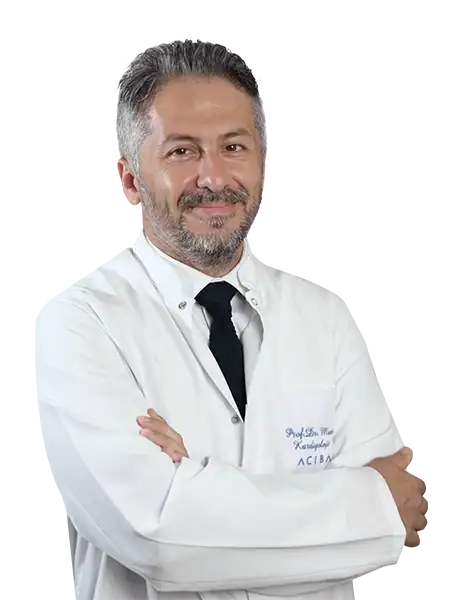
Prof. Dr. Murat Turfan
CardiologyMedical Units
Available at These Hospitals












Guides for This Treatment
Frequently Asked Questions
What affects the cost of heart valve disease treatment?
The final cost depends on the diagnosis, valve affected, treatment option, required imaging, device or valve type, hospital stay, intensive care needs and follow-up plan. Travel, accommodation and translation support may also affect the overall budget for international patients.
How can I get a personalised quote from Acibadem?
You can request a free consultation by sharing recent medical reports, echocardiography results, CT or angiography images if available, medication list and a summary of symptoms. The cardiac team can review your information and provide a personalised treatment plan and cost estimate.
Is TAVI less costly than open-heart valve surgery?
Not always. TAVI may involve a shorter hospital pathway for suitable patients, but device selection, imaging, catheter laboratory use and specialist team requirements influence the quote. Open surgery and TAVI should be compared medically first, with cost discussed after specialist assessment.
Does a treatment package include everything I need?
Package details vary by patient and procedure. A package may include consultation, tests, the procedure, hospital stay and coordination support, but additional care may be needed if new findings, complications or extended recovery requirements arise.
Can international patients receive support with language and travel planning?
Yes. International patient services can help coordinate appointments, interpreter support, hospital admission planning and practical travel information. The exact support and inclusions should be confirmed during the quotation process.
Is this information medical or financial advice?
No. This is general educational information only. A cardiologist or cardiac surgeon should decide suitability for treatment, and a personalised quote should be requested before making care or travel decisions.