

Pediatric Neurosurgery
Pediatric neurosurgery treats brain, spine, and nerve disorders in infants, children, and adolescents using advanced imaging, microsurgical techniques, and multidisciplinary care tailored to growing nervous systems.

Quick answer
Pediatric neurosurgery treats brain, spine, and nerve disorders in infants, children, and adolescents using advanced imaging, microsurgical techniques, and multidisciplinary care tailored to growing nervous systems.
When your child may need brain or spine surgery
Few medical conversations feel as overwhelming as hearing that a child may need neurosurgery. Parents often arrive at this point after weeks or months of uncertainty: headaches that do not seem typical, seizures, developmental changes, difficulty walking, back pain, weakness, a head shape that is changing, or imaging that has revealed something unexpected. Even when surgery is only one of several possibilities, the words brain, spine, or nervous system can make the decision feel urgent, frightening, and deeply personal.
Pediatric neurosurgery is different from adult neurosurgery in important ways. A child’s brain and spine are still developing. Conditions may behave differently in infancy, childhood, and adolescence. The goals of treatment are not only to address the immediate problem, but also to protect development, function, learning, mobility, and quality of life over time. That is why children with neurosurgical conditions benefit from care that is carefully adapted to the growing nervous system and coordinated across specialties.
For many families, the questions are practical as well as emotional. Is surgery truly necessary? Is there a less invasive option? How experienced is the team with children of this age? What are the risks of waiting? What will recovery look like, especially for a child who still needs school, play, and normal routines? International patients may also be considering where to seek care, how quickly expert review can happen, and whether a center can support both advanced treatment and the logistics of traveling as a family.
Thoughtful pediatric neurosurgical care begins with clarity. The first step is understanding the diagnosis, confirming whether surgery is indicated, and building a treatment plan around the child rather than around the condition alone. In some cases, urgent treatment is needed. In others, the safest path may involve monitoring, medication, rehabilitation, or staged procedures over time. Good decision-making depends on accurate imaging, specialist review, and an honest discussion of expected benefits, limitations, and alternatives.
When treatment is recommended, timing matters because some neurological conditions can affect development, movement, vision, sensation, bladder function, or cognition if they progress. At the same time, pediatric neurosurgery is not simply about acting fast. It is about acting precisely, with a plan designed to reduce risk and support the child’s long-term future.
What pediatric neurosurgery is
Pediatric neurosurgery is the medical and surgical specialty focused on disorders of the brain, spinal cord, skull, and peripheral nerves in infants, children, and adolescents. It includes evaluation, diagnosis, surgery when needed, and long-term follow-up for conditions that may be present at birth, develop during childhood, or emerge after injury or illness.
The field covers a wide range of problems. Some are structural, such as hydrocephalus, craniosynostosis, tethered spinal cord, or Chiari malformation. Others involve tumors, vascular abnormalities, epilepsy, trauma, infections, or congenital malformations affecting the brain or spine. Certain children need a single operation; others require coordinated care over years as they grow.
What makes pediatric neurosurgery highly specialized is that treatment decisions must take anatomy, age, growth, and development into account. The surgical approach used in an adult may not be appropriate for a baby or school-age child. Pediatric neurosurgeons work closely with pediatric neurologists, neuroradiologists, anesthesiologists, intensive care specialists, rehabilitation physicians, endocrinologists, oncologists, geneticists, and other experts depending on the diagnosis.
Not every child seen by a pediatric neurosurgeon will need an operation. A substantial part of the specialty involves expert assessment, second opinions, interpretation of scans, and ongoing observation when that is safer than immediate intervention. When surgery is necessary, the aim is to treat the condition effectively while preserving healthy tissue and minimizing the impact on a child’s function and development.
Who may need pediatric neurosurgery
Children are referred for pediatric neurosurgical evaluation for many different reasons. Sometimes symptoms are obvious and urgent, such as a sudden neurological deficit, severe head injury, or signs of increased pressure inside the skull. In other cases, findings are subtle and emerge gradually: delays in milestones, recurrent headaches, abnormal head growth, spinal curvature, back pain, weakness in the legs, changes in balance, or episodes concerning for seizures.
Infants may come to attention because of an unusually large or rapidly growing head circumference, a tense soft spot, vomiting, irritability, feeding difficulties, abnormal eye movements, or a skull shape that appears fused too early. Young children may present with developmental concerns, frequent falls, toe walking, weakness, problems with coordination, or regression of previously acquired skills. Older children and adolescents may report persistent headaches, vision changes, neck or back pain, numbness, bladder issues, scoliosis, or symptoms that worsen with exercise or growth spurts.
Diagnosis usually begins with a careful clinical history and neurological examination. Physicians assess symptoms, developmental progress, school performance, motor function, reflexes, sensation, gait, and, when relevant, head shape and spinal alignment. Imaging often plays a central role. Depending on the child’s age and the suspected condition, this may include ultrasound in infants, magnetic resonance imaging for the brain or spine, computed tomography for bone detail or urgent assessment, and specialized studies that help define blood vessels or functional areas. Some children also need electroencephalography for seizures, ophthalmologic evaluation, endocrine testing, or neuropsychological assessment.
Parents often seek pediatric neurosurgical care in several common situations:
- A prenatal or newborn diagnosis suggests a brain, skull, or spinal abnormality.
- Brain or spine imaging done for symptoms has identified a tumor, cyst, malformation, or fluid buildup.
- A child has epilepsy that is not well controlled with medication and may be evaluated for surgery.
- There are signs of spinal cord compression, tethering, or structural instability.
- Head trauma, bleeding, or infection has created a neurosurgical emergency.
- A previous diagnosis requires ongoing monitoring and the family wants specialist review or a second opinion.
Because pediatric neurological symptoms can overlap with more common childhood illnesses, it is not unusual for families to feel uncertain about whether their child truly needs this level of specialist care. In general, persistent, progressive, or unexplained neurological symptoms deserve timely evaluation, especially when they affect movement, behavior, vision, continence, school performance, or development.
Conditions pediatric neurosurgery may address
Pediatric neurosurgery includes both common and rare disorders. The exact treatment depends on the diagnosis, the child’s age, the severity of symptoms, and whether the condition is affecting growth or neurological function.
Common indications include hydrocephalus, in which excess cerebrospinal fluid accumulates in the brain and may require diversion or endoscopic treatment. Brain tumors and spinal tumors may need surgery for diagnosis, decompression, or removal, often as part of a broader treatment plan coordinated with pediatric oncology and radiation specialists when appropriate. Epilepsy surgery may be considered for selected children whose seizures continue despite medication and whose evaluation suggests a treatable focus.
Congenital malformations are another major part of the specialty. These may include spina bifida and related spinal conditions, tethered cord syndrome, Chiari malformation, arachnoid cysts, craniosynostosis, encephaloceles, and other abnormalities of the skull or nervous system present from birth. Some require surgery early in life, while others are monitored and treated only if symptoms develop or progression is documented.
Vascular conditions such as hemorrhage, certain aneurysms, cavernous malformations, or arteriovenous malformations may require urgent or planned intervention depending on the bleeding risk and location. Traumatic injuries to the head or spine may call for emergency surgery to relieve pressure, stabilize the spine, or repair damage.
Children may also need care for movement or spasticity disorders, peripheral nerve problems, infections affecting the brain or spine, or complications related to prior surgery. Because each diagnosis carries different risks and treatment pathways, children benefit from review in a center where pediatric imaging, anesthesia, intensive care, and rehabilitation are available as part of the same coordinated system.
How pediatric neurosurgery is performed
The path to surgery usually begins well before the operating room. Preparation starts with confirming the diagnosis and determining whether surgery is the right next step. This may involve repeat imaging, laboratory tests, consultations with pediatric neurology or other specialists, and review in a multidisciplinary board for complex tumors, epilepsy, craniofacial conditions, vascular lesions, or congenital disorders. Families are guided through the goals of surgery, expected benefits, possible alternatives, and known risks. Because children vary greatly by age and condition, planning is highly individualized.
Before the procedure, the surgical and anesthesia teams evaluate the child’s overall health, medications, allergies, nutrition, and prior medical history. Parents receive instructions about fasting, medications to stop or continue, and what to expect on the day of surgery. For younger children, a child-friendly approach to preparation can reduce fear and help families feel more ready for admission.
The procedure itself depends entirely on the condition being treated. In broad terms, pediatric neurosurgery may include operations on the brain, skull, spine, or nerves. Some surgeries are open procedures designed to provide full access to complex anatomy. Others use smaller corridors, endoscopic techniques, or microscope-assisted approaches to limit tissue disruption where appropriate. Imaging guidance may be used to localize the target area with greater precision, and intraoperative neurophysiological monitoring can help the team track nerve or spinal cord function during selected procedures.
For brain procedures, the surgeon may remove a tumor, drain fluid, create a new pathway for cerebrospinal fluid, treat a malformation, obtain a biopsy, or address a seizure focus. For hydrocephalus, treatment may involve placing a shunt or performing an endoscopic procedure in carefully selected cases. For skull conditions such as craniosynostosis, surgery may reshape or release fused areas to allow normal brain growth and improve head form. For spinal conditions, surgery may decompress the spinal cord, release a tethered cord, remove a tumor, repair a congenital defect, or stabilize the spine.
Modern pediatric neurosurgery relies on several types of technology working together. Advanced imaging helps define the anatomy before surgery and assists with planning. High-magnification visualization allows the surgeon to work on delicate structures with greater control. Real-time navigation can improve orientation during complex procedures. Neuro-monitoring may alert the team to changes in motor or sensory pathways while surgery is in progress. Specialized pediatric anesthesia and intensive care support are equally important, particularly for infants and children with complex neurological disease.
The duration of surgery varies widely. A relatively focused procedure may take a few hours, while major cranial or spinal operations can take considerably longer and may require postoperative care in a pediatric intensive care or high-dependency setting. After surgery, children are observed closely for pain control, neurological status, fluid balance, and any early complications. The initial recovery period may include imaging, wound care, physical therapy, speech or occupational therapy, and gradual return to feeding and activity depending on the child’s age and procedure.
Hospital stay also depends on the diagnosis and the complexity of treatment. Some children recover quickly and go home within a short period. Others need a longer stay for monitoring, rehabilitation, or coordinated treatment from several pediatric specialties. Discharge planning usually includes medication guidance, activity restrictions, signs of concern to watch for, follow-up appointments, and plans for school return or developmental support.
Why acting early can matter
In pediatric neurosurgery, early evaluation does not always mean immediate surgery, but it often changes what is possible. Many neurological conditions are more manageable when identified before they cause lasting pressure, damage, or developmental disruption. A child’s nervous system has remarkable capacity, but it is also vulnerable during periods of rapid growth.
Delayed treatment can allow hydrocephalus to increase pressure on the brain, tumors to enlarge, tethered cord symptoms to progress, epilepsy to continue affecting development and learning, or skull and spinal abnormalities to interfere more significantly with growth and function. In some cases, neurological deficits that develop gradually can become harder to reverse the longer they persist. Problems with walking, bladder function, strength, or vision may not always recover fully if nerve structures have been compressed for too long.
Early specialist review is also important because some symptoms that seem mild may point to conditions that are more serious than they first appear. A child with recurring morning headaches, repeated vomiting, rapid head growth, or back symptoms combined with weakness deserves careful assessment. Acting early can widen the range of treatment options, improve planning, and reduce the chance of an emergency presentation later.
At the same time, not every abnormal scan requires urgent intervention. One of the advantages of experienced pediatric neurosurgical care is the ability to distinguish between conditions that require prompt action and those that can be monitored safely with a structured follow-up plan.
Potential benefits of treatment
The goals of pediatric neurosurgery depend on the diagnosis, but the benefits often extend beyond the operation itself.
| Benefit | What It Means for You |
|---|---|
| Relief of pressure on the brain or spinal cord | Can reduce symptoms such as headache, vomiting, weakness, pain, balance problems, or visual changes and may help protect neurological function. |
| Treatment of the underlying condition | May involve removing a tumor, correcting a structural problem, restoring fluid flow, releasing tethered tissue, or stabilizing the spine. |
| Support for development and daily function | Early treatment may help preserve movement, learning, continence, communication, and independence as a child grows. |
| Better symptom control | For selected conditions, surgery can reduce seizures, pain, recurrent complications, or repeated hospital visits. |
| Clearer long-term planning | Families often gain a more defined roadmap for follow-up, rehabilitation, school return, and ongoing specialist care. |
Typical recovery timeline
Recovery is shaped by the child’s diagnosis, age, overall health, and the type of procedure performed, but a general timeline can help families prepare.
| Time Period | What Patients Can Expect |
|---|---|
| Day 1 | Close monitoring in recovery or an intensive care setting, attention to pain control, neurological checks, and gradual restart of fluids or feeding as appropriate. |
| First Week | Hospital recovery continues with wound care, mobility support, medication adjustments, and discharge planning. Some children go home quickly, while others need a longer stay. |
| First Month | Follow-up visits assess healing, neurological status, and imaging when needed. Activity is increased gradually, and some children begin or continue rehabilitation therapies. |
| Longer Term | Ongoing follow-up may track growth, development, school function, symptoms, and the need for future imaging or additional treatment as the child matures. |
What influences outcomes
Families often ask how successful pediatric neurosurgery is. The most accurate answer is that outcomes vary significantly by diagnosis. Some conditions are treated very effectively with a single operation and limited long-term impact. Others are more complex and may require staged procedures, additional therapies, or years of follow-up. In many cases, success is measured not only by imaging or technical surgical results, but also by how well the child functions, develops, and feels over time.
Several factors influence outcome. The underlying condition matters first: its type, location, size, severity, and biological behavior. Timing matters as well. Children treated before significant neurological deterioration often have a stronger chance of preserving function. Age can affect surgical planning, recovery, and developmental implications. So can overall health, associated genetic or congenital conditions, and whether the child has had prior surgeries or infections.
The quality of diagnosis and preoperative planning is also critical. Accurate imaging, pediatric anesthesia expertise, intensive care support, and access to rehabilitation can all shape recovery. For tumors and epilepsy in particular, outcomes are closely linked to multidisciplinary planning and to whether the child’s treatment pathway integrates surgery with neurology, oncology, pathology, radiology, and rehabilitation.
Family participation plays an important role too. Children recover best when follow-up instructions are understood, medications are given correctly, appointments are kept, and parents feel comfortable reporting warning signs early. This is especially relevant for international families who need clear communication and a realistic care plan before traveling home.
Why international patients choose Acibadem for pediatric neurosurgery
For families considering care abroad, confidence usually comes from a combination of medical depth and practical support. Pediatric neurosurgery requires more than technical surgery alone. It depends on precise diagnosis, pediatric subspecialty coordination, safe anesthesia, experienced nursing, access to intensive care, and a treatment environment prepared for children at different stages of growth.
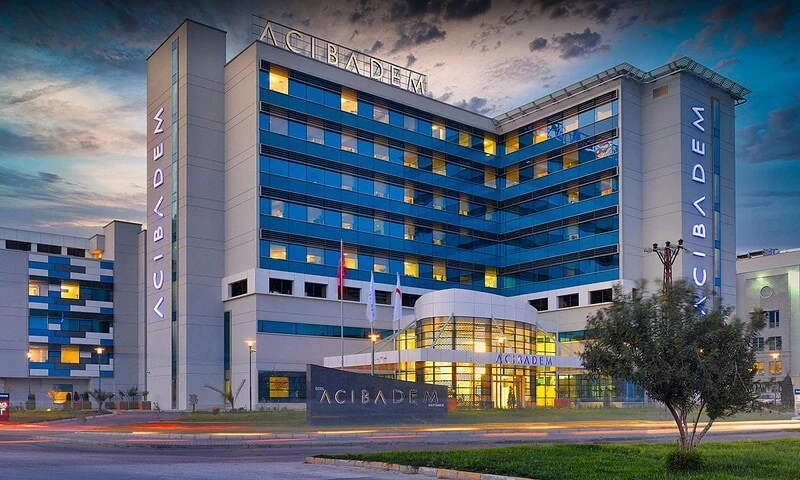
At Acibadem, pediatric neurosurgical care is supported by JCI-accredited hospital standards and a multidisciplinary model that brings relevant specialists together around the child’s case. Depending on the diagnosis, this may include pediatric neurology, neuroradiology, pediatric oncology, endocrinology, rehabilitation, craniofacial surgery, intensive care, and other disciplines. Complex cases can be reviewed through specialist boards so that surgery, observation, and additional therapies are considered within a shared treatment framework rather than in isolation.
This coordinated approach is especially important for conditions such as brain and spinal tumors, hydrocephalus, congenital malformations, epilepsy, and vascular lesions, where decisions often depend on detailed imaging, pathology, developmental considerations, and long-term follow-up planning. Families seeking a second opinion can benefit from structured review of prior imaging and reports, with recommendations aligned to current evidence-based protocols and the child’s clinical condition.
Technology also matters, but primarily in how it helps the child. Advanced imaging supports more accurate diagnosis and operative planning. Microsurgical visualization, navigation tools, and neuro-monitoring can assist precision during appropriate procedures. Equally important are pediatric anesthesia protocols, postoperative monitoring, and rehabilitation resources that help reduce risk and support recovery.
International patient services are another practical consideration for families traveling from abroad. Coordinating records, imaging, appointments, interpreter support, and treatment planning in advance can reduce delays at a time when parents are already under strain. Acibadem International supports communication in multiple languages and helps families navigate consultations, travel planning, hospitalization, and follow-up arrangements. For many families, this kind of organization is not secondary to care; it is part of what makes timely expert treatment possible.
Most importantly, pediatric neurosurgical treatment plans are individualized. Two children with the same diagnosis may need different approaches based on age, symptoms, anatomy, and developmental goals. A center experienced in pediatric neuroscience can help families understand not only what can be done, but what makes the most sense for their child now and in the years ahead.
Moving forward with clarity
If your child has been diagnosed with a brain, spine, or nerve condition, or if imaging and symptoms suggest that pediatric neurosurgery may be needed, it is reasonable to want both speed and certainty. An expert review can help confirm the diagnosis, explain whether surgery is necessary, and outline the safest options for treatment and follow-up. For some families, that means moving quickly toward surgery. For others, it means gaining confidence in a plan for monitoring or obtaining a second opinion before making a major decision.
What matters most is that the next step is informed. Pediatric neurosurgical conditions can be complex, but families should not have to navigate them without clear explanations and coordinated specialist support. Learning more about the diagnosis, the treatment pathway, and the expected recovery can make the situation feel more manageable and help you decide what is right for your child.
If you would like to explore treatment options or request a specialist review, a consultation or second opinion can help you understand the diagnosis and the choices ahead.
This information is general in nature and is not a substitute for professional medical advice, diagnosis, or treatment.
Preparation
- Children usually need a detailed neurosurgical assessment, imaging studies, and anesthesia evaluation before surgery. Parents are given fasting instructions, medication guidance, and information about what to expect during admission and recovery.
Aftercare
- After surgery, children are monitored closely for pain control, neurological status, wound healing, and any signs of complications. Follow-up may include imaging, rehabilitation, and long-term developmental or neurological assessments depending on the condition treated.
Doctors Performing This Treatment
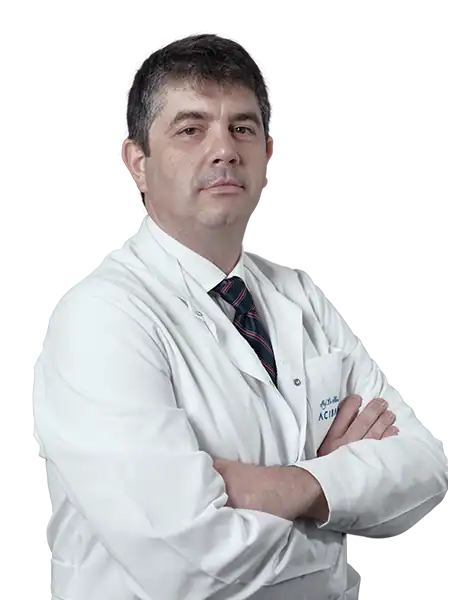
Prof. Dr. Akin Sabanci
Neurosurgery
Prof. Dr. Ali Kurtsoy
Neurosurgery
Prof. Dr. Altay Bedük
Neurosurgery
Prof. Dr. Deniz Konya (m)
Neurosurgery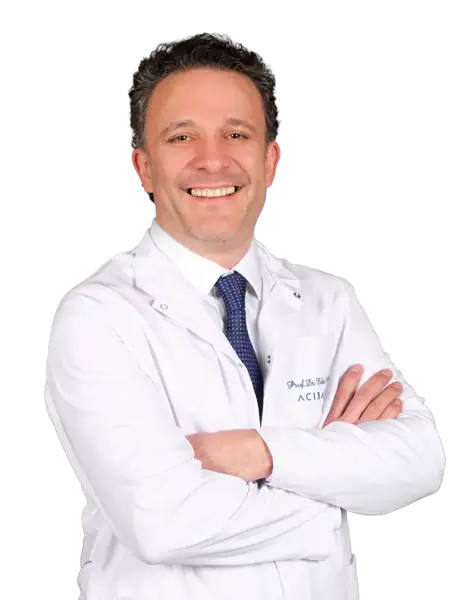
Prof. Dr. Erkin Sönmez
Neurosurgery
Prof. Dr. Gökhan Bozkurt
Neurosurgery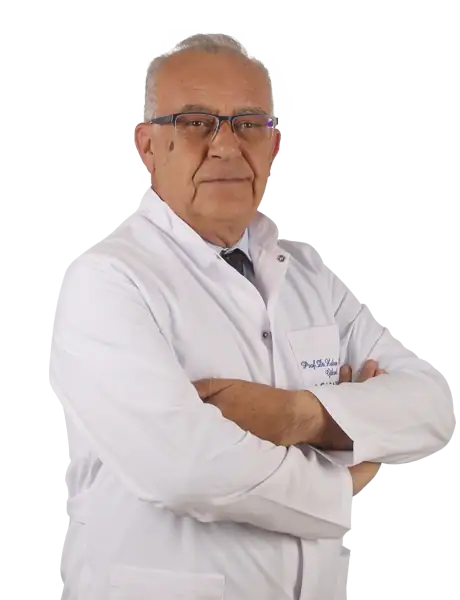
Prof. Dr. Hakan Murat Göksel
Neurosurgery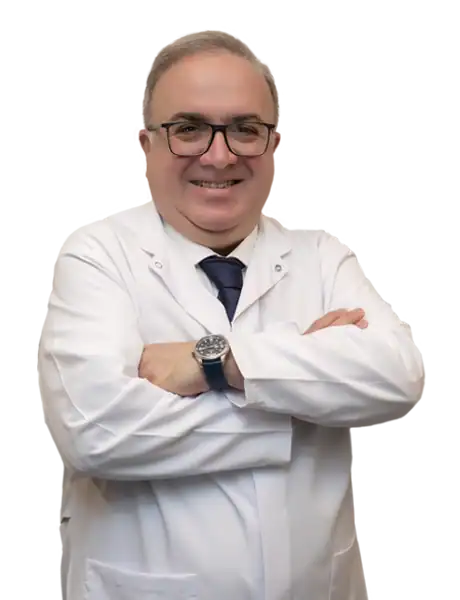
Prof. Dr. Hakan Seçkin
Neurosurgery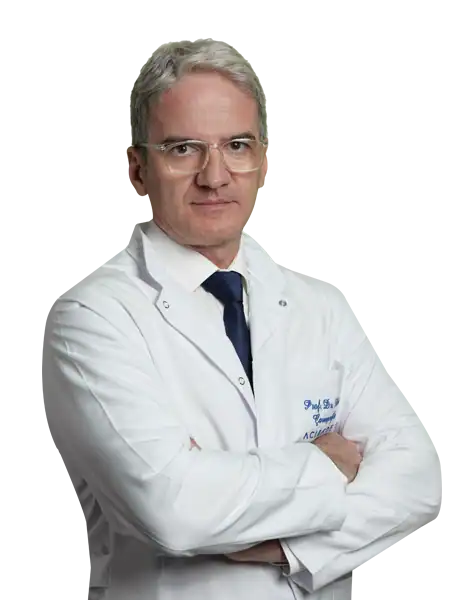
Prof. Dr. Halit Çavuşoğlu
Neurosurgery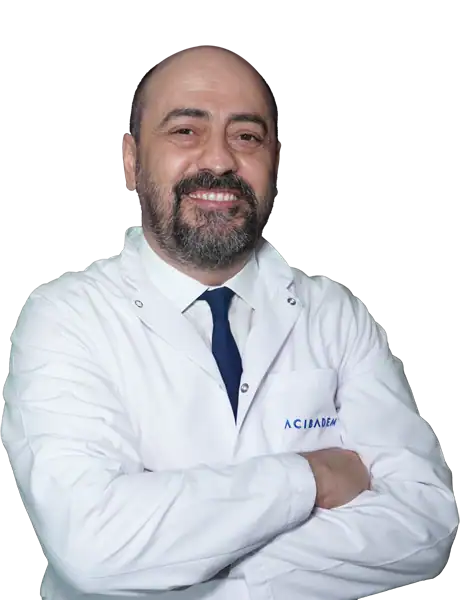
Prof. Dr. Hatem Hakan Selçuk
Interventional Neuroradiology
Prof. Dr. Hüseyin Hayrı Kertmen
Neurosurgery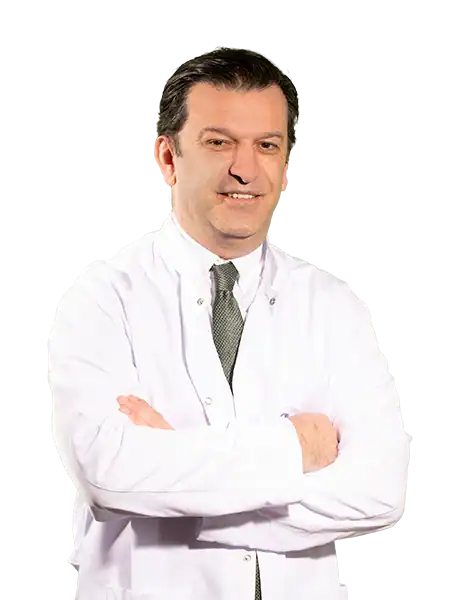
Prof. Dr. Kağan Tun
Neurosurgery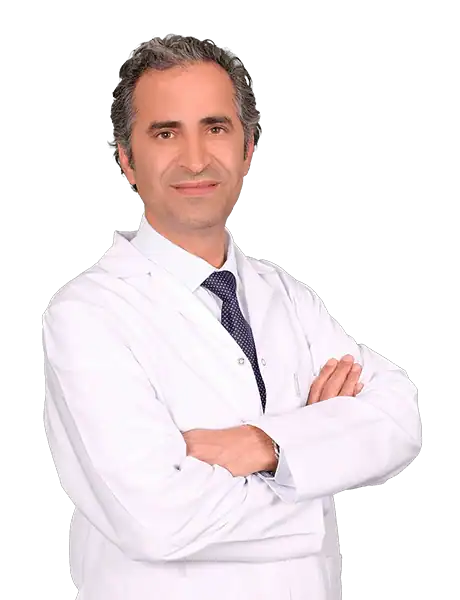
Prof. Dr. Kenan Koç
Neurosurgery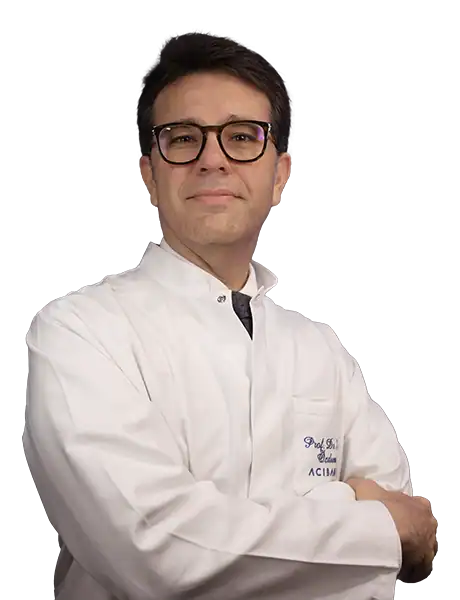
Prof. Dr. Koray Özduman
Neurosurgery
Prof. Dr. Mehmet Zafer Berkman
Neurosurgery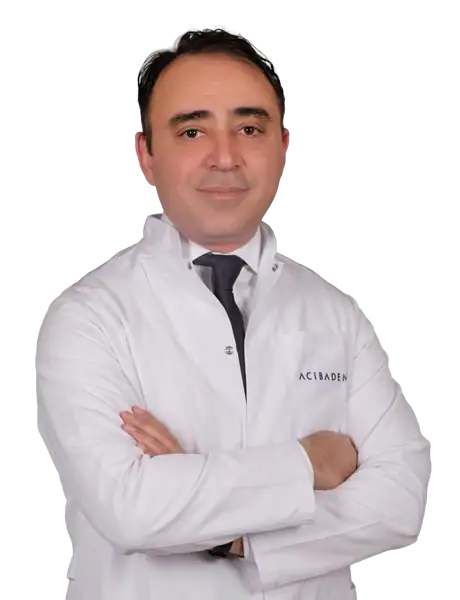
Prof. Dr. Melih Bozkurt
Neurosurgery
Prof. Dr. Memet Özek
Neurosurgery
Prof. Dr. Muammer Doygun
Neurosurgery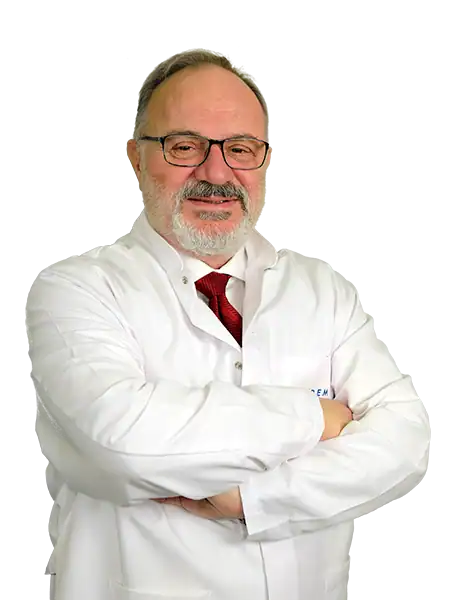
Prof. Dr. Muzaffer Olcay Çizmeli
Interventional Neuroradiology
Prof. Dr. Müfit Kalelioğlu
Neurosurgery
Prof. Dr. Necmettin Pamir
Neurosurgery
Prof. Dr. Onur Yaman (m)
Neurosurgery
Prof. Dr. Selçuk Palaoğlu
Neurosurgery
Prof. Dr. Serdar Özgen
NeurosurgeryMedical Units
Available at These Hospitals









Diseases This Treats
Technologies Used
Frequently Asked Questions
What conditions does pediatric neurosurgery treat in children?
Pediatric neurosurgery focuses on brain, spine, and nerve conditions in infants, children, and teenagers. This can include hydrocephalus, brain and spinal tumors, epilepsy requiring surgery, spina bifida, Chiari malformation, craniosynostosis, head trauma, and certain congenital abnormalities. Because children’s nervous systems are still developing, treatment planning is different from adult care. At Acibadem, pediatric neurosurgeons and pediatric neurologists work together to create a personalized assessment and treatment plan for each child.
How do I know if my child needs to see a pediatric neurosurgeon?
Your child may need a pediatric neurosurgery evaluation if they have severe or recurring headaches, seizures, weakness, balance problems, developmental delay, abnormal head growth, back or neck problems, or imaging that shows a brain or spine condition. Sometimes a referral is made after MRI, CT, or neurological examination. Not every child will need surgery, and many cases first require careful assessment. Acibadem specialists review symptoms, scans, and medical history to recommend the most appropriate next step.
Is pediatric brain or spine surgery safe for children?
Pediatric brain and spine surgery can sound overwhelming, but it is performed with careful planning, advanced imaging, pediatric anesthesia, and close monitoring before, during, and after the procedure. Safety depends on your child’s age, diagnosis, overall health, and the complexity of the condition. Risks and expected benefits are discussed clearly with families in advance. At Acibadem, the team aims to use the most suitable surgical approach for each child while prioritizing safety, comfort, and recovery.
What tests are needed before pediatric neurosurgery?
Before treatment, your child may need imaging and neurological evaluation to understand the condition fully. Common tests include MRI, CT, EEG for seizure-related cases, blood tests, and a pediatric anesthesia assessment. In some situations, detailed spinal imaging or eye examinations are also important. These tests help the team plan whether surgery is needed and how to perform it as safely as possible. Acibadem specialists use the results to provide a personalized assessment and explain the treatment pathway clearly.
How should we prepare for my child’s neurosurgery in Turkey?
Preparation usually includes sending medical reports, MRI or CT images, previous operation notes if any, and a list of medications. Before surgery, you will receive guidance about fasting, medication adjustments, and what to bring to the hospital. It also helps to prepare your child emotionally with age-appropriate explanations. International patient teams can assist with scheduling and logistics. At Acibadem, families are supported through pre-operative planning so they know what to expect at each stage.
How long will my child stay in the hospital after pediatric neurosurgery?
Hospital stay depends on the type of surgery, your child’s age, and how recovery progresses. Some procedures may require only a short stay, while more complex brain or spine operations can need several days of monitoring, sometimes including intensive care. Pain control, neurological checks, feeding, mobility, and wound healing all influence discharge timing. The medical team will keep you informed throughout recovery. At Acibadem, discharge planning is individualized to support a safe return home or onward travel.
What is recovery like after pediatric neurosurgery?
Recovery varies by diagnosis and procedure, but children often need rest, pain management, follow-up imaging or examinations, and temporary limits on physical activity. Some children recover quickly, while others may need rehabilitation, physiotherapy, or support from pediatric neurology and other specialists. Parents are given instructions about wound care, medications, school return, and warning signs to watch for. At Acibadem, recovery plans are tailored to each child’s needs to support healing and long-term development.
Can international patients travel to Turkey for pediatric neurosurgery?
Yes, many international families travel to Turkey for pediatric neurosurgery evaluation and treatment. Before travel, the medical team usually reviews your child’s records and imaging to decide how urgent the case is and whether travel is appropriate. After surgery, your child may need a period of observation before flying home. Travel timing depends on the procedure and recovery progress. Acibadem’s international patient services can help coordinate appointments, communication, and practical planning for families coming from abroad.
Will my child need rehabilitation or long-term follow-up after surgery?
Some children need only routine follow-up visits, while others benefit from longer-term care depending on their condition. Follow-up may include neurological examinations, MRI scans, shunt checks, seizure monitoring, developmental assessment, physiotherapy, or occupational and speech therapy. Long-term care is especially important for congenital conditions, tumors, and complex spine disorders. Acibadem specialists monitor recovery closely and adjust the care plan as your child grows, helping support both medical outcomes and quality of life.
How do I choose the best pediatric neurosurgery hospital for my child?
Families often look for a hospital with experienced pediatric neurosurgeons, pediatric neurology support, modern imaging, pediatric intensive care, rehabilitation services, and coordinated care for international patients. It is also important that the team explains the diagnosis clearly, discusses alternatives, and answers your questions in a way you can understand. Every child’s case is unique, so an individualized approach matters. At Acibadem, specialists provide a personalized assessment and multidisciplinary planning based on your child’s specific needs.