Sports Neurology
Sports neurology evaluates and manages neurological problems in athletes, including concussion, headache, dizziness, nerve injuries and return-to-play decisions, with individualized assessment and rehabilitation planning.
Quick answer
Sports neurology is the medical specialty that diagnoses and treats brain and nerve problems linked to sport — concussion, post-concussion symptoms, exertional headache, dizziness and peripheral nerve injuries. Evaluation combines a neurological examination with balance, vision and cognitive testing, plus imaging or nerve studies when needed. Treatment is individualised, and return-to-play decisions follow a graded, medically supervised progression rather than a fixed timetable.
What Is Sports Neurology?
Sports neurology is the branch of medicine that evaluates, treats and monitors neurological problems connected to sport and physical activity. It covers concussion and mild traumatic brain injury, post-concussion symptoms, exercise-related headache, dizziness and vestibular disorders, peripheral nerve injuries, cervical spine-related symptoms, exertional neurological complaints and — often the hardest part — decisions about returning to play. It exists because the brain and nervous system need a different kind of medical judgement from muscles, tendons and bones.
Athletes often learn to tolerate discomfort. A sore muscle, a bruised shoulder or a strained ankle may simply be part of training and competition. Neurological symptoms are different. A blow to the head, sudden dizziness, persistent headache, blurred vision, numbness, weakness, balance problems or a change in reaction time can affect not only performance, but also safety, school or work, and long-term brain and nerve health.
Sports neurology matters most when symptoms are subtle, fluctuate from day to day, or appear only during exertion. For many patients and families, the most difficult question is not “What happened?” but “When is it safe to return?” That question deserves a careful, individualised answer. Returning too early after a concussion can prolong recovery and may increase the risk of another injury. Ignoring nerve symptoms can allow weakness or sensory loss to progress. Persistent dizziness or headache can interfere with training, concentration, sleep and daily life. At the same time, unnecessary restriction from activity is frustrating and emotionally difficult, especially for competitive athletes — and it carries its own costs in fitness, confidence and mood. The job of the specialty is to find the line between caution and over-restriction, and to move that line as the clinical picture changes.
Unlike a routine neurological visit, a sports neurology assessment considers the demands of your specific activity. A soccer player, a gymnast, a swimmer, a cyclist, a boxer, a runner, a tennis player and a basketball player may all need different forms of testing. Vision, balance, reaction time, neck function, exertional tolerance, sleep quality, cognitive load and sport-specific risk all shape the plan. Where visual demands dominate — ball tracking, depth judgement, motion in the peripheral field — the assessment overlaps with sports ophthalmology.
What does a sports neurologist do?
A sports neurologist is a physician who examines brain, nerve, balance, headache and movement-related symptoms in the context of athletic activity, then builds a plan around what the examination actually shows. That plan may include neurological examination, cognitive screening, balance and vestibular testing, imaging when appropriate, headache management, medication review by the treating doctor, neck and vestibular rehabilitation, graded aerobic exercise, sleep and recovery planning, neuropsychological evaluation, and — when the patient requests it — communication with coaches or trainers. The central principle is individualisation: the right level of activity at the right time, based on clinical findings rather than pressure from a competition schedule.
The specialty sits inside the wider work of a neurology department and draws on neighbouring fields — particularly traumatic neurology, which deals with injury to the brain, spine and nerves more broadly. What distinguishes the sports version is the functional question at the end of every consultation: what can this person safely do, at what intensity, and when can that intensity rise?
Is sports neurology only for professional athletes?
No. Sports neurology is relevant to children and teenagers in school sports, recreational athletes, fitness enthusiasts, dancers, military and tactical professionals, and active adults who simply want to return safely to exercise. It is also useful for patients whose symptoms were dismissed as “just stress” or “just a headache” but who continue to feel that something is not right. The threshold for an evaluation is not your level of competition; it is the presence of neurological symptoms connected to physical activity, and the need for a clear medical answer about what they mean.
How Sports Neurology Became a Recognised Specialty
Sports neurology is a relatively young field. It took shape over recent decades as evidence accumulated that concussion is a genuine brain injury with measurable effects on cognition, balance and vision — and that general neurology clinics, built around stroke, epilepsy and chronic disease, were not designed to answer an athlete’s central question about returning to play. Dedicated clinics, standardised assessment tools and formal training pathways followed, first in the United States and then internationally.
Who is Jeffrey Kutcher?
Jeffrey Kutcher MD is an American neurologist widely credited with helping to establish sports neurology as a distinct subspecialty. Jeffrey Kutcher led one of the first dedicated academic sports neurology programmes in the United States, later founding the practice known informally as the Kutcher Clinic, and has worked with elite and Olympic-level athletes and sports organisations. His lasting influence is less about any single clinic and more about a model of care: assessing the athlete’s whole neurological function — eyes, balance, cognition, exertional tolerance — rather than symptoms alone, and making return-to-play decisions from clinical evidence instead of fixed timetables. That model is now practised internationally, including at centres far from where it began.
Regional concussion clinics in the United States
Many athletes first look for a practice close to home — searches such as concussion management of New York and California, or for a concussion clinic Boston Seaport residents can reach quickly, reflect how regionally concentrated the specialty still is. Wherever they operate, credible concussion services share the same working parts: structured symptom scoring, vestibular and eye-movement assessment, cognitive testing, graded exertion protocols and physician-led return-to-play decisions. If you are comparing clinics — locally or abroad — those elements are a more useful benchmark than a familiar name or a convenient address. The principles of good concussion care do not change with geography; what varies is how completely a given service applies them.
Who May Need a Sports Neurology Evaluation?
A sports neurology evaluation may be appropriate after a head impact, a fall, a collision, a whiplash-type movement, direct nerve compression, repetitive trauma or unexplained neurological symptoms during exercise. Some patients seek care immediately after an injury. Others come weeks or months later, because symptoms have not resolved — or because they returned the moment training intensity increased.
Common reasons for a consultation include headache after sport, dizziness, nausea, light or sound sensitivity, difficulty concentrating, memory problems, sleep disturbance, irritability, visual discomfort, imbalance, reduced coordination, numbness, tingling, weakness, neck pain accompanied by neurological symptoms, fainting or near-fainting during exercise, and persistent fatigue after head injury.
Symptoms can be obvious, but they are often nuanced. A student-athlete may report that reading is harder than usual. A cyclist may notice delayed reaction time in traffic. A swimmer may feel disoriented with turns. A rugby or American football player may feel “foggy” yet perform normally on a basic examination. A tennis player may develop hand numbness only after prolonged gripping. These patterns matter because they point to the specific neurological systems involved — and therefore to the right treatment.
How is a sports-related neurological problem diagnosed?
Diagnosis begins with a careful medical history, because the story of the injury usually carries more diagnostic weight than any single test. The physician asks how the injury occurred, whether there was loss of consciousness, confusion, amnesia, seizures, vomiting, worsening headache, neck trauma or prior concussions. They also review migraine history, sleep patterns, current medications, previous neurological conditions, anxiety or mood symptoms, and the athlete’s training and competition demands.
The clinical examination may include testing of cranial nerves, strength, sensation, reflexes, coordination, balance, eye movements, gait and neck function. Cognitive and symptom assessments help track recovery over time. If findings are unclear or warning features are present, imaging or other tests may be recommended. The purpose is not to over-test every athlete, but to match the diagnostic pathway to the specific risk profile of the person in front of the doctor.
Clinicians also distinguish between symptoms that suit a planned outpatient pathway and patterns that raise the possibility of structural injury — a headache that steadily worsens, repeated vomiting, a seizure, increasing confusion, weakness on one side, slurred speech, unequal pupils, loss of consciousness, severe neck pain or rapid deterioration. In clinical practice, those patterns route a patient into emergency assessment first; sport-specific decision-making waits until the serious possibilities have been excluded.
Conditions and Indications Sports Neurology Addresses
Sports neurology covers a broad range of conditions affecting the brain, spinal cord, peripheral nerves, vestibular system and neuromuscular function in athletes. Concussion is the most common indication, but the specialty is considerably wider than concussion care alone.
- Concussion and mild traumatic brain injury: assessment after a blow to the head or body that causes temporary changes in brain function, with or without loss of consciousness.
- Post-concussion symptoms: persistent headache, dizziness, cognitive difficulty, fatigue, sleep problems, visual discomfort or exercise intolerance after concussion.
- Sports-related headache and migraine: headaches triggered or worsened by exertion, dehydration, neck strain, impact, heat, sleep disruption or a pre-existing migraine susceptibility.
- Dizziness and vestibular dysfunction: balance problems, vertigo, motion sensitivity or visual motion intolerance after head injury or during sport.
- Peripheral nerve injuries: numbness, tingling, burning pain or weakness from nerve compression, traction, impact or repetitive positioning.
- Cervical spine-related neurological symptoms: neck injury associated with arm symptoms, headache, dizziness or altered sensation.
- Exercise-related neurological events: episodes of weakness, collapse, confusion, visual changes, fainting or seizure-like symptoms during or after exertion.
- Return-to-play evaluation: structured medical decision-making after concussion, neurological injury or persistent symptoms.
- Baseline and follow-up neurological assessment: useful for athletes in higher-risk sports, or those with prior concussions or complex medical histories.
For young athletes, sports neurology often involves academic considerations: a student recovering from concussion may need a temporary return-to-learn plan before any return to competition. For professional or high-performance athletes, assessment extends to sport-specific physical and cognitive demands. For recreational athletes, the focus is usually safe return to exercise, prevention of recurrence and restoration of daily function.
How Sports Neurology Evaluation and Treatment Are Performed
Care usually unfolds in stages, and the exact pathway depends on the injury, the symptoms, the patient’s age, sport, medical history and goals. At Acibadem, the process is designed to clarify the diagnosis, identify risk factors, manage symptoms and guide a graded return to activity when it is medically appropriate.
Preparation Before the Visit
Useful preparation means gathering the relevant record: the date and mechanism of injury, the symptom timeline, prior concussion history, any emergency or urgent-care notes, imaging reports, current medications, supplements, the training schedule and any school, team or federation requirements. For patients travelling for care, pathways usually begin with a review of existing records and imaging, so appointments can be planned around what is already known rather than repeated from scratch.
It also helps to write down concerns in concrete terms. “My headache returns when I run.” “I feel dizzy in busy environments.” “My hand becomes numb after cycling.” “I need an independent return-to-play opinion.” Details like these direct the examination and testing far more efficiently than general descriptions do.
The Initial Neurological Assessment
The visit typically begins with a detailed discussion and a neurological examination. The physician evaluates symptoms, the injury mechanism, warning features, previous neurological issues and the athlete’s functional needs. The examination may assess eye tracking, balance, coordination, reflexes, sensation, strength, gait, neck range of motion and cognitive function.
In concussion cases, symptom scoring and standardised cognitive or balance measures may be used to establish a baseline for follow-up. In nerve injury cases, the examination focuses on the distribution of numbness or weakness, muscle activation, reflex changes and possible points of compression. In dizziness cases, vestibular and eye-movement assessment helps determine whether symptoms arise from inner-ear balance pathways, visual-vestibular mismatch, migraine mechanisms, neck-related dysfunction or a combination of these. Sorting out that combination is often the single most important step, because each mechanism responds to a different form of rehabilitation.
When Is Diagnostic Testing Needed?
Not every sports-related neurological symptom requires imaging or advanced testing — many concussions are clinical diagnoses made from history and examination alone. Testing becomes important when symptoms are severe, prolonged, atypical or suggestive of structural injury. Imaging may include brain or spine MRI, CT in acute trauma settings, or other studies selected according to clinical findings. These tests help evaluate bleeding, fracture, spinal disc injury, structural brain changes, or other conditions that can mimic a sports injury.
For nerve symptoms, electrodiagnostic studies — the territory of clinical neurophysiology — may be used to assess nerve and muscle function, locate the level of a nerve injury and estimate its severity. For episodes of fainting, seizure-like symptoms or exertional events, additional neurological or cardiovascular evaluation may be recommended. The point is to avoid assumptions and build a clear medical explanation before any return-to-sport decision is made.
Individualised Treatment Planning
Treatment follows the diagnosis. In concussion, early management often includes relative rest for a short period, followed by gradual reintroduction of cognitive and physical activity. Modern concussion care generally avoids prolonged strict rest unless it is clinically necessary; instead, the plan is adjusted to symptom tolerance, sleep, school or work demands, and the response to light aerobic exercise.
For headache, care may include identifying triggers, optimising hydration and sleep, addressing neck involvement, medication decisions made by the treating doctor, and targeting migraine features when they are present. For dizziness, vestibular rehabilitation retrains balance and visual motion processing. For neck-related symptoms, targeted physiotherapy addresses mobility, strength and sensorimotor control. For peripheral nerve injury, options include activity modification, bracing, rehabilitation, physician-directed treatment of nerve pain, or referral to another specialist if compression is severe.
Psychological stress, mood changes and sleep disruption are taken seriously too. They do not mean symptoms are “not real”. Brain injury, pain, uncertainty and the loss of sport participation can affect emotional health, and emotional strain can in turn intensify neurological symptoms. When needed, neuropsychology, psychiatry or behavioural health support is integrated into the plan, and persistent sleep problems may warrant assessment within sleep neurology.
What does a graded return-to-play progression look like?
A graded return-to-play progression is a stepwise increase in activity in which each stage is attempted only when the previous one has been tolerated without a return of symptoms. Although details vary by sport and by patient, a typical sequence looks like this:
- Step 1 — symptom-limited daily activity: ordinary tasks at home, school or work, paced so that symptoms are not provoked.
- Step 2 — light aerobic exercise: walking or stationary cycling at gentle intensity, with no resistance training.
- Step 3 — sport-specific exercise: running or skating drills, with no activity carrying head-impact risk.
- Step 4 — non-contact training drills: harder drills, coordination work and progressive resistance training.
- Step 5 — full-contact practice: only after medical clearance, restoring confidence while coaching staff assess function.
- Step 6 — return to competition: normal game play, with continued attention to any recurrence of symptoms.
If symptoms return at any stage, the athlete drops back to the previous tolerated level before trying again. The progression is a framework, not a countdown: the calendar does not clear an athlete — the examination and the symptom response do.
Technology Used in Sports Neurology
Technology supports clinical judgement; it does not replace it. Depending on the case, sports neurology may use advanced MRI and CT imaging, digital cognitive testing, balance assessment platforms, vestibular and eye-movement evaluation tools, electrodiagnostic testing of nerves and muscles, gait and movement analysis, and structured symptom tracking. These tools identify which systems are involved, monitor progress and guide the intensity of rehabilitation.
For patients who travel for care, digital sharing of medical records and imaging helps the team prepare before arrival. Where remote follow-up is appropriate, symptom scales, rehabilitation updates and physician review can support continuity after the patient returns home.
How Long Does Sports Neurology Care Take?
The first consultation is usually longer than a standard visit, because it involves history, examination, review of prior records and planning. Additional tests or therapy sessions are scheduled according to the findings. Some athletes need only one or two visits for evaluation and guidance. Others — particularly those with persistent post-concussion symptoms, recurrent concussion, vestibular dysfunction, migraine or nerve injury — need a longer rehabilitation plan with structured follow-up.
Recovery varies. Many uncomplicated concussions improve over days to a few weeks, but some patients need more time, especially when symptoms are intense early, when there is a prior concussion history, a migraine tendency, sleep disturbance, vestibular dysfunction, anxiety, or a premature return to intense activity. Nerve injuries may recover over weeks to months depending on severity and on whether the compressing activity continues. A good care plan is not fixed at the first visit; it evolves as symptoms and examination findings change.
Why Acting Early Matters
Early evaluation is important because neurological symptoms can be misleading. An athlete may look normal, speak normally and pass a basic sideline check, yet still have impaired reaction time, balance or visual tracking, or symptoms that emerge only with exertion. Returning to play before recovery can prolong symptoms and increase vulnerability to another injury.
Delay can also allow secondary problems to develop. A patient with concussion may reduce activity too much and become deconditioned, which worsens fatigue and exercise intolerance. A patient with dizziness may avoid movement, making the vestibular system more sensitive rather than less. A patient with headache may overuse pain medication, creating rebound headaches on top of the original problem. A patient with nerve compression may keep doing the activity that aggravates the nerve, allowing weakness or sensory disturbance to progress.
Early specialist assessment separates symptoms that are expected and manageable from those that need deeper investigation. It also gives athletes and families a structure. Instead of guessing whether to rest, train, travel or compete, they can follow a medically guided progression based on symptom response and objective findings.
Benefits of Sports Neurology Care
The benefits are both medical and practical: understanding what has happened, and knowing how to return to activity in a way that protects long-term neurological health.
| Benefit | What It Means for You |
|---|---|
| Accurate diagnosis | Symptoms such as headache, dizziness, fogginess or numbness are evaluated in context, helping distinguish concussion, migraine, vestibular dysfunction, nerve injury, neck-related problems or other causes. |
| Individualised recovery plan | Your treatment is adapted to your sport, age, medical history, symptom pattern, academic or work demands, and training goals. |
| Safer return-to-play decisions | Return to sport is based on clinical recovery, graded exertion and neurological assessment rather than pressure from a competition schedule. |
| Targeted rehabilitation | Vestibular therapy, neck rehabilitation, graded aerobic exercise or nerve-focused therapy is used when specific deficits are identified. |
| Reduced risk of prolonged symptoms | Early recognition of risk factors such as migraine, sleep disturbance, dizziness or premature exertion may help prevent avoidable setbacks. |
| Clear communication | Patients and families receive practical guidance about school, work, travel, exercise, screen use, training and follow-up needs. |
Recovery Timeline After a Sports-Related Neurological Injury
Recovery depends on the condition and its severity, but the following timeline describes what many patients can expect during structured sports neurology care.
| Time Period | What Patients Can Expect |
|---|---|
| Day 1 | Medical assessment follows head impact, collision, fall or neurological change. Symptom patterns suggesting structural injury are handled as emergencies before any sport-specific planning. Initial guidance typically includes relative rest, symptom monitoring and no same-day return to play after a suspected concussion. |
| First Week | Symptoms are monitored closely. Light cognitive and physical activity is reintroduced gradually as tolerated. Headache, dizziness, sleep and screen sensitivity are addressed. High-risk contact or collision activities wait until medical clearance. |
| First Month | Many patients improve substantially, but persistent symptoms may require targeted rehabilitation, additional testing or adjusted activity levels. Return-to-learn, return-to-work and graded exercise plans are refined. |
| Longer Term | Patients with recurrent concussion, migraine, vestibular dysfunction, nerve injury or complex symptoms may need continued follow-up. The focus is durable recovery, prevention strategies and safe return to sport or exercise. |
What Influences Outcomes and a Good Result?
A good result in sports neurology is not defined by symptom relief alone. It means returning to appropriate activity with stable neurological function, confidence, and a clear understanding of how to reduce future risk. Several factors shape that process — which is consistent with the way Acibadem explains expected clinical outcomes: individually, and without fixed promises.
Injury severity and mechanism matter. A high-speed collision, repeated head impacts, loss of consciousness, prolonged confusion, associated neck trauma or significant nerve weakness may require a more cautious pathway. Yet even apparently mild injuries can produce persistent symptoms if the vestibular system, migraine pathways or sleep regulation are affected — which is why the mechanism alone never settles the plan.
Previous medical history is important. Prior concussions, migraine, ADHD, learning differences, anxiety, depression, sleep disorders and previous neck injuries can all influence recovery. None of these factors means an athlete cannot recover well; they mean the approach has to be more personalised, with closer attention to the systems most likely to slow progress.
The early symptom pattern guides treatment. Prominent dizziness may indicate a need for vestibular rehabilitation. Headache with light sensitivity may suggest migraine physiology. Neck pain with headache calls for cervical assessment. Exercise intolerance may respond to carefully prescribed sub-symptom aerobic conditioning. Numbness or weakness points toward nerve testing and activity modification. Reading the pattern correctly at the start saves weeks of misdirected effort.
Adherence to the plan affects the outcome. Athletes are often motivated to push through symptoms, but neurological recovery requires pacing. Doing too much too soon causes setbacks; doing too little for too long contributes to deconditioning and sensitivity. The best plan is active, structured and responsive to symptoms — neither reckless nor over-protective.
Communication is another key factor. Young athletes may need coordination among physicians, parents, school staff, coaches and athletic trainers. Adult athletes may need guidance around work, travel, driving, screen exposure and training obligations. Clear instructions reduce confusion and keep everyone working to the same safety boundaries.
Return-to-play testing and graded progression confirm readiness. In general, the athlete should be symptom-free or clinically stable at rest, tolerate cognitive demands, progress through exertion without symptom recurrence, and have a neurological examination that supports safe participation. Contact or collision risk is reintroduced only when it is medically appropriate — not when the fixture list demands it.
Sports Neurology for International Patients at Acibadem
International patients weighing care abroad usually want more than a single consultation. They want timely access, coordinated diagnostics, experienced physicians and communication in a language they understand. Sports neurology at Acibadem is structured around these needs, with individualised assessment and planning for patients travelling from Europe, the Middle East, Africa, the Americas and other regions.
For sports-related neurological conditions, care may involve neurologists, sports medicine physicians, physical medicine and rehabilitation specialists, neurosurgeons, orthopaedic specialists, radiologists, physiotherapists, neuropsychologists and other professionals as the case requires. Complex cases can be discussed in multidisciplinary boards or specialist meetings, particularly when symptoms overlap across concussion, cervical spine injury, vestibular dysfunction, migraine or nerve involvement — the situations where a single-specialty view most often falls short.
Advanced diagnostic pathways support careful decision-making. Depending on the patient’s needs, evaluation may include high-resolution neurological imaging, vestibular and balance assessment, cognitive testing, electrodiagnostic studies, rehabilitation assessment, and laboratory or cardiovascular evaluation when exertional episodes require broader investigation. The choice of tests is based on clinical relevance, not on routine use of technology for its own sake.
Experienced physicians remain central, because sports neurology is above all a specialty of judgement: knowing when reassurance and guided activity are sufficient, when to investigate further, when to restrict contact sport, and when to involve additional specialists. That judgement weighs medical safety, athletic goals, age, sport type, prior injury history and the patient’s personal circumstances together.
For international patients, Acibadem International provides dedicated support before, during and after the visit. This may include appointment coordination, medical record transfer, interpreting support, assistance with travel-related planning, hospital navigation and follow-up coordination. Such support matters most in exactly the situations sports neurology handles: second opinions, return-to-play assessments, persistent post-concussion symptoms, or a coordinated rehabilitation plan that has to fit within a limited travel window.
Personalised planning is particularly important here because no two recoveries are alike. A teenage basketball player recovering from concussion, a professional fighter with repeated head impacts, a runner with exertional headache, a cyclist with hand numbness and an executive who wants to return to tennis after an episode of dizziness all require different decisions. The plan should fit the person, not just the diagnosis.
The approach is also practical. Patients travelling for care usually need to know what can be accomplished during one trip, what will require follow-up, what should continue at home, and when remote review is appropriate. The aim is to leave with a clear medical explanation, a written plan and realistic next steps.
Moving Forward With Medical Clarity
Neurological symptoms after sport can be unsettling, particularly when they interfere with identity, independence, scholarship opportunities, professional goals or daily routines. The right evaluation replaces uncertainty with structure: it identifies the cause of symptoms, guides treatment, reduces avoidable risks and establishes when a return to activity is medically appropriate.
Sports neurology is not about keeping athletes away from sport unnecessarily. It is about helping them return in the safest and most informed way possible. For some patients that means a short period of guided recovery; for others it means deeper evaluation, rehabilitation and careful follow-up. In every case, the decision should rest on the patient’s neurological health and long-term wellbeing — not on the calendar, and not on the season.
A good consultation ends with three things: an explanation of what has happened in plain language, a plan that sets out what to do and in what order, and clear boundaries that everyone involved — patient, family, school, employer, coaching staff — can understand and follow. That combination, more than any single test or treatment, is what lets an athlete move forward with confidence.
Preparation
- Patients should bring prior medical records, imaging results, medication lists and details of the sports injury or symptoms. If concussion is suspected, avoid strenuous exercise and contact sports until evaluated. A symptom diary and information about training load can help the specialist plan care.
Aftercare
- Follow the individualized return-to-play and rehabilitation plan given by the sports neurology team. Report worsening headache, confusion, weakness, seizures or persistent dizziness promptly. Follow-up visits may be needed to monitor recovery, adjust activity levels and coordinate physiotherapy when appropriate.
Turkey vs UK, Germany & USA
Sports neurology costs and care pathways vary by country because assessment, rehabilitation, imaging, follow-up needs and return-to-play planning are highly individualized.
This comparison highlights practical factors that may influence the overall cost and patient experience for sports neurology assessment and rehabilitation planning.
| Factor | Turkey | UK | Germany | USA |
|---|---|---|---|---|
| Care pathway | International patient coordination may help combine specialist assessment, diagnostics and rehabilitation planning in a planned visit. | Public pathways may require referral steps, while private care can offer more direct access depending on availability. | Structured specialist care is available through public and private systems, with referral and scheduling processes varying by provider. | Access can be broad in private systems, but care is often separated across providers and facilities. |
| Hospital and specialist factors | Final cost depends on neurologist expertise, multidisciplinary input, hospital category and whether the hospital is internationally accredited, such as JCI. | Costs and experience vary between public, private and sports medicine networks, as well as consultant seniority. | University hospitals, private clinics and rehabilitation centers may differ in fees, scheduling and included services. | Costs are strongly influenced by provider network, facility type, specialist fees and rehabilitation billing models. |
| Diagnostics and rehabilitation | Packages may coordinate neurological examination, imaging when needed, balance assessment, headache evaluation and rehabilitation guidance. | Diagnostics, therapy sessions and follow-up may be billed or scheduled separately depending on care setting. | Comprehensive evaluation may be available, with rehabilitation and imaging arranged through linked or separate services. | Diagnostics, neuropsychology, vestibular therapy and follow-up commonly involve separate providers and billing pathways. |
| Waiting times | Planned scheduling for international patients may support timely appointments, subject to clinical urgency and specialist availability. | Waiting times vary between public and private routes and by region. | Scheduling depends on referral requirements, insurance route and specialist availability. | Access can be prompt in some private settings, but insurance approval and network rules may affect timing. |
| Travel and language logistics | International patient services may assist with appointment planning, interpretation, airport transfers and medical record coordination. | Travel logistics are usually arranged independently, though private hospitals may offer patient support. | Language support may be available in larger centers, with travel coordination varying by hospital. | International support differs by institution; travel, accommodation and interpretation may be separate arrangements. |
| Typical package scope | A package may include specialist consultation, care coordination, selected tests, written recommendations and follow-up planning. | Package scope varies; consultations, tests and therapy may be itemized. | Packages may be available in some private centers, while other services are billed separately. | Care is often itemized, and the patient may receive separate bills from clinicians, facilities and therapists. |
What affects your final cost:
- Reason for evaluation, such as concussion, headache, dizziness, nerve symptoms or return-to-play clearance.
- Need for imaging, neurocognitive testing, balance testing, nerve studies or laboratory assessment.
- Number and type of specialists involved, such as neurology, sports medicine, physiotherapy, vestibular therapy or psychology.
- Rehabilitation plan length, follow-up needs and remote monitoring requirements.
- Hospital accreditation, specialist experience, room category and international patient services.
- Travel, accommodation, translation, medical report preparation and insurance documentation needs.
Compare your options
Sports neurology includes several clinical options that may be combined depending on the athlete’s symptoms, sport, medical history and goals. Suitability is decided by a specialist after assessment.
| Option | What it is | Typical use | Key considerations |
|---|---|---|---|
| Concussion assessment | Neurological evaluation of symptoms, cognition, balance, vision, sleep and exertional tolerance after a head impact. | Used after suspected concussion, persistent symptoms or uncertainty about safe return-to-play. | May require rest guidance, graded activity, school or work adjustments, and close follow-up before clearance. |
| Return-to-play planning | A supervised, stepwise clinical plan for resuming training and competition after neurological symptoms. | Used after concussion, headache flare, dizziness, nerve injury or other neurological concerns affecting performance safety. | Timing depends on symptom recovery, examination findings, sport demands and risk of further injury. |
| Headache and migraine management | Diagnosis and treatment planning for sports-related headache, migraine, exertional headache or post-traumatic headache. | Used when headaches affect training, competition, sleep or recovery. | May include trigger review, medication planning, lifestyle guidance and assessment for warning signs. |
| Dizziness and vestibular rehabilitation | Assessment and therapy for balance, vertigo, visual motion sensitivity and vestibular symptoms. | Common after concussion, inner ear problems or persistent dizziness during movement. | Often requires targeted exercises and gradual exposure; progress is individualized. |
| Peripheral nerve and spine-related evaluation | Assessment of numbness, weakness, radiating pain or nerve irritation related to sport or trauma. | Used for suspected nerve compression, traction injury, neck or back-related neurological symptoms. | May involve nerve studies, imaging, physiotherapy, activity modification or referral to another specialist. |
| Neurocognitive and performance-related testing | Testing of attention, memory, processing speed, reaction and symptom response under clinical conditions. | Used to support concussion management, return-to-play decisions and monitoring of recovery. | Results are interpreted with the clinical examination, not used alone to clear an athlete. |
General information only — not medical or financial advice. Final costs depend on the factors above and your individual case; request a free, personalised quote.
Frequently Asked Questions
What affects the cost of sports neurology care?
Cost depends on the reason for evaluation, complexity of symptoms, specialist involvement, required tests, rehabilitation needs, follow-up planning and international patient services. A personalised quote can be prepared after your medical information is reviewed.
How can I get a personalised quote?
You can request a free consultation and share your symptoms, injury history, previous reports, imaging results and current medications. The clinical team can then advise which assessments may be needed and provide a tailored estimate.
Does a sports neurology package usually include rehabilitation?
Some packages may include an initial rehabilitation plan or coordinated physiotherapy guidance, but the full scope depends on your diagnosis and recovery needs. Vestibular therapy, neurocognitive testing and extended follow-up may be added when clinically appropriate.
Will I need imaging or advanced tests?
Not every athlete needs imaging or advanced testing. A specialist decides whether MRI, nerve studies, balance assessment or neurocognitive testing is appropriate based on symptoms, examination findings and safety considerations.
Can international patients receive help with language and travel arrangements?
International patient services may help coordinate appointments, interpretation, medical records and travel-related logistics. The available support and what is included should be confirmed when requesting your quote.
Is return-to-play clearance included in the consultation?
Return-to-play advice may be part of the specialist assessment, but formal clearance depends on clinical findings, recovery progress, sport demands and any required follow-up. The specialist will decide what is safe and appropriate for the athlete.
Medically reviewed by the Acıbadem International Medical Board — August 31, 2026
See our medical review board →
Update history
- PublishedJune 8, 2026
- Medical review approvedAugust 31, 2026
- Last content updateAugust 31, 2026
Trusted care for international patients
Doctors Performing This Treatment

Prof. Dr. Altay Bedük
Neurosurgery
Prof. Dr. Müfit Kalelioğlu
Neurosurgery
Prof. Dr. Memet Özek
Neurosurgery
Prof. Dr. Mehmet Zafer Berkman
Neurosurgery
Prof. Dr. Elif Ilgaz Aydınlar
Neurology
Prof. Dr. Sertaç İşlekel
Neurosurgery
Prof. Dr. Ayşe Sağduyu Kocaman
Neurology
Prof. Dr. Kenan Koç
Neurosurgery
Prof. Dr. Koray Özduman
Neurosurgery
Prof. Dr. Dilaver Kaya
Neurology
Prof. Dr. Deniz Konya
Neurosurgery
Prof. Dr. Kayıhan Uluç
Neurology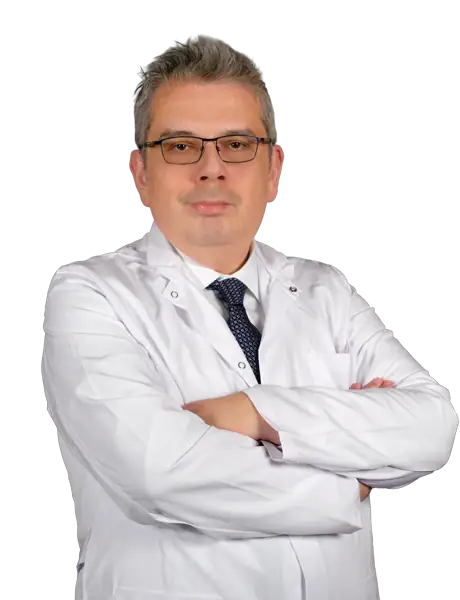
Prof. Dr. Hüseyin Hayrı Kertmen
Neurosurgery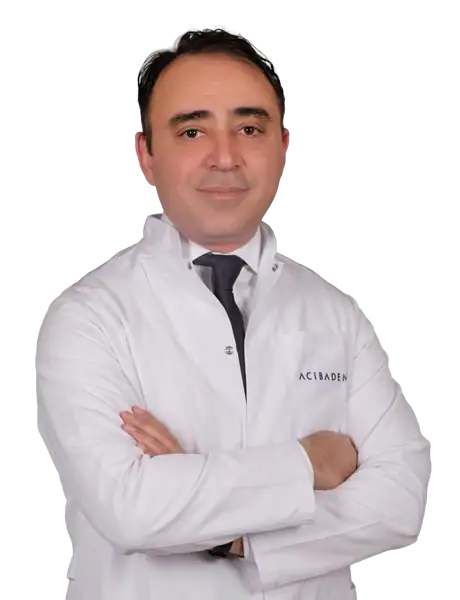
Prof. Dr. Melih Bozkurt
Neurosurgery
Prof. Dr. Çağın Şentürk
Interventional Neuroradiology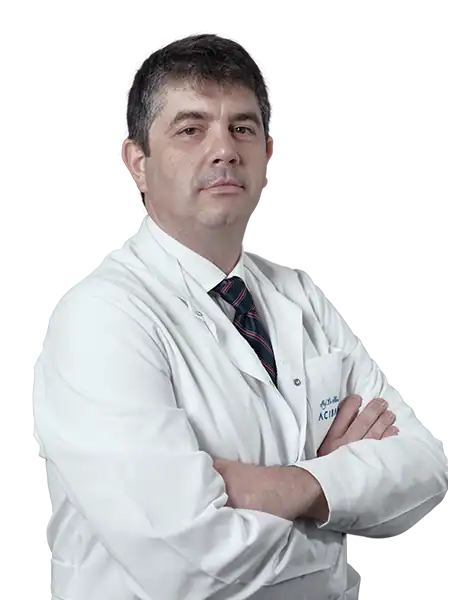
Prof. Dr. Akın Sabancı
Neurosurgery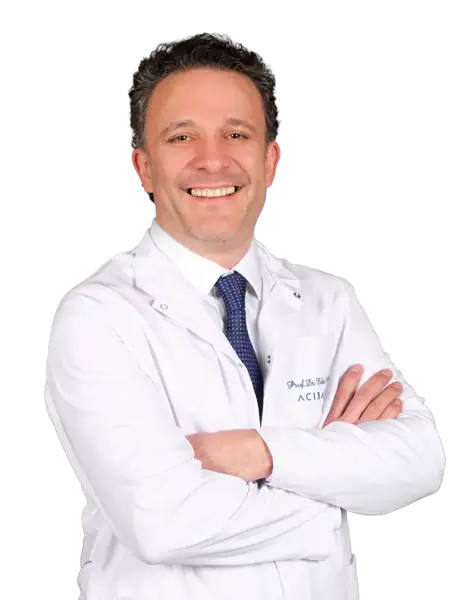
Prof. Dr. Erkin Sönmez
Neurosurgery
Prof. Dr. Muammer Doygun
Neurosurgery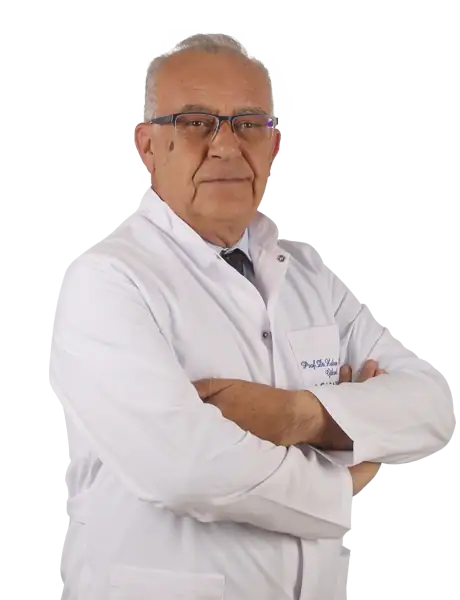
Prof. Dr. Hakan Murat Göksel
Neurosurgery
Prof. Dr. Ali Kurtsoy
Neurosurgery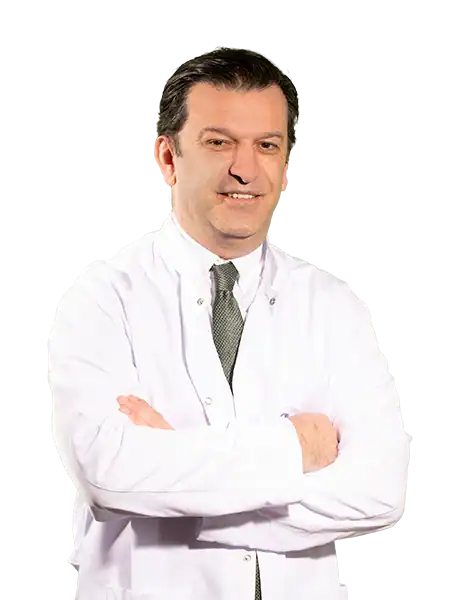
Prof. Dr. Kağan Tun
Neurosurgery
Prof. Dr. Gökhan Bozkurt
Neurosurgery
Prof. Dr. Kamil Kadir Topalkara
Neurology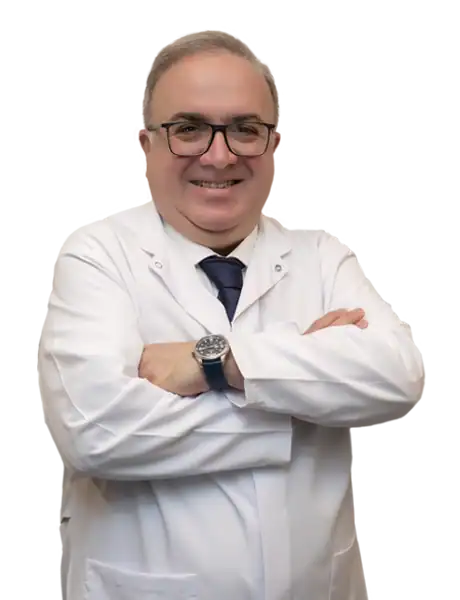
Prof. Dr. Hakan Seçkin
NeurosurgeryMedical Units
Available at These Hospitals