Laser Resurfacing Cost: What Patients Really Pay
There is no single price for laser resurfacing. Ablative treatments and larger areas generally cost more than non-ablative or single small-area sessions, and a series of treatments raises the total. Ask the clinic for a written, itemized estimate covering anesthesia, medicines, and follow-up visits, and check with your insurer if there is a medical indication.
Key Takeaways
- Laser resurfacing cost is influenced by the technology used, treatment extent, clinician experience, location, and follow-up care.
- Ablative laser procedures are typically more intensive and involve longer recovery than non-ablative or fractional approaches.
- A full cost discussion should include consultation, anesthesia or numbing, medicines, aftercare products, follow-up visits, and possible repeat sessions.
- Laser resurfacing may improve wrinkles, scars, uneven texture, and sun-related changes, but results and recovery differ between individuals.
- Careful sun protection and following aftercare instructions support healing and may reduce complications such as pigment changes.
You’ve searched for a price and found a range so wide it tells you almost nothing. That’s frustrating, and there’s a reason for it: laser resurfacing cost is individualized rather than fixed.
The total depends on the type of laser, the area treated, the skin concern, the number of sessions, and the care you need before and after treatment. The safest way to get a clear, written treatment plan and estimate is a consultation with a qualified dermatology or plastic surgery specialist.
Laser Resurfacing Cost: What Does the Total Include?
There is no standard fee. The price reflects the plan built around your skin goals, skin type, medical history, and how much recovery time you can accept. So the most useful estimate is the one that spells out what is included before, during, and after the procedure — not just the laser session itself.
Factors that commonly affect the total include the type of laser, whether treatment is ablative or non-ablative, the size and number of areas treated, and whether a single session or a series is advised. Treating a small scar or area around the mouth is different from treating the full face, neck, chest, or hands. More intensive treatment may also require additional clinical monitoring and a longer recovery plan.
Ask for an itemized estimate: consultation visits, skin preparation, topical numbing or other anesthesia, the procedure, prescribed medicines if needed, dressings or skincare products, and planned follow-up appointments. Cosmetic laser resurfacing is often not covered by health insurance. Coverage rules can differ when a procedure is being considered for a medical reason, so it is worth calling your insurer directly.
How Laser Resurfacing Works
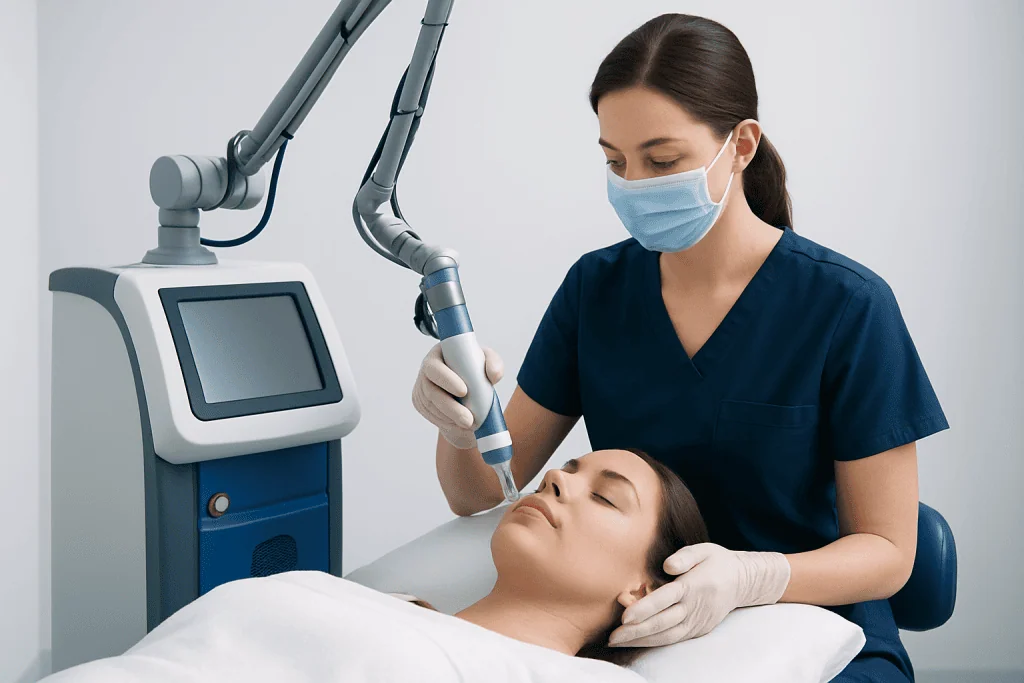
Laser resurfacing uses focused light energy to create controlled changes in the skin. Depending on the technology and settings, the laser may remove very thin layers of the outer skin, heat deeper tissue, or do both. This controlled injury triggers wound healing and collagen remodeling, which can gradually improve skin texture and firmness.
Ablative lasers remove portions of the skin surface. They can be effective for more noticeable wrinkles, scars, and sun-related texture changes, but they generally involve more downtime and wound care. Non-ablative lasers heat tissue beneath the surface without removing as much skin, usually allowing a shorter recovery but often requiring several sessions for the intended improvement.
Fractional laser technology treats tiny columns of skin while leaving surrounding skin intact. This can support healing and may offer a balance between visible results and recovery time. A clinician selects the device and settings based on concerns such as fine lines, acne scarring, enlarged pores, uneven tone, or sun damage. Patients considering a procedure can learn more about laser skin resurfacing treatment during a specialist consultation.
Who May Be a Candidate?

Laser resurfacing may be considered by adults seeking improvement in texture, fine lines, certain scars, pigment irregularities, or signs of photoaging. Good candidates usually have realistic expectations, can follow detailed aftercare guidance, and are able to limit sun exposure during healing. The goal is improvement, not perfect or permanently unchanged skin.
Skin tone, tendency to develop dark marks after inflammation, history of scarring, and the specific concern being treated all matter. People with darker skin tones can receive laser treatments, but device selection, settings, pre-treatment planning, and aftercare require particular care to reduce the chance of pigment changes. An experienced clinician may recommend a test area, a gentler approach, or a different treatment.
Laser resurfacing may need to be postponed or modified for people with an active skin infection, an active cold sore outbreak, poorly controlled medical conditions, or a history of problematic wound healing. Pregnancy, certain medicines, recent tanning, and use of products that irritate the skin should also be discussed. Individuals with acne scars may need a broader plan that addresses active acne first; this can be relevant for those managing acne.
What Happens Before, During, and After the Procedure?
The process starts with a clinical assessment. The clinician reviews skin concerns, medical conditions, medicines and supplements, previous cosmetic procedures, allergies, history of cold sores, and any tendency toward abnormal scars or pigment changes. They examine the skin, discuss expected benefits and limitations, and explain the likely healing period. Photographs may be taken to help plan treatment and assess progress.
Before the procedure, patients may be asked to avoid tanning, stop using potentially irritating skincare products for a period, and follow individualized instructions about smoking, alcohol, and medicines that affect bleeding or healing. It is important not to stop prescribed medicines without the advice of the prescribing clinician. Some people may be given preventive antiviral medication when cold sore reactivation is a concern.
On the treatment day, the skin is cleansed and protective eyewear is used. Depending on the laser and area treated, pain control may involve a topical anesthetic, local anesthetic, oral medicine, or another anesthesia plan. The clinician passes the laser handpiece over the planned area in a controlled pattern. Treatment time varies with the size of the area and the technique used.
Afterward, the skin may feel warm, tight, swollen, or sensitive. The care team gives written instructions for cleansing, moisturizing or dressing the skin, sun avoidance, pain management, and follow-up. For more intensive procedures, arranging transport home and practical help during the first part of recovery may be appropriate.
Recovery Timeline, Benefits, and Expected Results
Recovery depends strongly on the treatment type and intensity. After gentler non-ablative or fractional treatments, redness and mild swelling may last for a few days, and the skin may feel dry or rough as it heals. Makeup and usual skincare may be resumed only when the clinician says it is appropriate. Several sessions may be needed, spaced according to the treatment plan.
After ablative resurfacing, redness, swelling, oozing, crusting, and peeling can occur as the skin repairs itself. Healing of the surface generally takes longer than with non-ablative treatment, while redness may fade gradually over a longer period. The clinician will advise when the skin can be exposed to sunlight, when cosmetics can be used, and when exercise or other activities can safely resume.
Potential benefits include smoother texture, softer fine lines, reduced appearance of some scars, and a more even-looking complexion. Collagen remodeling continues after the visible surface has healed, so final changes may develop gradually. Results vary according to the skin condition, laser settings, age, sun exposure, smoking, and adherence to aftercare.
Daily broad-spectrum sunscreen, shade, protective clothing, and gentle skincare are essential after laser treatment. Sun exposure during recovery can increase irritation and the likelihood of uneven pigmentation. A clinician can recommend a long-term routine that protects the treatment result and supports overall skin health.
Risks, Safety, and Ways to Plan Wisely
Laser resurfacing is a medical procedure and has possible side effects. Temporary redness, swelling, itching, dryness, peeling, acne-like bumps, and sensitivity are common during healing. More significant complications are less common but can include infection, cold sore reactivation, prolonged redness, pigment changes, scarring, delayed healing, and unsatisfactory cosmetic results.
You can lower your risk: choose an appropriately trained and licensed clinician, give a complete medical history, follow the pre-procedure and aftercare instructions, and stay out of the sun. Use only the products that were prescribed or recommended on healing skin. Picking, rubbing, exfoliating, or using unapproved active skincare ingredients can disrupt healing.
Compare care plans, not advertisements. A lower initial quote may not include the same laser technology, anesthesia, recovery supplies, medical oversight, follow-up, or management of expected post-treatment needs. Ask openly: who will perform the procedure, what laser will be used, how much downtime to expect, and who you can reach if something worries you.
If you are travelling for care, Acibadem International’s multidisciplinary specialists and JCI-accredited hospitals can assess whether you are suitable and coordinate your laser skin resurfacing care. Either way, a consultation is where the decision — and the full plan — should come from.
When to Seek Medical Care
Call your clinician promptly if pain is getting worse instead of better, or if you notice spreading redness, increasing warmth, pus-like drainage, fever, blisters, marked swelling, or a new rash after laser resurfacing. These signs don’t always mean something serious, but they need to be looked at, because infection, allergic reactions, or other complications may need treatment.
Urgent medical care is appropriate for trouble breathing, swelling of the lips, tongue, or throat, severe eye pain or vision changes after treatment near the eyes, or signs of a severe allergic reaction. Anyone with a history of recurrent cold sores who notices tingling, blisters, or sores should also contact the clinician quickly.
Before you book anything, get medical advice if you have an unexplained changing skin lesion, an active infection, a poorly controlled chronic disease, or a history of severe scarring or pigment changes. Laser resurfacing should not replace assessment of a suspicious mole, wound, or persistent skin change.
Frequently asked questions
What determines laser resurfacing cost?
Laser resurfacing cost depends on the laser type, whether treatment is ablative or non-ablative, the size of the area, and the number of sessions needed. The clinician’s expertise, anesthesia needs, location, aftercare supplies, and follow-up visits can also affect the total. A written, itemized estimate helps patients understand what is included.
Is laser resurfacing covered by insurance?
Laser resurfacing performed for cosmetic concerns is commonly not covered by health insurance. If a procedure is proposed for a medical reason, coverage may be assessed differently depending on the insurer and policy. Patients can contact their insurer and request clarification before treatment.
How long does laser resurfacing recovery take?
Recovery varies from a few days after some non-ablative or fractional treatments to a longer period after ablative resurfacing. Redness can persist beyond the initial healing stage, especially after more intensive treatment. The treating clinician can provide a personalized timeline based on the laser and treatment settings used.
Is laser resurfacing painful?
The level of discomfort varies by laser type, treatment area, and intensity. Topical numbing, local anesthetic, oral medication, or other anesthesia approaches may be used when appropriate. Patients should discuss anxiety, pain concerns, and previous reactions to anesthesia during the consultation.
Can laser resurfacing treat acne scars?
Laser resurfacing can improve the appearance of certain acne scars by stimulating collagen remodeling and smoothing uneven texture. Results depend on the scar type, skin type, and whether active acne is controlled. Some people benefit from combining laser treatment with other scar-management approaches.
How can someone reduce risks after laser resurfacing?
Follow your clinician’s instructions for cleansing, moisturizing, dressings, medicines, and sun protection. Don’t pick or scrub healing skin, and report possible infection or unexpected worsening right away. Choosing an experienced clinician and sharing a complete medical history also support safer care.
This article is for general information only and is not a substitute for professional medical advice. Please consult a qualified doctor about your individual situation.
Laser Resurfacing in Turkey — costs, top hospitals & a free quote
7 JCI-accredited hospitals · board-certified surgeons · reply within 24h
Add us as a Preferred Source to see more of our trusted health content across Google Search, AI Overviews and Discover.

Medically reviewed by the Acıbadem International Medical Board — August 24, 2026
See our medical review board →
Update history
- PublishedAugust 22, 2026
- Medical review approvedAugust 24, 2026
- Last content updateAugust 24, 2026
References1
- Laser Skin Resurfacing (Cleveland Clinic) — my.clevelandclinic.org
Dermatology Specialists at Acibadem



Related Treatments
Related Conditions
More from the Health Library
John Cena Cancer: Diagnosis, Outlook, and Modern Treatment Approaches
Skin Blanching Is Usually Normal but Can Aid Diagnosis

Hyperhidrosis: Early Signs, Risk Factors, and How It Is Treated
Acne Mechanica Comes From Friction, Pressure, and Sweat
Mohs Surgery Removes Skin Cancer Layer by Layer