Ovarian Stimulation in IVF: Medications, Monitoring, and Safety

Ovarian stimulation is used in IVF to encourage several follicles to grow, increasing the chance of retrieving usable eggs. Common medications include gonadotropin injections, GnRH antagonist or agonist medicines, and a final trigger injection before egg retrieval.
Key Takeaways
- Ovarian stimulation is used in IVF to encourage several follicles to grow, increasing the chance of retrieving usable eggs.
- Common medications include gonadotropin injections, GnRH antagonist or agonist medicines, and a final trigger injection before egg retrieval.
- Monitoring with ultrasound and blood tests helps the fertility team adjust medication doses and reduce risks.
- Side effects are usually mild, such as bloating, breast tenderness, mood changes, or injection-site discomfort.
- Ovarian hyperstimulation syndrome is uncommon with modern protocols but requires prompt medical attention if symptoms are significant.
- Treatment plans should be individualized based on age, ovarian reserve, diagnosis, medical history, and previous response to fertility treatment.
Ovarian stimulation in IVF is the carefully monitored use of fertility medications to help the ovaries produce multiple mature eggs in one treatment cycle. With individualized dosing, ultrasound and hormone checks, and modern safety strategies, most patients complete stimulation safely and comfortably.
Overview
Ovarian stimulation in IVF is the first active medical phase of an in vitro fertilization cycle. In a natural menstrual cycle, usually one egg matures and is released. During IVF, fertility medicines are used to stimulate the ovaries so that several follicles, each potentially containing an egg, can grow at the same time.
The goal is not simply to produce as many eggs as possible. The aim is to obtain an appropriate number of mature eggs while protecting the patient’s safety and comfort. A good stimulation plan balances egg quantity, egg maturity, hormone levels, and the risk of side effects.
Every ovarian stimulation cycle is individualized. The fertility specialist considers age, ovarian reserve tests, body weight, cause of infertility, ultrasound findings, polycystic ovary syndrome, previous IVF response, and any relevant medical conditions. This personalized approach helps determine which medications are used, when monitoring is needed, and when the egg retrieval should take place.
How Ovarian Stimulation Fits Into an IVF Cycle
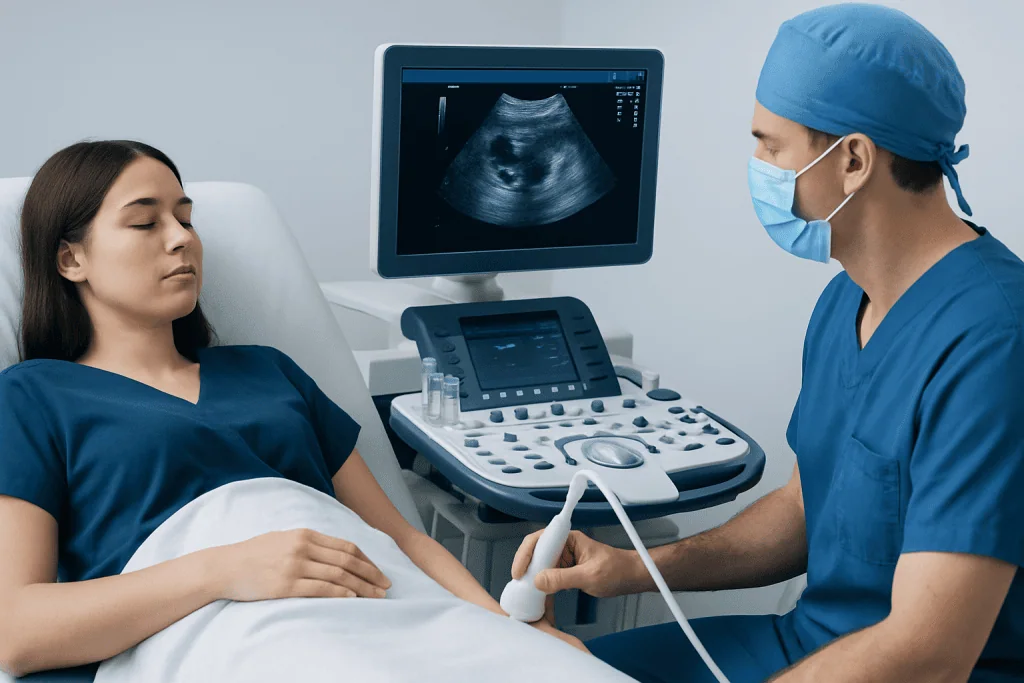
Ovarian stimulation usually begins early in the menstrual cycle, often on day 2 or 3 after a baseline ultrasound and blood tests. The patient then takes injectable fertility medication for several days, commonly around 8 to 12 days, although the exact duration varies. During this time, the follicles in the ovaries grow and hormone levels rise.
When the follicles reach an appropriate size and hormone results suggest readiness, a final trigger injection is given. This injection helps the eggs complete their final stage of maturation. Egg retrieval is then scheduled at a carefully timed interval after the trigger, before ovulation occurs naturally.
After egg retrieval, the eggs are fertilized in the laboratory with sperm through conventional IVF or intracytoplasmic sperm injection, depending on the couple’s needs. Embryos may later be transferred to the uterus or frozen for a future transfer. The stimulation phase is therefore one important step in a broader fertility treatment plan.
Medications Used During Ovarian Stimulation
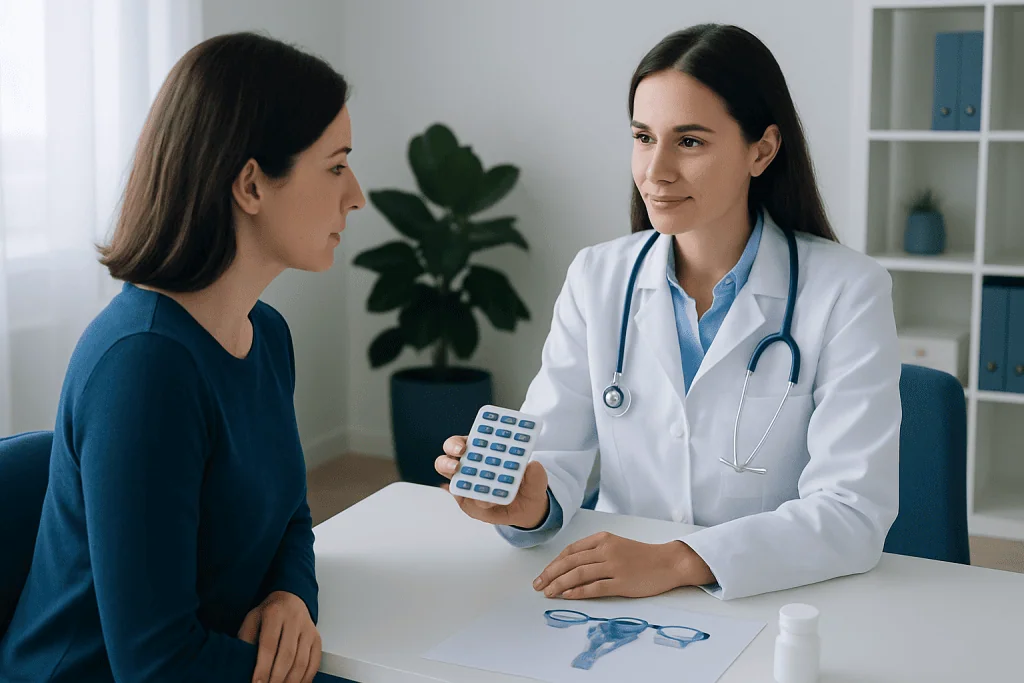
The main medications used for ovarian stimulation are gonadotropins. These injectable medicines contain follicle-stimulating hormone, luteinizing hormone, or a combination of both. They directly encourage the ovaries to develop multiple follicles. The dose is chosen based on the expected ovarian response and is adjusted if needed during monitoring.
Another important group of medicines is used to prevent premature ovulation. In many modern IVF cycles, a GnRH antagonist is started partway through stimulation to stop the body from releasing eggs too early. In other protocols, a GnRH agonist may be used before or during stimulation to control the natural cycle and coordinate follicle growth.
A trigger injection is used near the end of stimulation to mature the eggs before retrieval. This may be human chorionic gonadotropin, a GnRH agonist trigger, or sometimes a combination, depending on the protocol and risk factors. In patients at higher risk of ovarian hyperstimulation syndrome, the choice of trigger is an important safety measure.
Some patients may also be prescribed supportive medicines, such as oral estrogen, progesterone, antibiotics around retrieval, or medicines related to a frozen embryo transfer plan. Patients should take all medicines exactly as instructed and should not change doses, timing, or injection technique without contacting the fertility team.
Monitoring During Stimulation
Monitoring is a central part of ovarian stimulation in IVF. It allows the fertility team to see how the ovaries are responding and to make adjustments before problems develop. Most patients attend several monitoring visits during the stimulation phase.
Transvaginal ultrasound is used to count and measure the follicles. Follicles are fluid-filled sacs in the ovaries that may contain eggs. As they grow, their size helps the specialist estimate when the eggs may be mature enough for retrieval. The lining of the uterus may also be measured, particularly if a fresh embryo transfer is being considered.
Blood tests are often used to check hormone levels, especially estradiol, and sometimes progesterone or luteinizing hormone. These results provide additional information about follicle activity and whether the cycle is progressing as expected. Monitoring may lead to changes in medication dose, timing of antagonist medication, or timing of the trigger injection.
- Patients are usually asked to attend monitoring appointments at specific times.
- Medication instructions may change quickly based on test results.
- The trigger injection must be taken at the exact time given by the clinic.
- Patients should inform the team about severe symptoms, missed doses, or medication errors promptly.
Side Effects and Safety Considerations
Most side effects of ovarian stimulation are temporary and manageable. Common symptoms include bloating, mild pelvic pressure, breast tenderness, tiredness, mood changes, headaches, and bruising or soreness at injection sites. These symptoms usually improve after egg retrieval and the hormone levels begin to settle.
A less common but important complication is ovarian hyperstimulation syndrome, often called OHSS. It occurs when the ovaries respond strongly to stimulation and fluid shifts in the body. Symptoms may include increasing abdominal swelling, significant pain, nausea, vomiting, shortness of breath, reduced urination, or rapid weight gain. Modern IVF protocols have reduced the risk, especially through careful monitoring, lower medication doses when appropriate, GnRH antagonist protocols, agonist trigger use, and freezing embryos when needed.
Other uncommon risks include ovarian torsion, bleeding or infection after egg retrieval, medication reactions, and cycle cancellation if the ovaries respond too little or too strongly. Fertility teams discuss these risks before treatment and provide instructions for when to call urgently. Safety planning is especially important for patients with polycystic ovary syndrome, very high ovarian reserve, a history of OHSS, or other medical conditions.
Many patients ask whether fertility medicines increase long-term cancer risk. Current evidence has not shown a clear causal link between IVF medications and most gynecologic cancers, but research continues and individual risk factors matter. Patients with a personal or family history of hormone-sensitive cancers should discuss their situation with both a fertility specialist and the relevant medical specialist.
Who May Need a Modified Protocol
Not all patients respond to ovarian stimulation in the same way. Some ovaries are highly sensitive to medication, while others produce fewer follicles despite standard doses. A modified protocol helps match treatment intensity to the patient’s biology and aims to improve both safety and outcome.
Patients with polycystic ovary syndrome or a high antral follicle count may be more likely to produce many follicles and higher estrogen levels. Their doctors may use lower starting doses, antagonist protocols, an agonist trigger, or a freeze-all strategy to reduce the risk of OHSS. On the other hand, patients with low ovarian reserve, older reproductive age, previous low response, or certain ovarian surgeries may need adjusted dosing or alternative approaches.
Some people undergoing fertility preservation before cancer treatment may also need specialized stimulation plans. Random-start stimulation, letrozole-containing protocols, or coordination with oncology care may be considered depending on the diagnosis and urgency. The safest approach is developed through multidisciplinary planning.
Stimulation protocols are also adapted for patients with medical conditions such as clotting disorders, severe endometriosis, thyroid disease, diabetes, or heart conditions. In these situations, the fertility plan may include additional medical clearance, medication adjustments, or closer observation during the cycle.
Preparing for Treatment and Self-Care
Good preparation can make ovarian stimulation feel more manageable. Before starting, patients usually receive injection training, a medication calendar, and clear instructions about storage and timing. Some fertility medicines need refrigeration, and many must be taken at the same time each day.
During stimulation, patients are generally encouraged to maintain normal daily activities but avoid high-impact exercise, heavy lifting, and twisting movements once the ovaries become enlarged. Gentle walking is often acceptable unless the doctor advises otherwise. Hydration, balanced meals, and adequate sleep can support general wellbeing, although they cannot replace medical monitoring.
Emotional self-care is also important. IVF treatment can involve uncertainty, frequent appointments, and changing instructions. Patients may find it helpful to prepare questions in advance, bring a partner or support person to teaching sessions, and ask the clinic whom to contact after hours. No patient should feel they need to manage unexpected symptoms alone.
- Keep a written or digital medication schedule.
- Confirm the exact time of the trigger injection.
- Report missed doses or vomiting after oral medicines.
- Avoid taking new supplements, herbal products, or non-prescribed medicines without medical advice.
- Follow all fasting and arrival instructions before egg retrieval.
When to See a Doctor
Patients undergoing ovarian stimulation are already under medical supervision, but certain symptoms should be reported promptly. Contacting the fertility clinic early allows the team to decide whether reassurance, additional monitoring, medication changes, or urgent assessment is needed.
Patients should seek medical advice if they develop severe or worsening abdominal pain, marked bloating, persistent nausea or vomiting, dizziness, shortness of breath, chest pain, fainting, fever, heavy bleeding, difficulty urinating, or rapid weight gain. These symptoms do not always mean there is a serious problem, but they should be assessed.
It is also important to contact the clinic after medication mistakes, missed injections, late trigger administration, suspected allergic reaction, or confusion about instructions. The timing of medicines is critical in IVF, and the care team can advise the safest next step.
Acibadem International’s multidisciplinary fertility specialists and JCI-accredited hospitals diagnose and treat infertility for international patients, including individualized IVF stimulation protocols and monitoring. Patients considering treatment abroad should ask for a clear plan for testing, communication, emergency contact, travel timing, and follow-up care.
Frequently asked questions
Is ovarian stimulation in IVF painful?
Most patients tolerate ovarian stimulation well. Injections may cause brief stinging, bruising, or soreness, and the ovaries may feel full or bloated as follicles grow. Significant or worsening pain should be reported to the fertility clinic.
How many days do IVF stimulation injections take?
Many patients take stimulation injections for about 8 to 12 days, but the exact duration varies. The timing depends on follicle growth, hormone levels, and the patient's individual response to medication. Monitoring visits help the doctor decide when the trigger injection should be given.
Does producing more eggs always mean a better IVF result?
Not necessarily. A reasonable number of mature eggs can improve the chance of having embryos to use, but very high responses may increase safety risks. Fertility specialists aim for an appropriate response rather than the maximum possible number of eggs.
What is OHSS and how is it prevented?
Ovarian hyperstimulation syndrome is an exaggerated response to fertility medication that can cause abdominal swelling, discomfort, nausea, and fluid shifts. Prevention includes individualized dosing, close monitoring, choosing safer trigger options when appropriate, and sometimes freezing all embryos for transfer later. Patients with concerning symptoms should contact their clinic promptly.
Can ovarian stimulation be cancelled?
Yes, a cycle may be cancelled or changed if the ovaries respond too little, respond too strongly, or if hormone results suggest that continuing may reduce safety or success. Cancellation can be disappointing, but it is sometimes the safest decision. The information gained can help guide a future cycle.
Can patients travel during ovarian stimulation?
Travel is usually not recommended during the active monitoring phase unless it has been planned with the fertility team. Appointments, medication changes, and the trigger injection must be timed precisely. Patients traveling internationally for IVF should clarify the full schedule and emergency contact plan before starting.
Will ovarian stimulation use up a woman's egg supply faster?
Ovarian stimulation does not appear to use up eggs that would have remained available in future cycles. It rescues a group of follicles that began developing in that cycle, many of which would naturally stop growing. Patients with low ovarian reserve should still discuss expectations and treatment options with their specialist.
This article is for general information only and is not a substitute for professional medical advice. Please consult a qualified doctor about your individual situation.
IVF & fertility treatment in Turkey — success rates and costs
JCI-accredited · board-certified surgeons · reply within 24h
Add us as a Preferred Source to see more of our trusted health content across Google Search, AI Overviews and Discover.
Check your numbers in seconds
BMI, calories, due date, blood pressure and 30+ more clinical calculators — free, instant, doctor-reviewed ranges.

Related Treatments
Related Conditions
More from the Health Library

Preparing for IVF: Tests, Lifestyle Steps, and Medical Records

IVF After Tubal Ligation: Options for Pregnancy After Sterilization

Egg Freezing vs Embryo Freezing: How to Choose Before IVF

IVF for Low Ovarian Reserve: Options, Limits, and Expectations

Time-Lapse Embryo Monitoring in IVF: Benefits, Limits, and Patient Selection

High FSH and IVF: What Hormone Results Mean for Your Options
Gynecology & Obstetrics Specialists at Acibadem
Dr. Ayberk Çakır
Gynecology & Obstetrics
Dr. Ayfer Pepekal Kükrer
Gynecology & Obstetrics
Assoc. Prof. Dr. Aylin Önder Dirican
Gynecology & Obstetrics
Dr. Aylin Tatlıadım
Gynecology & Obstetrics