Neuropsychological Testing: What Memory and Attention Results Can Show
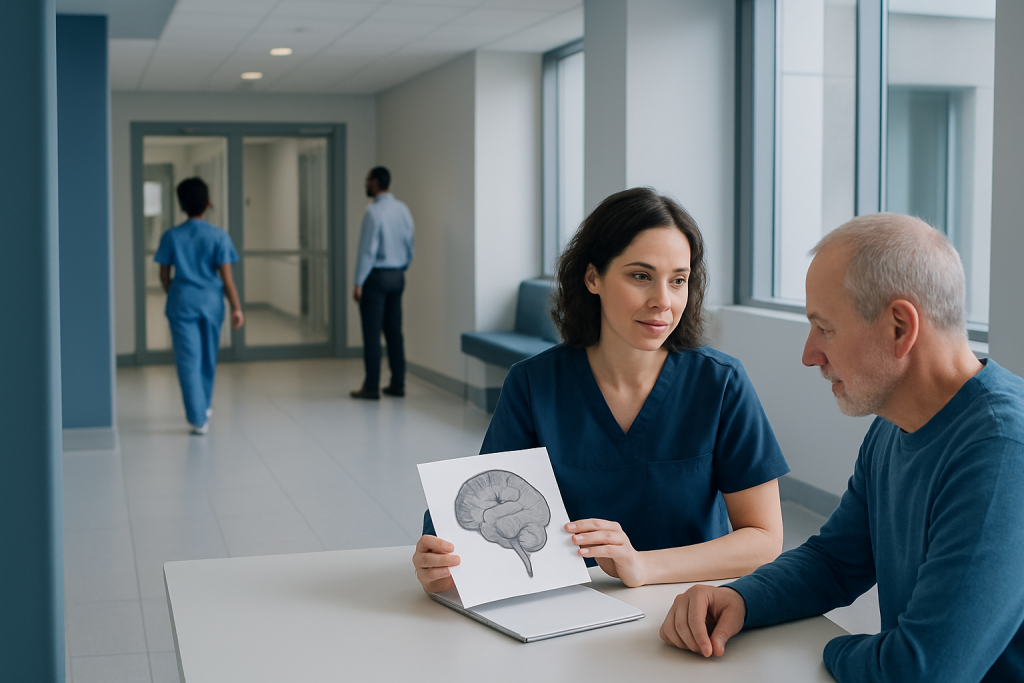
Neuropsychological testing measures how different thinking skills work, not just memory alone. Memory and attention results can help doctors distinguish between neurological, psychological, sleep-related, and medical causes of symptoms.
Key Takeaways
- Neuropsychological testing measures how different thinking skills work, not just memory alone.
- Memory and attention results can help doctors distinguish between neurological, psychological, sleep-related, and medical causes of symptoms.
- The testing process is structured and noninvasive, using interviews, paper-based tasks, and computer-based tasks.
- Results are interpreted in context with age, education, language, medical history, mood, sleep, and other test findings.
- Testing can guide treatment, school or workplace support, and follow-up over time.
Neuropsychological testing is a detailed assessment of thinking skills such as memory, attention, language, problem-solving, and processing speed. Results can help explain everyday difficulties, guide diagnosis, and support a personalized treatment or rehabilitation plan.
Overview of neuropsychological testing
Neuropsychological testing is a specialized way of understanding how the brain is functioning in daily life. It looks at several thinking abilities, including attention, concentration, learning, memory, language, visual skills, planning, organization, and mental speed. Rather than relying only on a scan or a brief office conversation, this type of evaluation measures performance across many tasks to build a fuller picture of cognitive strengths and difficulties.
Memory and attention are two of the most common reasons people are referred for testing. A person may notice forgetfulness, trouble staying focused, losing track of conversations, making more mistakes at work, or needing more time to complete tasks. Family members may also observe changes that the individual finds hard to describe. Testing can help clarify whether these concerns reflect normal variation, stress-related effects, a medical condition, or a neurological problem.
Neuropsychological testing does not diagnose every condition by itself, but it provides important evidence. Results are usually considered together with a neurological exam, medical history, blood tests, brain imaging, and sometimes sleep, psychiatric, or rehabilitation assessments. When needed, doctors may combine cognitive testing with services such as neuropsychology evaluation or brain imaging assessment to understand symptoms more clearly.
What memory and attention results can show
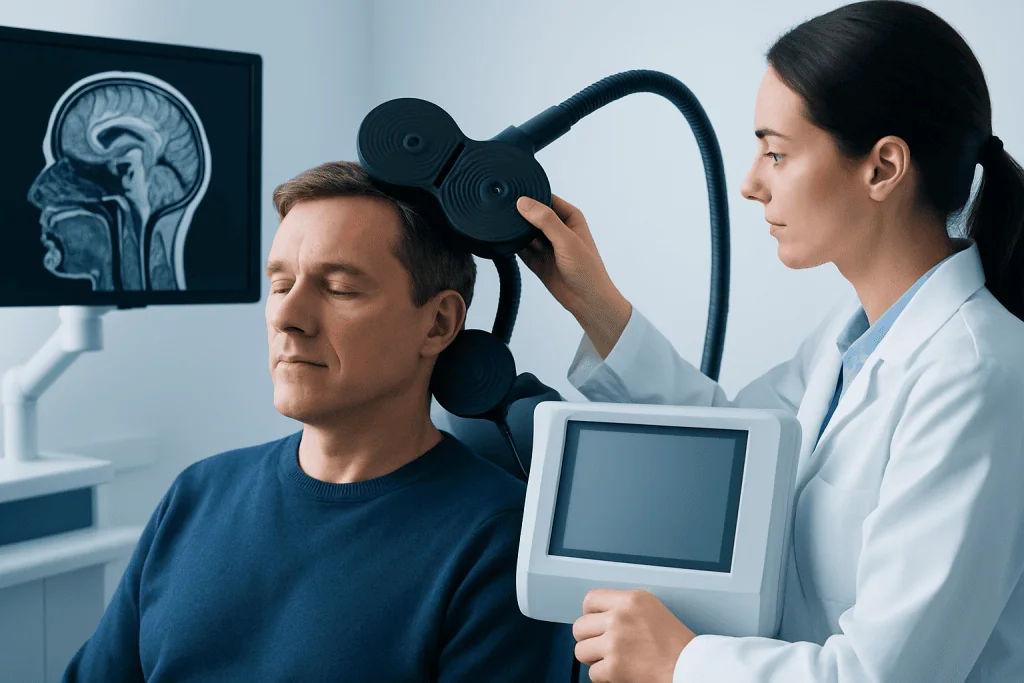
Memory test results can show whether the main issue is learning new information, storing it, or retrieving it later. For example, some people have difficulty taking in information in the first place because of poor attention. Others learn material adequately but struggle to recall it after a delay. In some cases, recognition cues help memory, which may suggest retrieval problems rather than a complete loss of stored information. These patterns can help clinicians understand what may be driving forgetfulness.
Attention testing looks at more than simply “paying attention.” It may assess basic alertness, sustained attention over time, selective attention in the presence of distractions, divided attention when handling more than one task, and working memory, which is the ability to hold and manipulate information briefly in the mind. A person who struggles in one area may have a different underlying issue than someone who struggles in another.
These findings can be useful in many situations. Problems with attention and processing speed may be seen after poor sleep, stress, concussion, depression, anxiety, medication side effects, or certain neurological conditions. Memory patterns may raise questions about aging, stroke, traumatic brain injury, epilepsy, or neurodegenerative disorders. The goal is not to label someone based on one score, but to understand the overall pattern and how it relates to real-life functioning.
Testing can also identify preserved abilities. Many people feel reassured to learn that some skills remain strong even when others are affected. This information helps create practical strategies, such as using visual reminders, reducing distractions, breaking tasks into smaller steps, or choosing therapies that match the person’s strengths.
Why a doctor may recommend testing

A doctor may recommend neuropsychological testing when there are concerns about memory loss, poor concentration, word-finding difficulties, confusion, slower thinking, or unexplained changes in school, work, or daily activities. Testing is often used when symptoms have developed gradually, after a sudden event, or when the cause is not yet clear. It can also be helpful before and after treatment to track changes over time.
Common reasons for referral include concussion, traumatic brain injury, epilepsy, movement disorders, suspected dementia, multiple sclerosis, sleep disorders, headaches, mood disorders, or side effects of medical treatment. It may also be used in children and adolescents who have attention, learning, or developmental concerns, although the tests and interpretation are adjusted for age.
Sometimes the purpose of testing is to help separate overlapping conditions. For example, poor focus can be related to anxiety, depression, chronic pain, sleep loss, attention-deficit disorders, or neurological disease. Likewise, memory complaints may occur in people with migraine, untreated sleep problems, or severe stress without indicating a progressive brain disease. In selected cases, clinicians may explore related services such as neurological sleep medicine or headache evaluation when symptoms suggest these factors may be involved.
How the assessment is performed
The process usually begins with a detailed interview. The specialist asks about current symptoms, when they started, how they affect daily life, past medical and neurological history, medications, education, occupation, mood, sleep, and substance use. If appropriate, input from a family member or caregiver may also be helpful, especially when changes have been gradual or difficult for the person to notice.
The testing session itself may include spoken questions, paper-and-pencil tasks, and computer-based activities. A person may be asked to remember words or stories, copy designs, name objects, switch between tasks, solve problems, respond quickly to symbols, or repeat sequences of numbers. Some tasks feel easy and others more challenging; this is expected, because the assessment is designed to compare different cognitive domains.
Testing is noninvasive and does not involve surgery or painful procedures. Depending on the reason for referral, the full evaluation may take a few hours or be spread over more than one session. Breaks are typically provided to reduce fatigue. Performance can be influenced by factors such as hearing, vision, language, cultural background, pain, stress, and tiredness, so specialists consider these carefully during administration and interpretation.
In some situations, additional neurological tests may be recommended to complement cognitive findings. For example, brain imaging, sleep assessment, or a broader neurological workup may be used when symptoms suggest a structural, vascular, inflammatory, or degenerative cause. A thoughtful evaluation considers the whole person, not only test scores.
How results are interpreted
Results are not judged in isolation. Neuropsychologists compare performance with standardized data from people of similar age and, when possible, similar educational and language background. They also look at patterns within the person’s own profile. A low score in one area may mean something different if other skills are also low, if there is evidence of anxiety or fatigue, or if sensory or language barriers affected performance.
One important question is whether attention problems are affecting memory. If a person is distracted while information is first presented, later recall may appear weak even if the brain’s storage systems are intact. In contrast, if learning is consistent but delayed recall and recognition are both poor, clinicians may consider other possibilities. This pattern-based approach is one reason neuropsychological testing can be more informative than simple screening tools.
Interpretation also considers whether results fit with conditions already known or suspected. A person recovering from a concussion may show slowed processing speed and mental fatigue. Someone with significant sleep disruption may struggle with sustained attention. Another person may show a pattern that prompts further evaluation for a neurodegenerative condition or for complications related to conditions such as transient ischemic attack or chronic subdural hematoma.
At the end of the process, the clinician usually provides a report and feedback session. This may explain which skills are strong, which are weaker, what the findings may mean, and what practical next steps can support daily life. Recommendations may cover medical follow-up, therapy, school or workplace accommodations, driving considerations, and memory or attention strategies.
Treatment, support, and next steps after testing
Neuropsychological testing itself is an assessment, not a treatment. However, the results often shape the treatment plan. If attention difficulties are linked to poor sleep, treatment may focus on sleep disorders and sleep habits. If depression or anxiety is a major factor, psychological or psychiatric care may be recommended. If testing points toward a neurological condition, the person may be referred for further specialist evaluation and management.
Support may include cognitive rehabilitation, occupational therapy, speech and language therapy, psychotherapy, medication review, hearing or vision evaluation, or medical treatment for an underlying condition. In people recovering from brain injury or stroke, rehabilitation may target memory strategies, organization, pacing, and return-to-work planning. In children or students, testing may guide educational support, classroom adjustments, and learning strategies.
Practical changes at home can also make a meaningful difference. Helpful tools may include calendars, reminder apps, written checklists, simplified routines, and reducing background distractions during important tasks. Family education is often valuable, because understanding the nature of the difficulty can improve communication and expectations.
When specialized neurological care is needed, a multidisciplinary approach can be especially helpful. Near the end of the care pathway, some international patients choose centers such as Acibadem International, where multidisciplinary specialists in JCI-accredited hospitals evaluate and treat neurological and cognitive concerns in a coordinated way.
How to prepare and when to seek medical advice
Preparing for testing is usually straightforward. It helps to get a good night’s sleep, eat normally unless told otherwise, wear any needed glasses or hearing aids, and bring a medication list. People should follow the clinic’s instructions about caffeine, sedating medicines, or whether a companion should attend. Bringing notes about symptoms, examples from daily life, and previous medical records can also make the assessment more useful.
It is sensible to seek medical advice if memory or attention problems are new, worsening, affecting work or school, or interfering with finances, driving, medication management, or personal safety. Medical review is also important when symptoms appear after a head injury, infection, severe headache, seizures, or a sudden neurological event. Urgent care is needed for sudden confusion, new weakness, trouble speaking, facial drooping, severe sudden headache, or other possible signs of a neurological emergency.
Even when symptoms are not urgent, early evaluation can be helpful. Some causes of cognitive changes are treatable or reversible, such as medication effects, sleep disorders, vitamin deficiencies, thyroid problems, mood disorders, and certain infections. A timely assessment can reduce uncertainty and help a person access the right support sooner.
For many people, neuropsychological testing offers clarity rather than judgment. It can explain why specific tasks feel harder, identify what is still working well, and guide realistic next steps with compassion and precision.
Frequently asked questions
What is neuropsychological testing used for?
Neuropsychological testing is used to assess thinking skills such as memory, attention, language, planning, and processing speed. It helps doctors understand how the brain is functioning in daily life and can support diagnosis, treatment planning, and follow-up.
Can neuropsychological testing diagnose dementia?
Testing can provide important evidence about whether a person's cognitive pattern is consistent with dementia or another condition, but it is usually not the only part of diagnosis. Doctors combine the results with medical history, examination, imaging, lab tests, and other assessments.
How long does neuropsychological testing take?
The length varies depending on the reason for referral and the number of areas being assessed. Some evaluations are relatively brief, while others take several hours and may be split into more than one session with breaks.
Does poor attention always mean ADHD?
No. Attention problems can be related to many factors, including sleep loss, anxiety, depression, pain, medication effects, concussion, or neurological illness. Testing helps identify the pattern of attention difficulty and whether other cognitive areas are also affected.
Can anxiety or depression affect memory test results?
Yes. Anxiety and depression can affect concentration, motivation, mental speed, and the ability to learn new information efficiently. That is why mood symptoms are considered carefully when interpreting memory and attention results.
Is neuropsychological testing the same as a brain scan?
No. A brain scan shows structure or activity in the brain, while neuropsychological testing measures how thinking functions in practice. The two approaches can complement each other and are often used together when needed.
References
- American Psychological Association
- National Institute on Aging
- National Institute of Neurological Disorders and Stroke
- Centers for Disease Control and Prevention
- World Health Organization
This article is for general information only and is not a substitute for professional medical advice. Please consult a qualified doctor about your individual situation.
Explore treatments in Turkey — costs, top hospitals & a free quote
JCI-accredited · board-certified surgeons · reply within 24h
Add us as a Preferred Source to see more of our trusted health content across Google Search, AI Overviews and Discover.

Neurology
Diagnosis and treatment of disorders of the brain, spinal cord, nerves and muscles.
51 specialists in this unit