What Is Electrophysiology Cardiology? Heart Rhythm Testing and Treatment Explained

Electrophysiology cardiology focuses on the heart’s electrical signals and rhythm problems. It is used to evaluate symptoms such as palpitations, skipped beats, dizziness, and fainting.
Key Takeaways
- Electrophysiology cardiology focuses on the heart’s electrical signals and rhythm problems.
- It is used to evaluate symptoms such as palpitations, skipped beats, dizziness, and fainting.
- Testing may include ECGs, wearable monitors, imaging, and an electrophysiology study.
- Treatment can involve lifestyle changes, medicines, implanted devices, or catheter ablation.
- Many rhythm problems can be managed effectively once the exact cause is identified.
Electrophysiology cardiology is the area of heart care focused on the heart’s electrical system and abnormal rhythms. It helps diagnose symptoms such as palpitations, dizziness, or fainting and guides treatment with medicines, devices, or procedures such as catheter ablation.
Overview
Electrophysiology cardiology is a subspecialty of cardiology that focuses on how the heart’s electrical system works. Each heartbeat begins with an electrical signal that travels through the heart muscle in a precise pattern. When that signal starts in the wrong place, travels too slowly, or forms an abnormal circuit, the heart may beat too fast, too slowly, or irregularly.
Doctors who specialize in this field are often called cardiac electrophysiologists. They evaluate and treat heart rhythm disorders, also known as arrhythmias. This includes common problems such as heart palpitations, as well as more specific conditions like atrial flutter and supraventricular tachycardia.
Electrophysiology cardiology is important because rhythm problems can affect daily life in different ways. Some people notice fluttering in the chest, fatigue, shortness of breath, or lightheadedness. Others may have no symptoms at all, and the problem is found during a routine exam or after an ECG.
The goal of care is to understand exactly what rhythm is occurring, why it is happening, and whether it needs treatment. Once the rhythm has been identified, treatment can often be tailored to the person’s symptoms, overall heart health, and risk of complications.
Symptoms and Signs of Heart Rhythm Problems
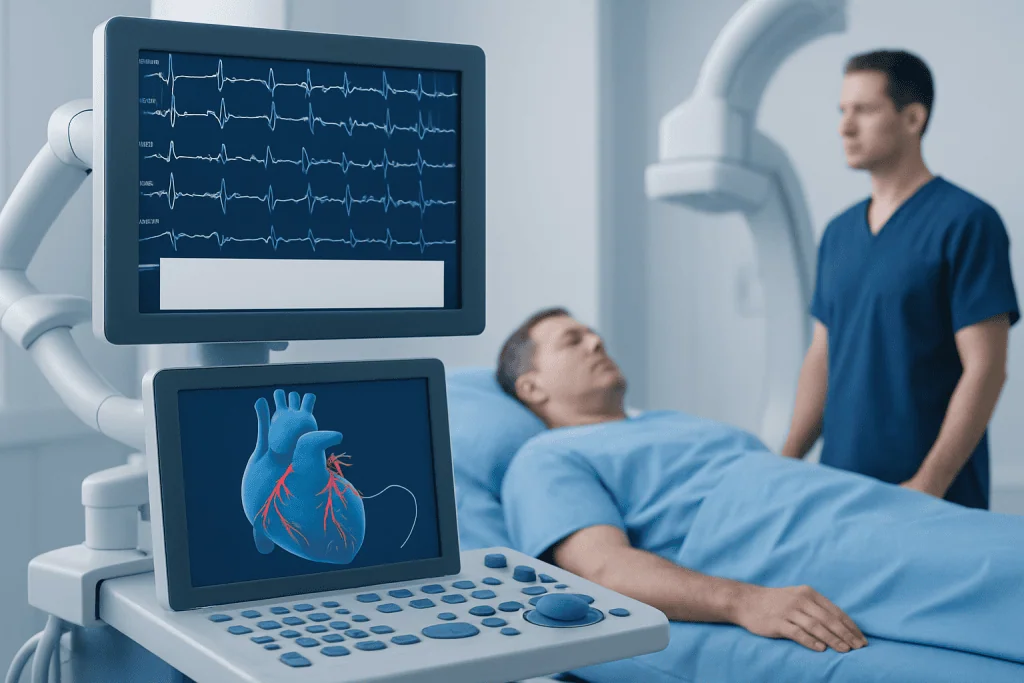
Heart rhythm disorders can cause a wide range of symptoms. Some are brief and mild, while others are more disruptive. The same rhythm problem may feel very different from one person to another, which is one reason specialist evaluation can be helpful.
Common symptoms include a racing heartbeat, pounding in the chest, skipped beats, fluttering, chest discomfort, shortness of breath, dizziness, unusual tiredness, and fainting. Episodes may come and go, or they may persist for longer periods. Some people notice that symptoms start during exercise, emotional stress, illness, or after caffeine or alcohol.
Not every irregular heartbeat is dangerous, but some patterns deserve prompt attention. A very fast rhythm, repeated fainting, or symptoms accompanied by chest pain can indicate a more serious problem. Rhythm issues may also occur in people with other heart conditions such as heart failure or cardiomyopathy.
- Palpitations or a fluttering sensation in the chest
- Fast, slow, or irregular heartbeat
- Dizziness or lightheadedness
- Fainting or near-fainting
- Shortness of breath or reduced exercise tolerance
- Fatigue or weakness without a clear reason
Causes and Risk Factors

Arrhythmias can develop for many reasons. In some people, the electrical pathway in the heart is naturally different from birth. In others, rhythm problems appear later in life because of changes in the heart muscle, the heart valves, or the blood supply to the heart.
Common contributing factors include coronary artery disease, high blood pressure, prior heart attack, heart failure, valve disease, congenital heart disease, thyroid disorders, sleep apnea, and inflammation affecting the heart. Electrolyte imbalances, dehydration, fever, stimulant use, and some medications can also trigger or worsen abnormal rhythms.
Age is another important factor, especially for atrial rhythm disorders. However, younger adults and even children can also develop arrhythmias, particularly when there is an extra electrical pathway or a congenital heart condition. Stress, poor sleep, smoking, alcohol, and excess caffeine may contribute in some individuals, though they are not the sole cause.
Sometimes no structural heart disease is found, and the rhythm issue arises mainly from the electrical system itself. Even then, proper diagnosis matters because the best treatment depends on the exact type of arrhythmia and whether there are any hidden heart problems that need attention.
How Electrophysiology Cardiology Diagnoses Rhythm Disorders
Diagnosis usually begins with a medical history, symptom review, and physical examination. The doctor may ask when symptoms began, how long they last, what they feel like, and whether they happen during rest or activity. This information can provide important clues about the type of arrhythmia involved.
The first test is often an electrocardiogram, or ECG, which records the heart’s electrical activity. If symptoms are occasional, a wearable monitor such as a Holter monitor or event recorder may be used to capture the rhythm over a longer period. Some people may also need exercise testing, blood tests, or imaging studies to look for underlying heart disease.
Imaging can help show the heart’s structure and function. For example, echocardiography may be used to assess heart chambers, valves, and pumping strength. In selected cases, other specialized tests may be recommended if there is concern about blood flow problems, scarring, or inflammation affecting the heart.
When the rhythm remains unclear or a procedure is being considered, an electrophysiology study may be advised. During this test, thin flexible catheters are guided through blood vessels into the heart to map electrical signals from inside. This can identify the exact source of an arrhythmia and help decide whether a targeted procedure is appropriate.
Treatment Options in Electrophysiology Cardiology
Treatment depends on the type of rhythm disorder, how often it occurs, the severity of symptoms, and whether there is underlying heart disease. Some arrhythmias only need observation and simple lifestyle changes. Others benefit from medication or a procedure to restore a more normal rhythm and reduce future episodes.
Medicines may be used to slow the heart rate, control rhythm, or lower the risk of complications related to certain arrhythmias. The choice of medication varies from person to person, and the doctor balances expected benefits with possible side effects. Managing contributing conditions is also important, including treatment for blood pressure, thyroid problems, or sleep apnea when present. In some people, treatment of high blood pressure can improve overall heart rhythm control.
One of the most important procedural treatments is catheter ablation. In this approach, the electrophysiologist identifies the small area of heart tissue causing the abnormal electrical signal and treats it through a catheter-based technique. Many patients learn about this through ablation procedures, which can be especially helpful for recurrent supraventricular tachycardia, atrial flutter, or some forms of ventricular arrhythmia.
Some patients also need implantable devices. A pacemaker may be recommended for rhythms that are too slow, while an implantable cardioverter-defibrillator may be considered in certain high-risk situations. For broader arrhythmia care, patients may also be evaluated in a dedicated cardiac arrhythmia program that brings together imaging, electrophysiology, and general cardiology expertise.
Prevention and Self-Care
Not every rhythm disorder can be prevented, but heart-healthy habits can reduce strain on the cardiovascular system and may lower the chances of triggering some arrhythmias. Good self-care also supports recovery after diagnosis and treatment.
Helpful steps include limiting tobacco, moderating alcohol, avoiding stimulant misuse, staying well hydrated, and getting regular sleep. People who notice that caffeine, energy drinks, or certain over-the-counter medications trigger palpitations may be advised to reduce or avoid them. Regular physical activity is usually beneficial, but the right level depends on the person’s condition and should follow medical guidance.
Managing related health conditions is another key part of prevention. This may include controlling blood pressure, diabetes, and cholesterol, treating sleep apnea, and following up for known heart disease. Taking prescribed medicines exactly as directed and attending monitoring visits can help prevent symptoms from returning or worsening.
Stress reduction can also make a difference for some people. Practical approaches include consistent sleep routines, relaxation exercises, and balanced daily habits. If an arrhythmia has already been diagnosed, patients should ask their doctor what symptoms to watch for and whether there are any activity or travel precautions to follow.
When to See a Doctor
Any new, recurring, or troubling heartbeat symptoms should be discussed with a doctor, especially if they interfere with daily life. Palpitations are often benign, but a medical evaluation is the best way to find out whether they are related to a treatable rhythm disorder or another heart condition.
Prompt medical attention is important if symptoms are associated with fainting, severe dizziness, shortness of breath, chest pain, or a very rapid heartbeat that does not settle. These signs do not always mean a dangerous problem, but they should not be ignored. People with a history of heart disease, heart failure, or previous heart attack should be especially cautious.
Follow-up care also matters after diagnosis or treatment. Rhythm conditions may change over time, and treatment sometimes needs adjustment. Monitoring helps the care team assess symptom control, device function when applicable, and whether the original treatment plan is still the best fit.
For people seeking specialist care, Acibadem International’s multidisciplinary teams in JCI-accredited hospitals evaluate and treat heart rhythm disorders for international patients, including advanced testing and catheter-based therapies when needed. A qualified cardiologist or electrophysiologist can explain which investigations and treatment options are appropriate for each individual situation.
Frequently asked questions
What does an electrophysiology cardiologist do?
An electrophysiology cardiologist specializes in the heart’s electrical system and abnormal heart rhythms. This doctor evaluates symptoms such as palpitations, dizziness, or fainting and recommends tests or treatments to diagnose and manage arrhythmias.
What is an electrophysiology study?
An electrophysiology study is a test that maps the heart’s electrical signals from inside the heart using thin catheters. It can help identify the exact source of an abnormal rhythm and may guide treatment decisions, including whether catheter ablation is suitable.
Is electrophysiology testing painful?
Most heart rhythm tests, such as an ECG or wearable monitor, are not painful. For an electrophysiology study, the procedure is usually done with local anesthesia and sedation or other anesthesia support, so discomfort is typically limited and carefully managed.
When is catheter ablation recommended?
Catheter ablation may be recommended when a rhythm problem causes bothersome symptoms, comes back repeatedly, or does not respond well to medication. It may also be chosen when the type of arrhythmia is known to respond especially well to targeted treatment.
Can heart rhythm disorders be cured?
Some arrhythmias can be eliminated or effectively controlled, especially when the exact electrical pathway can be treated with ablation. Others are long-term conditions that can still be managed successfully with medication, lifestyle steps, monitoring, or implanted devices.
Are palpitations always a sign of serious heart disease?
No, palpitations are common and often have a harmless cause, such as stress, caffeine, or a temporary change in heart rhythm. However, recurring symptoms, fainting, chest pain, or shortness of breath should be evaluated by a doctor to rule out a more important problem.
References
- American Heart Association
- National Heart, Lung, and Blood Institute
- European Society of Cardiology
- Heart Rhythm Society
This article is for general information only and is not a substitute for professional medical advice. Please consult a qualified doctor about your individual situation.
Cardiology in Turkey — costs, top hospitals & a free quote
JCI-accredited · board-certified surgeons · reply within 24h
Add us as a Preferred Source to see more of our trusted health content across Google Search, AI Overviews and Discover.
Check your numbers in seconds
BMI, calories, due date, blood pressure and 30+ more clinical calculators — free, instant, doctor-reviewed ranges.

Cardiology Department
Diagnosis and treatment of heart and vascular conditions, from prevention to advanced interventional procedures.
91 specialists in this unit