Premature Ventricular Contractions: When PVCs Are Benign and When to Treat Them

PVCs are extra heartbeats that begin in the ventricles and may feel like a skipped beat, flutter, or thump in the chest. Many PVCs are benign, especially in people without structural heart disease.
Key Takeaways
- PVCs are extra heartbeats that begin in the ventricles and may feel like a skipped beat, flutter, or thump in the chest.
- Many PVCs are benign, especially in people without structural heart disease.
- Evaluation is important when PVCs are frequent, cause symptoms, or occur with dizziness, fainting, chest pain, or shortness of breath.
- Tests such as an ECG, Holter monitor, and echocardiogram help identify triggers and rule out heart disease.
- Treatment may include lifestyle changes, medicines, or catheter ablation when PVCs are persistent or affect heart function.
- A doctor can help determine whether PVCs are reassuringly benign or part of a broader heart rhythm problem.
Premature ventricular contractions, or PVCs, are early extra beats that start in the heart’s lower chambers. They are common and often harmless, but frequent PVCs, troubling symptoms, or underlying heart disease may need medical assessment and treatment.
Overview
Premature ventricular contractions are early heartbeats that start in the ventricles, the lower pumping chambers of the heart. Because these beats happen before the next normal heartbeat is due, they can create a noticeable pause followed by a stronger beat. Many people describe this as a skipped beat, a flutter, a flip-flop sensation, or a brief thump in the chest.
PVCs are very common. They may occur in healthy adults with no known heart problem, and they can also be seen in people with heart disease. In many cases, especially when they happen only occasionally and the heart is otherwise normal, PVCs are considered benign. Even so, it is understandable for them to feel worrying when they are new or frequent.
The main question is not simply whether PVCs are present, but what they mean in a particular person. Doctors look at how often they occur, whether they cause symptoms, whether they appear during exercise or recovery, and whether there is evidence of structural heart disease such as cardiomyopathy or coronary artery disease. This broader picture helps determine when reassurance is enough and when treatment is appropriate.
Symptoms and What PVCs Feel Like
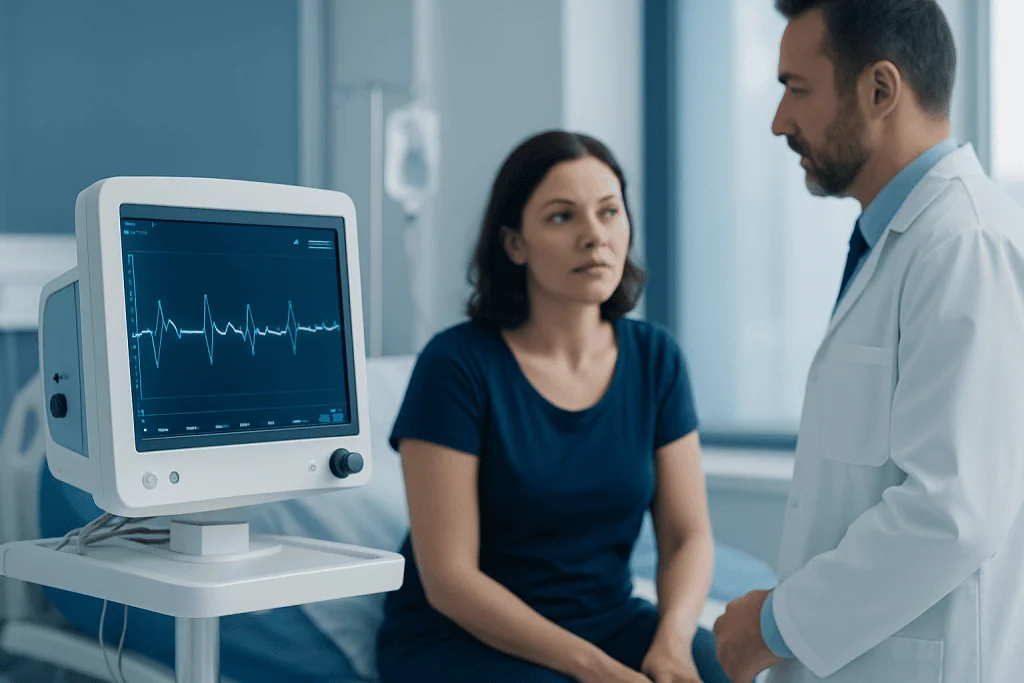
Some people never notice PVCs and only learn about them during a routine examination or heart monitor test. Others feel them clearly. Common sensations include a skipped beat, pounding in the chest, a brief flutter, or an awareness that the heartbeat is irregular. These symptoms often overlap with heart palpitations, which can have many possible causes.
PVCs may happen singly from time to time, or they may appear in repeating patterns. For example, every other beat may be a PVC, or several PVCs may occur close together. A person may notice them more when resting quietly, lying on the left side, after caffeine, during emotional stress, or after poor sleep.
Although many PVCs are harmless, symptoms should be taken more seriously if they are accompanied by dizziness, near-fainting, fainting, chest discomfort, unusual shortness of breath, or reduced exercise tolerance. These symptoms do not always mean a dangerous condition is present, but they are important reasons to seek medical advice promptly.
- Common sensations: skipped beat, flutter, thump, pounding
- Sometimes no symptoms at all
- May be more noticeable at rest or at night
- Concerning associated symptoms: fainting, chest pain, shortness of breath
Causes and Risk Factors

PVCs can occur without a clear cause, and occasional extra beats are not unusual. Common triggers include caffeine, alcohol, nicotine, emotional stress, lack of sleep, dehydration, and stimulant medications. Illnesses that affect the body’s chemistry, such as low potassium or magnesium, thyroid disorders, and fever, can also make PVCs more likely.
In some people, PVCs are linked to underlying heart conditions. These may include past heart attack, heart failure, cardiomyopathy, inflammation of the heart muscle, valve disease, or high blood pressure. When heart structure or function is abnormal, PVCs deserve closer attention because they may be a sign of irritated heart muscle or a more complex rhythm disorder.
The frequency of PVCs matters too. A small number of PVCs in a healthy heart is often benign. However, very frequent PVCs over time can sometimes weaken the heart muscle and lead to a reversible form of cardiomyopathy. Doctors may also evaluate whether the pattern suggests a broader cardiac arrhythmia evaluation, especially if runs of fast beats raise concern for rhythms such as ventricular tachycardia.
When PVCs Are Usually Benign and When They Need Attention
PVCs are usually considered benign when they occur infrequently, cause little or no discomfort, and the person has no evidence of structural heart disease. A normal physical examination, a reassuring ECG pattern, and a normal heart ultrasound can all support this conclusion. In these situations, treatment may not be necessary beyond avoiding triggers and following up if symptoms change.
PVCs deserve more attention when they are frequent, persistent, or highly symptomatic. Doctors may be more concerned if the extra beats increase during exercise, occur in long runs, or are associated with fainting, significant breathlessness, or reduced heart pumping function. A family history of sudden cardiac death or inherited heart rhythm disease also raises the need for careful evaluation.
Another situation that may need treatment is a high PVC burden, meaning PVCs make up a noticeable percentage of total heartbeats over a day. In some people, frequent PVCs can gradually affect heart performance even if there are few symptoms. Identifying this early can help prevent long-term problems and guide decisions about medicines or procedures.
How Doctors Diagnose PVCs
Diagnosis starts with a medical history and physical examination. The doctor asks about symptoms, triggers, exercise tolerance, past heart disease, medications, stimulant use, and family history. Because PVCs may come and go, an office electrocardiogram may or may not capture them, but it still provides important information about heart rhythm and any signs of prior damage or conduction problems.
Ambulatory monitoring is often the most useful next step. A Holter monitor or patch monitor records the heartbeat over one or more days, allowing the care team to measure how often PVCs occur, whether they come from one or multiple locations, and whether they appear alone or in runs. Exercise testing may be helpful if symptoms occur with activity or if doctors want to see how the rhythm behaves during exertion and recovery.
Imaging is used to look for structural heart disease. An ultrasound of the heart, such as echocardiography, can assess chamber size, valve function, and pumping strength. In selected cases, blood tests, stress imaging, cardiac MRI, or specialist rhythm testing such as electrophysiology studies may be recommended to clarify the cause and guide treatment.
Treatment Options
Treatment depends on symptoms, PVC frequency, and whether the heart is otherwise healthy. If PVCs are occasional and the evaluation is reassuring, the most appropriate approach may simply be observation and education. Reducing caffeine or alcohol, improving sleep, managing stress, and staying well hydrated can lessen symptoms in some people.
When treatment is needed, doctors may prescribe medications to reduce the extra beats or make them less noticeable. Beta blockers are often considered first, particularly if symptoms are related to adrenaline, stress, or exercise. Other antiarrhythmic medicines may be used in selected cases, but these require careful supervision because they can have important side effects and are not suitable for everyone.
If PVCs are very frequent, continue despite medication, or appear to be affecting heart function, catheter ablation may be considered. This procedure aims to locate and treat the area of heart tissue that is triggering the extra beats, often through ablation procedures. When PVCs are related to an underlying condition such as ischemia, valve disease, or uncontrolled hypertension management, treating the root problem is an important part of care.
Prevention, Self-care, and Follow-up
Not all PVCs can be prevented, but many people can reduce episodes by identifying triggers. Keeping a simple symptom diary may help reveal patterns related to caffeine, alcohol, energy drinks, smoking, poor sleep, dehydration, illness, or stress. Gentle attention to these factors can be useful, especially when the medical evaluation has shown the PVCs to be benign.
General heart-healthy habits also support rhythm stability. These include regular physical activity suited to the individual’s health status, a balanced diet, blood pressure control, avoiding tobacco, and taking prescribed medicines as directed. If a doctor has recommended a monitor, imaging, or repeat visit, follow-up matters because the pattern of PVCs can change over time.
People who have frequent PVCs, a history of heart disease, or reduced heart function may need periodic reassessment. Near the end of a care pathway, some patients benefit from coordinated evaluation by rhythm and imaging specialists. Acibadem International’s multidisciplinary specialists in JCI-accredited hospitals diagnose and treat PVCs and other rhythm disorders for international patients when further assessment is needed.
When to See a Doctor
A medical review is sensible when PVCs are new, happening often, or causing discomfort that affects daily life. It is also a good idea to seek care if there is a history of heart disease, a strong family history of serious rhythm problems, or concern that symptoms are increasing over time. Even when PVCs turn out to be benign, an evaluation can provide reassurance and a practical plan.
Urgent medical attention is needed if extra beats occur together with chest pain, fainting, severe shortness of breath, or symptoms of a possible heart attack or unstable rhythm. These warning signs do not always mean PVCs are the cause, but they require prompt assessment to rule out serious problems.
In summary, PVCs are often harmless, but context matters. The safest approach is to have persistent or troubling symptoms assessed by a qualified doctor, who can determine whether reassurance, monitoring, lifestyle changes, medication, or a procedure is the best next step.
Frequently asked questions
Are premature ventricular contractions dangerous?
Often, no. Many PVCs are benign, especially when they occur in a person with a structurally normal heart and no significant symptoms. They become more important when they are frequent, cause fainting or breathlessness, or occur alongside known heart disease.
What do PVCs feel like?
People commonly describe PVCs as a skipped beat, a flutter, a flip in the chest, or a strong thump after a pause. Some people feel them only occasionally, while others notice them repeatedly at rest or at night. Many people do not feel them at all.
Can stress or caffeine cause PVCs?
Yes. Stress, lack of sleep, caffeine, alcohol, nicotine, dehydration, and stimulant medicines can all trigger or worsen PVCs in some people. Reducing these triggers may help, although not everyone is sensitive to the same factors.
How are PVCs diagnosed?
Doctors usually begin with a medical history, physical examination, and an electrocardiogram. Because PVCs can come and go, a Holter or patch monitor is often used to record the rhythm over time. An echocardiogram may also be recommended to check the heart’s structure and pumping function.
Do PVCs need treatment?
Not always. If PVCs are occasional and the heart is otherwise healthy, reassurance and lifestyle measures may be enough. Treatment is more likely if symptoms are troublesome, the PVC burden is high, or there is evidence that the heart is being affected.
Can PVCs go away on their own?
Yes, they can. PVCs may lessen or disappear when triggers such as caffeine, stress, illness, or sleep disruption improve. In other cases they may continue, but this does not automatically mean they are dangerous.
When should someone seek urgent care for PVCs?
Urgent care is important if extra beats happen with chest pain, fainting, severe shortness of breath, or a feeling that the heart is racing continuously. These symptoms need prompt evaluation to rule out serious rhythm problems or other heart conditions.
References
- American Heart Association
- National Heart, Lung, and Blood Institute
- European Society of Cardiology
- Mayo Clinic
- Merck Manual Consumer Version
This article is for general information only and is not a substitute for professional medical advice. Please consult a qualified doctor about your individual situation.
Heart care in Turkey — expert evaluation and treatment
JCI-accredited · board-certified surgeons · reply within 24h
Add us as a Preferred Source to see more of our trusted health content across Google Search, AI Overviews and Discover.
Check your numbers in seconds
BMI, calories, due date, blood pressure and 30+ more clinical calculators — free, instant, doctor-reviewed ranges.

Cardiology Department
Diagnosis and treatment of heart and vascular conditions, from prevention to advanced interventional procedures.
91 specialists in this unit