Permanent Pacemaker Surgery: Step-by-Step Procedure and Recovery Timeline

A permanent pacemaker helps the heart maintain a safe, steady rhythm when its natural electrical system is too slow or unreliable. The procedure is usually performed with local anesthesia and sedation through a small incision near the collarbone.
Key Takeaways
- A permanent pacemaker helps the heart maintain a safe, steady rhythm when its natural electrical system is too slow or unreliable.
- The procedure is usually performed with local anesthesia and sedation through a small incision near the collarbone.
- Most people go home within a day, but full healing and return to unrestricted arm movement takes several weeks.
- Follow-up visits are essential to check the device, monitor healing, and adjust settings if needed.
- Patients should watch for warning signs such as fever, worsening pain, redness, swelling, or shortness of breath and contact a doctor promptly.
Permanent pacemaker surgery is a common procedure used to treat certain slow or irregular heart rhythms. Understanding each step of the procedure and the typical recovery timeline can help patients feel more prepared and confident.
Overview of Permanent Pacemaker Surgery
Permanent pacemaker surgery is a procedure to place a small electronic device under the skin, usually in the upper chest, to help control the heartbeat. The pacemaker sends gentle electrical impulses to the heart when the heart’s own natural pacing system is too slow, pauses unexpectedly, or does not coordinate the heartbeat properly. This can improve symptoms and help the heart beat more reliably.
A permanent pacemaker has two main parts: a pulse generator, which contains the battery and computer, and one or more thin insulated wires called leads. These leads travel through a vein into the heart and deliver signals where they are needed. Some newer systems may be leadless in selected patients, but the traditional implanted pacemaker remains the most common approach.
Doctors may recommend a pacemaker for conditions such as symptomatic bradycardia, heart block, or sick sinus syndrome. In some people, a pacemaker is also used after certain heart surgeries or procedures, or in combination with other rhythm treatments such as electrophysiology testing and ablation procedures. The exact type of device depends on the person’s heart rhythm problem, overall health, and treatment goals.
Who May Need a Pacemaker and Common Symptoms
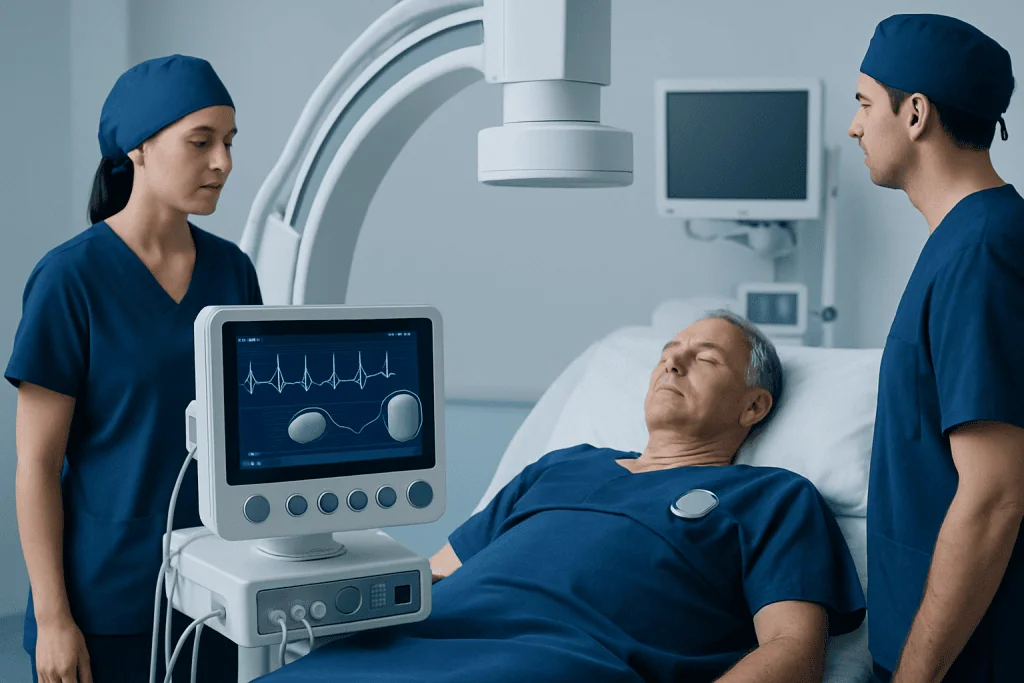
A pacemaker is not used for every irregular heartbeat. It is usually recommended when the heart beats too slowly or unpredictably and this leads to symptoms or creates a risk of complications. Some people have occasional rhythm changes with no symptoms, while others experience more disruptive effects that interfere with daily life.
Common symptoms that may lead to evaluation for a pacemaker include dizziness, fainting, near-fainting, unusual fatigue, reduced exercise tolerance, shortness of breath, or confusion related to poor blood flow. Some people notice episodes of heart palpitations, while others mainly feel weak or lightheaded. Symptoms can come and go, which is why heart rhythm monitoring is often important.
Pacemakers are also used in some people with certain structural or electrical heart conditions, including disease of the heart’s conduction system, some forms of atrial flutter treatment support, or after heart damage from illness or surgery. The decision is based on symptoms, electrocardiogram findings, and whether the device is likely to improve safety and quality of life.
How to Prepare Before the Procedure

Preparation usually begins with a cardiology assessment and tests to confirm the cause of the rhythm problem. These may include an electrocardiogram, blood tests, chest imaging, echocardiography, and sometimes longer-term rhythm monitoring. In some patients, doctors use echocardiography to assess heart structure and function, especially if there are concerns about valve disease, heart muscle weakness, or other cardiac conditions.
Before surgery, the care team reviews current medicines, allergies, bleeding risk, kidney function, and any implanted devices already present. Blood thinners, diabetes medicines, or certain supplements may need special instructions. Patients are usually told when to stop eating and drinking before the procedure and whether they should take routine morning medications.
It is also helpful to plan practical details in advance. Wearing comfortable clothes, arranging transportation home, and preparing for limited arm movement on the side of the implant can make recovery smoother. Patients should ask where the incision will be, how long the procedure may take, and when they can return to work, driving, exercise, and normal sleeping positions.
Step-by-Step: What Happens During Permanent Pacemaker Surgery
Permanent pacemaker implantation is usually performed in a hospital procedure room or cardiac catheterization laboratory. Most patients receive local anesthesia to numb the skin and tissues, along with light sedation to help them relax. This means they are often awake but comfortable, and the team can monitor how the heart responds during the procedure.
After cleaning the area and applying sterile drapes, the doctor makes a small incision below the collarbone, most often on the left side unless there is a reason to use the right. A vein is accessed, and one or more leads are guided through the vein into the heart using X-ray imaging. The leads are positioned in the appropriate chambers, and the doctor tests them to make sure they sense and pace correctly.
Once the leads are working well, the pulse generator is connected and placed in a small pocket created under the skin or just beneath the tissue of the upper chest. The doctor then programs the device and closes the incision with stitches, surgical glue, or staples. A dressing is applied, and the patient is moved to recovery for monitoring.
The procedure often takes one to a few hours, depending on the type of pacemaker and whether this is a first implant or a replacement. In more complex cases, or when other heart conditions are present, treatment may involve a broader cardiac care plan that can include cardiac arrhythmia management and support from multidisciplinary heart specialists.
Recovery Timeline After Pacemaker Implantation
Recovery usually starts immediately after the procedure. The heart rhythm, blood pressure, and incision site are monitored for several hours. Many patients go home the same day or the next day, depending on their age, other health conditions, and how the procedure went. Mild soreness, bruising, and a feeling of tightness near the incision are common during the first few days.
In the first week, keeping the incision clean and dry is important. Patients are generally advised to avoid lifting the arm on the pacemaker side above shoulder level and to avoid heavy lifting, pulling, or vigorous reaching. These precautions help the leads settle into place and reduce the chance of displacement while the tissue heals around them.
Over the next two to six weeks, discomfort usually improves steadily. Many people return to light daily activities within a few days, but more strenuous activity, sports, and full arm motion may need to wait until the doctor confirms healing. Follow-up visits are used to inspect the incision, check the battery and leads, and adjust pacemaker settings if needed.
Longer term, most patients adapt well and can return to a normal routine. They may be advised to carry a pacemaker identification card, inform airport security and other healthcare providers about the device, and keep regular device checks. Cardiac recovery and confidence with exercise may also improve with guided support such as cardiac rehabilitation when appropriate.
Possible Risks, Complications, and Living With a Pacemaker
Permanent pacemaker surgery is generally considered safe, but like any procedure, it carries some risks. These can include bleeding, bruising, infection, swelling, allergic reaction to medicines or materials, lead movement, or a collapsed lung in rare cases. Device-related issues such as battery problems or lead malfunction are uncommon but can happen over time and are usually identified during routine follow-up.
Living with a pacemaker usually becomes easier after the healing period. Most household electronics are safe, but patients should follow the advice given for mobile phones, magnets, security systems, and certain industrial equipment. Magnetic resonance imaging may be possible with some newer MRI-conditional pacemakers, but the device must always be checked first.
The pacemaker does not cure every heart condition, and some people still need medicines or treatment for other cardiovascular problems such as heart failure or high blood pressure. Ongoing heart care may include managing cholesterol, exercise, diet, and regular review of symptoms. If replacement is needed years later because the battery is running low, the generator can often be changed with a simpler procedure than the initial implant.
When to Call a Doctor and Ongoing Follow-Up
After pacemaker surgery, patients should contact a doctor if they develop fever, increasing redness, warmth, drainage, or significant swelling at the incision site. Other warning signs include worsening chest pain, shortness of breath, fainting, persistent hiccups, unusual arm swelling, or symptoms that feel similar to those experienced before the implant. These symptoms do not always mean a serious problem, but they should be checked promptly.
Regular follow-up is an important part of pacemaker care. During these visits, the healthcare team checks how the device senses and paces, how much battery remains, and whether the programmed settings still match the patient’s needs. Some devices can also be monitored remotely from home, which helps identify changes between office visits.
Patients should keep all appointments and let any doctor or dentist know they have a pacemaker before tests or procedures. If symptoms change, new medicines are started, or another cardiac condition develops, the pacemaker plan may need adjustment. Near the end of the care journey, some patients may seek evaluation at centers with broad cardiac expertise; Acibadem International’s multidisciplinary specialists in JCI-accredited hospitals diagnose and treat rhythm disorders and support international patients who need pacemaker-related care.
Frequently asked questions
How long does permanent pacemaker surgery take?
The procedure often takes about one to a few hours, depending on the type of device and how complex the implantation is. Additional time may be needed before and after the procedure for preparation, monitoring, and device testing.
Is pacemaker implantation painful?
Patients usually receive local anesthesia and sedation, so they should not feel sharp pain during the procedure. Afterward, mild soreness, bruising, or tightness around the incision is common for a few days and usually improves with time.
When can normal activities resume after a pacemaker is placed?
Light activities often resume within a few days, but the arm on the side of the implant usually has movement and lifting restrictions for several weeks. The doctor will advise when driving, work, exercise, and sports can be resumed safely.
Will a pacemaker fix all heart rhythm problems?
A pacemaker is designed mainly to treat slow or unreliable heart rhythms and help the heart maintain an appropriate rate. Some patients may still need medicines or other procedures for fast rhythms, structural heart disease, or related cardiac conditions.
How often does a pacemaker need to be checked?
Pacemakers need regular follow-up checks, especially in the first weeks after implantation and then at scheduled intervals over time. These visits help confirm that the leads, settings, and battery are working properly, and some devices can also be monitored remotely.
How long does a permanent pacemaker battery last?
Battery life varies depending on the device type and how often it needs to pace the heart. Many pacemakers last for years, and doctors can usually predict when replacement will be needed well in advance during routine device checks.
This article is for general information only and is not a substitute for professional medical advice. Please consult a qualified doctor about your individual situation.
Explore treatments in Turkey — costs, top hospitals & a free quote
JCI-accredited · board-certified surgeons · reply within 24h
Add us as a Preferred Source to see more of our trusted health content across Google Search, AI Overviews and Discover.

Cardiology Department
Diagnosis and treatment of heart and vascular conditions, from prevention to advanced interventional procedures.
93 specialists in this unitRelated Treatments
Related Conditions
More from the Health Library

Heart Valve Surgery Recovery: ICU Stay, Walking, and Returning Home

Renal Artery Stenting: When It Is Used for Hard-to-Control Blood Pressure

Endocarditis: Heart Valve Infection, Risk Factors, and Treatment
Ablation vs Pacemaker: Which Heart Rhythm Treatment Is Right for You?

Coronary Artery Disease: Plaque Buildup, Testing, and Treatment