EEG for Seizures, Blackouts, and Confusion: What the Test Can Show
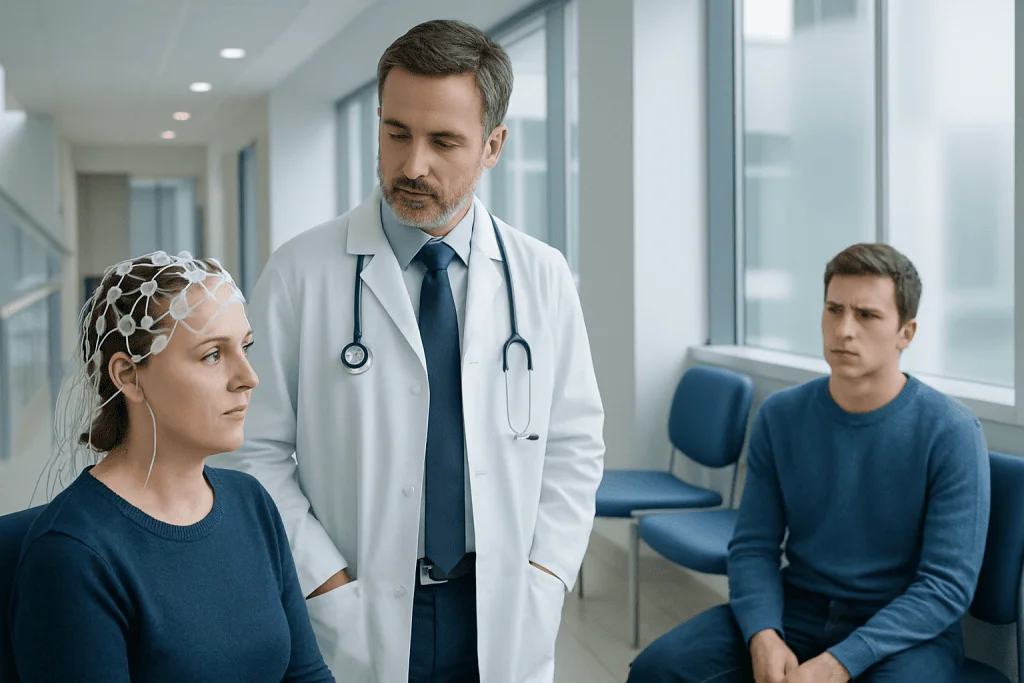
An EEG records brain wave activity through small sensors placed on the scalp. The test can support the diagnosis of seizures and epilepsy, but a normal EEG does not completely rule them out.
Key Takeaways
- An EEG records brain wave activity through small sensors placed on the scalp.
- The test can support the diagnosis of seizures and epilepsy, but a normal EEG does not completely rule them out.
- EEG may also help assess blackouts, confusion, altered awareness, and other brain-related symptoms.
- Preparation is usually simple, and the test is painless and noninvasive.
- Results are interpreted together with symptoms, medical history, examination findings, and often brain imaging.
An electroencephalogram, or EEG, is a test that records the brain’s electrical activity. It can help doctors evaluate seizures, unexplained blackouts, and episodes of confusion by showing brain wave patterns that may suggest epilepsy or other neurological problems.
Overview: What an EEG Can Show
An electroencephalogram, commonly called an EEG, is a test that records the electrical signals produced by the brain. Small sensors called electrodes are placed on the scalp to detect brain wave patterns. The test does not send electricity into the body; it simply measures the brain’s natural activity.
Doctors often request an EEG when a person has had a suspected seizure, a blackout, a sudden spell of staring or unresponsiveness, or an episode of unexplained confusion. EEG can sometimes show patterns that suggest a tendency for seizures or epilepsy. It may also help doctors understand whether unusual episodes are coming from the brain or could have another cause.
EEG results are most useful when they are interpreted alongside the person’s symptoms, medical history, physical examination, and other tests. In many cases, an EEG is only one part of a broader neurological assessment, which may also include brain scans and specialist review in clinical neurophysiology or advanced neuroradiology.
When EEG Is Used for Seizures, Blackouts, and Confusion
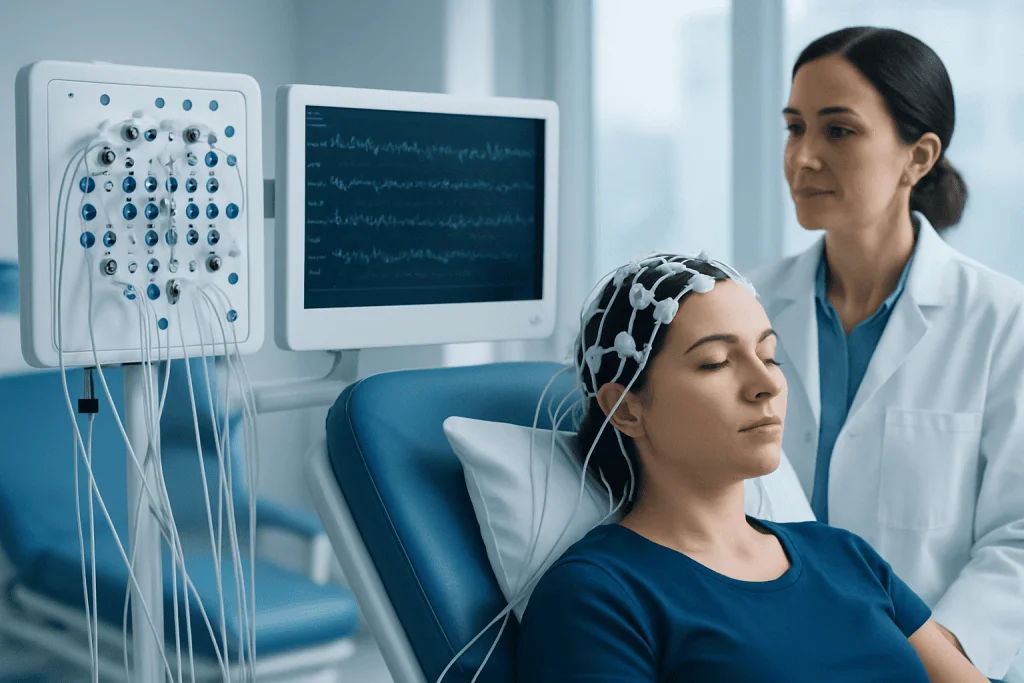
EEG is especially important when symptoms raise concern for seizures. Seizures can cause convulsions, staring spells, unusual movements, sudden loss of awareness, brief confusion, memory gaps, or strange sensations such as unusual smells or feelings of fear. Some seizures are obvious, while others are subtle and may be mistaken for daydreaming, fainting, sleep problems, or anxiety-related episodes.
Blackouts can happen for several reasons. Some are due to fainting, heart rhythm problems, low blood sugar, or medication effects rather than seizures. EEG may help when the history is unclear, particularly if a person has repeated episodes, injuries during an event, tongue biting, confusion afterward, or reports of jerking movements or blank staring.
Confusion can also have many causes, including infection, medication side effects, metabolic problems, sleep deprivation, or neurological conditions. In some situations, EEG is used to look for ongoing seizure activity that is not causing obvious shaking, such as non-convulsive seizures. This can be important in emergency care, after a head injury, after a stroke, or in people with persistent altered mental status related to conditions such as stroke or transient ischemic attack.
EEG may be used in both adults and children. In children with suspected seizure disorders, developmental concerns, or repeated unusual spells, specialist evaluation may involve pediatric epilepsy care or pediatric neurology assessment.
How the Test Works and What to Expect
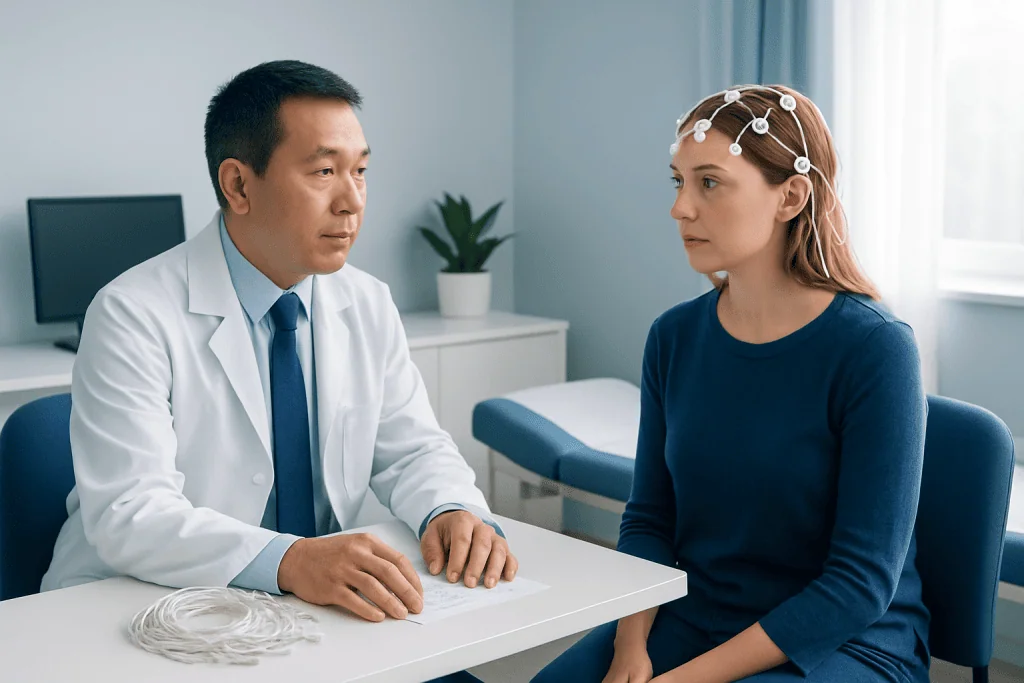
During a routine EEG, the person usually sits in a reclining chair or lies on a bed while the electrodes are attached to the scalp with paste or adhesive. The recording often takes 20 to 40 minutes, although the full appointment may be longer. The person is asked to relax, and sometimes to open and close the eyes, breathe deeply for a few minutes, or look at flashing lights. These steps may bring out abnormal brain wave patterns in some people.
The test is painless. The electrodes only record activity and do not cause shocks. Most people can go home soon afterward and return to usual activities unless they have been given different instructions. If a sedating medicine is used, or if a seizure occurs during testing, someone may need to accompany the patient home.
In some cases, a routine EEG does not capture enough information. Doctors may then recommend a sleep-deprived EEG, ambulatory EEG worn at home over a day or more, or video EEG monitoring in hospital. These longer studies can increase the chance of recording a typical event and linking symptoms to brain wave changes.
Video EEG is particularly helpful when episodes are infrequent or hard to classify. It allows doctors to compare the person’s movements, awareness, and behavior with the EEG recording at the same moment. This can help distinguish epileptic seizures from fainting, sleep-related events, movement disorders, or non-epileptic episodes.
Preparing for an EEG
Preparation for an EEG is usually simple. The scalp and hair should be clean and free from oils, sprays, or styling products, because these can make it harder for the electrodes to stick well. Depending on the type of EEG, the person may be asked to sleep less than usual the night before, especially if sleep-deprived recording is planned.
It is important to follow the medical team’s instructions about medicines. Patients should not stop seizure medicines or other prescriptions unless a doctor specifically advises it. Bringing a list of medications, details about recent episodes, and any witness descriptions can make the test more useful.
Some centers ask the patient to eat normally before the EEG to reduce the chance of low blood sugar, which can affect how a person feels. Caffeine may need to be limited before certain EEGs. If the EEG is being done to investigate spells that happen during sleep, the timing of the test may be adjusted to increase the chance of capturing relevant activity.
For children or people with anxiety about testing, gentle explanation can help. Parents may be encouraged to bring comfort items, snacks, or activities for waiting time. The test team usually works carefully to make the process as calm and manageable as possible.
What the Results May Mean
An EEG can show normal brain wave patterns or abnormal ones. Some abnormalities suggest a higher likelihood of seizures, such as epileptiform discharges or patterns that come from one part of the brain or from both sides. These findings can help support a diagnosis of epilepsy and may also give clues about the type of seizure a person is having.
However, a normal EEG does not always mean that seizures are not happening. Brain wave abnormalities may appear only occasionally, and a short recording may miss them. This is why doctors often rely on the full clinical picture rather than the EEG result alone. If suspicion remains high, a repeat EEG or longer monitoring may be recommended.
EEG can sometimes show more general slowing or other nonspecific changes. These patterns do not necessarily mean epilepsy, but they can suggest that the brain is under stress from another issue such as infection, inflammation, medication effects, metabolic disturbance, or structural brain disease. In this way, EEG can help point the evaluation in the right direction even when it does not provide a final diagnosis.
EEG findings may also contribute to decisions about further tests, such as blood work, brain MRI, cardiac evaluation for fainting, or consultation with specialists in areas like neurological sleep medicine if sleep-related events are suspected. The final interpretation always needs to be made by a qualified clinician with experience in EEG and seizure disorders.
Conditions EEG Can Help Evaluate
The most familiar use of EEG is in epilepsy, but it can assist in a wider range of situations. Doctors may use it to assess recurrent staring spells, episodes of altered awareness, unexplained shaking, sudden collapse, memory lapses, or confusion after illness or injury. It can also be useful in intensive care settings when there is concern about seizure activity that is not outwardly visible.
EEG may help evaluate conditions affecting brain function more broadly. For example, after a serious infection, inflammation, stroke, or head trauma, the brain’s electrical activity may change. In people with persistent confusion, unusual behavior, or reduced responsiveness, EEG can help determine whether seizures are contributing to the picture.
Sometimes the EEG is part of an investigation for symptoms that later turn out to have a different explanation. Blackouts may be due to heart-related fainting, panic attacks, or sleep disorders. Brief neurological episodes can also overlap with migraine, movement disorders, or structural conditions. Depending on symptoms, doctors may consider related diagnoses such as chronic subdural hematoma or other neurological causes that require different testing and treatment.
When EEG findings suggest a specific seizure focus or a more complex neurological disorder, patients may benefit from multidisciplinary care. Near the end of the diagnostic process, some individuals may also be evaluated by teams offering services such as interventional neurology when vascular or other specialized neurological issues are part of the broader assessment.
Limits of EEG and Other Tests That May Be Needed
Although EEG is very useful, it has limits. It records electrical activity from the brain through the scalp, so deeper or brief abnormalities may not always be detected. An abnormal EEG does not automatically confirm epilepsy, and a normal EEG does not completely exclude it. For this reason, EEG should be seen as one important piece of evidence rather than a standalone answer.
Doctors often combine EEG with other investigations depending on the situation. Brain MRI may be used to look for structural causes such as scarring, a previous injury, inflammation, or a growth. Blood tests may help identify infection, electrolyte imbalance, low blood sugar, or organ-related problems that can trigger confusion or seizure-like events.
If a blackout may have been caused by fainting rather than a seizure, heart tests such as ECG monitoring may be appropriate. If events seem to occur during sleep, a sleep study or specialist review can be helpful. In emergency situations, rapid assessment is especially important if a person has severe headache, new weakness, prolonged confusion, or symptoms suggesting bleeding or infection in the brain.
A careful witness account is often extremely valuable. Details such as how the episode started, how long it lasted, whether there were jerking movements, eye deviation, color change, incontinence, or confusion afterward can help doctors interpret the EEG and choose the right next steps.
When to Seek Medical Advice
Medical evaluation is advisable after a first suspected seizure, repeated blackouts, or unexplained episodes of confusion. Even if the person feels well afterward, these symptoms deserve professional assessment because they may come from the brain, the heart, or another body system. Prompt review can help identify treatable causes and reduce the risk of further episodes.
Urgent medical care is needed if a seizure lasts several minutes, repeated seizures happen without recovery in between, breathing seems impaired, or the person is injured, pregnant, or has diabetes. Emergency attention is also important if confusion is severe or prolonged, or if it occurs with fever, stiff neck, severe headache, one-sided weakness, difficulty speaking, or after a head injury.
For people already diagnosed with epilepsy, changes in seizure pattern, medication side effects, or new cognitive symptoms should be discussed with a doctor. Good follow-up helps ensure that treatment remains appropriate and that any new symptoms are fully assessed rather than being automatically attributed to a known diagnosis.
At Acibadem International, multidisciplinary neurology specialists in JCI-accredited hospitals evaluate symptoms such as seizures, blackouts, and confusion for international patients, using EEG and related diagnostic tools when appropriate. The most suitable tests and treatment plan should always be individualized by a qualified healthcare professional.
Frequently asked questions
What is an EEG and does it hurt?
An EEG is a test that records the brain’s electrical activity using small sensors placed on the scalp. It is painless and noninvasive. The electrodes do not send electricity into the body.
Can an EEG diagnose epilepsy on its own?
An EEG can strongly support the diagnosis of epilepsy if it shows characteristic seizure-related patterns. However, epilepsy is not diagnosed from the EEG alone. Doctors also consider symptoms, witness descriptions, examination findings, and often brain imaging.
If the EEG is normal, does that mean there were no seizures?
Not necessarily. Some people with seizures have a normal routine EEG because abnormal activity may not happen during the recording. If suspicion remains, a doctor may recommend repeat testing, sleep-deprived EEG, or longer video EEG monitoring.
Why might someone with blackouts or confusion need an EEG?
Blackouts and confusion can sometimes be caused by seizures, including seizures without shaking. EEG may help doctors see whether the brain is showing patterns that fit with seizure activity. It can also help guide further testing when the cause is uncertain.
How should a person prepare for an EEG?
Hair should usually be washed and left free of oils, gels, or sprays so the electrodes can attach properly. The patient should follow instructions about sleep, food, caffeine, and medicines. It is important not to stop prescribed medication unless a doctor specifically advises it.
How long does an EEG take?
A routine EEG often records brain activity for about 20 to 40 minutes, though the appointment may take longer. Some people need ambulatory or video EEG monitoring over many hours or several days. The length depends on the symptoms and how much information is needed.
References
- World Health Organization
- International League Against Epilepsy
- National Institute of Neurological Disorders and Stroke
- Mayo Clinic
- NHS
This article is for general information only and is not a substitute for professional medical advice. Please consult a qualified doctor about your individual situation.
Hair transplant in Turkey — costs, graft counts & a free assessment
JCI-accredited · board-certified surgeons · reply within 24h
Add us as a Preferred Source to see more of our trusted health content across Google Search, AI Overviews and Discover.

Neurology
Diagnosis and treatment of disorders of the brain, spinal cord, nerves and muscles.
51 specialists in this unit