

Breast Augmentation Cost in Turkey: What Affects the Final Price?

The final price usually reflects surgeon experience, implant type, hospital standards, and the complexity of surgery. A lower quote may not include tests, anesthesia, garments, medication, or follow-up care.
Key Takeaways
- The final price usually reflects surgeon experience, implant type, hospital standards, and the complexity of surgery.
- A lower quote may not include tests, anesthesia, garments, medication, or follow-up care.
- Combined procedures, revision surgery, or longer recovery needs can increase the overall cost.
- Patients should compare total treatment packages, not just the advertised starting price.
- Safety, clear communication, and proper aftercare are as important as budget.
Breast augmentation cost in Turkey is shaped by several medical and practical factors rather than one fixed fee. Understanding what is included can help patients compare options more safely and make informed decisions.
Overview: Why Breast Augmentation Costs Can Vary
Breast augmentation is a personalized cosmetic procedure, so the cost is rarely the same for every patient. In Turkey, the final price can vary depending on the surgical plan, the type of implants used, the hospital setting, and what services are included before and after the operation. For this reason, advertised prices should be seen as a starting point rather than a guaranteed total.
Many people choose Turkey for aesthetic procedures because it offers experienced specialists, modern hospitals, and coordinated care for international patients. However, breast augmentation cost in Turkey still depends on individual needs. A patient who requires standard implant placement may have a different quote from someone who needs asymmetry correction, implant exchange, or a combined lift and augmentation.
It is also important to understand exactly what a quote covers. Some clinics may present a basic surgical fee, while others provide a broader package that includes consultation, imaging or laboratory tests, anesthesia, hospital stay, compression garments, medication, and follow-up appointments. A clear written treatment plan helps patients compare options fairly and avoid unexpected expenses.
What Is Usually Included in the Price

When reviewing breast augmentation prices, patients should ask for an itemized breakdown. A comprehensive quote often includes the surgeon’s fee, anesthesia, operating room costs, implants, preoperative assessment, and postoperative checks. In some centers, support services for international patients may also be part of the package.
Hospital-based care may include nursing services, routine medications immediately after surgery, and one night of observation if needed. Some plans also cover a surgical bra or compression garment, while others list it separately. Knowing these details in advance can make budgeting more accurate and reduce stress.
Common inclusions may involve:
- Preoperative consultation and physical examination
- Implant selection and surgical planning
- Anesthesia and operating room fees
- Hospital stay, if required
- Routine postoperative follow-up
- Basic aftercare instructions and support
If a quote seems much lower than expected, it is wise to check whether implant brand, blood tests, medications, or revision-related policies are excluded. Patients exploring breast augmentation or broader aesthetic breast surgery options may find that package details vary significantly between providers.
Main Medical Factors That Affect the Final Price

One of the biggest cost factors is the experience and qualifications of the plastic surgeon. Surgeons with extensive training in breast procedures and a strong focus on patient safety may charge more, especially when operating in accredited hospital settings. While cost matters, choosing a properly qualified surgeon is essential for informed planning and safe care.
The type of implant also affects price. Costs may differ based on implant brand, shape, profile, surface characteristics, and whether the implant is saline or silicone gel-filled. In many practices, premium implant options can raise the total cost. Patients should discuss why a particular implant is recommended for their anatomy, goals, and tissue characteristics rather than choosing based on price alone.
Surgical technique influences cost as well. Implant placement above or below the chest muscle, incision location, and whether extra surgical steps are needed can all change the length and complexity of the procedure. If breast asymmetry is significant, or if a patient needs a breast lift at the same time, the operation may require more planning and operating time. In such cases, a combined approach such as breast lift with augmentation can increase the final fee.
Revision surgery is often more complex than first-time augmentation. Scar tissue, implant removal, capsule-related problems, or correction of previous results may require additional expertise and longer surgery. For this reason, secondary procedures such as breast prosthesis removal or replacement are often priced differently from primary augmentation.
Non-Medical Costs Patients Should Consider
For international patients, the overall budget may include more than the operation itself. Travel expenses, accommodation, local transfers, and time away from work can all affect the total cost of breast augmentation in Turkey. Even when a clinic package appears comprehensive, personal expenses outside the hospital should still be planned carefully.
The length of stay in Turkey may vary depending on the surgical plan and recovery progress. Some patients need only a short visit, while others prefer to stay longer for follow-up checks before flying home. This can affect hotel costs and practical arrangements such as companion travel or childcare at home.
Exchange rates and payment methods may also influence the final amount paid. Patients should ask which currency is used, whether there are separate charges for card transactions or bank transfers, and whether the quote remains fixed for a certain period. Clear financial communication helps avoid confusion later.
Some patients also consider related aesthetic procedures during the same trip. While combining surgeries may seem efficient, it can increase cost, recovery needs, and medical complexity. Any decision to combine procedures should be based on medical suitability rather than convenience alone.
How to Compare Quotes Safely
Comparing prices is sensible, but the safest comparison is between like-for-like treatment plans. A lower price may reflect fewer included services, different implant options, or a non-hospital setting. Patients should ask for a written explanation of what is covered, what is optional, and what situations could lead to additional charges.
Useful questions include whether preoperative tests are included, who provides anesthesia, what type of implants are planned, how many follow-up visits are covered, and what happens if an unexpected overnight stay is needed. It is also reasonable to ask about the hospital’s accreditation, infection control standards, and emergency support arrangements.
Patients should look beyond before-and-after photos alone. A consultation should include discussion of goals, breast measurements, skin quality, asymmetry, implant sizing, incision options, and possible risks such as capsular contracture, implant malposition, or visible rippling. A provider who explains limitations and recovery honestly is often a better choice than one who focuses only on attractive pricing.
In some situations, breast shape concerns may be part of a broader breast surgery discussion rather than augmentation alone. For example, people comparing options may also read about breast aesthetics or, in different patient groups, gynecomastia treatment pathways to understand how surgical planning changes by condition.
Recovery, Aftercare, and Possible Extra Expenses
Recovery needs can also influence the overall cost. After breast augmentation, patients usually need routine follow-up, temporary activity restrictions, and supportive garments. Some may require extra appointments if swelling, discomfort, wound concerns, or healing questions arise. These follow-up needs may or may not be fully included in the original quote.
Medication costs can differ depending on what is prescribed and whether the package covers them. In addition, some patients may need ultrasound or other imaging later if the surgeon wants to assess healing or implant position. Although these are not always necessary, they are worth asking about in advance.
Time off work is another practical expense. People with physically demanding jobs may need more recovery time than those with desk-based work. Travel plans should also allow enough time before flying, based on the surgeon’s advice and the patient’s progress.
Revision policies are particularly important. No surgeon can guarantee a lifelong result or eliminate the possibility of future procedures. Patients should ask how the clinic manages concerns such as implant rupture, capsular contracture, visible asymmetry, or dissatisfaction with size after healing. If a patient has a history of problematic scarring, discussing risks such as keloid scars may also be helpful during preoperative planning.
Choosing a Qualified Provider in Turkey
The best value in surgery is not simply the lowest price but the combination of safety, expertise, clear communication, and appropriate aftercare. Patients should look for a board-certified or equivalently qualified plastic surgeon, an accredited hospital or surgical facility, and a team that provides detailed preoperative and postoperative guidance. A thorough consultation is essential for realistic planning.
It is helpful to choose a provider who explains expected outcomes, limitations, scarring, recovery stages, and long-term implant considerations in understandable language. Patients should feel comfortable asking about surgeon experience, implant selection, possible complications, and whether the surgical plan is tailored to their body proportions and goals.
For international patients, good coordination matters. This may include help with scheduling, interpreters if needed, and a clear plan for remote follow-up after returning home. Near the end of the decision process, some patients may also explore options such as breast fat transfer if they prefer to discuss alternatives to implants with their surgeon.
Acibadem International’s multidisciplinary specialists and JCI-accredited hospitals diagnose and treat aesthetic breast concerns for international patients, with treatment planning based on individual anatomy, health, and goals. Whatever center a patient chooses, careful research and a full medical consultation remain the most important steps.
Frequently asked questions
Is breast augmentation in Turkey always cheaper than in other countries?
Not always, and the total depends on what is included in the quote. Turkey may offer competitive pricing, but surgeon expertise, implant choice, hospital standards, and aftercare can still change the final cost.
What are the biggest factors affecting breast augmentation cost in Turkey?
The main factors are the surgeon’s experience, implant type and brand, anesthesia, hospital or clinic fees, and whether extra procedures are needed. Travel, accommodation, and recovery-related costs can also add to the total for international patients.
Do cheaper quotes mean lower quality?
Not necessarily, but a lower quote should be examined carefully. It may exclude important items such as tests, garments, medication, follow-up visits, or the implant brand, so patients should always ask for a full written breakdown.
Can combining a breast lift with augmentation increase the price?
Yes. Combined surgery is usually more complex and may require more operating time, planning, and recovery support, which can increase the total cost.
Are implants the only cost-related choice in breast augmentation?
No. Implant selection is important, but costs are also influenced by surgical technique, facility standards, anesthesia, and whether the surgery is a first-time procedure or a revision. Follow-up care and travel planning may also affect the full budget.
What should patients ask before accepting a quote?
They should ask what is included, what may cost extra, which implants are planned, where the operation will take place, and how follow-up care is handled. It is also sensible to ask about recovery time, possible future revision needs, and who to contact after returning home.
References
- American Society of Plastic Surgeons
- International Society of Aesthetic Plastic Surgery
- U.S. Food and Drug Administration
- National Health Service
- Aesthetic Society
This article is for general information only and is not a substitute for professional medical advice. Please consult a qualified doctor about your individual situation.
Breast Augmentation in Turkey — costs, top hospitals & a free quote
JCI-accredited · board-certified surgeons · reply within 24h
Add us as a Preferred Source to see more of our trusted health content across Google Search, AI Overviews and Discover.

Plastic, Reconstructive & Aesthetic Surgery
Reconstructive and aesthetic procedures for the face and body, performed by experienced surgeons.
35 specialists in this unitRelated Treatments
Related Conditions
More from the Health Library


Related Specialists
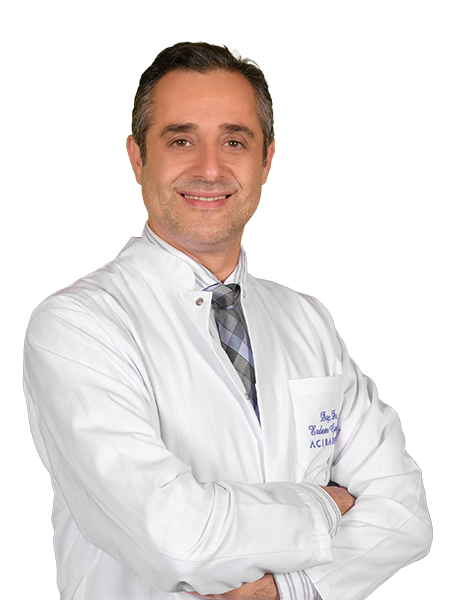
Assoc. Prof. Dr. Erdem Güven (m)
Aesthetic Plastic & Reconstructive Surgery
Prof. Dr. Şükrü Yazar
Aesthetic Plastic & Reconstructive Surgery
Prof. Dr. Hakan Ağır
Aesthetic Plastic & Reconstructive Surgery
Prof. Dr. Bülent Saçak
Aesthetic Plastic & Reconstructive Surgery