

How Much Is Rhinoplasty in Turkey?

Rhinoplasty cost in Turkey varies based on surgical complexity, surgeon expertise, and hospital or clinic standards. A lower price is not always better; safety, accreditation, and careful planning matter most.
Key Takeaways
- Rhinoplasty cost in Turkey varies based on surgical complexity, surgeon expertise, and hospital or clinic standards.
- A lower price is not always better; safety, accreditation, and careful planning matter most.
- Primary and revision rhinoplasty are priced differently, with revision surgery often being more complex.
- Patients should ask what is included, such as consultation, tests, anesthesia, hospital stay, and follow-up care.
- A detailed in-person or virtual assessment is needed before any reliable quote can be given.
Rhinoplasty in Turkey can cost less than in many other countries, but the final price depends on more than location alone. Surgeon experience, hospital standards, the complexity of the nose, and what is included in the treatment plan all help determine overall value.
Overview: How much is rhinoplasty in Turkey?
Rhinoplasty in Turkey is often considered by people seeking nose reshaping because treatment may be more affordable than in some other countries while still being offered in modern hospitals. Even so, there is no single fixed price for rhinoplasty. The cost depends on the patient’s anatomy, the goals of surgery, the technique used, the surgeon’s qualifications, and the standards of the hospital or surgical center.
In simple terms, rhinoplasty is not priced like a standard retail service. It is an individualized operation that may be cosmetic, functional, or both. Some people want a subtle change to the bridge or tip, while others need correction after injury, breathing problems, or a previous operation. These differences can significantly affect planning, operating time, and recovery needs.
When comparing options, patients are usually advised to look beyond the headline price. A quote may or may not include consultations, blood tests, imaging, anesthesia, medications, hospital stay, translation support, follow-up visits, or revision policies. Understanding exactly what is included helps patients compare offers more fairly and make safer decisions.
What affects the cost of rhinoplasty in Turkey?

Several factors influence the price of rhinoplasty in Turkey. One of the most important is whether the operation is a primary rhinoplasty or a revision rhinoplasty. Primary rhinoplasty is a first-time procedure, while revision surgery is performed to improve the result of a previous nose operation. Revision cases are often more demanding because of scar tissue, altered anatomy, or reduced cartilage support.
The complexity of the nose also matters. A small cosmetic refinement may require less surgical work than a nose with significant deviation, breathing problems, thick skin, asymmetry, or changes related to facial trauma. If the operation includes both appearance and function, surgical planning may be more detailed and involve a broader team approach.
Price is also affected by where and by whom the surgery is performed. Highly experienced surgeons, especially those who focus on facial or nasal surgery, may charge more. Likewise, JCI-accredited hospitals, advanced operating facilities, and specialist anesthesia teams can raise overall cost but may also improve safety and continuity of care.
- Type of rhinoplasty: primary, revision, functional, or combined
- Surgical technique: open or closed approach
- Need for cartilage grafts from the septum, ear, or rib
- Length of surgery and complexity of anesthesia
- Hospital stay, medications, and follow-up appointments
- Interpreter services and international patient coordination, if needed
Primary vs revision rhinoplasty: why prices differ

Primary rhinoplasty is generally more straightforward because the surgeon is operating on tissue that has not been surgically changed before. Even in first-time surgery, however, the operation can still be technically challenging. The nose must remain functional while also fitting the person’s facial features and goals. Good planning is essential, particularly if the patient wants a natural rather than dramatic result.
Revision rhinoplasty is usually more expensive because it is often more complex and less predictable. Scar tissue, previous removal of cartilage, skin changes, and internal narrowing can make the operation longer and technically harder. The surgeon may need to rebuild support structures using grafts. Patients considering revision surgery should be especially careful about choosing a specialist with extensive rhinoplasty experience.
Some patients also seek surgery for both appearance and breathing. If there are concerns about nasal obstruction, septal deviation, or valve collapse, the operation may include reconstructive elements in addition to aesthetic reshaping. This can influence cost, but it may also improve quality of life by addressing form and function together.
What should be included in a rhinoplasty quote?
A useful rhinoplasty quote should clearly explain what the patient is paying for. Without this detail, it can be difficult to compare providers. Some offers appear less expensive at first but exclude important parts of care, which can lead to unexpected costs later.
Patients should ask whether the quote includes the initial consultation, pre-operative tests, anesthesia, surgeon’s fee, hospital or operating room charges, overnight stay if needed, medications, dressings, and follow-up visits. International patients may also want to ask about airport transfer, translation support, and accommodation planning, although travel-related items are not always part of the medical package.
It is also helpful to ask about aftercare and what happens if concerns arise during recovery. A clear treatment plan should explain who the patient can contact, how follow-up is arranged, and whether cast or splint removal is included. If a provider offers a broad range of cosmetic (aesthetic) surgery, this may help coordinate care, but each operation should still be assessed individually rather than as part of a generic package.
How to choose value, not just the lowest price
Choosing rhinoplasty based only on cost can be risky. The nose is a central facial structure with both cosmetic and breathing functions, so precision matters. A well-performed operation aims for harmony with the rest of the face, long-term structural support, and safe healing. This is why many patients focus on value rather than simply the lowest quote.
Useful questions include whether the surgeon is experienced in rhinoplasty specifically, whether surgery is performed in an accredited hospital, what pre-operative assessment is offered, and how realistic expectations are discussed. Reviewing before-and-after photographs can be helpful, but they should be interpreted carefully because every face and every nose is different.
Patients may also ask whether related facial balancing procedures are ever considered when appropriate. In some cases, nasal appearance is influenced by the chin or midface, so discussion of options such as chin aesthetic or cheek augmentation may arise during consultation. These are not necessary for everyone, but they can help patients understand the full picture of facial proportion.
Recovery, travel planning, and hidden cost considerations
Recovery is an important part of the total treatment experience and can affect indirect cost. After rhinoplasty, patients usually need time for swelling, bruising, and early healing. A splint is often worn for about a week, and visible swelling improves gradually, while subtle changes can continue for months. Because healing is not immediate, patients should plan enough time in Turkey for early reviews and safe travel.
Indirect costs may include flights, accommodation, time away from work, and practical support during the first few recovery days. A patient traveling from abroad should ask when it is safe to fly home, what medications will be needed, and how follow-up will continue after returning home. These issues do not always affect the surgical fee itself, but they can affect the true overall cost.
Patients should also remember that every nose heals differently. A surgeon cannot guarantee an exact appearance, and small asymmetries or prolonged swelling may settle slowly. Careful follow-up helps identify what is normal healing and what may need further evaluation. For international patients, Acibadem International’s multidisciplinary specialists and JCI-accredited hospitals diagnose and treat patients seeking aesthetic nasal surgery with structured assessment and follow-up planning.
When to seek consultation and what to ask
A consultation is the best way to receive a realistic estimate for rhinoplasty in Turkey. During this visit, the surgeon evaluates nasal shape, skin thickness, septal support, airway function, and facial balance. The discussion should also cover the patient’s goals, medical history, previous surgeries, and whether expectations are achievable.
Patients often benefit from preparing questions in advance. They may ask whether the planned procedure is open or closed rhinoplasty, whether breathing function will be assessed, how long recovery may take, and what kind of results are realistic. It is also wise to ask how often the surgeon performs rhinoplasty and whether revision cases are part of their routine practice.
If there is a history of scarring problems, it is sensible to mention it, especially in people prone to keloid scars. While external rhinoplasty incisions are usually small and carefully placed, individual healing can vary. A thorough consultation helps personalize both the surgical plan and the cost estimate.
Frequently asked questions
Is rhinoplasty in Turkey cheaper than in other countries?
It can be less expensive than in some countries, but prices vary widely. The overall cost depends on the surgeon, hospital standards, complexity of surgery, and what is included in the treatment package.
Why can two rhinoplasty quotes in Turkey be very different?
Quotes may differ because the operations are not identical. One price may include tests, anesthesia, and follow-up visits, while another may exclude some of these services. Surgeon experience and the difficulty of the case also strongly affect price.
Is revision rhinoplasty more expensive than first-time surgery?
In many cases, yes. Revision rhinoplasty is often technically more complex because of scar tissue, structural weakness, or changes from previous surgery. It may require grafting and longer operating time.
Does a higher price always mean better rhinoplasty?
Not always, but very low prices should be assessed carefully. Patients should look at hospital accreditation, surgeon expertise, consultation quality, and follow-up care rather than cost alone.
What should patients ask before booking rhinoplasty in Turkey?
They should ask what the quote includes, who will perform the surgery, where it will take place, and how follow-up is arranged. It is also helpful to ask about risks, expected recovery, and whether the surgeon has experience with similar noses and goals.
How long should someone stay in Turkey after rhinoplasty?
The exact timing depends on the procedure and the surgeon’s advice, but patients usually need to stay long enough for early recovery checks and splint management. Travel plans should allow flexibility in case swelling or follow-up needs change.
References
- American Society of Plastic Surgeons
- International Society of Aesthetic Plastic Surgery
- American Academy of Facial Plastic and Reconstructive Surgery
- National Health Service
- Mayo Clinic
This article is for general information only and is not a substitute for professional medical advice. Please consult a qualified doctor about your individual situation.
Rhinoplasty in Turkey — costs, top hospitals & a free quote
JCI-accredited · board-certified surgeons · reply within 24h
Add us as a Preferred Source to see more of our trusted health content across Google Search, AI Overviews and Discover.

Related Treatments
Related Conditions
More from the Health Library



Related Specialists
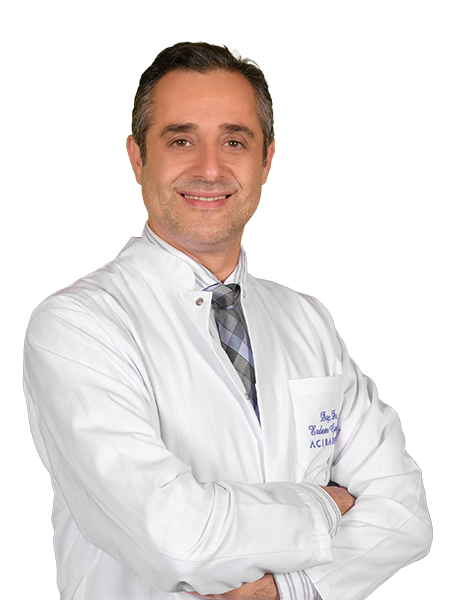
Assoc. Prof. Dr. Erdem Güven (m)
Aesthetic Plastic & Reconstructive Surgery
Prof. Dr. Şükrü Yazar
Aesthetic Plastic & Reconstructive Surgery
Prof. Dr. Hakan Ağır
Aesthetic Plastic & Reconstructive Surgery
Prof. Dr. Bülent Saçak
Aesthetic Plastic & Reconstructive Surgery