

Is Liposuction Painful? What Patients Feel

During liposuction, anesthesia is used so patients should not feel the procedure itself. After surgery, soreness, swelling, bruising, and tightness are more common than severe pain.
Key Takeaways
- During liposuction, anesthesia is used so patients should not feel the procedure itself.
- After surgery, soreness, swelling, bruising, and tightness are more common than severe pain.
- Pain levels vary by treatment area, the amount of fat removed, and the individual’s healing response.
- Compression garments, movement, rest, and prescribed medicines can help manage discomfort.
- Severe or worsening pain, fever, or increasing redness should be checked by a doctor promptly.
Liposuction is not usually described as severely painful, but it does involve discomfort during recovery. Most patients report soreness, swelling, bruising, and tenderness that feel more like intense muscle aches than sharp pain.
Overview: How Painful Is Liposuction?
When patients ask, “Is liposuction painful?” the most accurate answer is that the procedure itself is usually not painful because anesthesia is used. What most people notice is discomfort during recovery rather than pain during surgery. This discomfort often includes soreness, swelling, bruising, tenderness, and a feeling of tightness in the treated area.
Many people compare the sensation after liposuction to the soreness felt after an intense workout, sometimes combined with a bruised feeling. For some, the first few days are the most uncomfortable. After that, symptoms often gradually improve, although mild swelling and sensitivity can last for several weeks.
The experience also depends on the type and extent of the procedure. A small area may lead to a relatively easier recovery, while treatment of several areas or larger-volume fat removal may cause more swelling and a longer healing period. Procedures such as classic liposuction or more targeted contouring approaches are planned individually, so discomfort can vary from person to person.
What Patients Feel During and After the Procedure
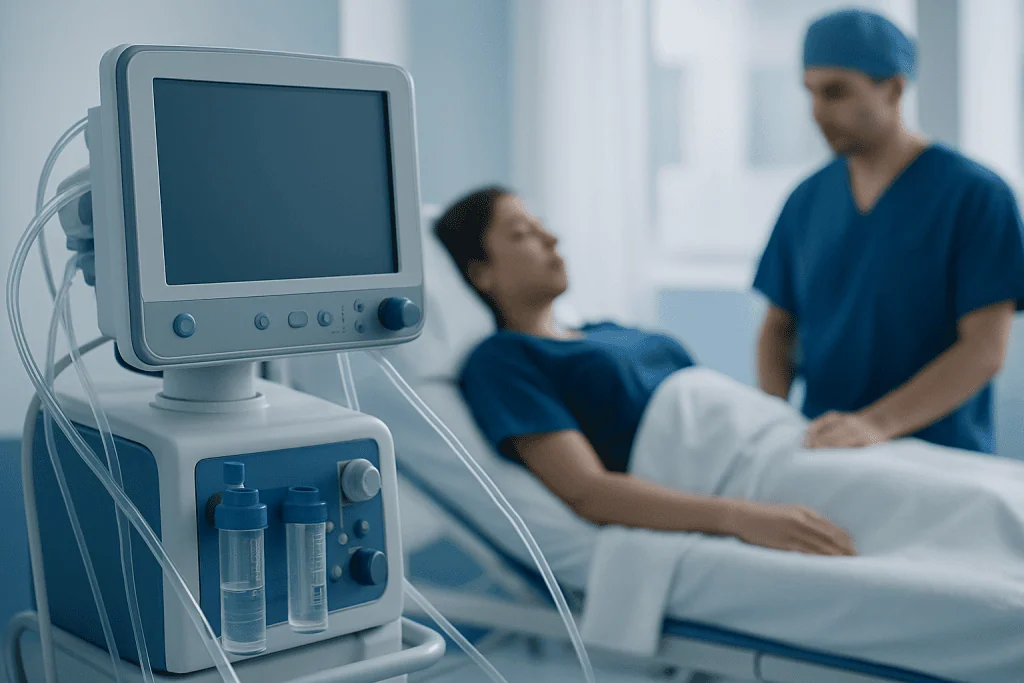
During liposuction, patients may receive local anesthesia, sedation, or general anesthesia, depending on the area being treated and the surgical plan. Because of this, they should not feel pain in the usual sense during the procedure. With local anesthesia, some patients may notice pressure, movement, or a pulling sensation, but the area is numbed to reduce pain.
After surgery, the most common sensations are tenderness, swelling, and a heavy or tight feeling in the treated body part. The area may feel numb in some places and overly sensitive in others. Mild drainage from small incision sites can also occur early on, especially in the first day or two, and this is often a normal part of recovery.
If liposuction is done on specific areas such as the arms, abdomen, flanks, thighs, or neck, the exact sensation may differ. For example, arm liposuction may make lifting or reaching feel uncomfortable for a short time, while body contouring of larger regions may cause more widespread soreness. Patients who combine liposuction with another cosmetic procedure may also feel a more complex recovery pattern.
What Affects Liposuction Pain Levels?

There is no single pain level that applies to everyone. Several factors influence how liposuction feels afterward. One of the most important is the size of the treated area and the amount of fat removed. Larger procedures generally create more tissue trauma, leading to more swelling and a longer period of discomfort.
The body area also matters. Some regions are naturally more sensitive or move more during daily activities, which can make recovery feel harder. A person’s pain tolerance, past surgical experiences, and general health also play a role. Patients who already have skin sensitivity, inflammation, or certain underlying conditions may describe recovery differently than others.
Another important factor is whether liposuction is performed alone or together with another operation. For example, body shaping may be combined with BBL and lipofilling or other contouring procedures, and combined surgeries may lead to more noticeable soreness and mobility limits at first. Smoking, poor sleep, dehydration, and not following aftercare instructions can also make healing feel more difficult.
What Is Normal in Recovery?
Some pain and discomfort after liposuction are expected, especially in the first several days. Normal symptoms often include bruising, swelling, firmness, numbness, tingling, and tenderness when touched. Many patients feel stiff or sore when standing up, walking, or changing positions, particularly if the abdomen, flanks, thighs, or arms were treated.
Compression garments are commonly recommended because they help support tissues, control swelling, and improve comfort. Although they may feel snug, they often reduce the heavy, unstable feeling that can happen after surgery. Light walking is usually encouraged soon after the procedure to support circulation and help prevent stiffness.
It is also common for the skin and soft tissue to feel uneven or lumpy early in recovery. This does not automatically mean there is a problem. Swelling can make results look irregular at first, and the area often softens and settles over time. Patients interested in broader body aesthetics procedures may be advised that final contour changes usually take longer to appear than the initial recovery phase.
How Pain Is Managed After Liposuction
Postoperative discomfort is usually managed with a combination of rest, gentle movement, compression garments, and pain-relief medicines recommended by the surgeon. Doctors may advise prescription or over-the-counter options depending on the procedure and the patient’s health history. It is important for patients to follow the exact instructions given to them and avoid taking extra medicines unless their doctor says it is safe.
Simple recovery habits can also make a meaningful difference. Staying hydrated, eating balanced meals, and avoiding smoking can support healing. Keeping activity light but regular, such as short walks, may help reduce stiffness and improve overall comfort. Some surgeons also recommend specific positioning, garment use, or follow-up massage techniques when appropriate.
Patients should avoid strenuous exercise too early, even if they start to feel better. Overdoing activity can increase swelling and soreness. If the surgery is part of a larger contouring plan after major weight loss, such as bariatric contouring, recovery instructions may be more detailed and should be followed closely for the safest healing course.
When Pain May Signal a Problem
Although soreness and swelling are expected, severe or worsening pain should not be ignored. Pain that suddenly increases instead of gradually improving may signal a complication. Other warning signs include fever, spreading redness, unusual warmth, foul-smelling drainage, shortness of breath, chest pain, or one-sided leg swelling.
Patients should also contact their doctor if they have pain that is not controlled by the recommended treatment plan, or if the treated area becomes unusually hard, very swollen, or significantly more tender over time. While minor contour irregularities can be part of early healing, rapidly changing symptoms deserve medical attention.
Some people worry about scar-related healing, especially if they have a history of raised scars such as keloid scars. This does not usually affect whether liposuction is painful, but it is useful information to discuss before surgery. Prompt follow-up helps doctors distinguish expected recovery from problems that may need treatment.
How to Prepare for a More Comfortable Recovery
Good preparation can make the recovery experience easier. Before surgery, patients can ask what type of anesthesia will be used, what level of discomfort is typical for the planned procedure, how long soreness usually lasts, and which symptoms should prompt a phone call. Understanding the plan in advance often reduces anxiety, which can itself make pain feel more intense.
At home, it helps to set up a comfortable recovery space, arrange help with transportation and daily tasks, and have loose clothing ready. Patients should make sure they understand how to use compression garments, when to shower, how to care for dressings, and when normal walking can start. Clear instructions can prevent unnecessary worry and help support smoother healing.
Choosing a qualified plastic surgeon and accredited hospital is also important. Experienced teams can explain realistic expectations, tailor pain control, and monitor recovery carefully. Near the end of the treatment journey, some international patients choose centers such as Acibadem International, where multidisciplinary specialists in JCI-accredited hospitals diagnose and treat aesthetic concerns including liposuction-related care in a structured setting.
Frequently asked questions
Does liposuction hurt during the procedure?
Liposuction is usually performed with local anesthesia, sedation, or general anesthesia, so patients should not feel the procedure as pain. Some may notice pressure or movement sensations, but the goal is to keep the area numb and comfortable.
What does liposuction pain feel like afterward?
Most patients describe liposuction recovery as soreness, bruising, swelling, and tightness rather than sharp pain. It is often compared to strong muscle aches or a bruised feeling in the treated area.
How long does pain last after liposuction?
Discomfort is usually strongest in the first few days and then gradually improves. Mild tenderness, swelling, or sensitivity can continue for several weeks, depending on the area treated and the amount of fat removed.
Which areas are more painful after liposuction?
Pain can vary by body area because some regions are more sensitive or used more in daily movement. Larger treatment areas or multiple areas treated at once may also feel more uncomfortable during recovery.
Can compression garments help with liposuction pain?
Yes, compression garments often help reduce swelling and support the treated tissues, which can improve comfort. They may feel tight at first, but many patients find that they lessen the heavy or unstable feeling after surgery.
When should someone worry about pain after liposuction?
A doctor should be contacted if pain becomes severe, suddenly worsens, or comes with fever, increasing redness, unusual drainage, chest pain, or shortness of breath. These symptoms are not considered routine recovery and need prompt medical advice.
References
- American Society of Plastic Surgeons
- NHS
- Mayo Clinic
- MedlinePlus
- International Society of Aesthetic Plastic Surgery
This article is for general information only and is not a substitute for professional medical advice. Please consult a qualified doctor about your individual situation.
Explore treatments in Turkey — costs, top hospitals & a free quote
JCI-accredited · board-certified surgeons · reply within 24h
Add us as a Preferred Source to see more of our trusted health content across Google Search, AI Overviews and Discover.

Related Treatments
Related Conditions
More from the Health Library



Related Specialists

Assoc. Prof. Dr. Erdem Güven (m)
Aesthetic Plastic & Reconstructive Surgery
Prof. Dr. Şükrü Yazar
Aesthetic Plastic & Reconstructive Surgery
Prof. Dr. Hakan Ağır
Aesthetic Plastic & Reconstructive Surgery
Prof. Dr. Bülent Saçak
Aesthetic Plastic & Reconstructive Surgery