Types of Eye Surgery for Vision Correction and Eye Health

Eye surgery can be done for vision correction, cataracts, corneal disease, glaucoma, retinal problems, and eyelid or tear duct conditions. Not everyone is a candidate for laser vision correction; corneal thickness, prescription stability, and overall eye health matter.
Key Takeaways
- Eye surgery can be done for vision correction, cataracts, corneal disease, glaucoma, retinal problems, and eyelid or tear duct conditions.
- Not everyone is a candidate for laser vision correction; corneal thickness, prescription stability, and overall eye health matter.
- A full preoperative eye assessment helps match the safest and most effective procedure to the patient’s needs.
- Recovery time varies widely, from a few days after some laser procedures to longer healing after retinal or corneal surgery.
- Prompt medical care is important for sudden vision loss, eye injury, severe pain, or flashes and floaters.
Eye surgery types include procedures that reduce dependence on glasses, treat common eye conditions, and protect vision when disease affects the eye. The best option depends on the part of the eye involved, the person’s visual needs, and a detailed eye examination.
Overview of Eye Surgery Types
Eye surgery is a broad term that includes procedures performed to improve vision, treat eye disease, relieve symptoms, or protect long-term eye health. Some operations are elective, such as laser vision correction for nearsightedness or astigmatism. Others are medically necessary, such as surgery for cataracts, retinal detachment, corneal damage, or tear drainage problems.
The eye is a delicate organ made up of several parts, including the cornea, lens, retina, eyelids, and tear drainage system. Different eye surgery types are designed to treat specific structures. For example, laser refractive procedures reshape the cornea, cataract surgery replaces the cloudy natural lens, and retinal surgery addresses disease at the back of the eye.
Modern eye surgery is often minimally invasive and may be performed with advanced microscopes, lasers, or microsurgical instruments. Many procedures are done as day surgery, though some conditions require a hospital stay or longer follow-up. The most suitable approach depends on the diagnosis, symptom severity, age, lifestyle, and overall eye health.
Common Reasons People Need Eye Surgery
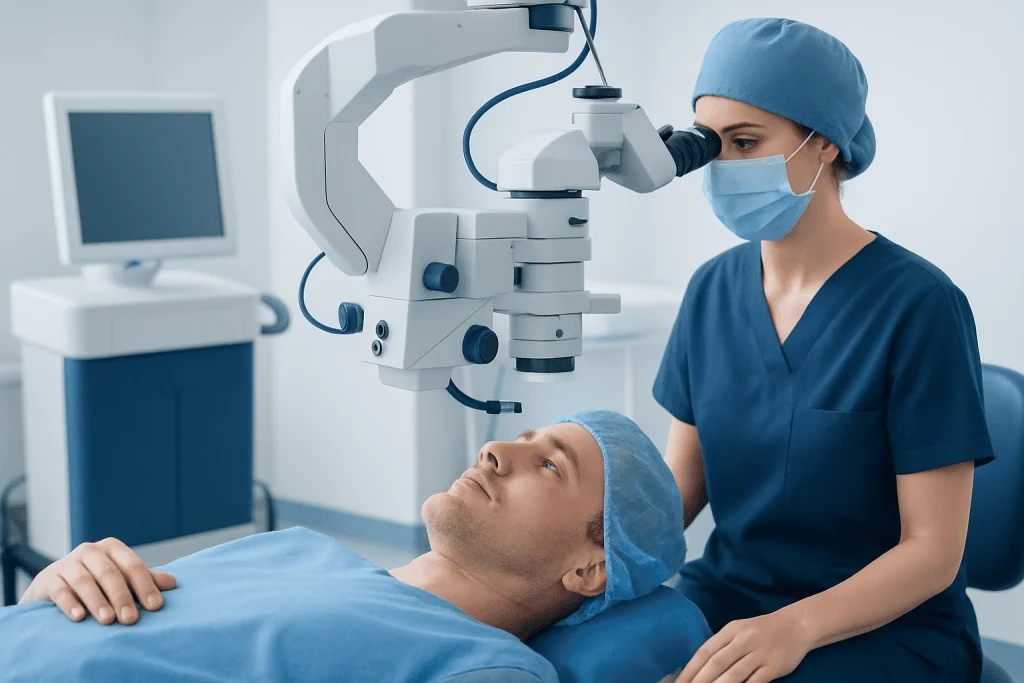
One of the most common reasons for eye surgery is to improve refractive error, meaning the eye does not focus light correctly. This can cause nearsightedness, farsightedness, and astigmatism. Laser procedures may reduce dependence on glasses or contact lenses, though they do not stop natural age-related changes such as presbyopia.
Another major reason is treatment of cataracts, which cause clouding of the natural lens. Cataracts often develop gradually with age and may lead to blurred vision, glare, poor night driving, or faded color perception. When daily activities are affected, cataract surgery is often recommended to remove the cloudy lens and replace it with an artificial intraocular lens.
Eye surgery may also be needed for medical conditions involving the cornea, retina, eyelids, or tear ducts. Examples include keratoconus, corneal scarring, diabetic retinopathy, macular disease, retinal tears, blocked tear ducts, drooping eyelids, or tumors around the eye. In these cases, the goal is usually to preserve vision, reduce discomfort, or prevent further damage rather than simply improve refractive error.
- Vision correction procedures: LASIK, PRK, LASEK, SMILE
- Lens procedures: cataract surgery, lens replacement in selected cases
- Corneal procedures: corneal repair, transplant-related surgery, keratoconus treatment
- Retinal procedures: laser treatment, vitrectomy, retinal repair
- Oculoplastic procedures: eyelid, tear duct, and orbital surgery
Laser Vision Correction Procedures
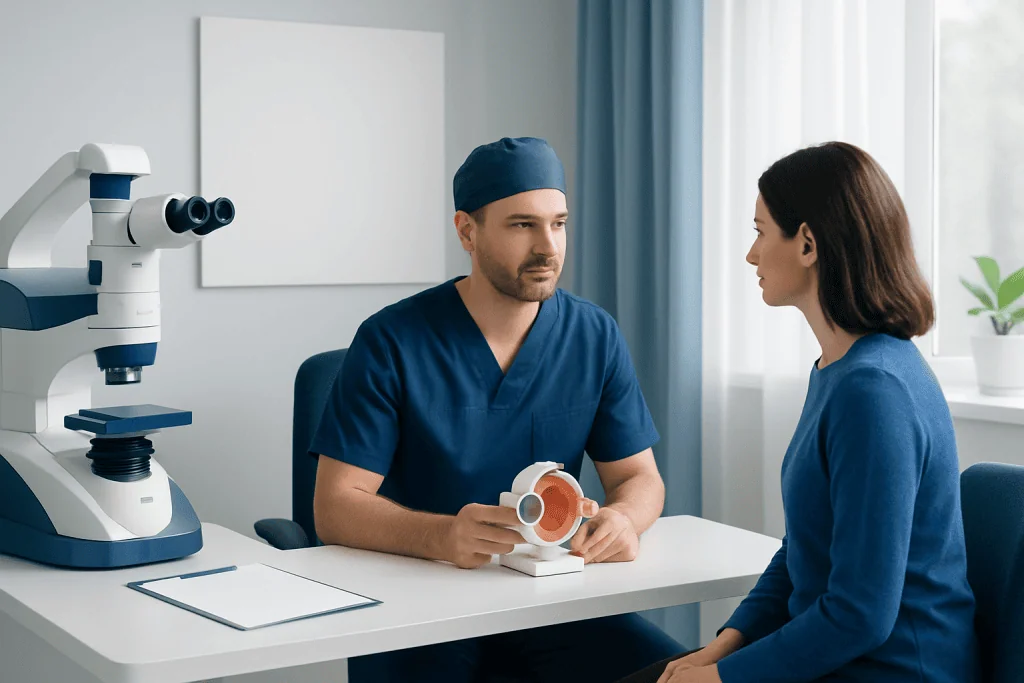
Laser vision correction procedures reshape the cornea so light focuses more accurately on the retina. The best-known option is LASIK, which uses a laser to change the corneal curvature after a thin flap is created. Many people appreciate the quick visual recovery and limited discomfort, but candidacy depends on corneal thickness, stable prescription, and the absence of certain eye conditions.
Other surface-based procedures include PRK and LASEK. These may be considered when the cornea is thinner, when flap-related concerns exist, or when a surgeon believes a surface treatment is more suitable. Recovery is usually slower than LASIK, with more temporary discomfort while the surface heals, but long-term visual outcomes can be very good in appropriately selected patients.
Another option is SMILE, a minimally invasive corneal procedure that removes a small piece of tissue through a tiny incision. Surgeons may recommend it for some people with myopia and certain types of astigmatism. Although these procedures can reduce dependence on glasses, they do not guarantee perfect vision for every person, and some patients may still need spectacles for reading or fine tasks later in life.
People considering laser eye surgery need a detailed assessment, including refraction, corneal mapping, tear film evaluation, and a review of general health. Dry eye disease, pregnancy, unstable prescription, autoimmune disease, or corneal disorders may affect timing or suitability. A realistic discussion of benefits, limitations, and possible side effects is an important part of decision-making.
Lens, Corneal, and Cataract Procedures
Cataract surgery is one of the most commonly performed eye operations worldwide. During the procedure, the surgeon removes the cloudy natural lens and replaces it with a clear artificial lens. This often improves clarity, color perception, and quality of life. In some patients, specialized lenses such as multifocal lenses may reduce the need for glasses, though they are not suitable for everyone.
Corneal procedures are used when the clear front surface of the eye becomes irregular, scarred, thin, or damaged. Conditions such as keratoconus, infection-related scarring, or injury may require cross-linking, corneal reshaping, patching, or more advanced cornea surgery and external disease treatment. The goal may be to improve vision, restore the eye’s surface, reduce pain, or strengthen the cornea.
In selected situations, lens-based surgery may be considered for strong refractive errors or age-related loss of near focus. However, this is different from routine laser vision correction and requires a careful discussion of risks and benefits. Every lens or corneal procedure is chosen according to the patient’s anatomy, eye measurements, expectations, and the presence of other conditions such as glaucoma, retinal disease, or dry eye.
Retinal and Other Sight-Saving Eye Surgeries
The retina is the light-sensitive tissue at the back of the eye, and problems here can threaten vision quickly. Retinal laser procedures may be used to treat tears, diabetic eye disease, or abnormal blood vessels. More complex surgery, such as vitrectomy, may be needed for retinal detachment, bleeding inside the eye, severe infection, or complications of diabetes. These procedures aim to preserve vision and prevent permanent damage.
Some people need surgery for conditions affecting structures around the eye rather than the optical system itself. Tear duct procedures can help when poor drainage causes constant watering or recurrent infection. Eyelid and orbital surgery may be recommended for drooping lids, tumors, injuries, or reconstructive needs. These operations can improve comfort, protect the surface of the eye, and support normal vision.
Specialized care may also be required for complex conditions involving the optic nerve or visual pathways. For example, neuro-ophthalmic assessment may help when visual symptoms are linked to neurological disease rather than the eye itself. In many cases, surgery is only one part of treatment, and patients may also need injections, medicines, laser therapy, or long-term monitoring.
How Doctors Decide Which Procedure Is Best
Choosing among eye surgery types starts with a thorough medical and eye history. The ophthalmologist will ask about vision goals, symptoms, medications, previous eye problems, general health conditions, and whether the person uses glasses or contact lenses. This discussion helps identify what the patient hopes to achieve and whether surgery is likely to help.
A detailed eye examination is essential before any procedure. Tests may include visual acuity, refraction, corneal topography, pupil measurements, tear assessment, pressure measurement, retinal evaluation, and imaging of the eye when needed. These tests help determine whether the issue lies in the cornea, lens, retina, optic nerve, or surrounding tissues.
Doctors also consider expectations and lifestyle. A person who wants less dependence on glasses may have different priorities from someone who needs urgent treatment for retinal disease or cataracts affecting daily life. The safest approach is one tailored to the individual rather than choosing a procedure based only on popularity or convenience.
Patients are usually advised about possible side effects and recovery needs in advance. Depending on the procedure, temporary dry eye, glare, fluctuating vision, sensitivity to light, redness, or the need for follow-up treatment may occur. Understanding the recovery process helps people prepare and make informed decisions.
Recovery, Risks, and Self-Care After Eye Surgery
Recovery after eye surgery depends on the type of procedure. Some laser surgeries allow useful vision within a day or two, while surface laser treatments, corneal procedures, or retinal operations may take longer to settle. It is common for vision to fluctuate at first. Surgeons usually recommend avoiding eye rubbing, using prescribed drops carefully, and attending all follow-up appointments.
Most eye surgeries are safe when performed for the right reasons and with proper planning, but every procedure carries some risk. Possible complications may include infection, inflammation, dry eye, glare, undercorrection or overcorrection, increased eye pressure, retinal problems, or slower-than-expected healing. For this reason, good postoperative care is just as important as the surgery itself.
Self-care after surgery usually includes rest, protecting the eye from dust and injury, avoiding swimming or eye makeup for a period, and following guidance about driving, exercise, and screen use. If contact lenses are used in the future, they should only be restarted when the surgeon says it is safe. People should call their eye doctor promptly if symptoms suddenly worsen.
Near the end of the treatment journey, many patients benefit from ongoing monitoring even after a successful operation. This is especially true for cataract patients, people with diabetes, and those with conditions that may recur or progress over time. Acibadem International’s multidisciplinary specialists and JCI-accredited hospitals diagnose and treat eye conditions for international patients when specialized care is needed.
When to See a Doctor
Anyone considering vision correction or treatment for an eye condition should see an ophthalmologist for a professional assessment rather than choosing a procedure independently. Blurred vision can have many causes, and not all of them are treated with surgery. Early evaluation often leads to more options and safer planning.
Urgent medical attention is important if there is sudden vision loss, severe eye pain, flashes of light, a sudden shower of floaters, curtain-like shadow over vision, chemical exposure, or eye injury. These symptoms can signal a retinal problem, acute pressure rise, infection, or trauma that should not be delayed.
Medical review is also appropriate after surgery if redness increases, discharge develops, pain becomes significant, or vision gets worse instead of better. While mild irritation and blurred vision can be normal during healing, persistent or worsening symptoms should always be checked by a qualified eye specialist.
Frequently asked questions
What are the main types of eye surgery?
The main types include laser vision correction procedures, cataract surgery, corneal surgery, retinal surgery, and eyelid or tear duct procedures. Each is designed to treat a different part of the eye or a different visual problem.
Is laser eye surgery permanent?
Laser eye surgery permanently changes the shape of the cornea, but vision can still change over time because the eyes continue to age. Some people may later need glasses for reading, night driving, or age-related focusing changes.
How do doctors know if someone is suitable for LASIK or PRK?
Suitability is based on a full eye examination, including corneal thickness, prescription stability, tear film health, and the absence of certain diseases. Doctors also consider lifestyle, age, and whether the person has realistic expectations about results.
How long does recovery from eye surgery take?
Recovery varies by procedure. Some patients see well within a day or two after certain laser treatments, while cataract, corneal, or retinal surgeries may require longer healing and several follow-up visits.
Can cataract surgery correct vision too?
Yes, cataract surgery often improves vision significantly and may also reduce refractive error depending on the lens implant chosen. However, some patients still need glasses for certain tasks after surgery.
Are eye surgeries painful?
Most eye surgeries are done with numbing drops, local anesthesia, or sedation, so significant pain during the procedure is uncommon. Mild discomfort, scratchiness, or light sensitivity can happen afterward, depending on the type of surgery.
When should someone seek urgent help after eye surgery?
Urgent care is needed for sudden vision loss, severe pain, increasing redness, heavy discharge, flashes, many new floaters, or a shadow over vision. These symptoms may suggest a complication that should be assessed promptly.
This article is for general information only and is not a substitute for professional medical advice. Please consult a qualified doctor about your individual situation.
Eye Surgery in Turkey — costs, top hospitals & a free quote
JCI-accredited · board-certified surgeons · reply within 24h
Add us as a Preferred Source to see more of our trusted health content across Google Search, AI Overviews and Discover.

Ophthalmology
Comprehensive eye care from laser vision correction to retina, cornea and cataract surgery.
75 specialists in this unitRelated Treatments
More from the Health Library

LASIK Side Effects: Common, Rare, and Long-Term Changes

Inherited Eye Diseases: When Genetic Testing Can Help Families

What Does LASIK Eye Surgery Correct?

Can Eye Surgery Improve Vision? Your Treatment Options

Contact Lenses: Which Type Is Best for Your Vision Needs?