LASIK Success Rate: How Effective Is the Procedure?

LASIK is highly effective for many people with nearsightedness, farsightedness, or astigmatism. The best results are usually seen in patients who are good candidates after a detailed eye evaluation.
Key Takeaways
- LASIK is highly effective for many people with nearsightedness, farsightedness, or astigmatism.
- The best results are usually seen in patients who are good candidates after a detailed eye evaluation.
- Success does not always mean perfect vision; it often means reduced need for glasses or contact lenses.
- Possible side effects and complications are uncommon but should be discussed before surgery.
- Alternatives such as [[TREATMENT:prk|PRK]], [[TREATMENT:lasek|LASEK]], or [[TREATMENT:relex-smile|ReLEx SMILE]] may be better for some patients.
LASIK is a widely used laser vision correction procedure with a high success rate in carefully selected patients. Most people experience significant improvement in vision, but results depend on eye health, prescription stability, and realistic expectations.
Overview: What Does LASIK Success Rate Mean?
LASIK success rate refers to how often the procedure improves vision to the expected level in people who are suitable candidates. LASIK, or laser-assisted in situ keratomileusis, reshapes the cornea so light focuses more accurately on the retina. It is commonly used to treat nearsightedness, farsightedness, and astigmatism.
In everyday terms, success usually means clearer vision with less reliance on glasses or contact lenses. For many patients, the goal is not necessarily “perfect” vision in every situation, but meaningful visual improvement that supports daily activities such as driving, reading signs, working, and exercising.
LASIK is considered highly effective when the eye has a stable prescription, the cornea is healthy, and the person has realistic expectations. A detailed preoperative assessment is important because outcomes are strongly linked to patient selection. When LASIK is offered to the right candidate, satisfaction is generally very high.
How Effective Is LASIK for Vision Correction?
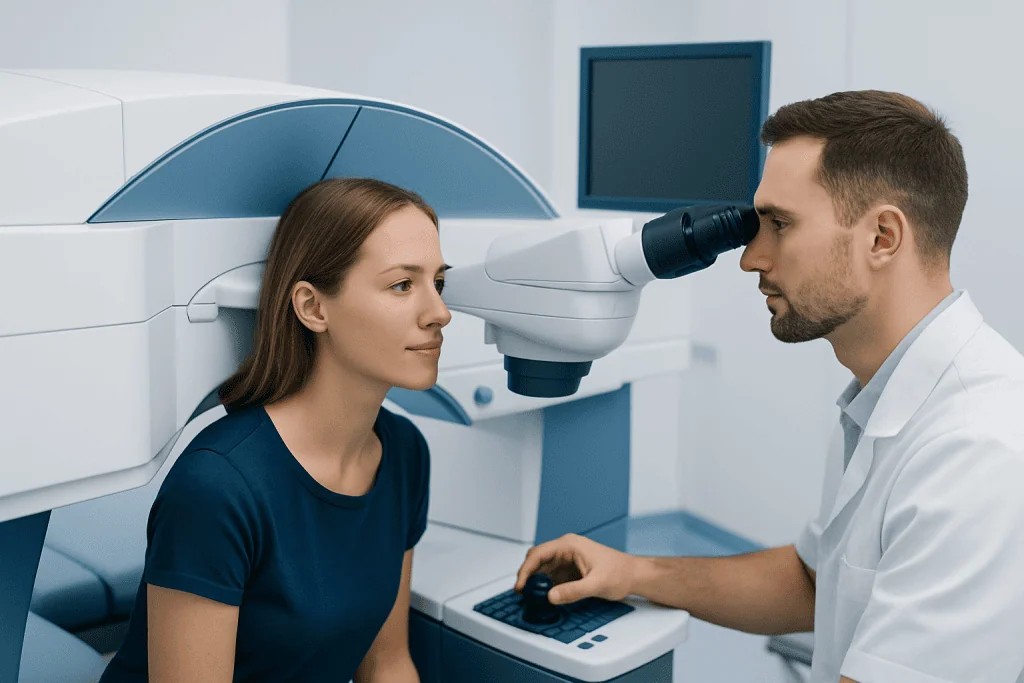
For most well-selected patients, LASIK provides a strong chance of achieving good uncorrected distance vision. Many people are able to carry out most daily tasks without glasses or contact lenses after recovery. The procedure works especially well for common refractive errors within a treatable range.
Effectiveness depends on several factors, including the degree of refractive error, corneal thickness and shape, tear film quality, pupil size, and age-related visual changes. Someone with a mild to moderate prescription may have a different outcome than someone with a very high prescription or an irregular cornea.
It is also helpful to understand that vision can naturally change over time. LASIK corrects the refractive error present at the time of surgery, but it does not stop normal aging of the eye. For example, age-related reading difficulty may still develop later, and some people may eventually need reading glasses or other treatment such as presbyopia treatment.
- High success in reducing dependence on glasses or contacts
- Best results in carefully screened candidates
- Can effectively treat myopia, hyperopia, and astigmatism
- Does not prevent future age-related vision changes
Who Is a Good Candidate for LASIK?
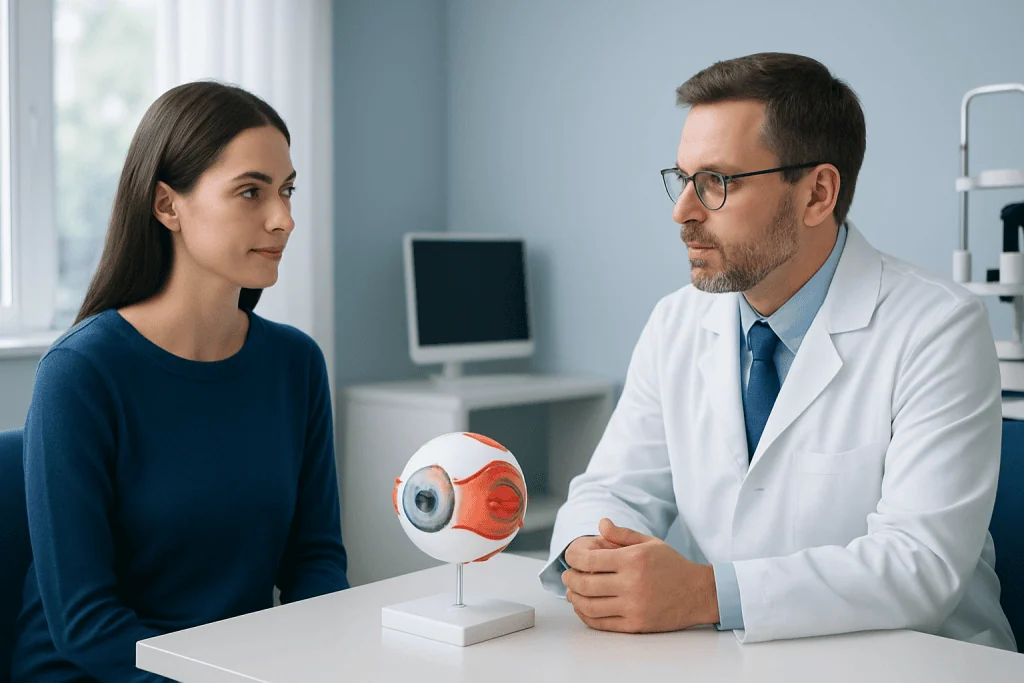
A good LASIK candidate is usually an adult with a stable vision prescription, healthy corneas, and no untreated eye disease. The eyes should be free from active infection or inflammation, and the person should not have conditions that make healing less predictable. A stable prescription over time is important because changing vision can affect long-term results.
The shape and thickness of the cornea are especially important. If the cornea is too thin or has an irregular structure, LASIK may not be the safest option. Screening helps identify problems such as corneal weakness, dry eye, or disorders that could increase risk. In some cases, another procedure may be recommended instead of LASIK, such as iLASIK or a surface-based laser treatment.
People should also have realistic expectations. LASIK can greatly improve vision, but it does not guarantee freedom from glasses in all situations. Some people may still need glasses for night driving, very small print, or age-related near vision changes later in life.
What Can Affect LASIK Success Rate?
Several medical and lifestyle factors can influence LASIK results. A higher degree of nearsightedness or farsightedness may be more challenging to correct fully than a mild prescription. Dry eye symptoms before surgery can also affect comfort and visual quality during recovery, which is why the tear film is assessed before treatment.
Corneal conditions deserve careful attention. LASIK is generally not suitable for people with progressive corneal thinning disorders, and these may require other approaches such as keratoconus treatment. Other eye conditions, including cataracts, retinal disease, or uncontrolled glaucoma, can also limit the expected benefit of LASIK or make another treatment more appropriate.
Healing patterns vary from person to person. Following aftercare instructions, using prescribed eye drops correctly, avoiding eye rubbing, and attending follow-up visits all support the best possible outcome. Surgeon experience, technology used, and careful preoperative planning also play important roles in the overall success rate.
- Prescription strength and stability
- Corneal thickness and shape
- Dry eye and tear film quality
- Presence of other eye diseases
- Postoperative care and healing response
How LASIK Is Evaluated Before Surgery
Before LASIK, an ophthalmologist performs a detailed eye examination to confirm whether the procedure is suitable and safe. This evaluation usually includes checking the prescription, corneal thickness, corneal mapping, pupil size, eye pressure, and tear film. The doctor also reviews overall eye health and medical history.
Contact lens users are often asked to stop wearing lenses for a period before testing because lenses can temporarily alter the shape of the cornea. This step helps produce more accurate measurements. If test results suggest that LASIK is not ideal, the doctor may discuss alternatives instead of proceeding.
The examination also helps identify conditions that may need treatment first, such as significant dry eye, infection, or lens changes related to cataracts. In some older adults, reduced vision may be related less to refractive error and more to lens clouding, in which case cataract surgery may be more appropriate than corneal laser surgery.
Risks, Side Effects, and Limits of LASIK
Although LASIK has a high success rate, no surgical procedure is completely risk-free. Common temporary effects after surgery can include dry eye symptoms, glare, halos around lights, light sensitivity, and fluctuating vision during the healing period. These usually improve over time, especially with appropriate aftercare.
Less commonly, vision may be undercorrected or overcorrected, and some people may need an enhancement procedure if the eye is suitable. Rare complications can involve flap-related problems, infection, inflammation, or irregular healing. Because of these possibilities, thorough screening and experienced surgical care are essential.
LASIK also has practical limits. It may not be the best choice for every prescription or every corneal shape. Some people are better served by another refractive procedure, continued use of glasses or contact lenses, or a different eye treatment depending on their age and eye findings.
Recovery, Long-Term Results, and Self-Care
Most people notice vision improvement soon after LASIK, but the eyes still need time to stabilize. Early recovery often includes a short period of irritation, tearing, or blurry vision. Doctors usually advise avoiding swimming, eye makeup for a time, dusty environments, and rubbing the eyes while healing is underway.
Long-term results are often stable when the prescription was stable before surgery and the eye remains healthy. However, visual needs may change with age. For example, reading vision often becomes more difficult in midlife due to presbyopia, and this is a normal change rather than a failure of LASIK.
Self-care after LASIK includes using prescribed drops, protecting the eyes from trauma, attending follow-up appointments, and reporting any unusual pain or sudden vision loss promptly. For international patients seeking evaluation and treatment, Acibadem International’s multidisciplinary specialists and JCI-accredited hospitals provide care for refractive and other eye conditions.
When to See a Doctor
Anyone considering LASIK should see an ophthalmologist for a full eligibility assessment rather than relying on general information alone. A personal evaluation is the best way to understand likely benefits, possible risks, and whether LASIK or another option would be more suitable.
People should seek prompt medical review if they experience blurred vision that is getting worse, significant dry eye symptoms, eye pain, flashing lights, or sudden changes in vision. These symptoms do not always mean a serious problem, but they do need professional assessment.
After LASIK, urgent evaluation is important if there is severe pain, marked redness, discharge, or a noticeable drop in vision. Early attention can help protect visual outcomes and guide the right treatment if a complication or another eye condition is present.
Frequently asked questions
Is LASIK considered a successful procedure?
Yes, LASIK is generally considered a successful procedure for many carefully selected patients. Most people achieve significantly clearer vision and reduced dependence on glasses or contact lenses, although individual results vary.
Does LASIK guarantee 20/20 vision?
No, LASIK does not guarantee 20/20 vision for every person. Success often means a major improvement in vision and daily function, not necessarily perfect eyesight under all conditions.
How long do LASIK results last?
LASIK results can last for many years, especially when the prescription was stable before surgery. However, natural age-related changes such as presbyopia or cataracts can still affect vision later in life.
Who may not be a good candidate for LASIK?
People with unstable prescriptions, thin or irregular corneas, certain eye diseases, significant dry eye, or some medical conditions may not be good candidates. A full eye examination is needed to decide whether LASIK is safe and appropriate.
Can LASIK side effects be permanent?
Most side effects, such as dryness or glare, improve over time, but a small number of patients may have longer-lasting symptoms. This is why careful screening and discussion of risks are important before surgery.
What are the alternatives if LASIK is not suitable?
Alternatives may include PRK, LASEK, SMILE, glasses, contact lenses, or lens-based procedures depending on the person’s age and eye condition. An ophthalmologist can explain which option best matches the eye’s anatomy and visual goals.
This article is for general information only and is not a substitute for professional medical advice. Please consult a qualified doctor about your individual situation.
LASIK in Turkey — costs, top hospitals & a free quote
JCI-accredited · board-certified surgeons · reply within 24h
Add us as a Preferred Source to see more of our trusted health content across Google Search, AI Overviews and Discover.

Related Treatments
More from the Health Library

Cataract Surgery Recovery: Healing Timeline, Drops, and Activity Limits
Dry Eye Syndrome: Symptoms, Causes, and Relief Options

Presbyopia: Age-Related Near Vision Changes Explained

iLASIK vs IntraLase: Are These Laser Eye Procedures Different?

Conjunctivitis: Red Eye Causes and When It Is Contagious