Ablation for Atrial Fibrillation: Success Rates, Risks, and Recovery

Atrial fibrillation ablation aims to reduce or stop AF episodes by targeting the heart tissue that triggers abnormal electrical signals. Success rates are generally higher for paroxysmal atrial fibrillation than for persistent or long-standing AF.
Key Takeaways
- Atrial fibrillation ablation aims to reduce or stop AF episodes by targeting the heart tissue that triggers abnormal electrical signals.
- Success rates are generally higher for paroxysmal atrial fibrillation than for persistent or long-standing AF.
- Common short-term effects include soreness, fatigue, and brief palpitations during healing; serious complications are uncommon but possible.
- Most people go home within a day, but full rhythm stabilization can take several weeks to months.
- Ablation may improve symptoms and quality of life, but some patients still need medicines or a repeat procedure.
Ablation for atrial fibrillation is a procedure used to reduce abnormal heart rhythm episodes, especially when symptoms continue despite medication. Many people improve after treatment, but success rates, risks, and recovery can vary depending on the type of atrial fibrillation and overall heart health.
Overview
Ablation for atrial fibrillation is a minimally invasive procedure that treats an irregular heart rhythm known as atrial fibrillation, or AF. In AF, the upper chambers of the heart beat in a rapid, disorganized way. This can cause palpitations, tiredness, shortness of breath, dizziness, and reduced exercise tolerance. The aim of ablation is to interrupt the abnormal electrical pathways that trigger or maintain AF.
Most atrial fibrillation ablation procedures are done with thin tubes called catheters inserted through a blood vessel, usually in the groin, and guided into the heart. The doctor then uses heat or cold energy to create small scars in carefully selected areas, often around the pulmonary veins. These scars do not harm the heart’s pumping function in a targeted procedure, but they can block the electrical signals that start AF.
Ablation is often considered when medicines do not control symptoms well, cause side effects, or are not preferred as a long-term strategy. It may also be recommended earlier in selected patients, depending on age, symptoms, type of AF, and other heart conditions. Some people have AF together with related rhythm problems such as atrial flutter or heart palpitations, and the treatment plan may address these as well.
Who May Benefit and Expected Success Rates
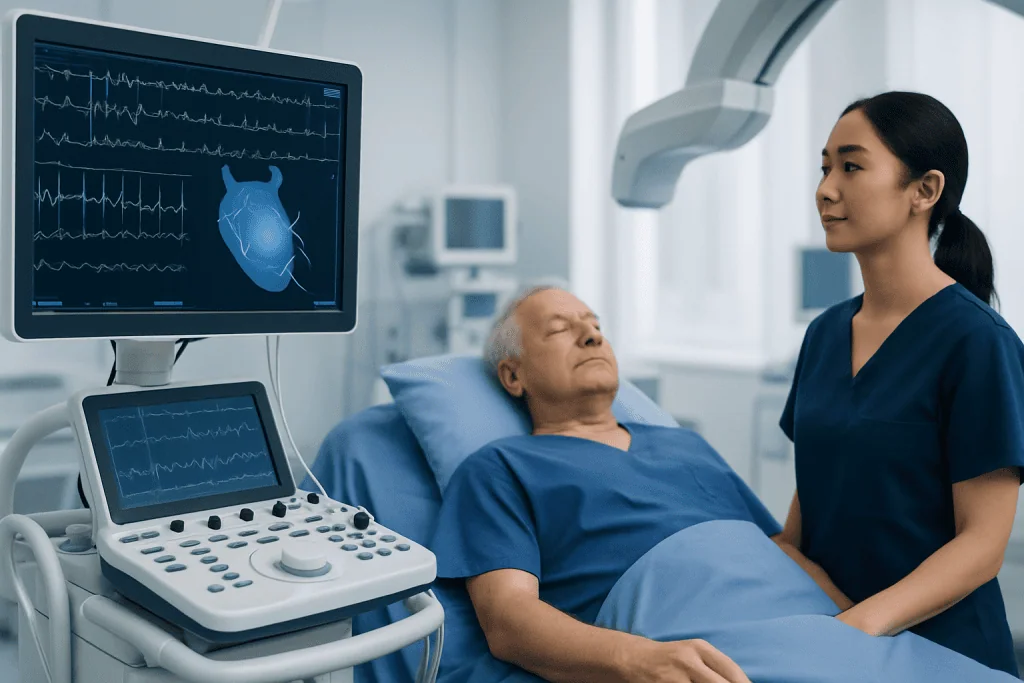
The best candidates for ablation are usually people with bothersome symptoms from AF, especially when episodes come and go rather than being continuous. This is called paroxysmal atrial fibrillation. In general, success rates are higher in paroxysmal AF than in persistent or long-standing persistent AF, because the abnormal rhythm is often less established and the atrial tissue may be less remodeled.
Success can mean different things. For some people, it means no further AF episodes. For others, it means fewer episodes, milder symptoms, less need for emergency care, or reduced reliance on antiarrhythmic medicines. It is important to understand that one procedure does not guarantee a permanent cure. Some patients need a second ablation, and some continue taking heart rhythm medication or blood thinners afterward.
Several factors influence results, including the duration of AF, the size of the left atrium, sleep apnea, obesity, blood pressure control, diabetes, alcohol intake, and the presence of other heart disease such as heart failure or coronary artery disease. An electrophysiologist may discuss realistic expectations based on these details. When appropriate, people may also learn more about ablation procedures and broader heart rhythm disorders care as part of decision-making.
How the Procedure Is Performed

Catheter ablation is usually done in a specialized cardiac electrophysiology laboratory. Patients receive sedation or anesthesia so they are comfortable during the procedure. After the catheters are inserted through a vein, the doctor creates a detailed electrical map of the heart. This helps identify where abnormal signals begin and how they travel.
The most common approach is pulmonary vein isolation. In many people, AF is triggered by electrical signals that arise near the pulmonary veins, which carry blood from the lungs into the left atrium. By placing controlled scar lines around these vein openings, the doctor can prevent those signals from reaching the rest of the atrium. The energy used may be radiofrequency heat or cryoablation, which freezes tissue.
The procedure length varies depending on the complexity of the rhythm problem and whether additional areas need treatment. After ablation, the catheters are removed and pressure is applied to the access sites to reduce bleeding. Monitoring continues for several hours, and many patients go home the same day or after an overnight stay.
Some people have structural heart disease or other cardiovascular problems that need coordinated care in addition to rhythm treatment. In those situations, evaluation through general cardiology services can help guide the safest and most effective plan.
Risks and Possible Complications
Ablation for atrial fibrillation is generally considered safe when performed by experienced teams, but all medical procedures carry some risk. More common short-term issues include bruising, tenderness, or bleeding where the catheter entered the body. Fatigue, mild chest discomfort, and brief rhythm flutters can also occur in the days after treatment.
Less common but more serious complications may include blood vessel injury, infection, blood clots, stroke, fluid around the heart, or damage to nearby heart structures. Rarely, injury can affect the esophagus or the pulmonary veins. Because these events can be serious, careful imaging, monitoring, anticoagulation management, and post-procedure follow-up are important parts of care.
Many people notice extra skipped beats or short arrhythmia episodes during the early healing period. This does not always mean the ablation has failed. There is often a so-called blanking period, commonly lasting a few months, when inflammation and healing can temporarily affect the heart rhythm. Patients should still report significant symptoms promptly, especially chest pain, fainting, severe shortness of breath, or signs of stroke.
Recovery After AFib Ablation
Recovery is usually gradual but manageable. The access site in the groin may feel sore for a few days, and many people feel tired for several days to a week. Light activity is often possible soon after discharge, but heavy lifting and strenuous exercise are usually limited for a short time based on the care team’s instructions.
Heart rhythm can be unsettled during recovery. Palpitations, skipped beats, or even brief AF episodes may happen while the treated tissue heals. This can be frustrating, but it is not unusual. Follow-up visits and rhythm monitoring help the doctor determine whether these episodes are part of normal recovery or a sign that more treatment is needed.
Medicines are often continued for a period after ablation. These may include antiarrhythmic drugs, heart rate medicines, and anticoagulants to reduce stroke risk. It is especially important not to stop blood thinners without clear medical advice, even if symptoms improve. The decision to continue or stop anticoagulation depends more on stroke risk factors than on symptoms alone.
For some patients, structured support with exercise, risk factor control, and education can aid recovery. Depending on the overall heart condition, cardiac rehabilitation may be helpful as part of a broader plan.
Diagnosis, Preparation, and Follow-Up
Before recommending ablation, the doctor confirms the diagnosis of atrial fibrillation and reviews symptom burden, medical history, and treatment goals. Testing may include an electrocardiogram, ambulatory rhythm monitoring, blood tests, and echocardiography to assess heart structure and function. In some cases, additional imaging or sleep apnea evaluation is advised, especially if AF is persistent or difficult to control.
Preparation often includes reviewing medications, particularly blood thinners, diabetes drugs, and antiarrhythmic medicines. Patients may be asked not to eat for a certain period before the procedure. The team may also perform imaging to look for blood clots in the heart before ablation, depending on the rhythm pattern and anticoagulation history.
Follow-up is an important part of treatment success. Patients may wear a rhythm monitor or use home devices to track symptoms and heart rate. Ongoing appointments help assess whether AF has improved and whether risk factors such as high blood pressure, obesity, or sleep apnea are being addressed. Good control of hypertension and related cardiometabolic disorders can improve long-term rhythm outcomes.
Self-Care, Prevention, and When to Seek Medical Advice
Even after a successful ablation, healthy habits remain essential. Limiting alcohol, avoiding smoking, staying physically active, maintaining a healthy weight, and managing stress can all support rhythm control. Sleep apnea should be recognized and treated when present, because it is strongly linked with recurrent AF. Patients should also take medicines exactly as prescribed and attend all follow-up visits.
People should contact a doctor if they have persistent palpitations, worsening shortness of breath, swelling, unusual bleeding, or side effects from medications. Urgent medical attention is needed for stroke warning signs such as sudden weakness, facial drooping, trouble speaking, severe chest pain, or fainting. These symptoms should never be ignored, whether they occur before or after ablation.
Choosing between medication, cardioversion, and ablation is a shared decision based on symptoms, stroke risk, age, heart structure, and personal preferences. For international patients who need evaluation and treatment planning, Acibadem International’s multidisciplinary specialists and JCI-accredited hospitals provide diagnosis and care for atrial fibrillation and related rhythm disorders in a coordinated setting.
Frequently asked questions
Is ablation for atrial fibrillation a cure?
It can be very effective, but it is not a guaranteed cure for everyone. Some people have no further AF episodes, while others have fewer episodes or need repeat treatment. Long-term results depend on the type of AF, heart health, and control of risk factors.
How long does it take to recover from AFib ablation?
Most people recover from the procedure itself within days to about a week, although fatigue can last longer in some cases. Full rhythm stabilization may take several weeks to a few months because the heart needs time to heal.
What is the success rate of atrial fibrillation ablation?
Success rates vary and are usually higher in paroxysmal AF than in persistent AF. Doctors also define success differently, such as no recurrence, fewer episodes, or improved symptoms. A specialist can explain the expected outcome based on a person's specific condition.
Will blood thinners be needed after ablation?
Many patients continue blood thinners for some time after the procedure, and some need them long term. This decision depends mainly on stroke risk factors, not only on whether AF symptoms improve. A doctor should guide any changes to anticoagulation.
Is it normal to have palpitations after ablation?
Yes, brief palpitations, skipped beats, or short rhythm episodes can happen during early healing. This is common in the first weeks to months and does not automatically mean the procedure failed. However, severe or prolonged symptoms should be discussed with a doctor.
Who is a good candidate for catheter ablation?
People with bothersome symptoms, recurrent AF despite medicines, or medication side effects are often considered good candidates. It may be especially useful in paroxysmal AF and in carefully selected patients earlier in the disease course. A heart rhythm specialist can assess suitability.
This article is for general information only and is not a substitute for professional medical advice. Please consult a qualified doctor about your individual situation.
Heart care in Turkey — expert evaluation and treatment
JCI-accredited · board-certified surgeons · reply within 24h
Add us as a Preferred Source to see more of our trusted health content across Google Search, AI Overviews and Discover.
Check your numbers in seconds
BMI, calories, due date, blood pressure and 30+ more clinical calculators — free, instant, doctor-reviewed ranges.

Cardiology Department
Diagnosis and treatment of heart and vascular conditions, from prevention to advanced interventional procedures.
93 specialists in this unitRelated Treatments
Related Conditions
More from the Health Library

Aortic Aneurysm Repair in Turkey: Cost, Hospital Stay, and Follow-Up

Coughing After Heart Bypass Surgery: Why It Happens and When to Call

Cardiac Arrhythmia: Symptoms, Causes, and Diagnosis

Atrial Fibrillation After CABG: Causes, Monitoring, and Treatment

Cardiac Ablation: Treating Rhythm Problems at Their Source

Peripheral Artery Disease: Leg Pain, Poor Circulation, and When Angioplasty Helps
Cardiology Specialists at Acibadem

Dr. Fikret Mert Acar
Cardiology
Prof. Dr. Fuat Bilgen
Cardiovascular Surgery
Asst. Prof. Dr. Funda Helvacıoğlu
Cardiology
Asst. Prof. Dr. Gökhan Arslanhan
Cardiovascular Surgery