IVF With One Ovary: Can You Still Have Good Chances?

Many women with one ovary can still conceive with IVF. Age and egg quality usually matter more than the number of ovaries.
Key Takeaways
- Many women with one ovary can still conceive with IVF.
- Age and egg quality usually matter more than the number of ovaries.
- Ovarian reserve testing helps estimate how the remaining ovary may respond.
- Treatment plans can be adjusted to maximize egg retrieval and embryo quality.
- A fertility specialist can look for other factors that may affect success, such as sperm quality or uterine conditions.
Having one ovary does not automatically mean poor fertility or low IVF success. In many cases, the remaining ovary can still respond to treatment, and outcomes depend more on age, egg quality, and overall reproductive health.
Overview: Can IVF Work With One Ovary?
Yes, IVF can still work with one ovary. A person does not need two ovaries to ovulate, produce eggs, or respond to fertility treatment. In many women, the remaining ovary continues these functions effectively, and pregnancy is still possible through natural conception or assisted reproductive methods.
What matters most is not simply the number of ovaries, but how well the remaining ovary is functioning. Fertility specialists focus on ovarian reserve, hormone levels, age, menstrual history, and any conditions that may affect egg quality, sperm function, or the uterus. For this reason, some women with one healthy ovary may have outcomes similar to women with two ovaries, while others may need a more individualized plan.
IVF is often considered when there are additional fertility factors, such as blocked fallopian tubes, endometriosis, male factor infertility, or age-related decline in egg quality. A careful fertility assessment helps determine whether standard IVF treatment is appropriate or whether another assisted technique may improve the chances of success.
Why Someone May Have Only One Ovary
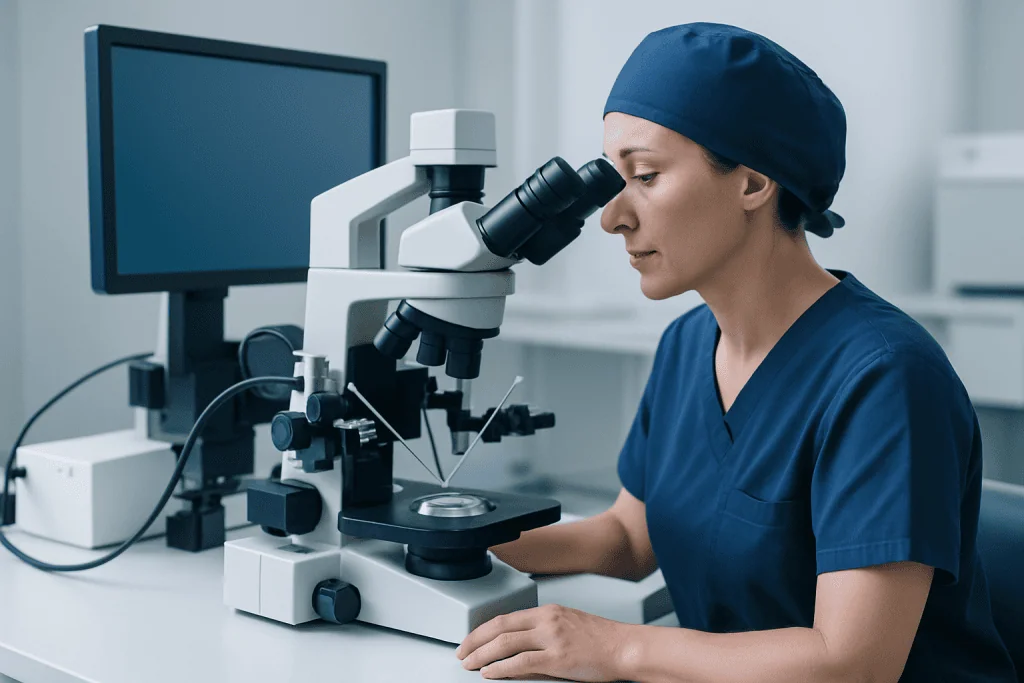
There are several reasons why a woman may have one ovary. Some are born with only one functioning ovary, but more often one ovary has been removed during surgery. This may happen because of ovarian torsion, large cysts, severe endometriosis, infection, ectopic pregnancy surgery, or treatment for a tumor or other gynecologic problem.
Sometimes the ovary is still present but no longer works well. Prior surgery, reduced blood supply, scarring, chemotherapy, or certain hormone-related disorders can affect ovarian function. This means the medical team looks not only at whether one ovary is present, but also whether it is producing follicles and responding to stimulation.
Conditions involving the pelvis and reproductive organs may also affect fertility independently of the missing ovary. For example, previous pelvic infection or pelvic inflammatory disease can damage the fallopian tubes, while disorders such as ovarian cysts or premature ovarian insufficiency may influence ovarian reserve and hormone patterns.
What Affects IVF Chances More Than Ovary Number
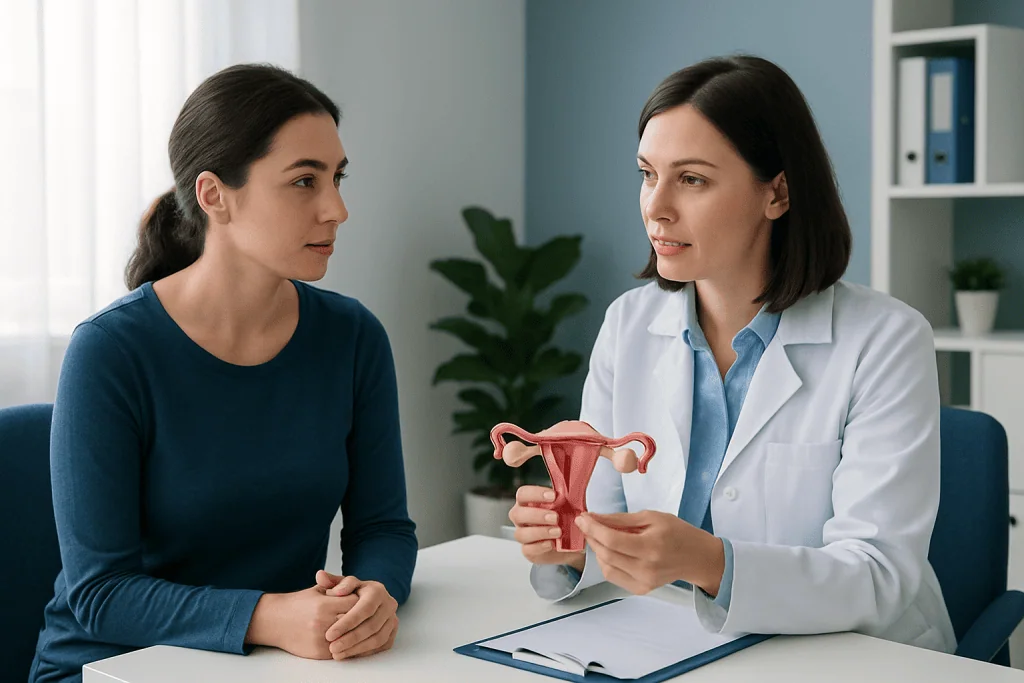
The strongest predictors of IVF success are usually age and egg quality. As age increases, especially in the later 30s and 40s, both the number of eggs and the proportion of chromosomally normal eggs tend to decline. This affects the chances of fertilization, embryo development, implantation, and ongoing pregnancy.
Ovarian reserve is another key factor. This refers to the estimated supply of remaining eggs. It is commonly assessed using anti-Mullerian hormone (AMH), follicle-stimulating hormone (FSH), estradiol levels, and antral follicle count seen on ultrasound. A woman with one ovary may have a lower total follicle count simply because there is only one side producing follicles, but if that ovary is healthy, the response may still be adequate for IVF.
Other important factors include sperm quality, uterine health, embryo quality, body weight, smoking, alcohol use, and underlying reproductive conditions such as endometriosis or polycystic ovary syndrome. Fertility care is therefore broader than the ovary alone. A full workup for female infertility often helps clarify where the biggest opportunities for treatment improvement lie.
How Fertility Specialists Evaluate One-Ovary IVF
Before starting treatment, the fertility team usually performs a detailed evaluation. This often includes medical history, prior surgeries, menstrual cycle patterns, ultrasound imaging, ovarian reserve testing, and blood tests for reproductive hormones. The aim is to understand how the remaining ovary functions and whether there are other issues affecting fertility.
Pelvic ultrasound is especially helpful because it can show the size of the remaining ovary, the number of small resting follicles, and whether cysts or scarring are present. The uterus is also assessed for fibroids, polyps, congenital changes, or lining problems. In some cases, doctors may recommend further testing if they suspect a structural issue such as a uterine septum or tubal damage.
The male partner may also need semen analysis, since IVF success depends on both partners when using their own eggs and sperm. If sperm numbers, movement, or shape are reduced, the team may discuss specialized fertilization techniques such as ICSI. This is one reason fertility treatment is most effective when it is tailored to the complete clinical picture rather than a single diagnosis.
What Happens During IVF When There Is One Ovary
The IVF process is broadly the same whether a woman has one ovary or two. Hormone medications are used to stimulate the ovary so that multiple follicles can grow in one cycle. The doctor monitors follicle development with blood tests and ultrasound, then schedules egg retrieval when the eggs are mature.
With one ovary, the number of eggs retrieved may sometimes be lower than in a person with two equally functioning ovaries, simply because follicles are developing on one side. However, a lower egg number does not mean there is no chance of success. A small number of good-quality eggs can still lead to healthy embryos and pregnancy.
After retrieval, the eggs are fertilized in the laboratory through conventional IVF or ICSI. The embryos are observed as they develop, and one or more may later be transferred to the uterus depending on the treatment plan and local clinical standards. Some patients also choose embryo freezing, especially if future fertility preservation is a concern.
Response to stimulation can vary significantly from person to person. For this reason, medication protocols are individualized based on age, hormone tests, previous IVF response, body weight, and the behavior of the remaining ovary during monitoring.
Treatment Options and Ways to Improve Success
If IVF is recommended, doctors may adapt the stimulation protocol to make the best use of the remaining ovary. This can include adjusting the type or timing of medications, changing the trigger shot strategy, or planning embryo freezing if a fresh transfer is not ideal. The goal is to support safe stimulation while optimizing the number of mature eggs and embryo quality.
In some situations, IVF may not be the first or only option. Depending on age, fallopian tube status, and sperm results, some couples may consider insemination or other forms of assisted reproduction. If multiple fertility factors are present, however, IVF often offers the most direct path because it allows close control over fertilization and embryo development in the laboratory.
Lifestyle measures may also support fertility treatment. Stopping smoking, limiting alcohol, maintaining a healthy weight, treating thyroid or metabolic disorders, and taking doctor-recommended preconception supplements can all be helpful. People should avoid unproven supplements or online fertility claims and instead discuss any vitamins, herbal products, or diet plans with their clinician.
Near the end of the treatment journey, expert follow-up is important. Acibadem International’s multidisciplinary specialists in JCI-accredited hospitals diagnose and treat fertility conditions for international patients, using personalized plans based on reproductive history, laboratory findings, and imaging results.
Emotional Impact, Self-Care, and Expectations
Learning that there is only one ovary can feel worrying, especially for those already facing fertility treatment. Many people fear that one ovary automatically means very low success, but this is not always true. Clear communication with the fertility team can help replace uncertainty with realistic expectations based on individual test results.
IVF can be emotionally demanding even when prognosis is good. Stress, repeated appointments, waiting for results, and concern about future fertility may affect mood and relationships. Practical self-care can help, including adequate sleep, balanced meals, regular physical activity, time away from fertility-focused thinking, and support from a partner, counselor, or support group.
It is also important to prepare for the possibility that more than one treatment cycle may be needed. The number of eggs collected in a single cycle does not tell the whole story, and one response pattern does not necessarily predict every future cycle. An experienced team can review the first cycle carefully and adjust the next steps if needed.
When to See a Fertility Specialist
It is sensible to seek fertility advice early if a woman has one ovary and wants to become pregnant, particularly if she is over 35, has irregular periods, has had prior pelvic surgery, or has been trying to conceive without success. Early assessment can identify whether the remaining ovary appears healthy and whether there are treatable factors affecting fertility.
Medical review is also important if there are symptoms such as pelvic pain, very heavy periods, absent periods, or signs of hormone imbalance. These symptoms do not always mean a serious problem, but they may point to endometriosis, ovarian cysts, fibroids, ovulatory disorders, or reduced ovarian reserve that should be assessed before planning pregnancy.
People already considering assisted reproduction should ask about ovarian reserve testing, sperm evaluation, uterine assessment, and whether IVF or another approach is most appropriate. Timely specialist input can help patients make informed decisions and avoid unnecessary delays in treatment.
Frequently asked questions
Can a woman get pregnant naturally with one ovary?
Yes, natural pregnancy is still possible with one ovary if the remaining ovary is functioning and ovulation is occurring. Fertility also depends on age, fallopian tube health, sperm quality, and overall reproductive health.
Does having one ovary mean IVF will fail?
No, having one ovary does not mean IVF will fail. Many women with one ovary respond to stimulation and achieve pregnancy, especially when the remaining ovary has good reserve and egg quality.
Will fewer eggs always be collected during IVF with one ovary?
Sometimes fewer eggs are retrieved because follicles are developing on only one side. However, the exact number varies widely, and even a smaller number of eggs can still produce viable embryos.
What tests are important before IVF with one ovary?
Doctors commonly check AMH, FSH, estradiol, and antral follicle count to estimate ovarian reserve. They also assess the uterus, medical history, and sperm quality to understand the full fertility picture.
Is age more important than having one ovary?
In many cases, yes. Age is one of the strongest factors affecting egg quality and IVF success, often more important than whether a person has one ovary or two.
Can the remaining ovary compensate for the missing one?
In some women, the remaining ovary may ovulate regularly and function very well. It may not fully replace the egg supply of two ovaries, but it can still provide enough response for conception or IVF.
References
- American Society for Reproductive Medicine
- European Society of Human Reproduction and Embryology
- Centers for Disease Control and Prevention
- National Institute for Health and Care Excellence
- World Health Organization
This article is for general information only and is not a substitute for professional medical advice. Please consult a qualified doctor about your individual situation.
IVF & fertility treatment in Turkey — success rates and costs
JCI-accredited · board-certified surgeons · reply within 24h
Add us as a Preferred Source to see more of our trusted health content across Google Search, AI Overviews and Discover.

Related Treatments
Related Conditions
More from the Health Library



Related Specialists

Prof. Dr. Mehmet Cihat Ünlü
Gynecology & Obstetrics
Prof. Dr. Mete Güngör
Gynecology & Obstetrics
Prof. Dr. Bülent Tıraş
Gynecology & Obstetrics
Prof. Dr. Tansu Küçük
Gynecology & Obstetrics