Adenomyosis and IVF: Diagnosis, Implantation Risks, and Treatment Planning

Adenomyosis occurs when endometrial-like tissue grows within the muscular wall of the uterus, often causing a bulky, tender, or unevenly thickened uterus. Some people have no symptoms, while others experience heavy periods, painful periods, pelvic pain, or fertility difficulties.
Key Takeaways
- Adenomyosis occurs when endometrial-like tissue grows within the muscular wall of the uterus, often causing a bulky, tender, or unevenly thickened uterus.
- Some people have no symptoms, while others experience heavy periods, painful periods, pelvic pain, or fertility difficulties.
- Transvaginal ultrasound is usually the first imaging test; MRI may be used when the diagnosis is uncertain or treatment planning is complex.
- Adenomyosis may reduce implantation and increase miscarriage risk in some IVF patients, but outcomes vary according to age, ovarian reserve, embryo quality, and disease severity.
- Treatment planning may include symptom control, hormonal suppression before embryo transfer, frozen embryo transfer strategies, or surgery in carefully selected cases.
- A fertility specialist and gynecologist can help balance uterine treatment, ovarian stimulation, embryo timing, and pregnancy goals.
Adenomyosis can affect fertility and IVF outcomes by changing the uterine muscle and the environment where an embryo implants. Careful diagnosis, individualized pretreatment, and well-timed embryo transfer can help many patients make informed decisions about treatment.
Overview
Adenomyosis is a benign gynecologic condition in which tissue similar to the uterine lining is found within the muscular wall of the uterus. This can lead to inflammation, thickening of the uterine muscle, enlargement of the uterus, and changes in how the uterus contracts. The condition is not cancer, but it can significantly affect quality of life and may be relevant for people planning pregnancy or assisted reproduction.
The relationship between adenomyosis and IVF is complex. Some patients with adenomyosis conceive naturally or through IVF without major difficulty, while others experience repeated implantation failure, early miscarriage, or persistent pelvic symptoms. IVF success depends on many factors, including age, ovarian reserve, sperm factors, embryo quality, coexisting endometriosis or fibroids, and the degree of uterine involvement.
For patients considering IVF treatment, the goal is not only to create good-quality embryos but also to prepare the uterus for implantation as well as possible. This often requires a personalized plan that considers imaging findings, symptoms, previous IVF outcomes, and the safest timing for embryo transfer.
Symptoms and How Adenomyosis May Affect Fertility

Adenomyosis can be silent, especially in early or focal disease. When symptoms occur, they may overlap with endometriosis, fibroids, or other causes of pelvic pain. Common symptoms include heavy menstrual bleeding, painful periods, pelvic pressure, pain during intercourse, chronic pelvic discomfort, and spotting before or after a period.
In fertility care, adenomyosis is important because it may alter the uterine environment. Research suggests that inflammation, abnormal uterine contractions, impaired blood flow, and changes in endometrial receptivity may make implantation more difficult in some patients. Adenomyosis may also be associated with a higher risk of miscarriage, preterm birth, or placental complications, although risks vary widely and should be interpreted with a specialist.
Symptoms do not always predict fertility impact. A patient with severe menstrual pain may still have a favorable IVF outcome, while another patient with few symptoms may have imaging findings that influence transfer planning. For this reason, adenomyosis is usually assessed together with the broader picture of female infertility, ovarian reserve, embryo development, and reproductive history.
Causes and Risk Factors
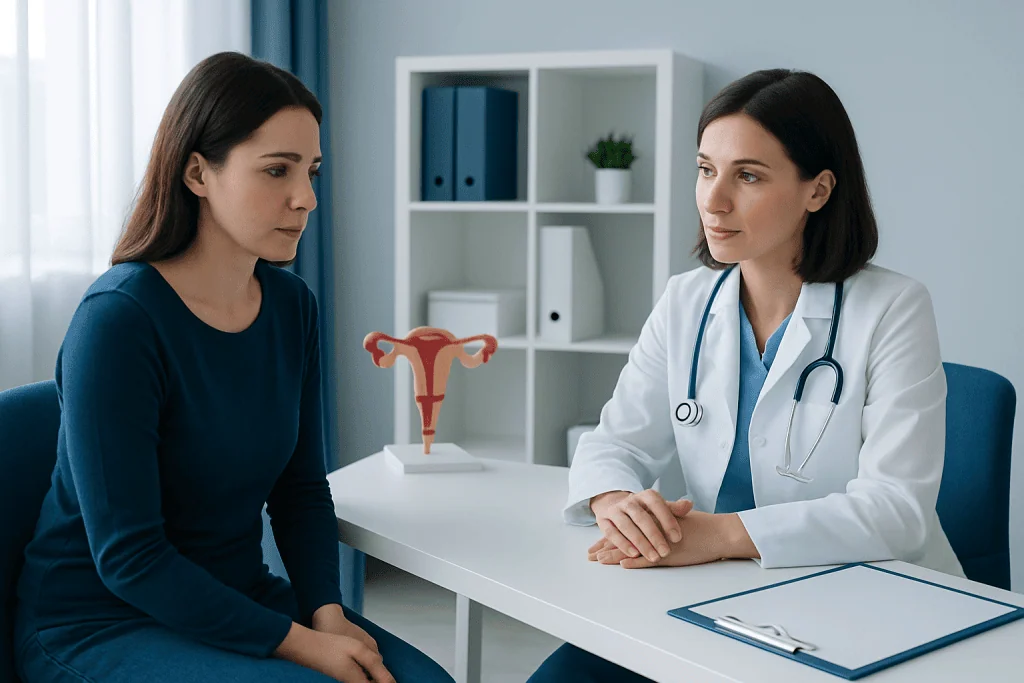
The exact cause of adenomyosis is not fully understood. Several mechanisms have been proposed, including inward growth of the endometrial lining into the uterine muscle, tissue injury and repair after uterine procedures, stem cell-related changes, and hormonal or inflammatory factors. Estrogen appears to influence the condition, which is one reason symptoms often improve after menopause.
Adenomyosis is more commonly diagnosed in people in their late 30s and 40s, but it can occur in younger patients, including those undergoing fertility treatment. Risk factors may include prior pregnancy, cesarean section, uterine surgery, endometriosis, fibroids, and a history of heavy or painful periods. However, many patients develop adenomyosis without a clear risk factor.
Adenomyosis can be diffuse, affecting much of the uterine muscle, or focal, forming an adenomyoma that may resemble a fibroid on imaging. This distinction matters because diffuse disease may influence the whole uterine environment, while focal disease may be considered for targeted treatment in select cases. Coexisting conditions, especially endometriosis and fibroids, can also affect symptoms and fertility planning.
Diagnosis Before IVF
Diagnosis usually begins with a detailed medical history and pelvic examination. A clinician will ask about menstrual bleeding, pain pattern, prior pregnancies or surgeries, previous fertility treatments, and any history of endometriosis or fibroids. On examination, the uterus may feel enlarged, tender, or globular, although a normal examination does not rule out adenomyosis.
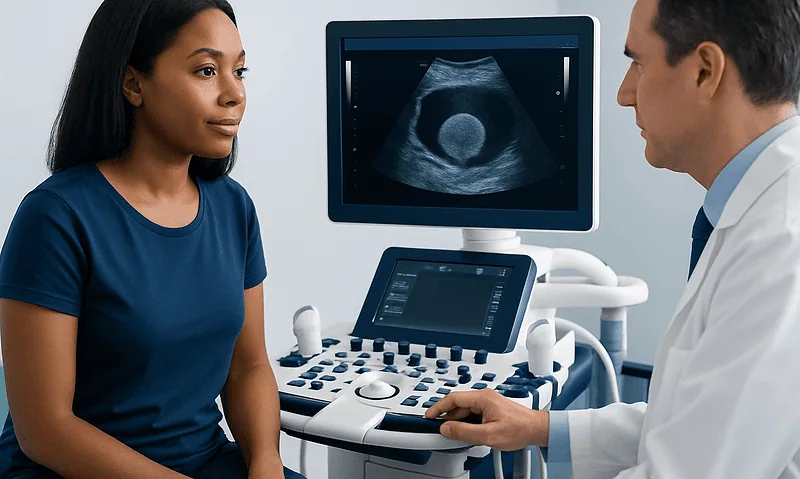
Transvaginal ultrasound is commonly the first-line imaging test. Signs may include a bulky uterus, asymmetrical thickening of the uterine wall, small cystic spaces within the muscle, fan-shaped shadowing, an irregular junctional zone, or increased blood flow in certain areas. The accuracy of ultrasound depends on equipment quality and the experience of the examiner.
Magnetic resonance imaging, or MRI, can be helpful when ultrasound findings are unclear, when fibroids are also present, or when surgery is being considered. MRI can evaluate the junctional zone and map diffuse or focal involvement. In IVF planning, imaging is most useful when interpreted alongside the patient’s symptoms, embryo history, and overall infertility evaluation.
There is no single blood test that confirms adenomyosis. In the past, adenomyosis was often diagnosed only after hysterectomy, but modern imaging now allows many patients to receive a noninvasive diagnosis while preserving fertility options.
Implantation Risks and IVF Outcome Considerations
Implantation requires communication between a healthy embryo and a receptive endometrium. Adenomyosis may interfere with this process through inflammation, altered immune signaling, abnormal uterine contractions, and changes in genes related to endometrial receptivity. It may also affect the junctional zone, the area between the uterine lining and muscle that plays a role in uterine function.
Studies have reported lower implantation and clinical pregnancy rates and higher miscarriage rates in some groups of IVF patients with adenomyosis, particularly when disease is severe or untreated. However, research results are not identical across all studies because patient age, diagnostic criteria, embryo testing, stimulation protocols, and coexisting conditions vary. A diagnosis of adenomyosis does not mean IVF cannot work.
The most important step is individualized risk assessment. A younger patient with good ovarian reserve and focal disease may need a different plan than an older patient with diffuse adenomyosis, repeated failed transfers, and limited embryo numbers. Embryo quality remains central; even a well-prepared uterus cannot compensate for embryo chromosomal abnormalities, while a good-quality embryo may still implant despite mild uterine disease.
Treatment Planning Before and During IVF
Treatment depends on symptoms, imaging severity, previous IVF history, and how urgently pregnancy is desired. For pain or heavy bleeding, hormonal treatments may reduce symptoms, but many suppress ovulation and are not compatible with trying to conceive at the same time. In IVF, temporary suppression may be used before embryo transfer to calm the uterine environment, especially in moderate to severe adenomyosis.
One commonly discussed approach is a period of gonadotropin-releasing hormone agonist therapy before frozen embryo transfer. This may reduce uterine volume and inflammatory activity in some patients. The duration and suitability of suppression should be decided by a fertility specialist, because it can delay treatment and may not be necessary for everyone.
Frozen embryo transfer is often considered when pretreatment is needed. In this strategy, eggs are collected and fertilized first, embryos are frozen, and the uterus is prepared in a later cycle. Some patients may also need adjustments to the embryo transfer protocol, luteal support, or management of coexisting endometriosis, fibroids, hydrosalpinx, thyroid disease, or metabolic conditions.
Surgery is not routinely recommended for all adenomyosis patients seeking pregnancy, because uterine surgery can carry risks such as scarring or weakening of the uterine wall. It may be considered in selected cases, particularly for a well-defined adenomyoma causing severe symptoms or distortion. Decisions about surgery should include discussion of recovery time, future pregnancy monitoring, and the potential need for cesarean delivery depending on the procedure performed.
Prevention, Self-Care, and Preparing for Treatment
There is no proven way to prevent adenomyosis, but general reproductive health measures can support overall fertility treatment. Patients can benefit from keeping a clear record of cycle length, bleeding volume, pain severity, medications used, and previous imaging or surgery reports. Bringing this information to the fertility consultation helps the team understand patterns and avoid repeating unnecessary tests.
Self-care focuses on symptom control and treatment readiness. Heat therapy, appropriate over-the-counter pain relief when approved by a doctor, regular gentle exercise, adequate sleep, and stress-management techniques may help some patients cope with menstrual pain. Iron levels may need assessment if heavy bleeding has caused fatigue or anemia, because optimizing general health is important before pregnancy.
Lifestyle changes cannot remove adenomyosis, but they may support IVF preparation. Stopping smoking, limiting alcohol, maintaining a balanced diet, and managing conditions such as thyroid disease, diabetes, or high blood pressure can improve safety during fertility treatment and pregnancy. Patients should avoid unproven supplements or hormonal products unless their clinician confirms they are safe with IVF medications.
When to See a Doctor
A patient should consult a gynecologist or fertility specialist if periods are very painful, bleeding is heavy, pelvic pain persists between periods, or pregnancy has not occurred after an appropriate period of trying based on age and medical history. Earlier assessment is advisable after age 35, after repeated miscarriage, or after previous unsuccessful embryo transfers.
Medical evaluation is also important if adenomyosis is suspected on ultrasound, if the uterus is enlarged, or if endometriosis or fibroids have been diagnosed. Timely assessment can clarify whether symptoms are due to adenomyosis alone or a combination of conditions, and it can help decide whether to proceed directly with IVF, prepare the uterus first, or investigate other fertility factors.
At Acibadem International, multidisciplinary specialists in JCI-accredited hospitals evaluate and treat adenomyosis and fertility concerns for international patients. Care may involve reproductive medicine, gynecology, radiology, embryology, and maternal-fetal medicine teams to support diagnosis, treatment planning, and pregnancy monitoring when needed.
Frequently asked questions
Can adenomyosis prevent implantation during IVF?
Adenomyosis may reduce implantation in some patients by affecting uterine contractions, inflammation, blood flow, and endometrial receptivity. However, it does not prevent implantation in every case. IVF outcomes also depend strongly on age, ovarian reserve, sperm factors, embryo quality, and other uterine conditions.
Is MRI always needed to diagnose adenomyosis before IVF?
MRI is not always required. A high-quality transvaginal ultrasound performed by an experienced clinician can often identify typical features of adenomyosis. MRI may be recommended when findings are unclear, fibroids are present, disease mapping is needed, or surgery is being considered.
Should adenomyosis be treated before embryo transfer?
Treatment before embryo transfer may be helpful for some patients, especially those with moderate to severe disease, an enlarged uterus, significant symptoms, or previous failed transfers. Others with mild findings may proceed without special pretreatment. The decision should be individualized by a fertility specialist.
Does a frozen embryo transfer help in adenomyosis?
A frozen embryo transfer can be useful when the uterus needs time for hormonal suppression or other preparation before transfer. It separates ovarian stimulation from implantation timing, which may be beneficial in selected patients. It is not automatically superior for everyone, so the transfer plan should be based on the full clinical picture.
Can surgery cure adenomyosis and improve IVF success?
Surgery may help selected patients with focal adenomyosis or severe symptoms, but it is not a standard treatment for all people trying to conceive. Diffuse adenomyosis can be difficult to remove completely without affecting the uterine wall. Risks, recovery time, and future pregnancy safety must be discussed carefully before choosing surgery.
Is pregnancy safe with adenomyosis?
Many people with adenomyosis have healthy pregnancies, but some may need closer monitoring. Adenomyosis has been associated in some studies with miscarriage, preterm birth, and placental complications, though individual risk varies. A fertility specialist and obstetrician can plan follow-up based on the severity of disease and pregnancy history.
This article is for general information only and is not a substitute for professional medical advice. Please consult a qualified doctor about your individual situation.
IVF & fertility treatment in Turkey — success rates and costs
JCI-accredited · board-certified surgeons · reply within 24h
Add us as a Preferred Source to see more of our trusted health content across Google Search, AI Overviews and Discover.

Related Treatments
Related Conditions
More from the Health Library
Fibroids and Fertility: When Uterine Growths Affect Pregnancy

Fragile X Screening Before IVF: When Genetic Testing May Be Recommended

Uterine Polyps Before IVF: Hysteroscopy, Timing, and Pregnancy Chances

IVF for Endometriosis-Related Infertility

Endometriosis and IVF: When Assisted Reproduction May Help