

Arm Liposuction: What to Expect Before, During, and After the Procedure

Arm liposuction is designed to reduce stubborn upper-arm fat, not to treat major skin laxity or replace weight loss. Best results are usually seen in people near a stable weight with good skin elasticity and realistic expectations.
Key Takeaways
- Arm liposuction is designed to reduce stubborn upper-arm fat, not to treat major skin laxity or replace weight loss.
- Best results are usually seen in people near a stable weight with good skin elasticity and realistic expectations.
- Recovery commonly includes swelling, bruising, compression garments, and a gradual return to normal activities.
- Final arm shape takes time to appear because tissues need weeks to months to settle.
- A consultation with a qualified plastic surgeon is important to assess whether liposuction alone or another contouring procedure is more suitable.
Arm liposuction is a cosmetic procedure that removes localized fat from the upper arms to create a slimmer, more defined contour. Understanding candidacy, recovery, and realistic outcomes can help patients make informed decisions with their surgeon.
Overview of arm liposuction
Arm liposuction is a cosmetic procedure that removes pockets of excess fat from the upper arms, most often the area between the shoulder and elbow. The goal is to create a smoother, more proportionate arm contour when diet and exercise have not changed the shape enough. It is commonly chosen by people who feel their arms look fuller than the rest of their body or who want clothing to fit more comfortably.
The procedure targets fat beneath the skin using a thin tube called a cannula, which is inserted through small incisions. The surgeon gently loosens and removes fat to refine the arm’s shape while aiming to preserve a natural appearance. In many cases, arm liposuction is performed as a day procedure under local anesthesia with sedation or general anesthesia, depending on the treatment plan.
It is important to understand what arm liposuction can and cannot do. It can improve contour and reduce localized fullness, but it does not tighten significantly loose skin. When skin laxity is more pronounced, a surgeon may recommend combining liposuction with another contouring procedure such as an arm lift or a broader body contouring procedure.
Who may be a good candidate
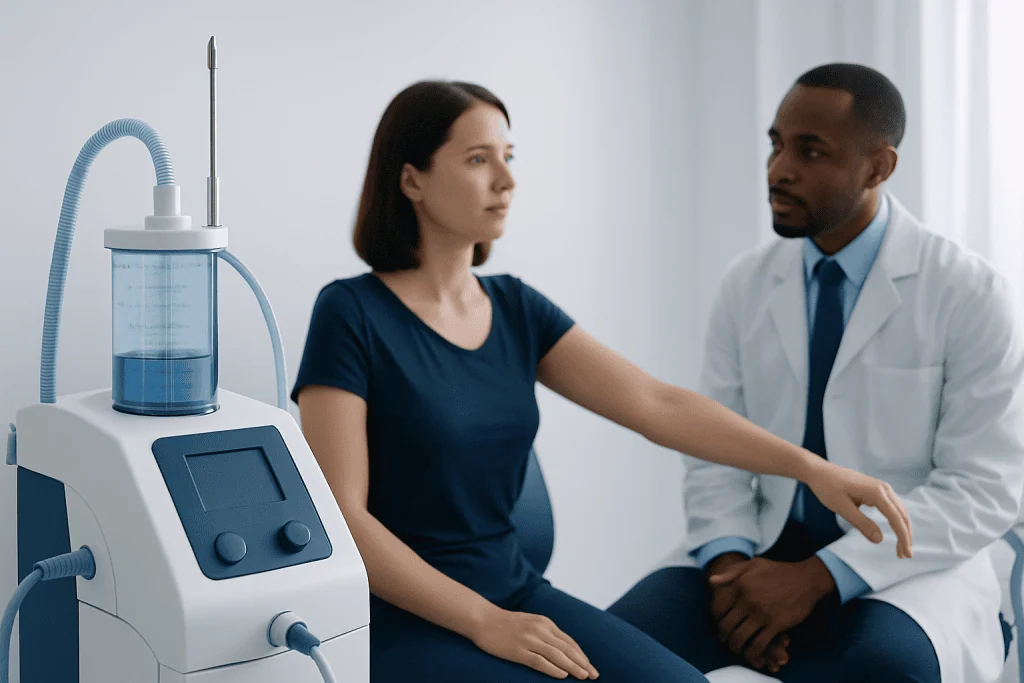
Good candidates for arm liposuction are typically adults in overall good health who are close to a stable, sustainable weight. They usually have localized upper-arm fat that has not improved enough with lifestyle measures. Skin quality matters because firmer, more elastic skin is more likely to retract smoothly after fat removal.
People often seek this procedure for cosmetic reasons rather than medical ones. A surgeon will usually discuss body shape, skin laxity, previous weight changes, and personal goals to decide whether liposuction alone is appropriate. In some patients, removing fat without addressing loose skin may not produce the contour they hope for.
Several factors may influence candidacy, including smoking, certain chronic conditions, a history of poor wound healing, or medications that affect bleeding. During consultation, the surgeon may also ask about previous scars or a tendency toward thick scarring, including keloid scars, because this can affect incision planning and healing discussions.
- Localized fat deposits in the upper arms
- Reasonably good skin elasticity
- Stable body weight
- Realistic expectations about results
- Commitment to recovery instructions
What to expect before the procedure

Before arm liposuction, the patient usually has a detailed consultation with a plastic surgeon. This visit often includes a physical examination, photographs for planning, a discussion of goals, and a review of medical history. The surgeon explains likely results, where the small incisions may be placed, what type of anesthesia may be used, and whether another procedure might better address skin looseness or overall shape.
Preparation may include routine laboratory tests, stopping smoking if applicable, and reviewing medicines or supplements that can increase bleeding risk. Patients are commonly advised to arrange transportation home and practical help for the first day or two, especially if both arms are treated. Wearing loose, easy-to-remove clothing on the day of surgery can make the immediate postoperative period more comfortable.
This is also the time to ask about scars, compression garments, activity restrictions, and expected recovery milestones. A clear conversation helps set realistic expectations. Some people considering arm contouring may also be exploring related procedures such as post-weight-loss contouring after major weight changes, where treatment planning may be more individualized.
What happens during arm liposuction
On the day of the procedure, the arms are marked while the patient is standing so the surgeon can identify treatment areas accurately. After anesthesia is given, a fluid solution is often placed into the fatty tissue. This solution helps reduce bleeding, makes fat removal smoother, and can improve comfort.
The surgeon then makes very small incisions, usually in discreet areas such as near the armpit or elbow crease. A thin cannula is inserted to loosen and remove fat in a controlled manner. The treatment is carefully balanced so that both arms look symmetrical and natural, while preserving smooth transitions between the treated and untreated areas.
The length of the procedure depends on how much fat is being removed and whether arm liposuction is combined with other cosmetic surgery. Some patients choose to pair arm shaping with procedures in nearby areas, such as aesthetic neck contouring, when this fits their broader goals. At the end, the incisions are closed or left to drain briefly, and compression garments are usually applied to support healing.
Recovery and aftercare
After arm liposuction, it is normal to have swelling, bruising, soreness, and a feeling of tightness for several days to weeks. Small amounts of drainage from the incision sites may occur early on, especially when tumescent fluid has been used. Compression garments are commonly recommended to help control swelling and support the new contour while the tissues settle.
Most people can walk and do light daily activities soon after the procedure, but strenuous exercise, heavy lifting, and repetitive arm movements may need to be limited for a period advised by the surgeon. Discomfort is usually manageable with prescribed or recommended medication. Follow-up appointments are important so the surgical team can check healing and answer questions.
Results are not immediate because swelling can temporarily hide the new shape. The arms generally look slimmer as swelling improves over the following weeks, with more refined results appearing over several months. Protecting the skin, staying hydrated, and following all aftercare instructions can support a smoother recovery and help reduce the risk of complications.
Results, benefits, and possible risks
The main benefit of arm liposuction is improved contour. Many patients notice that their upper arms look more proportional to the rest of their body, and some find that sleeves fit better or feel more confident wearing certain styles. Because fat cells are removed from the treated area, the improvement can be long-lasting if body weight remains relatively stable.
However, arm liposuction is still a surgical procedure, so it carries possible risks and limitations. These may include swelling that lasts longer than expected, contour irregularities, asymmetry, numbness, infection, bleeding, fluid accumulation, or visible scarring. In some patients, skin may not retract as much as hoped, which is one reason careful preoperative assessment is so important.
Realistic expectations make a meaningful difference in satisfaction. Liposuction can refine shape, but it does not stop natural aging, weight fluctuations, or changes in skin quality over time. A qualified surgeon can explain whether the expected benefit is likely to outweigh the risks in an individual case.
How to maintain results and when to seek medical advice
Maintaining results after arm liposuction usually depends on everyday health habits. Although removed fat cells do not return, the remaining fat cells can still enlarge if a person gains weight. A balanced eating pattern, regular physical activity, good sleep, and steady weight management can help preserve the new contour over time.
Patients should contact their surgeon promptly if they develop increasing redness, worsening swelling on one side, fever, heavy bleeding, severe pain that is not improving, shortness of breath, or any other symptom that feels unusual. Early medical advice is always safer than waiting. Follow-up care is part of the treatment, not an optional extra.
Choosing an experienced plastic surgery team also matters. Near the end of the decision-making process, some international patients look for centers that can coordinate consultation, surgery, and recovery planning in one place. Acibadem International’s multidisciplinary specialists and JCI-accredited hospitals diagnose and treat patients seeking cosmetic procedures, including arm contouring, with individualized evaluation and aftercare.
Frequently asked questions
Is arm liposuction a weight-loss procedure?
No. Arm liposuction is intended to improve the shape of the upper arms by removing localized fat deposits. It works best as a contouring procedure for people who are already near a stable, healthy weight.
Will arm liposuction tighten loose skin?
It may provide a modest tightening effect if the skin has good elasticity, but it is not a true skin-tightening procedure. If skin looseness is significant, a surgeon may discuss an arm lift or another contouring option.
How long does recovery from arm liposuction take?
Early recovery often takes days to a couple of weeks, depending on the extent of treatment and the person's healing response. Swelling can take longer to settle, and final results usually become clearer over several weeks to months.
Are the results of arm liposuction permanent?
The fat cells removed during liposuction are gone permanently. However, future weight gain can still enlarge the remaining fat cells, which may change the appearance of the arms.
Will there be scars after arm liposuction?
Arm liposuction uses small incisions, so scars are usually small. Their visibility depends on incision placement, skin type, healing patterns, and how carefully aftercare instructions are followed.
When can normal exercise be resumed?
Light walking is often encouraged soon after surgery, but more intense exercise and heavy upper-body activity usually need to wait. The exact timing varies, so patients should follow their surgeon's specific advice.
References
- American Society of Plastic Surgeons
- NHS
- Mayo Clinic
- International Society of Aesthetic Plastic Surgery
This article is for general information only and is not a substitute for professional medical advice. Please consult a qualified doctor about your individual situation.
Arm Liposuction in Turkey — costs, top hospitals & a free quote
JCI-accredited · board-certified surgeons · reply within 24h
Add us as a Preferred Source to see more of our trusted health content across Google Search, AI Overviews and Discover.

Plastic, Reconstructive & Aesthetic Surgery
Reconstructive and aesthetic procedures for the face and body, performed by experienced surgeons.
35 specialists in this unitRelated Treatments
Related Conditions
More from the Health Library

Related Specialists

Assoc. Prof. Dr. Erdem Güven (m)
Aesthetic Plastic & Reconstructive Surgery
Prof. Dr. Şükrü Yazar
Aesthetic Plastic & Reconstructive Surgery
Prof. Dr. Hakan Ağır
Aesthetic Plastic & Reconstructive Surgery
Prof. Dr. Bülent Saçak
Aesthetic Plastic & Reconstructive Surgery