Autoimmune Neurological Diseases: Symptoms That Need Neuroimmunology Care

Autoimmune neurological diseases can affect the central or peripheral nervous system in different ways. Symptoms may appear suddenly or gradually and can include weakness, numbness, double vision, balance problems, and fatigue.
Key Takeaways
- Autoimmune neurological diseases can affect the central or peripheral nervous system in different ways.
- Symptoms may appear suddenly or gradually and can include weakness, numbness, double vision, balance problems, and fatigue.
- Prompt assessment is important because some symptoms can resemble stroke, infection, or other neurological conditions.
- Diagnosis often involves a neurological exam, MRI, blood tests, spinal fluid testing, and neurophysiology studies.
- Treatment usually focuses on calming immune activity, managing symptoms, and supporting recovery with rehabilitation.
Autoimmune neurological diseases happen when the immune system mistakenly attacks the brain, spinal cord, nerves, or muscles. Early recognition of symptoms such as weakness, numbness, vision changes, or trouble walking can help people reach the right neuroimmunology care sooner.
Overview: What are autoimmune neurological diseases?
Autoimmune neurological diseases are disorders in which the body’s immune system mistakenly targets parts of the nervous system. This attack may involve the brain, spinal cord, optic nerves, peripheral nerves, or the connection between nerves and muscles. Because the nervous system controls movement, sensation, vision, thinking, and many automatic body functions, symptoms can vary widely from one person to another.
These conditions include diseases such as multiple sclerosis, neuromyelitis optica spectrum disorder, myasthenia gravis, autoimmune encephalitis, chronic inflammatory demyelinating polyneuropathy, and Guillain-Barre syndrome. Some affect the central nervous system, while others affect the peripheral nerves or muscles. A person may experience one episode, repeated relapses, or a slow progression depending on the condition.
Neuroimmunology is the medical field that focuses on how the immune system affects the nervous system. A neuroimmunology evaluation can help clarify whether symptoms are caused by inflammation, an autoimmune process, infection, vascular disease, or another neurological disorder. This distinction matters because treatment strategies can be very different.
Symptoms that may need neuroimmunology care
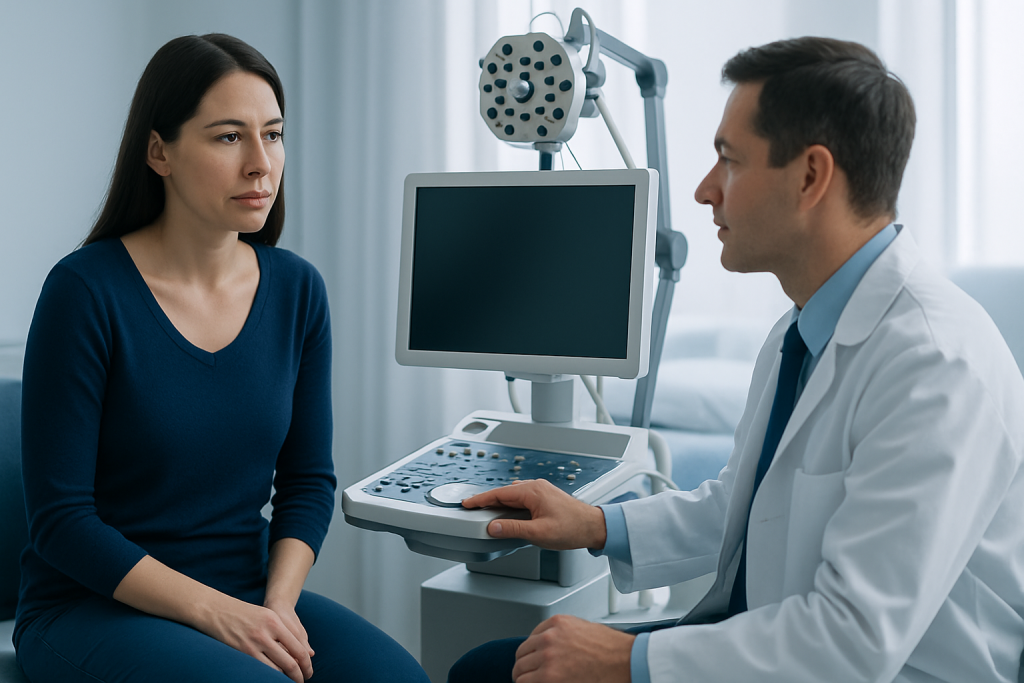
Warning signs of autoimmune neurological disease often depend on the part of the nervous system involved. People may notice weakness in one or more limbs, numbness, tingling, loss of balance, unexplained falls, muscle fatigue, tremor, or difficulty with coordination. Some symptoms begin suddenly over hours or days, while others develop more gradually over weeks.
Vision problems are another important clue. These can include blurred vision, double vision, eye pain, loss of color vision, or sudden vision loss in one eye. Speech or swallowing difficulty, facial weakness, memory changes, confusion, seizures, or unusual behavior can also occur when inflammation affects the brain or brainstem. In some people, severe fatigue and heat sensitivity can worsen existing neurological symptoms.
Symptoms involving the spinal cord may cause leg weakness, a tight band-like sensation around the torso, numbness below a certain level of the body, or bladder and bowel changes. Peripheral nerve involvement may cause burning pain, loss of reflexes, or ascending weakness. Although dizziness may have many causes, autoimmune inflammation is only one possibility; conditions such as vestibular neuritis can also cause sudden balance symptoms and need careful evaluation.
- Persistent numbness or tingling
- New muscle weakness or unusual fatigue with activity
- Double vision, blurred vision, or eye pain
- Problems with walking, balance, or coordination
- Speech, swallowing, memory, or behavior changes
- Bladder, bowel, or sexual function changes with neurological symptoms
Causes and risk factors

The exact cause of autoimmune neurological diseases is not always known. In many cases, they likely develop through a combination of genetic susceptibility and environmental triggers. The immune system may become misdirected after an infection, during an inflammatory illness, or sometimes without a clearly identifiable reason. Hormonal and immune system differences may also help explain why some autoimmune conditions are more common in certain age groups or in women.
Some autoimmune neurological conditions are linked to antibodies that target specific proteins in nerve cells, myelin, or the neuromuscular junction. Others may involve broader immune activation without a single definitive antibody. In certain situations, autoimmune neurological symptoms can occur alongside other autoimmune diseases such as thyroid disease, type 1 diabetes, lupus, rheumatoid arthritis, or inflammatory bowel disease.
Risk factors vary by diagnosis, and having a risk factor does not mean a person will develop disease. Family history of autoimmune illness, a recent infection, smoking, and certain immune abnormalities may increase risk in some disorders. Because symptoms can overlap with infection, structural problems, or vascular emergencies such as stroke, expert assessment is important rather than assuming an autoimmune cause.
How diagnosis is made
Diagnosis begins with a detailed medical history and neurological examination. The doctor asks when symptoms started, whether they came on suddenly or gradually, what makes them better or worse, and whether there were recent infections, other autoimmune diseases, or new medications. The pattern of weakness, sensory loss, vision change, reflex changes, and balance problems can offer important clues about which part of the nervous system may be affected.
Tests are chosen according to the suspected condition. Brain and spinal cord imaging, especially MRI, can look for inflammation or demyelination. Blood tests may check for autoimmune antibodies, vitamin deficiencies, infection markers, thyroid disease, and other causes of neurological symptoms. In some cases, a lumbar puncture is used to analyze cerebrospinal fluid for signs of inflammation or immune activity.
Additional studies may help when the peripheral nerves, muscles, or eyes are involved. Nerve conduction studies, electromyography, evoked potentials, and other forms of neurophysiology testing can show how well nerves and muscles are working. Specialized evaluations such as neuroradiology imaging or neuro-ophthalmology assessment may be useful when symptoms involve the brain, spinal cord, or visual pathways.
Because many symptoms overlap with migraine, infection, metabolic problems, and degenerative disease, diagnosis may take time. A careful work-up helps avoid both overdiagnosis and missed diagnosis. In some situations, repeat imaging or follow-up visits are needed before the full picture becomes clear.
Treatment options and ongoing care
Treatment depends on the specific diagnosis, the severity of symptoms, and whether the disease is active, relapsing, or chronic. In general, therapy aims to reduce immune system attacks, shorten relapses, prevent new episodes, and protect function. Doctors may use corticosteroids, intravenous immunoglobulin, plasma exchange, or longer-term immunotherapies depending on the disease and the person’s overall health.
Symptom management is also important. People may need treatment for pain, muscle stiffness, bladder problems, fatigue, mood changes, sleep difficulties, or visual symptoms. Physical therapy, occupational therapy, speech and swallowing therapy, and mobility support can all play a major role in preserving independence and improving quality of life.
Long-term follow-up helps doctors monitor disease activity, side effects, and recovery. Some people require regular imaging, blood tests, or neurological assessments to track progress and guide treatment adjustments. Coordinated care through a neuroimmunology team is often helpful because autoimmune neurological diseases may affect several body systems and may need input from rehabilitation, ophthalmology, rheumatology, or other specialties.
Prevention, self-care, and living with the condition
There is no guaranteed way to prevent autoimmune neurological diseases, but general health measures can support recovery and overall well-being. People are often advised to avoid smoking, keep vaccinations up to date when appropriate, manage stress, sleep regularly, and maintain balanced nutrition. Following the treatment plan closely and keeping scheduled appointments can help reduce the chance of avoidable setbacks.
Daily self-care may include pacing activities, using mobility aids if recommended, protecting against falls, and keeping a symptom diary. A diary can help track fatigue, vision problems, weakness, numbness, bladder symptoms, and possible triggers. This information may be useful during specialist appointments, especially when symptoms fluctuate.
Emotional support matters as much as physical care. Living with a chronic or unpredictable neurological illness can affect confidence, work, school, family life, and mental health. Support groups, counseling, rehabilitation programs, and practical home adjustments can help people stay active and engaged while adapting to changing needs.
When to see a doctor urgently
People should seek prompt medical attention for any new neurological symptom that is severe, sudden, or worsening. This includes sudden weakness, loss of vision, new confusion, seizures, severe imbalance, trouble speaking, or difficulty swallowing or breathing. These symptoms are not always due to an autoimmune disease, but they need urgent assessment because other serious conditions may look similar.
Even milder symptoms deserve medical review if they last more than a short time, keep returning, or start to interfere with walking, work, self-care, or safety. Early evaluation can be especially important when treatment is most effective during active inflammation. It is usually better to check symptoms early rather than wait for them to become disabling.
Near the end of the diagnostic pathway, some patients benefit from assessment in experienced centers. Acibadem International’s multidisciplinary specialists and JCI-accredited hospitals evaluate and treat neurological immune disorders for international patients, with access to advanced neurology services when needed.
Frequently asked questions
What is the difference between a neurological autoimmune disease and other neurological disorders?
A neurological autoimmune disease happens when the immune system mistakenly attacks part of the nervous system. Other neurological disorders may be caused by reduced blood flow, infection, inherited conditions, injury, tumors, or degeneration. Because symptoms can overlap, medical testing is often needed to tell them apart.
Can autoimmune neurological diseases come and go?
Yes. Some conditions cause relapses, meaning symptoms flare up and then improve partly or fully. Others may progress slowly over time or appear as a single episode, depending on the exact diagnosis.
Are vision changes a sign of autoimmune neurological disease?
They can be. Eye pain, blurred vision, double vision, and sudden vision loss may occur when inflammation affects the optic nerve or brain pathways that control vision. However, vision symptoms can also have many other causes, so they should be assessed by a doctor.
Do these diseases always cause permanent disability?
No. Outcomes vary widely, and many people improve with timely diagnosis, appropriate treatment, and rehabilitation. Early care can help limit inflammation, reduce relapses, and support recovery of function.
How quickly should someone see a specialist?
Urgent symptoms such as sudden weakness, severe balance problems, seizures, confusion, or vision loss should be evaluated immediately. More gradual symptoms should still be discussed with a doctor promptly, especially if they persist, recur, or affect daily activities.
What kind of doctor treats autoimmune neurological diseases?
These conditions are usually managed by a neurologist, and often by a neuroimmunology specialist. Depending on the symptoms, care may also involve rehabilitation specialists, ophthalmologists, rheumatologists, and other healthcare professionals.
References
- National Institute of Neurological Disorders and Stroke
- National Multiple Sclerosis Society
- Mayo Clinic
- Cleveland Clinic
- American Academy of Neurology
This article is for general information only and is not a substitute for professional medical advice. Please consult a qualified doctor about your individual situation.
Neuroimmunology in Turkey — costs, top hospitals & a free quote
JCI-accredited · board-certified surgeons · reply within 24h
Add us as a Preferred Source to see more of our trusted health content across Google Search, AI Overviews and Discover.

Neurology
Diagnosis and treatment of disorders of the brain, spinal cord, nerves and muscles.
51 specialists in this unit