Autoimmune Neuropathy: Symptoms, Nerve Testing, and Treatment Planning

Autoimmune neuropathy happens when the immune system damages peripheral nerves. Symptoms may include tingling, numbness, burning pain, weakness, and balance problems.
Key Takeaways
- Autoimmune neuropathy happens when the immune system damages peripheral nerves.
- Symptoms may include tingling, numbness, burning pain, weakness, and balance problems.
- Diagnosis often involves neurological examination, blood tests, and nerve studies such as EMG and nerve conduction testing.
- Treatment depends on the subtype and may include immunotherapy, rehabilitation, and symptom control.
- Prompt medical attention is important if weakness progresses quickly, breathing changes, or walking becomes difficult.
Autoimmune neuropathy is a group of conditions in which the immune system mistakenly attacks peripheral nerves, causing symptoms such as numbness, tingling, weakness, and pain. Early evaluation, including nerve testing, can help clarify the cause and guide treatment planning.
Overview
Autoimmune neuropathy refers to nerve disorders caused by an abnormal immune response against the peripheral nervous system. Peripheral nerves carry signals between the brain, spinal cord, muscles, skin, and internal organs. When these nerves are inflamed or damaged, communication is disrupted, which can lead to changes in sensation, movement, reflexes, and sometimes automatic body functions such as blood pressure or digestion.
This term does not describe a single disease. Instead, it includes several related conditions with different patterns and speeds of onset. Some develop suddenly over days to weeks, while others progress more slowly over months. A well-known acute example is Guillain-Barre syndrome, while other immune-mediated neuropathies may be chronic or relapsing.
Autoimmune neuropathy can affect sensory nerves, motor nerves, or both. Sensory nerve involvement may cause numbness, tingling, burning, or pain. Motor nerve involvement may lead to weakness, muscle cramps, reduced reflexes, or trouble with tasks such as climbing stairs, lifting objects, or walking safely.
Because symptoms may overlap with other nerve conditions, careful evaluation is important. Identifying the autoimmune nature of the problem helps doctors choose the right treatment plan, monitor progression, and support recovery as early as possible.
Symptoms of Autoimmune Neuropathy
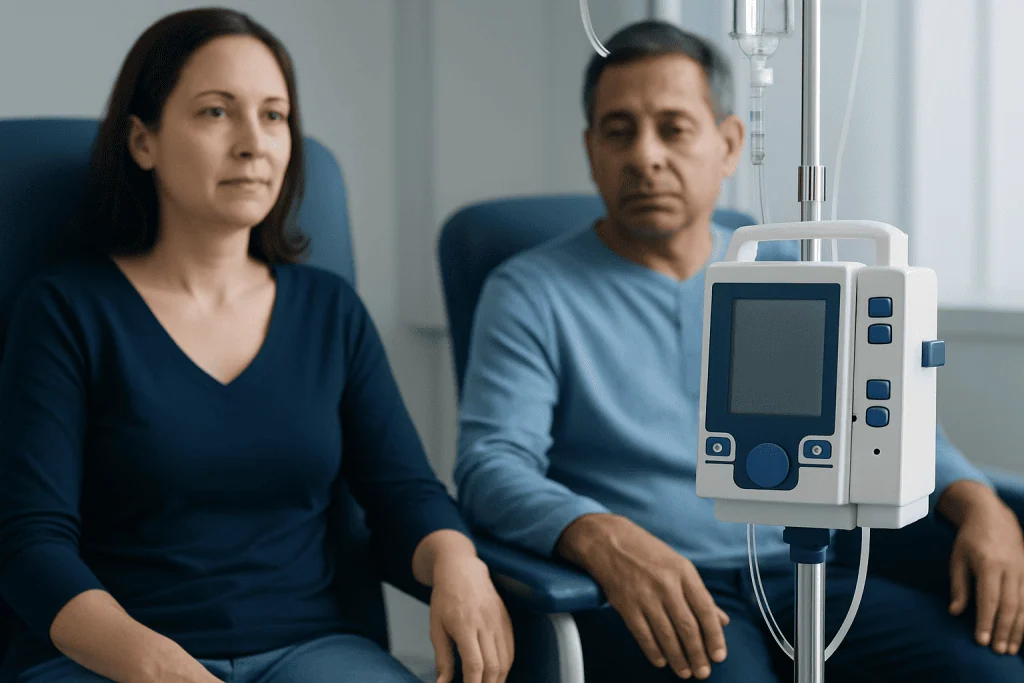
Symptoms depend on which nerves are affected and how quickly the condition develops. Many people first notice tingling in the feet or hands, followed by numbness, burning discomfort, or unusual sensitivity to touch. Others may notice muscle weakness, a heavy feeling in the legs, stumbling, or difficulty with fine hand movements such as buttoning clothes.
In some forms, symptoms begin symmetrically on both sides of the body and move upward. In others, they may be patchy or affect certain nerve groups more than others. Balance problems can happen because the brain receives less reliable information from the feet and legs. Reduced or absent reflexes are also common findings during a neurological examination.
Some patients develop autonomic symptoms if nerves that control involuntary functions are involved. These may include dizziness on standing, changes in sweating, constipation, bladder problems, or fluctuations in heart rate. Not everyone has these symptoms, but when they occur they can be important clues during diagnosis.
- Numbness or tingling in the hands, feet, arms, or legs
- Burning, stabbing, or electric-shock-like pain
- Muscle weakness or fatigue
- Unsteady walking or poor balance
- Loss of reflexes
- Autonomic symptoms such as dizziness, bowel, or bladder changes
Rapidly worsening weakness, facial weakness, swallowing difficulty, or shortness of breath need urgent medical attention. These symptoms can signal severe nerve involvement and should not be ignored.
Causes and Risk Factors

In autoimmune neuropathy, the body’s immune defenses mistakenly target components of peripheral nerves, such as myelin, the protective covering around nerves, or the nerve fibers themselves. This attack can interfere with electrical signal transmission and, over time, lead to inflammation and structural nerve injury. The exact trigger is not always clear, but the pattern is often recognizable through clinical assessment and testing.
Some cases appear after an infection, when the immune response that fought the infection becomes misdirected. Others are linked to broader autoimmune diseases, certain inflammatory conditions, or abnormal immune proteins in the blood. In some people, no single trigger is found, even after a thorough evaluation.
Doctors also consider other possible causes of neuropathy during the workup because not all nerve damage is autoimmune. Diabetes, vitamin deficiencies, thyroid disease, kidney problems, alcohol use, medication side effects, and inherited nerve disorders can cause similar symptoms. This is why the diagnostic process often includes blood testing and a detailed medical history.
Risk factors vary by subtype, but a personal or family history of autoimmune disease may raise suspicion. Age can also influence which forms are more likely, and recent viral or bacterial illness can be relevant in acute presentations. The goal is not only to confirm immune-mediated nerve damage but also to identify any associated condition that may need treatment as well.
How Diagnosis and Nerve Testing Work
Diagnosis begins with a neurological history and physical examination. The doctor asks about the timing of symptoms, areas affected, pain, weakness, balance changes, and whether symptoms are getting better or worse. Reflexes, strength, coordination, sensation, and walking are carefully assessed to determine the pattern of nerve involvement.
Nerve testing is central to treatment planning. The main tests are nerve conduction studies and electromyography, often grouped together as EMG. These studies help show whether the problem mainly affects the myelin covering, the nerve fibers, or both. They also help distinguish autoimmune neuropathy from muscle disease, nerve compression, or other neurological conditions. In many centers, this assessment is part of specialized neurophysiology testing.
Additional tests may include blood work to look for inflammation, autoimmune markers, vitamin deficiencies, infections, diabetes, thyroid disorders, or abnormal proteins. Depending on the case, doctors may also recommend cerebrospinal fluid testing, MRI imaging, ultrasound of peripheral nerves, or other evaluations through services such as advanced neuroradiology assessment.
Sometimes the diagnosis takes more than one visit because symptoms can evolve over time. Repeating nerve tests or monitoring clinical changes may help clarify the subtype. This careful approach allows the team to decide whether the condition fits within broader peripheral neuropathy care or needs a more targeted immune-focused strategy.
Treatment Options and Treatment Planning
Treatment depends on the specific autoimmune neuropathy, its severity, and how quickly symptoms are progressing. The main goals are to reduce harmful immune activity, protect nerve function, improve strength and mobility, and manage symptoms such as pain or fatigue. In many cases, treatment planning involves both short-term stabilization and longer-term follow-up.
Immune-based treatments may include corticosteroids, intravenous immunoglobulin, or plasma exchange, depending on the diagnosis and clinical situation. Some chronic or relapsing neuropathies may require other immunosuppressive medicines under specialist supervision. The right choice depends on the pattern of disease, overall health, and response to prior treatment.
Supportive care is also an important part of recovery. Physical therapy can help maintain strength, flexibility, balance, and safe movement. Occupational therapy may make daily activities easier, while pain management can address burning or nerve-related discomfort. Patients with complex immune-mediated conditions may benefit from review in neuroimmunology services or programs focused on neuromuscular diseases.
Treatment response can vary. Some people recover well over time, especially when care begins early, while others need ongoing monitoring for chronic symptoms or relapses. Regular follow-up helps doctors adjust therapy, watch for side effects, and support rehabilitation goals realistically and safely.
Prevention, Self-care, and Living With the Condition
There is no guaranteed way to prevent autoimmune neuropathy because the immune triggers are often not fully predictable. However, early recognition and timely medical care may reduce complications and support better recovery. Following the treatment plan, attending follow-up appointments, and reporting any new weakness or functional changes promptly are practical steps that can make a difference.
Self-care focuses on protecting mobility, safety, and general health. Gentle exercise or rehabilitation exercises recommended by a clinician may help preserve function without overexertion. A balanced diet, good sleep habits, hydration, and management of other health conditions such as diabetes or thyroid disease can also support nerve health overall.
People with numbness or balance problems may need home safety adjustments. Supportive footwear, handrails, better lighting, and caution on stairs can reduce the risk of falls. If hand sensation is reduced, extra care with hot surfaces, sharp objects, and foot care is important because injuries may be noticed late.
Living with a chronic neuropathy can also affect mood, confidence, and daily routines. Open communication with the care team helps address pain, sleep difficulty, fatigue, and emotional stress. If symptoms overlap with another diagnosed nerve disorder, such as trigeminal neuralgia, doctors tailor care to the full neurological picture rather than treating symptoms in isolation.
When to See a Doctor
Any new numbness, tingling, unexplained weakness, or loss of balance that persists should be discussed with a doctor, especially if symptoms are spreading or interfering with daily life. A specialist evaluation is important when symptoms suggest nerve inflammation rather than a simple temporary nerve irritation. Earlier assessment can help identify whether immune treatment is needed.
Urgent medical attention is needed if weakness worsens quickly, walking suddenly becomes difficult, facial muscles are affected, swallowing becomes hard, or breathing feels unusual. These symptoms may indicate an acute neuropathy that needs prompt hospital-based care. Severe autonomic symptoms, such as fainting or major blood pressure changes, should also be assessed without delay.
People who already have an autoimmune disease or a previous history of neuropathy should not assume new symptoms are minor. Changes in pattern, intensity, or speed of progression should be reviewed. Accurate diagnosis matters because treatment for autoimmune neuropathy differs from treatment for compression injuries, metabolic neuropathies, or central nervous system problems such as stroke.
For international patients seeking evaluation, Acibadem International’s multidisciplinary specialists in JCI-accredited hospitals assess and treat autoimmune neuropathy with diagnostic testing, neurological expertise, and rehabilitation planning tailored to the individual case.
Frequently asked questions
What is autoimmune neuropathy?
Autoimmune neuropathy is a condition in which the immune system mistakenly attacks peripheral nerves. This can disrupt sensation, movement, and sometimes automatic body functions such as blood pressure control or digestion.
Is autoimmune neuropathy the same as peripheral neuropathy?
Not exactly. Peripheral neuropathy is a broad term for damage to peripheral nerves from many possible causes, while autoimmune neuropathy is one specific immune-related cause within that larger group. Identifying the cause is important because treatment can be very different.
What tests are used to diagnose autoimmune neuropathy?
Doctors usually begin with a neurological examination and medical history. Nerve conduction studies and EMG are often key tests, and blood tests, spinal fluid analysis, or imaging may also be used depending on the suspected subtype.
Can autoimmune neuropathy be treated?
Yes, many cases can be treated, and the plan depends on the exact diagnosis and severity. Immune-based therapies, rehabilitation, and symptom management are commonly used, and some patients improve significantly with timely care.
How long does recovery take?
Recovery time varies widely. Some people improve over weeks to months, while others with chronic forms may need longer-term treatment and follow-up. Nerve healing can be gradual, so regular monitoring is often needed.
When is autoimmune neuropathy an emergency?
It is urgent if weakness is rapidly worsening, walking becomes suddenly difficult, or there is trouble breathing, swallowing, or moving the face. These symptoms may signal severe nerve involvement and require immediate medical evaluation.
References
- National Institute of Neurological Disorders and Stroke
- National Institute of Diabetes and Digestive and Kidney Diseases
- Mayo Clinic
- Merck Manual Consumer Version
- World Health Organization
This article is for general information only and is not a substitute for professional medical advice. Please consult a qualified doctor about your individual situation.
Joint and spine care in Turkey — expert assessment & treatment
JCI-accredited · board-certified surgeons · reply within 24h
Add us as a Preferred Source to see more of our trusted health content across Google Search, AI Overviews and Discover.
Check your numbers in seconds
BMI, calories, due date, blood pressure and 30+ more clinical calculators — free, instant, doctor-reviewed ranges.

Neurology
Diagnosis and treatment of disorders of the brain, spinal cord, nerves and muscles.
51 specialists in this unit