Autoimmune Neuropathy: Symptoms, Nerve Testing, and When Immunotherapy Is Considered

Autoimmune neuropathy is a group of nerve disorders caused by immune system inflammation or attack. Common symptoms include tingling, numbness, weakness, reduced reflexes, pain, and difficulty with walking or hand function.
Key Takeaways
- Autoimmune neuropathy is a group of nerve disorders caused by immune system inflammation or attack.
- Common symptoms include tingling, numbness, weakness, reduced reflexes, pain, and difficulty with walking or hand function.
- Diagnosis often relies on the pattern of symptoms, neurological examination, nerve conduction studies, EMG, and selected blood or spinal fluid tests.
- Immunotherapy is considered when findings suggest an active immune-mediated neuropathy rather than nerve damage from another cause.
- Early assessment is important because some autoimmune neuropathies are treatable and may improve with timely care.
Autoimmune neuropathy happens when the immune system mistakenly attacks peripheral nerves, leading to symptoms such as numbness, weakness, pain, or balance problems. Careful evaluation, including nerve testing and blood or spinal fluid studies, helps doctors decide whether immune-based treatment may be useful.
Overview of autoimmune neuropathy
Autoimmune neuropathy is a broad term for conditions in which the body’s immune system mistakenly targets the peripheral nerves. These nerves carry signals between the brain, spinal cord, muscles, skin, and internal organs. When they become inflamed or damaged, a person may notice altered sensation, muscle weakness, pain, or changes in balance and coordination.
Peripheral neuropathy can have many causes, including diabetes, vitamin deficiencies, infections, toxins, inherited conditions, and compression injuries. Autoimmune neuropathy is different because the main problem is an immune attack on nerve fibers or their protective covering, called myelin. Depending on which nerves are affected and how quickly symptoms develop, the condition can look very different from one person to another.
Examples include acute disorders such as Guillain-Barré syndrome and chronic immune neuropathies such as chronic inflammatory demyelinating polyneuropathy, often called CIDP. Some people have mainly sensory symptoms, while others have more weakness than numbness. A few forms also affect automatic body functions such as blood pressure, sweating, digestion, or bladder control.
Because symptoms may overlap with other neurological conditions, the diagnosis usually requires a structured evaluation by a neurologist. In many cases, doctors work with specialists in neuroimmunology, neurophysiology, and neuromuscular medicine to confirm whether the nerve problem is truly immune-mediated.
Symptoms and how they may feel
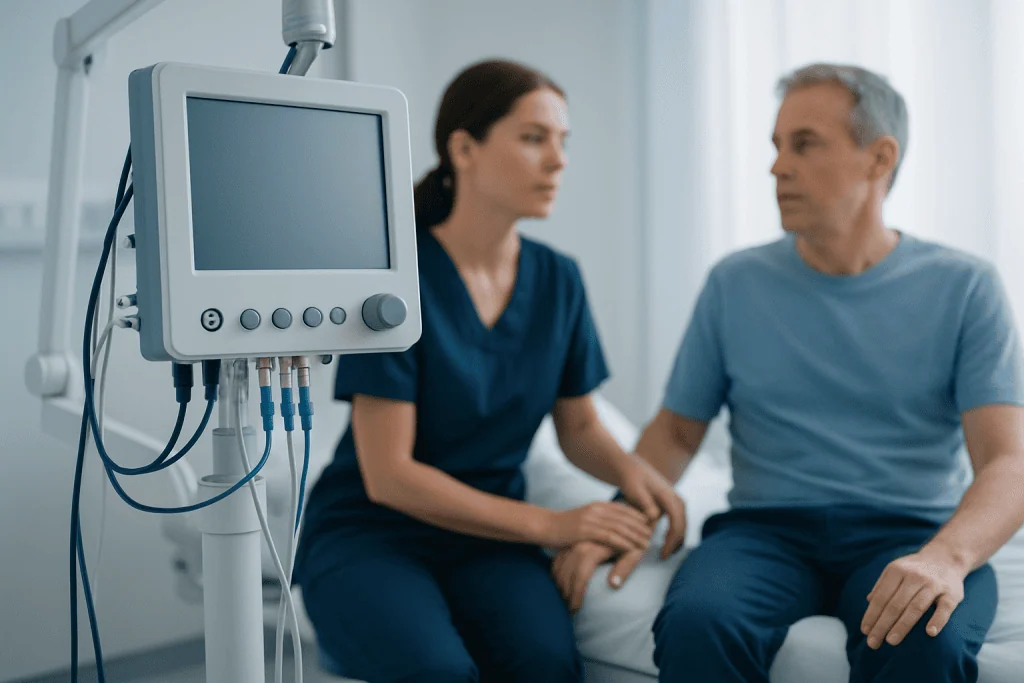
Symptoms of autoimmune neuropathy often begin in the feet and legs, then may spread upward to the hands and arms. Many people describe tingling, pins-and-needles, burning discomfort, reduced feeling, or a sense that their feet are “asleep.” Others notice heaviness in the legs, tripping more often, difficulty climbing stairs, or trouble lifting objects.
Weakness is an especially important symptom because it may suggest significant nerve involvement. A person may struggle to rise from a chair, walk long distances, grip small items, or keep up with usual daily activities. Reduced or absent reflexes are common on neurological examination, even when symptoms seem mild.
Pain can occur, but not every autoimmune neuropathy is painful. Some forms mainly cause sensory loss or imbalance, while others affect movement more strongly. Autonomic symptoms may include dizziness on standing, constipation, changes in sweating, urinary symptoms, or unusual changes in heart rate. These symptoms can be subtle and are worth mentioning during evaluation.
The speed of symptom onset matters. Sudden or rapidly progressive weakness over days may require urgent assessment, while symptoms that gradually worsen over weeks to months can suggest a chronic inflammatory neuropathy. In any pattern, new difficulty walking, swallowing, or breathing should be treated as a medical priority.
Causes and risk factors

In autoimmune neuropathy, the exact trigger is not always known. Sometimes the immune system becomes overactive after an infection, and antibodies or immune cells begin to react with nerve tissue. In other cases, autoimmune neuropathy appears alongside other immune disorders, certain blood protein abnormalities, or inflammatory diseases.
Doctors may look for associated conditions such as autoimmune thyroid disease, lupus, Sjögren syndrome, rheumatoid arthritis, celiac disease, vasculitis, or monoclonal gammopathy. Rarely, an immune neuropathy may be linked to cancer-related immune responses or occur after exposure to medications that affect the immune system. Not every person with these conditions develops neuropathy, but they can provide useful clues during diagnosis.
Age can influence which causes are more likely, but autoimmune neuropathy can occur in adults of many ages and, less commonly, in children. Family history is usually less important than in inherited neuropathies, although it can still help doctors distinguish immune causes from genetic disorders. Specialists may also consider other neurological explanations for weakness or altered sensation, including structural problems and non-immune nerve disorders.
Because many conditions can mimic one another, a doctor may need to rule out alternatives such as vitamin B12 deficiency, diabetes-related neuropathy, compression of a peripheral nerve, infections, or disease affecting the brain or spinal cord. This step is important before immune treatment is considered.
How diagnosis and nerve testing are done
Diagnosis begins with a detailed history and neurological examination. Doctors ask where symptoms started, how quickly they progressed, whether weakness or numbness is more prominent, and whether symptoms are symmetrical on both sides. They also review medications, recent infections, autoimmune conditions, family history, and symptoms such as weight loss, rash, dry eyes, bowel changes, or dizziness.
Nerve conduction studies and electromyography, often called EMG, are central tests in many cases. Nerve conduction studies measure how well electrical signals travel through nerves, while EMG evaluates muscle activity and can show whether muscles are being affected by nerve injury. These tests help doctors determine whether the neuropathy is demyelinating, meaning the myelin is damaged, or axonal, meaning the nerve fiber itself is more affected. That distinction can strongly influence diagnosis and treatment planning.
Additional tests may include blood work to look for inflammation, autoimmune markers, abnormal proteins, vitamin deficiencies, diabetes, infections, or thyroid disease. In selected patients, a lumbar puncture may be recommended to examine spinal fluid, especially when CIDP or Guillain-Barré syndrome is suspected. MRI or other imaging can sometimes help exclude spinal or brain disorders that may imitate neuropathy, and targeted evaluation in neuroradiology may be useful when the diagnosis is unclear.
Occasionally, doctors recommend antibody testing, autonomic testing, ultrasound of nerves, or a nerve biopsy, but these are not needed for everyone. The goal is not simply to label a neuropathy, but to identify whether there is evidence of active immune-mediated disease that is likely to respond to treatment.
When immunotherapy is considered
Immunotherapy is usually considered when the clinical picture and test results suggest that the neuropathy is caused by immune inflammation rather than wear-and-tear, metabolic disease, or irreversible long-standing nerve loss. In general, doctors look for a compatible symptom pattern, findings on examination, supportive nerve conduction results, and exclusion of other likely causes.
It is most often used for recognized immune neuropathies such as Guillain-Barré syndrome, CIDP, multifocal motor neuropathy, and certain vasculitic or antibody-associated neuropathies. The urgency and type of treatment depend on how severe the symptoms are, how quickly they are progressing, and whether breathing, swallowing, or walking is affected. Rapidly worsening weakness usually needs prompt specialist care.
Common immune-based treatments may include corticosteroids, intravenous immunoglobulin, plasma exchange, or other immunosuppressive medicines in selected cases. These treatments are designed to reduce harmful immune activity, but they are not right for every form of neuropathy. Doctors weigh the expected benefit against possible side effects, the person’s age, other medical conditions, and how much active inflammation appears to be present.
Response to treatment is monitored over time with physical examination, strength testing, functional assessment, and sometimes repeat nerve studies. Improvement may be gradual, especially in chronic neuropathies, because nerves heal slowly. Even when immunotherapy is appropriate, rehabilitation, pain management, and ongoing follow-up remain important parts of care.
Treatment options beyond immunotherapy
Comprehensive treatment often includes more than immune medication alone. Physical therapy can help maintain strength, mobility, and balance, while occupational therapy can support hand function and daily tasks. If a person has foot drop, weakness, or gait instability, braces or other assistive devices may improve safety and confidence during walking.
Symptom management is also important. Neuropathic pain, sleep disruption, fatigue, muscle cramps, and reduced endurance can all affect quality of life. Doctors may recommend medications for nerve pain, practical sleep strategies, and individualized activity plans that avoid overexertion while preserving function. For autonomic symptoms, treatment depends on the specific problem, such as blood pressure changes, bowel issues, or bladder symptoms.
If an underlying disease is contributing to the neuropathy, treating that condition is essential. For example, care may include management of autoimmune disease, correction of vitamin deficiency, or treatment of an infection. In some situations, doctors also reassess the diagnosis if symptoms do not behave like an immune neuropathy or fail to respond as expected.
Near the end of the diagnostic journey, patients may benefit from multidisciplinary review. Acibadem International’s multidisciplinary specialists in JCI-accredited hospitals diagnose and treat autoimmune neuropathies for international patients, bringing together neurology, rehabilitation, and advanced testing when needed.
Self-care, monitoring, and prevention of complications
There is no guaranteed way to prevent autoimmune neuropathy, but good general health habits can support recovery and lower the risk of complications. A balanced diet, regular hydration, careful management of chronic conditions, and avoiding alcohol excess or toxin exposure may help protect nerve health overall. People should also discuss supplements with a doctor rather than starting them on their own, because not every neuropathy is caused by vitamin deficiency.
Foot and skin care are especially important when numbness is present. Reduced sensation can make it easier to miss cuts, pressure areas, or burns. Wearing well-fitting shoes, checking the feet daily, and making the home safer by reducing fall hazards can be practical steps for daily life.
Activity is usually helpful, but it should be paced. Gentle exercise, stretching, and guided rehabilitation can improve stamina and function without overloading weakened muscles. Keeping a symptom diary may also help track progression, triggers, and response to treatment, which can be useful during follow-up appointments.
Emotional wellbeing matters too. Ongoing neurological symptoms can be tiring and uncertain, especially while diagnosis is still underway. Support from family, rehabilitation teams, and mental health professionals can help people cope with changes in mobility, work, and independence during treatment and recovery.
When to see a doctor
Anyone with unexplained numbness, tingling, burning pain, or new weakness that lasts more than a short time should arrange a medical evaluation. Assessment is particularly important if symptoms are worsening, affect both sides of the body, or begin to interfere with walking, hand use, balance, or daily activities. A doctor can help determine whether the problem is autoimmune neuropathy or another condition that needs different treatment.
Urgent care is needed for rapidly progressing weakness, falls, facial weakness, trouble swallowing, shortness of breath, or major changes in bladder or bowel control. These symptoms can occur in serious neurological illnesses and should not be monitored at home without guidance. Not all urgent nerve symptoms are autoimmune, so prompt evaluation is the safest approach.
It is also wise to seek review if a known neuropathy changes unexpectedly or if treatment side effects appear. Follow-up is often needed to judge whether symptoms are stable, improving, or pointing toward a different diagnosis. Some people initially thought to have a common neuropathy are later found to have an immune form that deserves more targeted treatment.
Doctors may also consider other neurological disorders that can resemble neuropathy in certain situations, including cranial nerve conditions such as Bell palsy or central nervous system problems such as stroke. Because the treatment pathways differ, an accurate diagnosis remains the key first step.
Frequently asked questions
Is autoimmune neuropathy the same as peripheral neuropathy?
No. Peripheral neuropathy is a general term for damage to peripheral nerves from many possible causes, while autoimmune neuropathy refers specifically to nerve damage caused by an abnormal immune response. Autoimmune neuropathy is one important subtype of peripheral neuropathy.
What does nerve testing show in autoimmune neuropathy?
Nerve conduction studies and EMG can show how well nerves carry signals and whether the main problem affects myelin or the nerve fiber itself. These patterns help doctors decide whether an immune-mediated neuropathy is likely and guide further testing and treatment.
Does autoimmune neuropathy always cause pain?
No. Some people mainly have numbness, tingling, imbalance, or weakness rather than pain. Others develop burning, electric, or aching nerve pain, depending on which nerves are involved.
When do doctors use immunotherapy for neuropathy?
Immunotherapy is considered when the history, examination, and tests support an immune cause and other likely causes have been excluded. It is commonly used for certain inflammatory neuropathies, especially when weakness is progressing or daily function is clearly affected.
Can autoimmune neuropathy improve?
Many people can improve, especially when the diagnosis is made early and the condition is treatable. Recovery may take time because nerves heal slowly, and some people need rehabilitation or longer-term monitoring even after treatment starts.
What is the difference between Guillain-Barré syndrome and CIDP?
Guillain-Barré syndrome is usually an acute immune neuropathy that develops over days to weeks, often after an infection. CIDP is a chronic inflammatory neuropathy that progresses or relapses over a longer period, typically weeks to months.
References
- National Institute of Neurological Disorders and Stroke
- National Institute of Diabetes and Digestive and Kidney Diseases
- Mayo Clinic
- National Organization for Rare Disorders
- American Academy of Neurology
This article is for general information only and is not a substitute for professional medical advice. Please consult a qualified doctor about your individual situation.
Immunotherapy in Turkey — costs, top hospitals & a free quote
JCI-accredited · board-certified surgeons · reply within 24h
Add us as a Preferred Source to see more of our trusted health content across Google Search, AI Overviews and Discover.
Check your numbers in seconds
BMI, calories, due date, blood pressure and 30+ more clinical calculators — free, instant, doctor-reviewed ranges.

Medical Oncology Department
Medical treatment of cancer with chemotherapy, immunotherapy and targeted therapies under a multidisciplinary tumor board.
60 specialists in this unit