

BBL and Lipofilling: How Fat Transfer Works in Body Contouring

BBL and lipofilling use the patient’s own fat, so the material being transferred is autologous. The procedure combines liposuction, fat processing, and precise injection to improve contour and volume.
Key Takeaways
- BBL and lipofilling use the patient’s own fat, so the material being transferred is autologous.
- The procedure combines liposuction, fat processing, and precise injection to improve contour and volume.
- Not all transferred fat survives, so surgeons plan for natural-looking results and realistic expectations.
- Good candidacy depends on overall health, stable weight, enough donor fat, and safe anatomy.
- Recovery includes swelling, bruising, activity limits, and follow-up visits to monitor healing.
BBL and lipofilling are body-contouring procedures that use a person’s own fat to add shape or volume to selected areas. The fat is usually taken from one part of the body, prepared carefully, and then placed where enhancement is desired.
Overview
BBL and lipofilling are terms used for fat transfer procedures in aesthetic medicine. In simple terms, a surgeon removes fat from one area of the body, gently processes it, and then places it into another area to create more fullness or improve shape.
A BBL, or Brazilian Butt Lift, typically focuses on adding volume and contour to the buttocks, while lipofilling can be used in many parts of the body and face. Because the transferred material comes from the patient’s own body, this approach is often described as autologous fat transfer. It is commonly combined with body shaping procedures such as liposuction or broader contouring plans like body aesthetics.
The goal is usually a more balanced silhouette rather than a dramatic change. Results depend on body type, skin quality, surgical technique, and how much of the transferred fat is retained over time.
How Fat Transfer Works
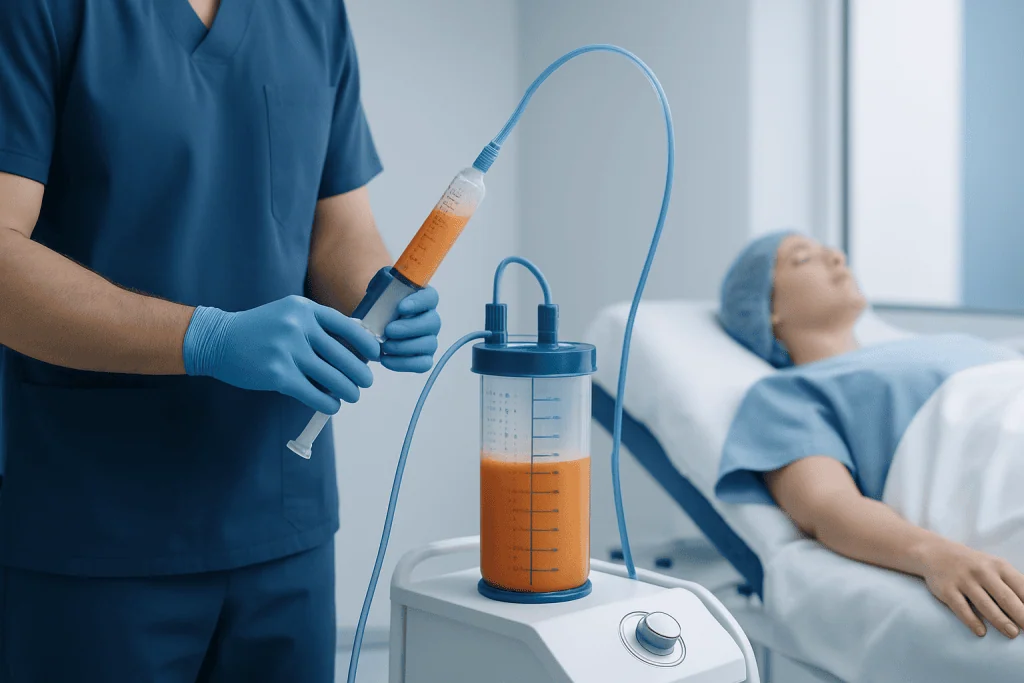
Fat transfer has three main steps. First, the surgeon removes fat from donor areas such as the abdomen, flanks, thighs, or back using liposuction. Second, the fat is purified or prepared so that healthy fat cells can be selected for transfer. Third, the surgeon injects the fat in small amounts into the target area, layering it carefully to support blood supply and natural shaping.
This technique requires precision because the transferred fat must establish a blood supply in its new location to survive. Some of the fat typically reabsorbs naturally during healing, which is why surgeons often plan conservatively and explain that results may settle gradually.
In the buttocks, fat transfer can enhance projection and contour. In other areas, lipofilling may soften hollows, restore volume lost with age, or refine symmetry. It is also used in reconstructive and restorative settings, including breast reconstruction and aesthetic breast surgery in selected cases.
Common Uses in Body Contouring
BBL and lipofilling can address different aesthetic concerns depending on the area treated. Some people seek fuller buttocks, while others want subtle volume restoration in the hips, breasts, face, or hands. The procedure can also improve transitions between body zones, which may create a smoother overall outline.
In body contouring, a frequent advantage is the dual effect: unwanted fat is removed from one area and used to enhance another. That can make the procedure appealing for patients who have donor fat available and want a more natural-feeling result than an implant-based approach.
For individuals who have lost weight or undergone bariatric surgery, fat transfer may be part of a broader contouring plan. In those cases, treatment is usually individualized, and options may be discussed alongside procedures such as bariatric contouring or a targeted buttock lift when skin laxity is also present.
Who May Be a Good Candidate
A good candidate is generally an adult who is in overall good health, has realistic expectations, and has enough donor fat for transfer. Surgeons usually look for stable weight, nonsmoking status or willingness to stop before and after surgery, and a clear understanding that the result should look balanced and proportionate.
Medical history matters. Conditions that affect wound healing, blood clotting, or anesthesia safety may influence eligibility. A careful consultation helps the surgeon determine whether fat transfer alone is appropriate or whether another procedure may better match the person’s goals.
Candidacy is also about anatomy. Some people have too little donor fat for a full-volume BBL, while others may benefit more from small-volume lipofilling to correct contour irregularities. In patients seeking a face-focused result, options may include procedures such as cheek augmentation when volume loss is the main concern.
Benefits and Limitations
One major benefit of fat transfer is that it uses the patient’s own tissue. Many people appreciate that there is no synthetic implant involved, and the donor-site liposuction can improve another area at the same time. When performed well, the result can feel soft and look natural.
There are limits, however. Not every transferred fat cell survives, so the final volume is usually smaller than the amount initially placed. Some patients need a second session if they want more fullness after healing. Results can also change with significant weight gain or weight loss.
As with any cosmetic procedure, the best outcome comes from appropriate patient selection and a thoughtful surgical plan. A consultation should cover the desired shape, the available donor fat, the expected recovery, and whether the result can be safely achieved.
Risks, Safety, and Diagnosis Before Surgery
Before surgery, the team evaluates the person’s health, body proportions, medications, allergies, and previous operations. This assessment is essential because safe fat transfer depends on planning the donor and recipient sites carefully and understanding any factors that could increase risk.
Possible risks include bleeding, infection, contour irregularities, asymmetry, fat loss, fluid collections, and numbness or sensitivity changes in treated areas. There are also anesthesia-related risks, which is why the procedure should be performed in a properly equipped surgical setting by a qualified specialist.
Safety discussions should include what to expect during recovery and which symptoms require prompt medical attention. The surgeon should also explain realistic goals, especially for patients who hope for a large volume change. In experienced hands, the focus is on achieving a stable, proportional result rather than overfilling an area.
Recovery and Self-care
Recovery depends on how much fat was removed and transferred, which areas were treated, and whether the procedure was combined with other surgeries. Swelling and bruising are common early on, and the treated areas may feel tender or tight for a period of time.
Follow-up instructions are important. Patients are often advised to avoid putting direct pressure on the transferred fat, to limit strenuous exercise until cleared, and to wear compression garments if recommended for the donor sites. Good hydration, nutritious meals, and avoiding smoking can support healing.
Some surgeons provide specific sitting or sleeping guidance after a BBL to help protect the transferred fat during early healing. Because practices vary, patients should follow the individual plan given by their own surgeon rather than general advice from the internet.
When to See a Doctor
Patients should contact their surgeon if pain, swelling, redness, or drainage seems to worsen instead of improve, or if they develop fever, shortness of breath, chest pain, or one-sided leg swelling. These symptoms need timely medical assessment.
It is also wise to reach out if the expected shape changes abruptly, if one side looks much different from the other, or if there are concerns about healing at either the donor or recipient site. Early evaluation can help identify whether the issue is part of normal recovery or needs treatment.
For anyone considering fat transfer, a consultation with a board-certified plastic surgeon is the best starting point. At Acibadem International, multidisciplinary specialists in JCI-accredited hospitals diagnose and treat a wide range of aesthetic concerns for international patients with coordinated care.
Frequently asked questions
What is the difference between BBL and lipofilling?
BBL usually refers to fat transfer to the buttocks for shape and projection. Lipofilling is a broader term for using fat transfer in many areas of the body or face. Both rely on the same basic principle: removing, preparing, and reinjecting the patient’s own fat.
How long do fat transfer results last?
Some of the transferred fat is naturally reabsorbed during healing, while the rest can become long-lasting once it establishes a blood supply. Results may still change over time with aging and weight fluctuations. Maintaining a stable weight helps preserve the outcome.
Is fat transfer better than implants?
It depends on the person’s goals, anatomy, and safety considerations. Fat transfer may feel more natural and can improve donor areas at the same time, while implants may be better for patients who need more predictable volume. A surgeon can explain which option fits the situation best.
Can someone have lipofilling if they are thin?
Possibly, but only if there is enough donor fat for the desired correction. Very slim patients may still be candidates for small-volume lipofilling, but larger enhancement may not be feasible. A consultation helps determine whether the available fat is sufficient.
Does a BBL require special recovery precautions?
Yes. The surgeon may advise avoiding pressure on the transferred fat for a period of time and limiting activity while healing. The exact recovery plan varies, so patients should follow their own surgeon’s instructions closely.
Can lipofilling be repeated?
Yes, some patients choose a second session if they want more volume after the first healing phase. Repeating the procedure depends on how much fat remains, the quality of healing, and whether another procedure is medically appropriate.
References
- American Society of Plastic Surgeons
- International Society of Aesthetic Plastic Surgery
- Mayo Clinic
- U.S. Food and Drug Administration
This article is for general information only and is not a substitute for professional medical advice. Please consult a qualified doctor about your individual situation.
Body Contouring in Turkey — costs, top hospitals & a free quote
JCI-accredited · board-certified surgeons · reply within 24h
Add us as a Preferred Source to see more of our trusted health content across Google Search, AI Overviews and Discover.

Plastic, Reconstructive & Aesthetic Surgery
Reconstructive and aesthetic procedures for the face and body, performed by experienced surgeons.
35 specialists in this unitRelated Treatments
Related Conditions
More from the Health Library



Related Specialists

Prof. Dr. Şükrü Yazar
Aesthetic Plastic & Reconstructive Surgery
Assoc. Prof. Dr. Erdem Güven (m)
Aesthetic Plastic & Reconstructive Surgery
Prof. Dr. Hakan Ağır
Aesthetic Plastic & Reconstructive Surgery
Prof. Dr. Bülent Saçak
Aesthetic Plastic & Reconstructive Surgery