

Body Contouring After Weight Loss: What Results Are Realistic?
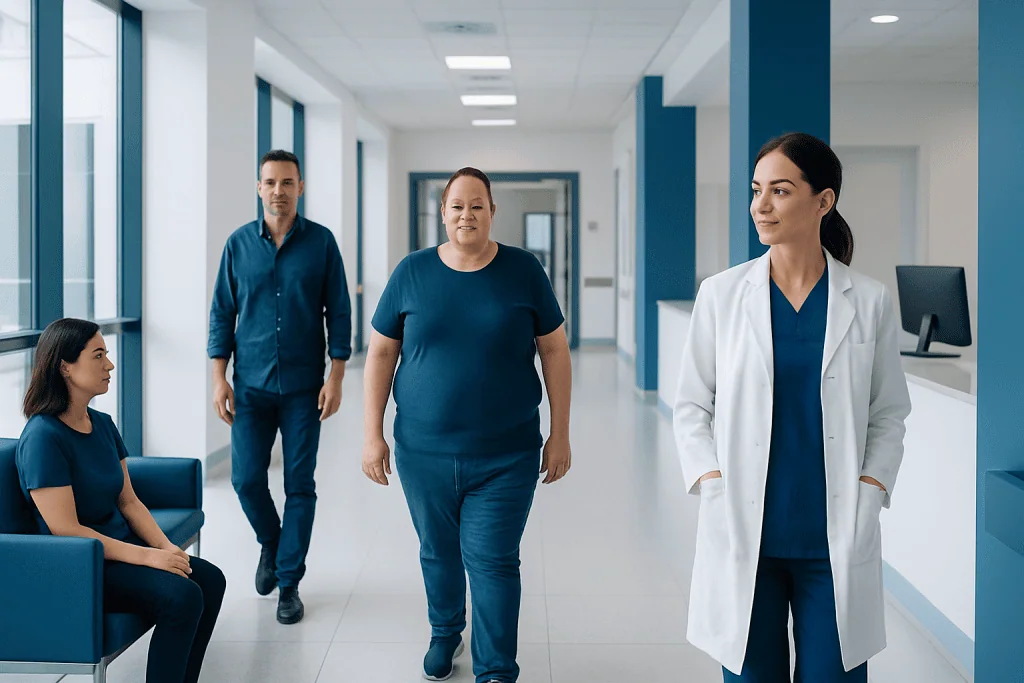
Body contouring can improve contour and comfort, but it does not create a flawless body. The best candidates usually have reached a stable weight and can maintain it.
Key Takeaways
- Body contouring can improve contour and comfort, but it does not create a flawless body.
- The best candidates usually have reached a stable weight and can maintain it.
- Scars are an expected trade-off for removing loose skin after major weight loss.
- Several procedures may be needed, often in stages, to treat different body areas safely.
- Healthy habits, good nutrition, and careful recovery support better healing and longer-lasting results.
Body contouring after weight loss can improve body shape, comfort, and clothing fit by removing excess skin and tightening selected areas. Realistic results mean expecting noticeable improvement rather than perfection, with outcomes influenced by skin quality, overall health, weight stability, and the need for staged procedures.
Overview: What Body Contouring After Weight Loss Can and Cannot Do
Body contouring after weight loss refers to procedures that reshape the body after significant weight reduction, especially when loose skin remains. Many people notice hanging skin on the abdomen, arms, thighs, chest, buttocks, or neck even after reaching a healthier weight. This can affect comfort, movement, skin hygiene, and confidence. Surgical contouring is designed to remove excess skin and improve body proportions.
Realistic results are important to understand from the start. Body contouring can create a firmer, smoother outline, but it cannot make the body look exactly like it did before weight gain or produce complete symmetry. Skin that has been stretched for a long time does not always bounce back fully, and underlying tissues may also have changed. The goal is improvement in shape, function, and comfort, not perfection.
For many patients, body contouring is part of the final stage of a weight-loss journey. Common approaches include tummy tuck-style procedures, lifts for the arms or thighs, breast reshaping, and more comprehensive bariatric contouring plans. Some people also benefit from targeted procedures such as an arm lift or buttock lift depending on the areas most affected by excess skin.
Who Is a Good Candidate?
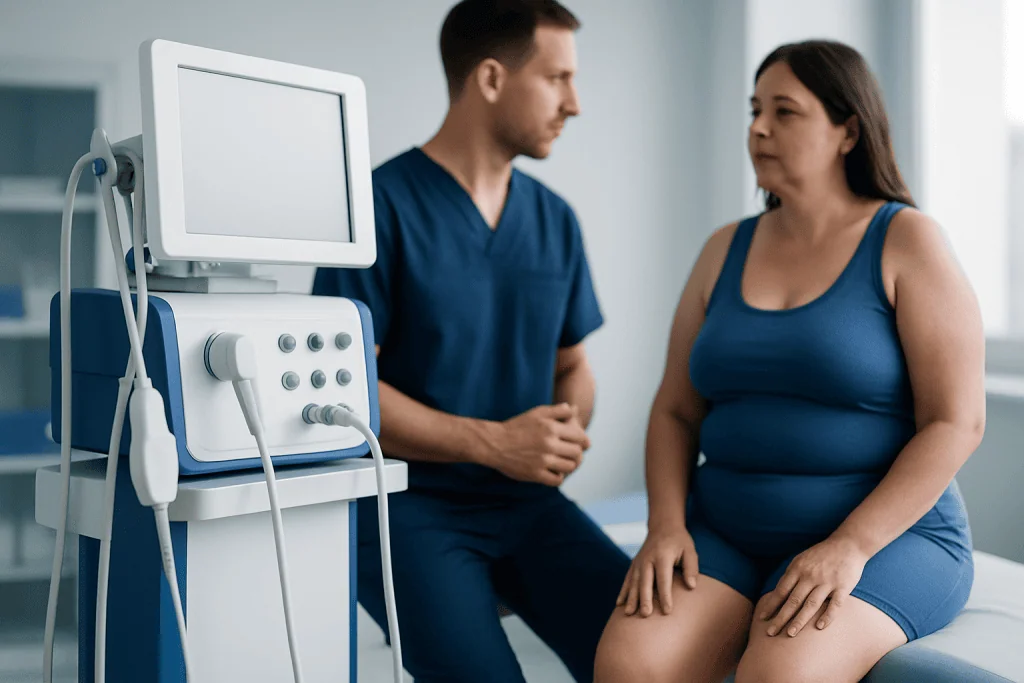
The best candidates are usually adults who have lost a significant amount of weight and kept it stable for a period recommended by their surgeon. Weight stability matters because ongoing weight loss or weight regain can change the results. Patients are often advised to wait until they are close to their long-term goal and able to maintain healthy habits.
General health also plays a major role. A surgeon will consider nutrition, medical conditions, smoking status, medication use, and how well the patient is likely to heal. After major weight loss, some people may have vitamin, protein, or iron deficiencies that need correction before surgery. Good preparation can reduce complications and support recovery.
Equally important is emotional readiness. Body contouring can improve appearance and quality of life, but it does not solve all body-image concerns. Patients tend to be most satisfied when they understand the benefits, accept the presence of scars, and have clear, achievable expectations about what surgery can do.
What Results Are Realistic?
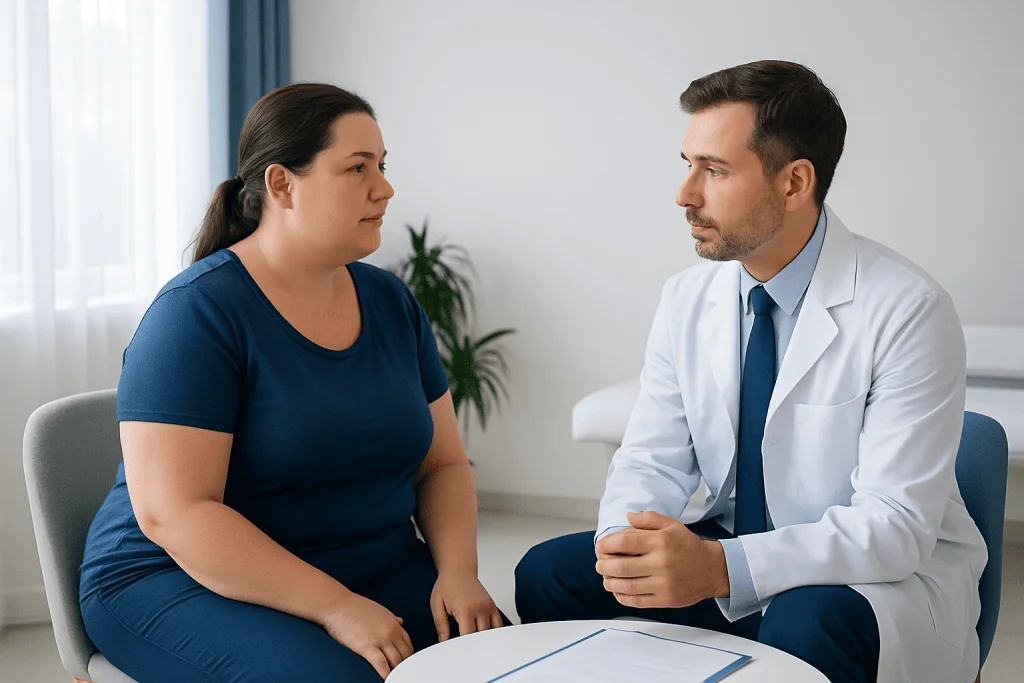
Realistic body contouring results usually include less hanging skin, better body definition, improved fit of clothing, and easier movement during daily activities. Some people also feel relief from chafing, skin irritation, and difficulty exercising. Areas that commonly improve include the abdomen, upper arms, breasts or chest, thighs, buttocks, and lower back.
However, realistic expectations also include limits. Surgery cannot guarantee perfect smoothness, exact left-right symmetry, or an idealized body shape. Stretch marks may remain if they are outside the skin that is removed. Skin quality, age, genetics, sun exposure, and the amount of past weight gain all influence how the final result looks.
Scars are one of the main trade-offs. To remove larger amounts of excess skin, longer incisions are usually necessary. Surgeons place these as discreetly as possible, but scars are permanent even though they often fade over time. Some patients are more prone to thick or raised scarring, including keloid scars, so this should be discussed in advance.
Another realistic point is that treatment may need to be staged. It is often neither practical nor safest to correct every area in one operation. A patient may start with the abdomen and lower body, then later address the arms, breasts, or thighs. This step-by-step approach can improve safety and allow better planning for recovery.
Common Procedures Used After Major Weight Loss
Body contouring is not a single operation. It is a group of procedures selected according to a person’s anatomy and goals. The abdominal area is one of the most common concerns because loose skin can collect around the lower stomach and waist. Surgeons may combine skin removal with tightening of the abdominal wall when needed.
The upper arms often develop a hanging appearance that does not improve with exercise alone. In this case, an arm lift can remove excess tissue and improve contour. The buttocks and outer thighs may also flatten or droop after major weight loss, and a buttock lift may help create a more lifted shape in selected patients.
Breasts and chest contours often change significantly after weight loss. Women may notice loss of volume, sagging, or stretched skin, while men may still have fullness or excess tissue in the chest area. Depending on the anatomy, options can include reshaping or lifting with procedures such as breast lift or other breast contouring techniques. Men with persistent chest fullness may need evaluation because not all enlargement is just loose skin; in some cases, a condition such as gynecomastia may also be contributing.
Liposuction can sometimes be added to refine shape, but it is not a substitute for skin removal when laxity is significant. In patients with major weight-loss changes, removing skin is often the main step, while contouring techniques help improve transitions between treated areas. A plastic surgeon recommends the safest combination after examining skin elasticity, fat distribution, and overall goals.
How Surgeons Plan Treatment and Make a Diagnosis
Planning begins with a detailed consultation and physical examination. The surgeon assesses skin redundancy, body proportions, scar placement options, and the quality of the remaining tissues. They also review weight history, prior surgeries, pregnancy history if relevant, and whether the patient lost weight through lifestyle changes, medication, or bariatric surgery.
Medical assessment is equally important. The care team may order blood tests to check for anemia, low protein, vitamin deficiencies, blood sugar concerns, or other issues that could affect healing. Photos may be taken for planning and discussion. In some cases, other specialists are involved, especially if the patient has heart, lung, endocrine, or nutritional concerns.
The consultation is also when the surgeon explains what is possible in one stage and what may need separate procedures. The patient should understand likely scars, the amount of downtime, the need for compression garments, and how daily life may be limited during recovery. A clear surgical plan is one of the best ways to align expectations with achievable outcomes.
Recovery, Risks, and Long-Term Results
Recovery depends on the extent of surgery and the number of areas treated. Swelling, bruising, tightness, and temporary fatigue are common in the early period. Drains may be used in some operations, and patients are usually encouraged to walk early while avoiding strain, lifting, and intense exercise until their surgeon advises otherwise. Returning to normal routines may take several weeks or longer for larger procedures.
As with any surgery, body contouring carries risks. These can include bleeding, infection, wound-healing problems, fluid collection, changes in sensation, unfavorable scarring, blood clots, and the possibility of revision surgery. Risks can be higher in people who smoke, have uncontrolled medical conditions, or have poor nutritional status. Careful screening and following instructions closely can help reduce complications.
Results also take time to settle. The body’s shape often improves gradually as swelling decreases and scars mature. Early results may look uneven or firmer than expected, but this often changes over the following months. Patience is important, because the final appearance is not immediate.
Long-term results tend to last best when weight remains stable. Future pregnancy, major weight fluctuations, aging, and changes in muscle tone can alter the outcome. Surgery removes excess skin, but it does not stop the natural effects of time on the body.
How to Prepare and Support Healing
Preparation can strongly influence the overall experience and result. Patients are often advised to stop smoking well before surgery, optimize chronic medical conditions, and improve nutrition. Adequate protein intake and correction of vitamin or mineral deficiencies may be especially important after bariatric surgery or major weight loss.
Practical planning also matters. It helps to arrange support at home, prepare comfortable clothing, and understand restrictions on driving, childcare, work, and exercise. Following wound-care and garment instructions carefully can support healing and improve comfort.
After surgery, steady habits are more useful than quick fixes. A balanced diet, hydration, gentle movement as advised, and keeping follow-up appointments all support recovery. Any signs of wound problems, fever, unusual swelling, severe pain, or shortness of breath should be reported promptly. For international patients seeking evaluation and treatment, Acibadem International’s multidisciplinary specialists and JCI-accredited hospitals provide diagnosis and care for body contouring needs after major weight loss.
When to See a Doctor
A person should consider seeing a qualified plastic surgeon if loose skin after weight loss causes discomfort, repeated rashes, difficulty with exercise, trouble finding well-fitting clothes, or ongoing dissatisfaction despite maintaining a healthy weight. A consultation can help clarify whether surgery is appropriate and which procedures may be realistic.
Medical advice is especially important if there are persistent skin infections, non-healing sores, or pain in skin folds. Areas of prolonged pressure or friction can sometimes lead to skin breakdown, and some patients may be at risk of complications such as pressure ulcers if mobility is limited. These problems should be assessed by a doctor rather than managed with self-treatment alone.
Urgent medical attention is needed after surgery if there is chest pain, sudden shortness of breath, heavy bleeding, rapidly spreading redness, or severe swelling in one leg. These symptoms do not always mean a serious problem, but they should be evaluated promptly for safety.
Frequently asked questions
Will body contouring make the body look completely normal again after major weight loss?
Body contouring can make a significant improvement, but it does not restore the body to a completely unchanged state. Most people can expect better shape, less excess skin, and improved comfort, while still having scars and some natural asymmetry.
How long should weight be stable before body contouring?
Many surgeons prefer weight to be stable for several months before surgery, although the exact timing varies by patient. Stable weight helps protect the result and lowers the chance that further body changes will affect the surgical outcome.
Can exercise remove loose skin after weight loss?
Exercise can strengthen muscles and improve overall body tone, but it usually cannot remove significant excess skin. When skin has been stretched beyond its ability to retract, surgery is often the only effective way to remove it.
Are scars unavoidable with body contouring?
Yes, scars are generally unavoidable because excess skin must be removed through incisions. Surgeons aim to place scars where they can be hidden by clothing when possible, and most scars fade over time, although they do not disappear completely.
Is liposuction enough after large weight loss?
Liposuction alone is often not enough when the main problem is loose, hanging skin. It may help refine contour in selected areas, but patients with major skin laxity usually need skin-removal procedures for the most meaningful improvement.
How many surgeries might be needed?
Some people need only one procedure, while others benefit from a staged plan involving two or more operations. The number depends on how many body areas are involved, overall health, surgical safety, and recovery goals.
Can the results last permanently?
The removed skin does not come back, so improvements can be long-lasting. However, aging, pregnancy, and major weight changes can alter the results over time, which is why weight maintenance and healthy habits remain important.
References
- American Society of Plastic Surgeons
- National Institute for Health and Care Excellence
- Mayo Clinic
- Cleveland Clinic
- British Association of Plastic, Reconstructive and Aesthetic Surgeons
This article is for general information only and is not a substitute for professional medical advice. Please consult a qualified doctor about your individual situation.
Body Contouring in Turkey — costs, top hospitals & a free quote
JCI-accredited · board-certified surgeons · reply within 24h
Add us as a Preferred Source to see more of our trusted health content across Google Search, AI Overviews and Discover.

Plastic, Reconstructive & Aesthetic Surgery
Reconstructive and aesthetic procedures for the face and body, performed by experienced surgeons.
35 specialists in this unitRelated Treatments
Related Conditions
More from the Health Library
Related Specialists
Assoc. Prof. Dr. Erdem Güven (m)
Aesthetic Plastic & Reconstructive Surgery
Prof. Dr. Şükrü Yazar
Aesthetic Plastic & Reconstructive Surgery
Prof. Dr. Hakan Ağır
Aesthetic Plastic & Reconstructive Surgery
Prof. Dr. Bülent Saçak
Aesthetic Plastic & Reconstructive Surgery