

Breast Augmentation vs Breast Fat Transfer: Which Option Suits Your Goals?

Implants usually provide a more noticeable size increase than fat transfer. Fat transfer uses the patient’s own fat and can create a subtler, more natural-feeling change.
Key Takeaways
- Implants usually provide a more noticeable size increase than fat transfer.
- Fat transfer uses the patient’s own fat and can create a subtler, more natural-feeling change.
- Not everyone is a candidate for both procedures; body shape, skin quality, and goals matter.
- Recovery, scars, cost considerations, and the chance of future procedures differ between options.
- A consultation with a board-certified plastic surgeon helps match the procedure to realistic goals and anatomy.
Breast augmentation with implants and breast fat transfer can both enhance breast shape and volume, but they achieve different kinds of results. The best option depends on the amount of enlargement desired, available body fat, preferred feel, scar tolerance, and willingness to accept future maintenance.
Overview: how the two options differ
When comparing breast augmentation vs breast fat transfer, the main difference is how volume is added. Traditional breast augmentation uses implants, usually filled with silicone gel or saline, to increase breast size and shape. Fat transfer, also called autologous fat grafting, removes fat from another area of the body with liposuction, processes it, and injects it into the breasts.
Both procedures are used for cosmetic enhancement and, in some cases, to improve contour irregularities or mild asymmetry. However, they are not interchangeable for every patient. Implants are often chosen when a person wants a clearer increase in cup size or more upper-pole fullness, while fat transfer is often preferred for a modest increase and a softer, more subtle contour.
Each method has potential benefits and limitations. The decision is not only about size, but also about body type, tissue quality, implant acceptance, recovery preferences, and how important long-term maintenance is to the patient. A thoughtful consultation is the best way to understand which option aligns with individual expectations.
Who may be a good candidate for each option
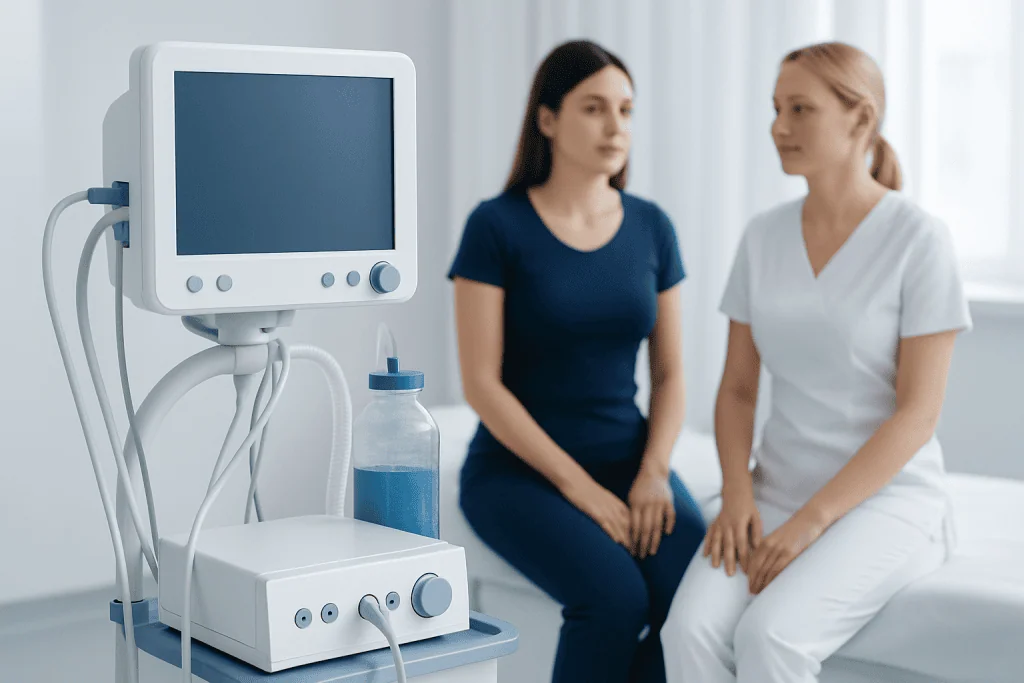
A person considering implants is often looking for a more predictable and noticeable increase in breast volume. Implants may also be helpful when breast tissue is naturally limited, when there is more significant asymmetry, or when a patient wants a rounder upper breast shape. For some, implants can also be combined with a breast lift if sagging is present.
Breast fat transfer may suit someone who wants a modest size increase, prefers using their own tissue, and has enough extra fat in donor areas such as the abdomen, flanks, thighs, or arms. It can be appealing to people who do not want implants or who wish to improve body contour in the areas where fat is removed. Natural asymmetry and contour refinement can often be improved with this approach.
Not everyone is an ideal candidate for both procedures. Very lean individuals may not have enough donor fat for transfer, while patients with very thin breast tissue may still achieve better volume with implants. In cases where shape, symmetry, and breast position are part of the concern, a surgeon may discuss several options within breast aesthetic procedures to create a balanced result.
Expected results: size, shape, feel, and longevity
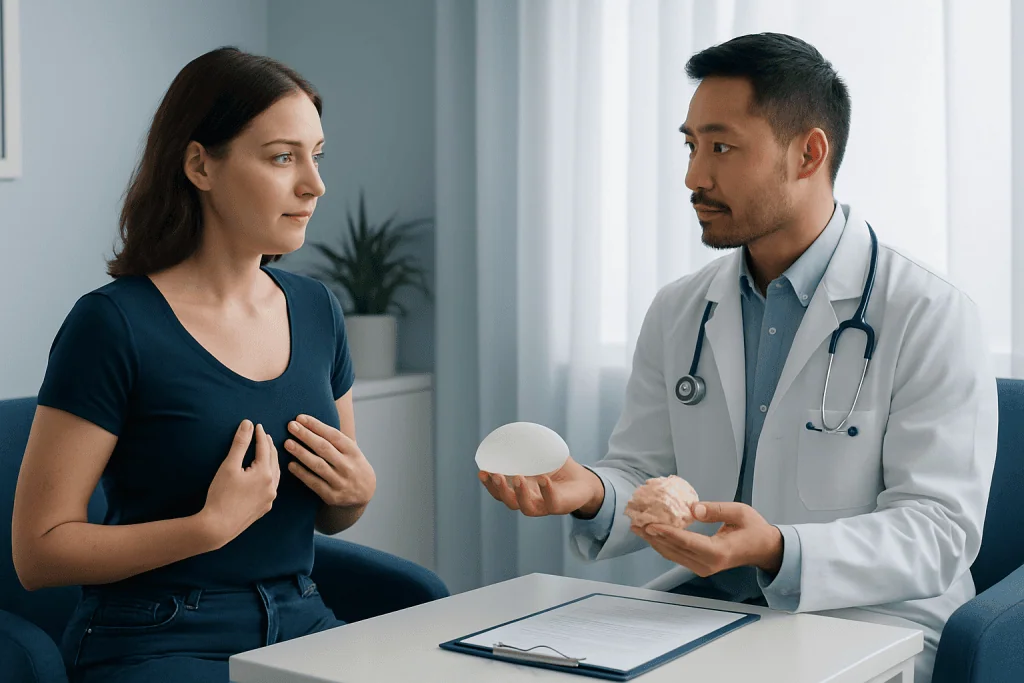
The most important practical difference in breast augmentation vs breast fat transfer is the amount of enlargement that can usually be achieved. Implants generally allow a larger and more predictable increase in breast size. They also give the surgeon more control over projection, fullness, and shape. For patients who want a noticeable transformation, breast augmentation may be the more suitable route.
Fat transfer typically produces a smaller increase in volume. Some transferred fat survives permanently, while some is naturally reabsorbed by the body over time, especially during the first months after surgery. Because of this, results can be less predictable than implants, and some patients choose more than one session to reach their goals. When successful, the breasts often feel very natural because the volume comes from the patient’s own tissue.
Longevity also differs. Implants are durable but not considered lifetime devices, and they may eventually require monitoring, replacement, or removal. Fat that survives after transfer can last for many years, but breast size can still change with weight fluctuations, pregnancy, and aging. Patients with a personal history of heavy scarring may also want to discuss scar behavior, especially if they have concerns related to keloid scars.
Procedure differences, scars, and recovery
Implant surgery usually involves creating a pocket for the implant through a small incision, often placed in the breast fold, around the areola, or sometimes in another carefully selected location. The operation is typically performed under anesthesia. Recovery involves swelling, tightness, and temporary activity restrictions while the tissues heal and the implants settle.
Fat transfer includes two procedures in one: liposuction to collect fat and injection of the processed fat into the breasts. This means there are small incision sites both in the donor areas and on the breasts. Recovery can involve soreness in the areas treated with liposuction as well as swelling in the breasts. People often appreciate that body contour may improve where the fat was removed, such as after arm liposuction or contouring of other donor sites.
Scarring is usually limited with both techniques, but the pattern differs. Implant placement often creates one slightly longer incision, while fat transfer uses multiple tiny access points. Recovery time varies from person to person, and surgeons usually recommend avoiding strenuous exercise, pressure on the breasts, and sleeping positions that may affect healing during the early recovery period.
Risks and limitations to understand
All surgery carries some general risks, including bleeding, infection, anesthesia-related complications, delayed healing, and dissatisfaction with appearance. It is important for patients to understand that no cosmetic procedure can guarantee perfect symmetry or a specific cup size. Realistic expectations are one of the strongest predictors of satisfaction.
Implants have specific considerations such as capsular contracture, implant rupture, visible rippling, implant movement, or the need for revision surgery in the future. Regular follow-up is important, and some patients may need imaging to assess implant integrity over time. Choosing an experienced plastic surgeon and following aftercare instructions can help reduce complications, although they cannot eliminate risk.
Fat transfer also has unique limitations. Some of the injected fat will not survive, and overfilling is not always possible because the breast tissue needs enough blood supply to support the graft. Small oil cysts, calcifications, or lumps can occur and may require evaluation. For this reason, patients should continue routine breast screening as recommended for their age and risk profile. In reconstructive settings or after previous surgery, alternatives such as breast reconstruction may also be discussed if volume restoration goals are more complex.
How doctors help choose the best option
A consultation usually starts with a discussion of goals: how much larger the breasts should be, what shape is preferred, whether a very natural feel is a priority, and how the patient feels about implants versus using their own fat. The surgeon also examines breast skin, tissue thickness, nipple position, chest wall shape, and asymmetry. This helps determine whether one option is clearly better suited than the other.
Medical history matters as well. Smoking, significant weight changes, previous breast surgery, pregnancy plans, and personal or family breast health history can all influence timing and planning. Surgeons may also discuss whether the main concern is small breast volume or another issue, such as excess tissue in male patients with gynecomastia, which requires a different treatment approach.
Photographs, implant sizing tools, and detailed preoperative counseling often help patients understand likely outcomes. In some cases, the surgeon may recommend a combined strategy, staged procedures, or no surgery at all if expectations are unlikely to be met safely. For international patients, Acibadem International’s multidisciplinary specialists and JCI-accredited hospitals provide evaluation and treatment planning for procedures such as breast fat transfer and implant-based breast enhancement.
Preparation, aftercare, and long-term self-care
Preparation usually includes stopping smoking, reviewing medications and supplements, arranging help for the first days after surgery, and completing any recommended tests. Patients are generally advised to maintain a stable weight before surgery, especially if they are considering fat transfer, because major weight loss afterward can reduce the transferred volume. Following the surgeon’s instructions before surgery supports safer healing.
Aftercare often includes wearing recommended support garments, caring for incisions, avoiding heavy lifting, and attending follow-up visits. Swelling and temporary changes in shape are common in the early period, so final results take time. Patients should contact their surgeon promptly if they notice severe pain, fever, spreading redness, sudden swelling, or other concerning symptoms.
Long-term self-care includes maintaining a stable weight, protecting scars from sun exposure, and continuing age-appropriate breast screening. Patients with implants should understand that monitoring may continue for years and that future revision surgery is possible. Those who have fat transfer should know that future body changes, pregnancy, and aging can still affect breast appearance over time.
Frequently asked questions
Which gives a bigger size increase: implants or fat transfer?
Implants usually provide a larger and more predictable increase in breast size than fat transfer. Fat transfer is generally better for a modest enhancement rather than a dramatic change.
Do breasts feel more natural after fat transfer than implants?
Many patients feel that fat transfer creates a very natural softness because it uses the body’s own tissue. Modern implants can also look and feel natural, but the result depends on implant type, placement, and the amount of existing breast tissue.
How long do the results last?
Fat that survives after transfer can remain long term, but some of it is naturally reabsorbed in the first months. Implants are long-lasting but may eventually need monitoring, replacement, or removal, because they are not considered lifetime devices.
Will fat transfer leave scars?
Yes, but the scars are usually small because the procedure uses tiny liposuction and injection entry points. Implant surgery also leaves scars, often from a single incision that is placed in a less noticeable area when possible.
Can someone have a breast lift with either option?
Yes, a breast lift can sometimes be combined with implants or with fat transfer, depending on the patient’s anatomy and goals. This is considered when sagging or nipple position is part of the concern, not just breast size alone.
Is one option safer than the other?
Both procedures can be safe when performed by a qualified plastic surgeon in an appropriate medical setting. Each has different risks, so the safer choice depends on the person’s health, anatomy, and treatment goals rather than a simple one-size-fits-all answer.
References
- American Society of Plastic Surgeons
- U.S. Food and Drug Administration
- National Health Service
- American College of Obstetricians and Gynecologists
This article is for general information only and is not a substitute for professional medical advice. Please consult a qualified doctor about your individual situation.
Breast Fat Transfer in Turkey — costs, top hospitals & a free quote
JCI-accredited · board-certified surgeons · reply within 24h
Add us as a Preferred Source to see more of our trusted health content across Google Search, AI Overviews and Discover.
Check your numbers in seconds
BMI, calories, due date, blood pressure and 30+ more clinical calculators — free, instant, doctor-reviewed ranges.

Plastic, Reconstructive & Aesthetic Surgery
Reconstructive and aesthetic procedures for the face and body, performed by experienced surgeons.
35 specialists in this unitRelated Treatments
Related Conditions
More from the Health Library

Related Specialists

Assoc. Prof. Dr. Erdem Güven (m)
Aesthetic Plastic & Reconstructive Surgery
Prof. Dr. Şükrü Yazar
Aesthetic Plastic & Reconstructive Surgery
Prof. Dr. Hakan Ağır
Aesthetic Plastic & Reconstructive Surgery
Prof. Dr. Bülent Saçak
Aesthetic Plastic & Reconstructive Surgery